Anthony Joshua overwhelms Jake Paul in six to restore boxing sanity in Miami
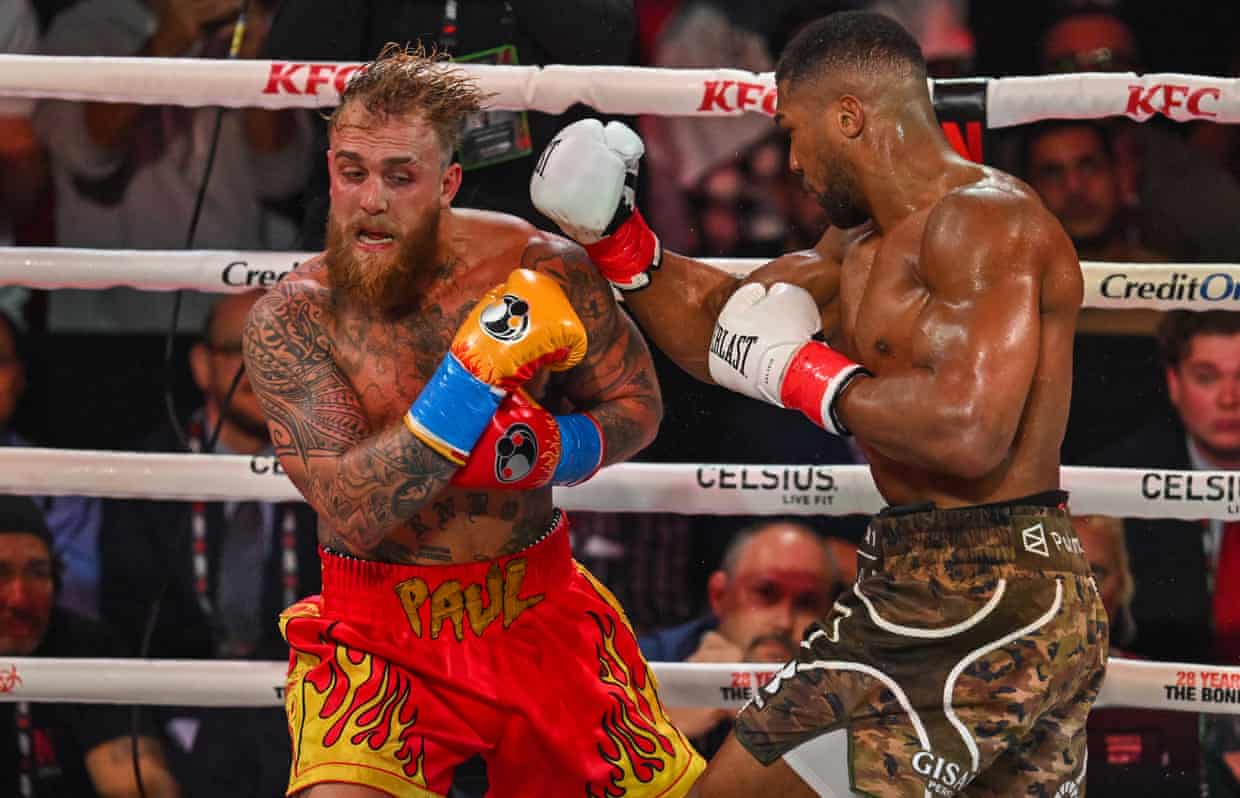
Anthony Joshua did what he was meant to do on Friday night in Miami: he lay waste to Jake Paul’s bravest and most controversial experiment in boxing with a destructive victory that felt less like a sporting result than the restoration of sanity.In their scheduled eight-round heavyweight bout at the Kaseya Center, streamed globally to Netflix’s roughly 300 million subscribers, the former twice unified heavyweight champion scored four knockdowns before stopping the YouTuber-turned-boxer in the sixth round of a mismatch that had prompted weeks of safety fears and moral hand-wringing.Joshua’s triumph, on a night purpose-built as much for memes as for punches, served as a reminder that boxing still adheres to its elemental laws and that power and pedigree eventually reassert themselves.From the opening bell, the shape of the fight was unmistakable.Joshua took the centre of the ring uncontested while Paul circled him, moving laterally from left to right and back again.
The first round was extremely low-volume, punctuated by a smattering of boos from the audience.Paul landed a brief double jab to the body before darting back to safety.Joshua threw an overhand right that appeared to glance off a retreating target.It was tentative, but Joshua’s control of space earned him the round.The second followed a similar pattern.
Joshua swung and missed early as Paul continued to run, using lateral movement to frustrate the bigger man.Joshua began to cut off the ring more effectively, but Paul clinched whenever distance closed, drawing louder boos from the near-capacity crowd.A brief clash of heads halted momentum, and though Joshua hinted at body work, he continued to headhunt.It was a round defined by inertia: Joshua doing little, Paul doing less.By the third, Joshua’s patience began to pay off.
Paul briefly stepped into the pocket and attempted an uppercut, catching only leather.Joshua responded by throwing more power shots, narrowly missing but drawing audible gasps from the crowd.Late in the round, a right hand to the ribs appeared to buckle Paul, the first clear sign of damage.Again, Joshua didn’t land much cleanly, but he was the only fighter attempting to win rather than merely survive.The fight deteriorated toward farce in the fourth.
Paul went into full retreat as Joshua struggled to corner him, wrapping up at every opportunity,The crowd grew increasingly hostile,Matters continued southward when Paul went down claiming a low blow, prompting a prolonged stoppage by referee Chris Young that gave him valuable recovery time,It did little to help,Paul went down again, then again, clearly exhausted and buying time.
Despite the repeated delays, the referee issued no point deduction, drawing sustained jeers from the stands.By the fifth, the contest had crossed from mismatch into embarrassment.Paul flopped once more before finally being dropped by a clean right hand.He beat the count but looked close to collapsing.A second knockdown followed moments later, again from a right, and Joshua closed the round trapping Paul in the corner and unloading unanswered shots.
Somehow Paul survived to the bell, though the proceedings had ceased to resemble a competitive sporting event,The end came early in the sixth,Paul went down almost immediately, dragged himself upright, then fell again under sustained pressure,This time he could not beat the count,Young waved it off at the 1:31 mark, finally ending a bout that had long outlived its threadbare justification.
The bout arrived with the kind of surreal symmetry boxing can’t resist.Miami is where Cassius Clay once made Sonny Liston quit on his stool in 1964, an epochal upset that detonated the sport’s assumptions.This was different: a modern spectacle borrowing the old setting but none of the competitive integrity.Paul, 28, went off as an 5-1 longshot thanks to a deluge of late money against a 36-year-old Olympic gold medallist with an 89% knockout rate.The mania surrounding the fight extended to Air Force One, where US president Donald Trump said he tuned in.
“On the plane I just got to watch the Jake Paul Fight, and he did really well, especially as a display of GREAT Courage against a very talented and large Anthony Joshua,” Trump wrote on Truth Social.“Fantastic Entertainment, but Kudos to Jake for his Stamina, and frankly, Ability, against a much bigger man!”Joshua, returning after a fifth-round knockout loss to Daniel Dubois in September 2024, treated the bout as both restart and referendum.There has been mounting chatter of a long-awaited Tyson Fury fight next year, and there was talk, too, of Joshua as boxing’s reluctant bouncer: the “real” fighter tasked with ending the interloper’s show.He leaned into it in the buildup, describing the dark reality of the sport and hinting at the violence it can contain.On fight night, he fought with the gravity he promised.
“It wasn’t the best performance,” Joshua said.“The end goal was to get Jake Paul, pin him down and hurt him.That’s what was on my mind.It took a bit longer than expected, but the right hand finally found the destination.”Joshua was careful not to dismiss his opponent, praising Paul’s durability after a fight that saw him dropped repeatedly across the final three rounds.
“Jake Paul, he’s done really well tonight,” Joshua said.“He got up time and time again.It takes a real man to do that.Anyone who laces up these gloves deserves respect.We have to give Jake his respect for trying and trying and trying.
”Still, Joshua was clear about the distinction the night reinforced.“He came up against a real fighter tonight,” he said.“We shook off the cobwebs, and I can’t wait to roll into 2026.”With the mismatch resolved, Joshua quickly turned his attention back to elite business, calling out Fury in direct terms.“Put down the Twitter fingers and put on some gloves,” he said.
“Let’s see you in the ring and talk with your fists.”Paul, for his part, appeared bruised but buoyant, insisting the experience had only reinforced his affection for the sport.“That was fun,” he said.“I love this sport.I gave it my all.
It’s fucking crazy.I had a blast.Anthony’s a great fighter.I got my ass beat, but that’s what this sport’s about.”Asked why he appeared so upbeat despite the punishment, Paul shrugged.
“I’ve already won in every single way in life,” he said.“I think my jaw is broken, by the way.A nice little ass-whipping from one of the best to ever do it.I love this shit and I’m going to come back.”That immediate aftermath only underlined what the fight itself made unavoidable.
Paul can sell boxing, stage boxing and sustain attention around boxing in ways few modern figures can,The money does talk: Paul and Joshua will each reportedly clear a minimum of $50m (£37,3m) for their efforts,But inside the ring, against a full-sized heavyweight with championship pedigree, the limits of manifested realities were thrown into harsh relief,
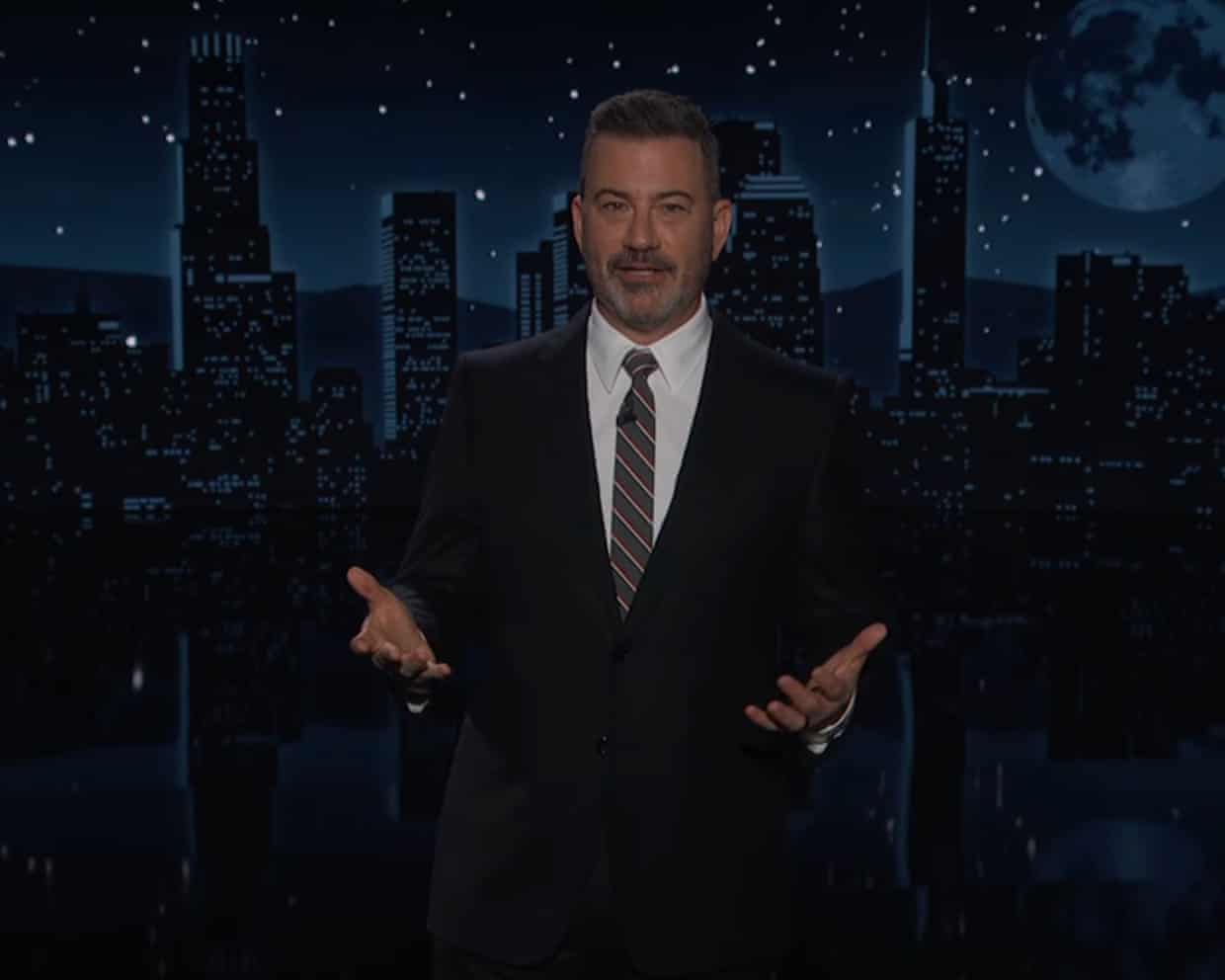
Jimmy Kimmel on Trump’s speech: ‘Surprise primetime episode of The Worst Wing’
Late-night hosts discussed – or ignored – Donald Trump’s surprise primetime address and dug further into the explosive new interview the White House chief of staff, Susie Wiles.Jimmy Kimmel opened his Wednesday night show with an acknowledgment of the president’s 9pm ET national address, also known as a “surprise primetime episode of The Worst Wing tonight on every channel”.Trump announced only on Tuesday that he would deliver an impromptu fireside chat during the season finales of Survivor and The Floor. “It’s weird to think that had a couple of states just gone the other way, he’d be hosting one of those shows,” Kimmel joked. “Trump shouldn’t be pre-empting The Floor
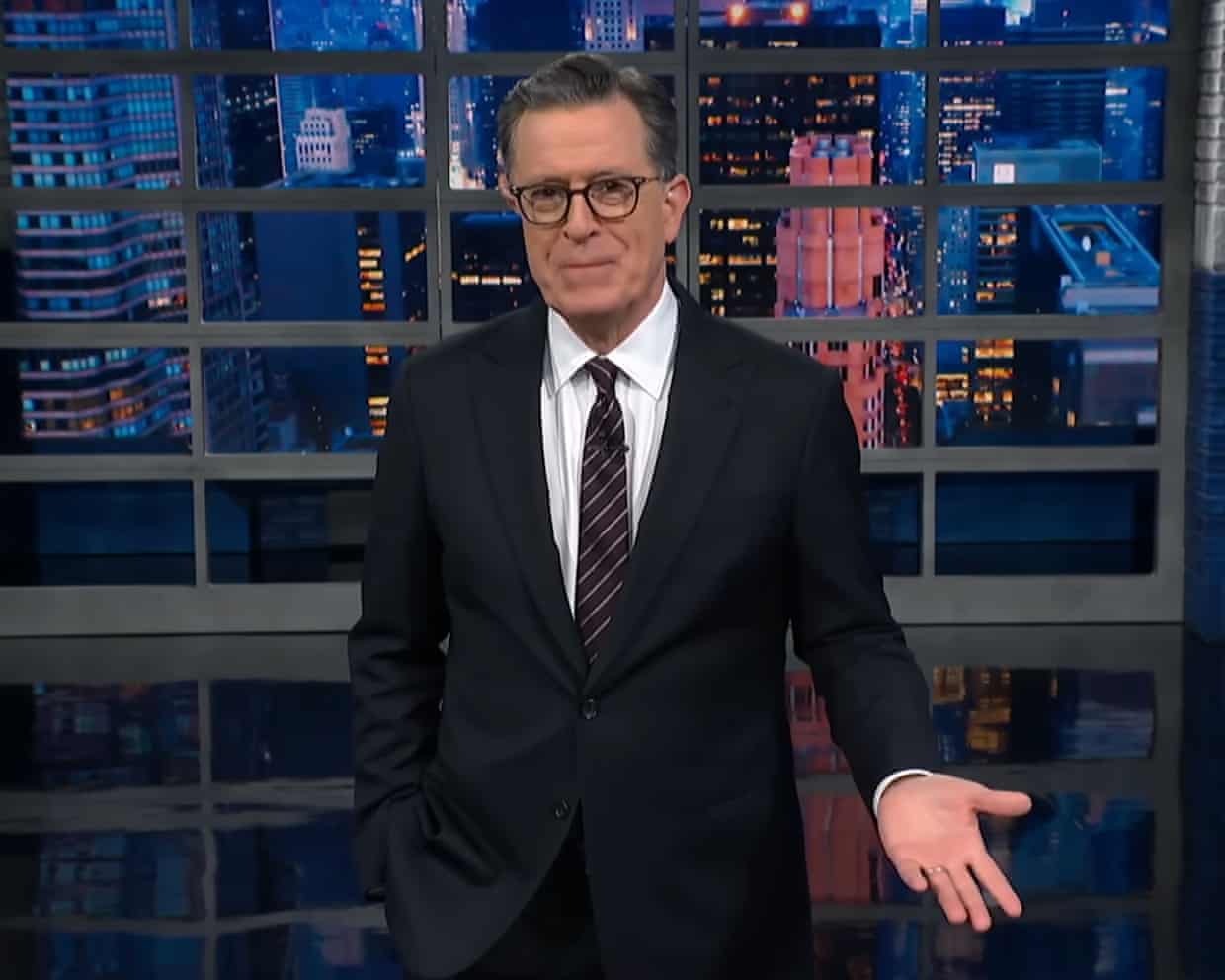
Stephen Colbert on Susie Wiles’s candid interviews: ‘She dished, bish’
Late-night hosts reacted to White House chief of staff Susie Wiles’s revealing interview with Vanity Fair.“If there’s one thing Donald Trump wants, it’s a hamburger,” said Stephen Colbert on Tuesday’s Late Show. “If there’s a second thing, though, it would be to make you think that you’re crazy. That’s why periodically, I like to remind all of you that you’re not crazy. What’s happening is crazy
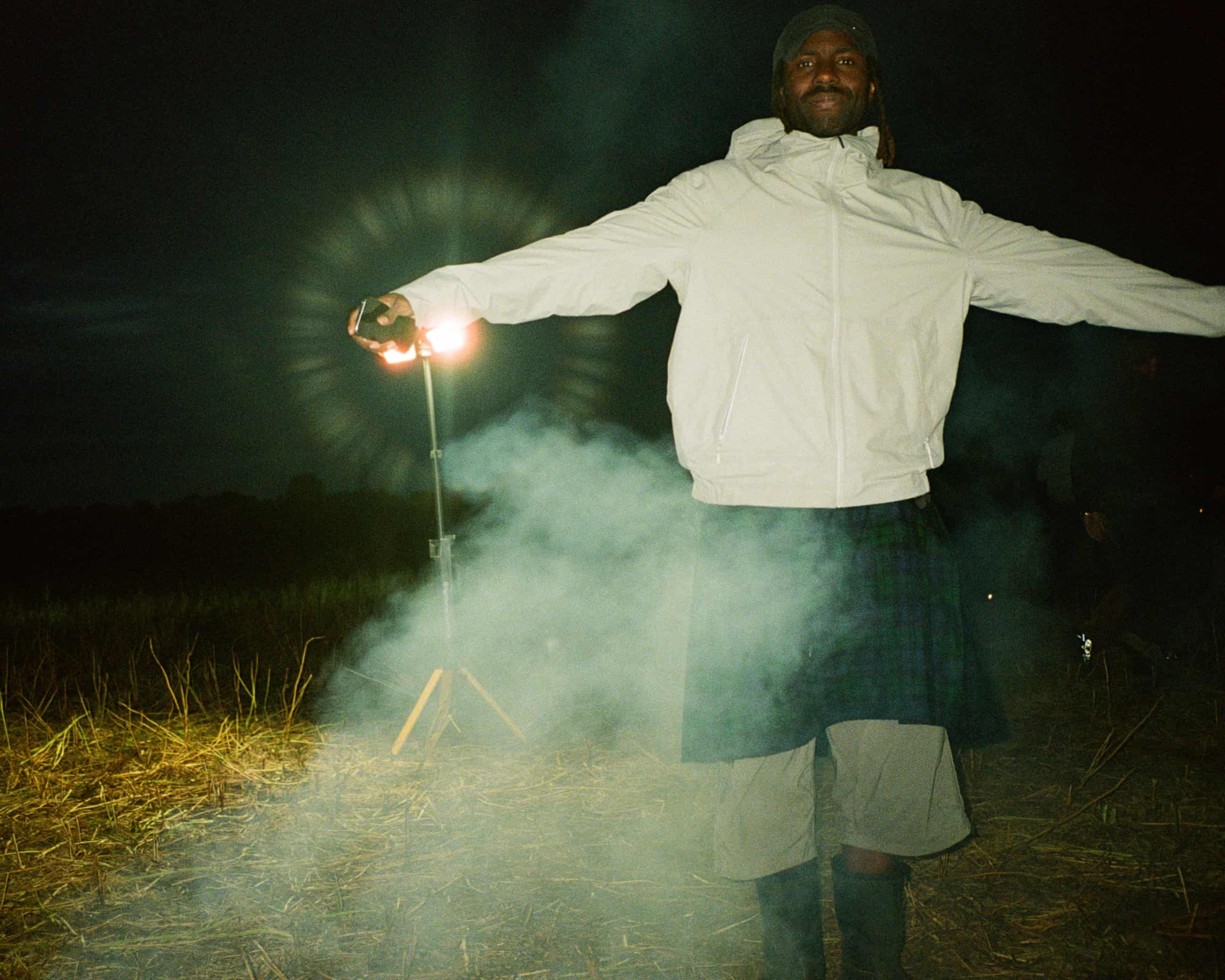
The 50 best albums of 2025: No 3 – Blood Orange: Essex Honey
Dev Hynes’ deeply personal response to his mother’s death embodied the many unexpected shades of grief in pastoral hymnals and post-punk The 50 best albums of 2025 More on the best culture of 2025There’s a lot of grief across the best albums of this year. It’s unsurprising: 2025 has felt like a definitive and dismal break with government accountability, protections for marginalised people and holding back the encroachment of AI in creative and intellectual fields, to cherrypick just a few horrors. Anna von Hausswolff and Rosalía reached for transcendence from these earthly disappointments. Bad Bunny and KeiyaA countered colonial abuse and neglect with writhing resistance anthems. On a more personal scale, Lily Allen and Cate Le Bon grappled with disillusionment about mis-sold romantic ideals

Arts funding in England must be protected from politics, Hodge report urges
Arts Council England must ensure funding is protected from politicisation and simplify its application process in order to regain trust, a damaging report has found.The investigation into the national body for arts funding found there had been a “loss of respect and trust” for ACE among those it backed, in part because of “perceived political interference in decision-making”.The report was written by the Labour peer Margaret Hodge, who recommended that ACE be retained but with the arm’s-length principle strengthened at all levels of government “to ensure that arts funding is protected from politicisation”.She said: “There have been attempts to exert more political control over ACE decisions in recent years and this has to stop. The Arts Council must remain free from political interference
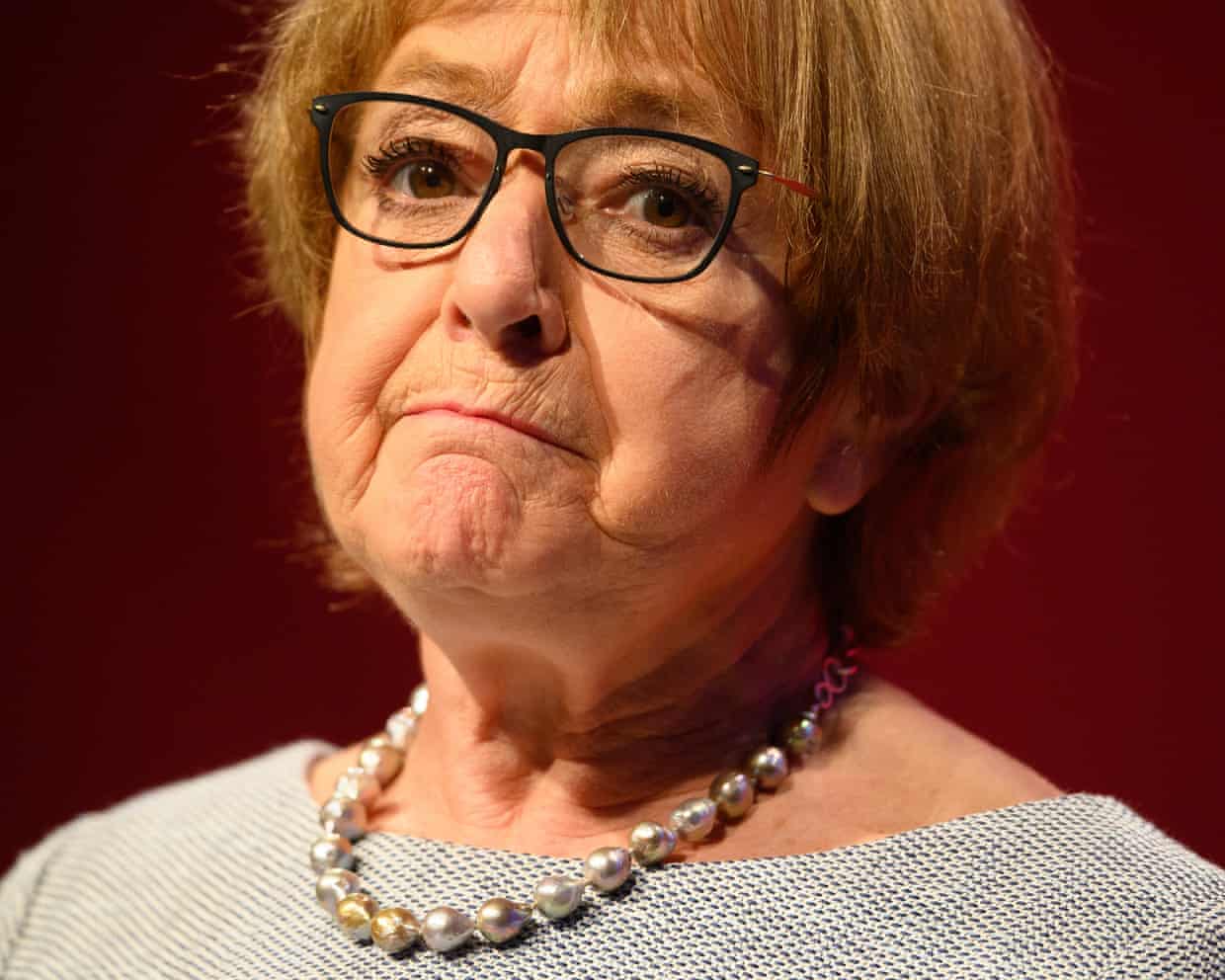
The Hodge report into Arts Council England: ‘Not exactly a ringing endorsement’
The arts in England are underfunded, and were dealt a blow by Covid from which many organisations have not yet recovered. But that has been only part of the story. The sheer weight of required form-filling, the endless bureaucracy, the impracticable length of time it takes to simply be funded by Arts Council England (ACE) have caused universal frustration among those working in the arts. There is much talk of exhaustion and burnout.Many organisations have felt frustrated, too, by the strictures of ACE’s flagship strategy, Let’s Create, which, though admirable in principle, with its focus on participation in the arts, is perhaps tilted too far from recognising the expertise and individuality of artists and arts institutions

The Vietnam War ended 50 years ago. But its lessons live on in The Quiet American
Alden Pyle (Brendan Fraser) was a “quiet American”, says Thomas Fowler (Michael Caine) to a French policeman. “A friend,” he adds, as the lifeless corpse of Pyle stares back at him with a wretched expression.This is the scene that opens Phillip Noyce’s Vietnam-set political drama before the film flashes back a few months earlier to 1952 Saigon, where Fowler, an ageing Englishman, lives leisurely as a journalist reporting on the first Indochina war. When Pyle, a young American aid worker advocating for US intervention, falls for Fowler’s 20-year-old Vietnamese lover, Phượng (Đỗ Thị Hải Yến), the jaded reporter’s tranquil existence begins to unravel.At Pyle and Fowler’s first meeting at the Continental hotel, it is clear that Pyle is anything but “quiet”: handsomely bespectacled, the American idealist is attentively reading Dangers to Democracy, a book on foreign policy

Retailers hope ‘panic weekend’ will bring Christmas cheer to UK sales

Why is Truth Social owner Trump Media merging with a fusion energy firm?
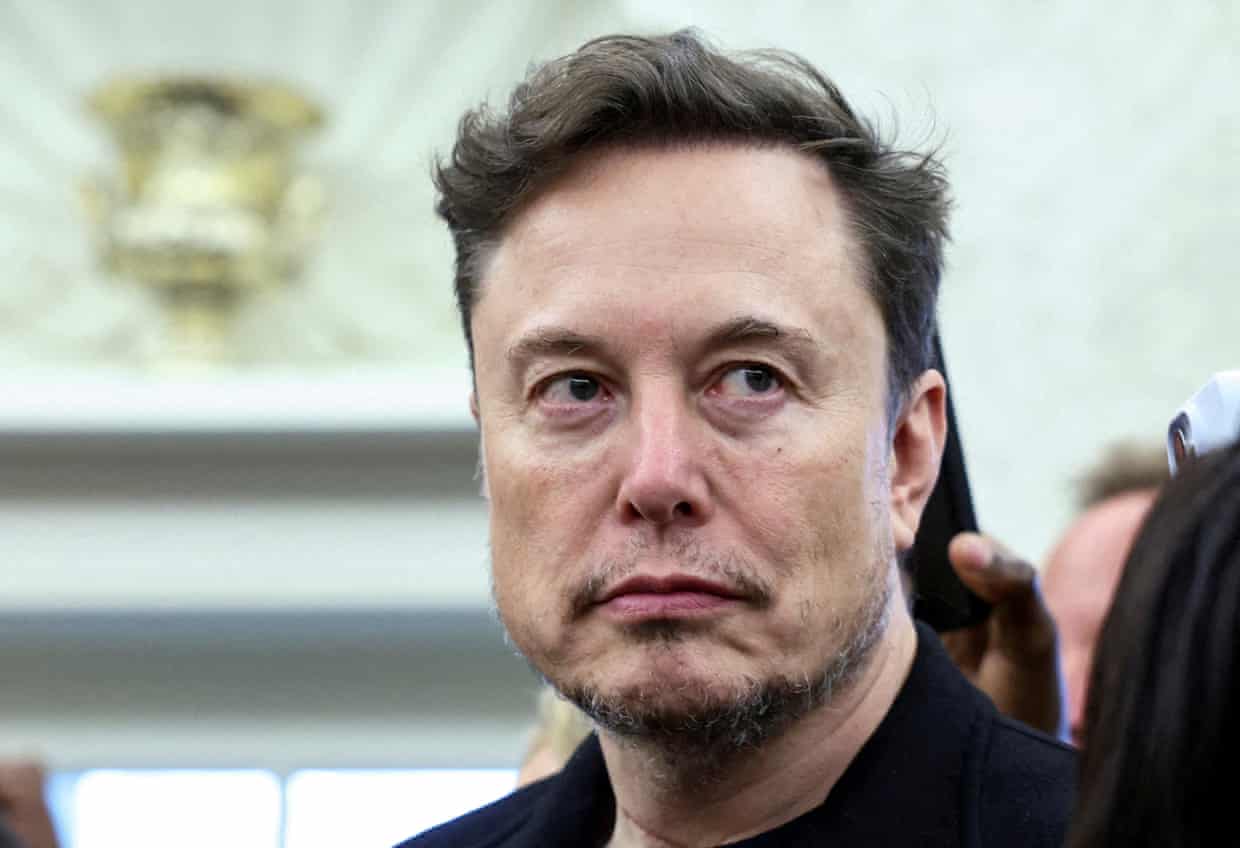
Elon Musk’s massive 2018 Tesla pay package restored by Delaware court

‘A black hole’: families and police say tech giants delay investigations in child abuse and drug cases
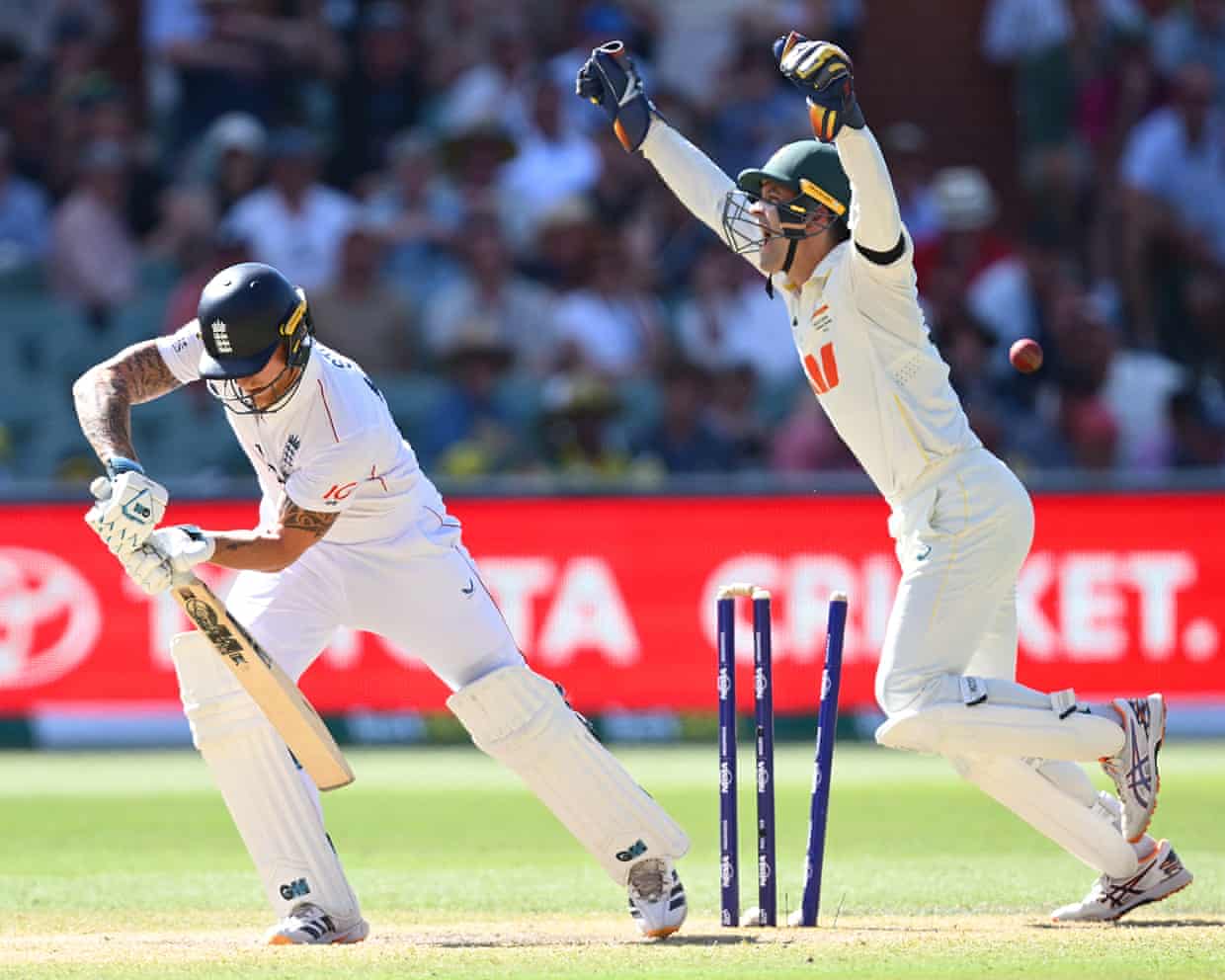
Australia close on Ashes victory over England on day four of third Test – as it happened
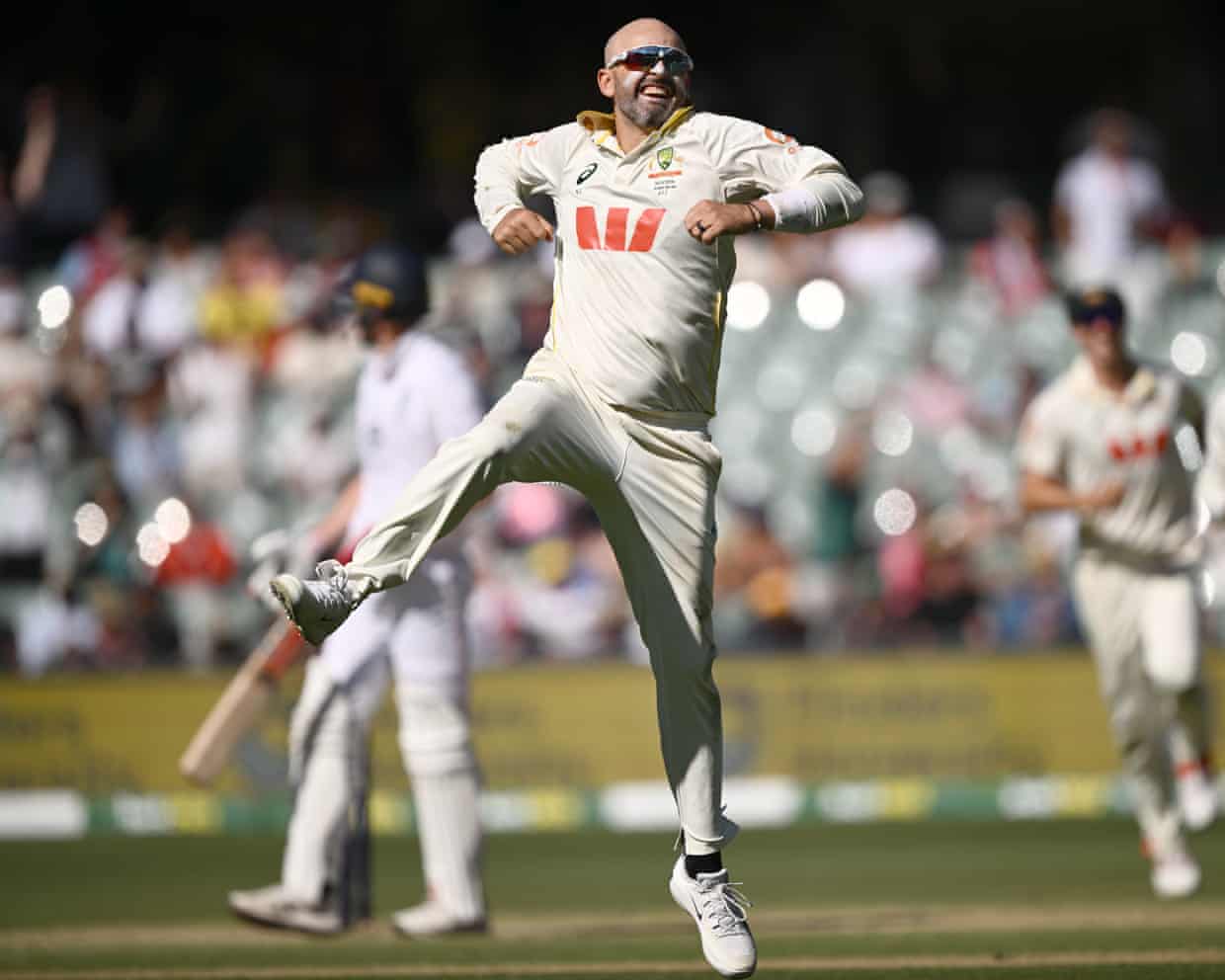
Australia on cusp of Ashes triumph as Nathan Lyon dulls England’s glimmer of hope