Mapped: the elections that could deliver ‘unprecedented’ losses for Labour

Labour is on track for its worst local election performance next Thursday, data analysed by the Guardian shows, in a blow that will pile further pressure on Keir Starmer’s leadership.Barring a drastic change in fortunes, Labour’s vote-share could fall to historic lows across elections for councils in England and devolved parliaments in Wales and Scotland on 7 May, with big gains for Reform, the Greens and nationalist parties, according to recent polling.The collapse in support is particularly existential in the race for the Welsh parliament, the Senedd, which Labour has dominated since its creation in 1999.Polling shows Labour’s vote share falling by more than half in Wales, enough to push the party into third place, with Reform and Plaid Cymru vying for first.Labour’s long-term decline in Scotland is expected to continue, with the Scottish National party likely to remain in power in Holyrood and Reform headed for second place.
In England, Labour faces several threats – from Reform, the Greens, the Liberal Democrats and independents – across 136 council races, including in its strongholds in London and the north,While reliable polling across the council races is hard to come by, the recent fall in Labour’s national poll rating, alongside rises for other parties, is leading experts to expect “unprecedented losses”,Stephen Fisher, a professor of political sociology at the University of Oxford, has estimated Labour will lose 1,900 councillors on 7 May – 74% of the number of seats the party currently holds that are up for re-election,Such a result would be the worst local election performance for any prime minister since comparable data began,Fisher estimates Reform will gain 2,260 councillors – which would triple the party’s local representation in England overnight – while the Greens will gain 450 and the Liberal Democrats 200.
The Conservatives are also set for a drubbing, with a net loss of 1,010 councillors under Fisher’s estimates, in a clear sign of voter dissatisfaction with Britain’s two main parties.“Reform gains at last year’s local elections amounted to a record-breaking 41% of the seats up for election,” Fisher said.“Now they have extended their polling lead, Reform should do even better this year if they can maintain the same conversion rate for opinion poll ratings into council seat gains.“If they can, then the consequences are enormous losses for the Conservatives and unprecedented losses for Labour.”A catastrophe of this scale for Labour could reignite the prospect of a leadership challenge against Starmer, who has continued to come under pressure over the appointment of Peter Mandelson as US ambassador.
In recent weeks several Labour ministers have played down the possibility of Starmer being removed because of any poor performance in the local elections, citing the international crisis over the Iran war,But the Guardian’s revelation that Mandelson failed secured vetting for the US role has put Starmer’s future back in focus, amid calls for his resignation by opposition parties,Record-breaking electoral losses will only add to the concerns within Labour,Here is every area with an election on 7 May — 136 local councils in England, plus the Welsh and Scottish parliaments,Labour currently controls 66 areas with an outright majority.
In some places, the party has been in power for decades continuously.In London, every councillor on all 32 borough councils is up for election.Over the past decade the capital has become a firm Labour stronghold, with a base of progressive voters who tend to be younger, ethnically diverse and struggling with the city’s high living costs.That now looks at risk.When comparing current polling with 2022 – when London’s boroughs last held local elections – Labour’s support in the capital has plummeted.
This has mostly been to the benefit of the Greens, with the party closing in on first place.But Reform is rising too – and to a greater extent than the Conservatives have fallen.The Greens hold a handful of councillors across London, including in boroughs such as Brent, Richmond upon Thames and Lambeth.But if the recent polling is correct, the Greens could finally take control of a council in the capital.Among the party’s key targets are Hackney and Lewisham, the latter being where leader Zack Polanksi launched the Greens' election campaign earlier this month.
These are boroughs that have been held by Labour for more than two decades,But amid soaring rents, anxieties around gentrification and broader dissatisfaction with the Labour government, the areas might be prime for the taking,A forecast by YouGov published this week found the Greens coming first in both these boroughs in terms of vote share, as well as Lambeth and Waltham Forest — though by razor thin margins, with Labour in close second,Outer London is a different story – older and more suburban boroughs where there could be gains for the right,Barking and Dagenham council, held by Labour continuously since the 1960s, is one area where Reform might make its breakthrough in the capital.
It is a borough with high levels of diversity and deprivation, yet also voted heavily for Brexit in 2016.Last year the council’s leader, Dominic Twomey, warned that Reform was gaining ground in London and that Labour should not “be complacent”.YouGov’s London MRP suggests Reform would come first in three outer boroughs on 7 May – Barking and Dagenham as well as Havering and Bromley.Gains for the Conservatives, who have long held enclaves in outer London, cannot be ruled out either.A poll circulated among Labour MPs in March showed the Tories regaining Barnet from Labour.
The other key English areas up for election are in the north,Some of Labour’s longest-held councils are here, many having been held since the 1970s continuously,The chief threat is Reform, which has begun polling in first place in the region, where it has won over a contingent of culturally conservative but economically insecure voters,However, the Greens are on the rise in the north too, fresh from their win in the byelection for Gorton and Denton, on the outskirts of Manchester, in February,For Reform's local election campaign launch, Nigel Farage picked Sunderland in the north-east — a Brexit-backing area held by Labour since 1974.
The council's current Labour leader, Michael Mordey, recently told the Times he was "absolutely terrified, if I'm honest" about the prospect of a Reform surge in the city.Farage has also beeen touring the north-west on the campaign trail, including stops in Sefton in Merseyside.That included a visit to the town of Southport, which was at the centre of the anti-immigration riots in 2024 following the mass stabbing at a girls' dance class.There, Farage was grilled by a Liverpool Echo reporter over comments he made on social media following the attack, which some argue enflamed tensions in the local area.The Greens, meanwhile, have been focusing on areas like Newcastle.
Local Muslim voters told the Guardian they are considering switching from Labour to the Greens, in part because they believe it is the best party to fight the far right,Most catastrophic of all for Labour could be what happens in Wales,Since the Senedd was created in the late 1990s, Labour has been returned as the biggest party, but its dominance in Wales goes back decades, before devolution,Most recently the party’s support has been concentrated in south Wales, in and around Cardiff as well as the post-industrial belt of Rhondda, Cynon Valley and Merthyr Tydfil,These are voters who have been with Labour a long time, throughout the New Labour years and time in opposition in Westminster afterwards.
Yet YouGov's most recent MRP poll of the Senedd elections, published on 22 April, is seismic.The forecast suggests that Labour could come in third place with just 12 seats, ending a century of the party's dominance in Welsh politics.Meanwhile, Reform and Plaid Cymru are neck-and-neck for first place, with Reform just eking out by one seat for a total of 37, versus Plaid Cymru's 36.Neither would have enough for a majority, however.In theory Plaid Cymru could seek a coalition with both Labour and the Greens for the 49 seats needed, but Labour's participation in any formal deal looks unlikely.
Instead, within five years, Labour could go from governing Wales to becoming an opposition party in the Senedd,In Scotland, Labour has been in consistent decline to the benefit of the SNP for years, a trend that looks likely to continue at this election,But there was a period around Starmer's 2024 victory when the SNP appeared to be on the ropes,Voters were turning away from the party amid a police investigation into the party's finances, the collapse of a power-sharing agreement with the Scottish Greens and leadership instability after the resignation of Nicola Sturgeon in 2023,Two years later, however, and the SNP's fortunes have reversed.
Current forecasts show Labour's share of seats in the Scottish parliament shrinking to just 12%, the party's lowest since devolution in 1999.The SNP meanwhile could win 67 seats based on YouGov's projections, enough for a majority.The pro-independence party would pick up Dumbarton from Labour and Aberdeenshire West from the Tories.Reform is set for a major breakthrough too, going from zero seats in Holyrood to becoming the biggest rightwing party in Scotland.Such dismal prospects probably explain why it was the Scottish Labour leader, Anas Sarwar, who publicly called for Starmer to resign in February.
Yet, while there are clear signs 7 May could be an electoral catastrophe for Labour, it is less clear what this will ultimately mean for Starmer and his ability to remain in Downing Street,On the one hand, the prime minister’s odds of survival have improved markedly since the US-Israeli war in Iran,Starmer’s refusal to involve the UK directly in the war may explain why the level of public disapproval with his government fell throughout March,On the other hand, that movement has already begun to reverse, and the polling does not yet reflect the full impact of the latest revelations over Mandelson,Still, it raises the possibility that the prime minister has already reached peak unpopularity.
Labour figures will have to ask themselves: will the local elections be the worst it gets under Starmer, or a sign of more disasters to come?

Jon Stewart on White House correspondents’ dinner: ‘We can’t even pull off a dinner that shouldn’t have existed in the first place’
Late-night hosts responded to the White House correspondents’ dinner shooting and Donald and Melania Trump’s attempts to blame political violence on Jimmy Kimmel’s jokes.Jon Stewart resumed his Monday night chair at the Daily Show less than two days after the shocking attack at the White House correspondents’ dinner on Saturday night, which resulted in the arrest of one man and, thankfully, no injuries. “It was supposed to be an evening of fun and merriment until, like most things in America, it was interrupted by gunfire,” Stewart said. “This is why we can’t have nice things. And to be perfectly frank, it’s not even a nice thing

Antiquities dealer who exposed thefts at British Museum dies aged 61
The academic turned antiquities dealer who exposed the theft of hundreds of artefacts from the British Museum has died aged 61.Dr Ittai Gradel, from Denmark, alerted the British Museum and the police after he was able to buy dozens of museum artefacts on eBay over the course of several years.Gradel died of renal cancer days after receiving a rarely presented medal from the museum in recognition of what its director called his “very significant contribution”, according to the BBC.A police investigation is still ongoing, more than three years after the museum reported the thefts to Scotland Yard after pressure from Gradel. Before his death in a Danish hospice, Gradel – who would have been a key witness in any trial – told the BBC it was “a bit annoying” he wouldn’t live to see the resolution of the case
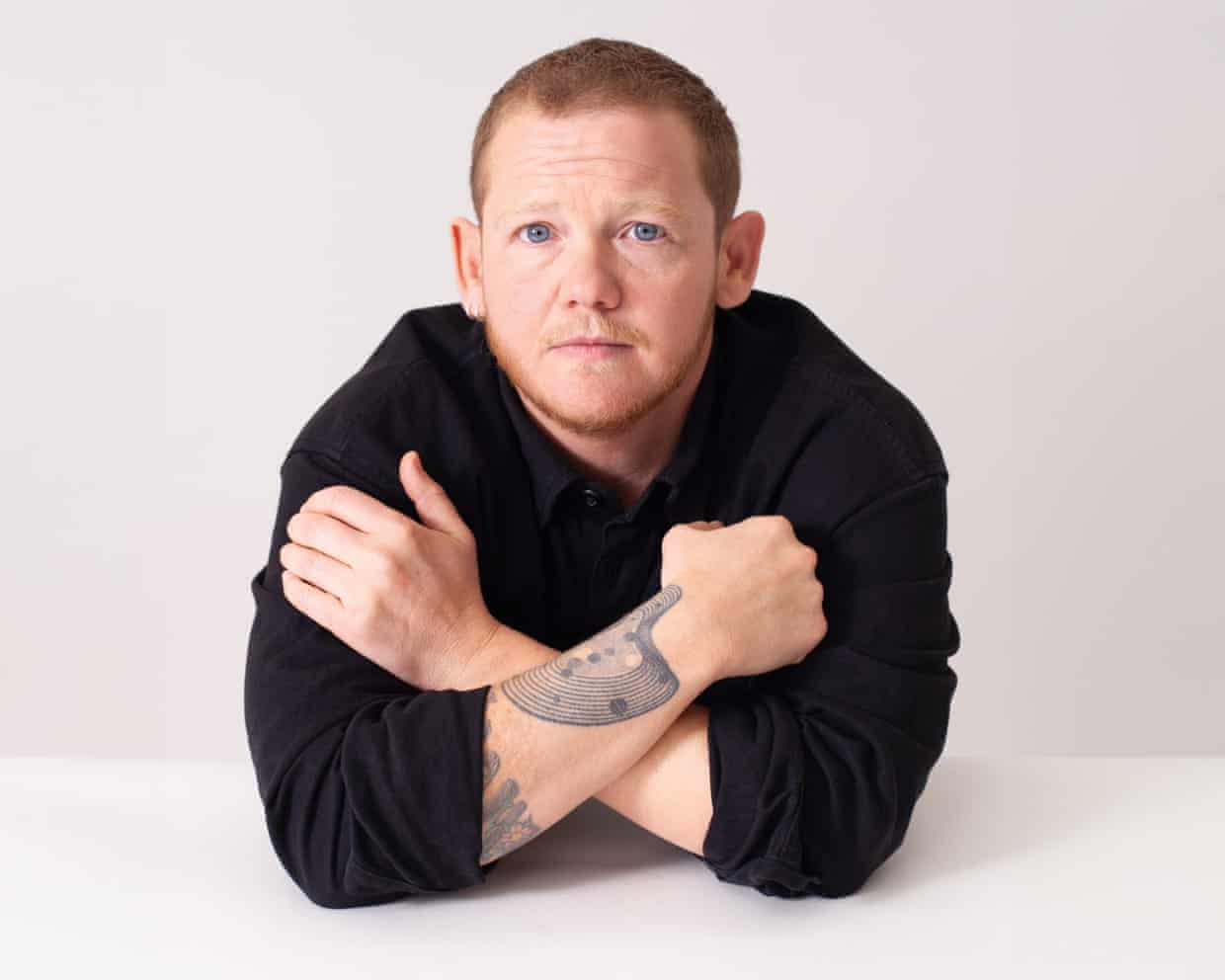
Having Spent Life Seeking by Kae Tempest review – painfully earnest tale of trauma and transition
Kae Tempest’s new novel is dedicated to “you”, the reader. It also comes with a plea: “Be gentle though.” But to whom or what should we be gentle? The book or the writer? Having Spent Life Seeking is Tempest’s second novel, arriving a decade after his first and following a period of considerable personal change, including gender transition. Perhaps inevitably, it is a book full of struggle and soul-searching. It is also painfully earnest: an enervating read with an exhausting intensity that neither relents nor resolves
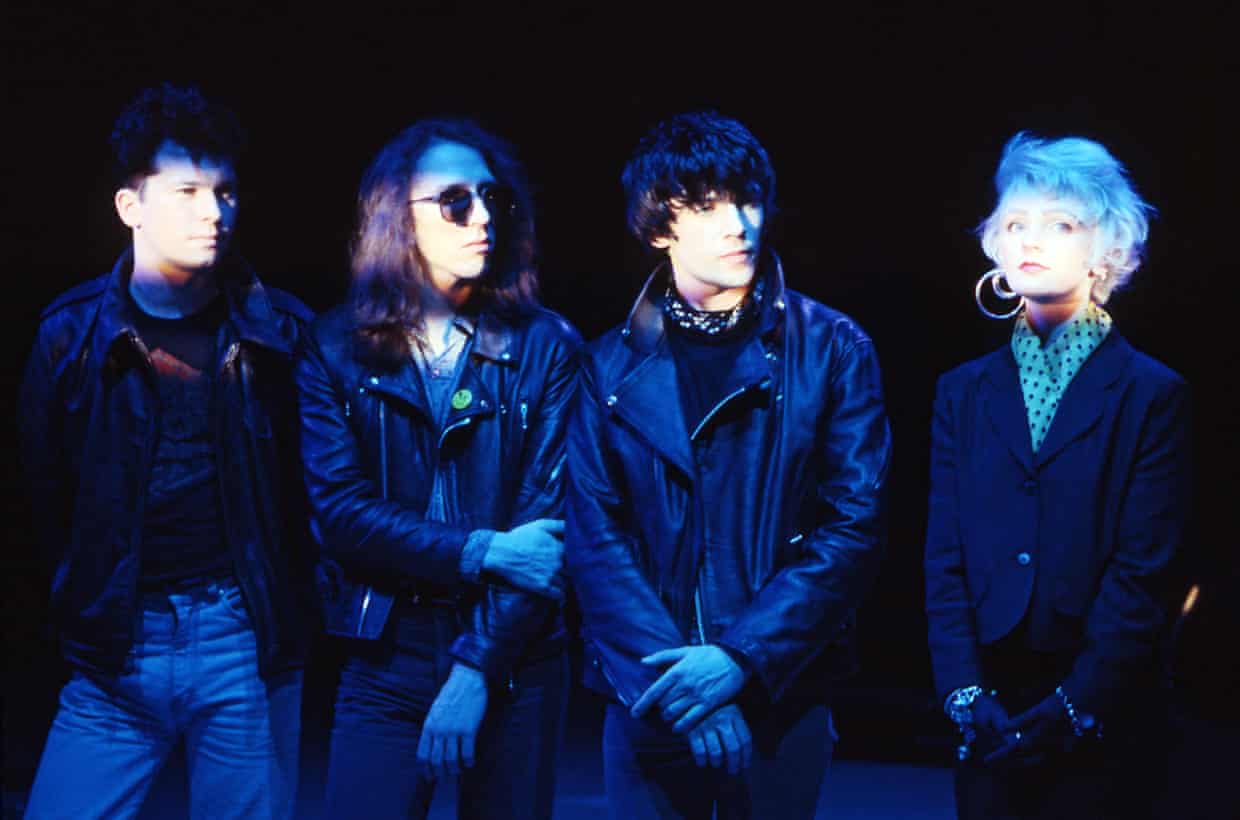
The Primitives: ‘A reviewer said that Crash would finish the band. Then it was in Dumb and Dumber’
The Primitives formed in the summer of 1984 with a singer called Keiron, who brought me in to write songs. When he left, we pinned up an advert in Coventry library and Tracy, who I’d actually met before on a Youth Opportunity Programme, answered. At that point, we sounded more like the Birthday Party or the Gun Club, so I wrote three new songs – Through the Flowers, Across My Shoulder and Crash – to test a more pop direction. Crash was simple and noisy, with a basic guitar line that became the “Na na na” hook.It was in our live set, but we dropped it quite quickly
Arts funding gap in the north must be closed | Letters
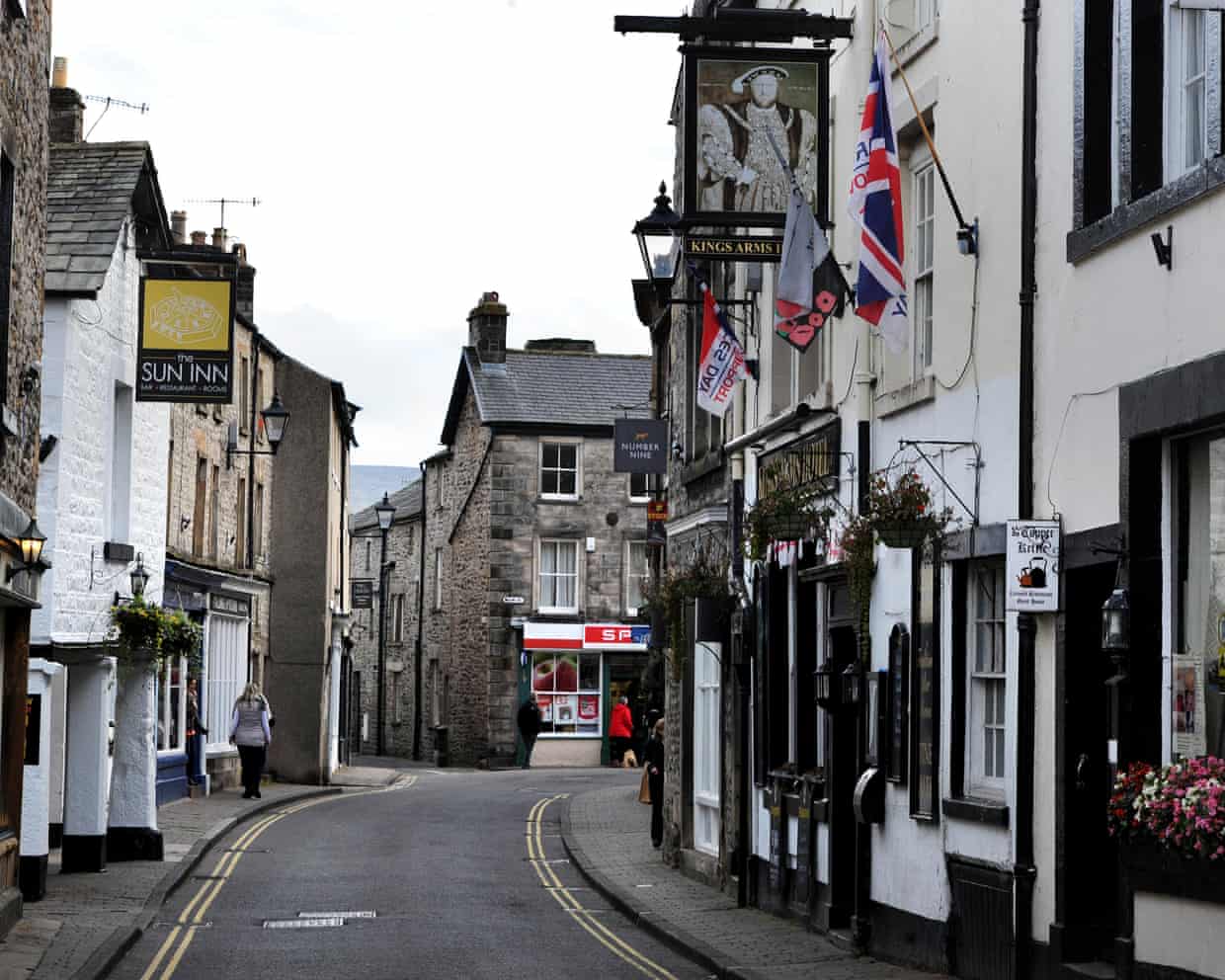
It was pleasing to read about Labour’s commitment to the principle of access to art for “everyone” (Editorial, 17 April). Everyone seemingly in London, where a whopping £135m has been invested in the V&A East museum – the latest addition to the buzzing East Bank cultural quarter.When, I wonder, will this Arts Everywhere Fund arrive at what used to be the buzzing cultural centre of the Albert Docks in Liverpool, where the Tate has been closed for more than two years? Where the museum of slavery has closed its doors and where what was a buzzing arts area now looks neglected and abandoned.When will places in the north, such as the once-vibrant towns of Kendal, Barrow and Kirkby Lonsdale, be given the same large sums spent on venue after venue in London?All the towns mentioned above are, incidentally, desperately bidding for UK town of culture 2028 designation in the hope of winning some desperately needed cash to enhance their cultural sector and to bring to these long-neglected and once-thriving centres accessible places where people can share in the joy of music, theatre or heritage, as are enjoyed by our lucky communities in “once neglected areas of London”.Spread the joy, Lisa Nandy, and let’s all have a share in the investment
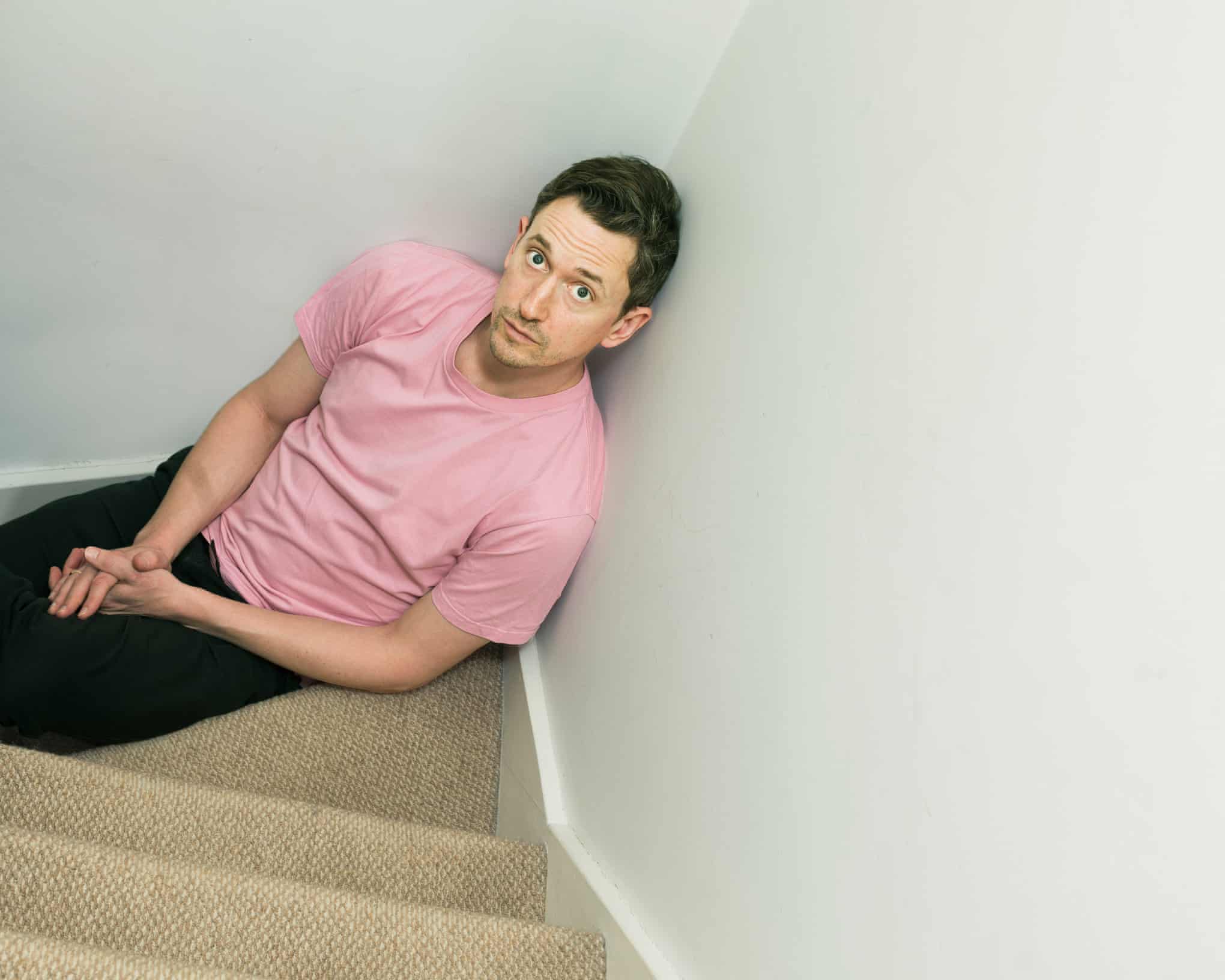
‘I wanted alcohol to take me to a place where I was not’: comedian John Robins on the moment he realised he had a drinking problem
For most of his life, John Robins assumed he got more out of alcohol than it took from him. Now he knows it was the other way round ‘I picked up the bottle of wine and drank straight out of it. I was seven’ Read an exclusive extract from his new memoirThe Guardian’s journalism is independent. We will earn a commission if you buy something through an affiliate link. Learn more

Leasehold ban in England and Wales unlikely before next general election, minister says
The use of advanced practitioners in the NHS is no reason to fear for patient safety | Letters
The landlords’ view of the rental market | Letters

Visible sign of MPs’ boozing is comical | Brief letters

Swearing banned by one in five councils in England and Wales, report on ‘busybody’ fines shows
Obesity a key factor for rising cancer rates in young people in England, study finds