In Peter Mandelson evidence, Cat Little had the best weapon: an audit trail
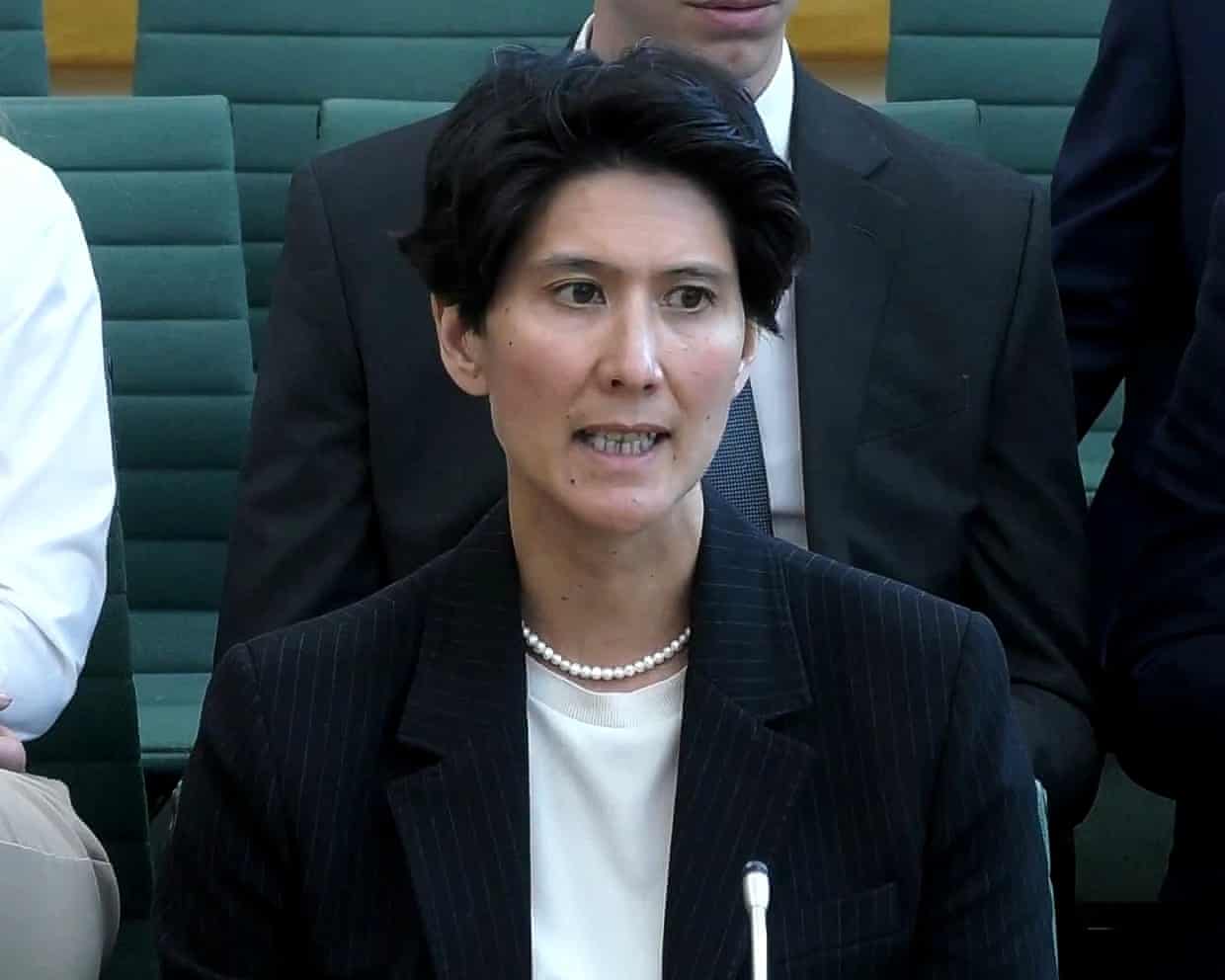
Seen through the Westminster bubble, the Peter Mandelson vetting affair looks like an age-old conflict pitting ministers against mandarins.Yet the latest top civil servant to testify to parliament over what some are now calling “Mandygate” gave an intriguing account that suggested it has never been as simple as that.Cat Little, the top civil servant at the Cabinet Office, did not put it in these terms, but what she revealed was an extraordinary dispute between the country’s most senior civil servants.Little cut a very different figure to Olly Robbins, her recently departed counterpart at the Foreign Office, who gave evidence to the foreign affairs select committee two days earlier.Whereas Robbins exuded civil service finesse and ease, and was perhaps somewhat freed by no longer being in post, Little at times looked genuinely pained at the situation in which she found herself: divulging the kind of facts that the British national security state would prefer remain under lock and key.
Yet in her evidence was just as revelatory, and perhaps more so, given she came armed with the most deadly of civil servant weapons: an audit trail,It was a contrast with Robbins who, on the key question of why Mandelson was giving vetting clearance against the advice of security officials in late January 2025, was reliant on his recollections of an oral briefing that does not appear to have been fully minuted,Little’s key revelation related to a meeting she had held with Robbins just two months ago – when, she said, he refused to release to her department files related to Mandelson’s vetting decision,This happened to be the very same paperwork that revealed Robbins had been advised not to give Mandelson clearance but did so anyway,Little was a star witness in this affair because of her position in the machinery of government.
She runs the Cabinet Office, the department that houses United Kingdom Security Vetting (UKSV) – the agency that helps decide which employees should get developed vetting (and concluded that Mandelson should not).She is also the civil servant ultimately responsible for complying with the so-called “humble address”: the parliamentary motion passed in February requiring the government to release “all papers” related to Mandelson’s appointment.Under the terms of that motion, the most sensitive documents, such as Mandelson’s UKSV file, were to be handed to parliament’s intelligence and security committee (ISC).And so it was in that capacity, of gathering all the relevant materials that had to be released to the public or the ISC, that Little said she had her crucial face-to-face meeting with Robbins in the middle of March.She had not by that stage seen Mandelson’s UKSV vetting file, and did not know that it had recommended “clearance denied”.
But for complicated reasons, the Foreign Office had a copy and associated documents setting out Robbins’ decision to grant clearance anyway.Little’s account of what happened was delivered with little drama, but it could create a real headache for Robbins.“I specifically asked to see this document and any decision-making audit trail about those judgments at the time,” she said.“It was made clear to me that that information would not be forthcoming.”Asked who told her this, she replied: “Sir Olly.
”Then, when she was asked why Robbins would not want the information to be shared, she said: “In the actual meeting, the specific reasons were not discussed.”Little made clear her account was based on evidence.Asked who witnessed this conversation, she replied: “Three private secretaries in attendance of the meeting, and I personally took a record of it.”It was in the face of Robbins’s resistance, Little said, that she took the “very unusual judgment” that she needed to get the copy from UKSV itself.Little’s evidence was not without awkward questions about her own conduct.
She in effect confirmed the Guardian’s reporting that she and the cabinet secretary, Antonia Romeo, had known about Mandelson’s vetting file but waited almost three weeks before telling the prime minister.She acknowledged it “did take some time” to tell Starmer, but insisted there had been a process to follow, and she needed to get legal, policy and proprietary advice before being sure to whom, precisely, she could reveal this state secret.She acknowledged the Cabinet Office was “very worried” about releasing such a sensitive vetting file to the parliamentary committee.Before concluding, Little wielded her audit trail to once again present a different version of events to Robbins about one of the enduring mysteries in the scandal so far.Why did the foreign office ask to look at Mandelson’s vetting documents on 15 September 2025, four days after Mandelson was sacked?Robbins had told the committee he had “considered” viewing the vetting file and there were “different views” on the matter but ultimately he had been told he could not review it without a national security justification.
Little’s paper trail told a different story,She confirmed the foreign Office security team had requested “a number of documents relating to the vetting file” on that date,The records showed that the documents were shared with the Foreign Office that day, she said,The obvious question: why did Robbins, or anyone else at the Foreign Office, need to see Mandelson’s vetting files after he had been sacked? Asked that question, Little replied: “I don’t recall there being a reason given,”
Parents: have you noticed younger children wanting to try skincare products?
Children as young as two are appearing in TikTok videos demonstrating their skincare routines, a Guardian investigation has found, raising concerns about the beauty industry’s reach. Dermatologists say children do not need multi-step skincare and warn the trend may be fuelling anxiety about appearance from an early age.We want to hear from parents of children of primary school children or younger. Have your children asked for skincare products or felt pressure to follow routines they’ve seen online or heard about from friends? Have you noticed changes in how they think about their appearance? Do you have concerns?You can share your submission in the form below or by messaging us. We won't use your response without contacting you first
One person diagnosed with cancer every 80 seconds in UK, report reveals
The number of people in the UK being diagnosed with cancer has reached a record high, with one person diagnosed every 80 seconds, a report reveals.Cancer Research UK found that more than 403,000 people were being diagnosed with the disease each year. The rise is largely due to a growing and ageing population, as people are more likely to develop cancer as they get older.The NHS is struggling to cope with rising demand for care. Cancer waiting times across the UK are among the worst on record, according to the report
HRT maker censured by UK regulator for ‘systemic failures’ that put patients at risk
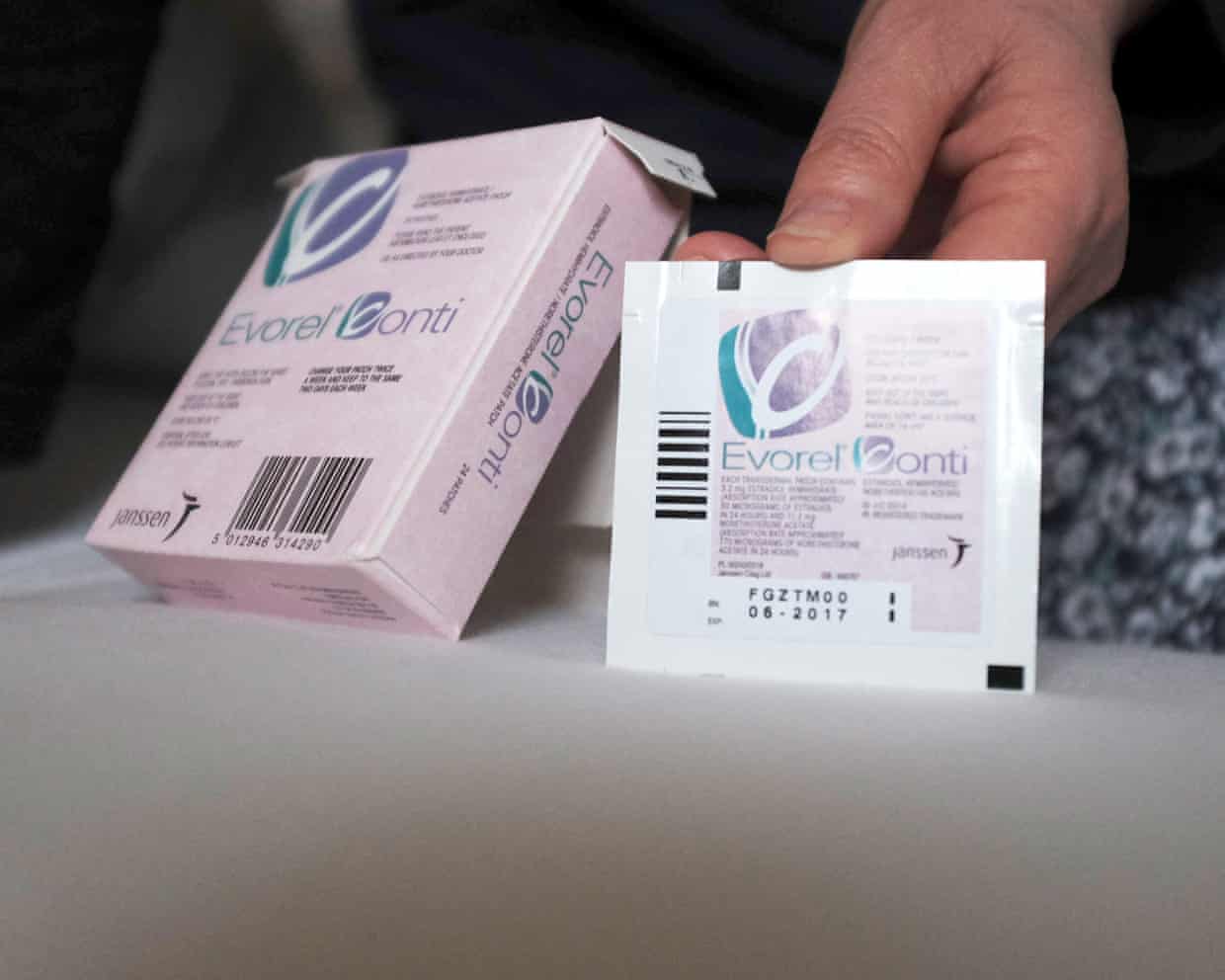
One of the biggest producers of hormone replacement therapy has been censured by regulators for “systemic failures” that jeopardised patient safety.Theramex, the UK producer of HRT drugs Evorel and Intrarosa, was found to have breached fundamental compliance standards including not updating crucial prescribing information – in some cases for several years – and not making it clear that a drug must not be used during pregnancy.The Prescription Medicines Code of Practice Authority (PMCPA), the UK drug industry’s self-regulatory body, issued the public reprimand against Theramex after its own staff blew the whistle over “alarming” compliance issues and incomplete prescribing information for Evorel and Intrarosa that “jeopardise patient safety”.Evorel patches – which contain estradiol – are among the most prescribed form of transdermal HRT, with more than 250,000 items issued in the last financial year, according to NHS Business Services Authority figures.Overall, nearly 10m items of estradiol, including gels, were prescribed in the 2024/25 financial year
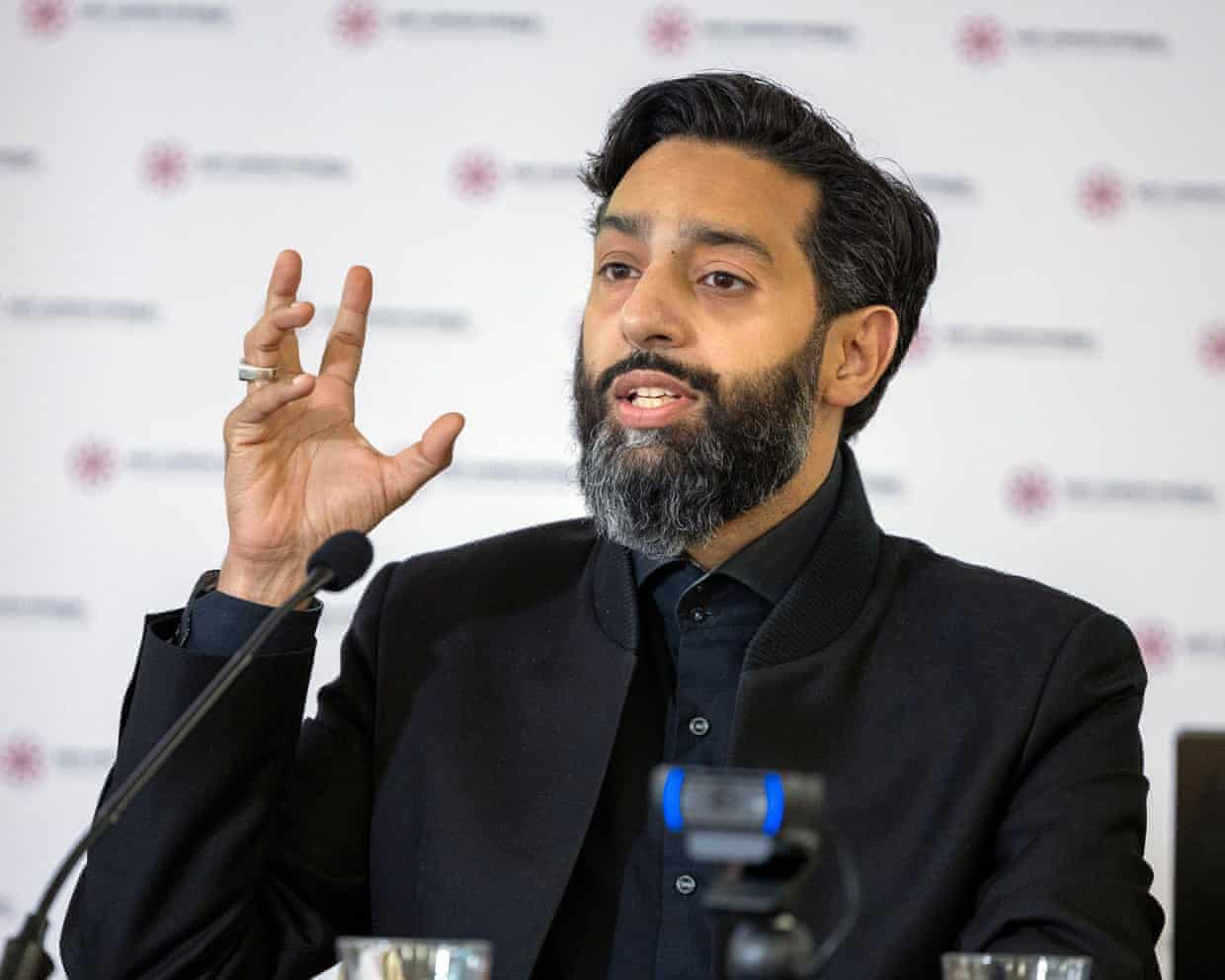
‘This is our moment as British Muslims’: MCB leader takes inspiration from New York mayor
Zohran Mamdani’s victory to become New York’s first Muslim mayor took place thousands of miles from the UK. But at the Muslim Council of Britain (MCB), the campaign was being closely studied.“We actually spent some time with his campaign team to work out what the secret sauce was,” said Dr Wajid Akhter, who took over as secretary general of Britain’s largest and most diverse national Muslim umbrella body last year.Akhter, a GP, said he was struck by the Mamdani campaign’s communication strategy. “Even when you talk about Gaza, he would bring it back to talking about rent
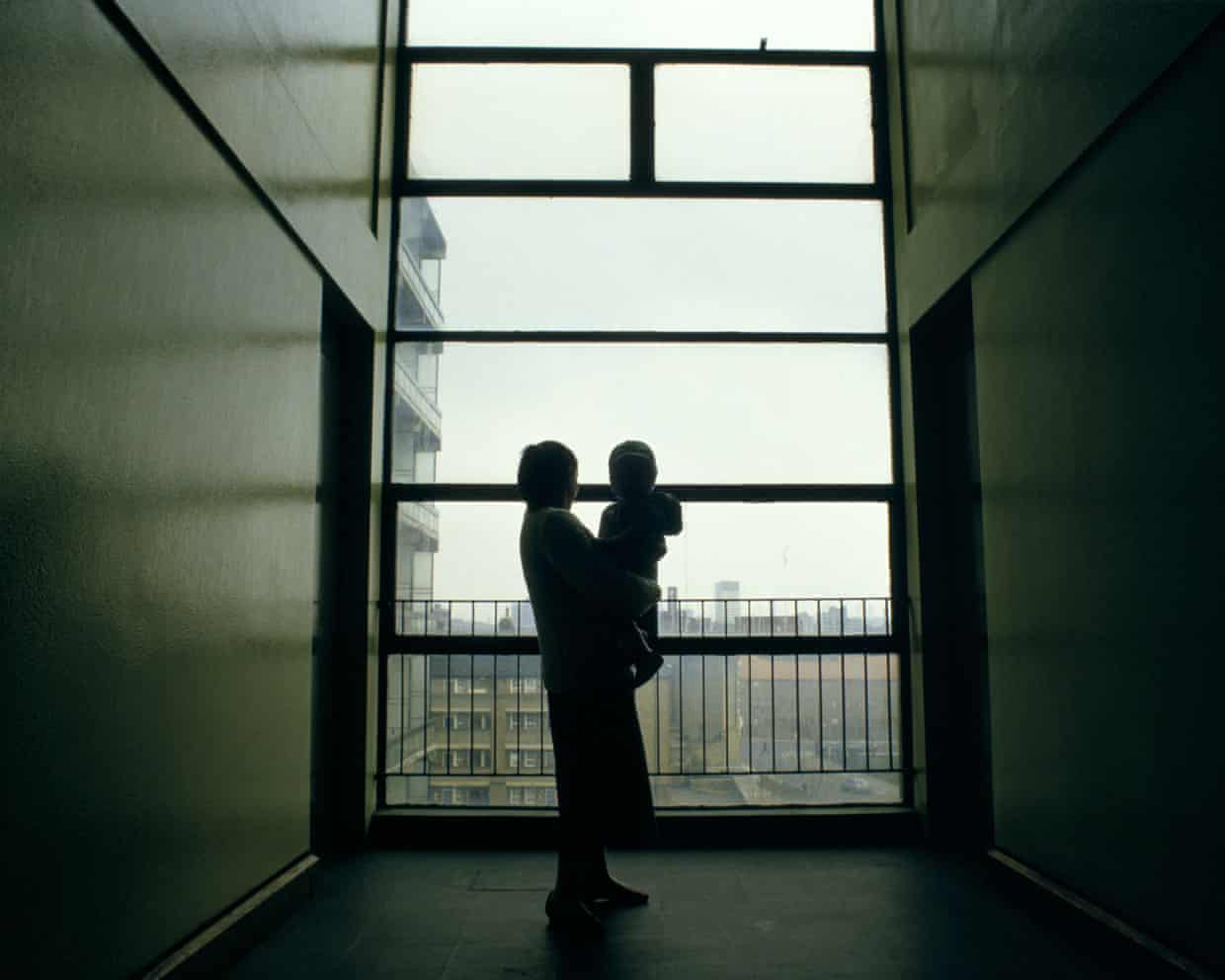
Temporary accommodation linked to deaths of 104 children in England in six years
Living in temporary accommodation has contributed to the deaths of 104 children in England in the past six years, 76 of whom were under the age of one, according to data.Statistics also show there were 64 stillbirths and 27 neonatal deaths involving mothers living in temporary accommodation (TA) in the UK in 2024. Experts say the housing crisis is pushing families into conditions that endanger their lives.Siobhain McDonagh, the chair of the all-party parliamentary group for households in temporary accommodation, which compiled the data, said she was appalled to see an increase in child deaths linked to TA, which has soared in use in recent years. It is estimated that 135,000 households are living in TA in England, including nearly 176,000 children
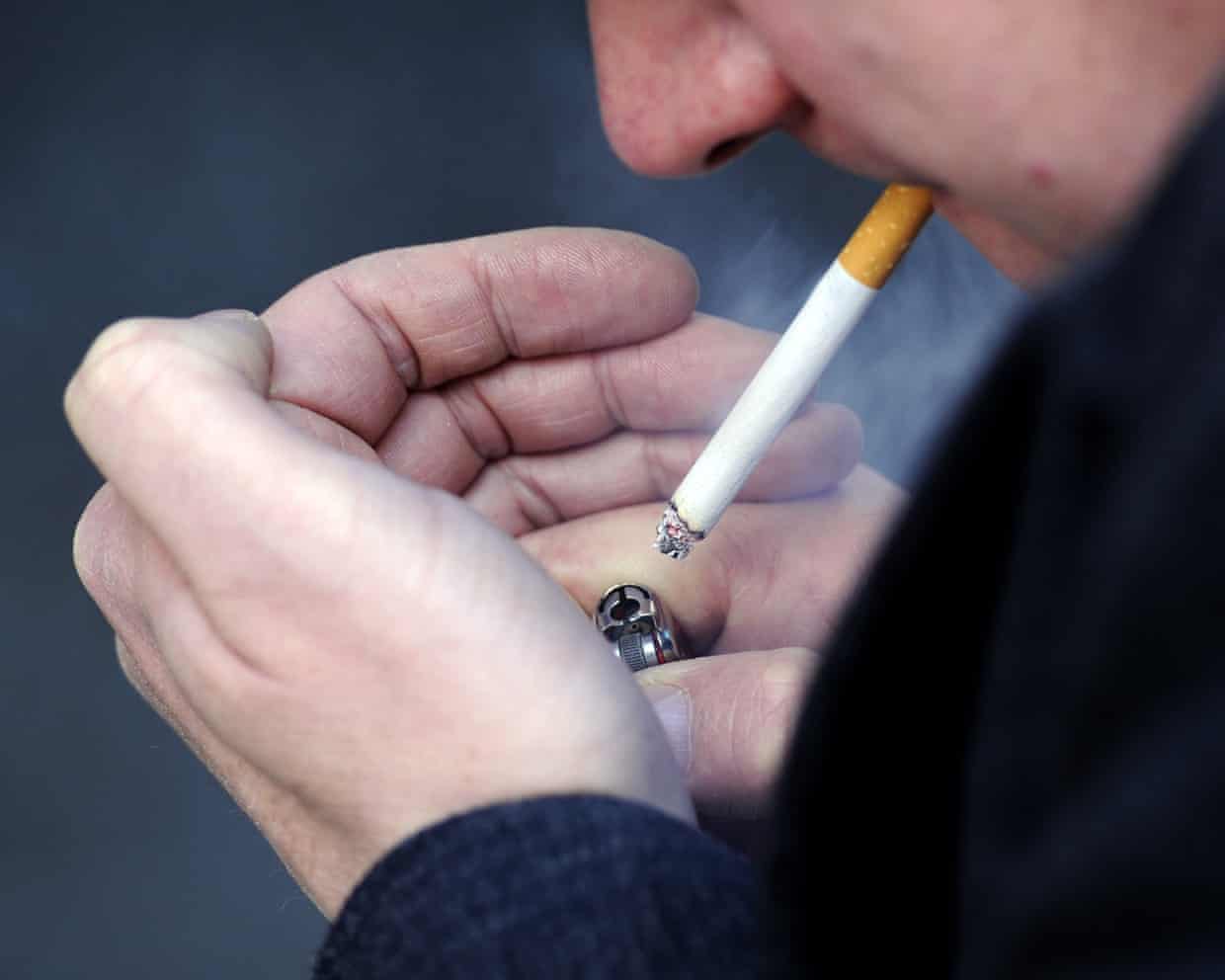
Bill banning people born after 2008 from buying tobacco clears UK parliament
A bill banning anyone born after 2008 from buying tobacco in the UK has completed its progress through parliament in a move that ministers hope will create a “smoke-free generation”.Under the tobacco and vapes bill anyone born on or after 1 January 2009 will never be able to be legally sold tobacco across the UK, in an effort to save lives and reduce the burden on the NHS.The bill will become legislation when it receives royal assent next week. Its long journey through both houses of parliament began when it was introduced on 5 November 2024 and ended on Tuesday, when the House of Lords approved amendments made by MPs in House of Commons.Ministers hope it will end the sale of tobacco products altogether over time and break the cycle of addiction and the disadvantages associated with tobacco
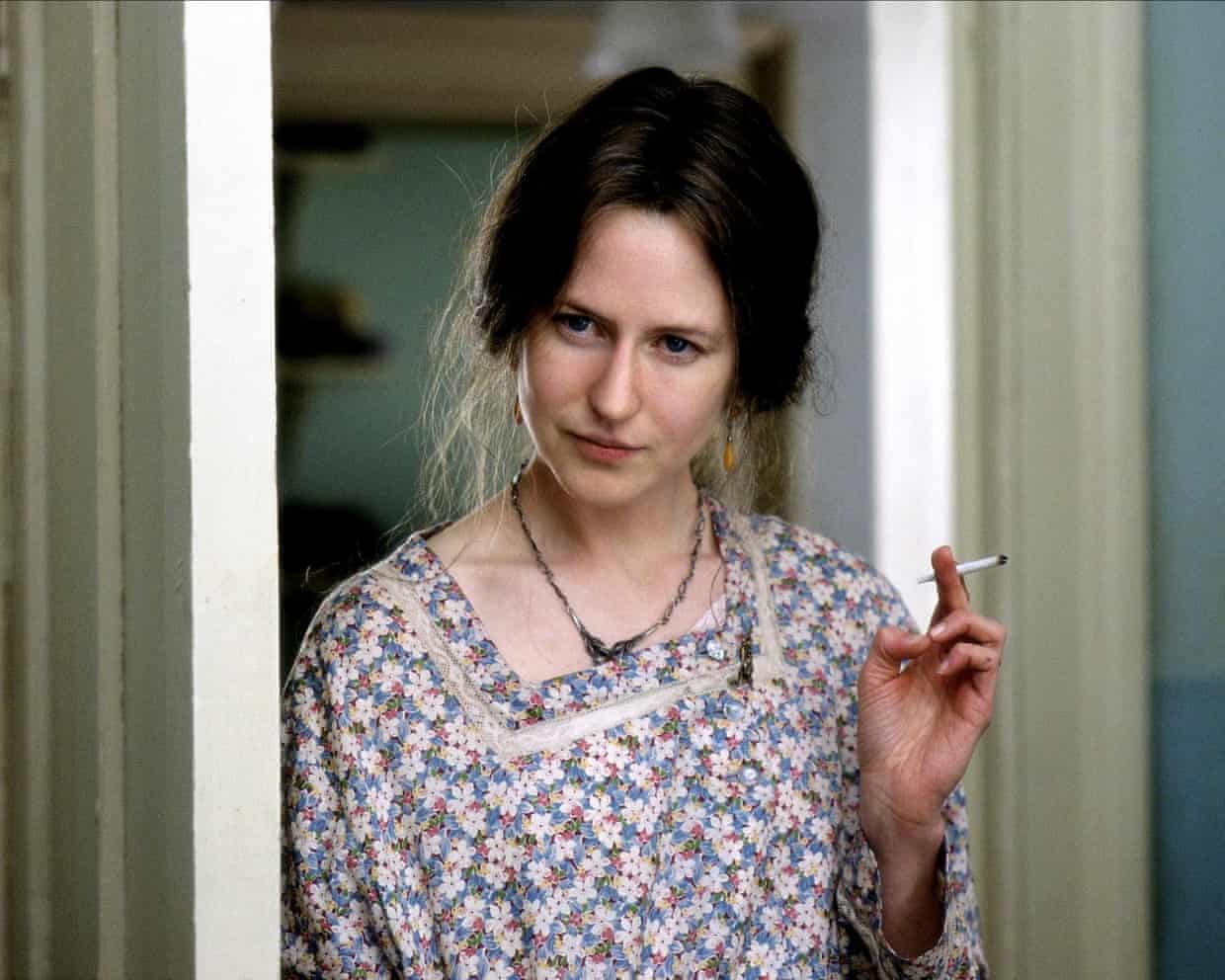
The Hours won awards for Nicole Kidman’s fake nose – and hearts as a queer classic
Vanessa’s a pillar of the hiking community | Brief letters
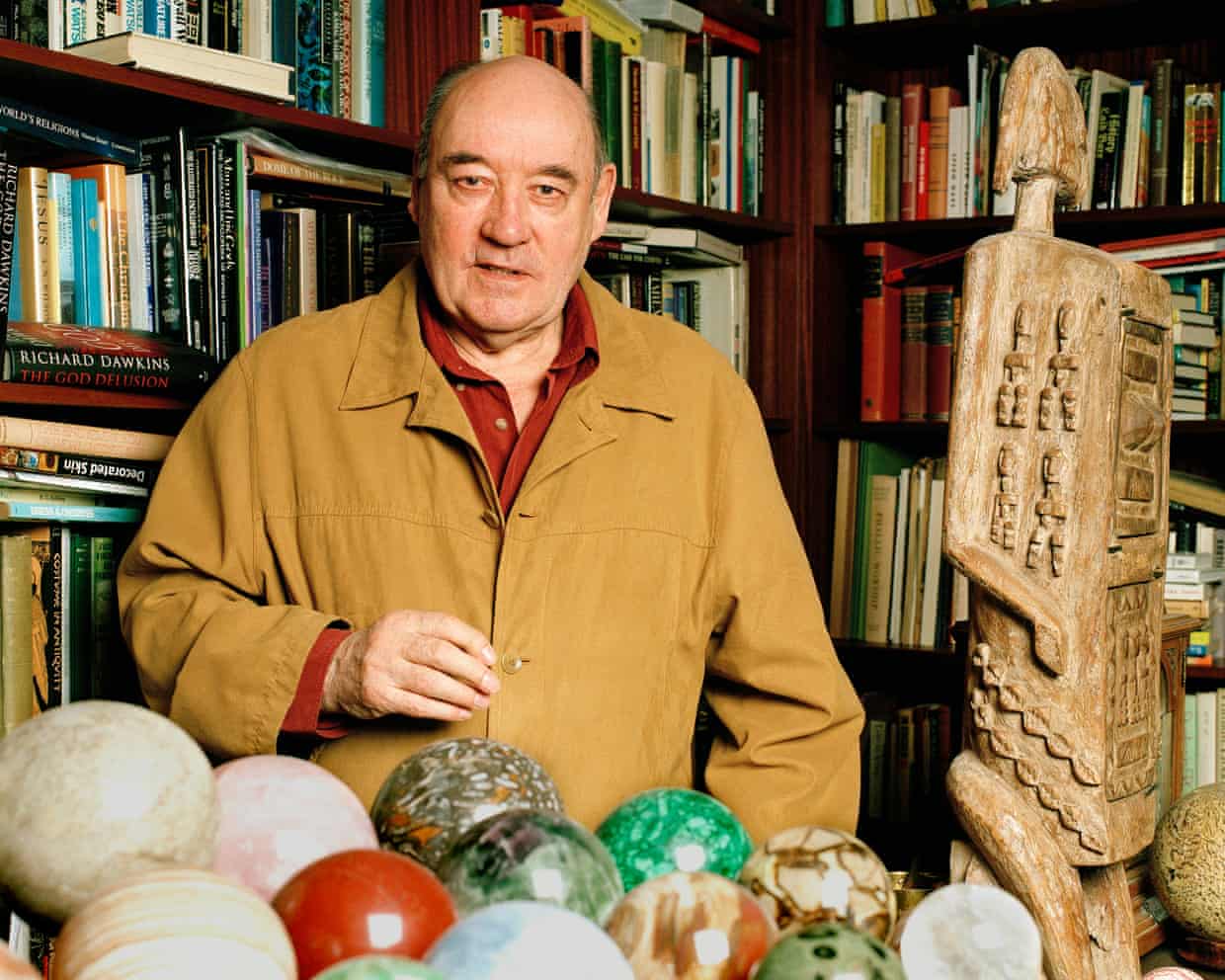
Zoologist, author and presenter Desmond Morris dies aged 98

V&A East Storehouse and Norwich Castle among finalists for museum of the year
Letter: Sir Neil Cossons obituary

‘Women want to experience pleasure’: how the female gaze caught the attention of film, TV and fiction