Olly Robbins says he faced ‘constant pressure’ to get Mandelson in post
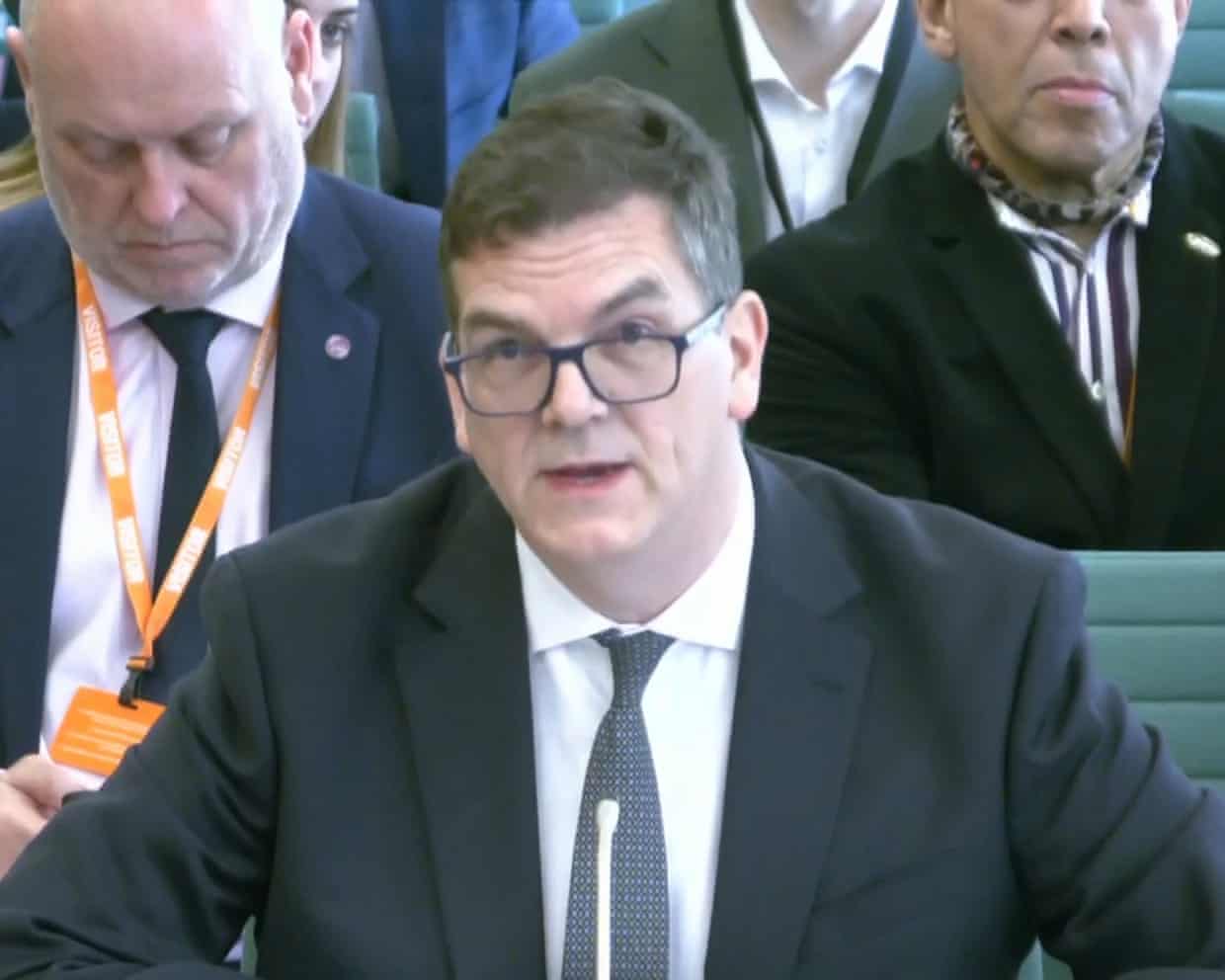
The sacked senior civil servant Oliver Robbins has said he was subject to “constant pressure” when he arrived in the Foreign Office to get Peter Mandelson in post as soon as possible.He said the Cabinet Office urged the Foreign Office to allow Mandelson’s appointment as the UK’s ambassador to the US without the usual vetting process but the Foreign Office pushed back and the vetting eventually went ahead.In an extraordinary development, Robbins, who was sacked by Keir Starmer last week after the Guardian disclosed he had overturned a ruling from UK Security Vetting (UKSV), suggested he had done so without knowing the full extent of national security concerns over Mandelson.The former permanent secretary made his decision to give clearance without seeing the UKSV form – which said there was a “high” overall concern and concluded “clearance denied” – or even knowing the details.Robbins also confirmed the Guardian’s story that senior government officials had considered whether to withhold from parliament sensitive documents about the vetting process, which was denied last week by Darren Jones, the prime minister’s chief secretary.
Starmer has come under intense pressure to explain the process behind appointing Mandelson, a decision that many Labour MPs believe highlights the prime minister’s poor political judgment,Some have described Robbins’ testimony as a key moment in determining whether a large number of those MPs now turn against Starmer in a move that could bring an early end to his premiership,In his evidence to parliament’s foreign affairs select committee on Tuesday, Robbins confirmed that he had not told Starmer, David Lammy, who was the foreign secretary at the time, or anybody else in No 10 about UKSV’s initial decision,In a potentially damaging revelation for Starmer, Robbins revealed No 10 had asked the Foreign Office to find a senior diplomatic role for the prime minister’s then communications chief, Matthew Doyle, and said he was asked not to tell Lammy,Starmer had appointed Mandelson before Robbins took up his role as Foreign Office chief, and also before security vetting had taken place, with senior officials telling the Guardian it was clear to them that No 10 wanted Mandelson in Washington whatever the risk.
Robbins said that before his own appointment there had been a “live debate” about whether Mandelson should have to undergo any vetting before he was appointed.He said his predecessor, Philip Barton, had to be “very firm in person” for it to take place.He told the committee Downing Street took a “dismissive” attitude to vetting and Mandelson was given access to the Foreign Office building, low-classification IT and to “higher-classification briefings” before he was granted security clearance.Robbins told MPs: “I walked into a situation in which there was already a very, very strong expectation.And you have seen the papers released already under the humble address that’s coming from No 10 that he needed to be in post and in America as quickly as humanly possible.
The very first formal communication of this to my predecessor from Number 10 private office being that they wanted all this done at pace and Mandelson in post before inauguration.”Asked who in No 10 had applied pressure, he said it was mainly the prime minister’s private office, which is staffed by civil servants.But he added: “I think that the private office would only have been [putting on] this pressure themselves if they were under pressure.”In a letter to the committee before testifying, Robbins said he was briefed on the UKSV finding orally in January – this is understood to have been by Ian Collard, the department’s chief property and security officer – and that no documents were presented to him.He said UKSV considered Mandelson a “borderline” case and was leaning towards recommending that clearance be denied.
In his evidence to MPs, Robbins said he was not even made aware of the tick-box form recommending that Mandelson not be granted clearance,“I was told that it was borderline and that they were leaning against recommending against,” he said,“I don’t remember anybody at any stage saying anything different to me, certainly not about red boxes,”He added: “Before the government chose to publish it, I’ve never seen a form like that,I certainly do not recall the way in which the UKSV findings were presented to me as being that definitive.
”The Foreign Office’s security team, the Estates Security and Network Directorate, thought the risks of the appointment could be managed and mitigated, and Robbins added that UKSV had acknowledged that the Foreign Office might want to grant clearance with those mitigations.Pressed by Emily Thornberry, the committee chair, about why he did not request the vetting document, Robbins said he always took oral briefings to ensure confidentiality.Robbins said in his letter that he considered asking to see the contents of the UKSV recommendation in September after Mandelson was sacked.But despite having been told there would be a national security justification for doing so, he decided not to request the documents.He added: “It is deeply worrying that within days of [Cabinet Office] officials briefing No 10 on the issues they perceived with Mandelson’s vetting, the story had leaked to the Guardian.
”Robbins insisted he did not tell anyone in No 10 about the UKSV recommendation, bolstering the prime minister’s claims that neither he nor any of his aides knew.Asked if he had ever been tempted to tell people such as the then cabinet secretary, Chris Wormald, or the prime minister’s then chief of staff, Morgan McSweeney, he said: “No, absolutely not.My understanding of custom practice and guidance is that the decision making within the box of the vetting process must remain entirely confidential.”Robbins said it would have been “very difficult indeed” if he had denied Mandelson security clearance.He told MPs: “The PM’s nominee had been put out there to the public, announced, blessed by the king, agreed by the US government.
We were in receipt of formal letters from No 10 telling us to get on with it quickly,We had engineered agreement to arrive just before the inauguration,“All I can do is agree with the premise that against that backdrop, the Foreign Office saying: ‘OK but sorry, we can’t grant him clearance,’ would have been a very, very difficult problem,And a difficult problem I would have been landing the foreign secretary with, and the prime minister,”Senior government officials – including within the Cabinet Office – had been in dispute last week, as revealed by the Guardian, over whether to release documents relating to Mandelson’s vetting through the humble address process.
Robbins said: “I would not resile for a second from the Foreign Office’s position in that conversation and I’m not trying to hide from it.I certainly held this view, but I was also advised it was the correct view, and others in the Foreign Office took it too.And we were not alone in Whitehall in taking this position.“To open that box is to do something that has long-term, damaging and chilling implications for UK national security.I will not hide from the fact that my department, including me, took that view in those internal discussions.
”He continued: “This was a debate about whether the Cabinet Office opened their own safe, and in the end they chose to do so.I would still have wished that they didn’t … because of all of the factors I’ve tried to lay out for you this morning, and consistently, we continue to advise that they shouldn’t.“I think at various points in this story … they were quite convinced by that view.I mean, I certainly recall being debriefed on meetings with the Cabinet Office in which they had been very worried about the implications of opening the box.”
Ed Miliband says he and Lammy feared Mandelson appointment could ‘blow up’
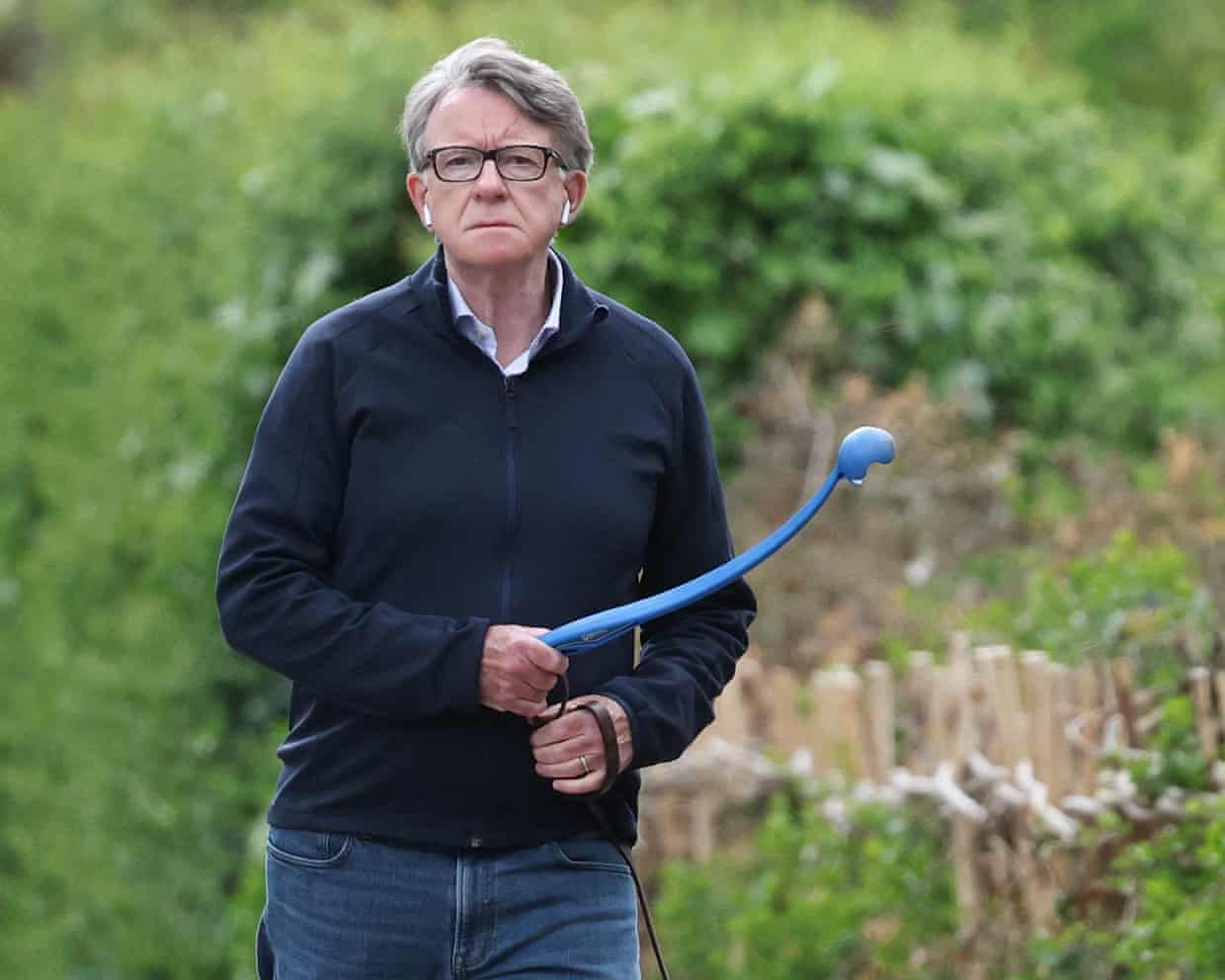
Ed Miliband and David Lammy discussed concerns that the appointment of Peter Mandelson as the UK’s ambassador to Washington could “blow up”, the energy secretary has revealed.Miliband said he spoke to Lammy, who was foreign secretary at the time Mandelson was given the Washington post, and both expressed reservations.Mandelson was sacked after nine months in the job after new disclosures about his relationship with the late financier and child sex offender Jeffrey Epstein.The Guardian revealed last week that Mandelson had failed his initial security vetting, which had then been overruled by the Foreign Office, leading to the sacking of the department’s permanent secretary, Oliver Robbins.Robbins will give evidence to a select committee of MPs on Tuesday morning
Will Olly Robbins’ testimony jeopardise Keir Starmer’s defence?
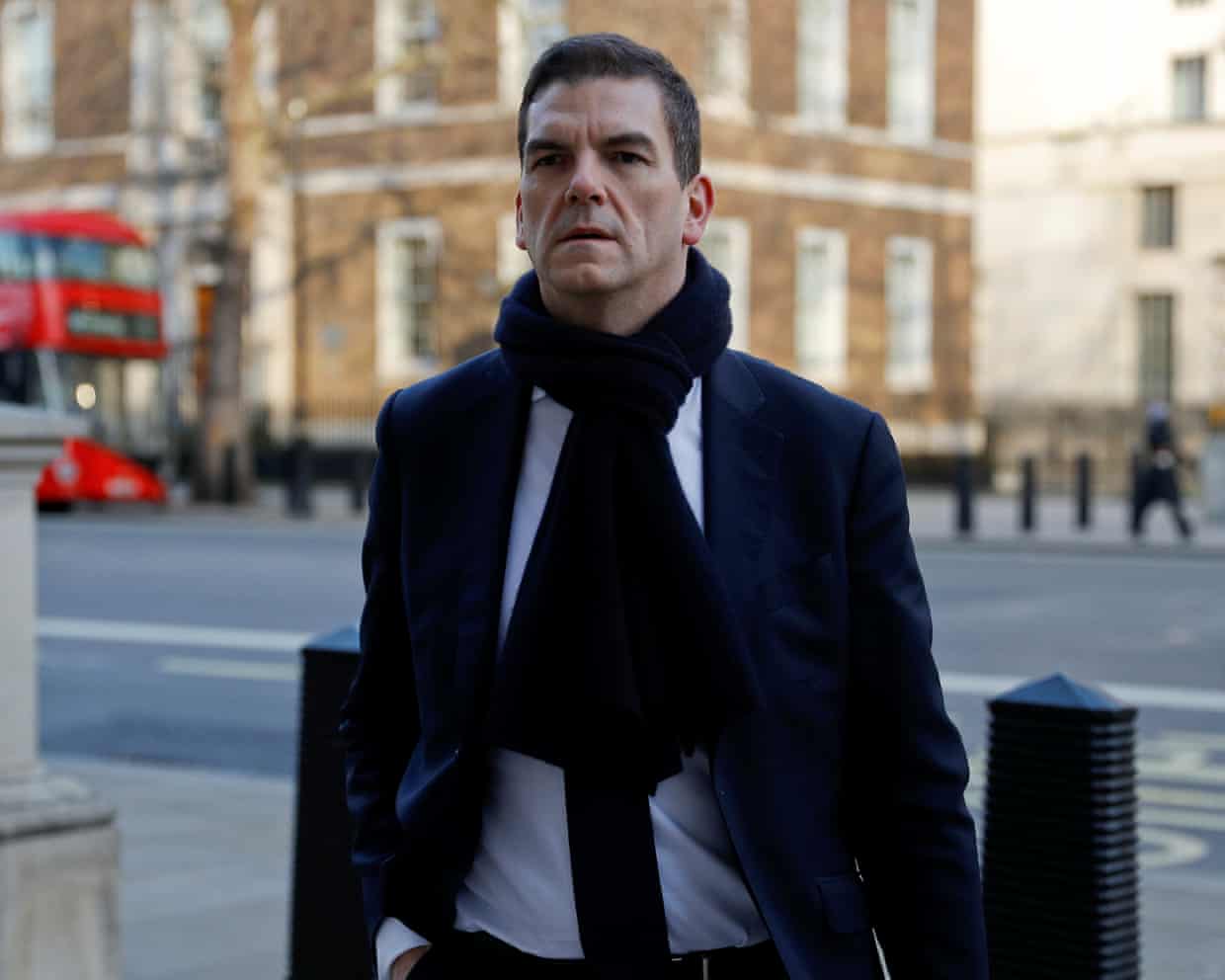
On Monday, Keir Starmer testified in front of the Commons about what he knew about the vetting process behind Peter Mandelson’s appointment as ambassador to Washington.On Tuesday, Olly Robbins – whom Starmer sacked as head of the Foreign Office last week – will give his side of the story under questioning by MPs on the foreign affairs select committee.Robbins is said by friends to be upset by the claims ministers are making. But what are the questions he will be asked, and what might they mean for the prime minister’s future?Robbins is very unlikely to give details of the vetting process or what exactly officials discovered, given this is supposed to be strictly confidential. But MPs are likely to press him on whether anything new was found during the vetting process or whether it only flagged previously known concerns

Peter Mandelson: a timeline of his appointment as UK ambassador to US
In a pivotal Commons statement to MPs on Monday, Keir Starmer laid out the most detailed timeline of Peter Mandelson’s appointment as the UK ambassador to the US, the vetting process that ended with the Foreign Office overruling the UK Security Vetting (UKSV) and what he said were chances to tell him that civil servants had failed to take.Cabinet Office conducts a due diligence exercise on how suitable Mandelson was for the role. Starmer told the Commons his No 10 staff put questions to Mandelson on the department’s behalf.Mandelson responded to questions from the Cabinet Office’s due diligence exercise, posed to him by Downing Street staff, Starmer told MPs in the Commons.“I made the decision to appoint him,” Starmer told MPs, after receiving final advice on the due diligence process on 11 December 2024
Starmer accuses Robbins of obstructing truth about Mandelson vetting
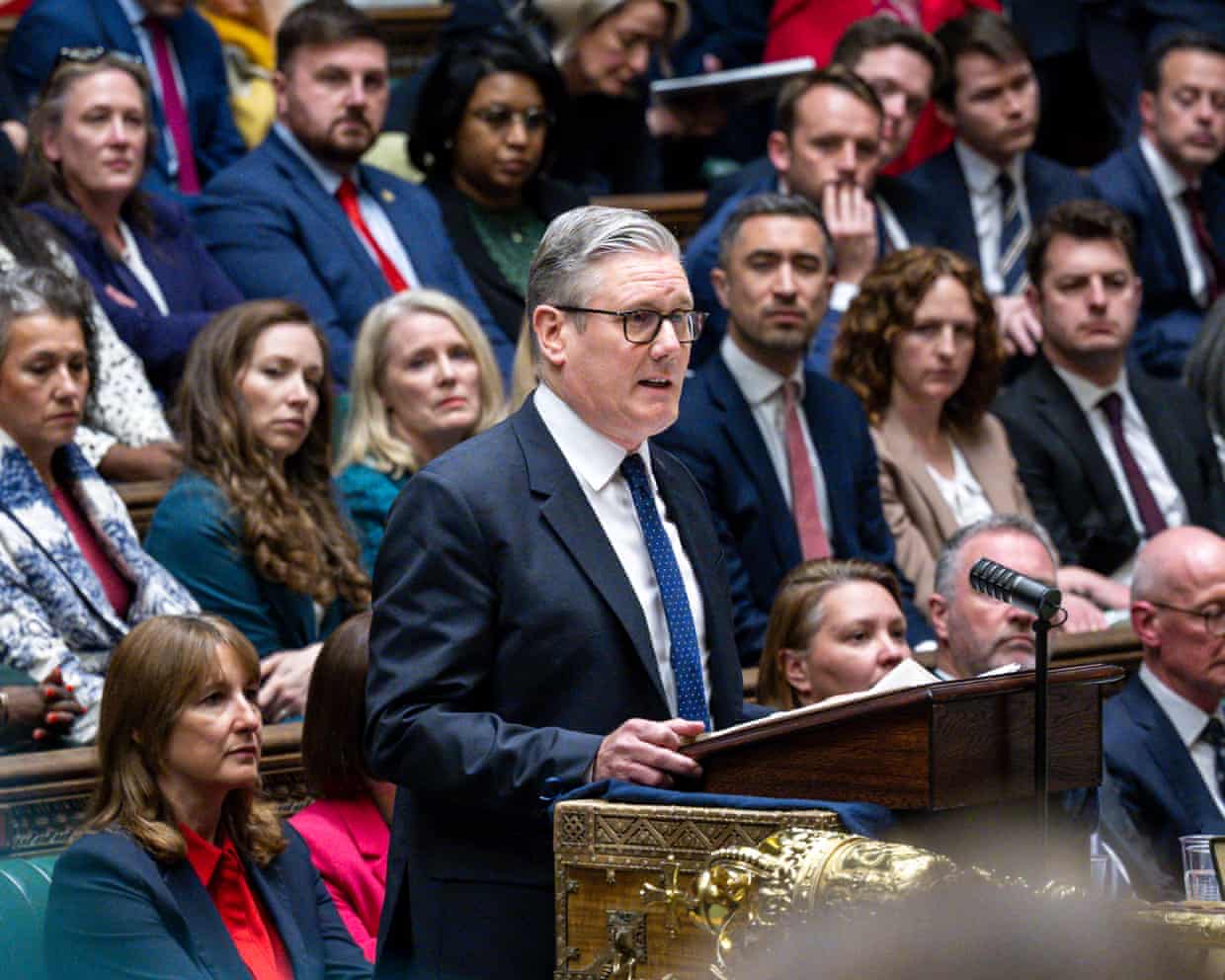
Keir Starmer has accused Olly Robbins of deliberately and repeatedly obstructing the truth about the Mandelson vetting scandal before a high-jeopardy appearance of the sacked top official before MPs on Tuesday.Six days after the prime minister said he had learned that his pick for Washington ambassador had failed security vetting, Starmer admitted his decision to appoint him had been a fundamental mistake.But in a sombre address to parliament, he insisted the Foreign Office was to blame for a “staggering” and “incredible” decision not to brief him, or anybody else in Downing Street, about the vetting advice.Starmer told MPs that the vetting information had now been handed to the trusted Intelligence and Security Committee (ISC), which is expected to assess it before returning it to the government within days for public release.The Guardian understands this includes a short summary document including details of Mandelson’s personal life, and financial and business dealings – which the prime minister is also believed to have now seen – as well as the recommendation that Mandelson had failed vetting

Mobile phones to be banned in schools in England under new plans
A ban on mobile phones in schools in England is to be introduced by the government to ensure that “critical safeguarding legislation” is passed.The government will table an amendment to the children’s wellbeing and schools bill in the House of Lords after the bill was held up by peers on opposition benches.It will make existing guidance on mobile phone bans in schools statutory, a move that ministers have resisted until now.The government had consistently argued that the vast majority of schools had already banned mobile phones, and that there was no need to add a legal requirement. They finally capitulated, however, describing it as “a pragmatic measure” to get the bill through
How safe is Starmer’s premiership after his Mandelson vetting statement to MPs?
Labour MPs frustrated with the lack of a clear mission from Keir Starmer’s No 10 have often urged the prime minister to be more forceful in his arguments, to prosecute his values, to find an enemy to define himself against.The prime minister has found one: Olly Robbins. Starmer prosecuted his case against the former Foreign Office chief on Monday with the vigour of his former life at the bar.He came armed with timelines and letters and the promise of a new inquiry. He insisted that, had he known Peter Mandelson had failed the vetting, his original sin of appointing him as US ambassador would not have been committed
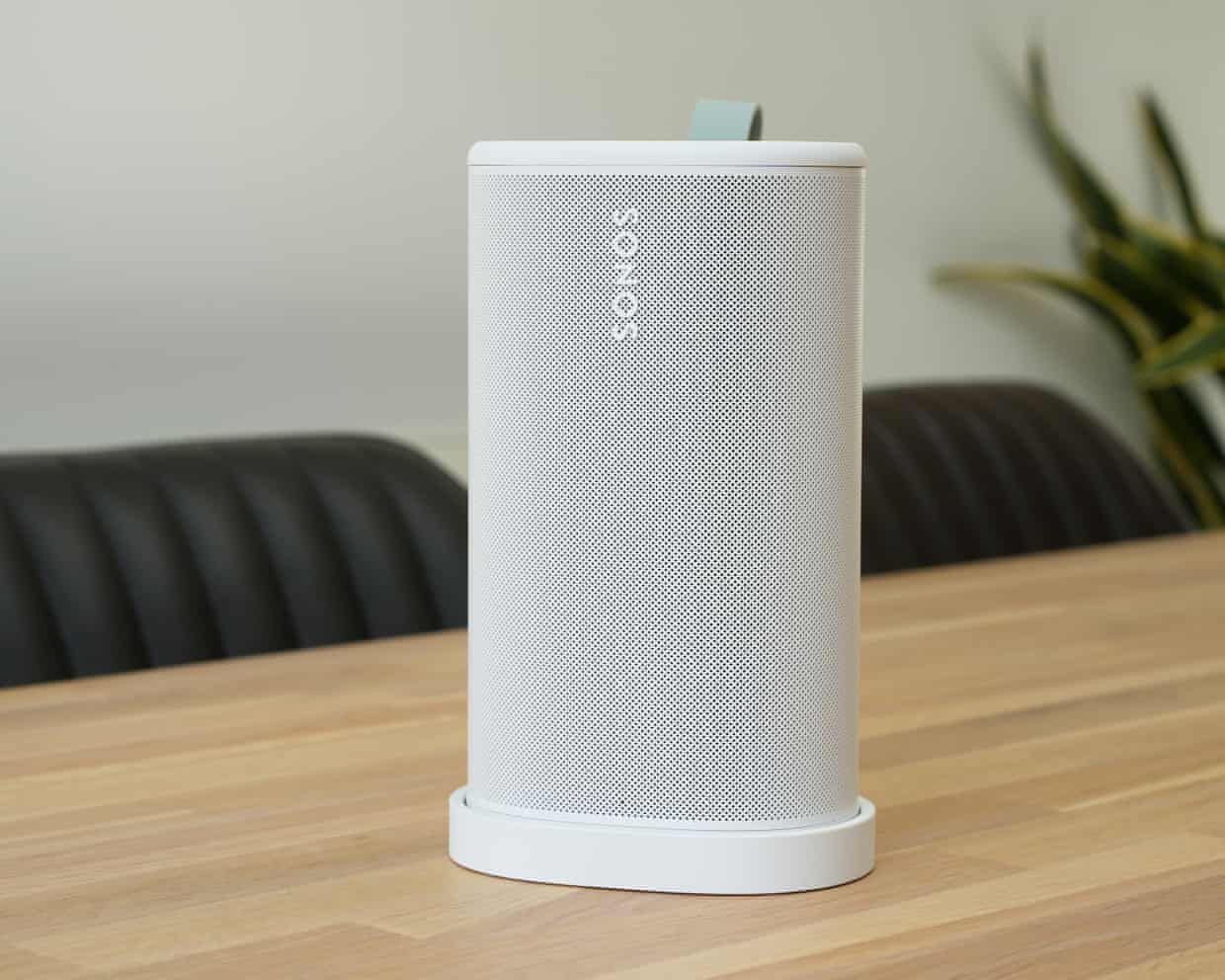
Sonos Play review: a great jack-of-all-trades portable speaker for home or away
How a fiery attack on Sam Altman’s home unfolded

Kenyan firm sacks more than 1,000 workers after losing Meta contract

UK’s OnlyFans tops $3bn valuation amid talks to sell stake to US investor

Finance leaders warn over Mythos as UK banks prepare to use powerful Anthropic AI tool
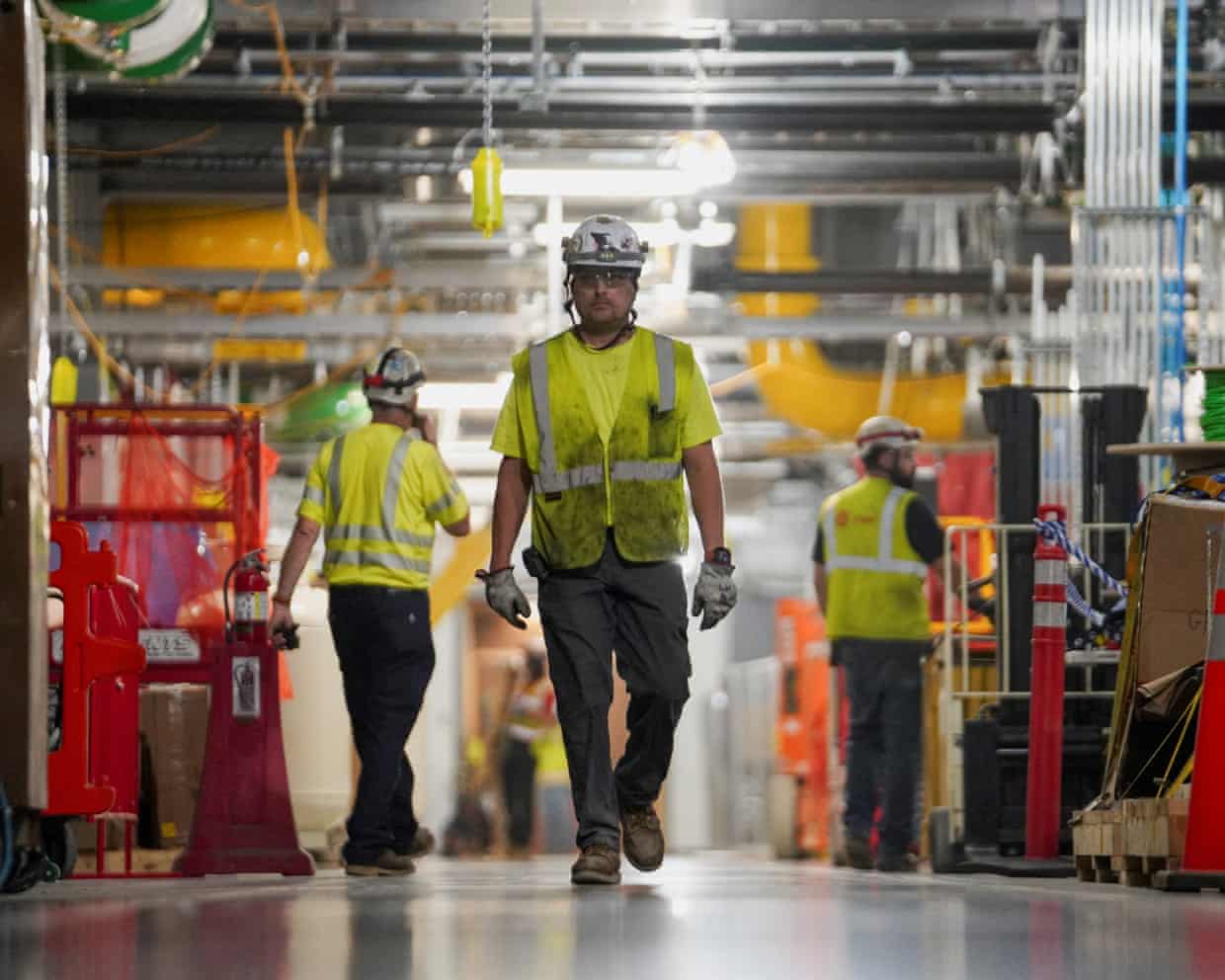
US tech firms successfully lobbied EU to keep datacentre emissions secret