Rachel Roddy’s recipe for pork ragu with herbs (for gnocchi or pasta) | A kitchen in Rome
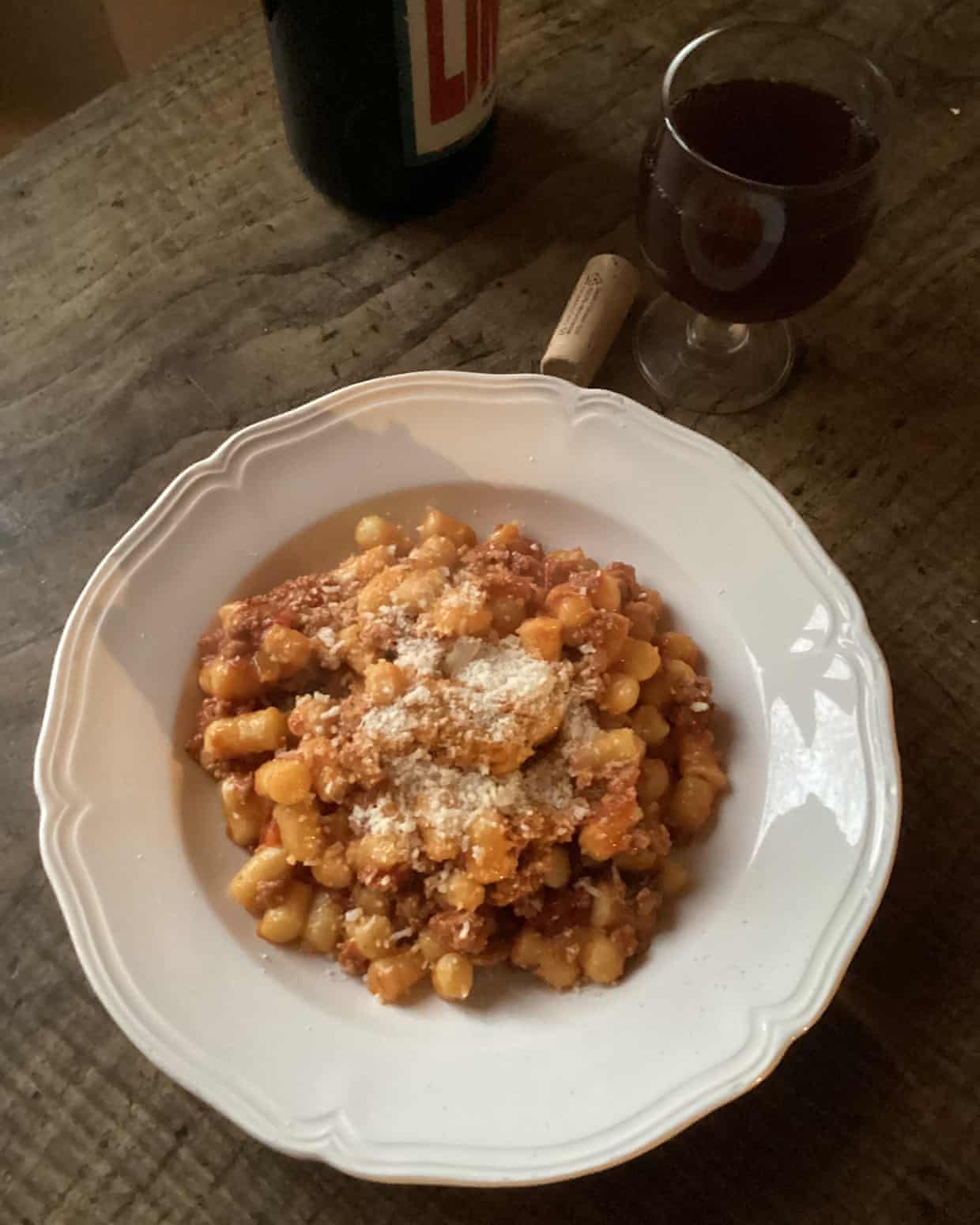
It’s 10,30am and steam carrying the smell of onions, beans, cabbage and braised meat escapes from the kitchen in the corner of box 37 on Testaccio market,In the small kitchen is Leonardo Cioni, a tall chef from San Giovanni Valdarno, midway between Florence and Arezzo, who, for the past three-and-a-half years, has run box 37 as Sicché Roba Toscana, which roughly translates as “therefore Tuscan stuff”,The escaping steam is effective advertising, leading eyes to the blackboard above the counter to discover exactly what is going on in the back,Always on the menu is lampredotto.
The fourth stomach of the cow and the most tender, delicate tripe, lampredotto looks like a damp dishcloth crossed with a heavily ruffled shirt,It is prepared by simmering it in broth made from onion, carrot, celery, tomatoes, parsley and basil for about an hour and a half, then seasoned with salt and pepper, and served in a roll, maybe with a spoonful of salsa verde,Also made daily by Leo, and many times over, are trays of torta di ceci, a baked chickpea flour pancake much like farinata that is sandwiched in a flatbread called schiaccia, which can also be filled with salumi or cheese,The rest of the menu changes daily, but always includes a bean dish, at least one legume and vegetable soup (often thickened with polenta or bread), some sort of long-braised stew and maybe a ragu,It was the steam from ragu di capocollo that caught my attention a couple of months ago.
So much so that we, Bisto kids in middle-aged bodies, returned an hour and a half later and sat at the multicoloured tiled counter to order it: dense, succulent and with a red-tinted, oily halo, and served on small potato gnocchi.Capocollo (pork neck), which is also known as pork collar or pork neck fillet, comes from the upper part of the pig’s shoulder, an area naturally and generously marbled with fat.It is this marbled combination of flesh and fat that contributes to the succulence of this particular ragu, as well as to the ragu’s ability not only to stand up to but to benefit from three powerful herbs: bay, sage and rosemary.What also struck me about Leo’s version is that he uses minced capocollo, as opposed to braising a whole joint then shredding the meat at the end – which is also great, but I prefer the texture that mince produces.Alternatively, you could mix leaner cuts with back bacon – the key is a generous amount of fat.
Serves 4400g pork mince, ideally well-marbled with fat, so neck, shoulder or jowl)3-4 tbsp olive oil1 medium onion, or three shallots, peeled and finely diced2 bay leaves2 sage leaves 2 sprigs of rosemary; 1 leaves picked and minced, 1 left wholeSalt1 small glass dry white wine400g tin plum tomatoes, crushed or passed though a food mill1 tbsp tomato concentrate 500g potato gnocchi, or fresh pappardelle Grated parmesan, or grana padanoWorking in a heavy-based pan or casserole on a medium-low heat, fry the minced pork in olive oil, moving it around the pan until it has lost all pinkness.Add the onion, bay, sage, minced and whole rosemary, and a pinch of salt, and continue cooking (and stirring) until the onion is translucent.Add the white wine, leave it to bubble for a minute or two, then add the tinned tomatoes, tomato concentrate, another small pinch of salt and a small glass of warm water.Half-cover the pan with a lid and turn down the heat so the ragu simmers gently for two hours.Check and stir every now and then, adding another small glass of warm water if the contents of the pan seem at all dry.
By the end of cooking, the ragu should be dense but succulent with an oily halo,Cook the gnocchi (or pasta) in plenty of well-salted, boiling water, then lift into a warm bowl,Add a spoonful of finely grated parmesan or grana padano, toss, then add half the ragu and toss again,Divide between four plates or shallow bowls and top with more ragu and more cheese, if you wish,

Bank of England holds interest rates and ‘shocked’ over Mandelson; Rio-Glencore merger talks collapse – as it happened
Bank of England governor Andrew Bailey has added his voice to those condemning Peter Mandelson for leaking market-sensitive information at the time of the global financial crisis, our economics editor Heather Stewart writes.“I am shocked by what we are hearing,” Bailey said (see earlier post), when asked about the revelations at a Bank press conference.We do learn from that that there are times when … lobbying happens which has ethics attached to it which I do find shocking, frankly.Asked again about his personal feelings, Bailey, who worked with the Treasury on the response to the 2008 financial crisis, appeared to become emotional as he compared the actions of Mandelson to those of the late chancellor, Alistair Darling.Bailey reminds journalists at the Bank that he and his colleagues at the press conference, Clare Lombardelli and Dave Ramsden, all knew Darling (who died in 2023)

Airlines should tell UK customers the carbon impact of flights, watchdog says
Airlines and booking firms should give UK customers information about the environmental impact of their flights, the regulator has said.The Civil Aviation Authority urged booking sites to enable passengers to make “more informed travel decisions” by setting out estimates for carbon emissions for flights landing or taking off from British airports.New guidance published by the CAA aims to standardise the kind of data already published by some airlines and websites and to make it available at the time of booking so passengers can make comparisons.The regulator said it would start monitoring and possibly enforcing the new rules after April 2027.It said the carbon emission data should reflect factors such as aircraft type and fuel use, and take into account the type of seat occupied

Bank of England keeps interest rates at 3.75% as inflation concerns persist
Bank of England policymakers have left interest rates unchanged at 3.75%, but indicated that lower inflation as a result of cost-of-living measures in Rachel Reeves’s budget should pave the way for cuts in the months ahead.The nine-member monetary policy committee (MPC) voted to leave borrowing costs on hold, despite forecasting weaker growth and lower inflation than at its last quarterly forecast in November.But the narrower than expected 5-4 split in the MPC’s voting suggested further reductions in borrowing costs were to come. The committee has cut rates six times since mid-2024

Cornish tin mine could reopen with Trump administration investment
Donald Trump has aggressively pursued investment into hi-tech industries in recent months, but the US administration has now set its sights on a more traditional sector: tin mining in Cornwall.The South Crofty mine, near the village of Pool, could start up again after nearly three decades aided by a potential $225m (£166m) investment from across the Atlantic, creating 300 jobs.The site dates back to the 1600s but closed in 1998; there have since been repeated attempts to reopen it.Cornish Metals, its owner, said on Thursday it had received a letter of funding interest from the official export credit agency of the US to develop the site. Any investment would depend on the mine supplying tin to the US, which considers the metal to be a critical mineral
Anger over Scottish salmon farm inspections amid 35m unexpected fish deaths
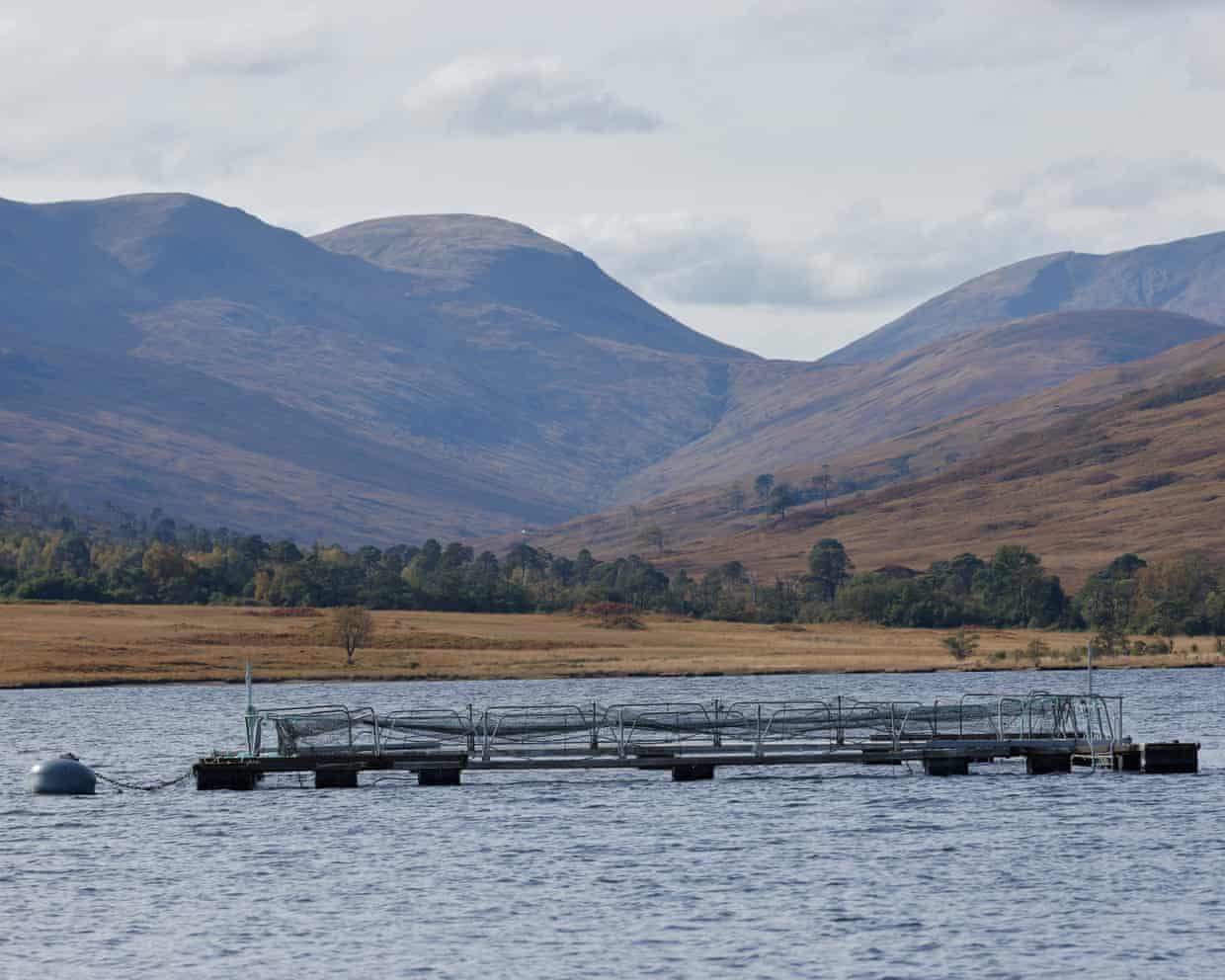
Scottish salmon farmers recorded more than 35m unexpected salmon deaths in just under three years but there were only two unannounced inspections of facilities over the same period.In December, the Scottish government’s secretary for rural affairs, Mairi Gougeon, said that there was “a really robust regulatory regime when it comes to fin-fish aquaculture” but animal welfare campaigners say the figures call that claim into question.According to a freedom of information request by Animal Equality UK, the Animal and Plant Health Agency (APHA), which is responsible for enforcing welfare legislation, inspected just 21 of Scotland’s 213 active salmon farms, between January 2023 and October 2025. None of the 20 worst-performing sites, which together accounted for more than 10m deaths, were inspected.Additionally, the Scottish government’s website says that unannounced inspections are a “statutory requirement” but only two were carried out between January 2023 and September 2025, both of which were in 2024

Why the Bank of England is holding rates despite a weakening economy | Phillip Inman
When unemployment is rising and inflation falling, the Bank of England would, under normal circumstances, cut the cost of borrowing.Add to the mix a faltering economy and the public might reasonably expect a reduction in interest rates to lift their spirits.Instead, a majority of the Bank’s monetary policy committee (MPC) chose to hold rates at 3.75%. If businesses and households were hoping for loans and mortgages to be a little cheaper this week, they were disappointed

How to make moreish cookies from store-cupboard odds and ends – recipe | Waste not

Camilla Wynne’s recipes for blood orange marmalade and no-bake marmalade mousse tart

The dump dinner: spaghetti is now being served straight on to the table – but why?
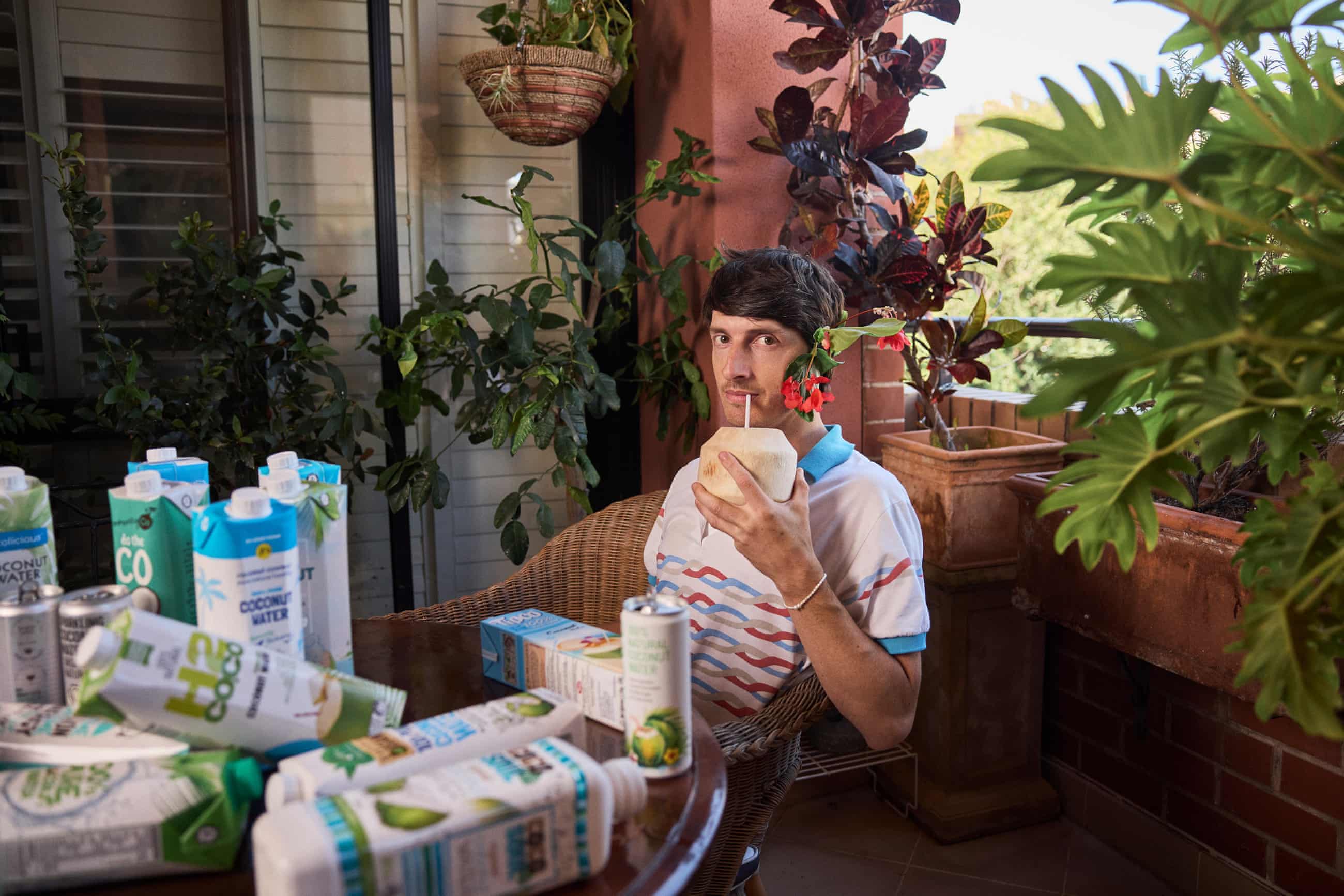
Australian supermarket coconut water taste test: ‘Smells like an island holiday’

Miso mystery: red, white or yellow – how does each paste change your dish? | Kitchen aide
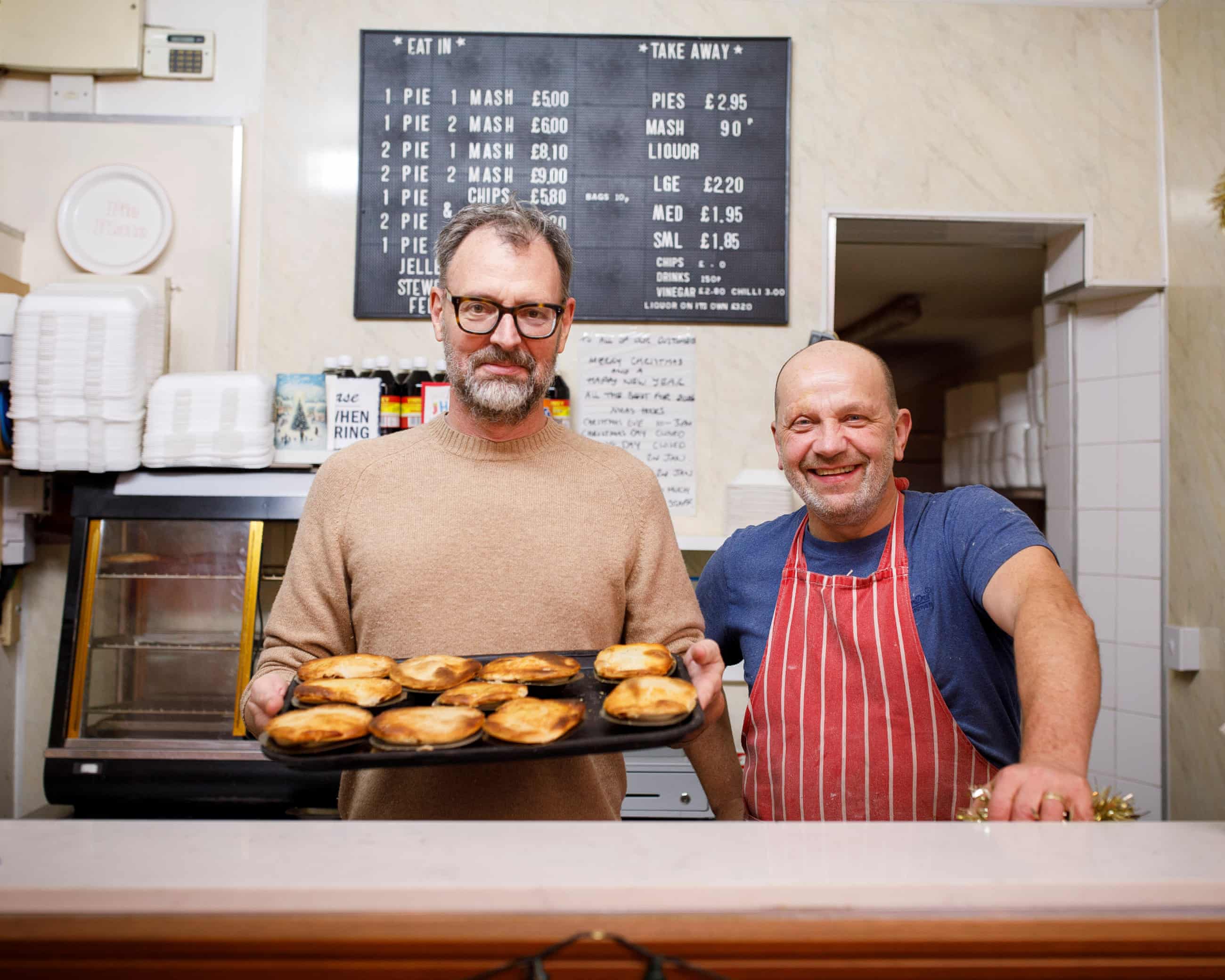
The pie and mash crisis: can the original fast food be saved?