In the 60s and 70s, Black students demanded a voice on radio. A new project ensures that history isn’t lost
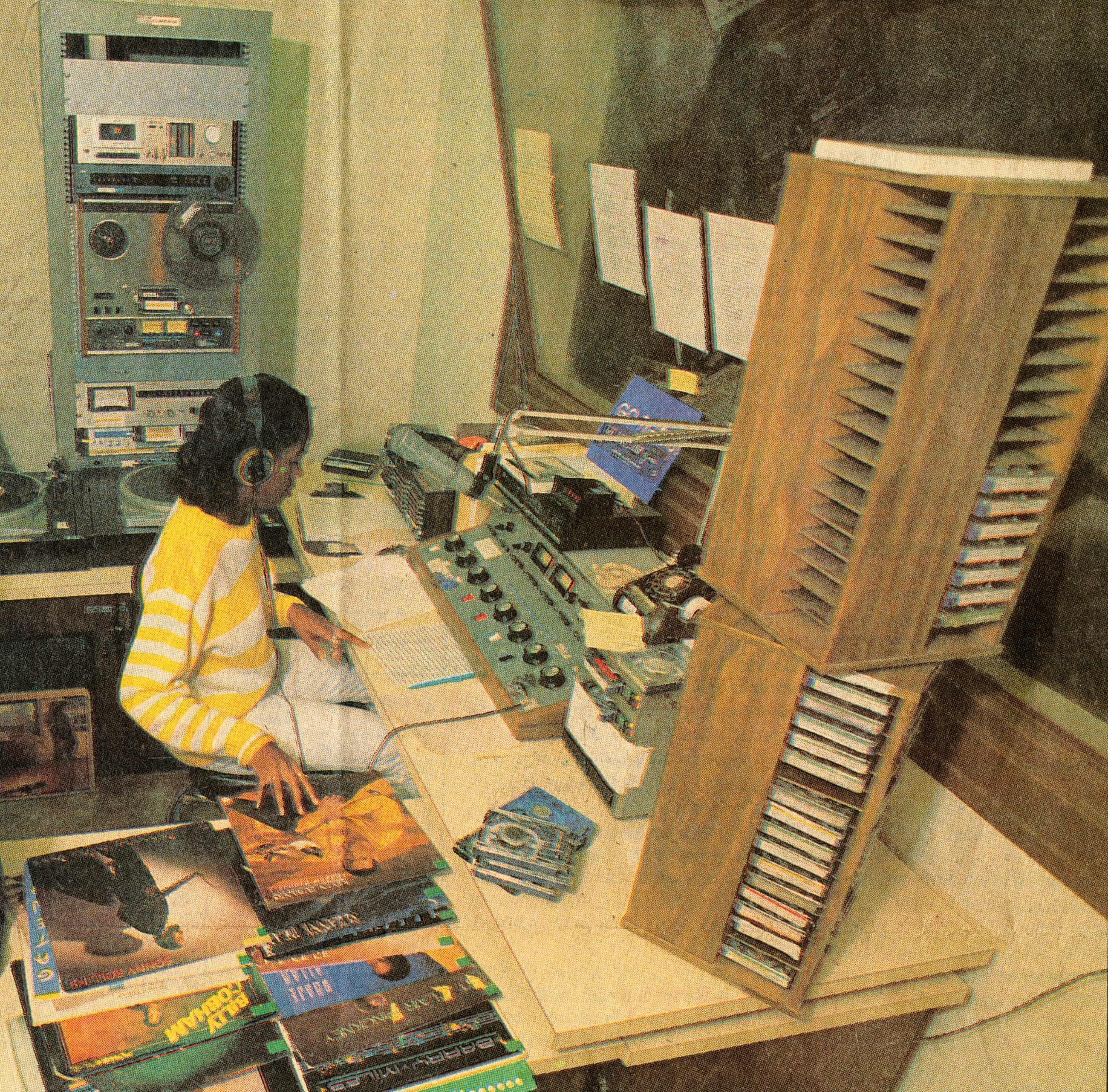
The HBCU Radio Preservation Project celebrates stations that were an outgrowth of the civil rights movement, to help people understand their importanceAfter Shaw University’s WSHA radio station went on air in 1968, several other historically Black colleges and universities (HBCUs) followed the North Carolina school’s lead, launching a wave of their own,For decades, the students who worked on these channels used them to inform listeners about happenings on campus, while also playing musical selections and offering cultural programming,In doing so, the radio stations at HBCUs became pivotal resources for both the campus and the surrounding community,But the landscape of university-based media is changing,Today, of the more than 100 HBCUs across the country, about 30 have radio stations.
Some schools and students are pivoting to podcasts, for example, while others are shoring up their TikTok and short-form video bonafides,Stations have been shuttered, including WSHA in 2018, while others work to cultivate new audiences,What happens, then, to the decades’ worth of archival material made by previous generations as stations move on?The HBCU Radio Preservation Project is working to ensure that the irreplaceable archives at these institutions are saved and accessible,As a result of the project’s efforts, WSHA’s archives are available through the American Archive of Public Broadcasting,Several other universities, including Fisk University in Nashville, Tennessee, have had their radio archive preserved for future generations.
While working to preserve the archival collection of WYSO, a public radio station in Yellow Springs, Ohio, Jocelyn Robinson began wondering what collections at HBCU radio stations might include.She created a project that surveyed the radio stations to find out.“I’ve developed profiles of all of the radio stations, so I knew when they were founded and what their format was, what their broadcast footprint was,” said Robinson, a member of the African American and civil rights radio caucus of the radio preservation taskforce at the Library of Congress.“At the end of the grant, I wrote a report and had a series of recommendations around how I thought radio stations in the campuses could be better served by support for preservation, including the institutional archives at the campuses.”She founded the HBCU Radio Preservation Project, which provides training to the radio stations and the college’s archives on audio-visual preservation.
The project hosts the HBCU Radio Preservation archival fellowship, for which recent graduates are eligible, where fellows get early-career archival training and experience while also supporting the radio stations and institutional archives on the campuses.The HBCU Radio Preservation Project team reformats and works with institutions to help provide people for inventorying, packing and archival digitisation.The project helps each institution care for and identify the care for its own materials.Then, American Archive of Public Broadcasting (AAPB), a service for public media, gives the institutions the options to make some of their materials accessible.So far, the project has digitised more than 1,125 hours of archival audio and visited nearly two dozen HBCU campuses.
The team has interviewed more than 90 people, recording more than 140 hours of oral histories,There is an oral history project component to the team’s efforts, which is “where the storytelling becomes even more important and more apparent in the work”, Robinson said,One of the very first oral history captures they did was with David Linton, a program director at WCOK at Clark Atlanta University, in Atlanta, Georgia, whose career started at WSHA at Shaw,“David went from there as a student, learned his craft, and was instrumental in getting WRVS, the radio station at Elizabeth City State University in North Carolina, on the air in the mid-1980s,” Robinson said,“You’re looking at a decades-long legacy.
”“It’s really fascinating to hear narrators speak to the emergence of these stations in the 60s and 70s [and to] hear how Black radio on HBCU campuses is an outgrowth of civil rights and Black power movements,” said Will Tchakirides, assistant director of public programming and history for the HBCU Radio Preservation Project, who works with the station personnel to help develop oral histories,“That was Black college students themselves actively demanding a voice on radio, and some of the narrators we’ve spoken to were actually those students who were part of communication departments or filling other roles where they had an opportunity to speak to their fellow students, to share music, to express culture,”The project has completed more than 90 oral histories so far, with more scheduled,Those histories are accessible to a wide audience through the project’s partnership with the Margaret Walker Center at Jackson State University, an HBCU in Jackson, Mississippi, which has its own radio station at WJSU 88,5.
Celebrating the stations’ histories helps different groups – from current students who might not be active listeners to family members of previous radio employees – understand the importance of the channels,After digitising the archives, the HBCU Radio Preservation Project returns the materials to the institutions,The radio station’s hard drive is presented in a stylized black box that is decorated to look like a historic radio,The box includes the station’s call letters and its radio frequency,The institution’s library and radio station receive a plaque acknowledging and celebrating their investment in the preservation of the station’s legacy and history.
Shaw’s return included 46 digitized episodes of Traces of Faces and Places, a weekly talk show the school had.“Not only are we preserving this radio sound, this institutional history, this cultural history, we’re also, in some ways, providing families with the sound of someone’s voice that may or may not be with us anymore,” said Phyllis Jeffers-Coly, assistant director for administration and outreach.The late Margaret Rose Murray, for instance, who hosted Traces of Faces and Places was integral in social justice and civil rights work in the city.“This woman’s family has 46 hours to listen to of their mom being the voice and being a conduit for social justice, social change and community engagement in Raleigh, North Carolina,” Jeffers-Coly said.When the radio stations were in their heyday, they hosted discussions about civil rights, youth activism and protests.
The history that students made and preserved then is now an invaluable resource,“In this moment,” Jeffers-Coly said, “where cultural institutions, including museums, including universities, including radio stations, are losing funding, we needed to show up and show out and celebrate in a way that was public,”

Reopening strait of Hormuz would have limited impact on cargo flows, says Maersk
The boss of the shipping company Maersk has said the reopening of the strait of Hormuz would have a “limited impact” on cargo flows, as the industry grapples with a sharp rise in energy costs.Vincent Clerc, the chief executive of the Danish shipping group, said its fuel bill had nearly doubled since the start of the conflict, adding as much as $500m (£367m) in costs per month, but it had passed this on to its customers through higher freight rates.“The reopening of the strait of Hormuz, whether it happens in the days to come or the months to come, will have limited impact on cargo flows,” he said in an interview with BBC News.The strait, a key shipping channel through which a fifth of the world’s oil and gas normally passes, has been effectively shut since late February, triggering the increase in energy prices.On Wednesday, the US president, Donald Trump, wrote on social media that “assuming Iran agrees to give what has been agreed to… the already legendary Epic Fury will be at an end, and the highly effective Blockade will allow the Hormuz Strait to be OPEN TO ALL, including Iran
Powerful US utilities secretly fund ‘grassroots’ groups to sway cities away from switch to public power
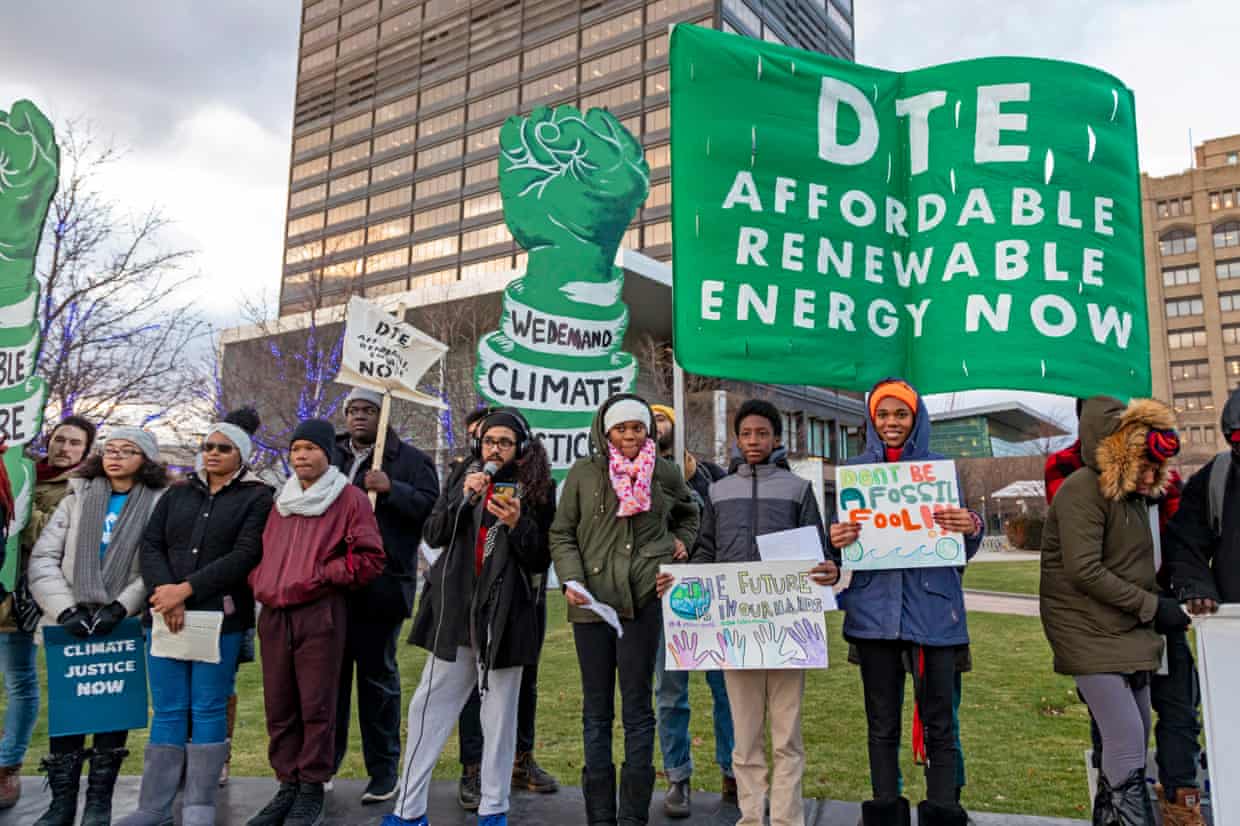
The utility industry is quietly dispatching a network of front groups to thwart the growing push for public power across the US – a push that comes amid mounting frustration over sky-high utility bills, electric outages, a slow transition to clean energy and private utilities’ soaring profits.Communities from Ann Arbor, Michigan to San Diego, California and St Petersburg, Florida are exploring municipalizing their grids to join the country’s approximately 2,000 public power companies.Municipal utilities – or “munis” – are owned and operated by local authorities and broadly have lower rates, better reliability scores and are structurally more accountable to customers.The industry front group operations aim to counter that narrative in a high-stakes fight – private utilities stand to lose billions of dollars in revenue should communities municipalize.The latest front is in Michigan, where the Ann Arbor Responsible Energy Coalition (A2rec) appears to be a local, grassroots organization opposing a public power campaign in the upper midwest city of about 123,000 people
Shivon Zilis, mother of four of Elon Musk’s children, testifies in OpenAI trial
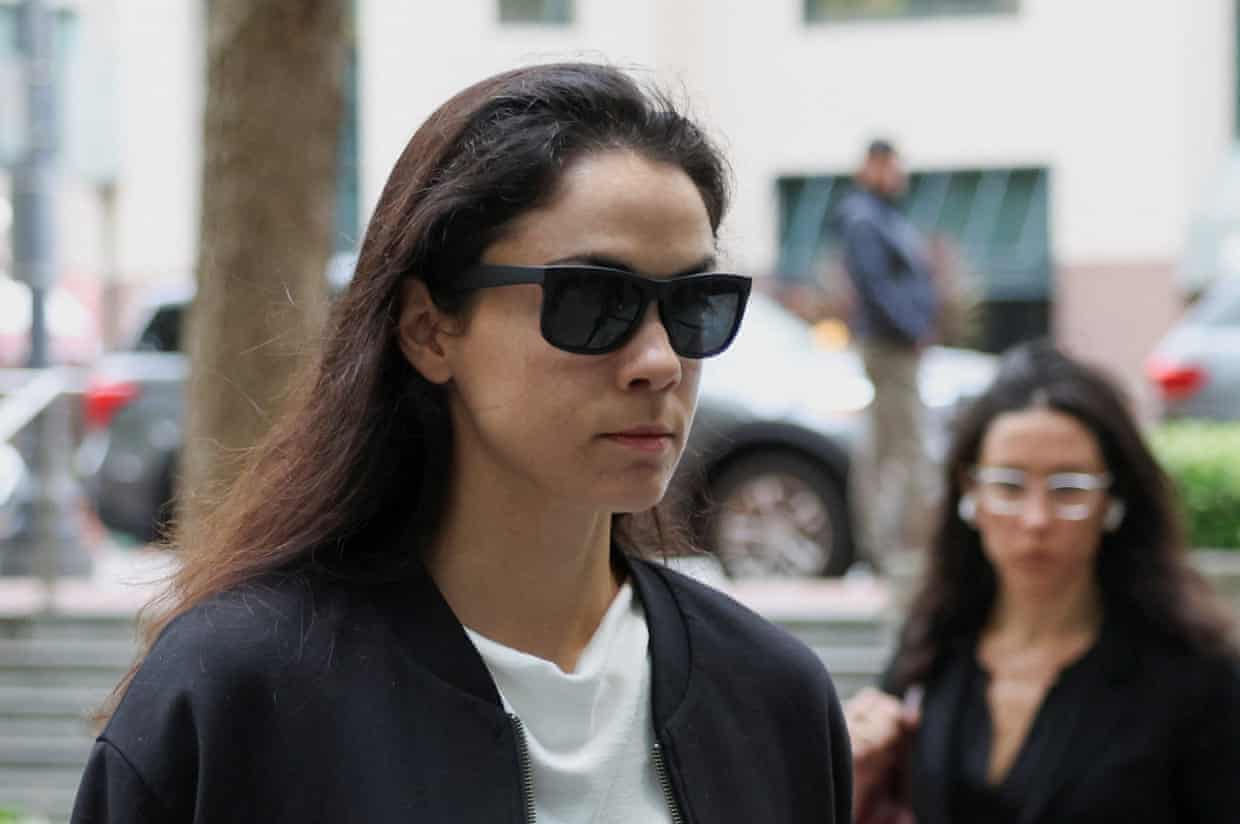
Shivon Zilis, a Neuralink executive and the mother of four of Elon Musk’s children, took the stand on Wednesday as one of the most highly anticipated witnesses in Musk’s case against OpenAI. The ChatGPT maker has argued that, while Zilis worked with OpenAI from 2016 to 2023, she was also involved in a secret relationship with Musk, acting as an informant for him.Musk’s case against OpenAI alleges that the company’s CEO, Sam Altman, and president, Greg Brockman, co-founders of the company with Musk, broke a founding agreement when they restructured it from a non-profit to a for-profit enterprise. The Tesla CEO accuses Altman and Brockman of unjustly enriching themselves and wants both removed from their positions at the startup, one of the most valuable in the world. He is also seeking the undoing of the for-profit restructuring and $134bn in damages to be redistributed to OpenAI’s non-profit arm

No flattery please, Claude: I’m British | Brief letters
The otherwise admirable Richard Dawkins should adjust the local settings of the chatbot or tell it to be less obsequious (Richard Dawkins concludes AI is conscious, even if it doesn’t know it, 6 May). Such bots are initially geared to American overenthusiasm and egregiously flattering reinforcement, but just tell them you want British attitude. They’re only simulating you know.Brian Reffin SmithBerlin, Germany With artificial intelligence bringing “large language models” into everyday use, the LLM after my name has acquired a new meaning. For 70 years I assumed that it referred to my Cambridge master of laws
Virtual cyclists face random drug tests to compete on MyWhoosh app
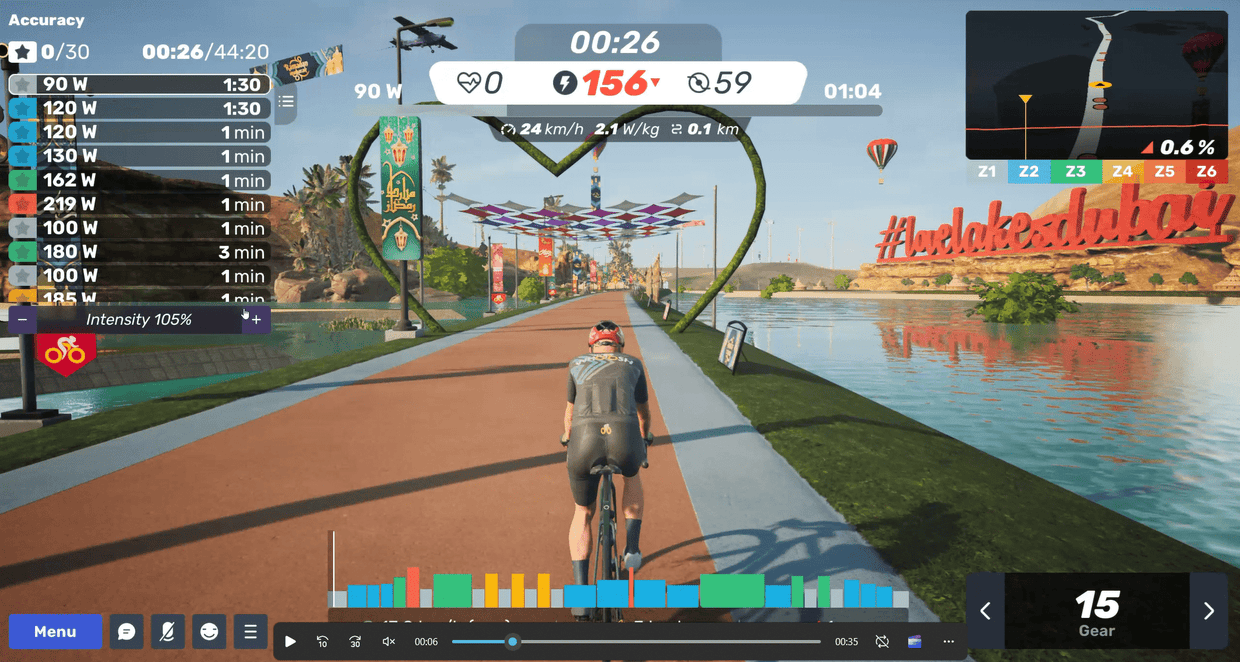
First came the boom in virtual cycling, with thousands of people from across the globe competing against each other. Then came cash prizes. Now one major online platform has taken the next logical step by launching anti-doping testing for e-racers.MyWhoosh, which hosts the UCI Esports World Championships, has told the Guardian that the top riders in its weekly Sunday Race Club competition will now face random drug tests after they compete.The event offers prizes ranging from $2,170 (£1,593) to $20 (£14) to serious cyclists and beginner-level racers, most of whom compete at home or in a garage
Uar Bernard: the ‘rarest physical specimen’ who exposes the NFL’s scouting flaws
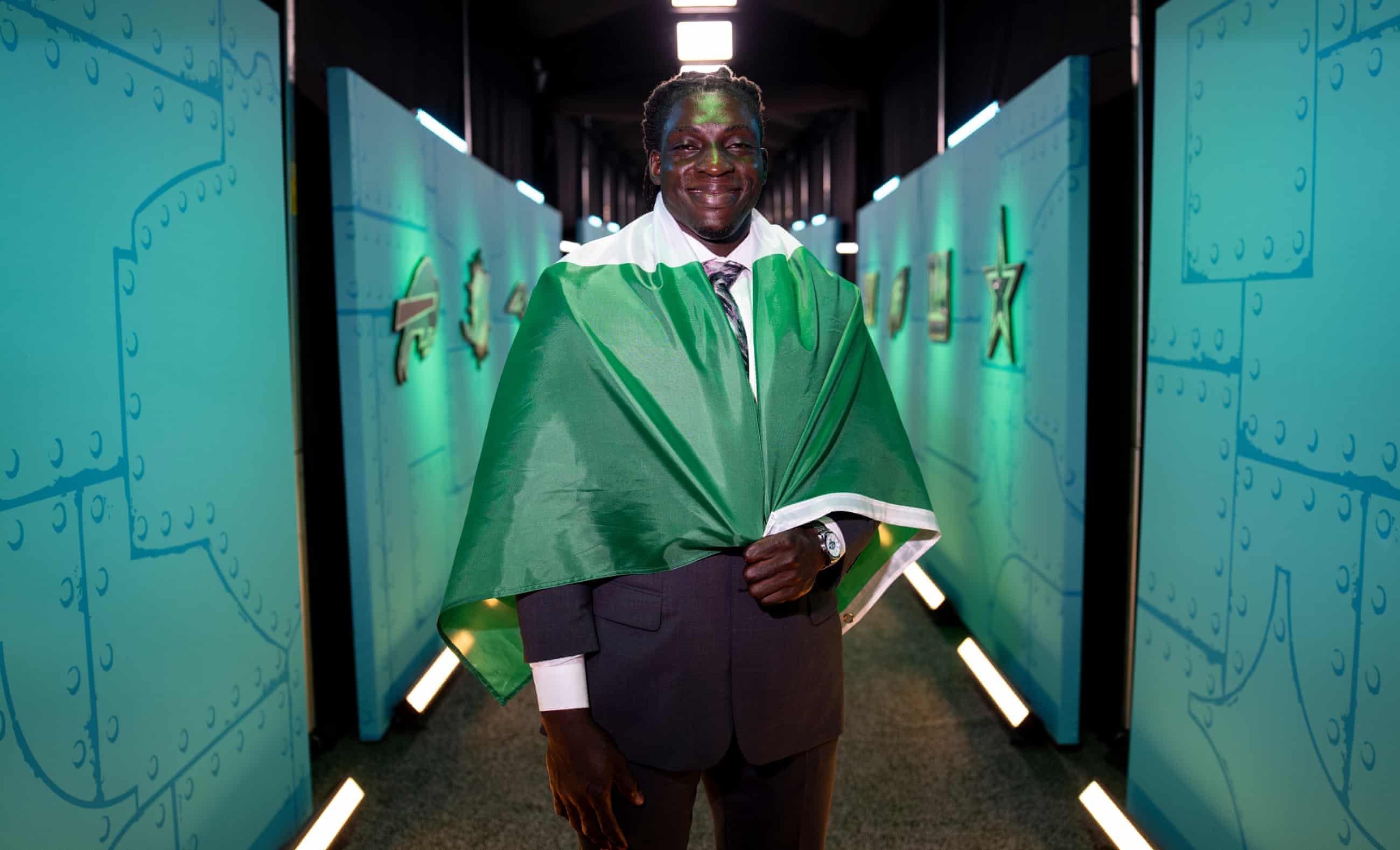
The Philadelphia Eagles selected the Nigerian defensive lineman before he had even played a down of football. More teams should take risks on global talentUar Bernard has become a source of borderline indecent fascination in the NFL – the kind of prospect who underscores how athletes are identified and the inherent limits of pro football scouting itself. A swole 6ft 4in and 306lbs, Uar (pronounced OO-ar) Bernard doesn’t just look the part of a fearsome defensive lineman; fans post his shirtless photos next to ones of Myles Garrett, the game-wrecking Cleveland Browns pass rusher who set the regular-season sack record last year. Veteran NFL analyst Lance Zierlein described Bernard as “one of the rarest of physical specimens I’ve seen in the sport”. Other people who have spent their lifetimes in football say Bernard looks like a Marvel creation

Keir Starmer makes late pitch to voters turning to Greens and Reform
Cameo, speeches, pushing gold bullion: how Farage has made millions since becoming an MP
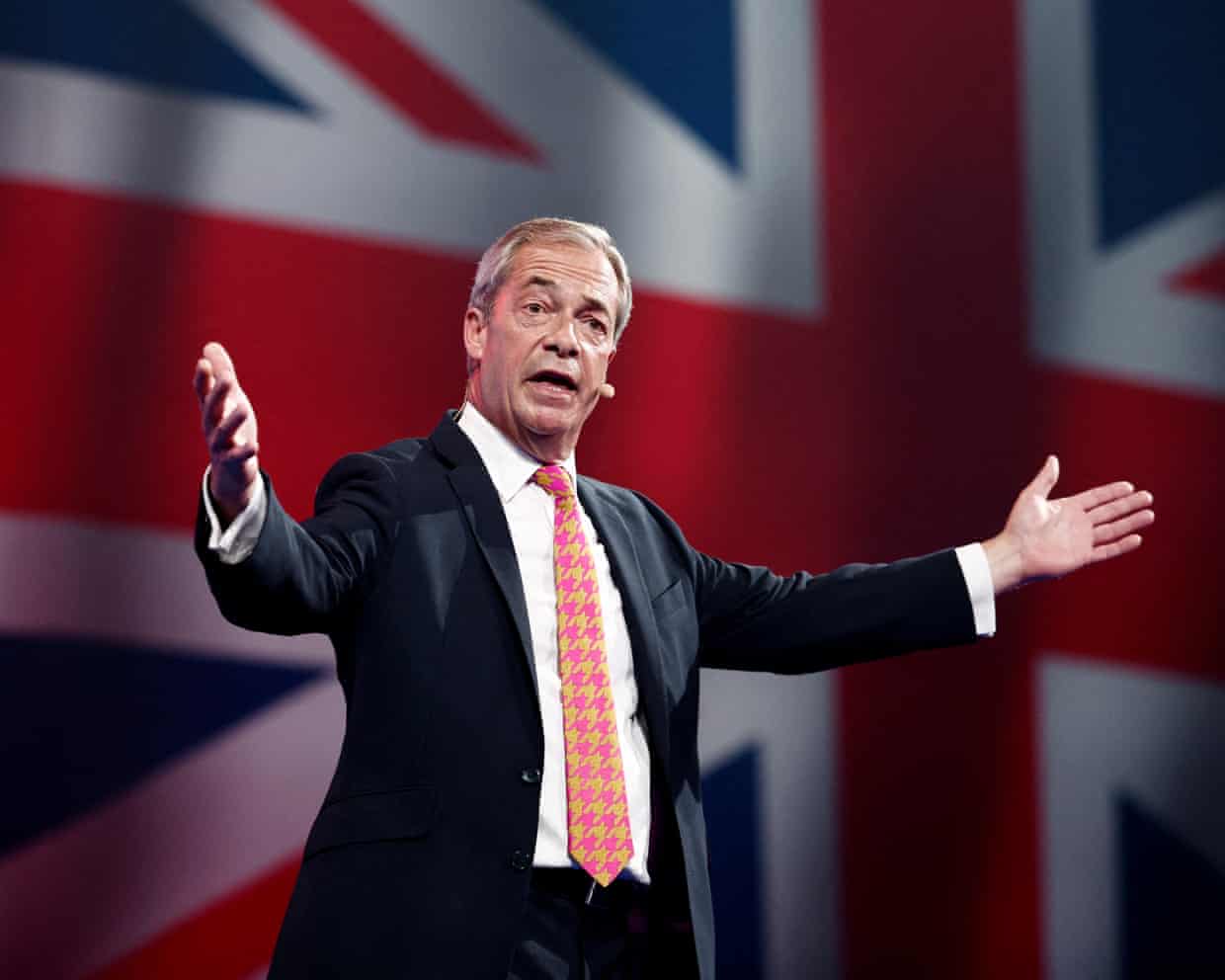
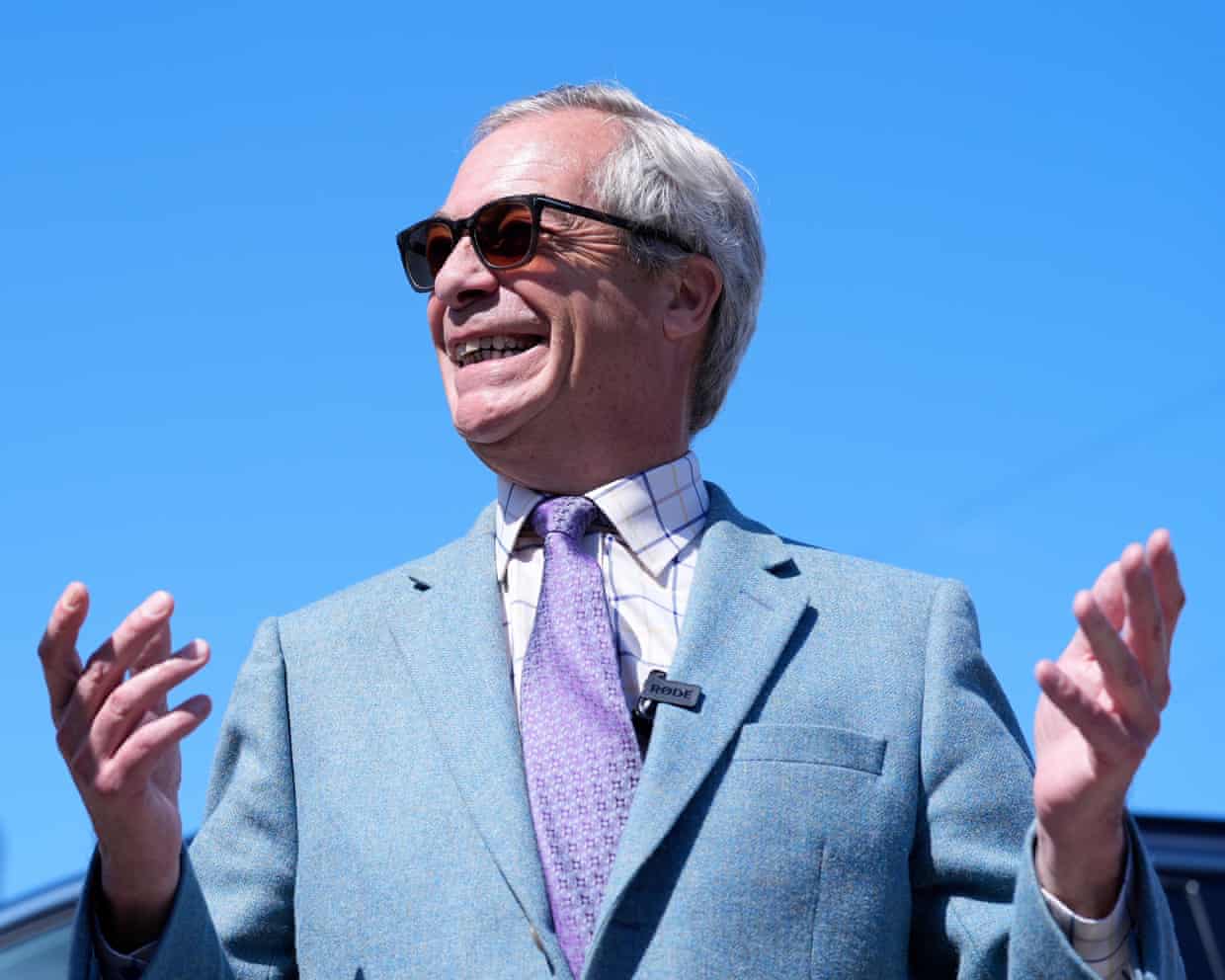
Nigel Farage’s income since being elected MP has hit £2m, analysis shows
‘I am losing faith’: disaffected Scottish voters may deny SNP a majority

‘Climate solutions will bring down bills and restore nature’: green issues and May elections
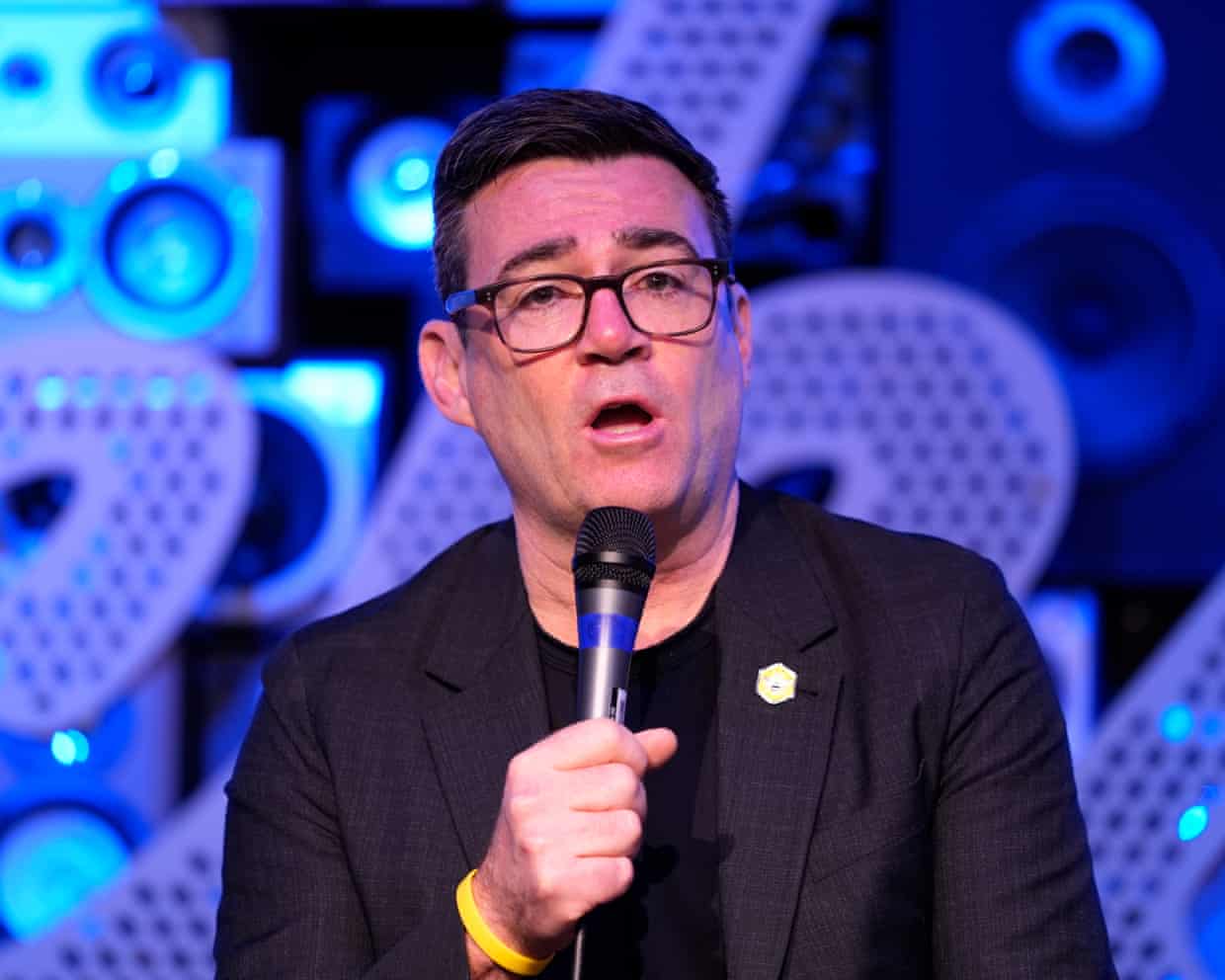
Burnham sparks Labour anger with plan to appear at event alongside Greens