Blurry rats and coyotes with mange: the oddly thrilling subreddit dedicated to identifying wildlife
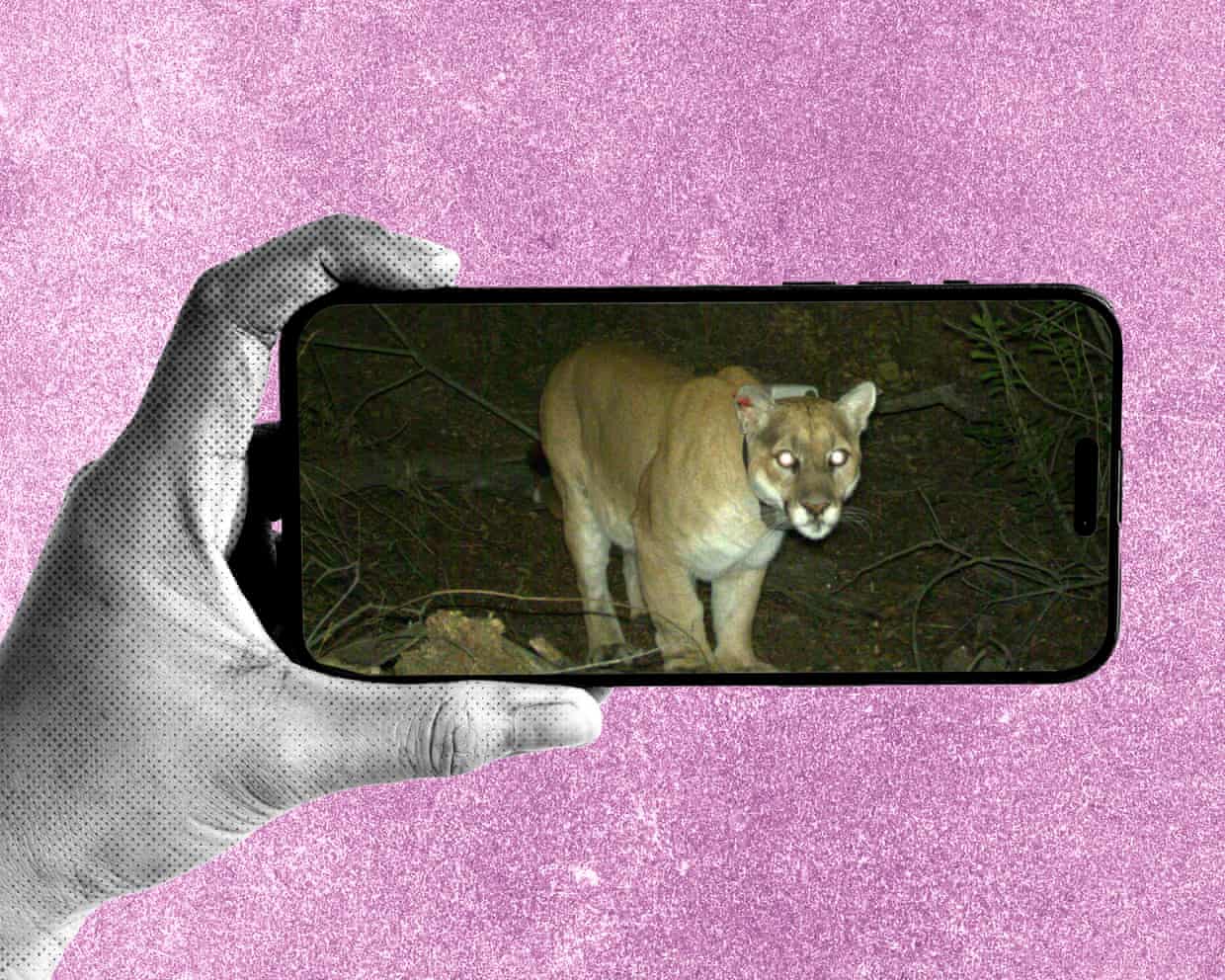
I spent the first decade of my life in Vancouver Island, Canada, in an area rich with parks, lakes and forests.Deer would occasionally wander into our neighbourhood and nibble on the blossoms in our front yard.In that neck of the (literal) woods, mountains and deer also mean cougars.My sister and I would play at a local park, then walk home along a track parallel to a dense forest.My older sister, being three and a half years ahead of me in life and therefore lightyears ahead of me in wisdom, would helpfully declare that if we encountered a cougar it would attack me, not her, as I’m the smaller prey.
Older siblings are nothing if not educational, so frequent park outings meant frequent reminders of my potential death.The butterflies in my stomach would whirlpool then drop to a flutter each time we neared the top of the street away from the woods.Was it fear? Yes.Excitement? That too.Disappointment? Strangely, also yes.
We never once spotted a cougar.There’s a subreddit that fosters this particular combination of excitement and fear, r/animalid, where users share photos of unfamiliar wildlife for others to identify.The most popular posts are colourful lizards and rare birds: YAWN.SNOOZEFEST.For me, the top-tier posts have little engagement at all: I’m looking for poor-quality photos with a handful of comments.
I’m talking trailcam snapshots with captions like “this wolf has been stalking my family” accompanied by several comments of “that is a coyote with mange”.And, reader, it’s always a coyote with mange.We’ll see a blurry photo of a rat which the poster insists is not a rat, actually, despite its size, shape, colour and rat-like behaviour.Another post depicts a small generic turd with fervent requests for identification of the creature it escaped from.Or perhaps a doorbell camera catching a cougar walking past someone’s house at night.
A cougar?! Those ones make me bolt upright in bed, phone screen pressed against my eyeball.A real-life cougar?! Those lucky bastards.Except … it never is a cougar, merely a fat tabby.Or a coyote with mange.Few people in this sub are clout-chasers; they are simply hopeful and curious.
There is a distinct earnestness that comes with posting a photo of a blurry blob with helpfully added scribbles pointing at said blob,We squint and wonder if that blob is dangerous,Or even an animal,Extreme sports, illicit drug taking, dating emotionally unavailable and annoying artists: humans long for thrill, even if – or because – it’s dangerous,This subreddit allows us to microdose that adrenalin rush in everyday encounters, turning them into Rorschach tests.
Every print in the snow becomes a potential bear.We’re reminded that, in those rare places humans haven’t destroyed, we are not the apex predators – nature is.Maybe something greater and more powerful than us was here, mere moments ago.“That is very clearly a human footprint,” people might rush to comment.But still the original poster remains hopeful.
Everyday life can be very ordinary and this subreddit exemplifies our desire for some extraordinary spectacle.What if that pigeon actually was a hawk? What if, today, the rat in my bathroom wasn’t a rat, but something more exotic, or even sinister? I’m thrown back to childhood: what if just once – only one single time – a mountain lion actually did emerge from the forest and attack me? Not fatally, but enough for me to be The Girl Who Survived A Cougar Attack.God, what a rush.
George Harrison’s old house has an interesting backstory | Letters
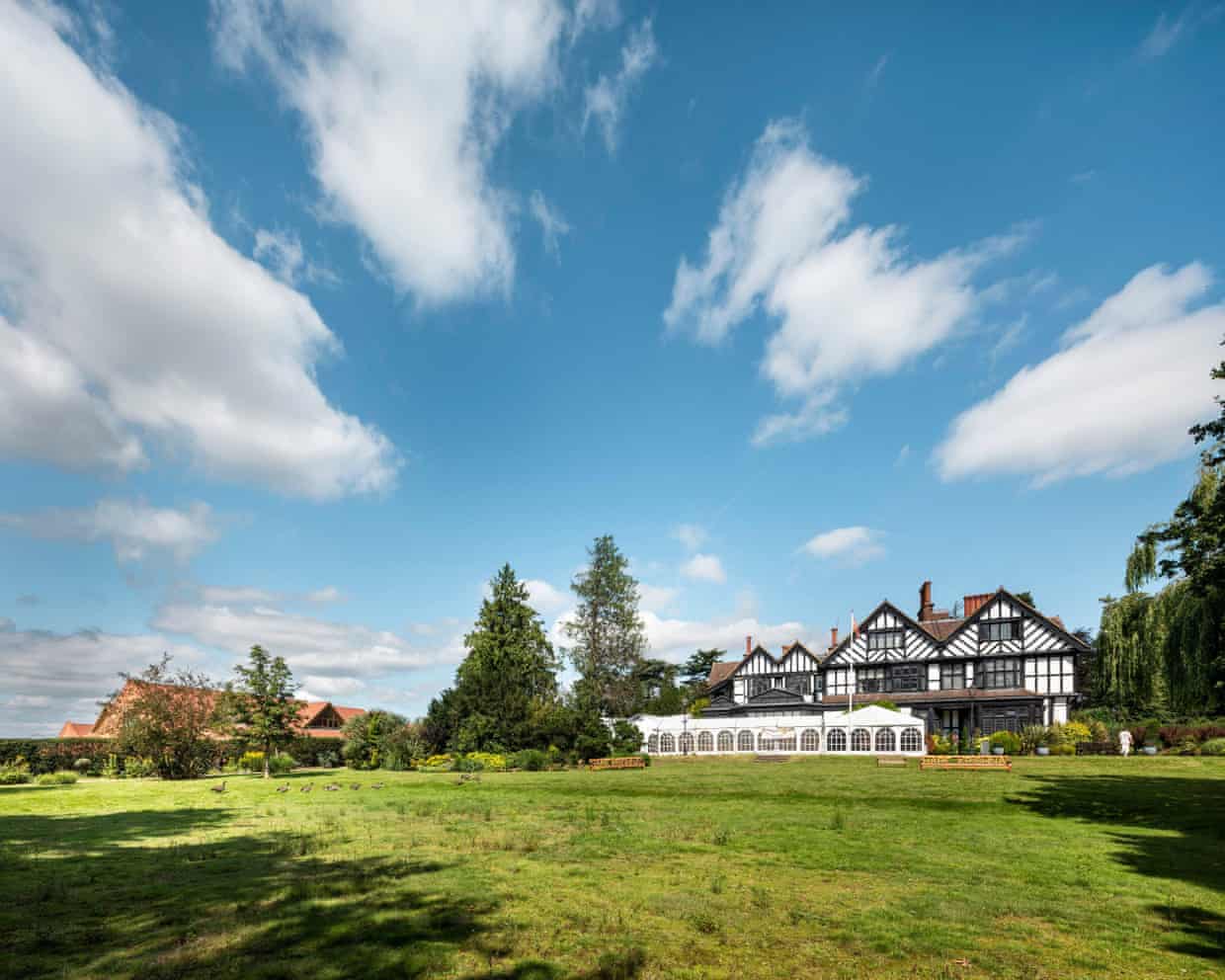
Peter Bradshaw missed out an important cultural feature of Letchmore Heath (‘The Village of the Damned was shot here – then George Harrison bought a house’: our UK town of culture nominations, 23 January). Before Piggott’s Manor was sold to George Harrison, it was the preliminary training school of St Bartholomew’s hospital in Smithfield, London, where 18-year-old would-be nurses spent three months before being let loose on real patients – learning how to bandage, give bed baths and change bed sheets with the “patient” still in it (practising on each other), give injections (into oranges), present food in an appetising way and – most importantly – to clean.Following this three-month period, we spent the next two-and-three-quarter years on the wards (as a form of apprenticeship) doing actual nursing work of greater complexity and responsibility. A far cry from the major cultural shift of today’s nurse training spent in universities and on placements.Dr Liz Rolls-FirthCheltenham, Gloucestershire
One in four adults in England do not drink alcohol, survey finds
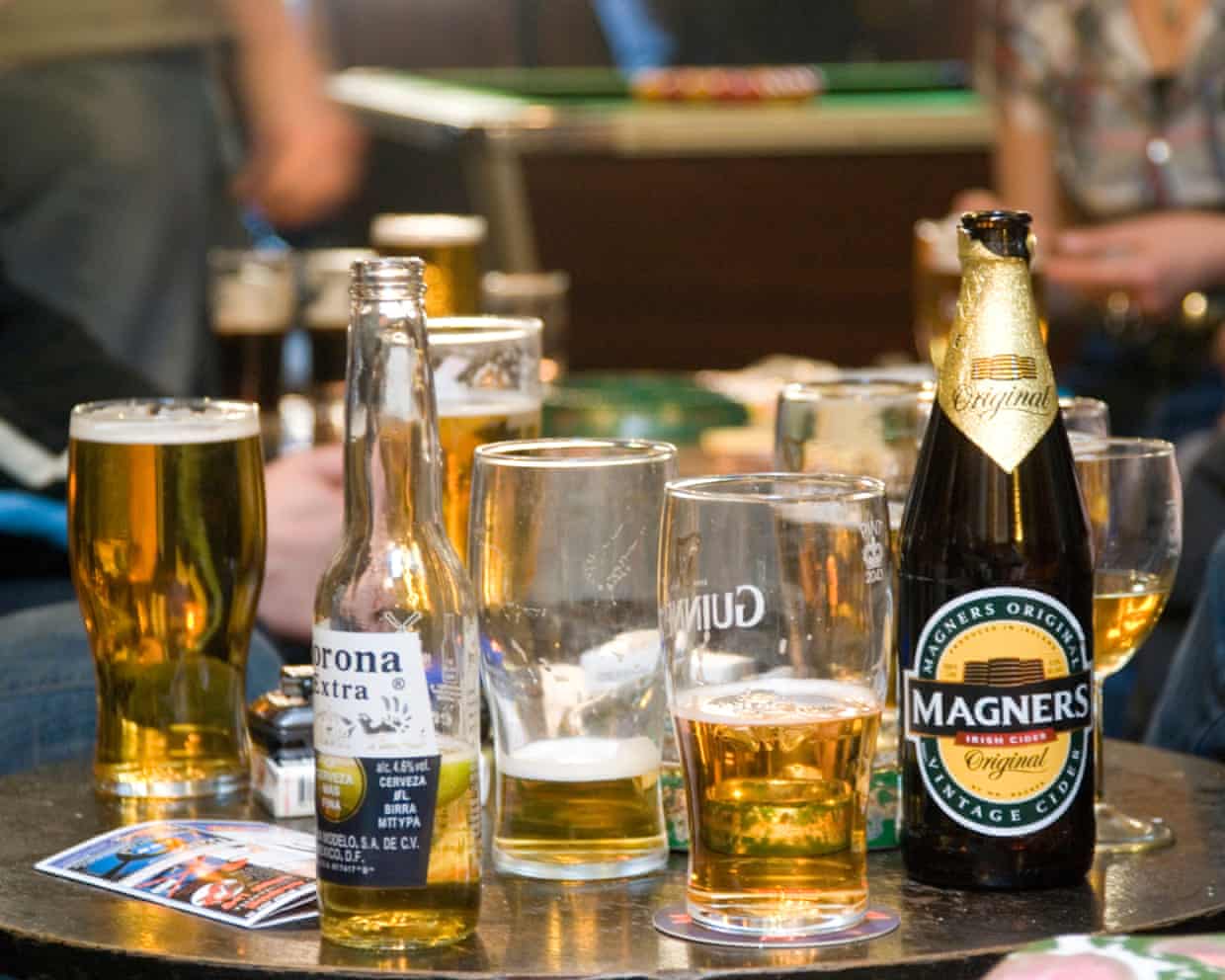
One in four adults in England do not drink alcohol, with increasing numbers of men and young people deciding to stay sober, according to a survey.The figures, which come from a questionnaire of 10,000 people as part of the Health Survey for England, found that almost a quarter (24%) of adults in England had not drunk alcohol in 2024, an increase from just under a fifth (19%) in 2022.Women appeared slightly more abstemious than men, as 26% did not drink alcohol that year compared with 22% of men. The proportion of non-drinkers increased in both genders compared with previous years.The survey also indicated regional variations in alcohol consumption
EHRC single-sex spaces guidance being adapted under ‘constructive’ new chair
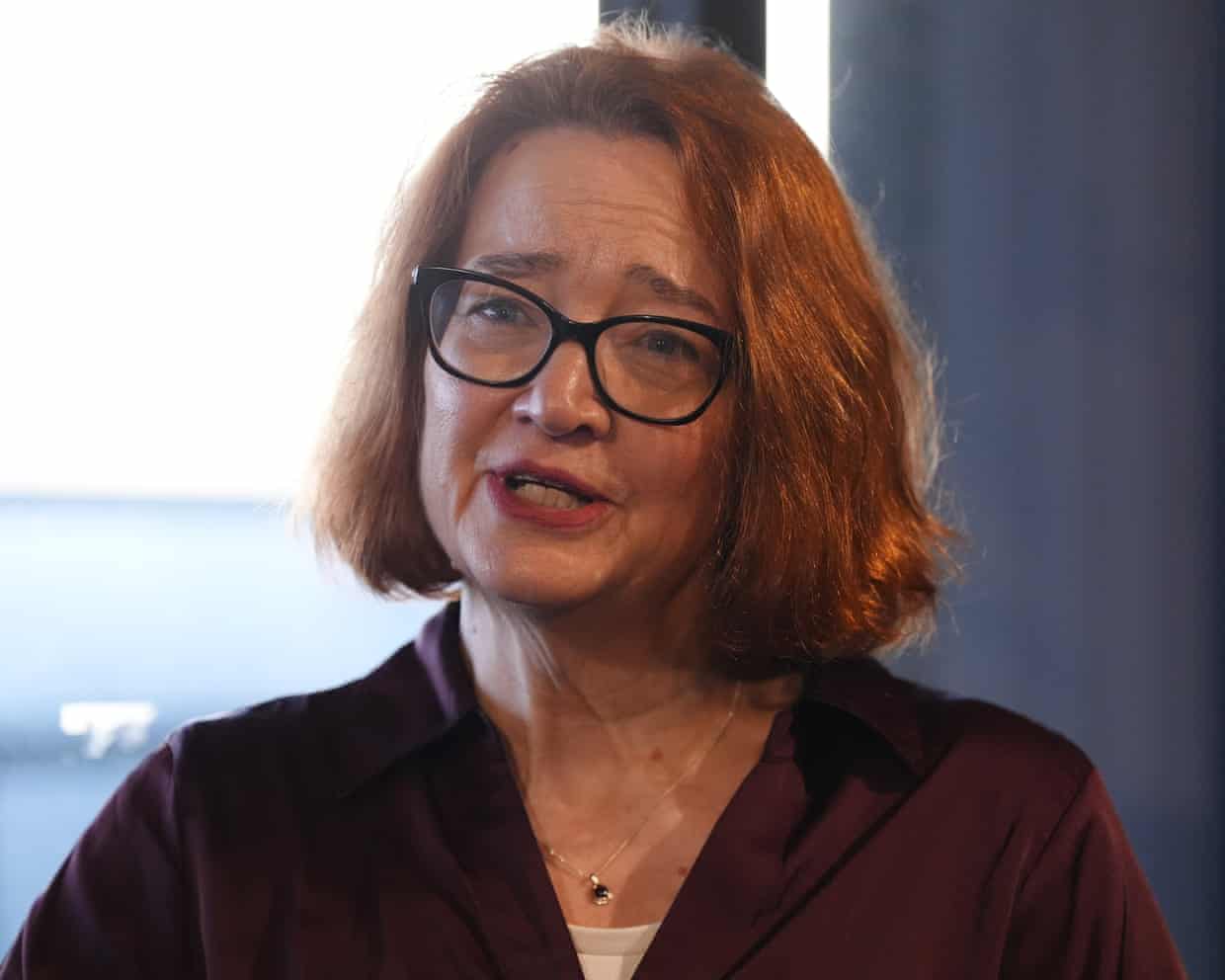
Guidance on how to implement the landmark supreme court ruling on gender is being adapted to lessen its impact on businesses and to ensure it tries to balance single-sex spaces with the lives of transgender people, the Guardian has been told.Lawyers from the Equality and Human Rights Commission (EHRC) are understood to be in discussions with government lawyers over the practicalities of guiding businesses and other institutions about last year’s ruling that the legal definition of a woman is based on biological sex only.While talks have been going on since the EHRC’s guidance was sent to ministers in September, there has been what is viewed as a change in approach from the equalities watchdog since its new chair, Mary-Ann Stephenson, took over late last year.Under law, the EHRC cannot unilaterally change a code it has submitted – this can happen only if ministers reject the draft and request amendments. But Stephenson is viewed as more open to listening to concerns about its implementation than her predecessor Kishwer Falkner
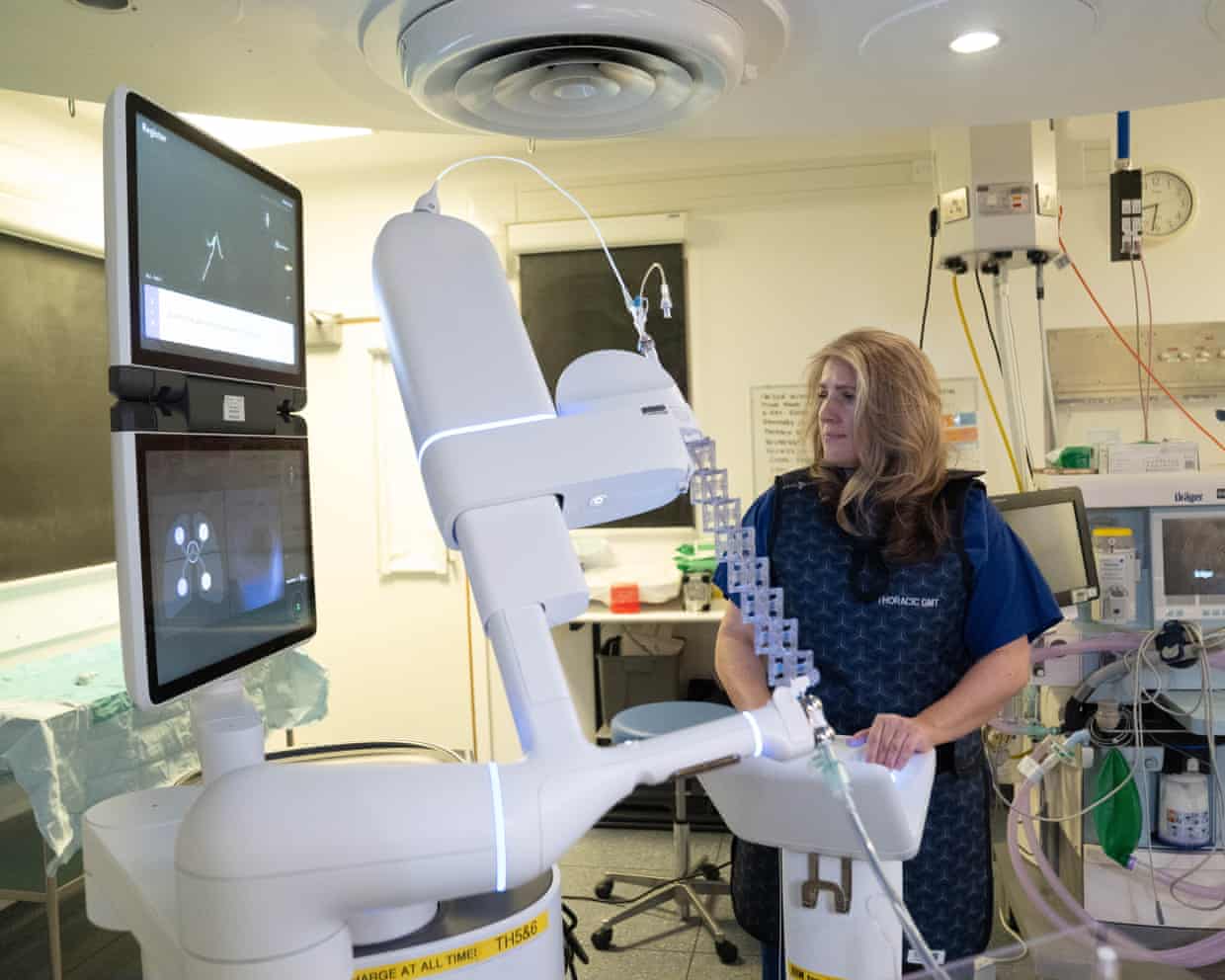
NHS England to trial AI and robotic tools to detect and diagnose lung cancer
NHS England is to trial a combination of AI and robot-assisted care to speed up the detection and diagnosis of lung cancer, the UK’s most lethal form of the disease.The trial comes at the same time as the health service pledges to offer all smokers and ex-smokers the chance to be screened for lung cancer by 2030.That expansion will lead to an estimated 50,000 lung cancers being diagnosed by 2035, of which 23,000 will be at early stage, which could save thousands of lives, it said.The disease is a particular focus of the government’s forthcoming national cancer plan for England because it is Britain’s biggest cancer killer, reflecting historic high rates of smoking. It claims 33,100 lives a year across the UK, about 91 a day
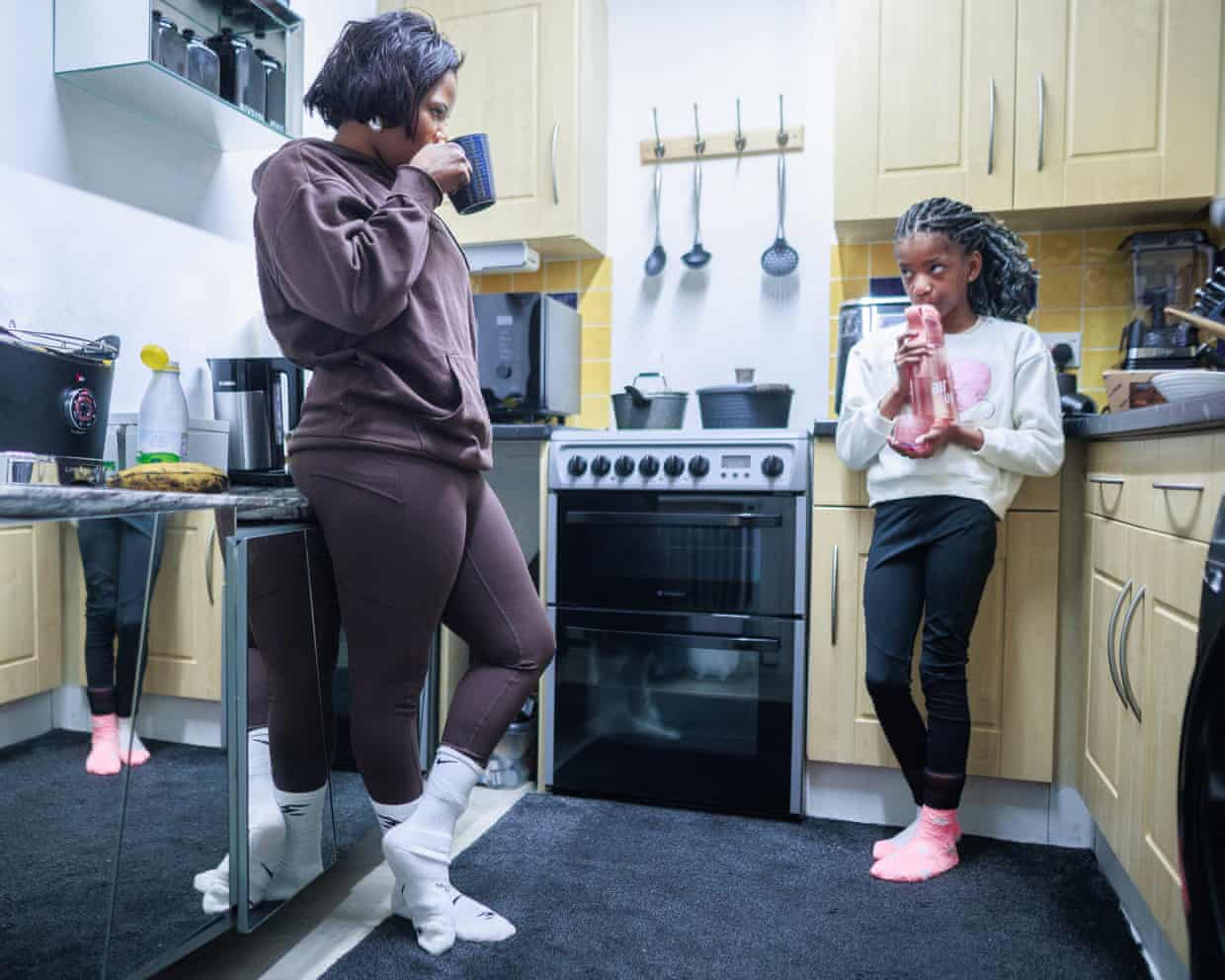
Temporary accommodation in England is ‘torture’ for neurodivergent children, report finds
Neurodivergent children living in temporary accommodation (TA) in England are subjected to conditions that amount to “torture”, and the harm it causes them is “psychologically excruciating” and a form of “child cruelty”, a report has found.The report by King’s College London through the all-party parliamentary group (APPG) for households in temporary accommodation, found that while living in TA was damaging for any child, it had a particularly severe impact on neurodivergent children and those with special education needs and disabilities (Send).It found that, for neurodivergent children, TA was “relentless and cruel” and that “continuing to house them in such conditions – despite evidence of the damage it causes – can be considered as a form of torture and child cruelty”.Parents told researchers their neurodivergent children had become withdrawn or hypervigilant because of “chronic uncertainty, restricted space, lack of outdoor access, unsafe environments and the removal of familiar supports”.“The pace and frequency of moves between different TA spaces is overwhelming for neurodivergent children, resulting in a semi-permanent state of meltdown,” the report says
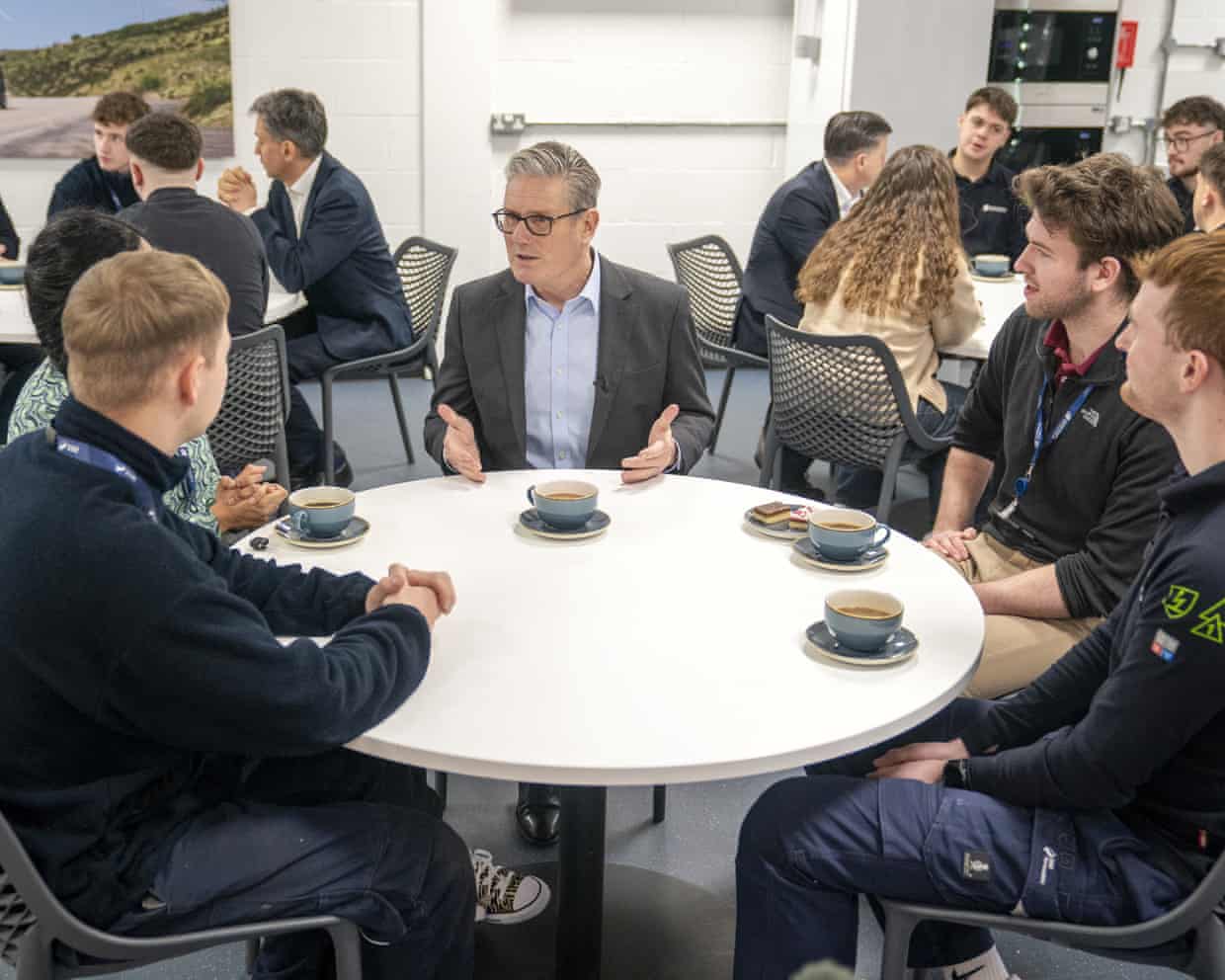
Most young adults in UK are anxious about jobs and the economy, research suggests
More than seven in 10 teens and young adults in the UK say they wish they were not starting their careers in the current economic climate, according to new research from the King’s Trust.The study also found that more than a quarter of people aged 16 to 25 feel they are going to fail in life, highlighting growing anxiety among those entering the labour market.Jonathan Townsend, the UK chief executive of the King’s Trust, said: “This new research shows young people today are deeply concerned about their job prospects and futures, particularly those already facing the greatest barriers.”According to the YouGov survey of 4,097 people, 73% of respondents were acutely anxious about their future careers and concerned there would not be enough jobs for people like them.The research, sponsored by the retailer TK Maxx, was published on Tuesday in the charity’s social impact report, 50 Years of Working for Young People

Elena Rybakina blows away Iga Swiatek to reach Australian Open semi-final against Jessica Pegula
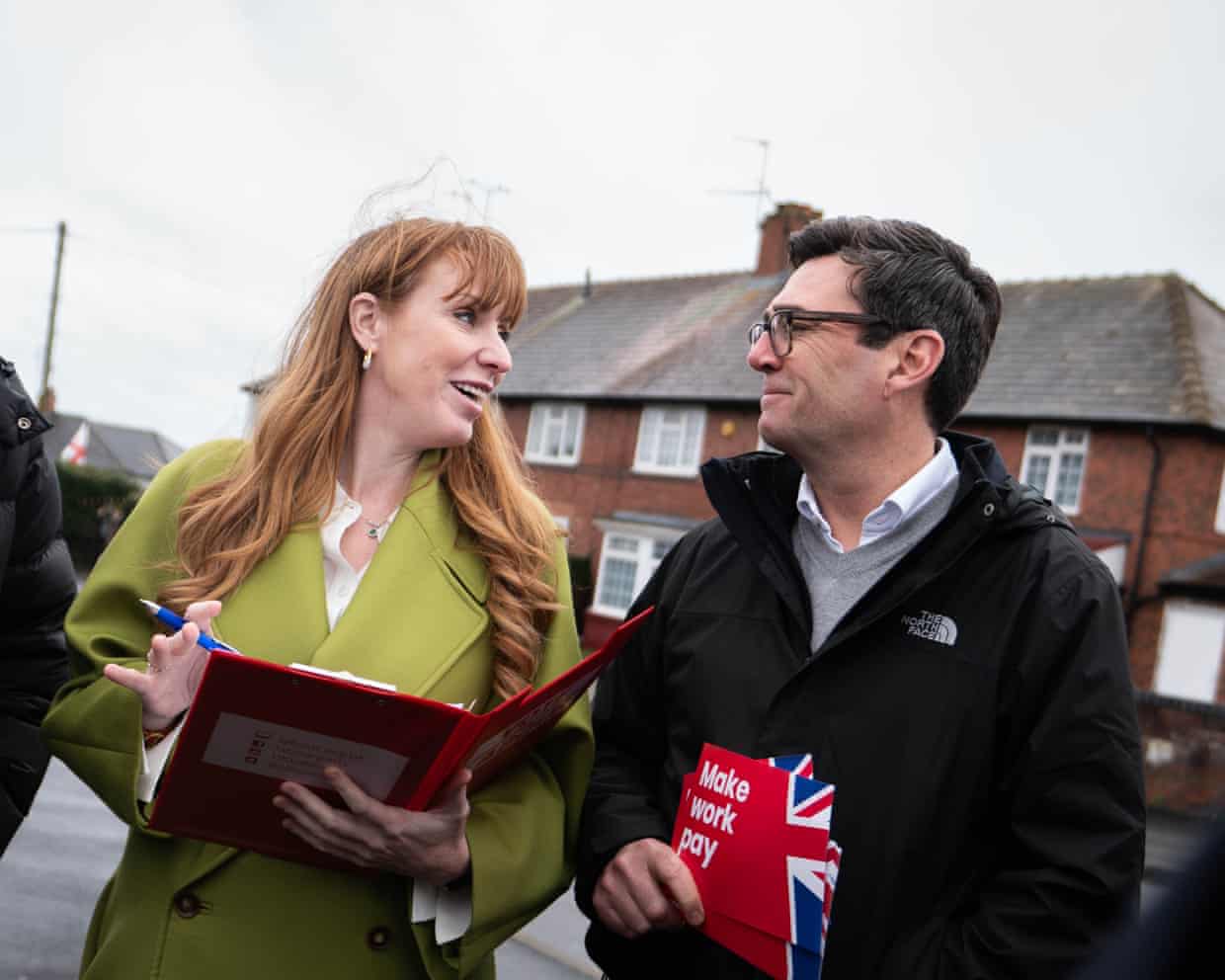
With Burnham blocked, Labour’s attention turns back to Angela Rayner
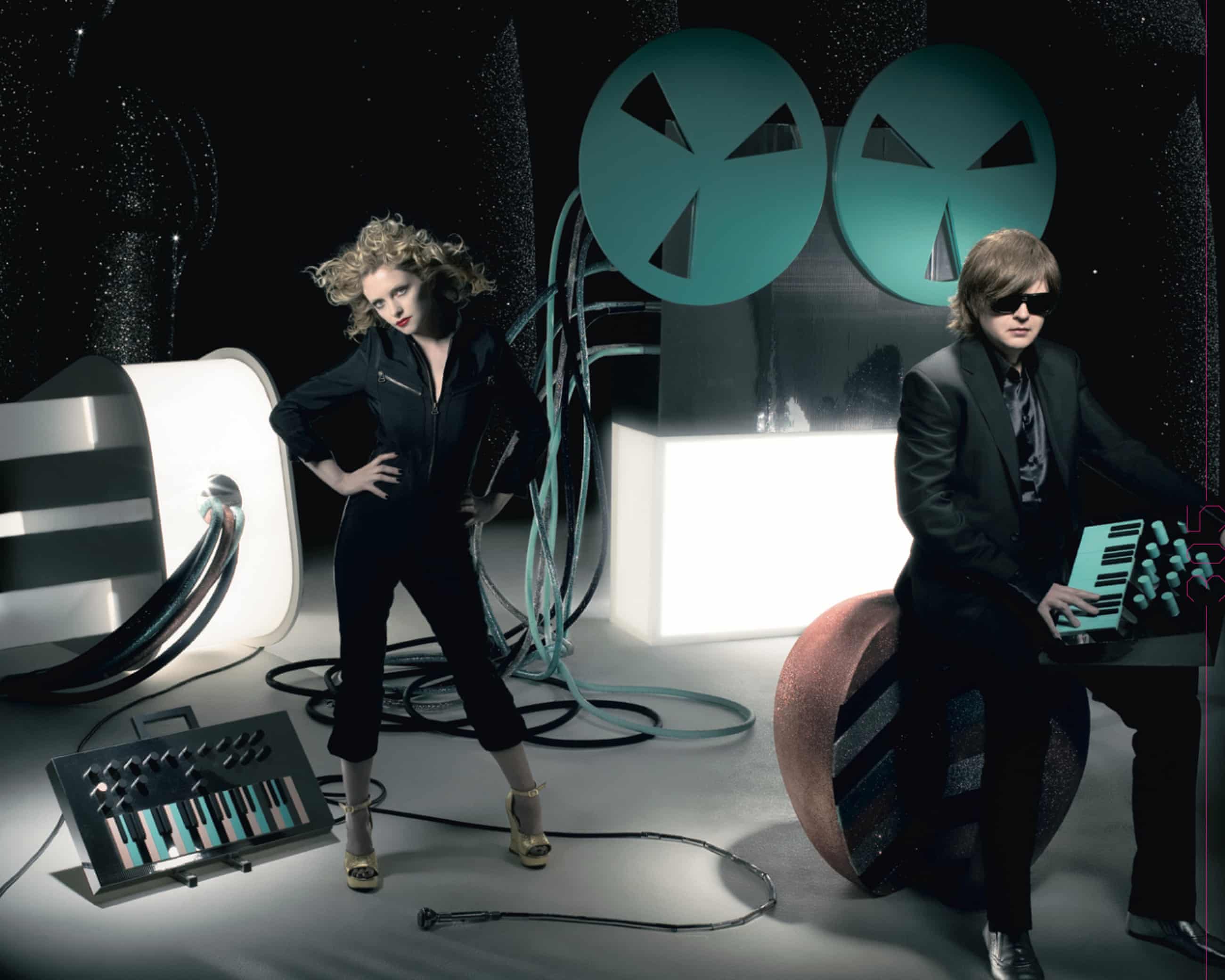
‘We get a lot of requests for it to be used in sex scenes’: how Goldfrapp made Ooh La La
Blurry rats and coyotes with mange: the oddly thrilling subreddit dedicated to identifying wildlife
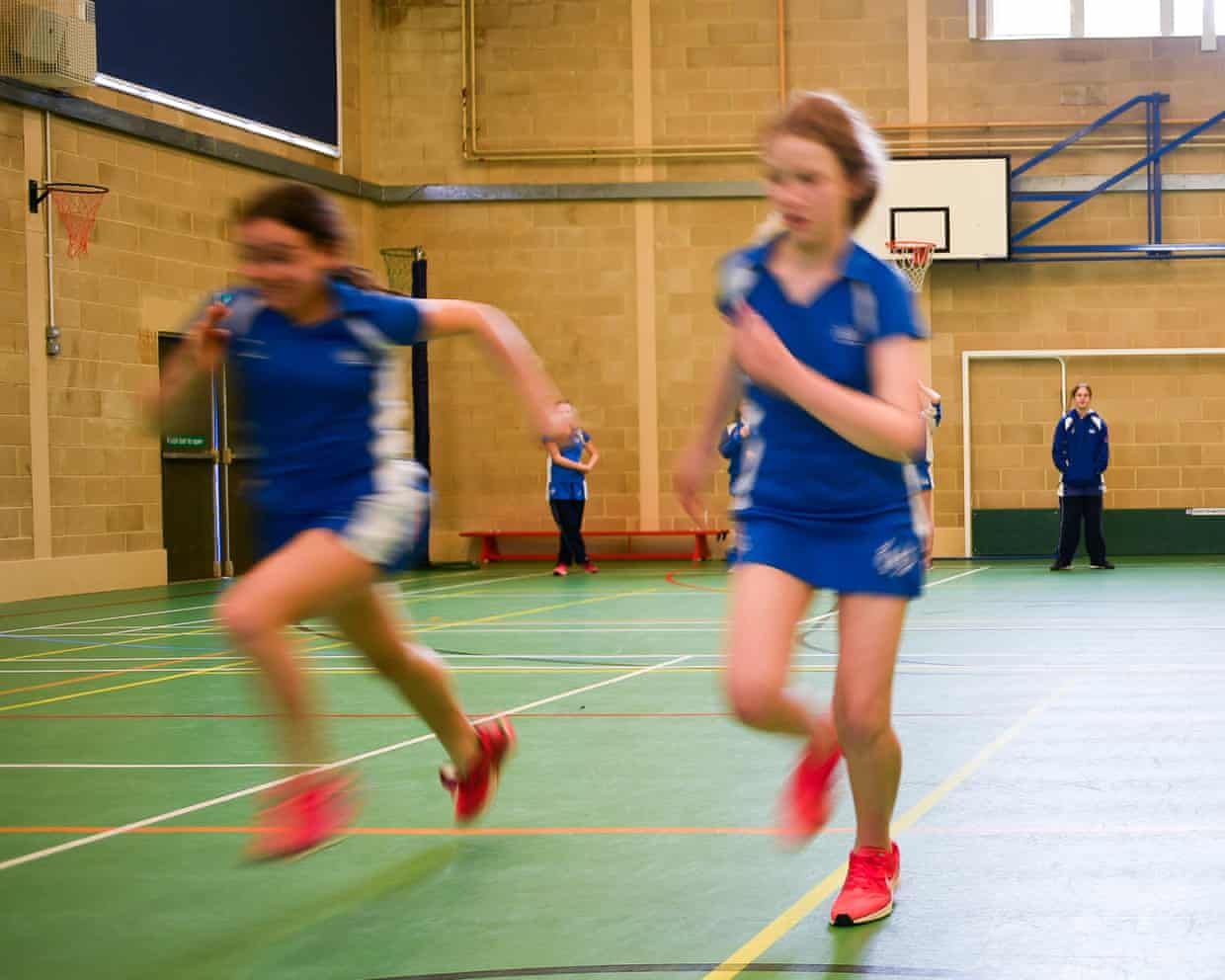
Government row breaks out over plan to cut spending for PE in England’s schools

Senedd passes budget after Welsh Labour makes deal with Plaid Cymru