‘I wanted alcohol to take me to a place where I was not’: comedian John Robins on the moment he realised he had a drinking problem
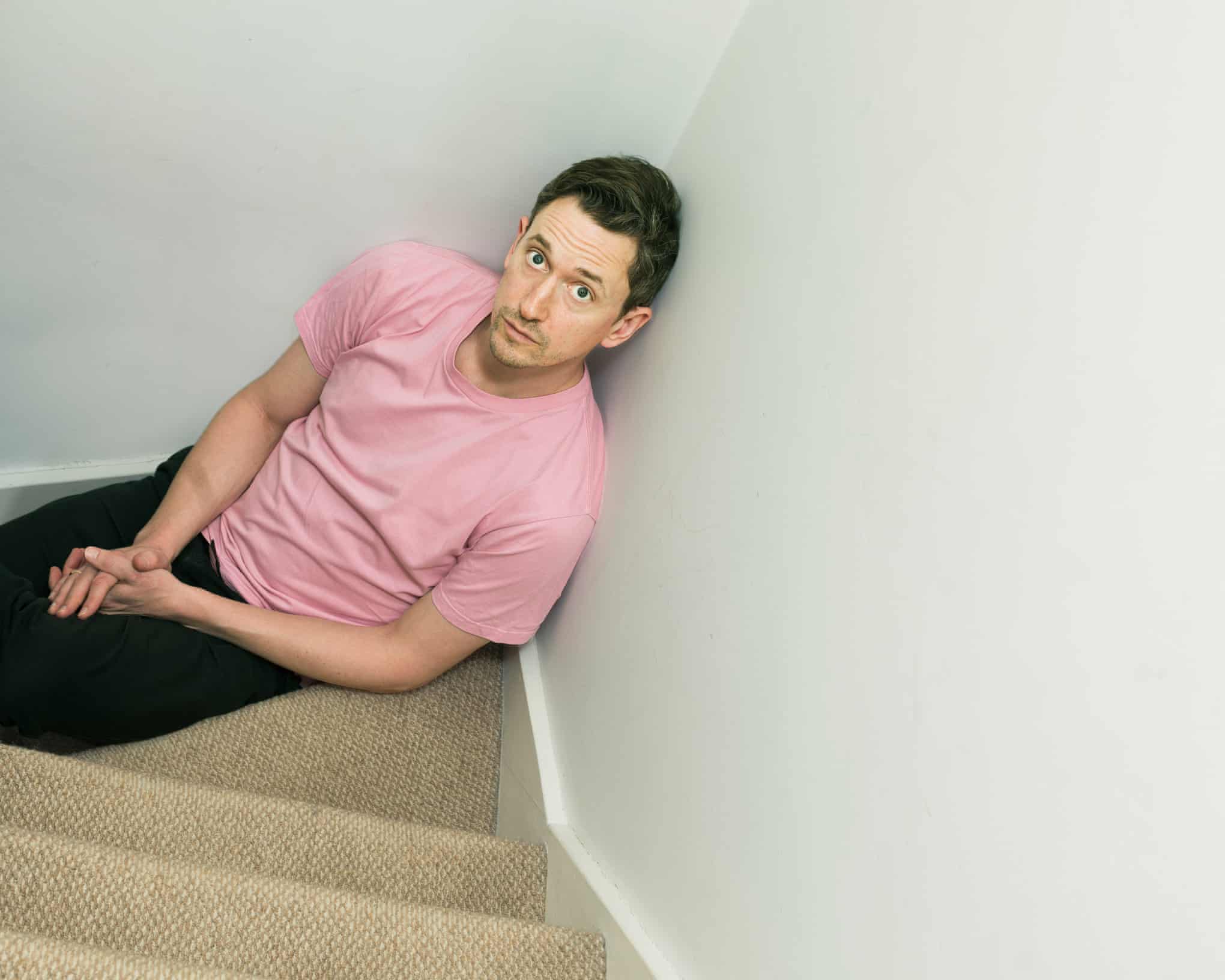
For most of his life, John Robins assumed he got more out of alcohol than it took from him.Now he knows it was the other way round ‘I picked up the bottle of wine and drank straight out of it.I was seven’ Read an exclusive extract from his new memoirThe Guardian’s journalism is independent.We will earn a commission if you buy something through an affiliate link.Learn more.
The comedian John Robins has always loved talking about booze.In his standup, he used to portray himself as a bon viveur who knew how to give himself the best of times; a larky drinker out for a laugh; a nerdy tippler who recorded nights out in Sherlock Holmes-themed notepads – arrival time, drinks consumed, percentages of alcohol, pub atmosphere.He also had a routine about contracting gout, even though he never has done in real life.The Guardian’s journalism is independent.We will earn a commission if you buy something through an affiliate link.
Learn more,On the radio, he hosted a show with his friend Elis James in which they meticulously detailed pub crawls and coined the phrase “Keep it session”, encouraging listeners to stick to low-alcohol beer when out for the whole evening,If anybody was in doubt about his love of booze, Robins then devised a podcast series called The Moon Under Water, named after George Orwell’s 1946 essay describing the perfect pub,In it, Robins and his co-host Robin Allender invited guests to design their dream watering hole,Yet, despite dedicating so much time to the discussion of booze, Robins could never find the right word to describe his relationship with it.
Then in 2023 he finally discovered it: alcoholic.He revealed this in another podcast series he co-presented with James called How Do You Cope?, in which they invited guests to talk about how they had got through life’s toughest trials.Not only did it emerge that Robins had been diagnosed as an alcoholic, it also transpired that the Oxford-educated, Edinburgh comedy award-winning, Taskmaster-triumphing success story had never been able to cope.After touring with Howl, a standup show about his addiction, he has now written a book about it.The title could not be more blunt – Thirst.
The publisher initially wanted to go with the subtitle alone; Twelve Drinks That Changed My Life is sexier, jollier and more marketable,But Thirst is infinitely more powerful,And it is Thirst that gets to the heart of Robins’s relationship with alcohol,Throughout his life, it’s been a craving,The book’s cover is as blunt as the title.
It features a gorgeous blond curly-haired little boy, both hands clenching a can of lager, the contents of which he appears to be pouring down his throat,And this, in one shocking image, is the story of Robins’s life,We meet at his home in Buckinghamshire, which is surrounded by football and cricket pitches, and little else,There are no roaring cars, no hum of activity, not so much as hushed conversation,Just blissful silence and birdsong.
Though he has lived here for 10 years, you sense the peace is an important part of his rehabilitation.His tiny cottage is crammed with stuff – tributes to his hero Freddie Mercury, awards, golf clubs, poetry books and unlikely knick-knacks.Perhaps the most unlikely is a doll of himself, a keepsake from his stint on Taskmaster in 2024.It’s all magnificently ordered.He’s wearing a Bonnie ‘Prince’ Billy T-shirt (another hero) and a Dark Star Brewing cap.
I say I’m surprised at the cap – lots of recovering alcoholics would throw reminders of booze in the bin.He smiles.“I know.This is a slight problem.”Then he stops, and changes his mind.
“No, the cap isn’t the issue.I have to exist in a world with alcohol in it, and I can make that really difficult or I can make that as easy as it’s ever going to be.I could move to a dry county in America if I wanted to.But it would be an enormous arse ache and it would ruin my life.I could go through the house and remove every reference to booze and every photo of me drinking, but I don’t know that would help.
So whether I wear the cap is neither here nor there.I can obsess about alcohol not wearing the cap.” He laughs.“And besides, it’s the only cap I’ve got that actually fits my head.”Like many standups, Robins is a little manic on stage.
Stories are told in an exaggerated manner, his voice rises in pitch and the delivery becomes turbo-charged, high-anxiety bordering on the hysterical (in both senses).In person, he couldn’t be more different – calm, gentle, a good listener.He speaks quietly, precisely, every thought measured out by the teaspoon.Even now, he is still working out exactly what his relationship to alcohol was – why he needed it, what it did for him, how it almost destroyed him.For most of his life, he assumed he got more out of alcohol than alcohol took from him.
Now he knows it was always the other way round.Robins first came across booze when he was five or six at a family celebration when the grownups were drinking champagne.He noticed it made them relaxed, begged for a sip, then pretended he was drunk.His next encounter, now aged seven, was more significant.At the time it seemed so innocent.
Now he looks back and says even then he showed all the signs of an alcoholic.The adults were drinking a bottle of Jacob’s Creek, which was kept in the kitchen.He pretended he was going to the loo, sneaked off there, poured himself some wine disguised in orange juice.Sure enough he was caught by his mother, and the adults made a joke of it.“Some people would go, ‘He’s seven! He’s not an alcoholic, he’s seven!’ But I know that same obsession he had, which he wasn’t aware of, is the same obsession I have now.
” Wasn’t it more that the young Robins knew it was forbidden than that it was alcohol? He shakes his head,“No,It was always different to everything else,I didn’t feel like that about food or even sweets, and I’ve never really been tempted by drugs,There’s something about alcohol.
” From then on, he says, he was fixated.By the age of 12, he’d convinced his mother to buy him a can of Woodpecker cider every Friday night to go with his fish and chips.At 13, he went to Scout camp and all he could think of was how to cajole the leaders into giving him a small bottle of beer.At 14, he performed in the school play and got drunk at the after-show party on four cans of Strongbow cider, four bottles of beer and a bottle of Archers Peach Schnapps, the equivalent of 14 pints.He then sprayed aftershave into his mouth for good measure.
When he woke up the next day at the parental home of his first girlfriend, he was told he had puked in his sleep and had to be put into the recovery position to stop him choking on his vomit,And on it went,Apart from the drink, he was a model schoolboy growing up in Bristol – academic, swotty, well-behaved, likeable,Even though his father left the family when he was six, he got on with life,At 13, he and his mother moved in with his grumpy stepfather, a recovering alcoholic with whom he struggled to strike up a rapport, and still he got on with life.
At Oxford University, he studied English and drank and drank and drank – anything and everything apart from whisky, which he has an aversion to,He collected empty bottles like war trophies,In 2016, now in his early 30s and an established comic, he had amassed 70 empty bottles of Captain Morgan Dark Rum in his rented flat,He attended almost every social occasion going, but he was rarely present because all his attention was dedicated to his drinking routine,“My focus was, ‘What booze have they got? Why are people not getting another round in? I’ve finished my drink; oh God, he’s such a slow drinker.
’ All this madness.If there was a birthday party in a pub that didn’t have the right drink, I’d say to my friends, ‘D’you want to go to that pub next door? It’s actually better.’ That self-importance, that controlling ‘This needs to go the way I want it to go on someone else’s birthday’, it’s exhausting.”It must have been horrible for your friends, too, I say.“Exactly.
Friends would say, ‘We just always do what you want.’” Does that bother him? “Erm … ” He thinks about it.Robins, aged 43, has been attending Alcoholics Anonymous since he stopped drinking.Now he says he has a toolkit to deal not just with his desire for drink but also his past behaviour.“My initial reaction is, ‘God that’s so embarrassing.
You’re an awful person.’ But then the toolkit kicks in.Take a breath, it’s OK, you know why that was happening, you’ve apologised, it’s OK.’ That’s what I’ve got in my head because the danger is you go, ‘Fuck you, you’re awful, you’ve always been a piece of shit, how can you treat your friends like that? You might as well have a drink right now.’”What did he think when friends told him it always had to be his way when he was drinking? “There’s a phrase that I heard early in sobriety which is ‘The piece of shit at the centre of the universe’.
And it’s such a good description of me.Of who I was.So when I heard that person going, ‘Why do we always have to do what you want?’, two things were happening.I was going, ‘Fucking hell, John, you’re awful, how can you be like this?’ and the other part was going, ‘Yeah, but it’s a better pub.’”It’s funny, I say – in the book you describe yourself as so meek, you’ve never had a proper argument, yet your behaviour became so controlling.
“I think alcohol made me controlling.That’s not to blame alcohol.It was me who was being controlling.But when your focus is on getting the thing you need to survive, you’re going to do some unpleasant stuff to get there.I’m lucky that, through circumstance – privilege, support, friends – I wasn’t doing awful stuff, I wasn’t stealing.
” Again he comes to a sudden stop.“Actually that’s not true.I’ve stolen so much booze in my life.But I wasn’t violent.I could be controlling, inflexible and a pain in the arse, but I was doing my best.
If my friends were here, they’d say, ‘You’re fine, chill out, don’t be so hard on yourself.’”There were times he stopped drinking.At the age of 22, he went teetotal for 18 months and started doing standup comedy.He realised he didn’t need alcohol to stand on a stage.Robins says he has never done a gig drunk; that he owes it to his audience to be sober while they’re out having a good time

BP reports ‘horrifying’ jump in profits as Iran war boosts oil trading; Brent crude hits three-week high – business live
Good morning, and welcome to our rolling coverage of business, the financial markets and the world economy.The Iran war has helped BP to double its profits in the first quarter of this year, its latest financial results show.The oil major has just reported that it made a profit of nearly $3.2bn in the first three months of 2026, on its favoured ‘underlying replacement cost’ earnings measure.That’s higher than City analysts had predicted, with BP - which was hit by a shareholder rebellion last week – giving some of the credit to an “exceptional” contribution from its oil trading operations

Price rises in UK shops slow as retailers apply heavy discounts to lure shoppers
Price rises in UK shops have slowed as retailers applied “heavy discounting” to their goods in an effort to entice shoppers amid weakening consumer confidence, the industry’s trade group said.Shop price inflation rose by 1% year-on-year in April, a slowdown from 1.2% in March and below the three-month average of 1.1%, according to the British Retail Consortium (BRC).Retailers made discounts to clothing, furniture and DIY goods, the BRC said in its monthly survey of its members, compiled with NielsenIQ (NIQ)

MacBook Pro M5 review: serious power, still long battery life
Apple’s Macs have been on a roll this year with the brand new budget MacBook Neo and a faster MacBook Air M5, but now it’s time for its workhorse MacBook Pro to be upgraded with the fastest, most powerful M-series chips.The Guardian’s journalism is independent. We will earn a commission if you buy something through an affiliate link. Learn more.The latest MacBook Pro comes in two screen sizes and a large range of chip and configuration options

US supreme court hears whether smartphone location data warrants infringe users’ privacy
The US supreme court is considering whether sprawling warrants for smartphone location data infringe on Americans’ privacy rights and violate the constitution.Justices heard opening arguments in Chatrie v United States on Monday that concerned law enforcement’s reliance on so-called “geofence warrants” in difficult cases. The case was originally brought by Okello Chatrie, whose phone location data helped police in Richmond, Virginia, track him down after he robbed a bank at gunpoint and escaped with $195,000 in 2019. Chatrie pleaded guilty to armed robbery and was sentenced to 12 years in prison, but his lawyers argue none of the evidence against him should have been admissible in court.A lawyer for the US Department of Justice argued that nearly any actions taken in public while in possession of a smartphone afforded no expectation of privacy
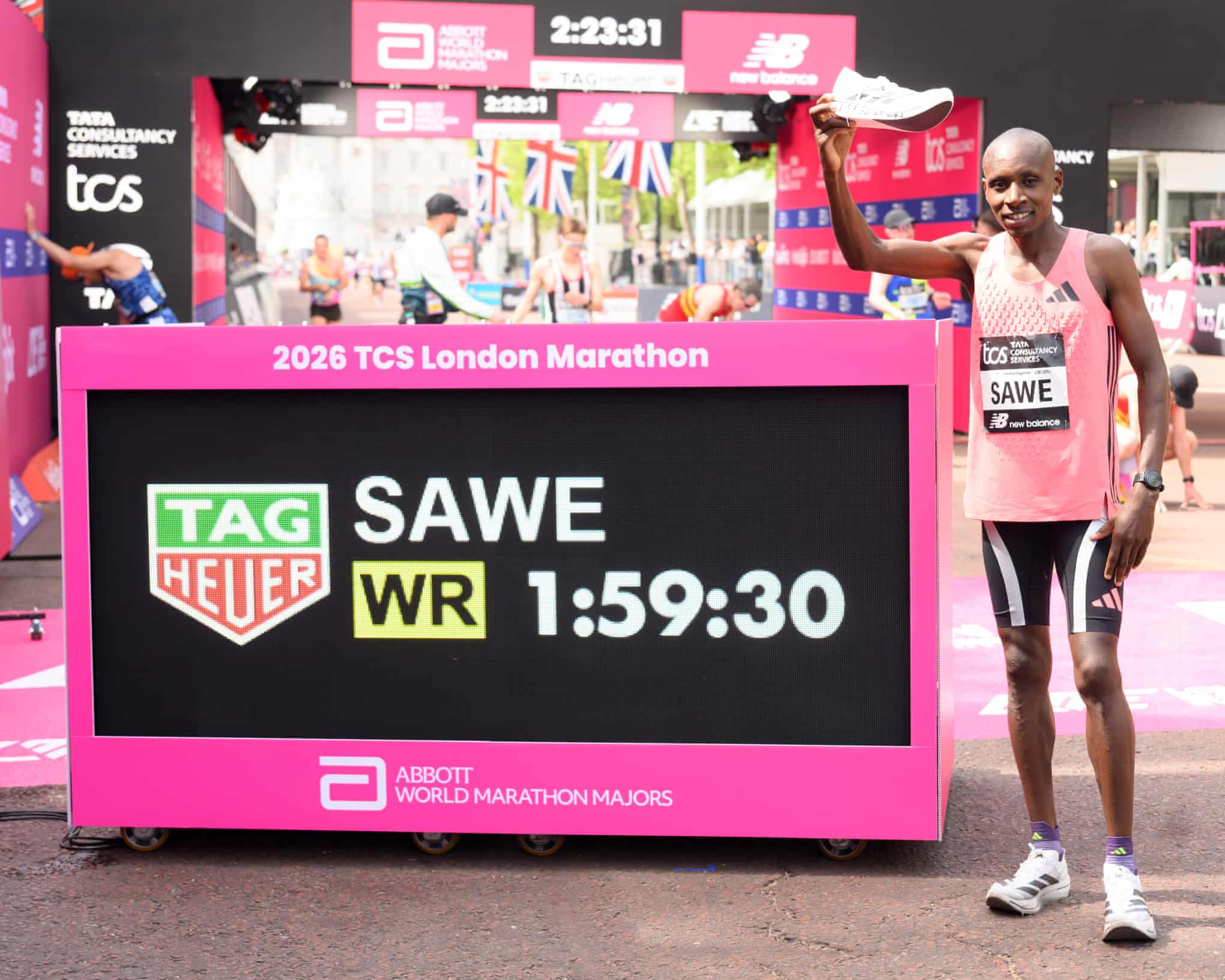
Sabastian Sawe’s sub-two marathon feat is the Roger Bannister moment of our time | Sean Ingle
A few years ago at the London Marathon, organisers wheeled out an industrial-sized treadmill called the Tumbleator. Then they tempted curious onlookers with a simple question: can you keep up with Eliud Kipchoge? The answer was obvious. But that didn’t stop people trying. Most lasted a few seconds before comically flying off the back into crash mats.The Tumbleator has a fresh poster-boy now: Sabastian Sawe, who on Sunday claimed track and field’s last holy grail by running a sub two-hour marathon
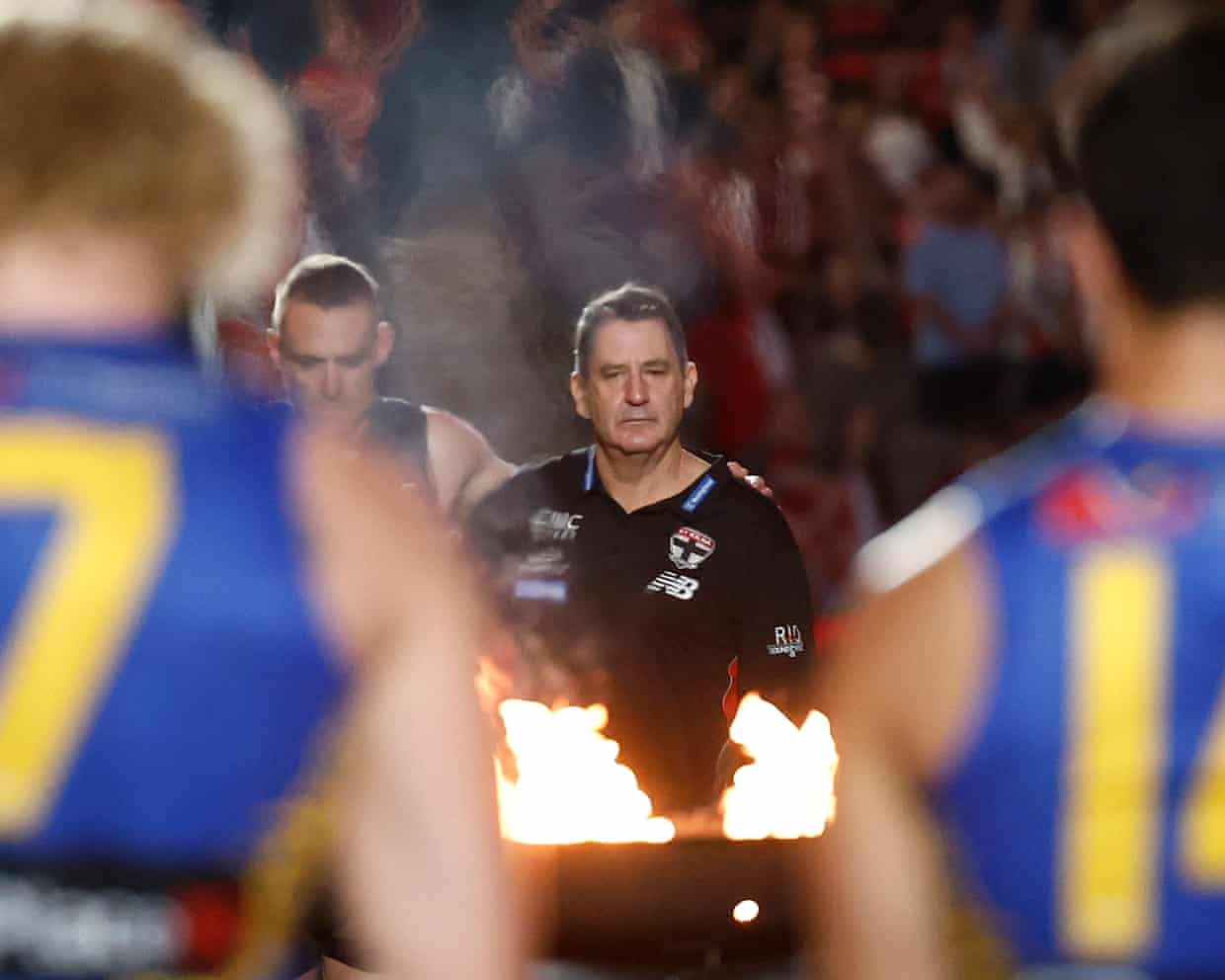
Indigenous players back St Kilda coach Ross Lyon after comment deemed ‘casual racism’
St Kilda coach Ross Lyon has received the backing of his club’s chief executive after a group of Indigenous players – including star Nasiah Wanganeen-Milera – took offence following a comment made at training earlier this month.Lyon made the comment when three Indigenous players lined up together for a drill, saying, “I love the brother-boy connection, but we all have to remember, we are part of the bigger team here”.The players raised their concerns with the coach the following day and the matter was dealt with internally, but became public when journalist Caroline Wilson raised it on Channel Seven on Monday night.Lyon said he had misjudged the moment. “Was I being flippant? Could it be described as casual racism? I learned a lot out of what happened,” he told Wilson
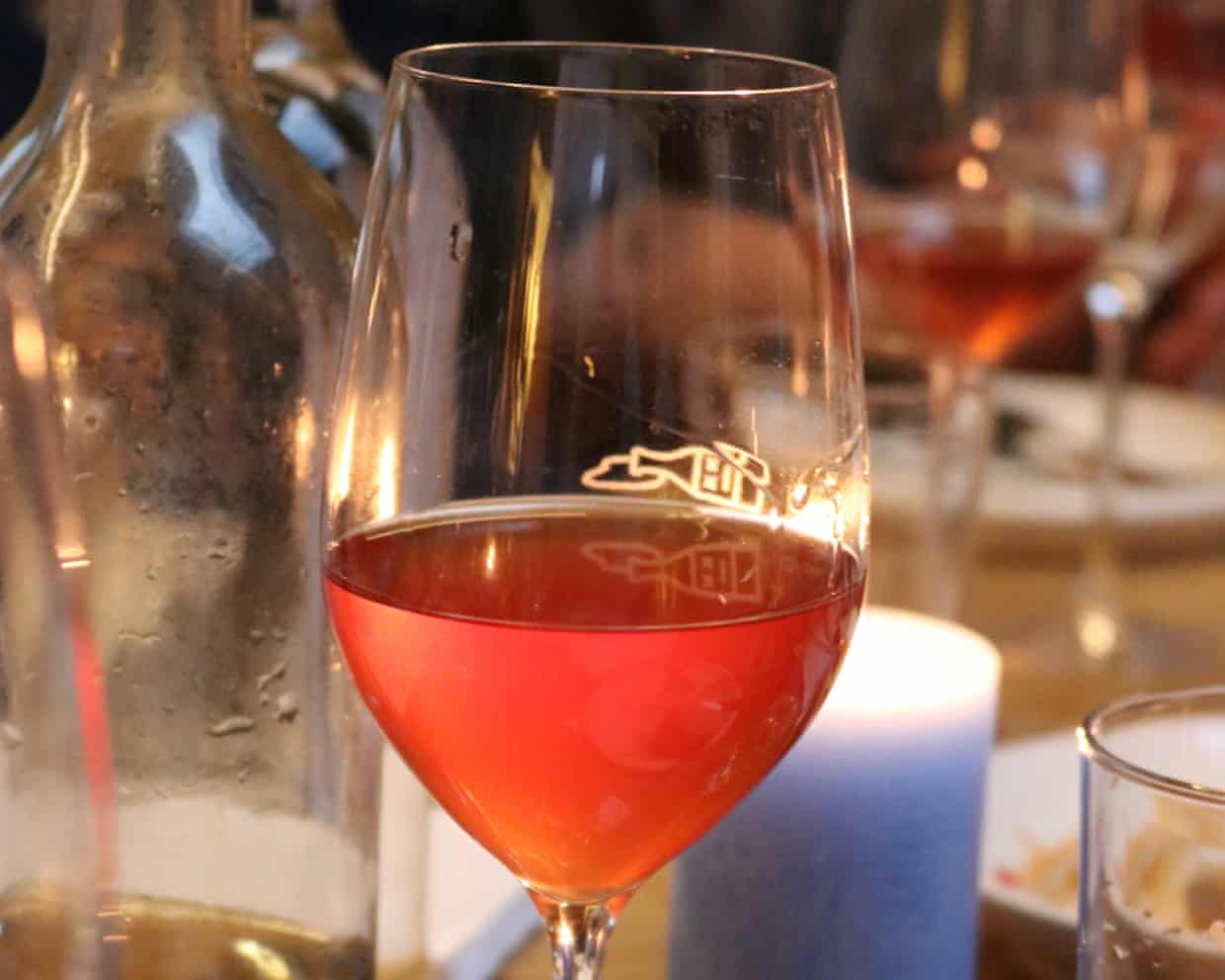
The surprising boom in blouge wine: ‘It’s for 5pm, in the sun’
How to make the perfect custard creams – recipe | Felicity Cloake's How to make the perfect …
Impala, London W1: ‘Shamelessly, brilliantly too much’ – restaurant review | Grace Dent on restaurants

Ifrah F Ahmed’s debut cookbook is a love letter to Somali cuisine, history and people
Lure of being a social media chef means youngsters forgoing classic training, Michelin star cook warns
Disco hit: Penne alla vodka, popular in New York 80s clubs, is now a menu staple