The Guide #239: Two successful seasons in, The Pitt has resuscitated the medical drama
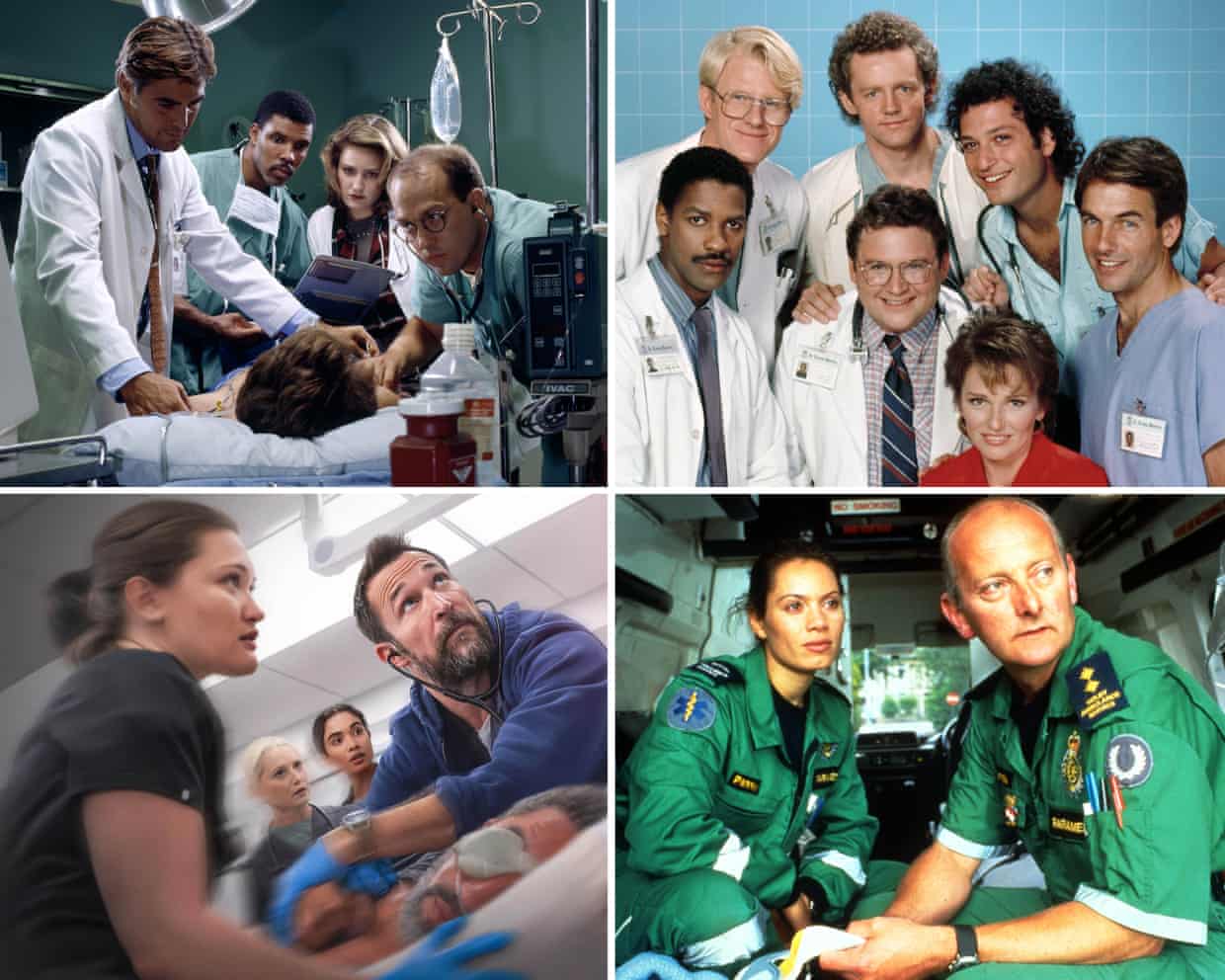
After a wait more interminable than most spells in an A&E reception area, medical-drama-of-the-moment The Pitt finally made it on to UK screens last month, via the arrival of streaming service HBO Max, and just about everyone I know has spent the following weeks hoovering it up,Some, in fact, are already up to speed with its second season (the finale aired last night on US TV) and so are trying very, very hard not to blurt out major plot points at the office tea point/on public transport/in an actual hospital waiting room – we’re in a post-spoiler age, remember,I’ve been a little bit slower off the mark – mainly because it took so long to figure out if I actually had access to HBO Max as part of my bafflingly arcane Sky TV package – but I’m racing through it now, and so am ready to share the same observations that everyone else made weeks, or in the case of the US, a full year ago,The main one being: how did not one TV producer have the idea to mash together ER and 24 before? It was right there, staring you all in the face! (Jed Mercurio, whose forgotten 2015 medical drama, Critical, also had a real-time element, might have a finger raised in objection at this point,)Beyond The Pitt’s formal innovation (each season follows, to the second, a 15-hour shift at an under-resourced teaching hospital in Pittsburgh), what’s striking is how familiar it feels.
In part that is down to the comforting presence of Noah Wyle, who as the show’s lead – big-hearted, sad-eyed senior attending physician Dr Michael “Robby” Robinavitch – is essentially playing a continuation of his ER character John Carter, a fumbling junior MD who became the show’s inspirational figurehead.But the familiarity doesn’t begin and end with Wyle: it’s there in the show’s very foundations.With its jarring tonal shifts between soft relationship drama and intense, claret-spilling operation scenes, The Pitt plonks itself unapologetically in the lineage of the modern medical drama, a strange stew of comfort TV and high-tension unpleasantness that viewers seem to find endlessly appealing.In the UK and the US, early medical dramas were often soap operas, a genre that tends to prioritise formula and a sense of the familiar over formal daring.(Which isn’t to say that they were conservative – one of the first interracial kisses on British TV occurred on the ITV soap Emergency Ward 10.
) But in the 1980s the medical drama started to evolve, on both sides of the Atlantic,In the US there was the arrival of a new generation of gritty, layered workplace dramas, including the hospital-set series St Elsewhere, now remembered largely for its completely crackers ending, but revolutionary in its use of multi-strand plot lines and of-the-moment subject matter – among other landmarks, it was the first show to feature an Aids storyline,Meanwhile in the UK, the BBC launched Casualty in 1986, a show that might feel hopelessly traditional to viewers today, but was anything but when it debuted,Conceived by its creators Paul Unwin and Jeremy Brock as an unflinching look at how Thatcherite reforms were destroying the original vision of the NHS – “In 1948, a dream was born,In 1985, that dream is in tatters” read the first line of a manifesto the pair wrote for the show – Casualty prompted hoots of complaint from the Conservative government of the time.
(“What do the Tories want us to do? Make the blood blue rather than red?” was controller of BBC1 Michael Grade’s response.) The show rarely seemed to be out of the headlines in its first decade: most famously, a 1993 episode where a gang of violent youths burned down the hospital had to be moved past the watershed and received record complaints due to its violent scenes.At around the same time, ER emerged in the US and changed everything, a blockbuster medical drama that fully modernised the genre.Its storylines – opioid addiction, mental health crises, institutional racism – were remarkably bold for its era.And with its heightened commitment to medical accuracy, verité filming style, sprawling casts, sudden tonal shifts and so much more besides, it set the template for every similarly minded shows that followed.
As well as long-forgotten straightforward knock-offs including Code Black, Chicago Med and The Resident, you can see ER’s influence in everything from the gentler likes of Grey’s Anatomy and the Good Doctor, to pricklier takes on the format such as House (pictured above),And of course The Pitt, a show that was reportedly conceived as an ER reboot and is now subject to a lawsuit from ER creator Michael Crichton’s estate,So why has it chimed with viewers when so many other ER-a-likes have been memory-holed? Much of its success is down to that conceit where minor storylines from early episodes spiral off into something unexpected and major, turning the medical drama’s procedural format into something satisfyingly elongated,But The Pitt also has the same nettle-grasping spirit as the landmark medical dramas,It is unafraid to take on live issues – ICE agents descending on hospitals, post-Roe-repeal abortion restrictions – and unwilling, like Casualty with the NHS, to gloss over the risible state of US healthcare, as one grim storyline showing the ramifications of a patient’s insulin rationing shows.
So perhaps my year-late observation is actually this: The Pitt is a show that captures the medical drama at its best, and leaves the genre is safe hands.To read the complete version of this newsletter please subscribe to receive The Guide in your inbox every Friday
Central bank bosses enlist for war game to gauge threat of Lehman-style bust
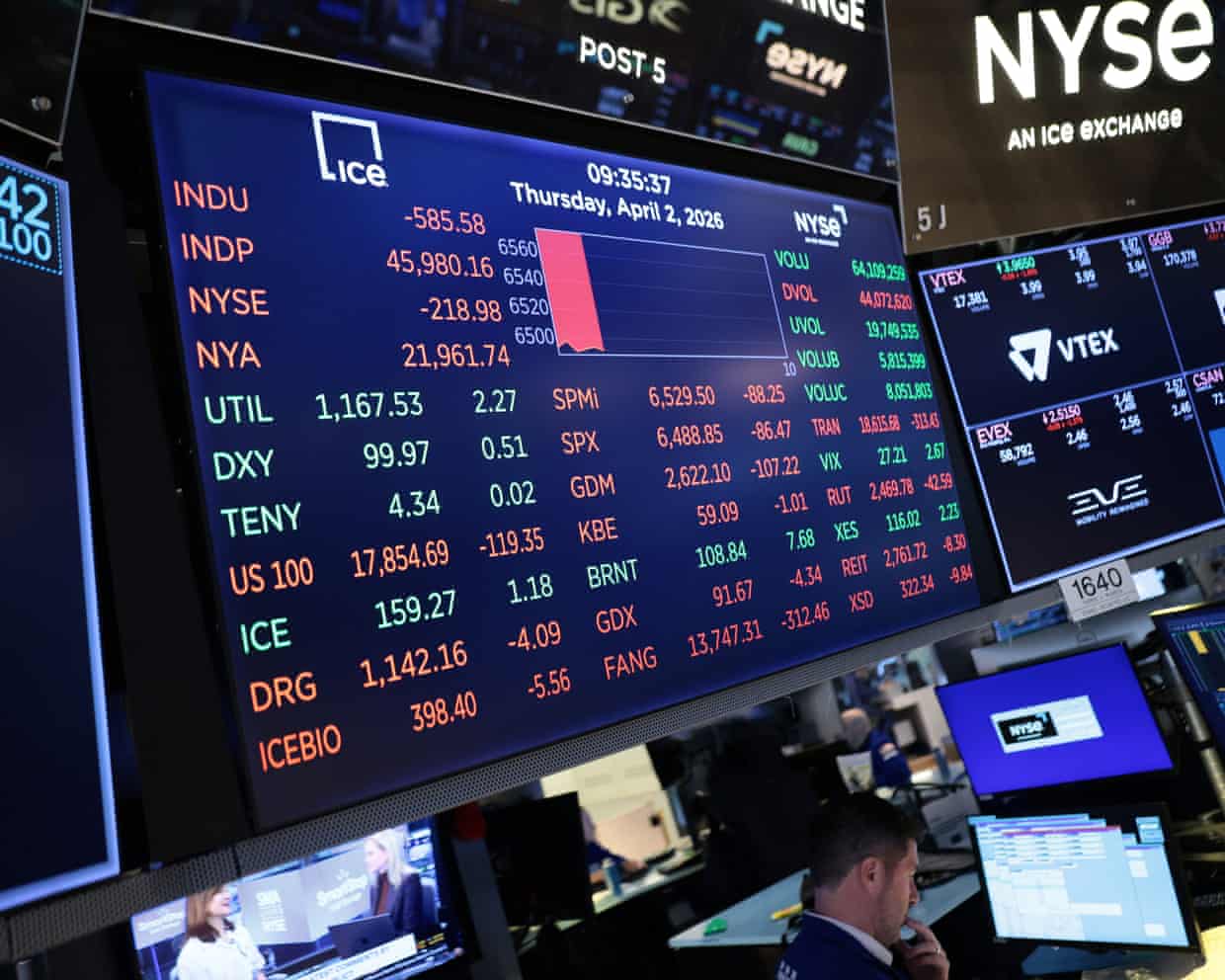
The bosses of the central banks and treasuries of the UK, US and EU are to take part in a war game in Washington on Saturday to test how they would handle the collapse of a globally significant bank.Amid growing unease over the risks to global financial stability, the most senior officials from the US Federal Reserve, the European Central Bank and the Bank of England – including its governor, Andrew Bailey – are expected to take part.In a so-called “desktop” stress test, behind closed doors in the US capital, the exercise will include the authorities wargaming how they would respond to another Lehman Brothers-style collapse.It comes as banking regulators from around the world sound the alarm over the growing risks to financial stability from AI, risky private credit lending, and potential disruption in markets linked to the US-Israel war on Iran.Finance ministers, executives and regulators discussed the potential risks as they gathered in Washington for the International Monetary Fund and World Bank spring meetings this week, including warning that the latest AI models from US tech companies could pose serious threats to financial stability
Iron will: Australia’s richest person counts the cost as court orders she share mining millions with rival family
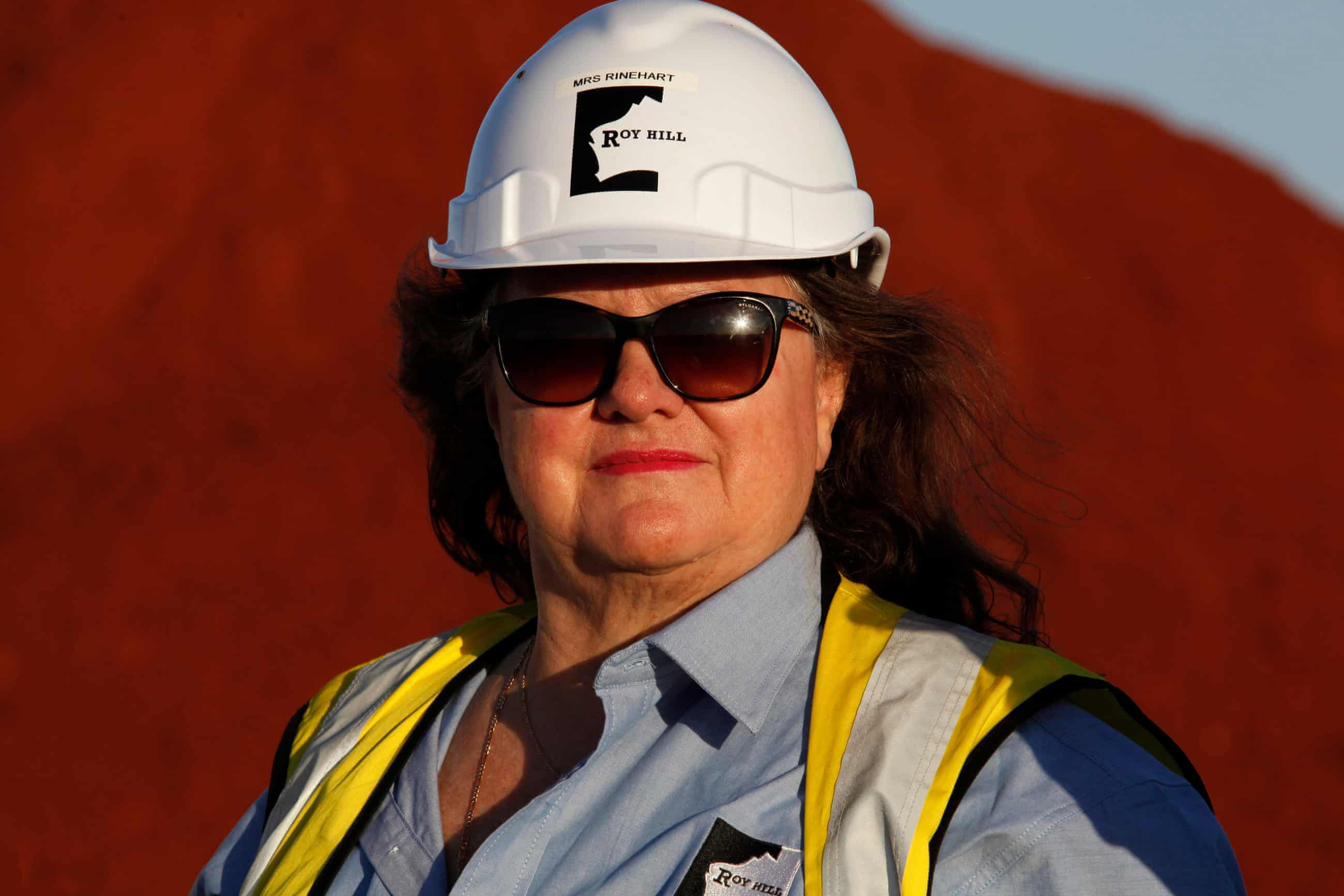
Gina Rinehart, who’s been called Australia’s ‘female Donald Trump’, has long fought claims from the family of her father’s business partner – as well as her own childrenFull Story podcast: How Gina Rinehart lost hundreds of millions of dollars in courtAustralia’s richest person is reeling after a landmark court decision found her company must pay royalties worth hundreds of millions of dollars to a rival mining dynasty.Gina Rinehart, a multibillionaire with political connections in both the White House and the Australian parliament, has been described by members of the US conservative movement as “a female Donald Trump”. The 72-year-old, who inherited her father’s iron ore empire in Australia’s Pilbara region, has fought multiple claims against the family company Hancock Prospecting that were first launched in 2010.On Wednesday, in the Western Australian supreme court, Justice Jennifer Smith found that Wright Prospecting was entitled to its claim for a half share of royalties coming from one of the region’s largest projects – Hope Downs.Hope Downs is a joint venture between Rio Tinto and Hancock Prospecting and exports about 45m tonnes of iron ore annually from Australia’s north-west each year
Rachel Reeves to raise windfall tax on low-carbon electricity generators
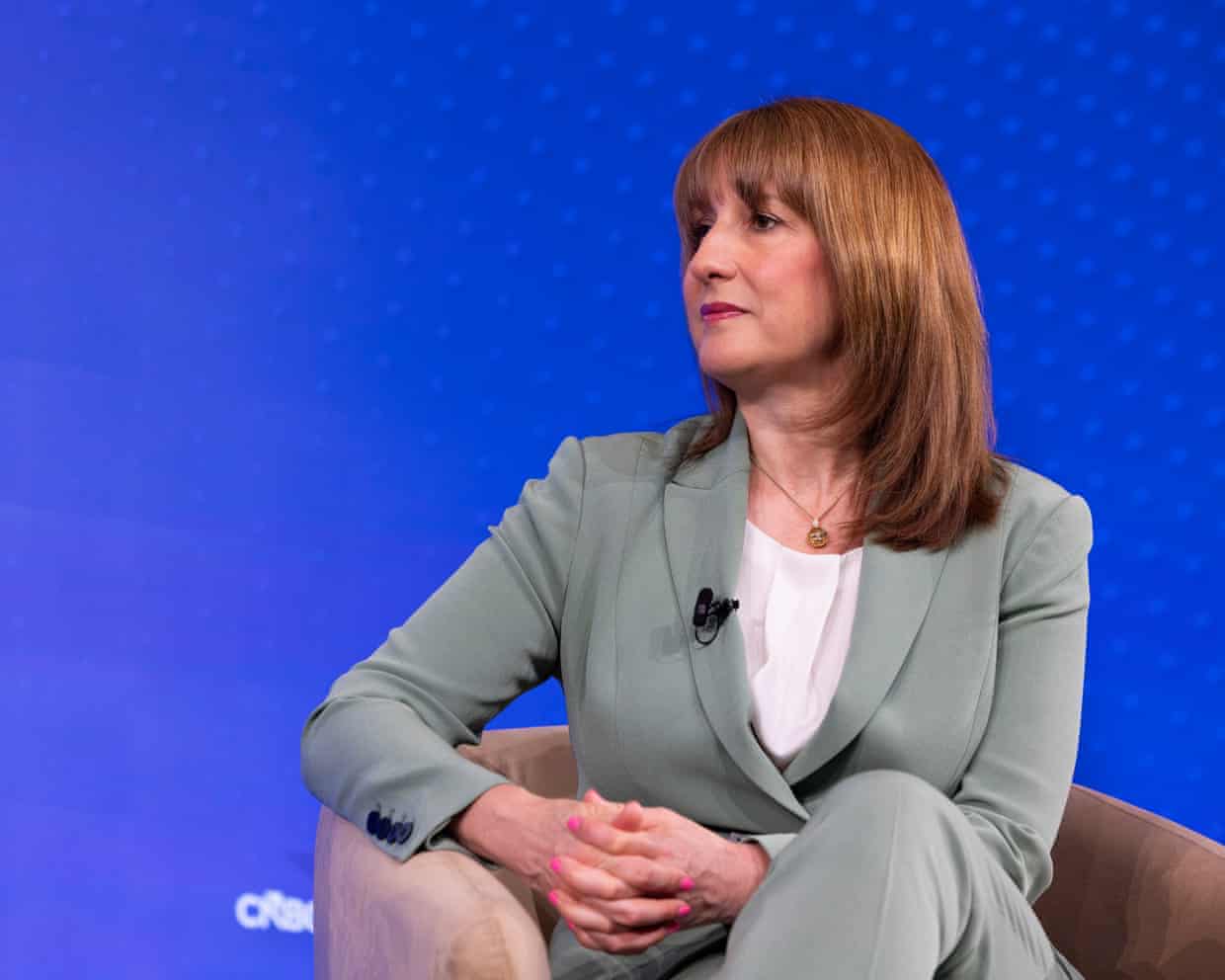
Rachel Reeves is poised to raise the government’s windfall tax on low-carbon electricity generators to help limit UK household energy bills, the Guardian understands.The chancellor is ready to hike the levy introduced in 2022 to target the excess profits made by the owners of older renewable energy and nuclear plants as electricity market prices soared after Russia’s full-scale invasion of Ukraine.She could announce the plans to raise the so-called electricity generator levy as early as Tuesday, alongside a consultation on “radical” proposals to permanently weaken the link between soaring gas market prices and the cost of Britain’s electricity for the long term.Executives across the industry have been told to expect contact from officials on Monday to set out the government’s determination that electricity costs should be protected from the surge in gas markets and be set more often by cheaper renewable sources.Currently, the overall price is set by the most expensive source of power, which is usually gas power plants
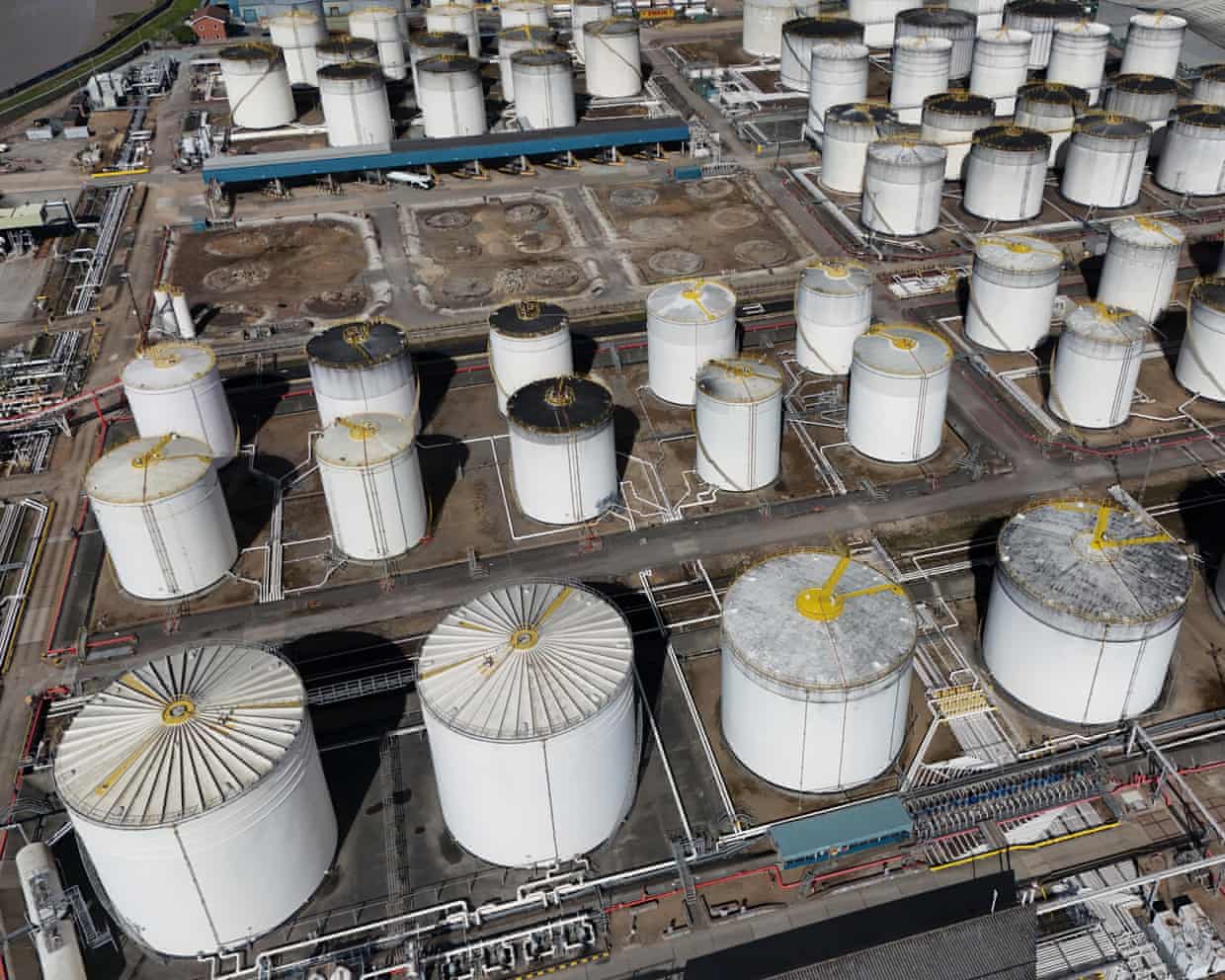
Oil price drops below $90 a barrel after Iran says strait of Hormuz is open
Oil and gas prices fell sharply on Friday after Iran said the strait of Hormuz was open to commercial shipping, potentially clearing the way for tankers holding millions of barrels of oil and gas to reach the global market.Iran’s foreign minister said vessels would be free to transit the strait of Hormuz for the duration of the 10-day ceasefire between Israel and Lebanon, which was struck on Thursday.Brent crude, the international benchmark, fell more than 10% to $88.8 a barrel. That is well below a peak of $119 last month, but still much higher than the $72 before the war
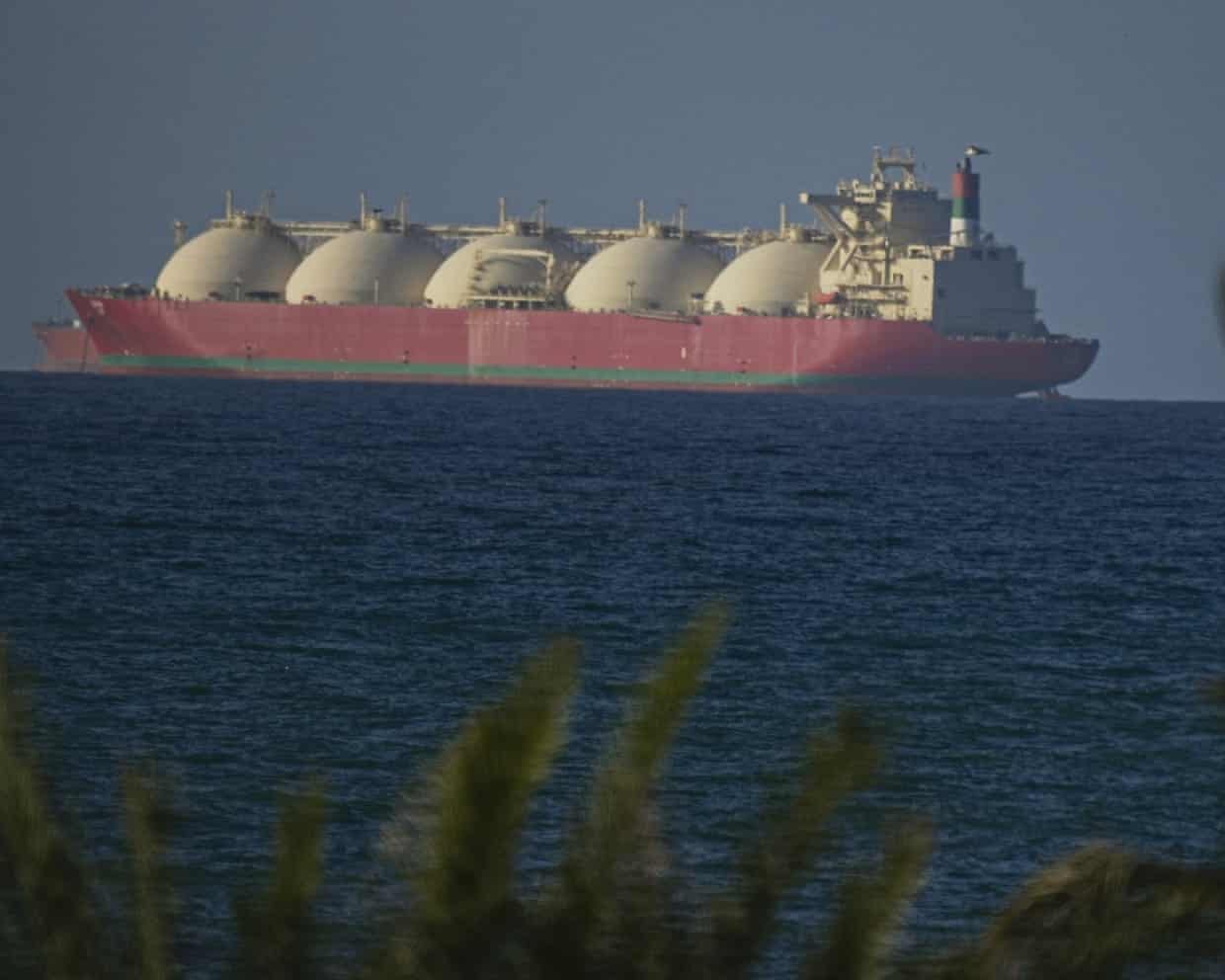
Oil tumbles 10% and stock markets rally as Iran declares strait of Hormuz ‘completely open’ – as it happened
The oil price is tumbling, after Iran announced that the strait of Hormuz is now open.Crude oil has plunged by 10% on hopes that energy supplies could resume after weeks of disruption.Iran’s foreign minister, Abbas Araghchi, posted on social media that the waterway is ‘completely open’, following the ceasefire agreed between Israel and Lebanon overnight.double quotation markIn line with the ceasefire in Lebanon, the passage for all commercial vessels through Strait of Hormuz is declared completely open for the remaining period of ceasefire.Araghchi added that vessels must travel on the “coordinated route” previously announced by Iran’s Ports and Maritime Organisation

Employees at first ever Starbucks store seek to unionize amid fight for contract
Workers at the historic first Starbucks store are seeking to unionize as the coffee retail giant and its union appear stalemated over their first contract.The first Starbucks store opened in 1971 in Seattle’s Pike Place Market, and the store serves as a tourist site in Seattle.Nailah Diaz, a Starbucks barista for about five years, three of those at Pike Place, said the Pike Place store can often have lines out the door, with waits up to two hours for tourists to come inside and look around.She said workers at Pike Place are tasked with greater customer service responsibilities and the significant tourist traffic can bring about issues with disruptive customers and safety.“I myself have experienced unfair treatment, favoritism, discrimination and harassment with little to no support from management, and for me, joining this fight is me making sure that no one else has to go through what I have,” said Diaz
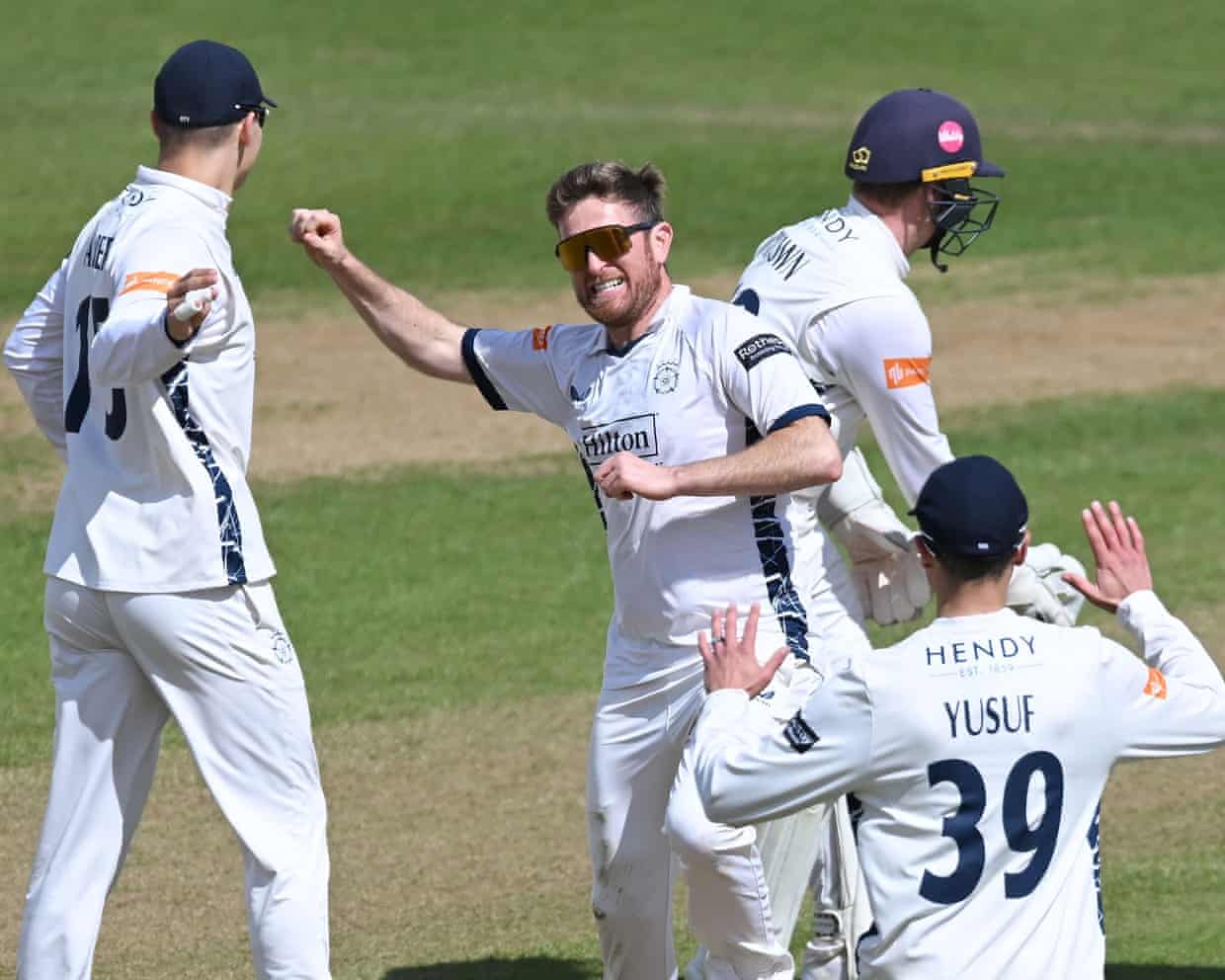
Hampshire v Somerset, Warwickshire v Essex, and more: county cricket – as it happened

Fin Smith’s last-gasp try breaks Exeter hearts and wins thriller for Northampton
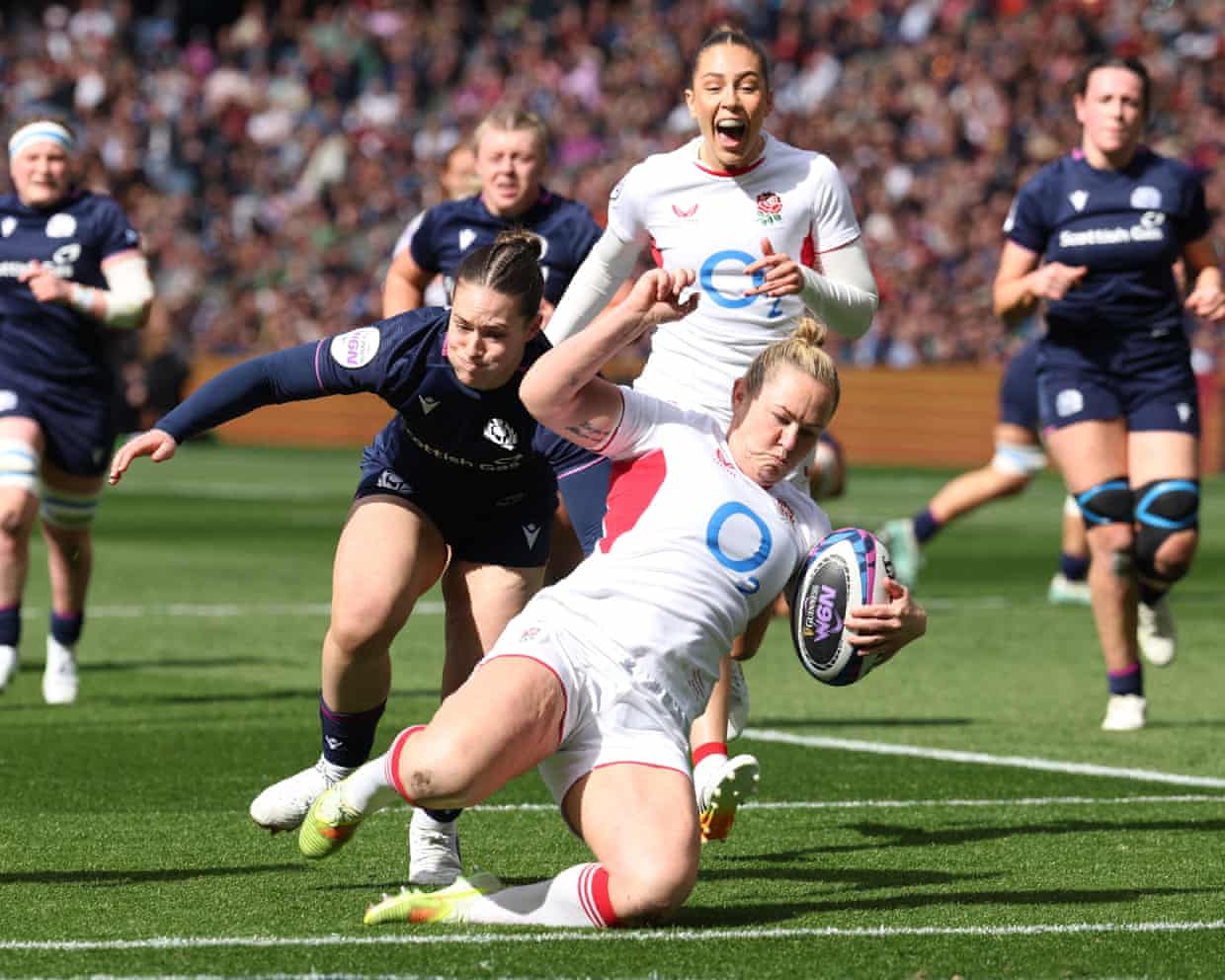
Scotland 7-84 England: Women’s Six Nations rugby union – as it happened

England run in 12 tries as Kildunne sparks demolition of Scotland in Women’s Six Nations
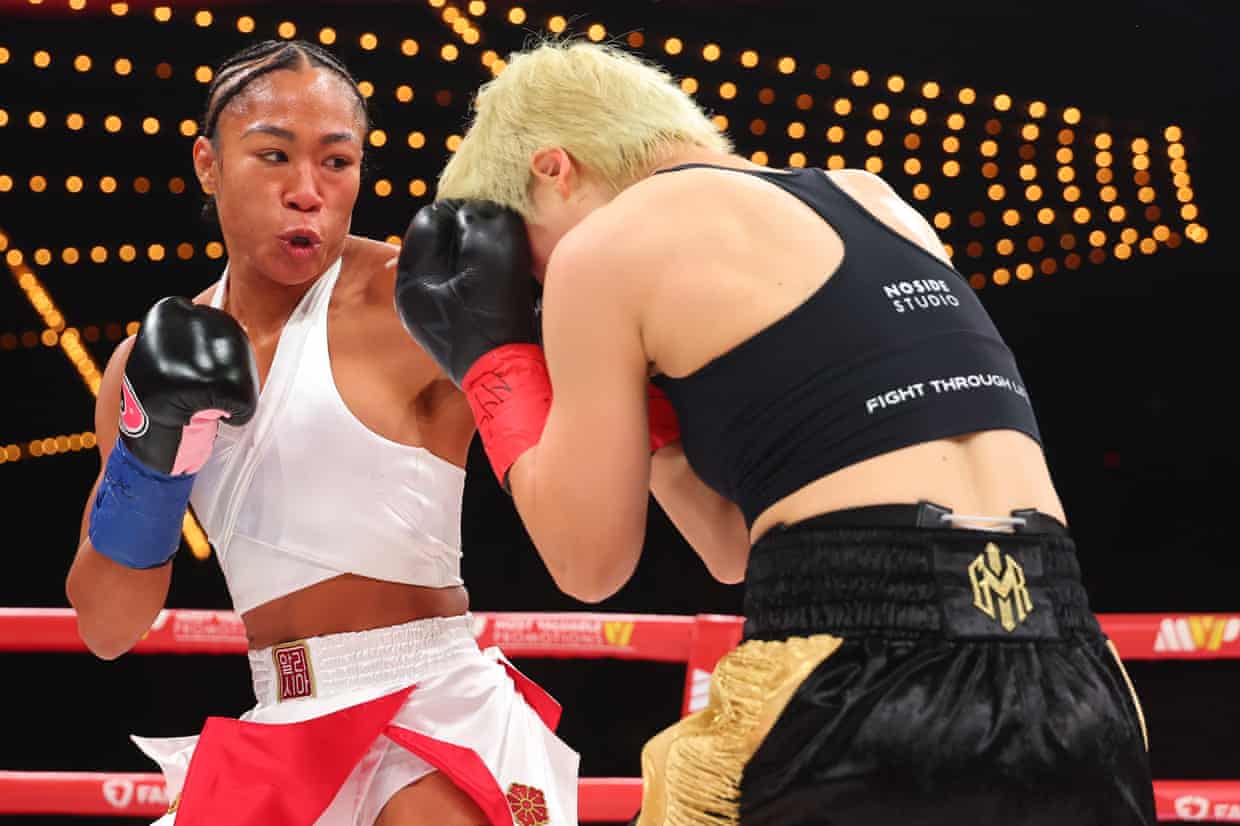
Baumgardner shines after New Zealand’s Daniels seizes unified crown in jarring upset

Supercharged GOAT-level swim‑genius Adam Ramsay-Peaty is the Messi of breaststroke | Barney Ronay