Bitcoin’s buzz is gone. Investors chose real gold in 2025 | Nils Pratley

Another week, another record high for the price of gold,And another blow to the bitcoin fan club’s hopeful thesis about owning “digital gold”,This year has been hard for the bitcoin brigade: while real gold soared in value, their cryptocurrency didn’t,Correlation went out of the window,Gold is up 70% so far in dollar terms; bitcoin is down 6%.
In theory, conditions should have been perfect for bitcoin if, like gold, it is supposed to be a store of value in uncertain times.Geopolitical tensions have been high all year, with Donald Trump’s unclear intentions towards Venezuela now added to the mix.Or, if you take the view that bitcoin is a hedge against currency debasement by governments, the news flow ought to have been encouraging.The US budget deficit remains enormous: the International Monetary Fund predicts the country’s debts will climb from 125% to 143% of annual income by 2030, or more than Greece and Italy.Alternatively, if bitcoin is meant to be a vehicle for tech-related enthusiasm, the artificial intelligence revolution should have offered semi-helpful breezes.
Beyond the debate about a bubble in AI assets, chipmaker Nvidia’s share price is still up by a third since January.Meanwhile, the regulatory backdrop was outright supportive.Crypto exchange-traded funds are now marketed by mainstream financial houses.The crypto-cautious UK financial regulator has published proposals to regulate many areas of the crypto market.Therein – perhaps – lies half an explanation.
Bitcoin is simply more boring now that it has been incorporated into the financial mainstream.If JP Morgan and BlackRock are referring to bitcoin as a regular class of asset, something of the revolutionary spirit is lost.Google searches for “bitcoin” are merely steady these days.Even Elon Musk has other things to tweet about.As the chart shows, the paths of gold and bitcoin only properly diverged in October during a rapid sell-off in the latter.
Precisely what happened on 10 October is still debated, but large selling by leveraged holders of bitcoin into a thin market, in reaction to a Trump tariff threat towards China, is part of the story.The point, though, is that bitcoin didn’t bounce back afterwards, as stocks and precious metals did.The crypto market as a whole shed more than $1tn of value in six weeks.From a high of $126,000 in early October, bitcoin now stands at roughly $87,000.In a research note a month ago, Deutsche Bank analysts offered five factors as an explanation of the fall: a broader “risk-off” sentiment in markets in October, hawkish signals on interest rates from the Federal Reserve, less regulatory momentum than expected, thin liquidity and outflows from institutions, and profit-taking by long-term holders.
Its conclusion: “Whether bitcoin stabilises after this correction remains uncertain.Unlike prior crashes, driven primarily by retail speculation, this year’s downturn has occurred amid substantial institutional participation, policy developments and global macro trends.”For true bitcoin believers every setback is a buying opportunity.Their faith tends to be unshakable and, given how the cryptocurrency has recovered from falls in previous years, one can’t say they are definitely wrong.Yet it does also feel as if something cracked this year.
When demand was high for a proper defensive hedge, investors preferred gold (and silver, which performed even better) over computer code that has failed to take off as a medium of exchange.And the year ends with questions being asked about the real depth of the market for bitcoin and its imitators.The speculative buzz ain’t what it used to be.
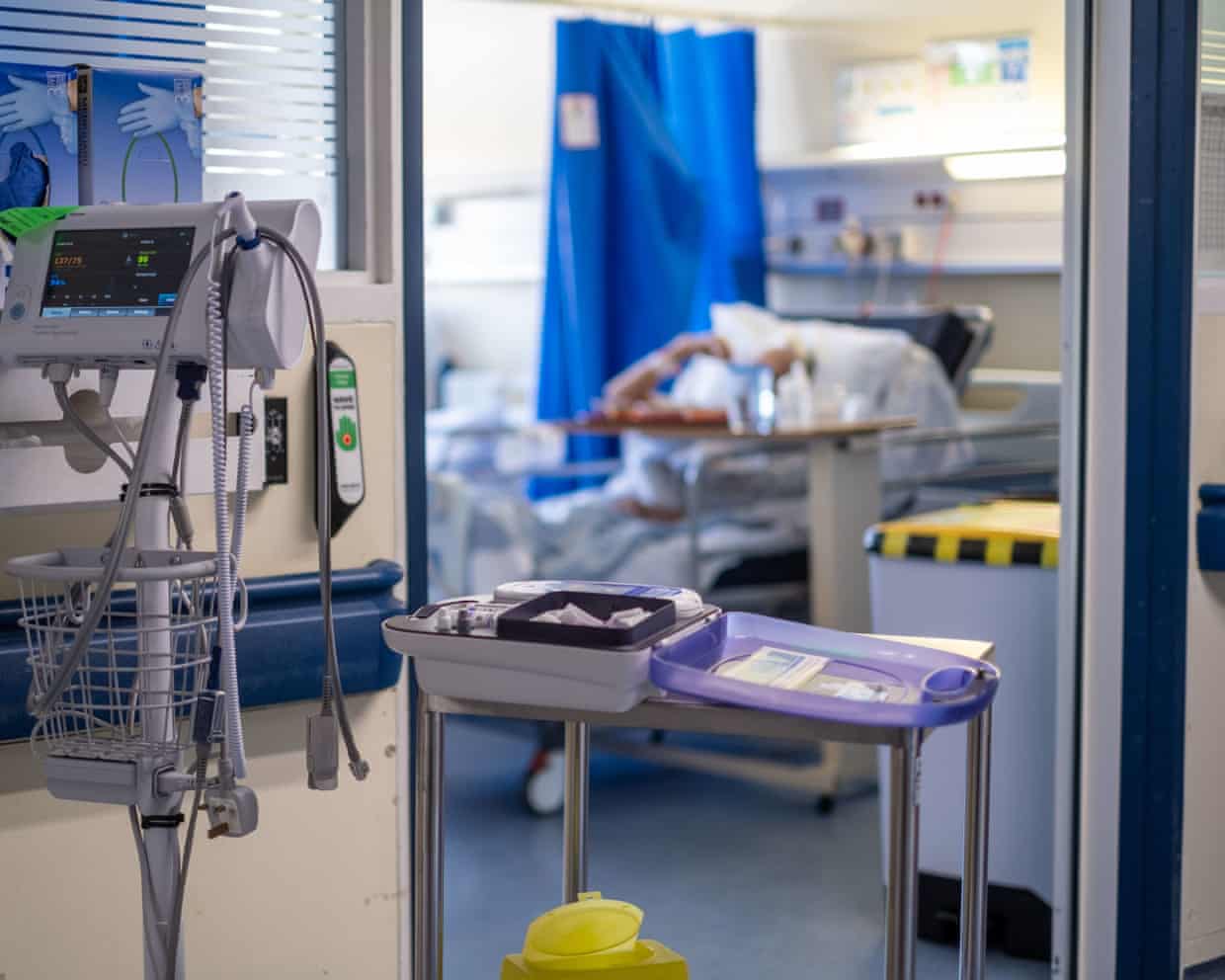
People in poorest areas of England ‘more likely to need emergency care for lung conditions’
People from the poorest backgrounds in England with serious lung conditions are more likely to be admitted to hospital for emergency care than their more affluent counterparts, according to research.Analysis of NHS admissions data for November by Asthma + Lung UK found people from the most deprived backgrounds in England were 56% more likely to be admitted for emergency care, while 62% were more likely to be readmitted within 39 days of an emergency admission, which is linked with an increased chance of dying.The research also found that people in deprived areas were almost twice as likely to be admitted to hospital for a respiratory condition.One expert said the findings should act as a wake-up call to end the “postcode lottery”.The highest rates of chronic obstructive pulmonary disease (COPD) admissions per population are in deprived areas including Blackpool, Manchester, Hastings and Burnley

Young care leavers in England to get free prescriptions, dental and eye services
Young people leaving care in England will receive free prescriptions, and dental and eye services up to their 25th birthday, the government has said.A pilot to trial paid internships for care leavers in the NHS and a guaranteed interview scheme for NHS roles also forms part of a package of measures announced by the Department of Health and Social Care.A separate three-year pilot aims to improve access to mental health support for children in care, the DHSC said.There were about 53,230 care leavers aged 17 to 21 in 2025 and a further 44,430 care leavers aged 22 to 25, although this may be an underestimate, the DHSC said.The health and social care secretary, Wes Streeting, said: “Those in care face the toughest start in life and as a result suffer from a barrage of health inequalities, hampering their chances of going on to lead a happy, successful and fulfilling life
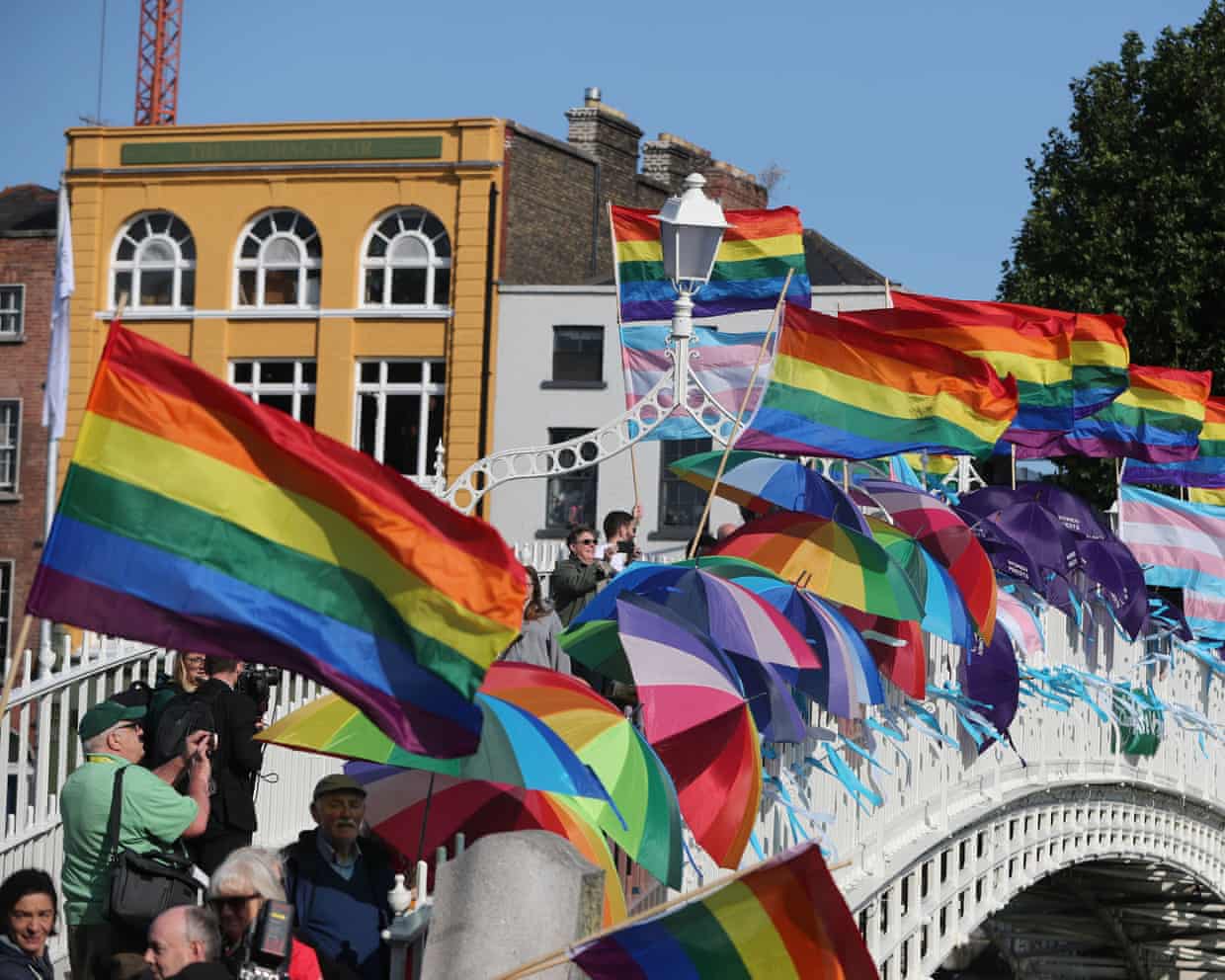
‘For the first time, she could tell people who she was’: Ireland’s gender recognition decade
Soon after Ireland passed its Gender Recognition Act in 2015, Kevin Humphreys, a Labour politician, visited a residential home for senior citizens – where an older woman thanked him for the new law.It was Humphreys who, as the minister of state for social protection 10 years ago, guided through the legislation that has meant transgender people in Ireland can apply to have their lived gender legally recognised by the state through a simple self-certification process.“She was around 80,” Humphreys recalls, “and for the first time she was able to tell her friends and family she was transgender. She told me the relief she felt to be accepted by her own community, and by the state, in the last few years of her life.”“We were very fortunate in Ireland that we were able to do the legislation in an era of openness and progressive discussion,” he says

Prosecutions for strangulation in England and Wales increase sixfold in three years
The number of suspects charged for strangulation and suffocation in England and Wales has increased almost sixfold in the three years since the offence was first introduced, Crown Prosecution Service data has revealed.Brought in under the Domestic Abuse Act, which came into force in 2022, the legislation closed a gap in the existing law, giving courts much greater sentencing powers.Kate Brown, the CPS’s lead prosecutor for domestic abuse, said that previously there had been “a lot of cases for which it didn’t seem like we had the right offence”, and the new legislation marked “a significant shift in recognising the serious nature of the offence”.“There were some thoughts that it might not be necessary and that the act of strangulation or suffocation could be covered by other offences,” she said, but added that the options previously open to prosecutors “didn’t really hit the mark in terms of the seriousness, because strangulation is a really serious offence”.Suffocation and strangulation carries a maximum sentence of five years’ imprisonment, whereas previously, except for the most serious cases which could be charged as grievous bodily harm or attempted murder, prosecutors were having to charge offenders with common assault, which carries a much lesser maximum sentence of six months
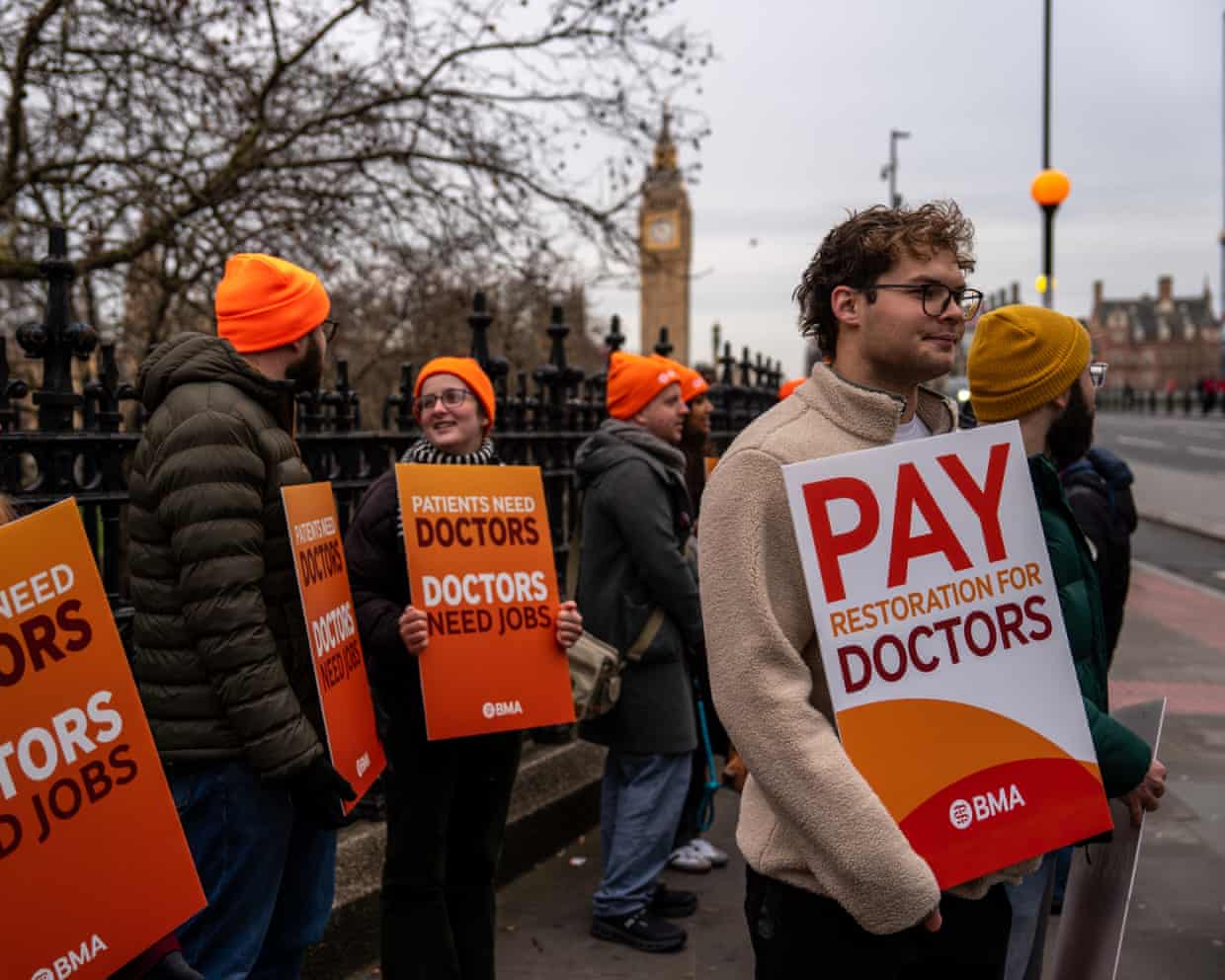
Resident doctors say they will resume talks to avoid further strikes with ‘can-do spirit’
Resident doctors have said they will approach talks with Wes Streeting with a “can-do spirit” to avoid further strikes in the new year, as their five-day action ended on Monday morning.The British Medical Association called on the health secretary to come to the table with the same “constructive” attitude, saying the tone of 11th-hour talks before their stoppage had been encouraging but too late to avoid the strike in England.Streeting also signalled his determination to get back to the talks, saying he did “not want to see a single day of industrial action in the NHS in 2026”, and that he would “be doing everything I can to make this a reality”.“My door remains open, as it always has done, and I’m determined to resume discussions with the BMA in the new year to put an end to these damaging cycles of disruption,” he said.Streeting and Keir Starmer have taken a tough line towards the strike, with the prime minister saying it was “beyond belief” that it should go ahead when the flu-hit NHS was facing its worst crisis since Covid
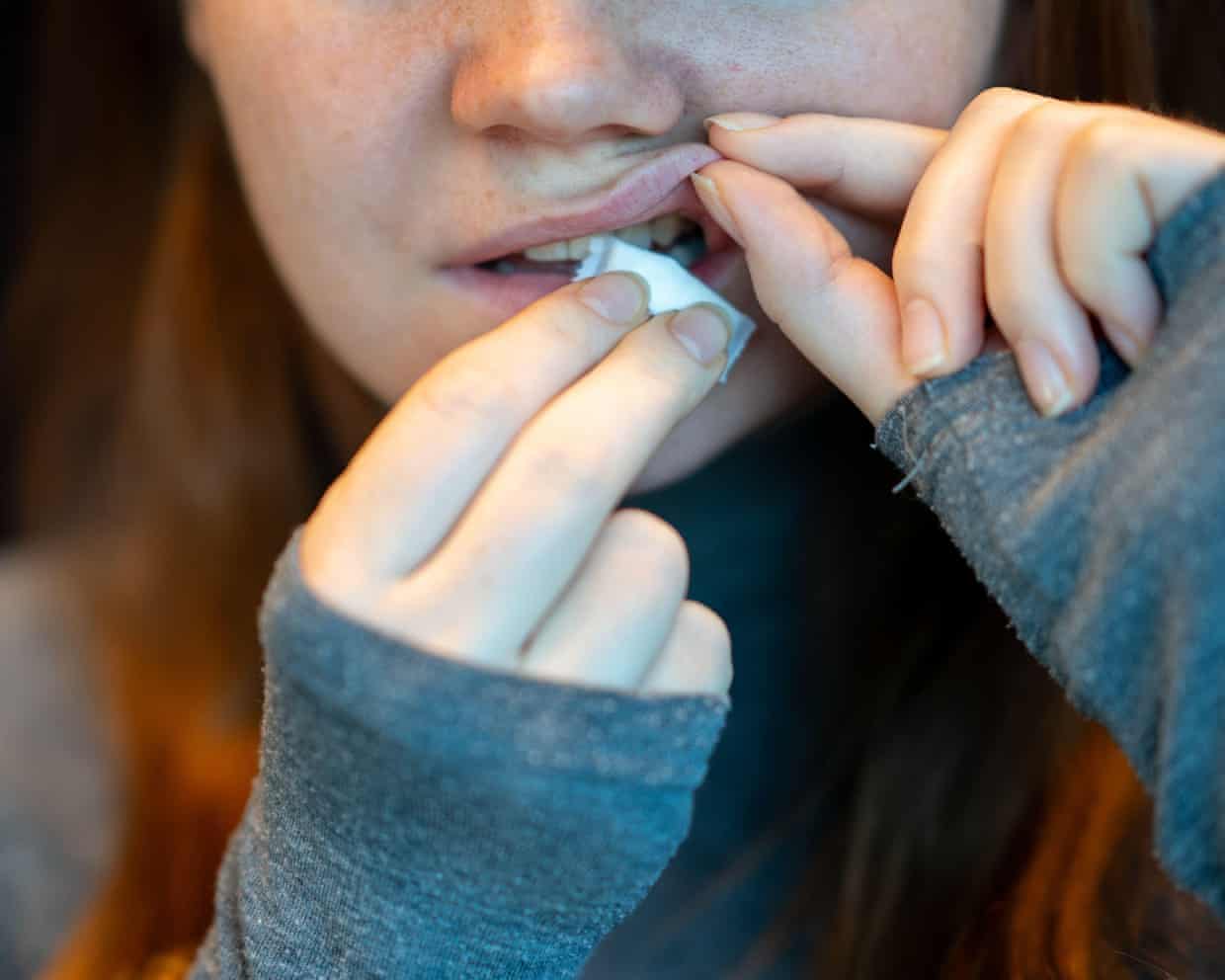
One in eight of 14- to 17-year-olds in Great Britain say they have used nicotine pouches
One in eight teenagers aged 14 to 17 have used nicotine pouches, a survey has found, adding to health experts’ concern about their growing popularity.Users hold the small sachets, which look like mini-teabags and are often flavoured, in their mouths to enjoy the release of the nicotine they contain. They are also known as “snus”.Unlike smoking the pouches do not raise the risk of cancer, but they have caused alarm because of the fear that users could become addicted to nicotine and suffer mouth and dental problems.A survey of 500 teenagers aged 14 to 17 in England, Scotland and Wales found that 13% have used a nicotine pouch, of whom 30% said they did so at least once a week

The Guide #222: From Celebrity Traitors to The Brutalist via Bad Bunny – our roundup of the culture that mattered in 2025

From Avatar to Amadeus: your complete entertainment guide to the week ahead

Jimmy Kimmel on a tumultuous year: ‘Don’t know what the American way even is any more’

Jimmy Kimmel on Trump’s speech: ‘Surprise primetime episode of The Worst Wing’

Stephen Colbert on Susie Wiles’s candid interviews: ‘She dished, bish’
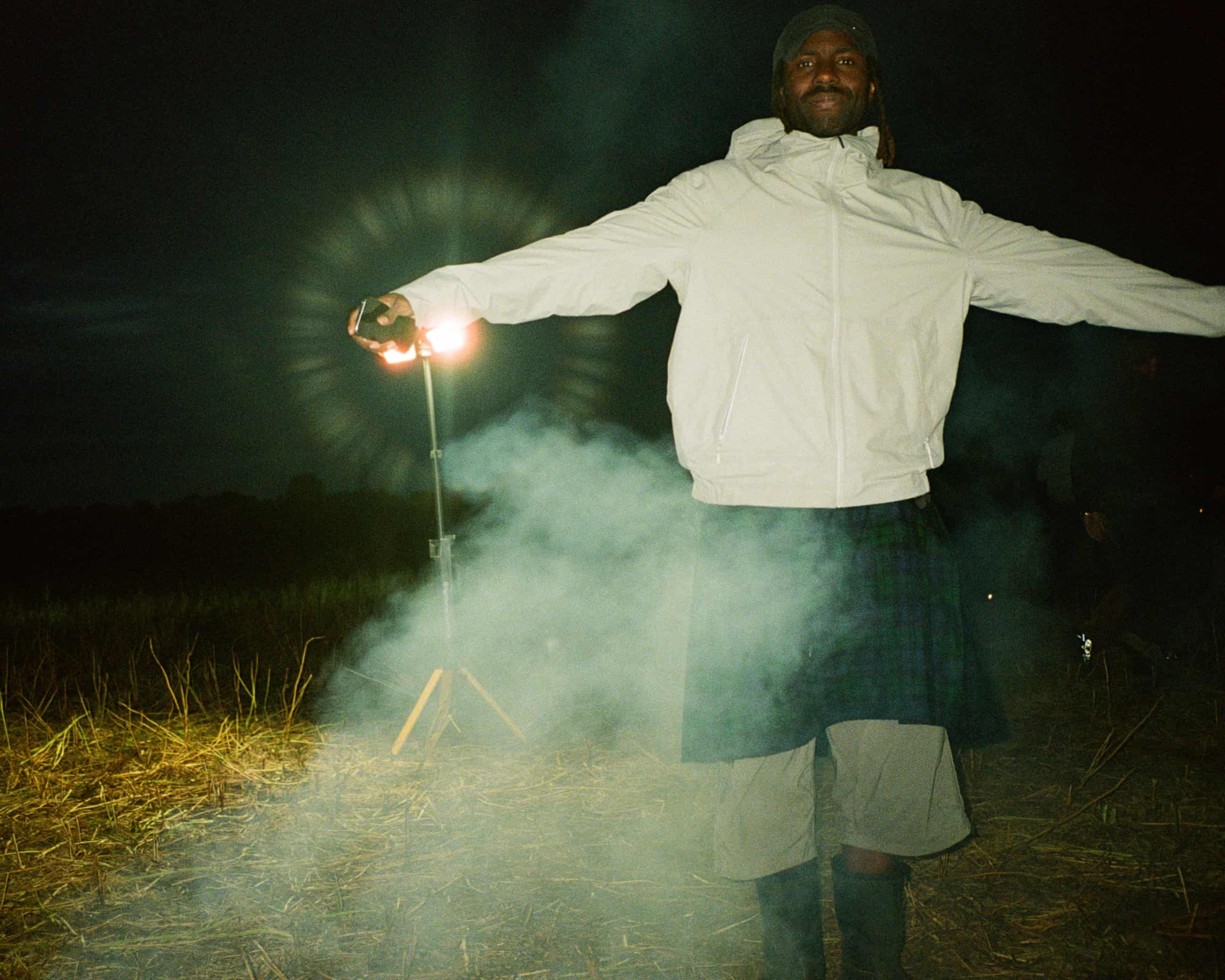
The 50 best albums of 2025: No 3 – Blood Orange: Essex Honey