War in Middle East has ‘heightened the risks to the global economy’; markets in ‘panic mode’ as oil jumps and shares fall – as it happened
Canada’s central bank has warned that domestic near-term economic growth will be weaker than anticipated in January, following the war in the Middle East.The Bank of Canada has left interest rates on hold today, and warned that the conflict has increased volatility in global energy prices and financial markets, and “heightened the risks to the global economy”.The BoC’s monetary policy committee says:double quotation markSince the outbreak of the conflict in the Middle East, global oil and natural gas prices have risen sharply, and this will boost global inflation in the near-term.In addition to energy supply disruptions, transportation bottlenecks stemming from the effective closure of the Strait of Hormuz could impact the supply of other commodities, such as fertilizer.Financial conditions have tightened from accommodative levels.
Global bond yields have risen, equity market prices have declined, and credit spreads have widened.The Canada-US dollar exchange rate has remained relatively stable.The BoC also warns that the recent sharp increase in global energy prices has led to increases in gasoline prices, and this will push up total inflation in the coming months.It concludes:double quotation markAgainst this overall backdrop, Governing Council decided to maintain the policy rate at 2.25%.
With recent data pointing to weaker economic activity and uncertainty elevated, risks to growth look tilted to the downside.At the same time, inflation risks have gone up due to higher energy prices.Time to wrap up….Canada’s central bank has warned that the conflict in the Middle East has increased volatility in global energy prices and financial markets, and “heightened the risks to the global economy”.The warning came as Iran threatened to attack energy infrastructure across the Gulf region in retaliation for Israeli strikes on its largest gasfield, marking the first targeted attacks on its fossil fuel production since the war began.
Iran’s Revolutionary Guards have threatened counterstrikes on several energy facilities across Saudi Arabia, the UAE and Qatar “in the coming hours” after state media reports that missiles had targeted its gas facilities at the giant South Pars field, the largest gas reserves in the world.The strikes on Iran’s South Pars gasfield, which it shares with Qatar, were widely reported in Israeli media to have been carried out by Israel with the consent of the US.The attack against the heart of Iran’s gas infrastructure marks a key escalation in US and Israeli military operations.The two countries have until now largely spared Iran’s oil and gas sector and helped to keep a lid on the global oil price surge.The oil price climbed towards $110 a barrel on Wednesday afternoon as the mounting threat to the Gulf’s oil and gas infrastructure fuelled concerns over more disruption to global supplies, amid the continuing blockade of the strait of Hormuz.
This latest escalation of tensions hit stocks in Europe, where London’s main share index fell almost 1%, and on Wall Street where the DJIA is down 0.9% now.Investors were also rattled by data showing that US goods and services producers hiked their prices faster than expected in February.That could show inflationary pressures were bubbling up even before this month’s spike in fuel prices.A government led by the Green party would not set targets for GDP growth but would instead focus on people’s mental health, social cohesion and community welfare, Zack Polanski has said in a major speech to set out his plans for the economy.
In other news:After a choppy day’s trading, London’s stock market has just closed in the red.The FTSE 100 share index lost 98 points, or 0.94%, to close at 10,305 points, as anxiety over events in the Middle East hit stocks.Precious metals producers were among the fallers, reflecting the drop in the gold price today.The FTSE 250 index of medium-sized firms has lost 0.
44%.UK petrol and diesel prices have continued to climb today.The average price of a litre of unleaded is up 33p to 142.62p.That’s a gain of almost 10p since the crisis began, RAC data shows.
Diesel has jumped by over 20p a litre since the 28 February.It’s up 60p at 162.66p.The ‘panic’ in markets has reached Wall Street, where stocks are dropping (but not plunging).The Dow Jones industrial average is down 458 points, or 1%.
at 46,534 points in morning trading.Most of the 30 stocks on the index are down, led by paint company Sherwin-Williams (-2.6%) and manufacturing group 3M (-2.5%).Oil company Chevron is bucking the trend, up 1%.
Kathleen Brooks, research director at XTB, reports that “markets are back in panic mode” today,double quotation markThe Brent crude oil price is surging and is higher by another 5% today, the gold price is down 2,8% and is below $5,000 per ounce, bonds are getting sold off and yields are surging and the dollar is rallying,This is a volatile backdrop to the Fed meeting [today], who also must factor in a strong reading for last month’s PPI report,The surprisingly large jump in US producer prices earlier today is one factor – casting doubt on whether America’s central bankers can cut interest rates this year.
The second factor is the Middle East crisis, she writes:double quotation markOn the oil front, the oil price is surging and is back above $108 a barrel, as the conflict escalates further.Iran has warned Gulf nations that their energy assets and infrastructure are now legitimate targets after attacks on its giant South Pars gas field by Israeli forces.The risk is that an oil shipping crisis is morphing into an oil supply crisis.Unsurprisingly, this has spooked a market that was wiling to grasp hopeful signs that tankers were slowly getting through the Strait of Hormuz, and that countries like Saudi Arabia and Iraq could get oil into the market through alternative routes.Gold isn’t living up to its reputation as a safe haven asset against geopolitical tensions and inflation fears.
It’s dropped to a one-month low today, down 2.6% at $4,872 an ounce.Trump waives US shipping law for oil and gas in bid to lower prices | US-Israel war on Iran | The GuardianIran published a list of Gulf energy sites it says may be targeted after its South Pars gas field was attacked today:Iran’s semi-official media has published a list of retaliatory energy targets: Ras Laffan refinery – QatarSamref oil refinery – Saudi ArabiaAl Hosn gasfield – UAEJubail petchem plant – Saudi ArabiaMesaieed petchem plant – QatarThe US government is suspending a protectionist ban on foreign-flagged vessels transporting cargo between US ports, in an attempt to cool energy prices.The White House has issued a 60-day waiver on the Jones Act, which requires goods sent between US ports to be carried on ships built, owned and operated by the US.The move “will allow vital resources like oil, natural gas, fertilizer, and coal to flow freely to U.
S.ports for sixty days,” White House press secretary Karoline Leavitt said in a statement reported by CNBC.Oil climbed towards $110 a barrel today, and gas prices have also risen, after Iran claimed that a US-Israeli air strike had targeted its gas infrastructure, marking the first strike on Iran’s fossil fuel production since the war began, my colleague Jillian Ambrose reports.Iran state media reported that gas facilities at the giant South Pars fields, which it operates alongside Qatar, were attacked on Wednesday, leading to the shut down of several petrochemical assets “in order to control and prevent the speed of fire”.In response Iran’s Revolutionary Guards threatened several energy facilities across Saudi Arabia, the UAE, and Qatar in retaliation for the attack on its energy sites, fuelling market concerns over oil and gas supplies from the region.
The international oil benchmark climbed by as much as 5% to a high of $108.60 a barrel, while Europe’s gas benchmark jumped by over 7.5% to over €55.50 per megawatt hour.Qatar condemned the attack on the field.
Qatari government spokesman Majid al-Ansra said:double quotation mark“Targeting energy infrastructure constitutes a threat to global energy security, as well as to the peoples of the region and its environment.”The Israeli targeting of facilities linked to Iran’s South Pars field, an extension of Qatar’s North Field, is a dangerous & irresponsible step amid the current military escalation in the region.Targeting energy infrastructure constitutes a threat to global energy security, as…The global oil price pushed past $116 a barrel early last week, for the first time since May 2022, as traders began to count the cost of the war on global supplies of oil and gas.Fossil fuel tankers have struggled to leave the Gulf since the start of the month when the IRGC wrested control of the strait of Hormuz, through which a fifth of the world’s seaborne oil trade flowed before the war began.In addition to the chokehold on deliveries, Gulf producers have been forced to shut their own oil and gas fields after rerouting as much oil as possible via pipelines to bypass the strait and filling storage facilities.
Markets are being shaken out of the complacent mode we have seen the last three sessions, reports Neil Wilson, Saxo UK Investor Strategist.The hotter-than-expected US producer price inflation report (see earlier) is one factor.Wilson says the jump in the PPI is “very much a tariff story and worry is that this signals further structural inflation risks alongside the current bout of energy-based pressures.”The attack on Iran’s South Pars gas field is also a sign of “potential escalation in the Middle East as Iran and Israel are definitely seen targeting upstream production facilities for oil and nat gas” he adds.Canada’s central bank has warned that domestic near-term economic growth will be weaker than anticipated in January, following the war in the Middle East.
The Bank of Canada has left interest rates on hold today, and warned that the conflict has increased volatility in global energy prices and financial markets, and “heightened the risks to the global economy”.The BoC’s monetary policy committee says:double quotation markSince the outbreak of the conflict in the Middle East, global oil and natural gas prices have risen sharply, and this will boost global inflation in the near-term.In addition to energy supply disruptions, transportation bottlenecks stemming from the effective closure of the Strait of Hormuz could impact the supply of other commodities, such as fertilizer.Financial conditions have tightened from accommodative levels.Global bond yields have risen, equity market prices have declined, and credit spreads have widened.
The Canada-US dollar exchange rate has remained relatively stable.The BoC also warns that the recent sharp increase in global energy prices has led to increases in gasoline prices, and this will push up total inflation in the coming months.It concludes:double quotation markAgainst this overall backdrop, Governing Council decided to maintain the policy rate at 2.25%.With recent data pointing to weaker economic activity and uncertainty elevated, risks to growth look tilted to the downside.
At the same time, inflation risks have gone up due to higher energy prices.European stock markets are now mostly in the red after Iranian state media reported that US and Israeli strikes have hit Iran’s offshore South Pars natural gas field in the southern Bushehr province (see earlier post).With Brent crude now up 4.8% at $108.42, equities are moving in the other direction.
Britain’s FTSE 100 index is now down 70 points, or 0.67%, at 10,333 points.Germany’s DAX index is down 0.4%, as is the pan-European Stoxx 600 index.

‘People will always hate but my opinion is all that matters’: GB sprinter Amy Hunt on fame, abuse and becoming ‘an icon’
The 23-year-old who went viral last year has plenty of targets for 2026, starting with the World Indoor Championships in PolandAmy Hunt’s mind is flashing back to the moment she unwittingly went viral last September. As untrammelled joy charged through her body, the BBC asked about her unusual journey from an English degree at Cambridge to a shock 200m world championship silver medal. Hunt’s response quickly became a cri du coeur to young girls everywhere: “You can be an academic badass and a track goddess.”As the 23-year-old prepares for the World Indoor Championships in Poland that start on Friday, she reveals her remark was entirely spontaneous. “As soon as I said it, I was like: ‘Oh my gosh, I’m on the BBC, can I even say that? Are they going to bleep that out?’” she says, smiling
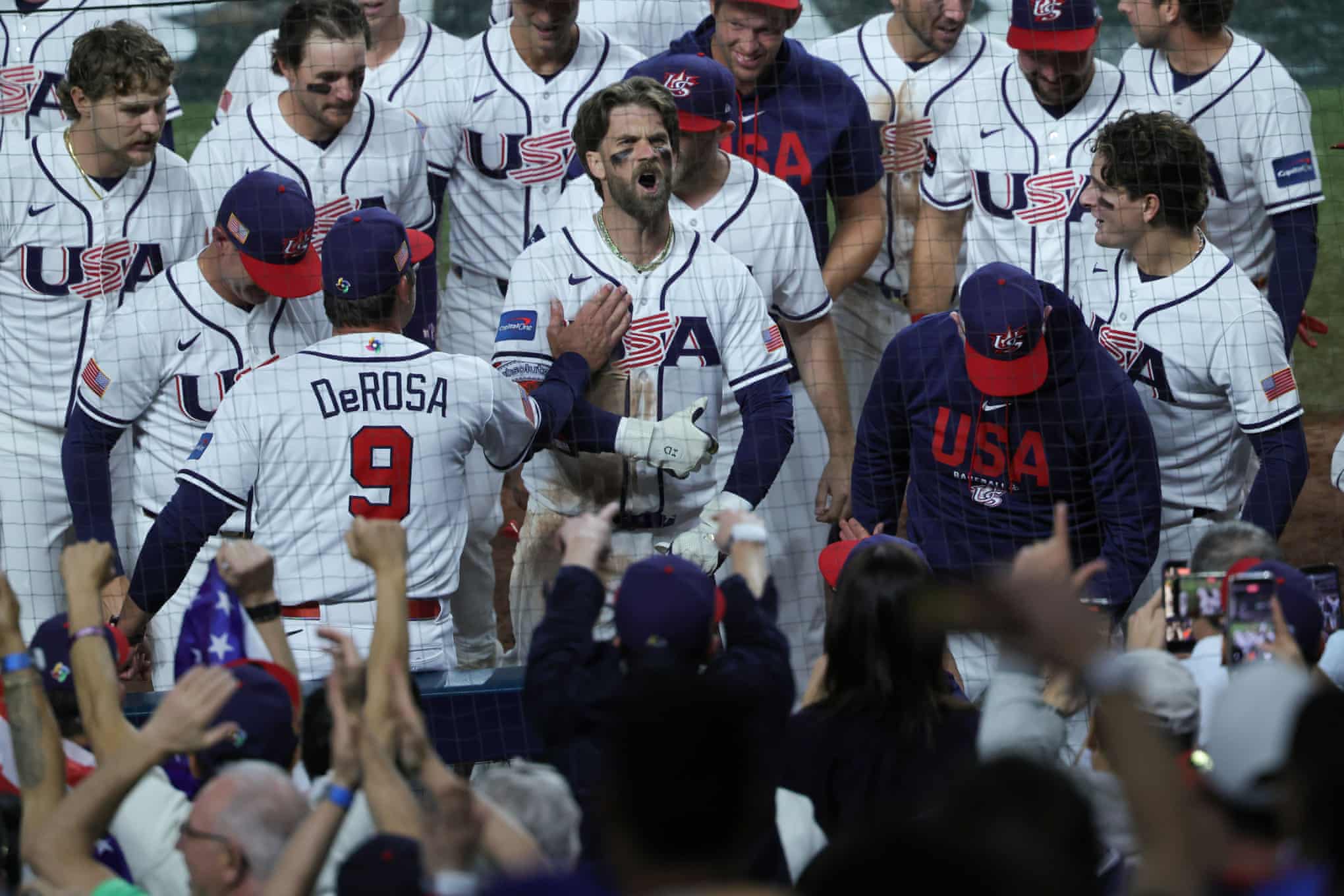
Other nations danced for joy at the World Baseball Classic. Team USA played toy soldiers
On the morning of the World Baseball Classic final between the United States and Venezuela, the headline of the New York Times daily briefing read, “America, alone,” in reference to the unwillingness of the country’s traditional allies to join the war with Iran. The revived rhetoric of America First, once a restoration of the isolationist, often Nazi-sympathetic sentiments of the 1930s, has coalesced into current policy, status, attitude: America by itself, making its own rules, intent on largely playing alone by them.Venezuela won the final, thrillingly, 3-2 over Team USA, but not before the hosts extended that isolationism with a sourness that produced a comically vapid extension of American bravado, and nearly undermined a tournament that in its 20th year is at last becoming one of baseball’s great successes.The WBC was a two-week block party. Canada, fresh off the Toronto Blue Jays’ American League pennant, reached the quarter-finals for the first time
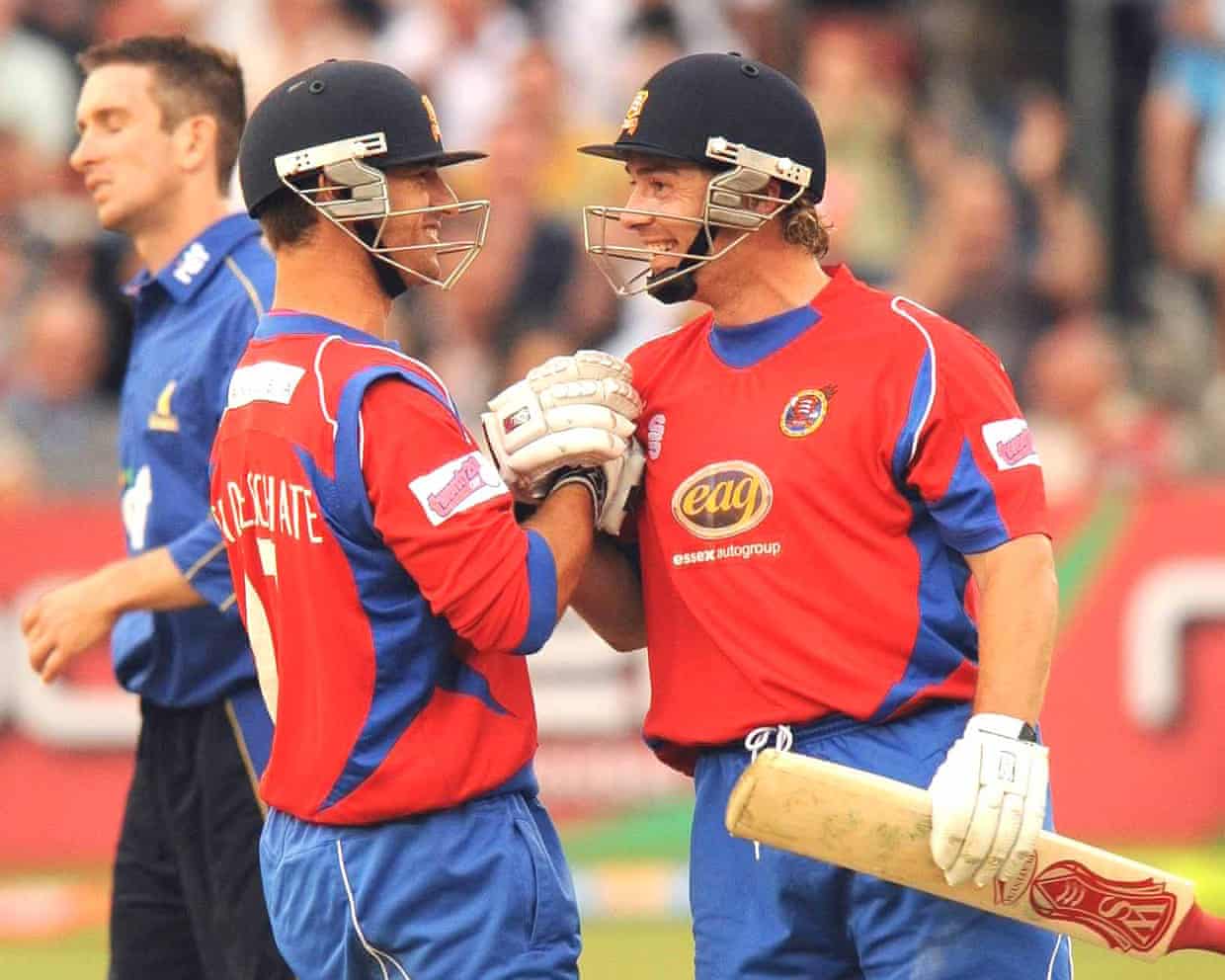
The Spin | ‘It was a crazy time’: why big auction paychecks don’t always equal superstardom
“Some people do recognise me occasionally and it’s always nice to have a chat about cricket.” Graham Napier has a few minutes between appointments. As a fire safety officer in Suffolk the 46-year-old former Essex all-rounder “goes everywhere, schools, cafes, barbershops, churches …” to install and service fire extinguishers. It’s not lost on him that as a player he was often the one responsible for pyrotechnics.On a June evening in 2008 Napier blasted 152 not out off 58 balls for Essex in a televised T20 Blast match against Sussex

Are unbeaten superteams like the UConn Huskies bad for basketball?
Fans love watching an underdog cause an upset. The problem is that unbeaten teams are unbeaten for a reasonA classic narrative, dating back to the classic matchup of David v Goliath, is the underdog v the favorite.The only problem is that the underdog is an underdog for the reason. Sure, everyone loves it when a David wins, but Goliath usually swats him away with predictable ease and then pounds him into the dirt. Which leads to a problem: who, other than devoted fans of the team in question, roots for the perennial champions? Isn’t that a bit like watching Hoosiers and rooting for the big kids to beat Gene Hackman’s scrappy underdogs? Or watching Rocky IV and rooting for Drago?In women’s college basketball, 12 Division I teams have finished the regular season and conference tournaments undefeated since 2009

March Madness 2026 men’s predictions: who will cut down the nets in Indianapolis?
Who are the players to watch? Which Cinderella team could break your bracket? Our contributors pick the winners, sleepers and upsets for this year’s men’s NCAA TournamentThe annual bevy of trivia that accompanies an NCAA Tournament. Have you heard there are two Miamis? Did you know Nebraska have never won a men’s tournament game? Are you aware that the Queens Royals have a “spirit animal” called Buddy the Street Dog? Even more importantly, I’m looking forward to watching enough basketball over the next three weeks to crack 68/68 on the Sporcle quiz of this year’s mascots. EBThat first Thursday and Friday remain two of the great days on the American sports calendar: noon-to-midnight hoops, four games on screen at a time, buzzer-beaters detonating out of nowhere and a campus or small college town you’ve never heard of suddenly becoming the center of the basketball universe. (And, to no one’s surprise, billions in lost productivity.) The NCAA Tournament still trades in the romance that anything, and anyone, can take over March
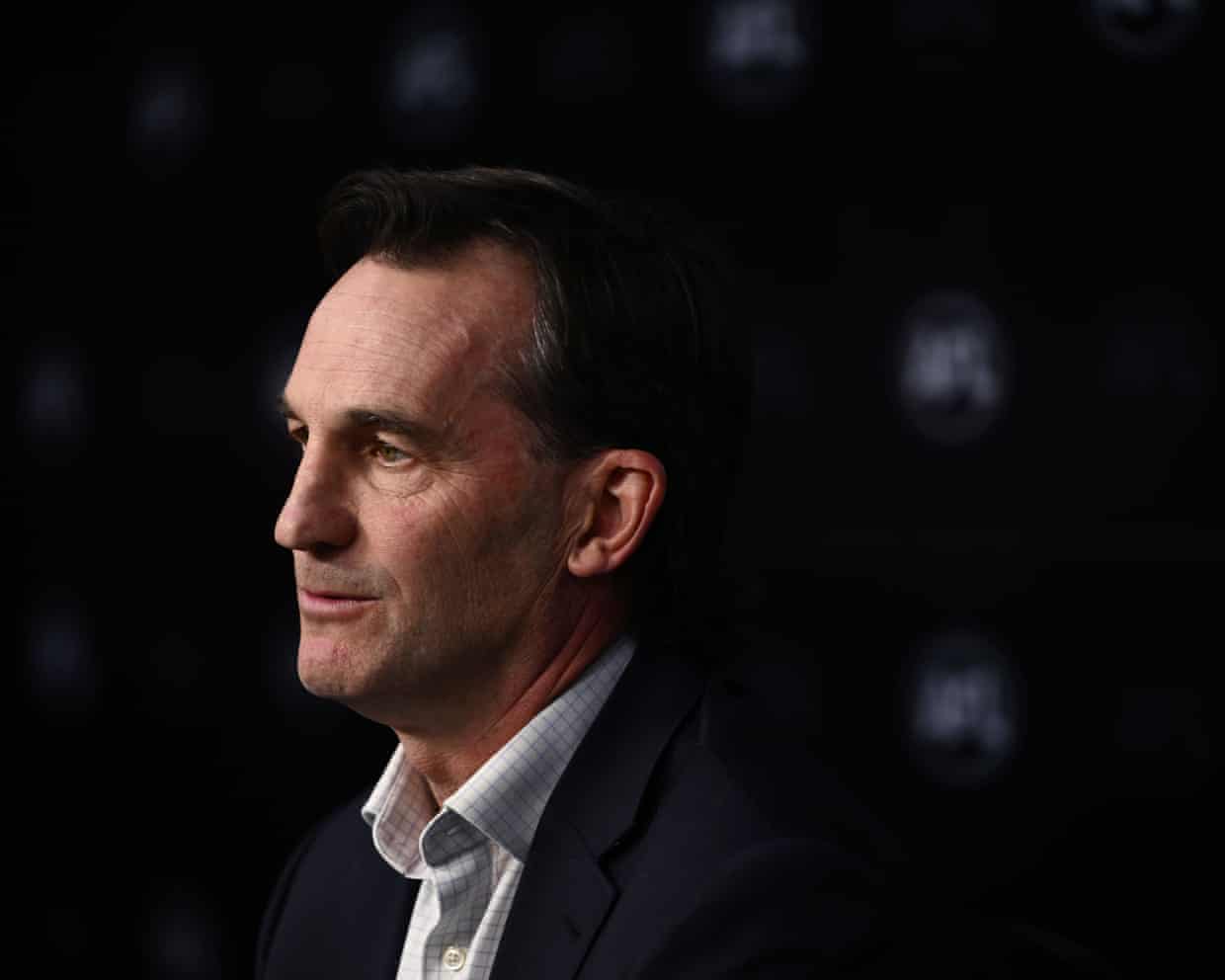
From the Pocket: Andrew Dillon needs authenticity and nuance, not AFL talking points
In 2023, the late Sam Landsberger wrote a piece in the Herald Sun recalling how Andrew Dillon came to work at the AFL. Dillon was driving down Punt Road in the early 2000s after playing a game for amateur club Old Xaverians. Senior AFL administrator Ben Buckley, who was recruiting for an in-house counsel, was in the next lane and spotted his former Xavs teammate. “Hey Dills,” he shouted across traffic, “you’re a lawyer, aren’t you?”A quarter of a century later, a line from North Melbourne coach Alastair Clarkson in an interview with Jay Clark jumped off the page on Sunday. “I spoke to Gil [McLachlan] on Tuesday night and he says: ‘This will all be resolved by the end of next week,’” Clarkson said

Peter Smith obituary
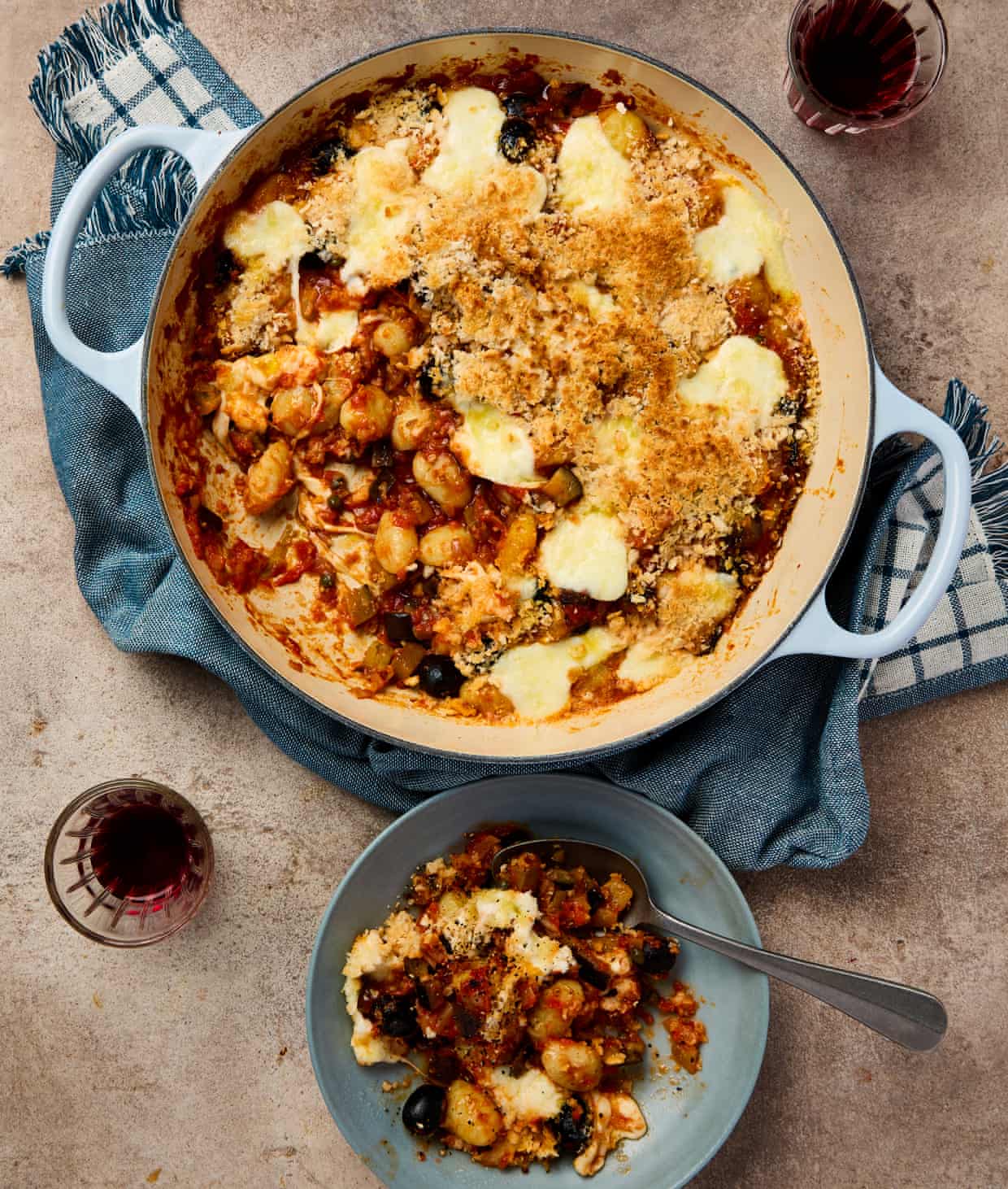
Rukmini Iyer’s quick and easy reccipe for crispy baked gnocchi puttanesca | Quick and easy
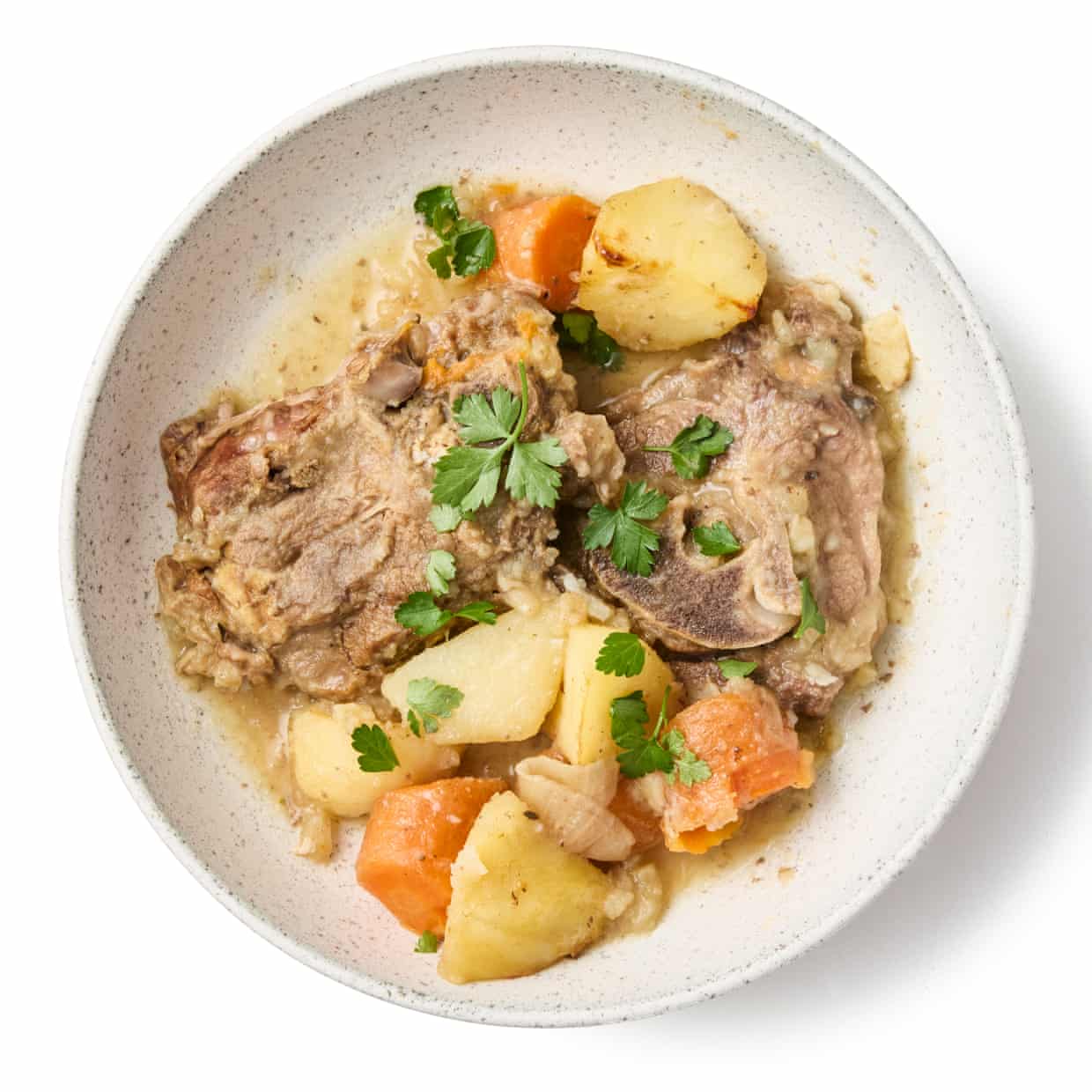
How to make Irish stew – recipe | Felicity Cloake's Masterclass

DakaDaka, London W1: ‘Like a 2am lock-in on a Tbilisi back street’ – restaurant review | Grace Dent on restaurants

Fallouts and financial woes: inside Heston Blumenthal’s sinking empire

Mother’s Day UK recipes: three delicious ideas to make for your mum from Ravinder Bhogal