Is Australia headed for a recession? A growing number of economists think so – here’s why I’m not one of them | Greg Jericho
As I write this, I sigh and realise that despite the president of the United States dropping his threats to commit war crimes and destroy Iranian civilisation, he is always a chance to set the world on fire because it’s been more than 20 minutes since he had a Diet Coke.This, of course, is hyperbolic.I think.Economies are rather tough enough to predict without having to deal with the erratic actions of a man whose cerebrum is indistinguishable from a particularly rancid Chicken McNugget.So take all of that into consideration.
The past week has seen an increase in concerns of a recession in the coming months.Various media outlets are polling economists and getting them to place odds.At this point I am required to cite the old joke that economists have predicted 30 of the past five recessions.But on this I can at least stand aside from my peers.I don’t mean to brag, but I am a bit of a savant at such things.
After all, I was the bloke who in early February 2020 wrote an article titled “Bushfires and the coronavirus will hit Australia’s economy – but they won’t knock it out”.So when I say we won’t have a recession, you can give that all the credibility it deserves.The main reason for the recession concerns is Trump and Iran, and a thing from the 1970s called “stagflation”, where inflation rises while the economy stagnates and unemployment also rises.As a general rule, when unemployment goes up inflation usually slows, but in the mid-1970s and in early 1980s this did not happen:If the graph does not display click hereThe reason, of course, was the Opec oil crisis and the Iranian revolution oil crisis, which is why the current war in Iran has created such jitters.But Trump’s Taco manoeuvre on Wednesday has lessened the concerns – at least for now.
Oil markets reacted quickly and prices fell 13% in an hour:If the graph does not display click hereBut it is worth noting that it wasn’t just oil price rises in the 1970s and 1980s that led to stagflation and recession, it was also the reaction of governments and the Reserve Bank (which at the time was not independent).In the nine months from November 1980 to July 1981, the official interest rate rose from 9.8% to 15.4%.A recession followed and the rate kept going up, hitting a record 20.
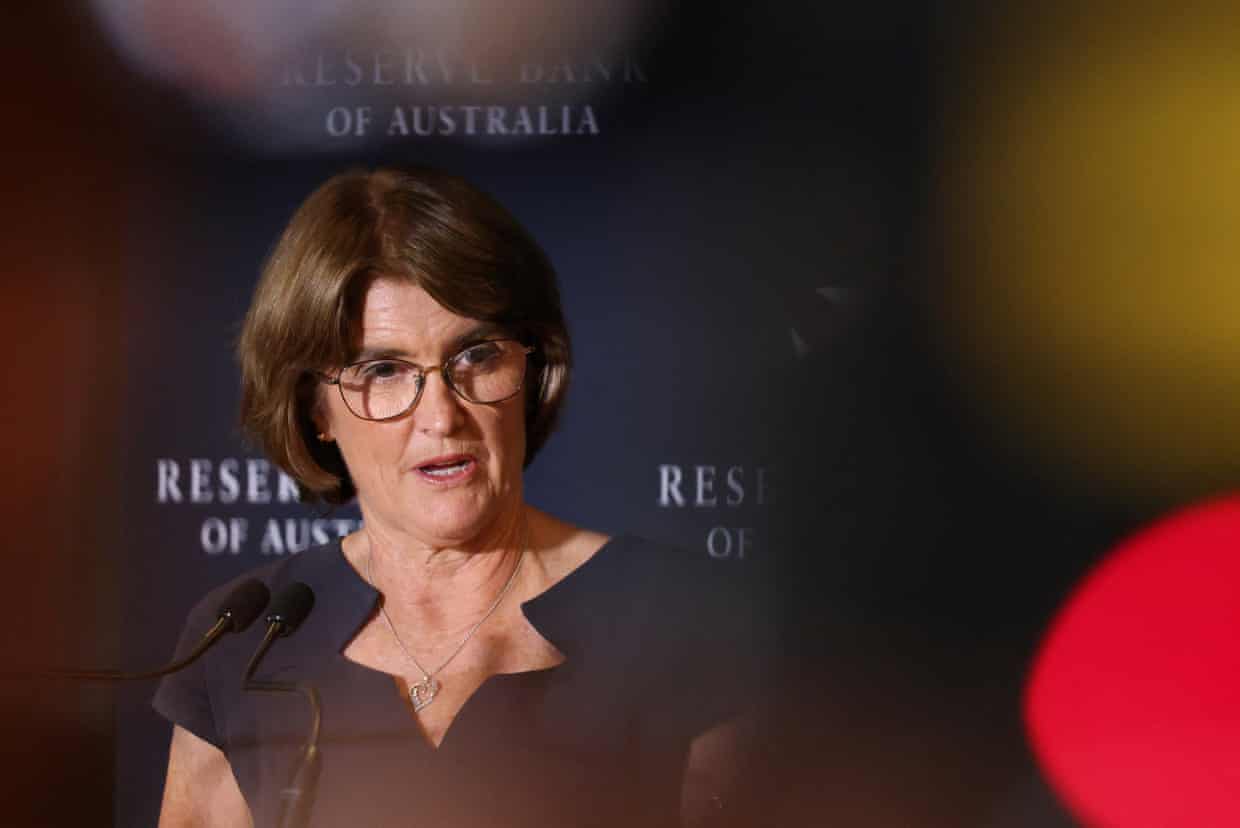
8% in August 1982:If the graph does not display click hereSimilarly, the 1990s recession occurred only after rate rises peaked in November 1989 at 18.2%.This is why the concerns about Iran and oil prices have in some ways sharpened worries of a recession.After all, three weeks ago the governor of the Reserve Bank was asked whether she’d be prepared to put Australia into recession – if that’s what it takes to bring inflation down – and she replied, “We don’t want to have a recession, but if it’s hard to get inflation down, then you know we’re going to have to deal with that possibly.”That is not altogether comforting.
Inflation will still be higher than previously anticipated, as the impact of the oil shock flows through, and as companies take advantage of the situation to raise prices similar to what occurred in 2022 off the back of the Russian invasion of Ukraine.The market still thinks the RBA will raise interest rates in May:If the graph does not display click hereEven after Trump’s backdown, it still anticipates another rise by December:If the graph does not display click hereOne would hope that, should the economy slow and unemployment begin to rise, the RBA would stop raising rates.But given the tendency of the central bank to only realise it has gone too far after it has actually done so, that is no guarantee.The good news is we are nowhere near a recession at the moment.Forget the discussion of two consecutive quarters of negative GDP, the real measure of a recession is if unemployment rises by more than 0.
5 percentage points in a year.The US economist Claudia Sahm found this was a much better way of measuring recession because it is quicker than waiting for GDP figures, and it also focusses on people rather than production.On this score, we’re doing OK:If the graph does not display click hereIt’s also worth reminding ourselves what we mean when we talk about a recession.The Covid recession was not really a recession; it was an arbitrary one forced on us by efforts to prevent deaths, and once the lockdowns ended, things snapped back.In a real recession the drop in employment lingers for many years, even up to a decade:If the graph does not display click hereThis is why I get a bit snarky when I hear the governor of the RBA being so blithe about causing a recession should inflation remain above 3% for longer than she would like.
Recessions destroy lives.The story of male full-time employment since 1970 is essentially one of collapse during recession, never to recover:If the graph does not display click hereAnd maybe the RBA thinks it can tweak the levers so easily that the recession would this time only be a small one, but I’d rather not risk it.Thankfully Trump has walked back from his latest threat, but that does not mean the RBA will stop doing all it can to reduce inflation – even if, as it says, that means a recession.Let us hope they are not true to their word.Greg Jericho is a Guardian columnist and chief economist at the Australia Institute
Can’t face another mouthful of chicken? You’re probably coming down with the ick
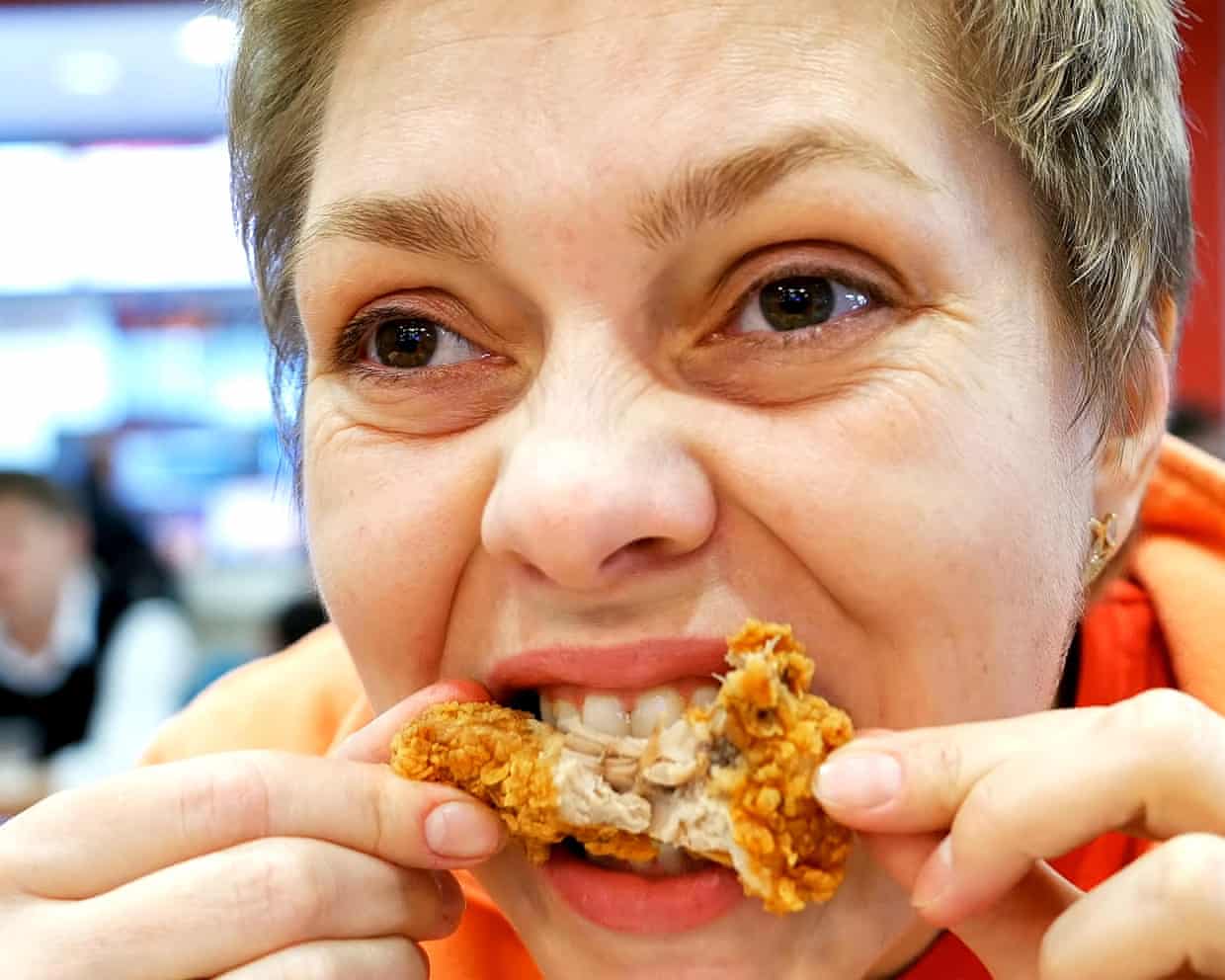
Name: The chicken ick.Age: Chickens have been around since, well, eggs …Unless it’s the other way round. Whatever. The chicken ick, on the other hand, is new.And what is it, please? You know when you suddenly feel disgusted by the chicken you’re eating, possibly mid-bite, despite previously enjoying it?Er, not really, to be honest
Georgina Hayden’s quick and easy recipe for gochujang butter salmon | Quick and easy
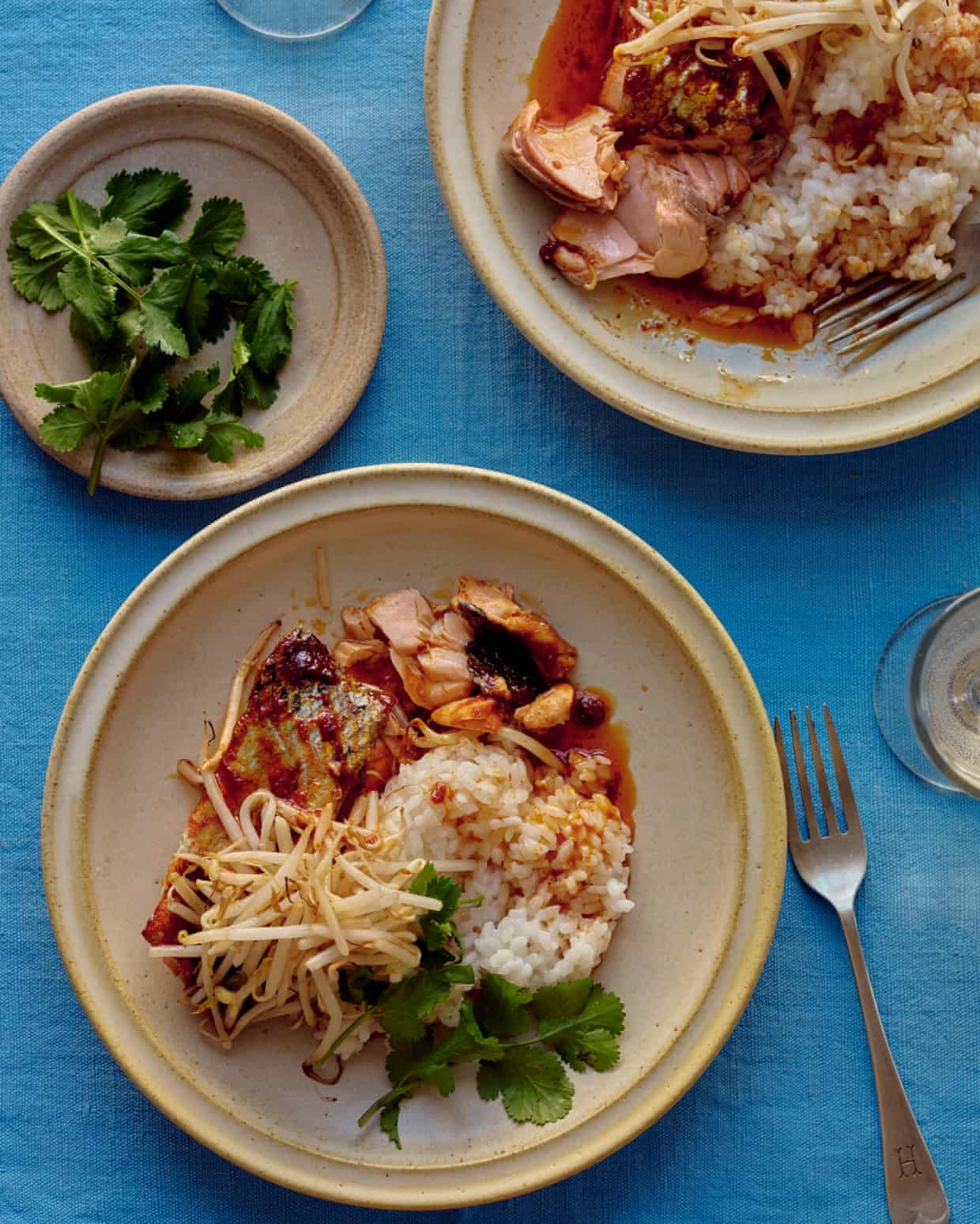
The classic combination of soy sauce and honey salmon is a staple in our house, and works for kids and adults alike. However, sometimes I want to change things up, so here I’ve elevated it slightly with a gochujang dressing – similar principle, but with a bit of heat and depth, as well as richness from the butter. Using butter might seem unusual, but it is often paired with soy sauce in Japan (shoyu butter) with an indulgent result. Serve the fish over sticky rice, to soak up all those spicy, buttery juices, with steamed greens on the side.Prep 10 min Cook 25 min Serves 41 tbsp sesame oil 4 tbsp soy sauce 2 tsp gochujang paste 2 garlic cloves, peeled and finely grated4cm piece of ginger, peeled and finely grated½ tsp caster sugar 4 sustainably caught skin-on salmon fillets Sea salt and white pepper70g unsalted butter 150g bean sprouts Sticky rice, to serveA handful of roasted peanuts, roughly chopped10g coriander, leaves pickedHeat the oven to 220C (200C fan)/425F/gas 7
How to make the perfect Portuguese feijoada – recipe | Felicity Cloake's How to make the perfect
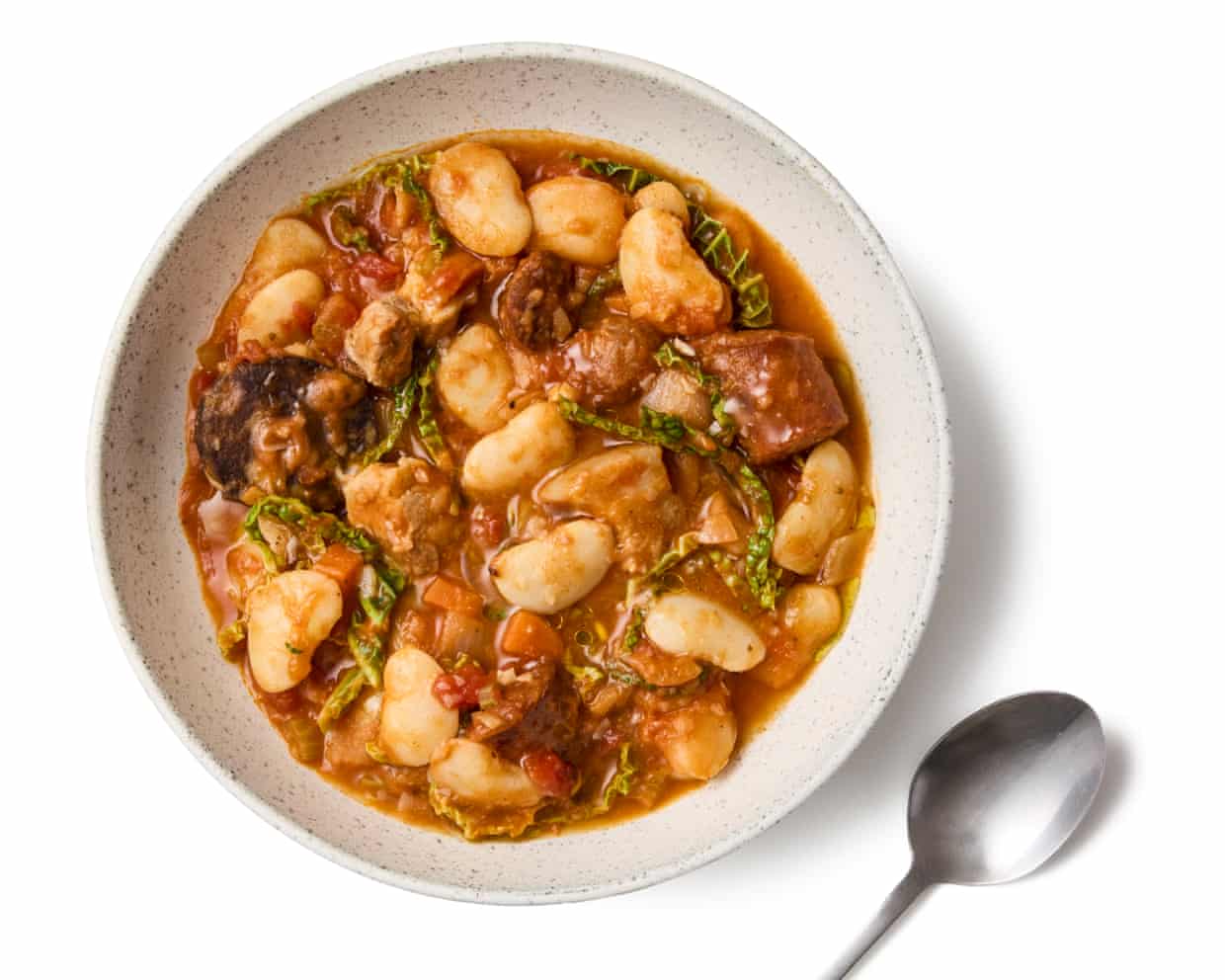
If you are trying to incorporate more beans and pulses into your diet, as I am, then this robust, one-pot feast, which food writer Edite Vieira describes as “a marvellous standby of the Portuguese kitchen”, is one to bear in mind. Though each region has its own variations, “basically”, she explains, “feijoada is a rich bean stew with pork and sausages”. The Brazilian version, often cited as that country’s national dish, is the product of the West African “love of beans”, according to the Oxford Companion to Food, with some suggesting that it’s a South American creation that travelled to Europe along with returning colonisers. Others insist with equal fervour that the dish was “born in the north of Portugal, and imported and adapted to what was available in Brazil”. Like so many such homely favourites, its precise history will probably ever remain a mystery; what’s important is that it’s simple to prepare, easy to adapt according to taste and budget, and very satisfying
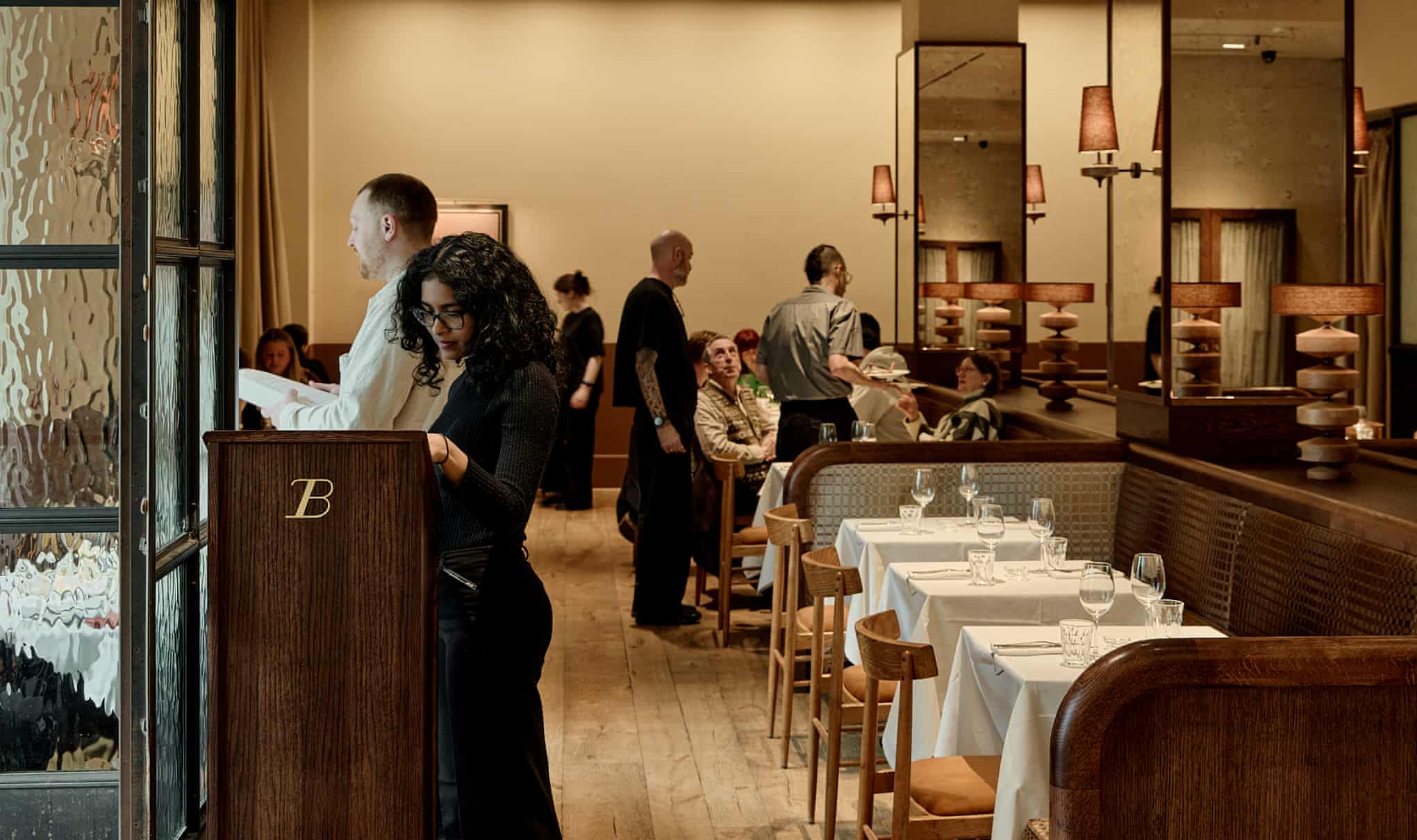
Burro, WC2: ‘Big but the opposite of brash – restaurant review | Grace Dent on restaurants
Brings old-school charm to a touristy part of townBurro, a new Italian restaurant in Covent Garden, London, had been on my horizons even before the napkins were on order, because Conor Gadd, the chef-owner, has form. His first restaurant Trullo, up in Islington, has sat unshakably around the top of my recommendations list for about 15 years and is namechecked by me at least twice weekly when complete strangers want a tip for a birthday, proposal or a client they need to impress. Or simply, “somewhere to take a foodie” who “really likes food”. Yes, the brief given to restaurant critics is often that vague, but to all these things I say: “Have you been to Trullo? Order the beef shin ragu and some good red wine. It’s been there for ages and they know what they’re doing
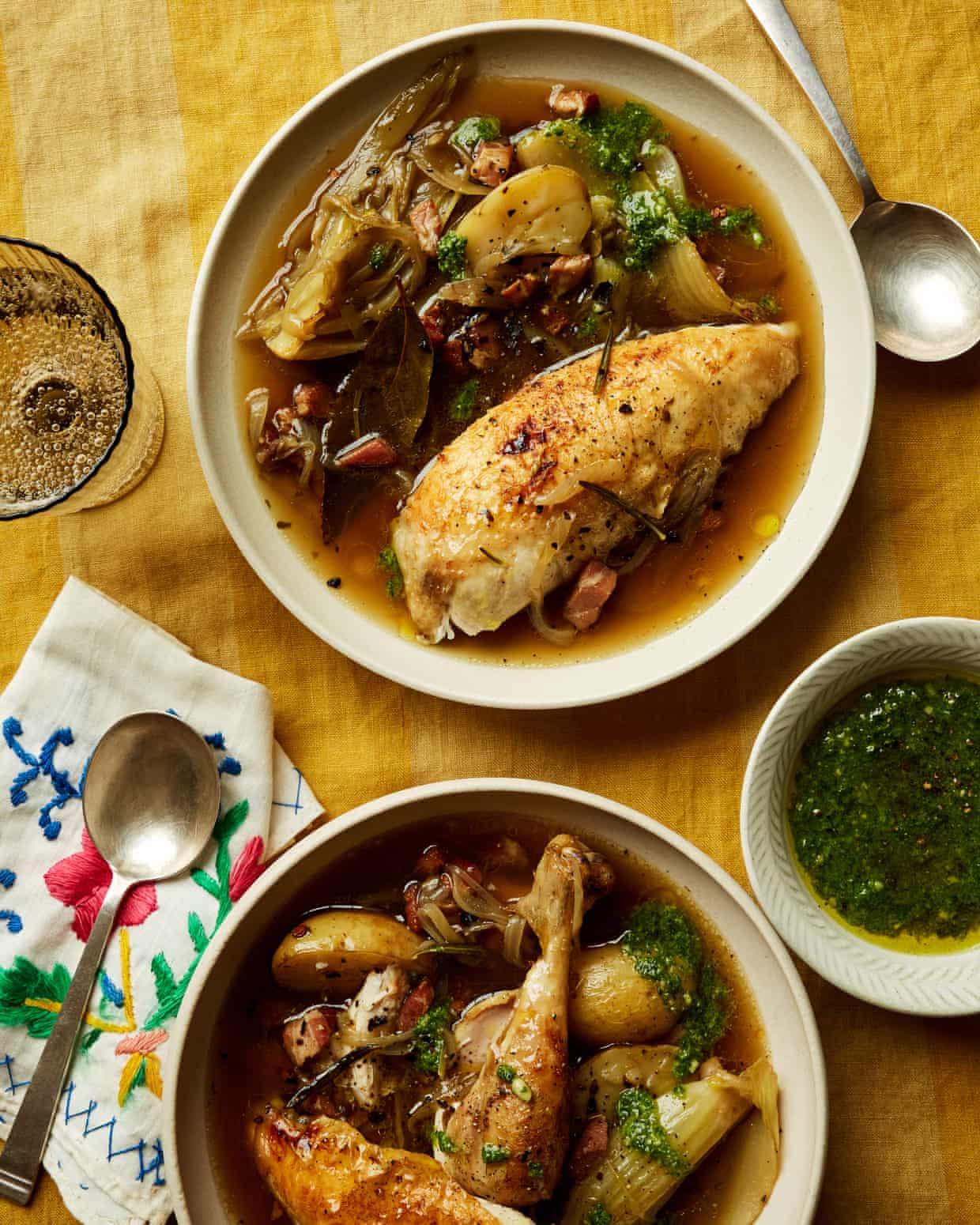
Sunday best: Thomasina Miers’ recipes for aromatic chicken one-pot and salted caramel banana cake
I love Mexican chillies for the subtle flavour they give to cooking. Take the ancho, with its sweet, earthy notes of chocolate and plum. That adds immense depth to dishes traditional and avant garde alike, and is now readily available online and in shops. In today’s one-pot, which is a near-perfect way to cook a whole chicken, the ancho adds character to a classic sofrito, while in the pudding the savoury notes and touch of heat complement the dark caramel, helping to create a banana cake that is anything but bland. If you can’t find ancho, try any other medium-heat chilli flake in its place (nora, aleppo), or simply leave it out
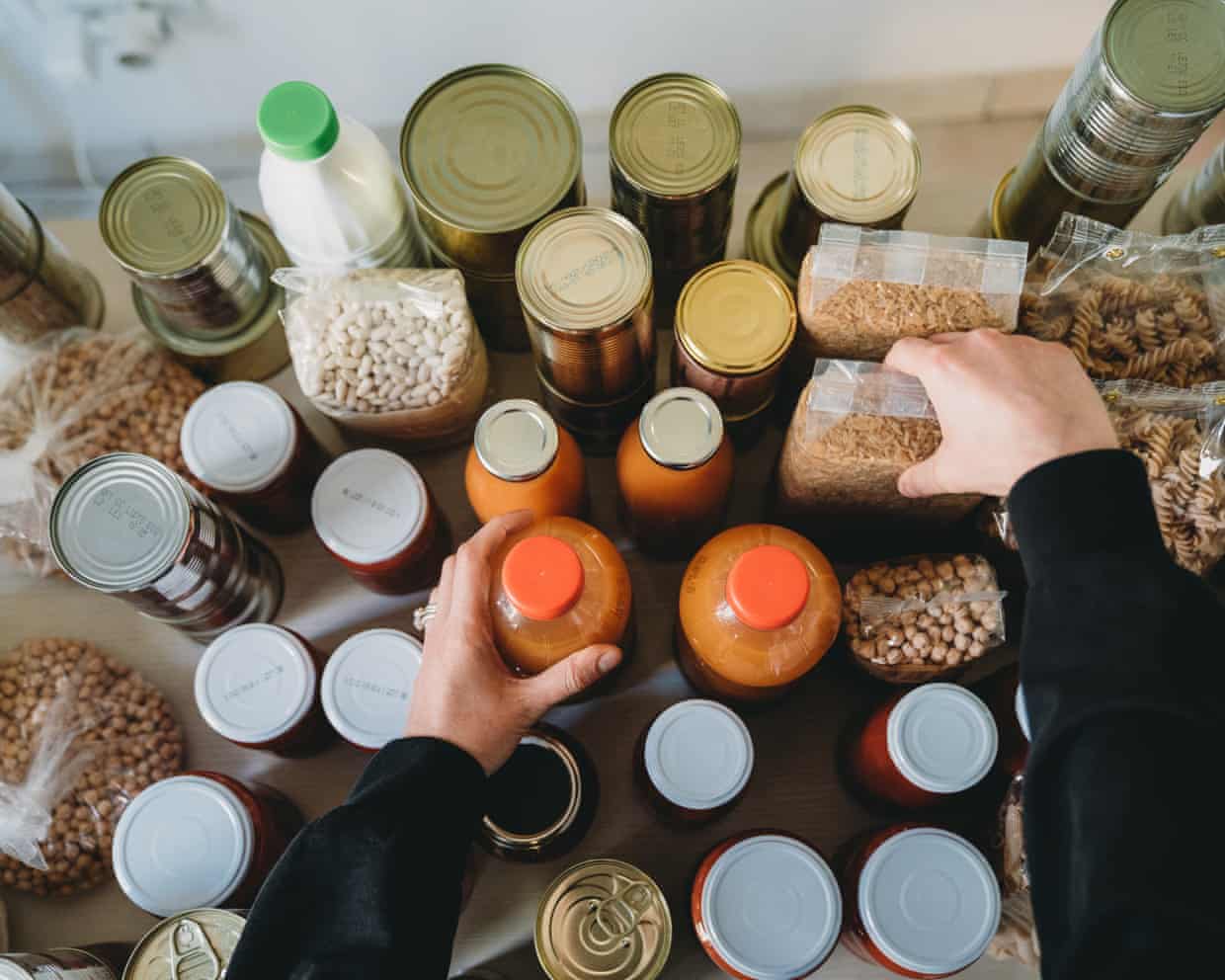
Oats, sardines and crisps: emergency foods to stockpile – and why you should share them
People should have an emergency stockpile of food in their homes in case conflicts, extreme weather or cyber-attacks shut down supplies, leading UK experts have told the Guardian.In an ever more turbulent world, they say it is essential to choose long-life items that can be eaten without cooking – think tinned beans, vegetables and fish, rice crackers, and oats that can be soaked. But it is also important to choose items you actually like to eat, and some treats such as chocolate or crisps to keep your spirits up. You will also need water – lots of it – not just to drink but for washing too.Perhaps the most surprising advice is to be prepared to share your stockpile with neighbours

Delta CEO braces flyers for higher fares amid surge in oil prices tied to Iran war
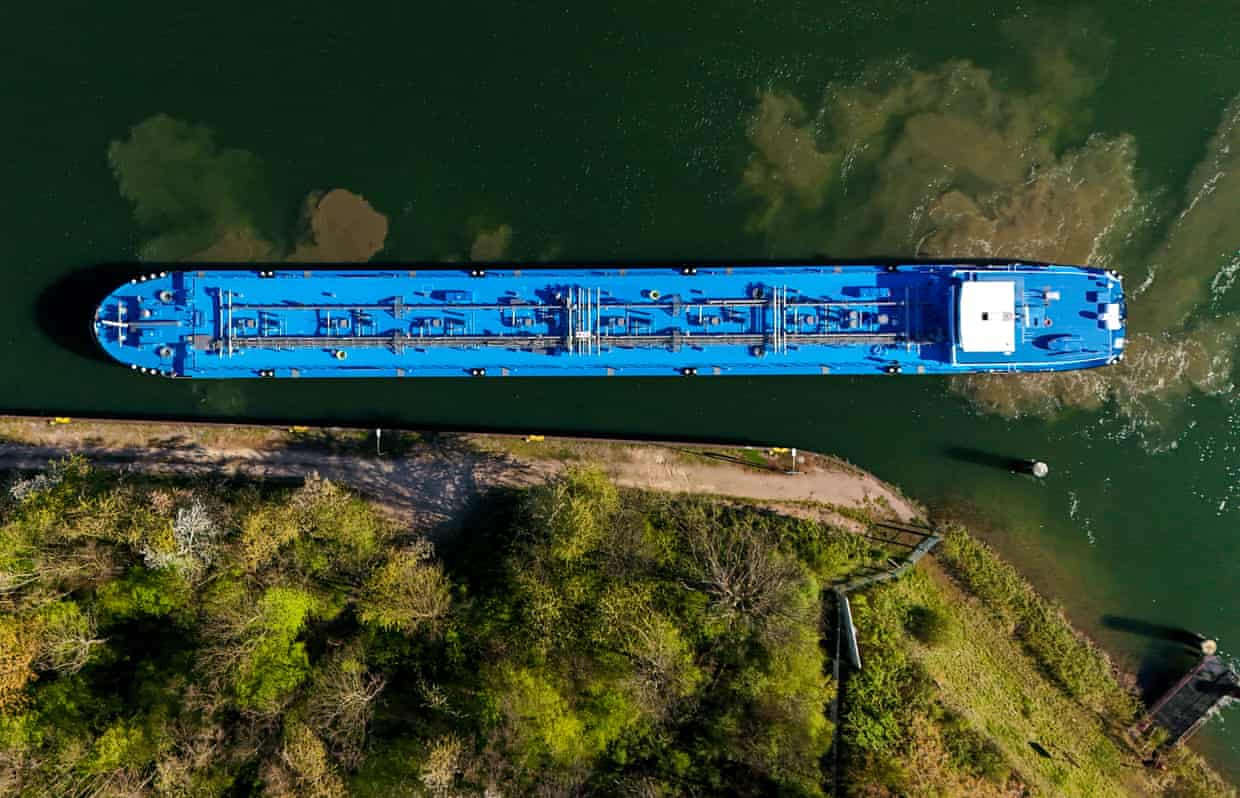
Oil prices plunge and stocks jump after Trump announces conditional ceasefire with Iran

Britons warned about Russian hackers targeting internet routers for espionage

The life-changing magic of wearing smartglasses | Letters
Grand National 2026: horse-by-horse guide to all the runners
The Spin | ‘That day was life-changing’: Miles Jupp on how Ashes climax fuelled incredible blag