Is the supreme court ready to stand up to Trump over Federal Reserve attack?
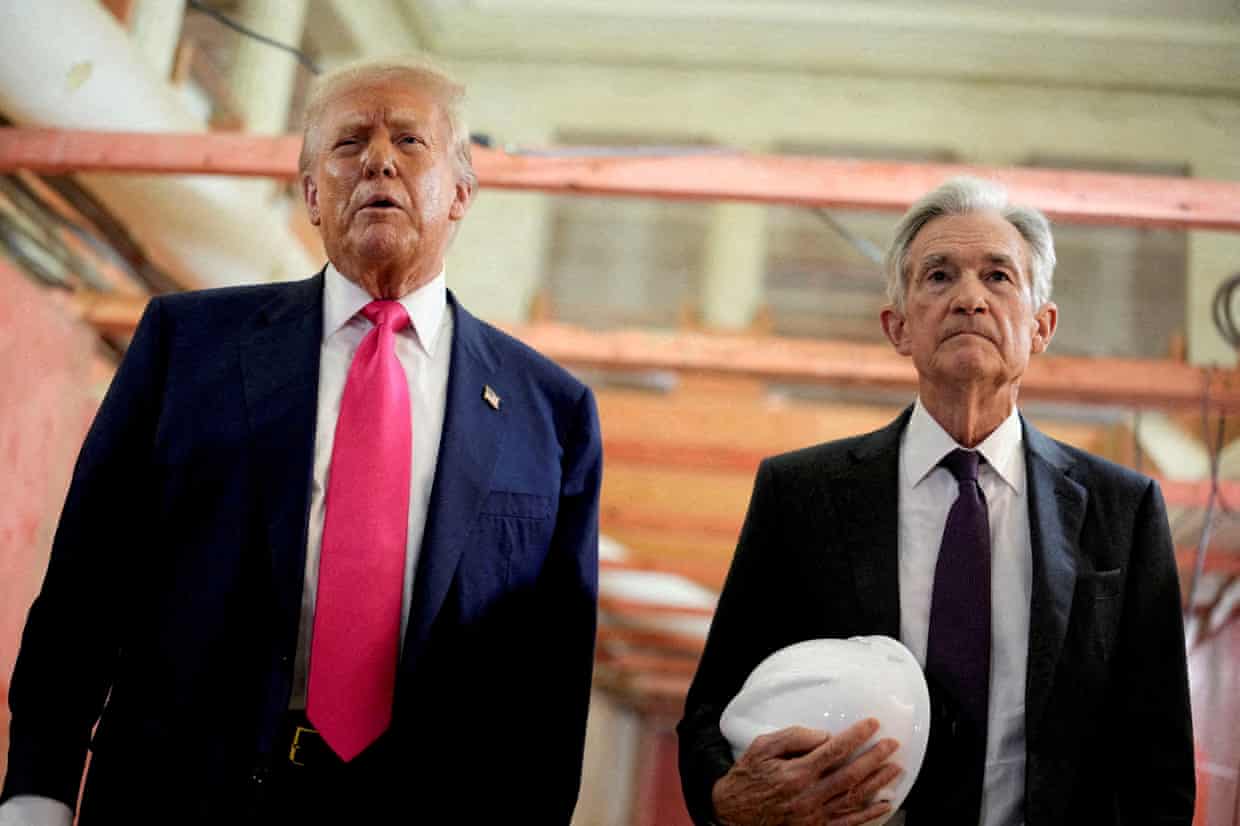
Donald Trump has tried his usual tactics when it comes to getting the US Federal Reserve to lower interest rates: bully when persuasion doesn’t work, and then fire when bullying doesn’t work.In an unprecedented assault on the central bank, the president has called the Fed chair, Jerome Powell, “stupid” and threatened to fire him for not cutting interest rates as quickly as Trump would like.Most recently, the justice department instigated a criminal investigation against Powell for testimony he gave about renovations at the Fed’s headquarters.Even so, the Fed has not budged.Tactically, Trump’s assault on the Fed appears to be no different than his overhaul of the entire federal government.
The president has learned if he pushes hard enough, he can get his way.And he has mostly been successful.But with the Fed, it seems that Trump may have met his match.At least as far as the supreme court is concerned.On Wednesday, the court’s justices, in oral arguments, appeared resoundingly skeptical of Trump’s firing of the Fed governor Lisa Cook.
But while the justices’ skepticism could be interpreted as a sign that the court is checking executive authority, legal experts warn that any ruling against him may not be a harsh check on Trump’s power.Instead, the court appears to be carving out a special exception for the Fed at a time when the independence of other government agencies is still under threat.“The consequences are potentially very harmful,” said Michael Dorf, a law professor at Cornell University.“The supreme court is making war on independent agencies at the worst possible moment – which is to say at a moment when you have a president who wants to centralize power in himself and wants to appoint people who are there because of their loyalty to him and [who] have no particular expertise.”Trump fired Cook in August, alleging that she committed mortgage fraud by listing more than one property as her primary home, a move that would give her a better mortgage rate.
The accusations were first posted on social media, and a few days later, Trump removed Cook.The White House made an appeal to the highest court after a lower federal court temporarily reinstated Cook into her role.Because Cook’s firing was haphazard, with no investigation or formal hearing about the alleged mortgage fraud, Trump’s case against Cook has opened up a host of questions the court could answer in a ruling.Were Cook’s due-process rights violated because she didn’t receive a hearing? Even if the mortgage allegations are true (Cook’s lawyers say they have evidence it was an “inadvertent mistake”), does mortgage fraud that took place before she was appointed a Fed governor constitute grounds for her removal? Should the case have been decided on by a lower court before reaching the supreme court?Making matters even more complicated is the nature of the Fed.The US central bank was created to be a quasi-private, independent government agency that is supposed to be protected from politics.
Fed officials can only be fired by the president “for cause”, though the law doesn’t specify what “cause” is.Running in the background of the case is a big question, one that could have repercussions for the global economy: how much power will the supreme court allow a president to have over the Fed?Typically, constitutional experts look to see how the supreme court has decided similar cases, and Cook’s firing was far from the first test of Trump’s executive powers.Last year, Trump fired independent officials, including two Democratic-appointed members of the National Labor Relations Board (NLRB), which oversees unions, and Rebecca Slaughter, the commissioner of the Federal Trade Commission (FTC), which regulates telecommunications and media.The supreme court allowed Trump’s firing of the officials to stand, and in Slaughter’s case, constitutional experts anticipate a landmark ruling that will strengthen executive power for decades to come.Some within the US conservative legal movement have been advocating for the “unitary executive” theory – the idea that the president should be able to fire any executive branch officers at will.
At the heart of this belief is the idea that the votes of the American people should be the only check on the president.For conservative justices on the supreme court who support that theory, Trump’s second term has given them the perfect opportunity.Constitutional analysts say that Slaughter’s FTC firing, which is still pending, will allow the court to narrow or even overturn Humphrey’s Executor v United States, a landmark case from 1935 that limited the president’s power to fire executive officials of independent agencies.But while conservative justices appear keen to hand the president even more power, there seems to be a single exception: the Fed.The supreme court even mentioned the central bank when it allowed Trump’s NLRB firings to go through, a notable event given that the Fed had nothing to do with the case.
“The Federal Reserve is a uniquely structured, quasi-private entity that follows in the distinct historical tradition of the First and Second Banks of the United States,” the court’s majority wrote at the time.Many took this as a signal from the court that, should Trump try to fire an executive within the Fed, the court would resist.Legal experts point out that, by law, the Fed’s structure within the federal government is no different than the other quasi-private, independent agencies.“The elephant in the room in this oral argument is how come, when it comes to Lisa Cook, suddenly the judges are interested in enforcing the statute [of independence].Whereas with Rebecca Slaughter … and all these other people he improperly removed, they just conclude the status doesn’t matter.
His constitutional authority allows him to remove anybody for any reason,Like, what’s going on here?” said Lev Menand, a professor at Columbia Law School,The justices’ rationale seems to be as much economic as legal,Amy Coney Barrett, a member of the 6-3 conservative majority on the court, brought up the fact that “we have amicus briefs from economists who tell us that if Governor Cook is [fired], that it could trigger a recession”,“How should we think about the public interest in a case like this?” she asked.
Brett Kavanaugh, another conservative, asked Trump’s justice department direct questions about the “real-world” importance of Fed independence,“Let’s talk about the real-world downstream effects of this, because if this were set as a precedent, it just seems to me – just thinking big picture – what goes around comes around,” Kavanaugh said,“All of the current president’s appointees would likely be removed for cause on January 20, 2029 if there’s Democratic president … so what are we doing here?”The power of the Fed comes largely from its ability to set interest rates,High interest rates make borrowing more expensive,It can slow inflation at the risk of increasing unemployment.
That Trump wants lower interest rates is not surprising: lower interest rates can give the economy a short-term boost, but at the risk of rising prices later,It’s a balancing act that requires looking at the economic data and thinking about what’s best for the long-term stability of the economy, not the political fortunes of whoever is in power,Mess with that independence, and economic shocks such as a recession could be triggered,With Trump’s case against Cook, “an unstoppable force has met an immovable object”, Menand said,While a majority of the justices may be fine with cutting down, for example, the FTC’s independence, “it’s a totally different game when it comes to the Federal Reserve”.
“Large business interests don’t want to see the Federal Reserve’s capacity degraded.They don’t want to see the Federal Reserve politicized,” Menand said.To many legal scholars, the supreme court has been very lenient with Trump’s executive power, even beyond the issue of independent agencies.Over the last year, the court has allowed the administration to continue aggressive immigration enforcement tactics and has blocked lower courts from issuing nationwide injunctions that, as in his first term, could block some of his executive actions.“One thing that concerns me a little bit is that if the court rules against Trump in the tariffs case, and in Cook, it will have gotten unearned prestige for being unbiased and standing up to Trump,” Dorf said.
“You stand up to him at the most extreme edge of what he does, [but] you’re still allowing him to do all sorts of things that, in prior circumstances, we would have said the court ought to stand up to.But they’re not.”It’s unclear when the court will release its decision on Cook’s case, though it will probably issue a ruling by June.
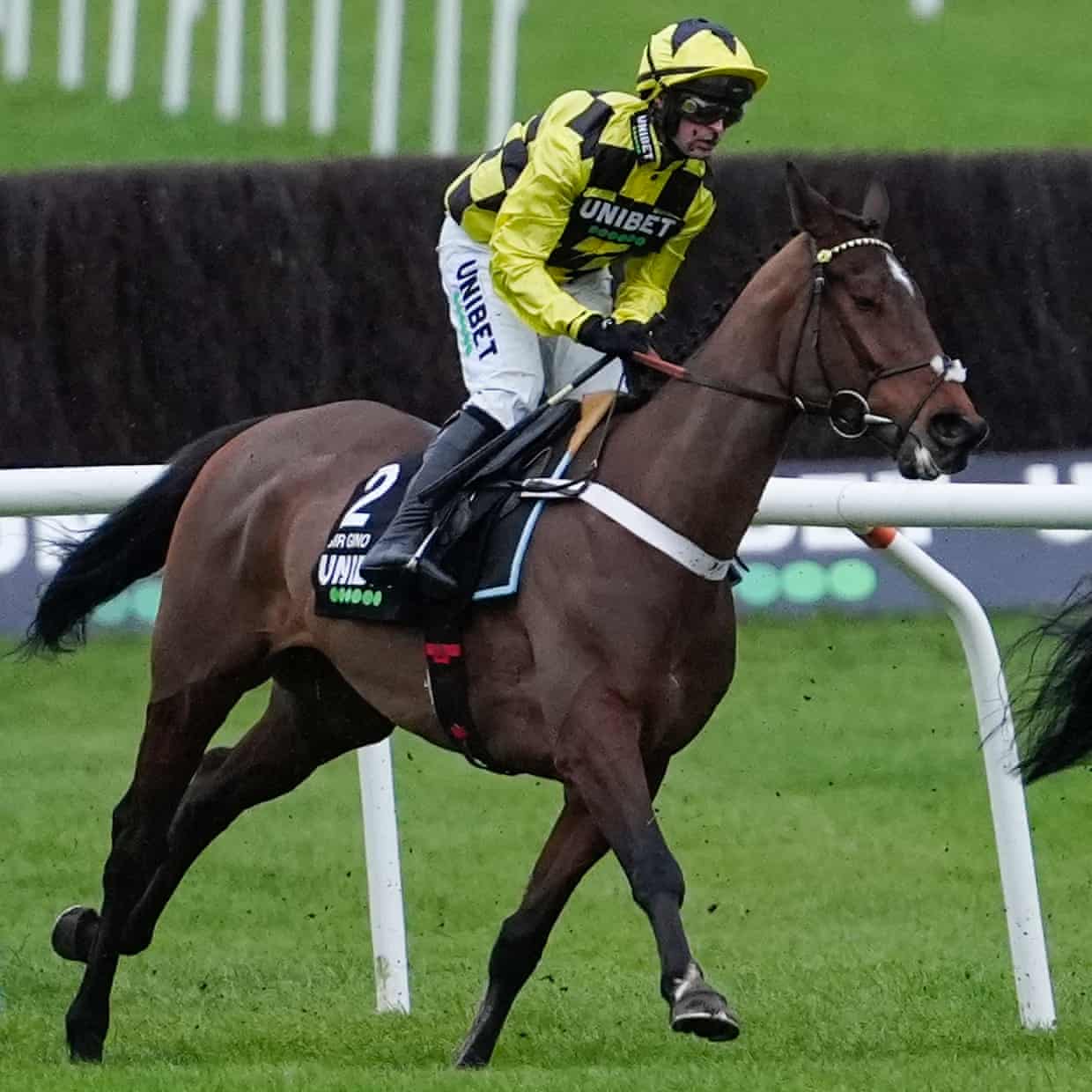
Sir Gino pulled up with suspected pelvic injury in International Hurdle
On an afternoon when Britain’s National Hunt fans had expected to be looking for potential winners at the festival meeting in March, they left here hoping instead for positive news on Nicky Henderson’s Sir Gino. The most exciting prospect in the sport was pulled up with a suspected pelvic injury in the International Hurdle.Sir Gino went into Saturday’s Grade Two contest as the clear favourite for the Champion Hurdle in March, having gone unbeaten in seven starts including a brilliant novice chase win at Kempton in December 2024. He was held up last of the four runners as Nemean Lion cut out the running and pulled up by Nico de Boinville shortly after jumping the third-last flight.“They were able to put him into the ambulance,” Henderson said
Sri Lanka v England: second men’s cricket one-day international – as it happened
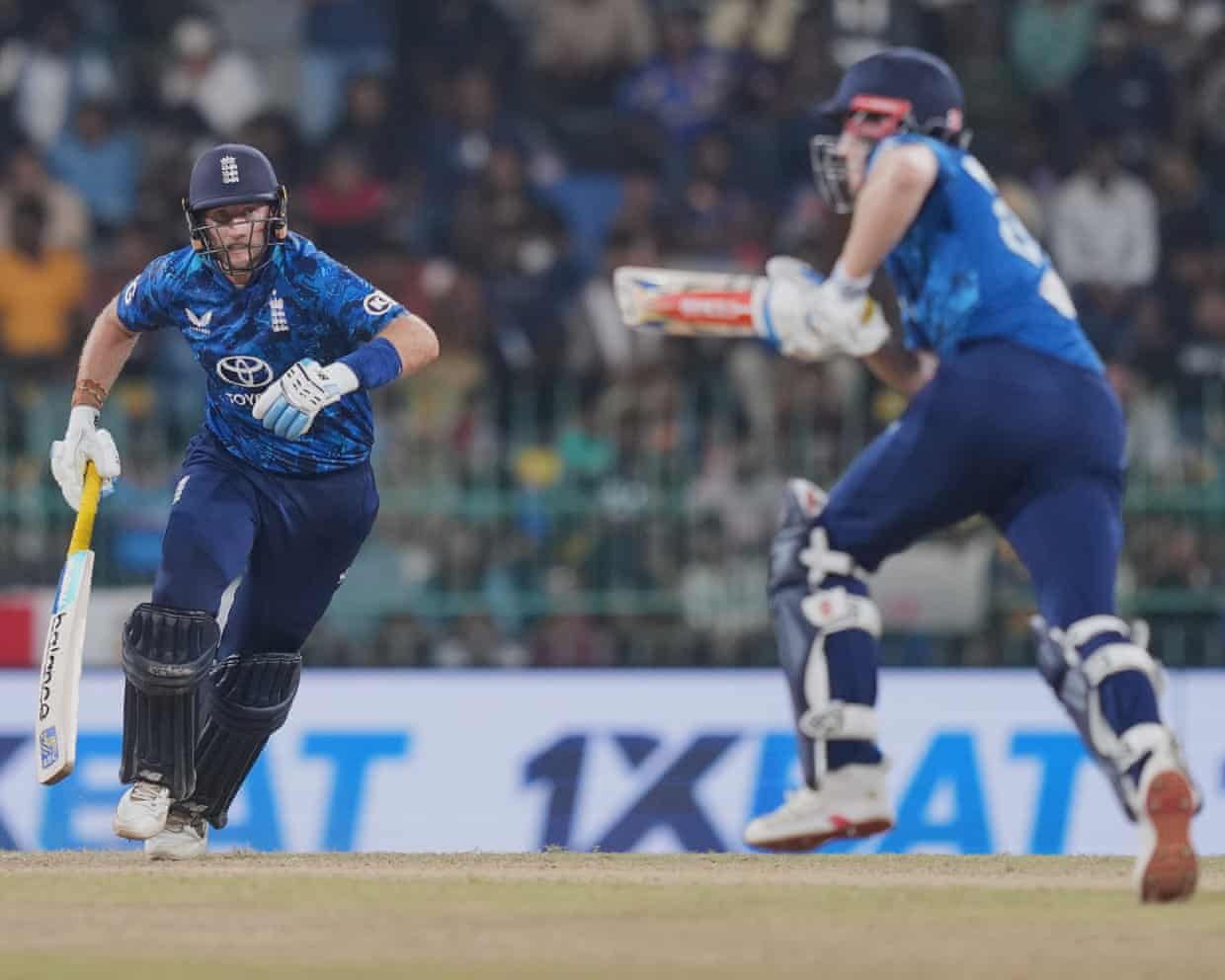
And that’s a wrap from Colombo. England end their dismal losing streak away from home, another fifty for Joe Root and a studied, if low voltage, innings from Brook on a tricky pitch. It will be interesting to see if England’s comments on the pitch cause any ructions in Sri Lanka.Many thanks for all your comments today, join us for the decider on Tuesday – bye!More harsh words for the surface from England captain Harry Brook. “The pitch is probably the worst pitch I’ve ever played on
Root and Rashid steer England past Sri Lanka in second ODI to end barren run
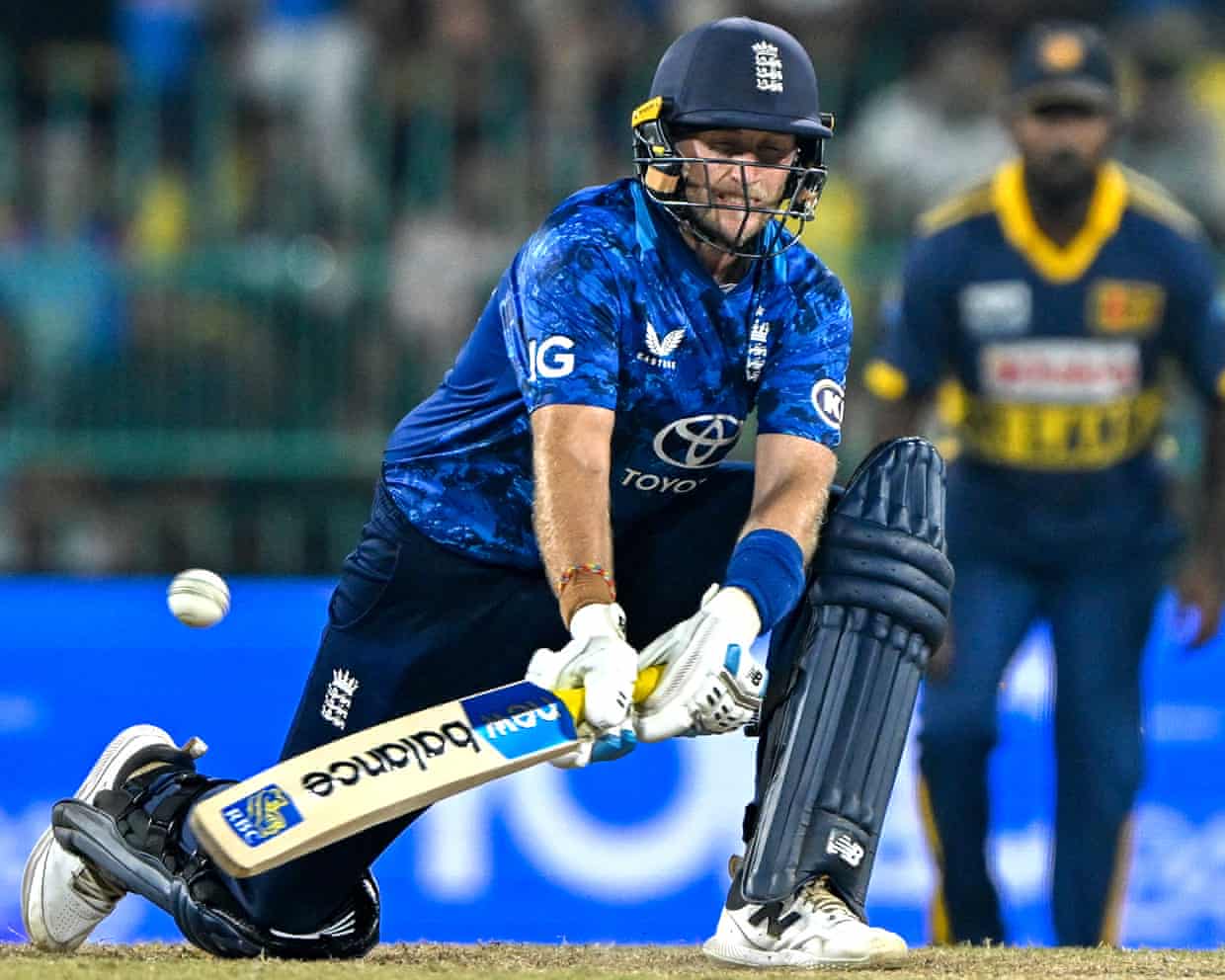
It’s been a rough few years for England’s 50-over side but the glow of their World Cup victory has not completely disappeared. Joe Root and Adil Rashid, both part of the 2019 class, were the headliners of the second one-day international against Sri Lanka, setting up a five-wicket victory to level the series.Rashid led the England attack on a serious turner, taking two for 34 as Harry Brook used 40.3 overs of spin, limiting Sri Lanka to a total of 219. It was still a proper challenge, particularly in a must-win game for the tourists, their winless run away from home in ODIs having stretched to 11 on Thursday
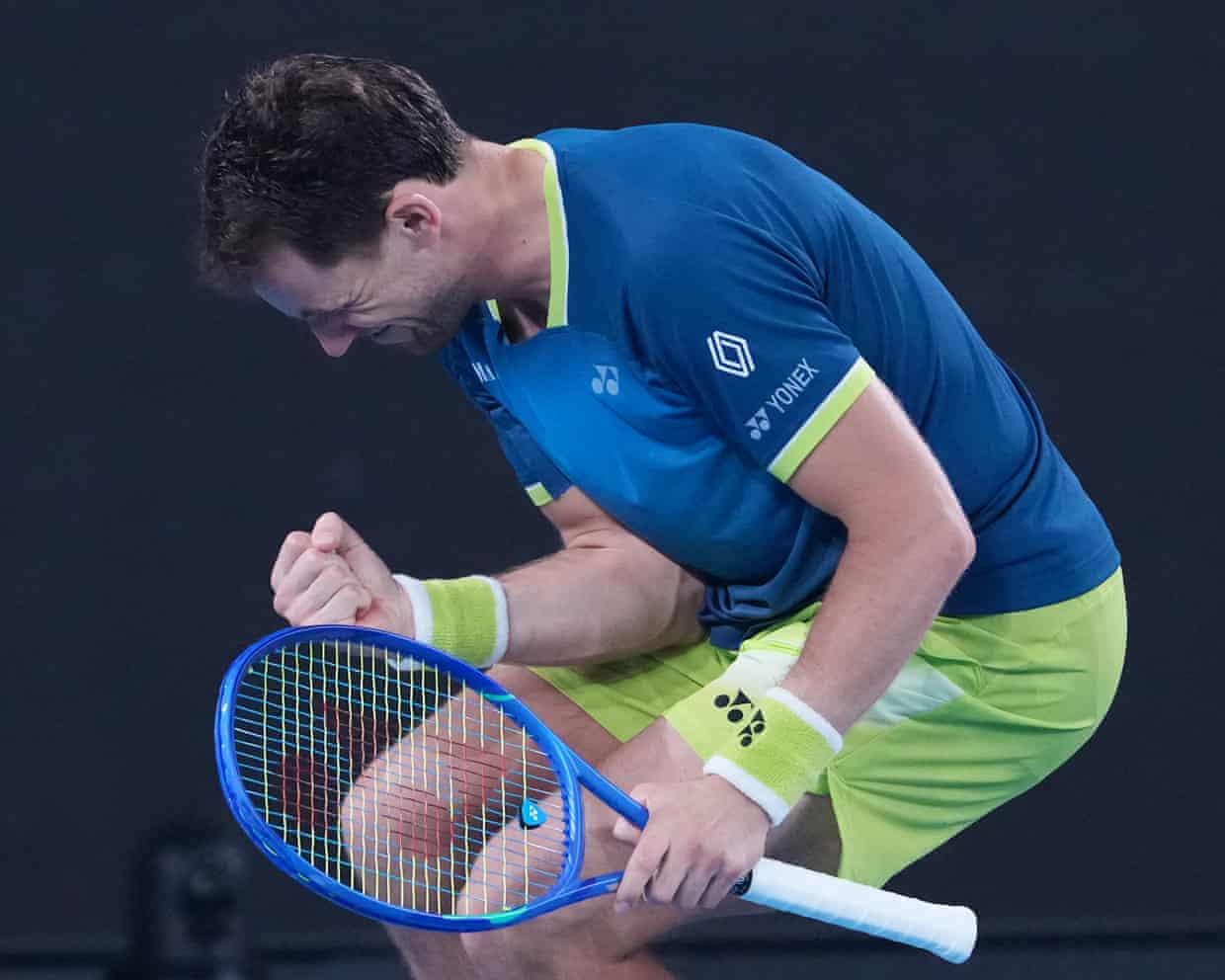
Australian Open 2026: Ruud sinks Cilic, Djokovic ‘stressed’ despite win, Osaka withdraws – as it happened
Laura Robson, the presenter on TNT Sports, describes it as “pure kismet” that Jannik Sinner’s match against Eliot Spizzirri was halted when it was due to extreme heat. The Italian was cramping badly at the time and said afterwards that he “got lucky”.Below you will find links to all our Australian Open news pieces from today, including a report on Naomi Osaka’s injury-enforced withdrawal. Stan Wawrinka also bowed out today, at 40, after a four-set defeat by Taylor Fritz.“I had so many emotions here the last 20 years because of you guys,” Wawrinka told the crowd after his loss

Maddison Inglis has it easy as clique of champions struggle in Melbourne heat
The Australian Open’s clique of champions didn’t have it easy on Saturday. Jannik Sinner survived despite severe cramps. Novak Djokovic was almost disqualified for a near miss with a ballgirl. Stan Wawrinka played at Melbourne Park for the last time. And Naomi Osaka was an 11th-hour withdrawal from her third round clash with an abdomen complaint
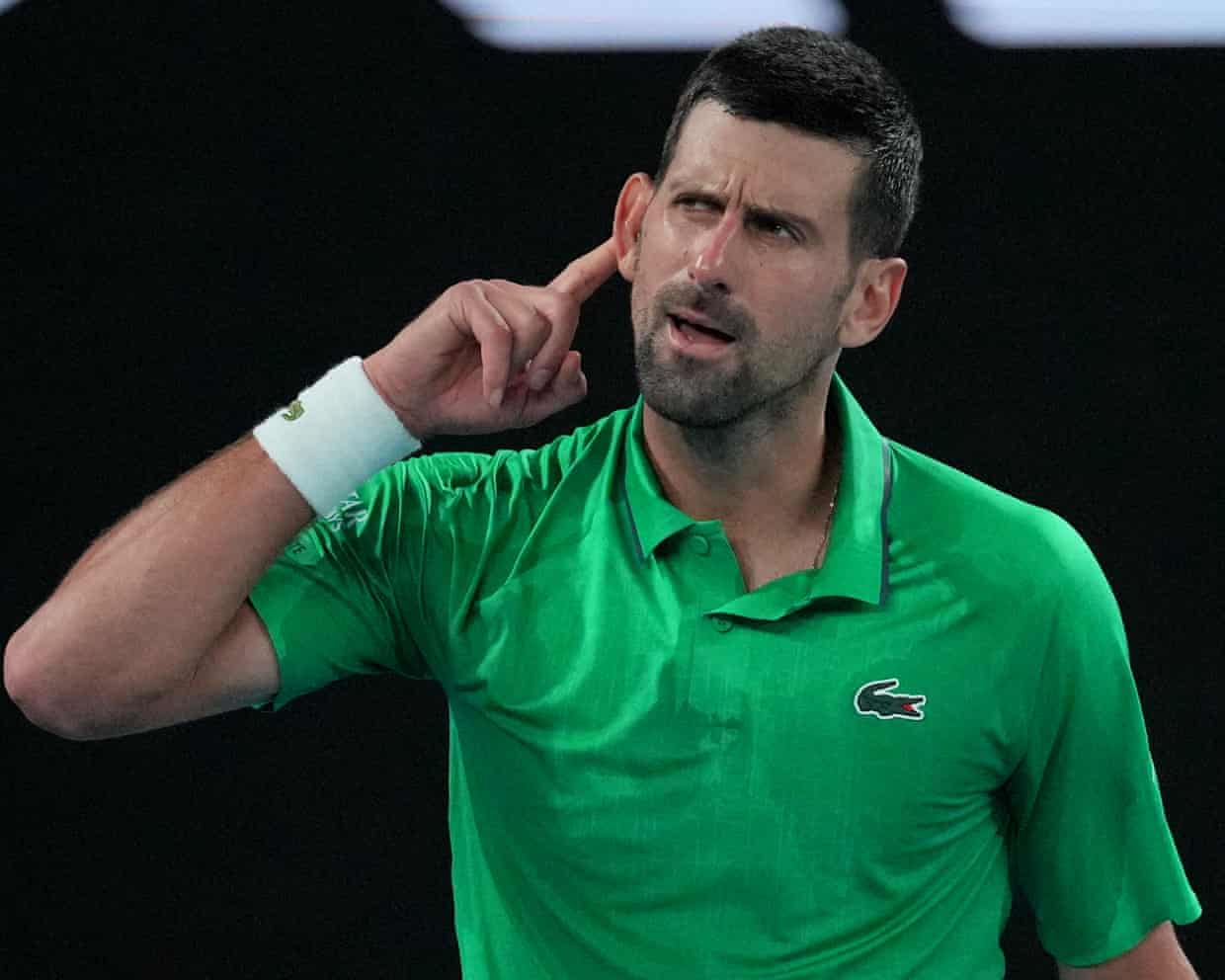
‘Calm down, you jerk’: Djokovic admits to losing cool in Australian Open battle
Novak Djokovic chalked up his 400th grand slam victory with a 6-3, 6-4, 7-6(4) defeat of Botic van de Zandschulp to reach the fourth round on Saturday, but the Serb was fortunate not to receive a code violation after losing his cool.An incident in the second set might have proved very costly, with Djokovic carelessly sending a ball flying close to the head of a ball girl at the net.The 38-year-old was disqualified from the US Open in 2020 after hitting a line judge with a ball struck in annoyance, while there have been several other instances where he has risked the same outcome.Men's singles(1) Carlos Alcaraz v Tommy Paul (19)(10) Alexander Bublik v Alex de Minaur (6)(3) Alexander Zverev v Francisco Cerundolo (18)(11) Daniil Medvedev v Learner Tien (25)(5) Lorenzo Musetti v Taylor Fritz (9)(16) Jakub Mensik v Novak Djokovic (4)(8) Ben Shelton v Casper Ruud (12)(22) Luciano Darderi v Jannik Sinner (2)Women's singles(1) Aryna Sabalenka v Victoria Mboko (17)Yulia Putintseva v Iva Jovic (29)(3) Coco Gauff v Karolina Muchova (19)(12) Elina Svitolina v Mirra Andreeva (8)(6) Jessica Pegula v Madison Keys (9)Wang Xinyu v Amanda Anisimova (4)(5) Elena Rybakina v Elise Mertens (21)Madison Inglis v Iga Swiatek (2)Sunday's order of play (singles only)Rod Laver ArenaDay: Sabalenka v Mboko, Alcaraz v PaulNight: Bublik v De Minaur, Svitolina v AndreevaMargaret Court ArenaDay: Gauff v Muchova, Medvedev v TienJohn Cain ArenaDay: Putintsteva v Jovic, Zverev v CerundoloDjokovic held his hands up, saying: “I apologise for that. That was not necessary and in the heat of the moment
Is the supreme court ready to stand up to Trump over Federal Reserve attack?
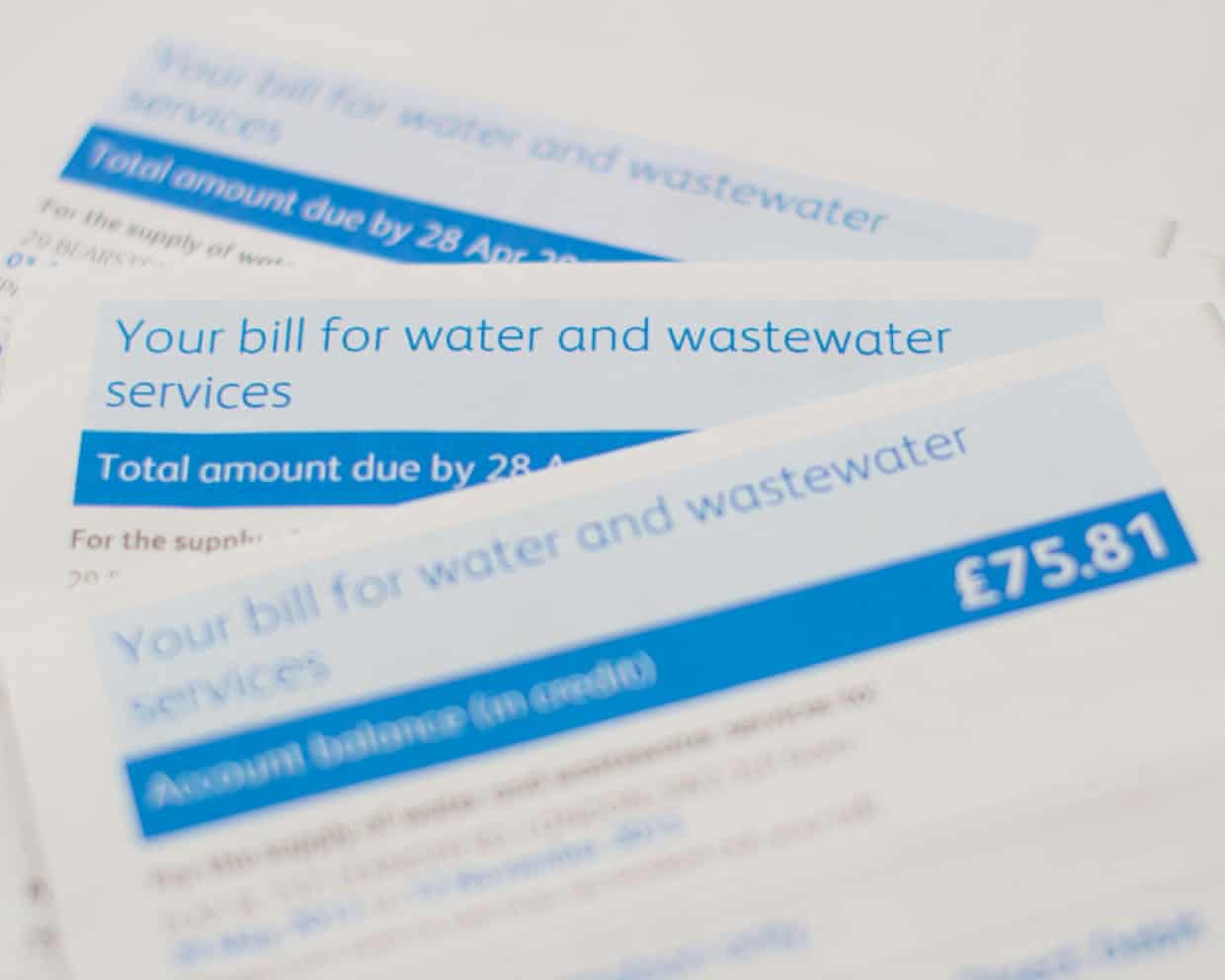
Customer complaints over water bills surge by 50% in England and Wales

Latest ChatGPT model uses Elon Musk’s Grokipedia as source, tests reveal
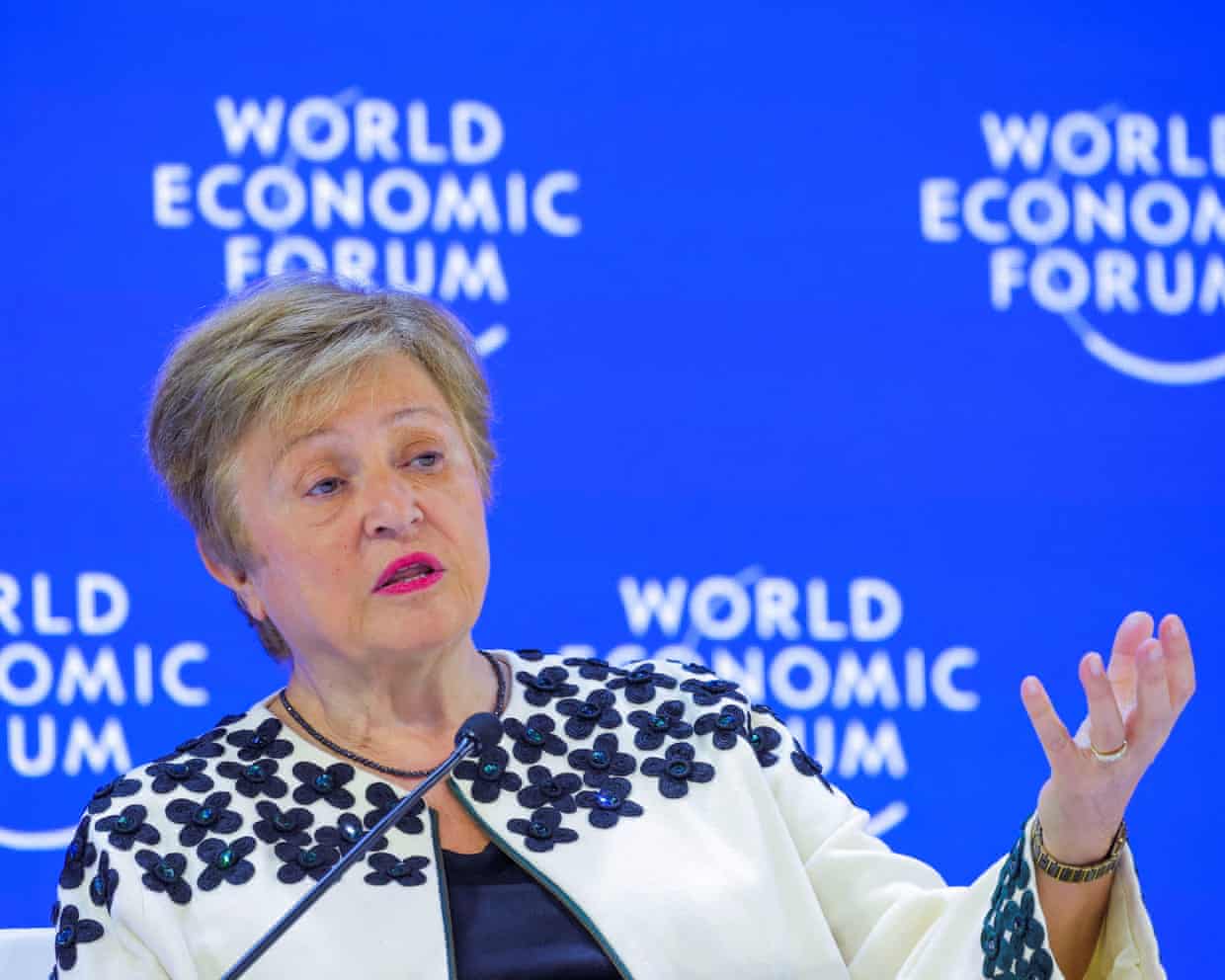
Young will suffer most when AI ‘tsunami’ hits jobs, says head of IMF
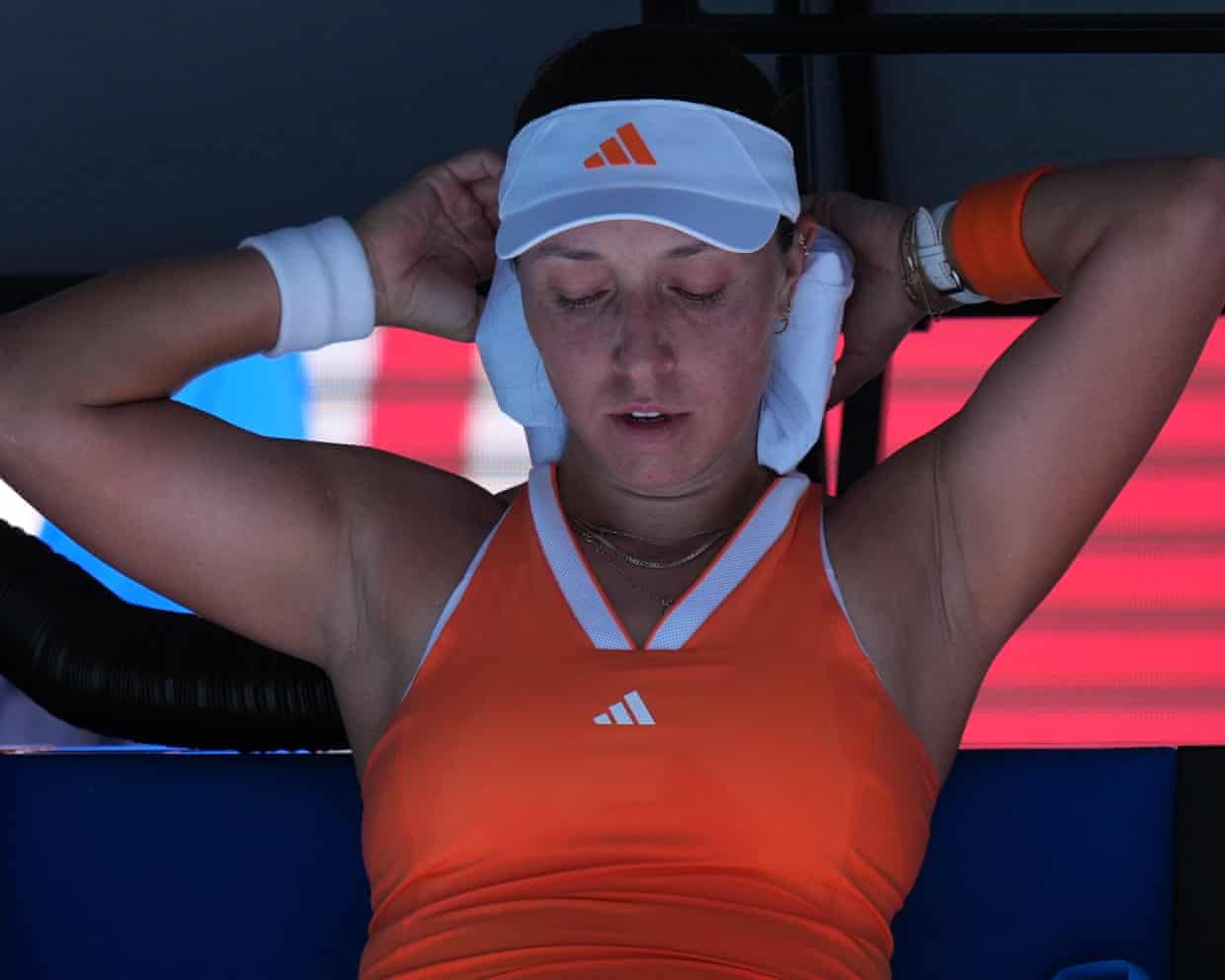
‘I feel like I’ll never be cold again’: How tennis stars coped with Melbourne heat | Tumaini Carayol
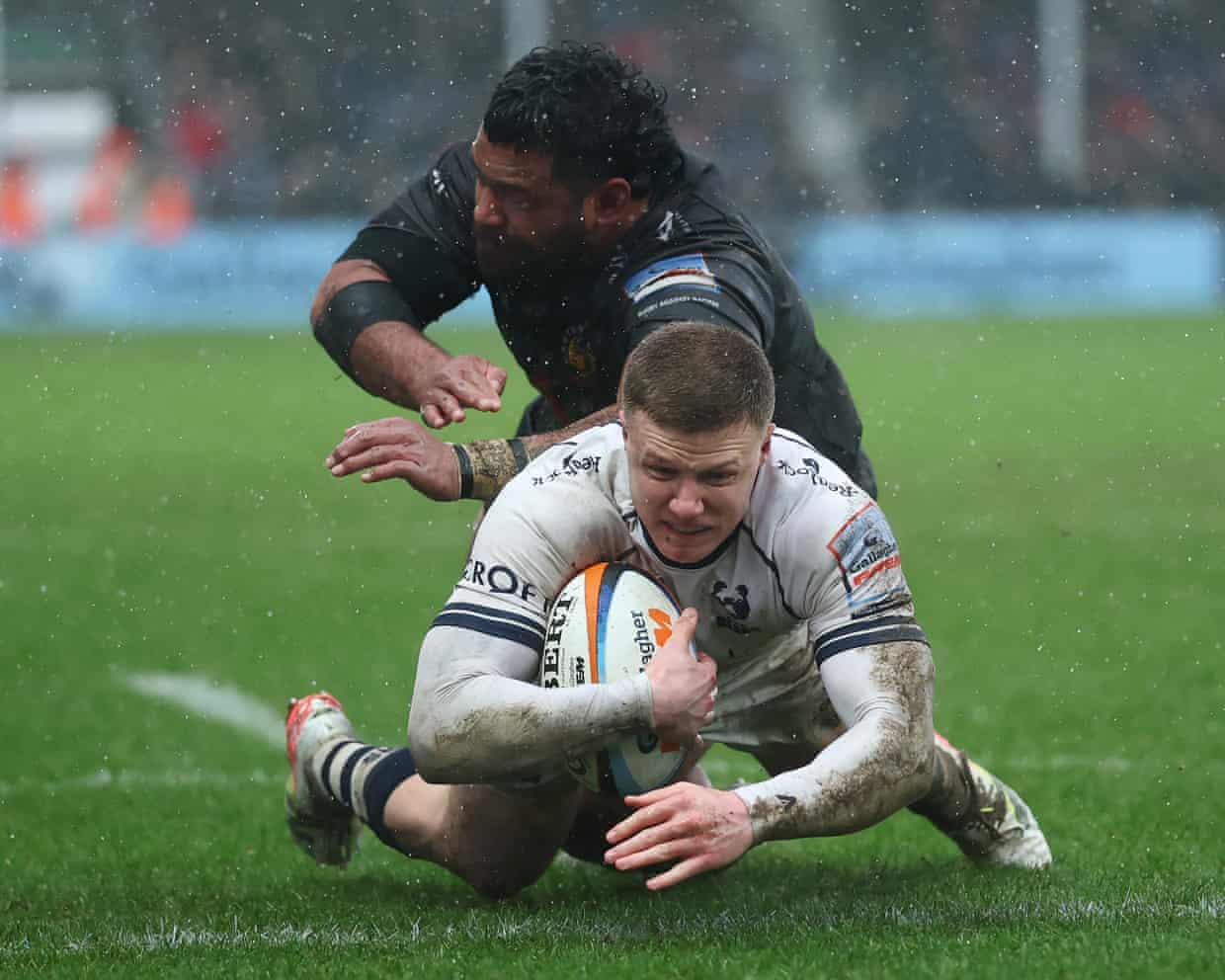
Heward earns win for Bristol against Exeter with rain stopping open play