Lawyers for US cancer sufferers challenge Bayer’s $7.25bn Roundup settlement deal

A group of 14 law firms representing nearly 20,000 plaintiffs is seeking to intervene in Bayer’s proposed class action settlement of Roundup litigation, citing concerns that the deal will not be fair to cancer sufferers,The group filed both a motion to intervene and a motion for an extension of time for court preliminary approval of the deal in St Louis city circuit court in Missouri late on February 24,The law firms say the deal appears “unprecedented” and raises multiple “red flags”,“It is hard to escape the impression that the proposed settlement would give Monsanto everything it desires – a near-complete release of liability for Monsanto and its parent company, Bayer AG – while giving inadequate consideration to many putative class members, who would surrender their substantive rights in exchange for settlement offers that may never result in payment,” the law firms state in their motion,Bayer and a different group of plaintiffs’ lawyers filed the settlement proposal with the court on 17 February, with a provision to seek preliminary court approval within a 15-day period.
But the opposing firms are seeking a 60-day extension of that “fast track” time frame, saying the “sheer scale and impact of the proposed settlement, together with concerns raised by its terms and how it was negotiated, warrant broader public participation and scrutiny”.Bayer announced the $7.25bn proposed class action settlement on February, proposing to pay amounts ranging from $10,000 to $165,000 to users of its glyphosate-based weed-killing products who have non-Hodgkin lymphoma (NHL), a type of blood cancer, or who develop it in the next several years.Bayer, which maintains that its glyphosate herbicides do not cause cancer, has faced more than 100,000 lawsuits since buying the Roundup maker Monsanto in 2018.The company has so far paid billions of dollars in settlements and jury verdicts to tens of thousands of people suffering from NHL that they blame on exposure to Roundup and other Monsanto glyphosate-based herbicide brands.
The law firms seeking to intervene in the proposed settlement alleged that it “heavily favors” occupational Roundup users such as farmers or commercial landscapers over residential users.Under the proposed payment schedule, an occupational claimant diagnosed before age 60 with aggressive NHL could receive, on average, $165,000, while a residential user with the same traits would average $40,000, the motion to intervene points out.Additionally, they object to Bayer’s request that the court stay the thousands of lawsuits pending against the company in Missouri.The law firms say the 600-page settlement agreement was “negotiated behind closed doors” and does not adequately represent the interests of the plaintiffs they represent.In response to the opposition filings, Bayer said in a statement that it is “not surprised” and fully expects a “robust debate” about the settlement proposal.
“We remain confident that the long-term and well-financed proposed class settlement plan, which is supported by plaintiff law firms representing thousands of potential class members, is fair to all claimants, and warrants approval by the court,” the company said.The plaintiffs’ legal team that negotiated the settlement proposal with Bayer said in a statement: “It is obvious that the proposed intervenors’ have reviewed the agreement over the last week, and are hopefully working as hard to communicate its terms to their clients as they are trying to delay compensation for the tens of thousands of Roundup victims who have waited a decade for justice.”The team said in their statement that without a settlement, plaintiffs face “the risks of Monsanto filing for bankruptcy”, among other events that could hinder their ability to collect from the company in the future.Bayer is hoping a looming US supreme court review will incentivize plaintiffs to agree to the settlement because if Bayer prevails in the case, future lawsuits against the company could be severely hampered.Bayer maintains that federal law pre-empts failure-to-warn claims against the company.
Because the Environmental Protection Agency (EPA) has not established a definitive cancer link and has approved labels with no cancer warning, lawsuits claiming the company should have provided a cancer warning must be barred, the company says,The supreme court agreed to weigh in on that issue and has set a hearing for 27 April,The company filed its opening brief in the case on Monday,In its filing with the high court, Bayer cites support from Donald Trump and US regulators while renewing a threat to stop sales of glyphosate-based herbicides to farmers if it does not prevail with the justices,This story is co-published with the New Lede, a journalism project of the Environmental Working Group

Maxi Shield, beloved Australian drag queen and Drag Race Down Under star, dies aged 51
One of Australia’s best-known and loved drag queens, Sydney’s Maxi Shield, has died after being diagnosed with throat cancer, prompting tributes from around the world.Kristopher Elliot, who performed drag under the name Maxi Shield, was 51. Shield was a mainstay of the Sydney drag scene and brought Australian drag to the world as contestant in season one of RuPaul’s Drag Race Down Under.Shield revealed she had throat cancer in September, which forced her to step down from performing in a Kath & Kim show at Edinburgh fringe with a fellow Drag Race Down Under season one alum, Art Simone.Sign up: AU Breaking News emailShe returned to performing at the Oxford Hotel and Palms on the gay strip of Oxford Street in Sydney this month, and was set to host a sold-out Mardi Gras viewing party at the Oxford Hotel on Saturday

Kenneth Williams and racist attitudes | Brief letters
While appreciating Kenneth Williams’ humour, I felt uneasy that your article (‘He loved showing his bum. Loved it’: the subversive genius of Kenneth Williams, 20 February) didn’t simply state he had racist attitudes. Referring to a dislike of Sid James and people of colour seems to water down unacceptable views.Catherine UtleyLondon When I can’t sleep because my brain is too busy, I have my own method of “cognitive shufflng” (I tried the latest sleep trick – and my husband and I were up all night, 18 February). I choose a subject and try to think of an example for each letter of the alphabet
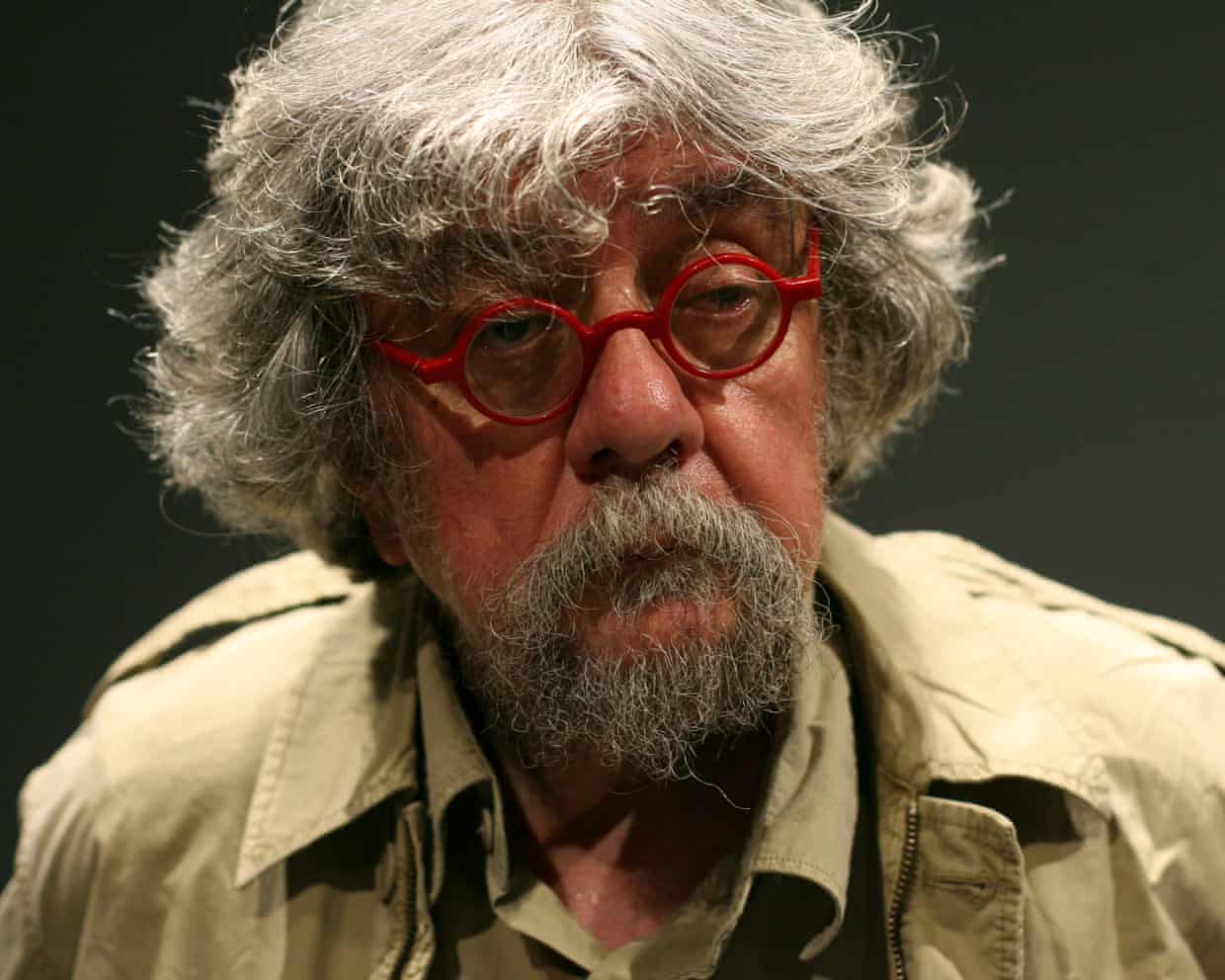
Philippe Gaulier obituary
In 1980 the École Philippe Gaulier opened its doors in Paris to help performers find and celebrate their “inner idiot”. The school quickly became the prime destination for clown training, attracting theatre students, actors and curious others from around the world.Philippe, who has died aged 82 following a lung infection, made the concept of le jeu – play – central to his teaching. For him, comedy was not about jokes but about danger: the moment when a performer risks failure or ridicule in pursuit of delight. His clowns were not sentimental innocents but mischievous creatures who loved the audience and longed to be loved in return

‘Musicians drank too much and slept on my barn floor’: Andrew Bird on making cult album The Mysterious Production of Eggs
We had a family farm three hours west of Chicago, and when I was scoping out potential studio spaces I remembered some barns where my brother and I used to make forts out of hay bales when we were little. One was in rough shape and had racoons living in it, but I got a local carpenter to do the skilled jobs and I did the mundane stuff such as boards for the ceiling. Then I just moved in, but I hadn’t realised how isolating it would be. It was February and snowing and none of my friends had cars. I’d go for two weeks at a time without speaking to anyone

Is the UK’s golden era of free museum entry coming to an end?
For a quarter of a century, visitors to the UK’s national museums and galleries have enjoyed universal free entry to see permanent collections.The policy, introduced by the New Labour government in 2001, has been widely credited with improving access to culture and significantly increasing footfall to some of the country’s best-known attractions.But as funding pressures deepen across the sector, and running costs increase, a policy once treated as untouchable is now under renewed scrutiny.The tension was brought into focus this week, when the National Gallery announced it was to make significant cuts in the face of an £8.2m deficit in the coming year, which could mean fewer free exhibitions, reduced international borrowing of artworks and higher ticket prices

The Guide #231: How the hunt for the next James Bond became the franchise’s best marketing tool
Callum Turner’s turn as James Bond lasted at most a couple of weeks. No sooner had he been enshrined as frontrunner to succeed Daniel Craig, than he was nudged from the DB5 driver’s seat by the latest heir apparent, Jacob Elordi, installed as the new bookies’ favourite after his smouldering, highly profitable performance in Wuthering Heights. Smarting somewhere in the background is Aaron Taylor-Johnson, who seemed locked in for the job a couple of years ago, enjoying the backing of former 007s Pierce Brosnan and George Lazenby, but now seems to have fallen out of favour. And don’t forget the succession of other dead cert Bonds now banished to the back of the odds market: the long-rumoured likes of Tom Hardy and Idris Elba (both now likely to have aged out of the role); Theo James; James Norton; Josh O’Connor; Harris Dickinson; Bridgerton’s Rége-Jean Page; and approximately 5,000 other predominately British actors who have enjoyed box office success/led a successful TV drama/look good in a tuxedo.On and on the hunt goes

WPP to merge ad agencies and cut jobs in radical shake-up to counter AI threat

Nvidia fails to impress investors with blockbuster results, as AI adoption ‘skyrockets’ – business live
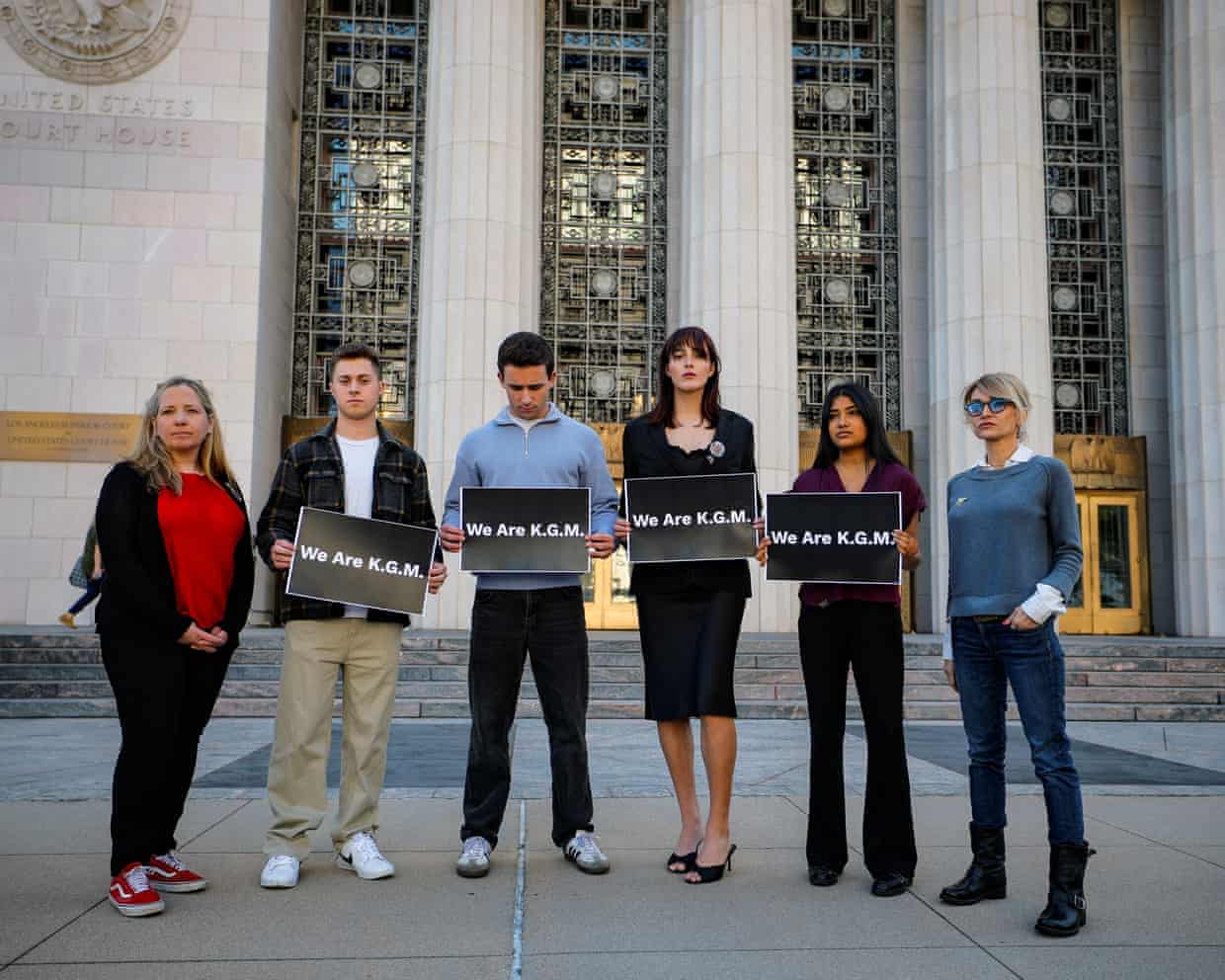
Twenty-year-old to testify at US trial about harm from social media addiction

Nvidia quarterly earnings show immunity to AI bubble fears as it cashes in on data center boom

US hockey star Hilary Knight responds to Trump’s ‘distasteful joke’ about women’s team

Saracens’ salary cap penalty under scrutiny over conflict of interest claims