UK shelves £110m frictionless post-Brexit trade border project
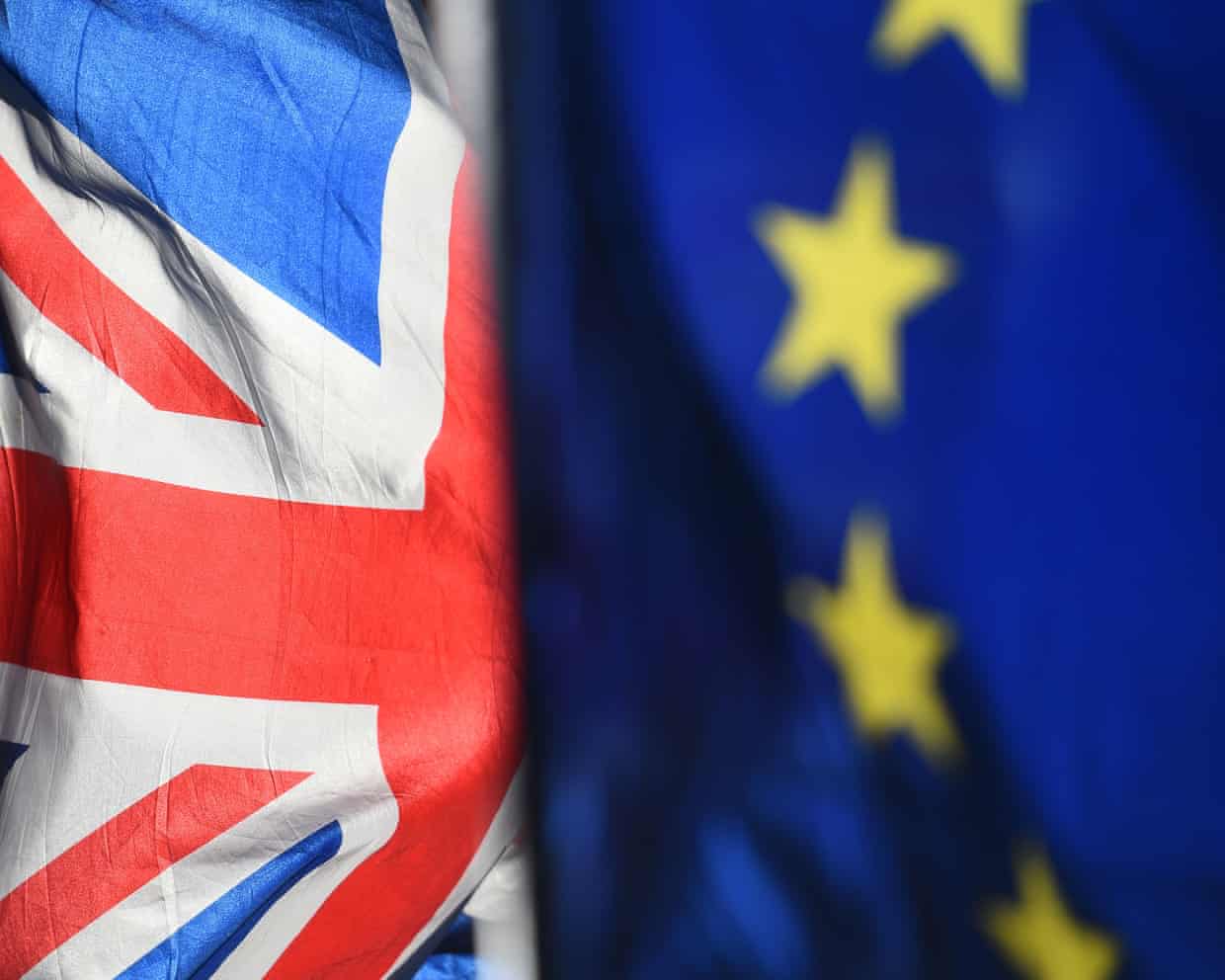
The UK government has shelved a project to simplify trade border processes post-Brexit after spending £110m on a contract with Deloitte and IBM for it, according to reports.The last Conservative government promised in 2020 to create the “world’s most effective border” by 2025 as part of its plan for a new trade system after Britain left the EU.The government hoped a “single trade window” (STW) would simplify border processes by creating a single digital platform in which importers and exporters could upload all documentation linked to goods before they are transported.However, the STW project was paused in 2024 amid concerns over costs.Government responses to freedom of information requests submitted by the thinktank TaxWatch, seen by the Financial Times, now suggest no money has been spent on the project since January last year, with the Treasury writing that the programme had been “brought to an early closure”.
A series of delays have hindered post-Brexit border arrangements,The National Audit Office estimated that the government spent at least £4,7bn on post-Brexit border controls in 2024,The TaxWatch director, Mike Lewis, told the FT: “For all intents and purposes the single trade window has been cancelled without HMRC or Deloitte and IBM having delivered anything after spending over £110m on it,But neither HMRC nor ministers appear to wish to admit this.
”The government said while the “delivery” of the STW had been paused for the 2025-26 financial year, “policy development” continued,There is still, however, no definitive timeframe for its implementation,While the STW was promised by the former Conservative government, Keir Starmer’s Labour government had also promised to deliver the project,A trade strategy policy document published last year said “it remains the government’s intention to deliver a single trade window”, and that it was “committed to minimising administrative burdens and frictions experienced by businesses trading internationally”,Starmer has promised closer alignment on trade with the EU as part of the “reset” deal announced last May, which is designed to remove the need for border checks and health certificates.
However, any deal on food standards and animal welfare, known as a sanitary and phytosanitary agreement, is currently being negotiated between the UK and the EU and may not be implemented until 2027,A government spokesperson said: “We remain committed to delivering a single trade window, recognising its potential benefits to trade, as set out in the trade strategy published in June last year,Policy development is ongoing and focused on designing a service that delivers genuine value to businesses and strengthens the UK’s border system,”The news comes almost a decade after the Brexit vote in the 2016 referendum,Under the agreement negotiated by Boris Johnson’s government, the UK has tariff-free trade with the EU.
However, access is limited by rules and restrictions, and is still far away from the UK’s previous membership of the single market and customs union.Goods exports have been particularly affected, with volumes falling dramatically after the end of the Brexit transition period in January 2021.In 2024, goods exports from the UK to the EU were 18% below their 2019 level in real terms.Deloitte declined to comment.IBM was approached for comment.
England’s slow-burn T20 World Cup heads for Super 8s with campaign yet to ignite
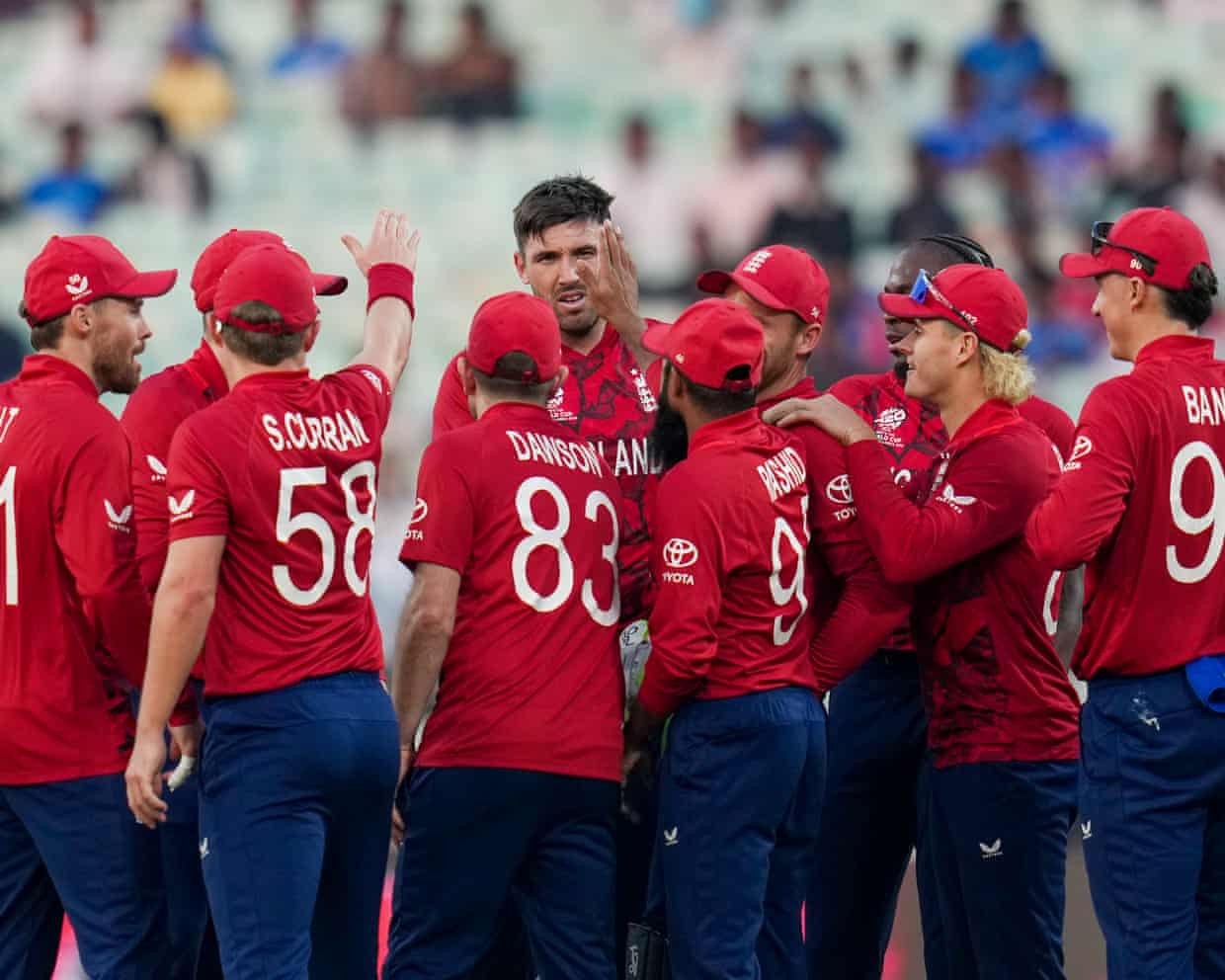
If there was one thing the players of England and Italy agreed on at the end of a hugely entertaining and, from an English perspective, frequently concerning match at Kolkata’s Eden Gardens, it was that the situation favoured their opponents.England felt the Italians, unburdened by expectation, enjoyed a free hit. “It’s not an easy game, because all the pressure is on us,” said Jamie Overton. “It’s not easy for them either, but they can go and show what they can do.”Meanwhile Italy felt the English, with their greater tournament experience, always held the upper hand
Russian woman carried Ukraine team placard at Winter Olympics opening ceremony
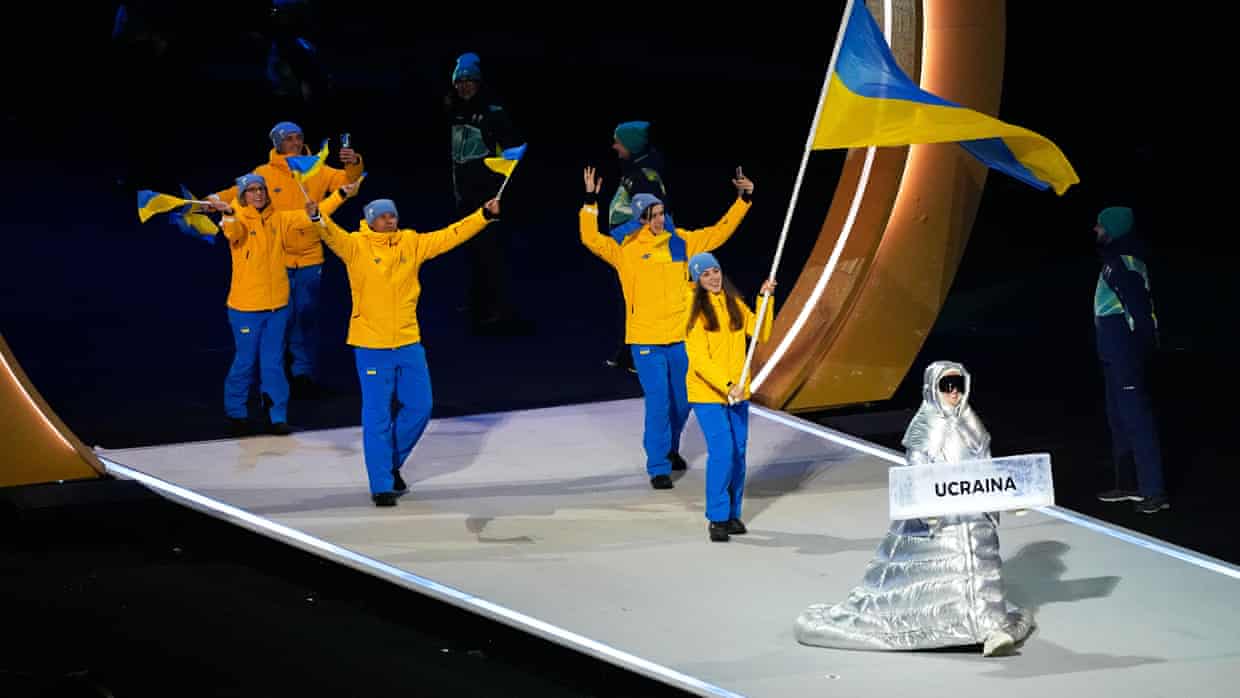
The woman who carried the Ukrainian team placard at the Winter Olympics opening ceremony was a Russian living in Milan, who chose to perform a small act of resistance to show her support for Ukraine.Anastasia Kucherova, an architect who has been living in Milan for 14 years, was unrecognisable in a hooded silver puffer coat, with her eyes also covered with dark glasses.However she has since revealed that she was the volunteer who led the five Ukrainian athletes competing in Milan into San Siro to her 879 Instagram followers and in an interview with the Associated Press.“When you walk by the side of these people you realise they have every human right to feel hatred towards any Russian,’’ she told the AP. “Still, I think it’s important to do even a small action to show them that maybe not all the people are thinking the same way
Winter Olympics briefing: Swiss stranglehold on skiing shows no sign of loosening
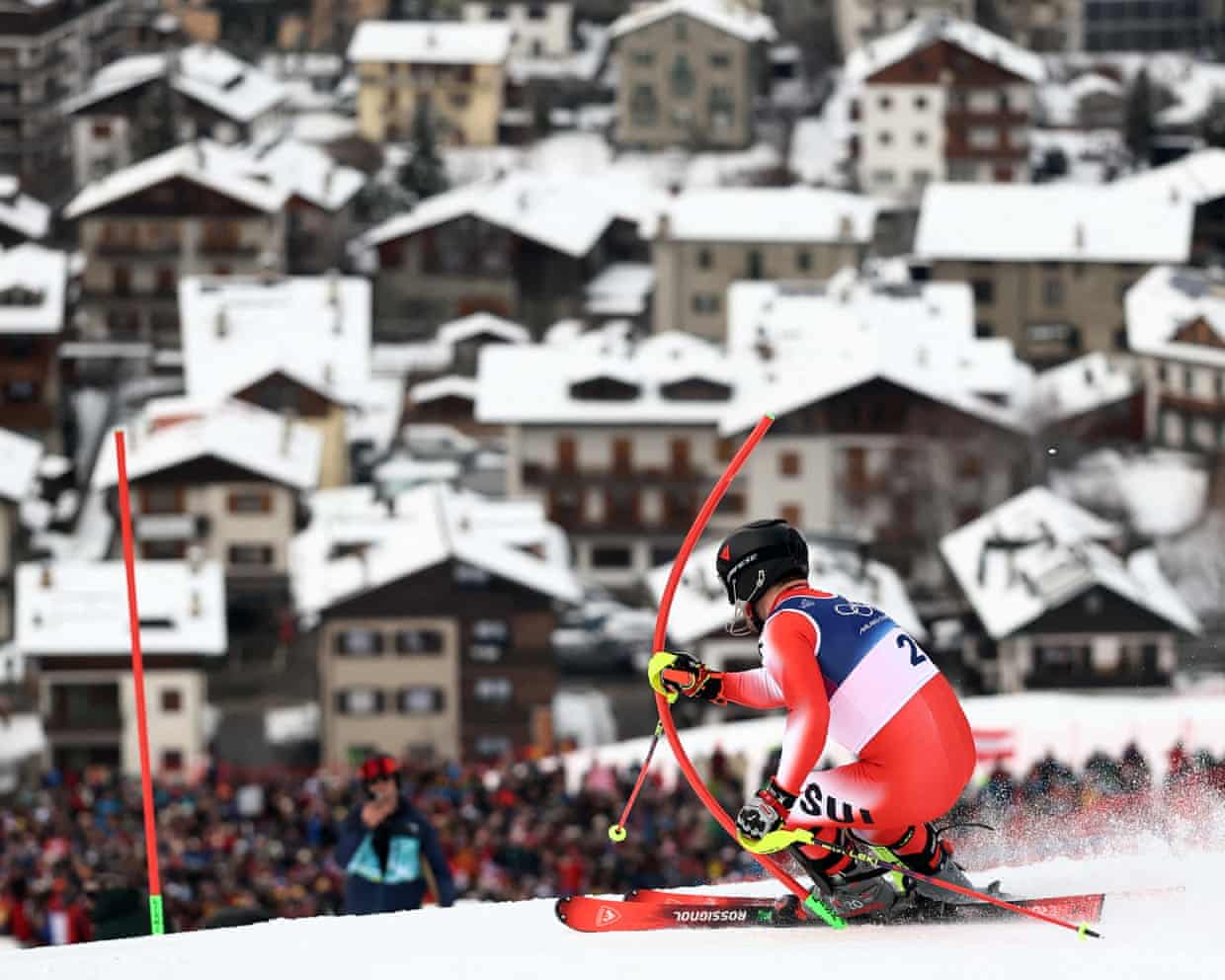
Switzerland’s men have dominated the ski slopes of Milano Cortina. Not since the super-G and the team combined were added to the Olympic programme in 1988 has one country won four of the five events – a feat achieved with Loïc Meillard’s victory in the slalom on Monday. Only Brazil managed to stop them in these Games.Franjo von Allmen has been their undisputed star, heading home with three golds in his hand luggage. After winning the downhill on the opening weekend, he was given a helping hand by Tanguy Nef’s scintillating slalom run as they won the team combined
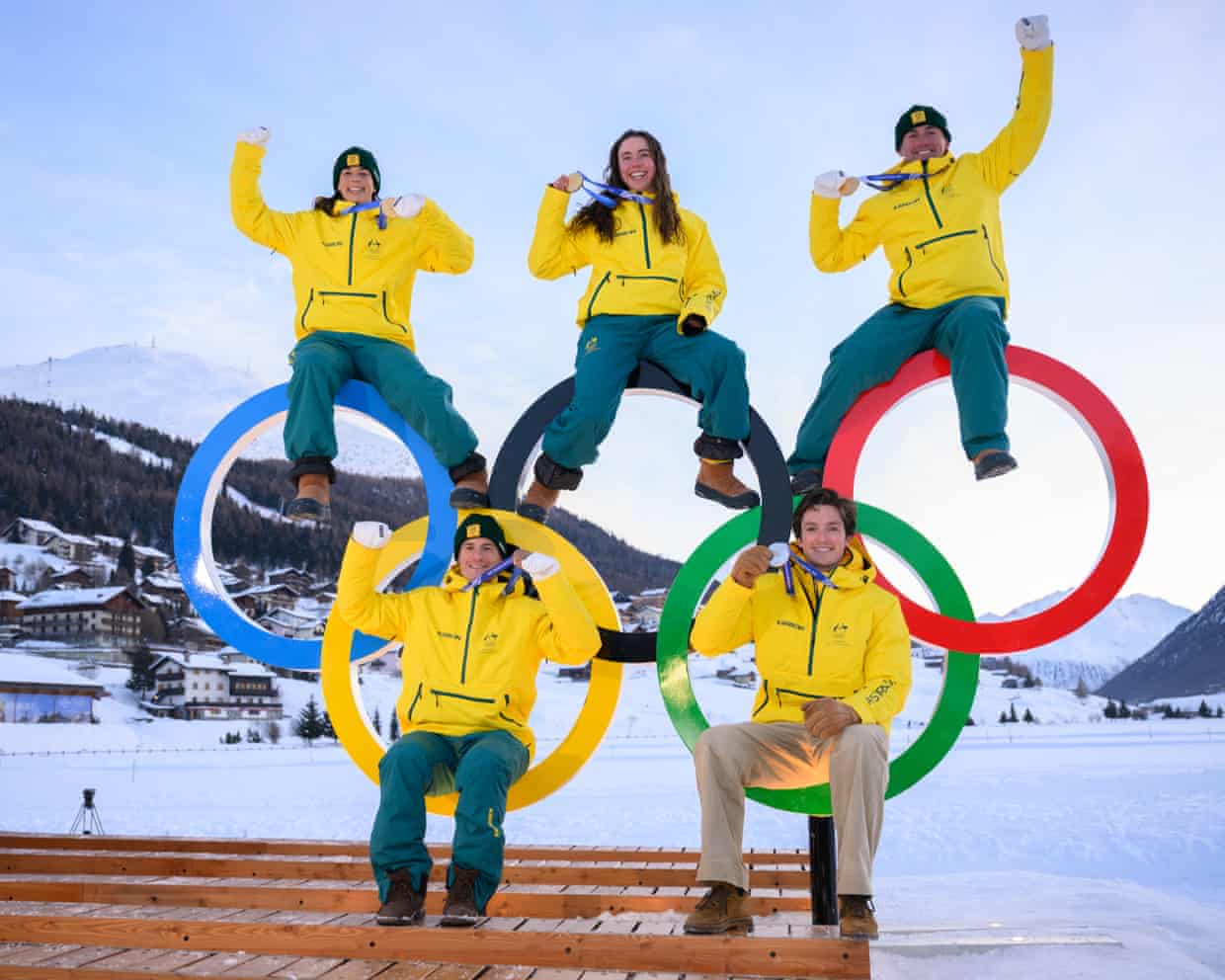
How did Australia – better known for its beaches than snow – become a consistent Winter Olympics performer? | Kieran Pender
In 1936, Kenneth Kennedy made history as Australia’s first Winter Olympian. It was a lonely enterprise; not only was Kennedy the nation’s sole representative at the Games in Germany, but the speed skater was entirely unsupported, with no staff or Australian Olympic officials in attendance.From those inauspicious beginnings, almost six decades would pass before Australia won its first Winter Olympic medal; bronze in the men’s 5000m speed skating relay (Steven Bradbury – later to become Australia’s most famous Winter Olympian – was a member of the team). But from famine, now a hearty Winter Olympics meal awaits Australians every four years – if perhaps not yet a medal feast.Australia has won medals at every Winter Games since that bronze in 1994
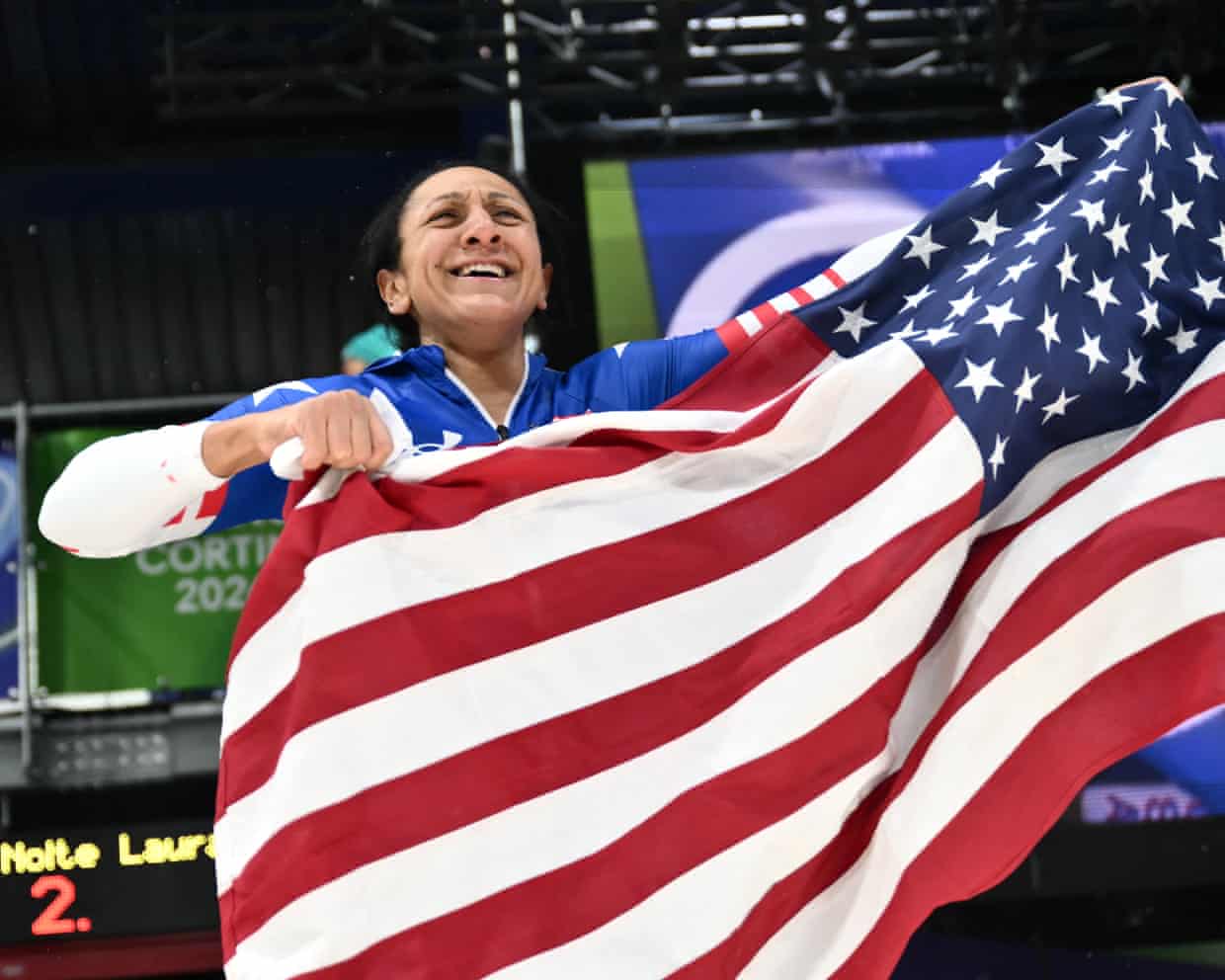
Winter Olympics 2026: Elana Meyers Taylor wins monobob gold for USA; Canada’s Oldham lands freeski big air crown – as it happened
That’s it from us for today. Lots happening tomorrow though: the qualifiers begin for the aerials, which is always spectacular, as will be the snowboard slopestyle final. There are medals in biathlon and in Nordic combined, for the fans of serrated skis. There’ll be team pursuit medals in the speed skating, the men’s big air final for skis, the short program for the women’s single figure skating, the two-man bobsleigh medals, and more curling than you can slide a rock at. See you there
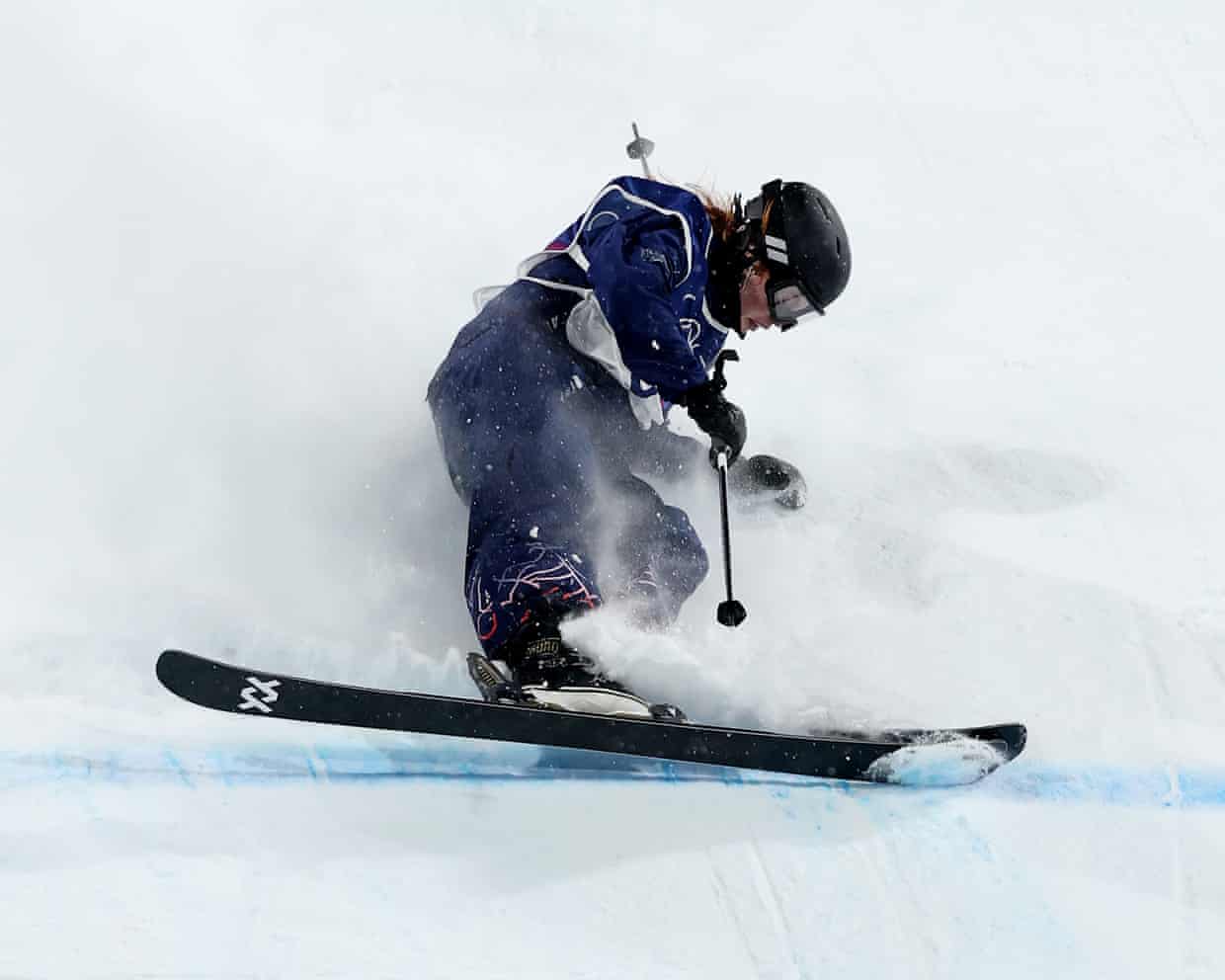
Muir fourth again after agonising tumble as Oldham wins big air gold for Canada
This time, Kirsty Muir must surely have believed that a Winter Olympic medal was in her grasp. But as a thrilling big air competition reached its denouement, an Italian with no anterior cruciate ligament in her right knee came down a 180‑feet ramp and drove a stake through the Briton’s heart.It all looked so promising when the 21-year-old from Aberdeen landed a stunning left double 1620, with four and a half rotations, to move into the medal positions after two of the three rounds. However, with just four jumps of the competition remaining, Flora Tabanelli, who tore her ACL in November, did the same trick as Muir but only better to score 94.25 points to steal the bronze medal

The Southbank Centre is striking, polarising and now protected | Letters
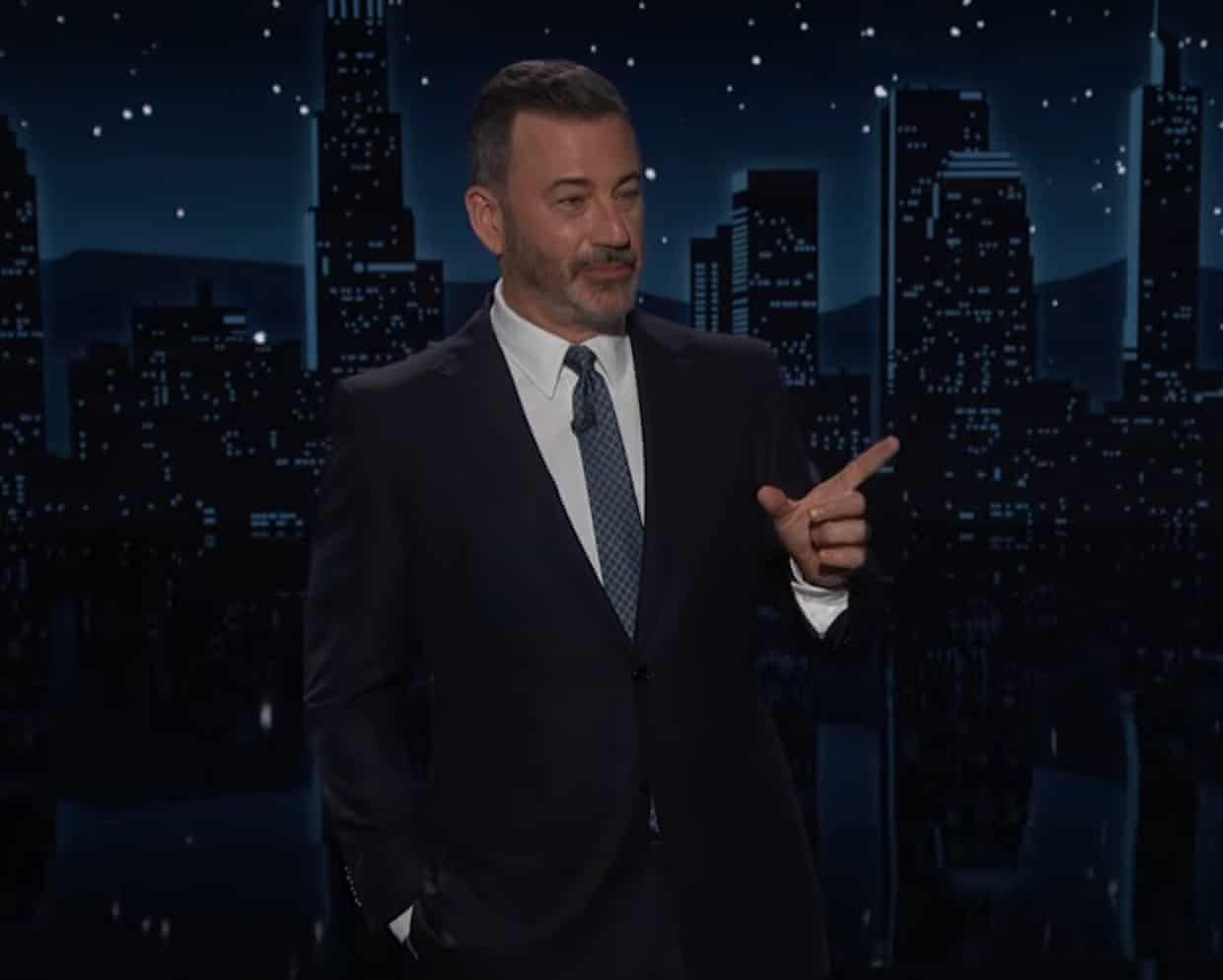
Jimmy Kimmel on Maga: ‘It’s such a delicate balance between stupid and evil’
Jimmy Kimmel on the US justice department’s handling of the Epstein files: ‘A brazen cover-up’
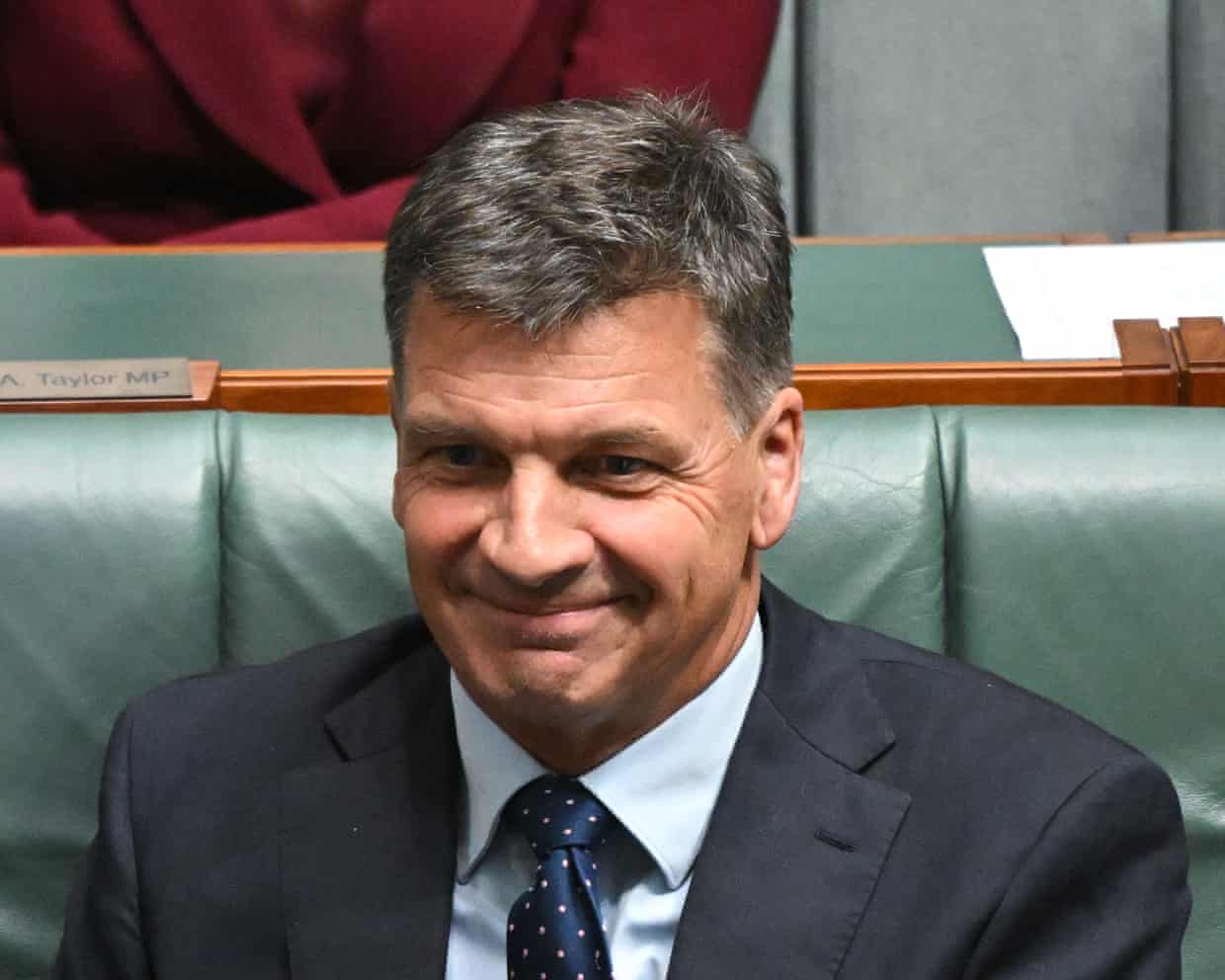
Fantastic. Great move. Well done Angus: the story of one of Australia’s favourite political memes

Comedians pick on me for my loud laugh – but nothing will make me stop | Jane Howard
Jimmy Kimmel on Trump: ‘A code orange de-mental emergency going on here right now’