Declines in health and education in poor countries ‘harming earning potential’
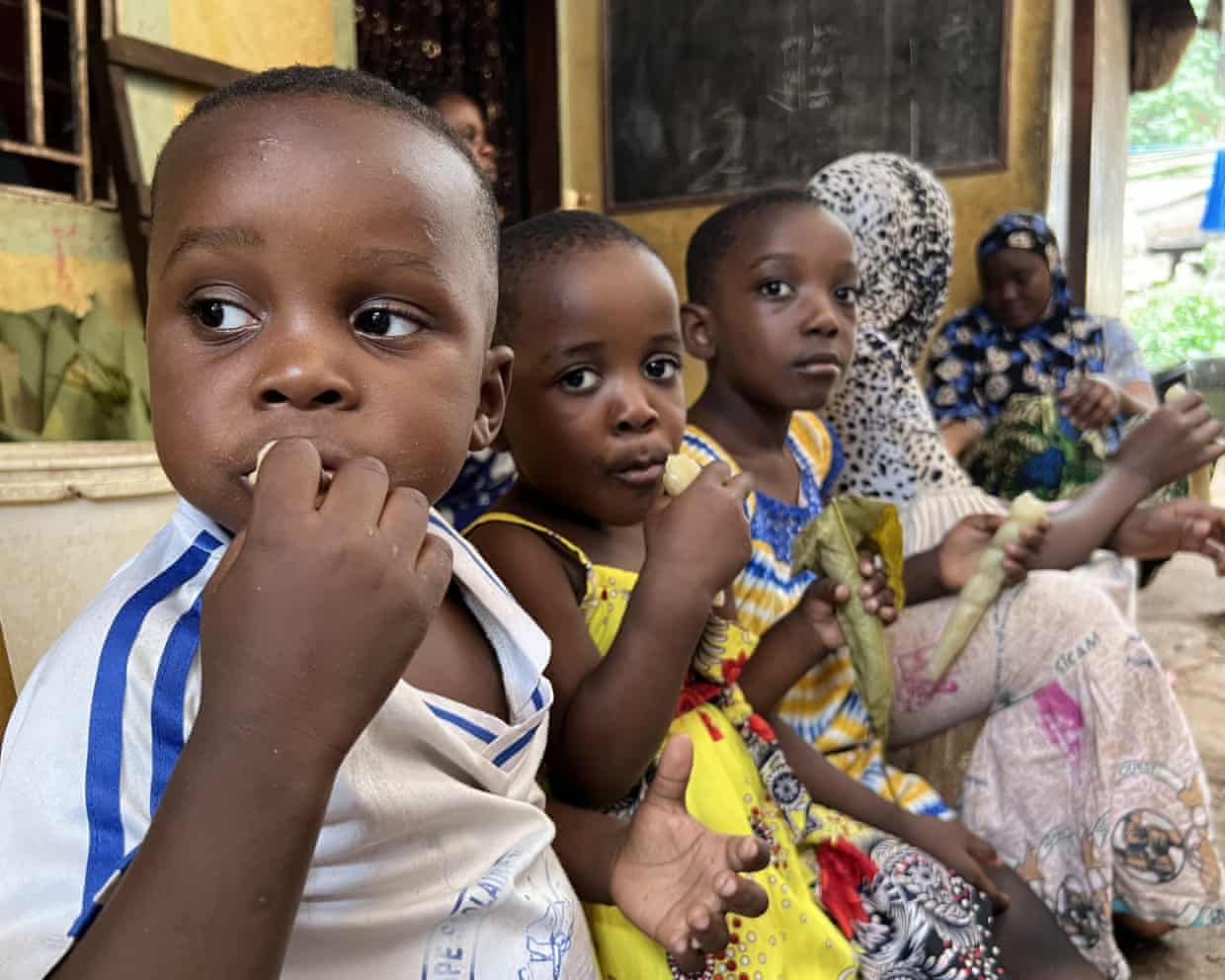
Deteriorating health, education and training in many developing countries is dramatically depressing the future earnings of children born today, the World Bank has said.In a report, the World Bank urges policymakers to focus on improving outcomes in three settings: homes, neighbourhoods and workplaces.The report, Building Human Capital Where it Matters, finds that in 86 of 129 low- and middle-income countries health, education, or workplace learning declined between 2010 and 2025.Analysing the links with earnings, the World Bank says children born today in low- and middle-income countries could earn 51% more through their lifetime if their country’s human capital matched that of the best-performing nations at similar income levels.Mamta Murthi, its vice-president for people, said: “The prosperity of low- and middle-income countries depends on their ability to build and protect human capital.
Right now, we see that many countries are struggling to improve nutrition, learning and skills of their current and future workforce, which raises concerns about labour productivity and the types of jobs their economies can sustain in the future.”Evidence of this troubling deterioration includes the fact that in several sub-Saharan African countries, the average adult is shorter today than 25 years ago, pointing to a deterioration in underlying health.Meanwhile, children across low- and middle-income countries are achieving lower learning outcomes than 15 years ago, the World Bank says, with the worst decline in sub-Saharan Africa.The 140-page analysis draws on recent research to tease out a range of factors that affected human capital, from stunting in childhood due to malnutrition to the presence of criminal gangs in local neighbourhoods.In the home, it points to research showing that the quality of care families are able to provide has long-lasting effects.
The World Bank references the millions of children in China being cared for by relatives while their parents move away to seek work and cites research showing that “these left-behind children live in homes with higher household income, but they do worse on tests of mathematics and language and exhibit higher levels of depression”.The prevalence of crime in neighbourhoods also matters, it finds.The report cites research showing that “in San Salvador, people living in gang-controlled neighbourhoods had fewer assets, less income and lower educational attainment even relative to people living only 50 metres away”.In the workplace – another setting where the Bank says human capital should be built up, through training and experience – the report points out that 40% of women in low- and middle-income countries are not in employment at all.And for those people in the workplace, as many as 70% in low- and middle-income countries are in “small-scale agriculture, low-quality self-employment, or microfirms”, which generally offer “limited formal training and few on-the-job learning opportunities”.
The report recommends a wide range of policies to tackle these shortfalls, from parenting support to providing clean water to creating incentives to encourage apprenticeships.And it suggests countries at similar income levels can vary significantly in human capital – highlighting Jamaica, Kenya, Kyrgyzstan and Vietnam as success stories.With the US administration sceptical about the value of international aid, the president of the World Bank, Ajay Banga, has reframed the Washington-based institution’s role, to focus on jobs and economic growth.

Jim Ratcliffe apologises for ‘choice of language’ after saying immigrants ‘colonising’ UK
Monaco-based billionaire Jim Ratcliffe faced implicit criticism from the football club he co-owns, after widespread condemnation of his claims that the UK is being “colonised” by immigrants.The Manchester United co-owner was forced to issue a heavily qualified apology on Thursday after citing inaccurate immigration statisticsin comments labelled hypocritical and reminiscent of “far-right narratives”. Following a day of censure from the prime minister, football fans, union leaders and anti-racism campaigners, Ratcliffe said he was sorry his “choice of language has offended some people in the UK and Europe”.Just hours after Ratcliffe’s apology, United took the extraordinary step of publicly asserting their “inclusive and welcoming”. In statement that did not name Ratcliffe but clearly referred to his claims that the UK is being “colonised” by immigrants, United affirmed their commitment to “equality, diversity and inclusion”, adding: “Our diverse group of players, staff and global community of supporters reflect the history and heritage of Manchester; a city that anyone can call home
To revive manufacturing we must first change attitudes towards labour | Letter
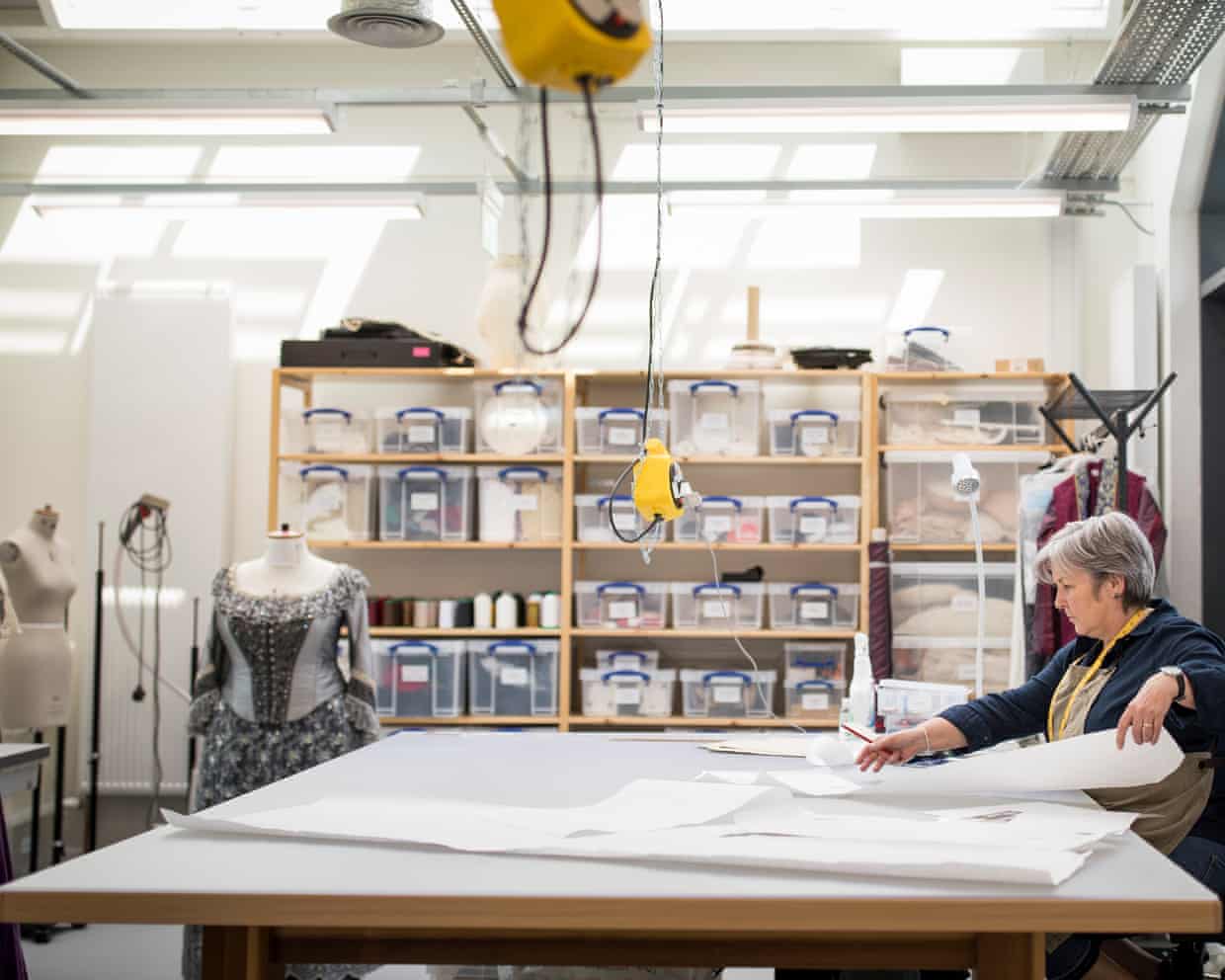
Re Larry Elliott’s article (How can Britain regain its manufacturing power?, 5 February), the basis for the revival of our manufacturing industry requires first a shift in attitude that brainwork is superior to manual labour.Changes to the curriculum are needed so that technically oriented students can pursue courses that are a first option rather than second best. Part of my training as a designer-pattern cutter involved a placement in a factory, an experience now rarely available to fashion students. In the 1980s, the government set up the Enterprise Allowance Scheme to encourage innovation, but there was no follow-on support to encourage production; successful entrepreneurs had to apply for personal loans from banks, limited to the value of their houses.I wanted to be part of a trade mission to Germany so I could follow up export inquiries, but I was told my business was too small

How to deal with the “Claude crash”: Relx should keep buying back shares, then buy more | Nils Pratley
As the FTSE 100 index bobs along close to all-time highs, it is easy to miss the quiet share price crash in one corner of the market. It’s got a name – the “Claude crash”, referencing the plug-in legal products added by the AI firm Anthropic to its Claude Cowork office assistant.This launch, or so you would think from the panicked stock market reaction in the past few weeks, marks the moment when the AI revolution rips chunks out of some of the UK’s biggest public companies – those in the dull but successful “data” game, including Relx, the London Stock Exchange Group, Experian, Sage and Informa.Relx, the former Reed Elsevier, whose brands include the Lancet and LexisNexis, is the most intriguing in that list. The company’s description of itself contains at least five words to provoke a yawn – “a global provider of information-based analytics and decision tools for professional and business customers” – but the pre-Claude share price was a thing of wonder

Share values of property services firms tumble over fears of AI disruption
Shares in commercial property services companies have tumbled, in the latest sell-off driven by fears over disruption from artificial intelligence.After steep declines on Wall Street, European stocks in the sector were hit on Thursday.The estate agent Savills’ shares fell 7.5% in London, while the serviced office provider International Workplace Group, which owns the Regus brand, lost 9%.The UK’s two biggest property developers, British Land and Landsec, dropped 2
Winter Olympics: Chloe Kim goes for gold in women’s snowboard halfpipe – live
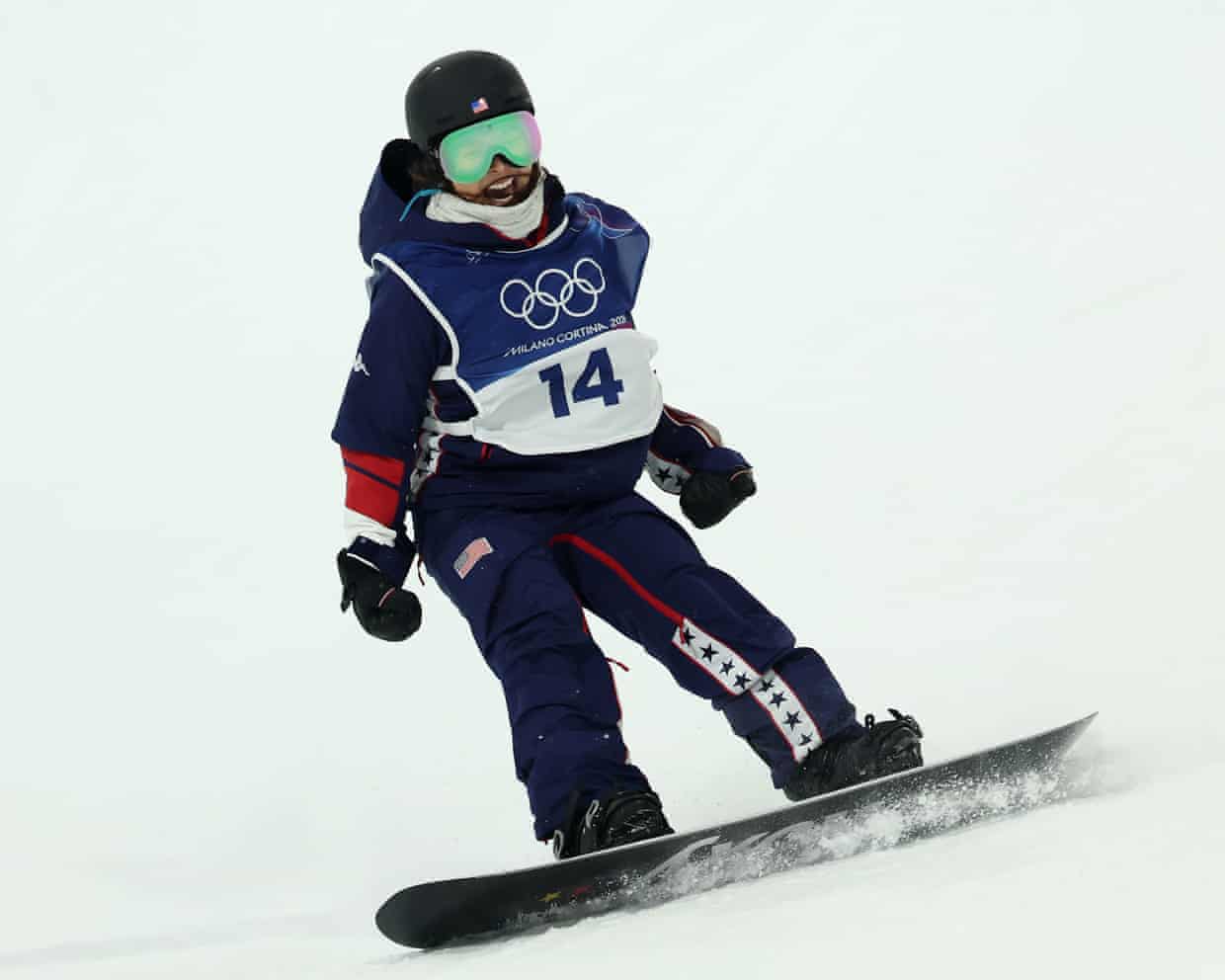
No! It’s only an 84.00? She’s fourth behind Ono. Sure, Ono’s run was very good, but … that’s a stunner.Last person to go. Here goes Chloe Kim …CURRENT PODIUM 90

Winter Olympics 2026: Ukrainian athlete kicked out over helmet tribute, Lollobrigida claims dramatic speed skating gold – live
Vladyslav Heraskevych has accused the International Olympic Committee of doing Russia’s propaganda for them after he was barred from racing in the Winter Games because he wanted to wear a “helmet of memory” in honour of Ukraine’s war dead.Speaking to journalists following the IOC’s decision, the 27-year-old was asked how he felt. “Emptiness,” he replied. “Yesterday was amazing training. I could be among the medalists in this event, but suddenly, because of some interpretation of the rules which I do not agree with, I am not able to compete
Declines in health and education in poor countries ‘harming earning potential’

UK GDP: Chancellor Rachel Reeves predicts ‘stronger growth this year’ after UK economy ends 2025 ‘in the slow lane’ – business live

Elon Musk posted about race almost every day in January
The big AI job swap: why white-collar workers are ditching their careers

The scandals clouding ‘sinister’ French ice dancers who beat Chock and Bates for gold
Gregor Townsend warns England not to underestimate wounded Scotland