Head of IMF says Iran war will permanently scar global economy even if peace is reached
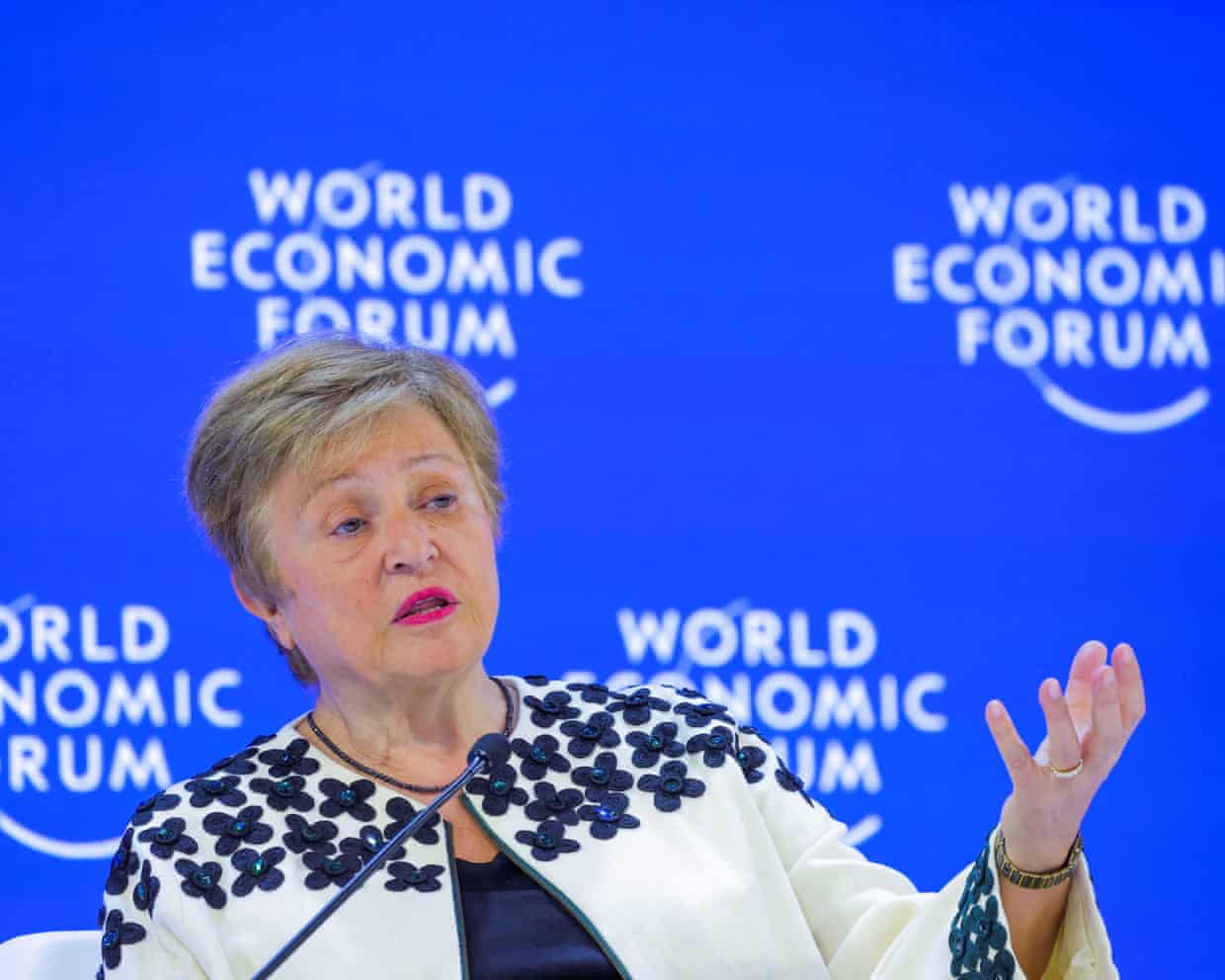
The head of the International Monetary Fund has warned that the Iran war will permanently scar the global economy even if a durable peace deal in the Middle East can be reached,In a speech delivered as the ceasefire in the conflict threatened to unravel, Kristalina Georgieva said the “scarring effects” caused by the war to date would mean slower global growth this year than first anticipated,Had it not been for the outbreak of the conflict six weeks ago, the IMF would have upgraded its global growth outlook for 2026, Georgieva said,“But now, even our most hopeful scenario involves a growth downgrade,Even in a best case, there will be no neat and clean return to the status quo.
”Six weeks into the conflict, the fate of the conditional ceasefire announced late on Tuesday appears at risk as Washington and Tehran disagree on what was agreed.The global oil price rose on Thursday amid volatile conditions in global financial markets, underscoring fears over continued disruption to energy supplies through the strait of Hormuz that are key for fuelling the world economy.In a speech intended as a curtain-raiser for the IMF’s annual spring meetings in Washington next week, Georgieva said there was heightened uncertainty over the depth of the global slowdown triggered by the war.However, every scenario the body has produced for its flagship World Economic Outlook report – to be published on Tuesday – shows a permanent hit to living standards.Last autumn the IMF had forecast global growth of 3.
1% in 2026, in a modest slowdown from growth of 3,2% in 2025, as an AI-driven investment boom helped to power “unexpected resilience” despite Donald Trump’s tariff wars,Georgieva said the world economy had entered the Iran war with “considerable momentum” fuelled by tech investment and supportive conditions in financial markets,However, she said infrastructure damage, supply disruptions, losses of confidence, and other scarring effects linked to the war would inflict losses for the global economy regardless of whether a peace deal could be reached,Highlighting uncertainty over shipping in and out of the Gulf, and the amount of time it would take to restore production at bombed-out oil and gas facilities across the region, the IMF’s managing director said the world was braced for continuing disruption.
“The fact is, we don’t truly know what the future holds for transits through the strait of Hormuz or, for that matter, for the recovery of regional air traffic,” she said,“What we do know is that growth will be slower – even if the new peace is durable,”In a sign that there would be steeper growth downgrades for some countries than for others, Georgieva said net oil-importing nations, poorer countries and small-island nations would be hit particularly hard,However, she urged governments around the world to “reject go-it-alone actions” such as export and price controls.
“That can further upset global conditions: don’t pour gasoline on the fire,” she said,With many countries entering the crisis with elevated levels of debt and higher borrowing costs, the IMF chief urged governments to focus on targeted and temporary support measures for the most vulnerable households,Costly, blanket tax cuts or energy subsidies could risk stoking inflation while threatening to undermine fragile public finances, she said,Central banks should also tread carefully by keeping interest rates on hold, but stand ready to act to curb inflation,“All countries must deploy their limited fiscal resources responsibly, and most must move decisively to rebuild space after this shock.
I cannot emphasise this enough,” she said.Her comments came as the Bank of England governor, Andrew Bailey, said the global economy faced a “very big shock” from the war.Bailey, who also chairs the Financial Stability Board, an international body that monitors the financial system, told the EU parliament’s committee on economic and monetary affairs that risks remained while the Middle East situation remained volatile.“We’ve obviously had a very big shock in the last month or so, with the conflict breaking out in the Middle East, that has prompted, obviously, much greater market volatility,” he said.“I mean, we all have to get up in the morning and find out what’s gone on overnight.
At least we got up yesterday and found the world was still with us, but it obviously is very volatile.Yesterday was a good day in point to illustrate that.”

Tell us: do you use AI chatbots to make decisions for you?
AI chatbots like ChatGPT, Gemini and Claude are now a part of everyday life.More and more people are using them to help make decisions in their lives, like sending text messages, deciding what to cook, or navigating relationships.We want to hear about your experiences of using chatbots. Are you addicted to them? And what type of decisions are you using them for?You can tell us your experiences of using chatbots using this form.Please include as much detail as possible
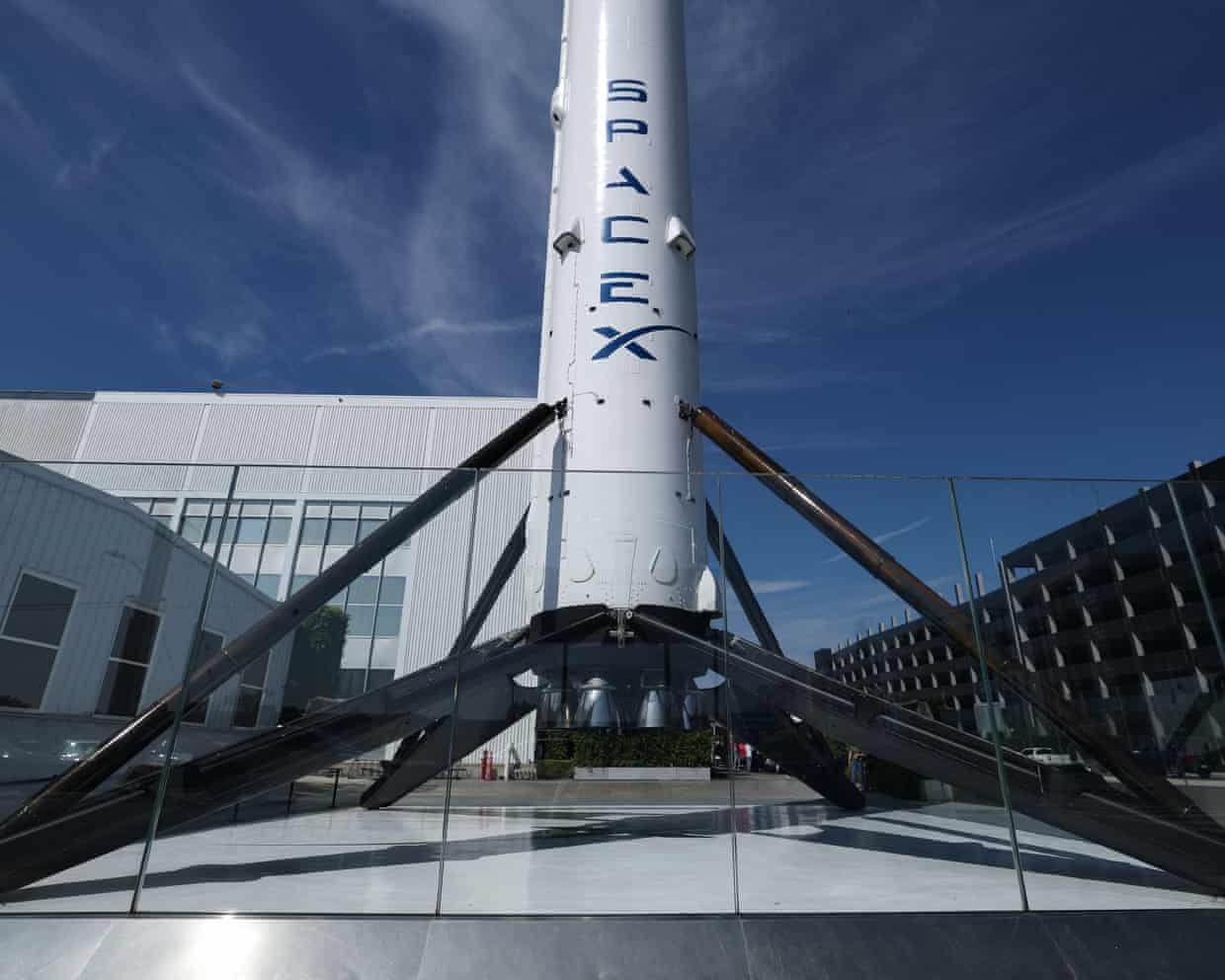
An AI company with an arsenal of spacecraft: what exactly is SpaceX?
Hello, and welcome to TechScape. I’m your host, Blake Montgomery, US tech editor at the Guardian, writing to you as I listen to George Handel’s Messiah for Easter.SpaceX filed confidentially for an initial public offering on the US stock market last week at a reportedly astronomical valuation. My colleague Nick Robins-Early reports:Elon Musk’s company, which has become a dominant power in both space travel and satellite communications, could seek a valuation upwards of $1.75tn

Porn, dog poo and social media snaps: the ‘taskers’ scraping the internet for AI firm part-owned by Meta
Tens of thousands of people have been paid by a company part-owned by Meta to train AI by combing Instagram accounts, harvesting copyrighted work and transcribing pornographic soundtracks, the Guardian can reveal.Scale AI, 49%-controlled by Mark Zuckerberg’s social media empire, has recruited experts across fields such as medicine, physics and economics – putatively to refine top-level artificial intelligence systems through a platform called Outlier. “Become the expert that AI learns from,” it says on its site, advertising flexible work for people with strong credentials.However, workers for the platform said they have become involved in scraping an array of other people’s personal data – in what they described as a morally uncomfortable exercise that diverged significantly from refining high-level systems.Outlier is managed by Scale AI, which has contracts with the Pentagon and US defense companies

‘There’s a lot of desperation’: skilled older workers turn to AI training to stay afloat
When Patrick Ciriello lost his job and couldn’t find work for nearly a year, his family’s foundation crumbled.“You hear about people who hit rock bottom,” Ciriello told the Guardian. “Well, I was there.”For most of his career, the 60-year-old with a master’s degree in information management designed software systems for banks, universities and pharmaceutical companies. But a series of economic shocks – the dotcom crash, the 2008 financial crisis and the Covid pandemic – cost him jobs, sometimes forcing him to dip into his savings and retirement funds

Tech companies are cutting jobs and betting on AI. The payoff is far from guaranteed
AI experts say we’re living in an experiment that may fundamentally change the model of workSign up for the Breaking News US email to get newsletter alerts in your inboxHundreds of thousands of tech workers are facing a harsh reality. Their well-paying jobs are no longer safe. Now that artificial intelligence (AI) is here, their futures don’t look as bright as they did a decade ago.As US tech companies have ramped up investments in AI, they have slashed a staggering number of jobs. Microsoft cut 15,000 workers last year
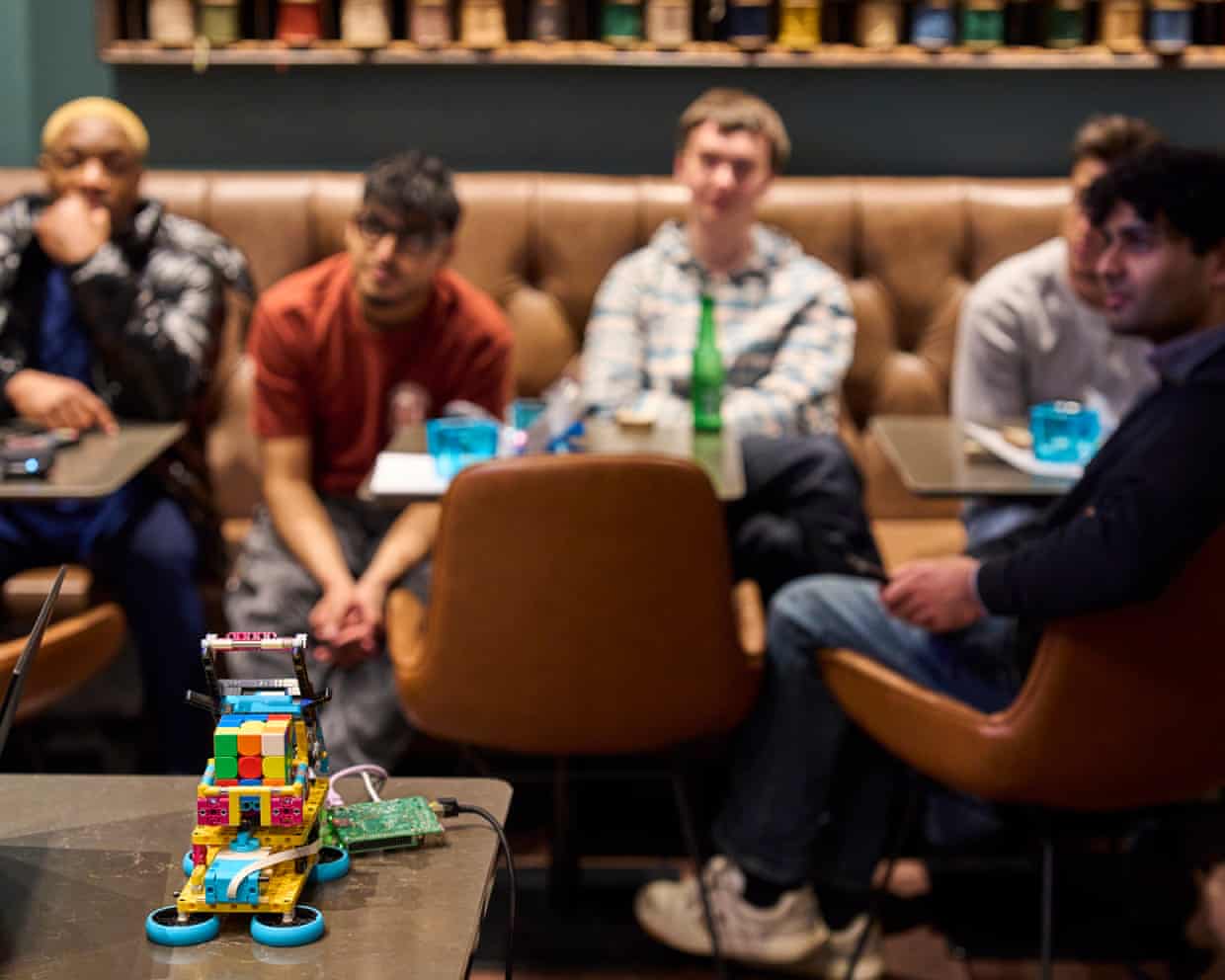
An AI bot invited me to its party in Manchester. It was a pretty good night
Two weeks ago, an AI bot invited me to a party it was organising in Manchester. It then promptly lied to dozens of potential sponsors that I’d agreed to cover the event, and misled me into believing there would be food.Despite all this, it was a pretty good night.In early February, a class of new, powerful AI assistants went viral. The assistants, called OpenClaw, represented a step change in the rapidly improving capabilities of AI – in large part because, unlike other AI agents, they could be untethered from guardrails and set loose upon the world

How to make cauliflower cheese using the whole plant – recipe | Waste not

A marmalade-dropper for Paddington Bear? | Letters

How to save limp herbs | Kitchen aide

‘Before I can stop her, my daughter is licking crumbs from the table’: my search for the perfect kids’ menu

Can’t face another mouthful of chicken? You’re probably coming down with the ick

Georgina Hayden’s quick and easy recipe for gochujang butter salmon | Quick and easy