Accenture ‘links staff promotions to use of AI tools’

Accenture has reportedly started tracking staff use of its AI tools and will take this into consideration when deciding on top promotions, as the consulting company tries to increase uptake of the technology by its workforce.The company told senior managers and associate directors that being promoted to leadership roles would require “regular adoption” of artificial intelligence, according to an internal email seen by the Financial Times.The consultancy has also begun collecting data on weekly log-ins to its AI tools by some senior staff members, the FT reports.Accenture has previously said it has trained 550,000 of its 780,000-strong workforce in generative AI, up from only 30 people in 2022, and has announced it is rolling out training to all of its employees as part of its annual $1bn (£740m) annual spend on learning.Among the tools whose use will reportedly be monitored is Accenture’s AI Refinery.
The chief executive, Julie Sweet, has previously said this will “create opportunities for companies to reimagine their processes and operations, discover new ways of working, and scale AI solutions across the enterprise to help drive continuous change and create value”.The company’s aggressive push into AI highlights a wider industry trend of businesses using machine learning tools to help them with speeding up certain tasks so they can focus other resources elsewhere.Accenture reported better-than-expected results for its first quarter in December, as it was boosted by demand for its AI-driven services.Its latest move linking use of AI tools to promotion potential comes only months after the New York-listed company began calling its employees “reinventors” in an effort to position itself as a leader in artificial intelligence.The move was criticised by some as an example of corporate jargon.
The reinventor label came amid a large reorganisation across Accenture last June, when it merged its strategy, consulting, creative, technology and operations divisions into a single unit called “Reinvention Services”.Sweet told investors in September that the company would “exit” employees who were not getting the hang of using AI at work.Older and more senior employees at the largest professional services companies are generally seen as more reluctant to incorporate use of AI tools into their work, while younger and more junior staff are more receptive.The Dublin-headquartered group has previously said that employees for whom “reskilling, based on our experience, is not a viable path for the skills we need” would be shown the door.Accenture announced in December that it had signed partnerships with the ChatGPT owner, OpenAI, and its rival Anthropic, the owner of the Claude chatbot, as the consulting company has looked to capitalise on growing demand for AI services.
A spokesperson for Accenture said: “Our strategy is to be the reinvention partner of choice for our clients and to be the most client-focused, AI-enabled, great place to work,That requires the adoption of the latest tools and technologies to serve our clients most effectively,”

Ketamine addiction making teenagers wet the bed, says UK’s first specialist clinic
Children are using incontinence pads and urinating in buckets next to their bed at night due to bladder problems caused by ketamine addiction, according to the first specialist NHS clinic dealing with the issue.Medics at Alder Hey children’s hospital in Liverpool have opened the first ketamine clinic for young people in the UK in response to a surge in urology problems linked to addiction of the drug.“Some of our patients start wetting the bed or find going to the bathroom at night is actually too hard, so they’ll either choose incontinence products or a bucket by the bed,” said Harriet Corbett, a consultant paediatric urologist at the clinic.“I hate to say it, but a lot of them get to the point where they’re not fussed about where they go, because the need to go overrides their desire to find somewhere private. And I suspect more of them are incontinent than are willing to tell us
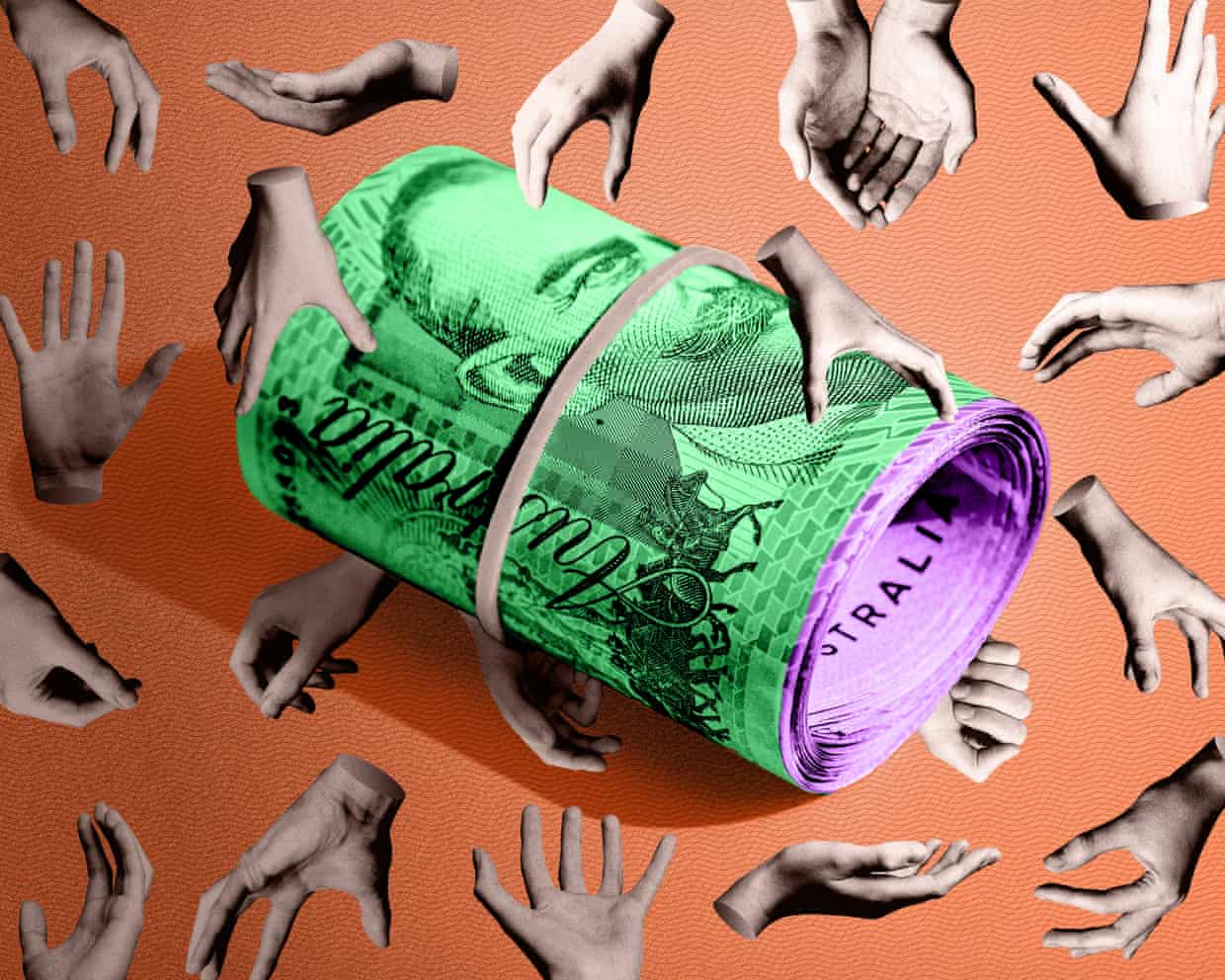
Death tax? Property tax? Four ideas that could offset inheritance inequality in Australia
The $5.4tn intergenerational wealth transfer predicted to occur within the next two decades is a major challenge for Australian governments. Economists have warned it could entrench and exacerbate inequality, and make the economy less productive. So what can be done about it?“In the end, that comes down to tax,” says the former deputy reserve bank governor Guy Debelle. “Taxation is how you redistribute

The disturbing rise of Clavicular: how a looksmaxxer turned his ‘horror story’ into fame
His gonzo argot of ‘mogging’ and ‘jestermaxxing’ masks a malign chauvinist philosophy, and his audience keeps growingHow’s your “jestermaxxing” game? Have you been “brutally frame-mogged” lately? If you’ve been finding this kind of online discourse even more impenetrable than usual, a 20-year-old content creator calling himself Clavicular is probably to blame.Born Braden Peters, Clavicular is a manosphere-adjacent influencer who has recently broken containment for a string of high-profile controversies, including livestreaming himself apparently running over a pedestrian with his Tesla Cybertruck and being filmed chanting the lyrics to Kanye West’s Heil Hitler in a nightclub with the self-styled “misogynist influencer” Andrew Tate and the white nationalist commentator Nick Fuentes.Before taking up with what some feel are among the worst men alive, Clavicular was known only as a “looksmaxxer”, a young man intent on optimising his physical attractiveness by frequently extreme measures (such as steroids, surgery and, er, taking a hammer to his jaw).Yet Clavicular’s gonzo live streams and absurd lingo have seen him escape his subcultural silo, landing him a modelling gig at New York fashion week and a profile in the New York Times.So where has he come from? And what does his rise mean for humanity?Peters came to prominence last year on the streaming platform Kick (like Twitch, but more laissez-faire with content moderation), where he now has nearly 180,000 followers
Ministers may slow youth minimum wage rise amid UK unemployment fears
Ministers are considering a slower rise in the minimum wage for younger workers, amid fears over rising youth unemployment.Labour had promised in its manifesto to equalise national minimum wage rates by the time of the next election, saying it was unfair younger workers were paid less. Government sources said equalisation remained the aim but the rise could come more slowly.At the current rates, those between 18 and 20 are paid a minimum of £10 an hour, rising to £12.21 an hour for those over 21
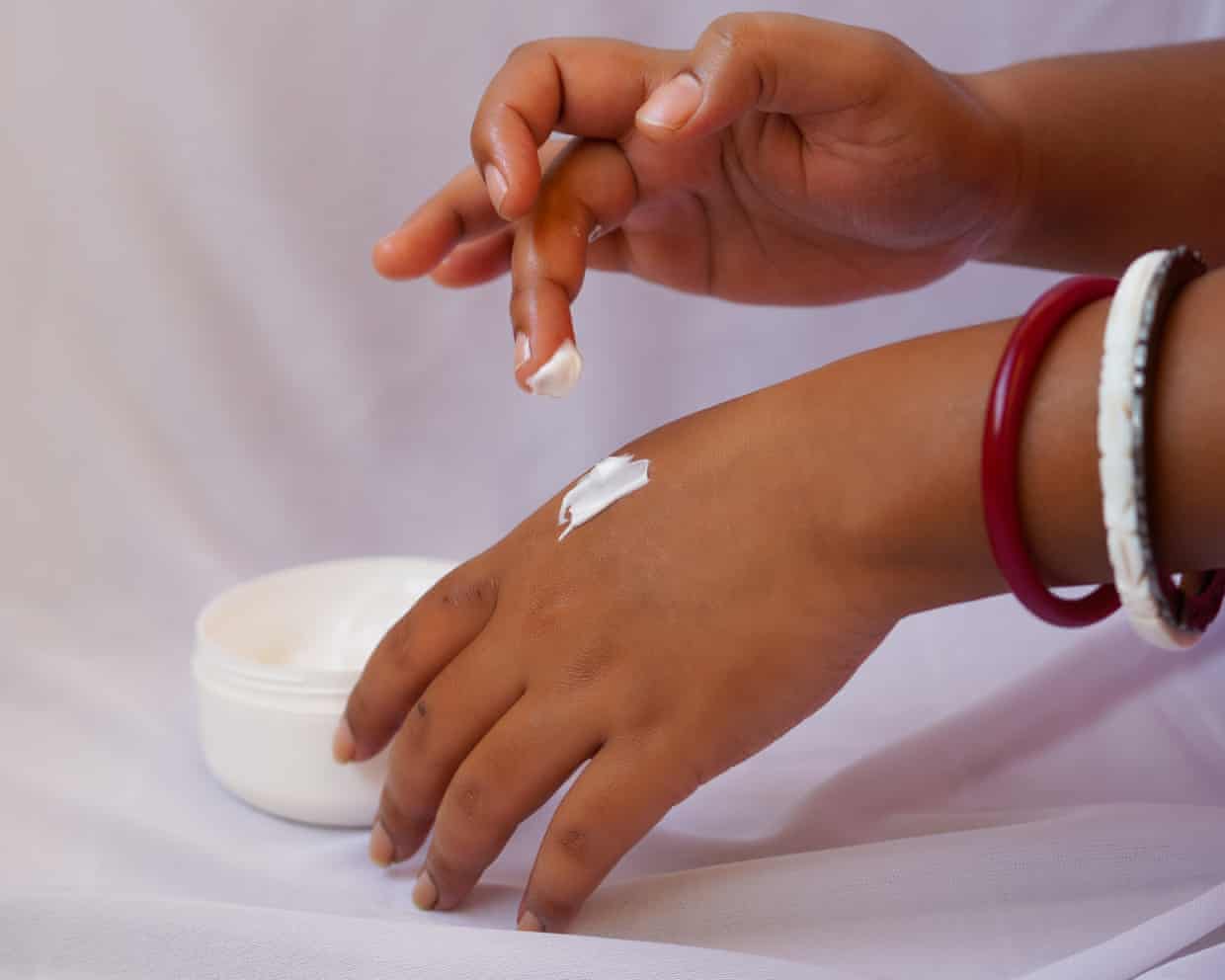
UK shoppers warned over spread of harmful and illegal skin lightening kits
Illegal skin lightening products are being sold in an increasingly wide range of UK outlets, including butchers, specialist food shops and small grocery stores, trading standards officers have warned.The Chartered Trading Standards Institute (CTSI) is warning that many of the products contain substances that are banned because of the serious risks they pose to health, including skin damage, infections and pregnancy complications.Officers say that, as well as online, they are finding them more frequently in Asian and Arab stores, plus specialist butchers and grocery stores for other diverse communities, whom the products are primarily targeted at.Tendy Lindsay, former chair of the CTSI, said: “As a Black woman and a longstanding advocate for equality, diversity and inclusion, I want to be absolutely clear: the sale of illegal skin lightening products is not only dangerous, it is unlawful.“Many of these products contain banned substances such as high levels of hydroquinone, mercury or potent corticosteroids
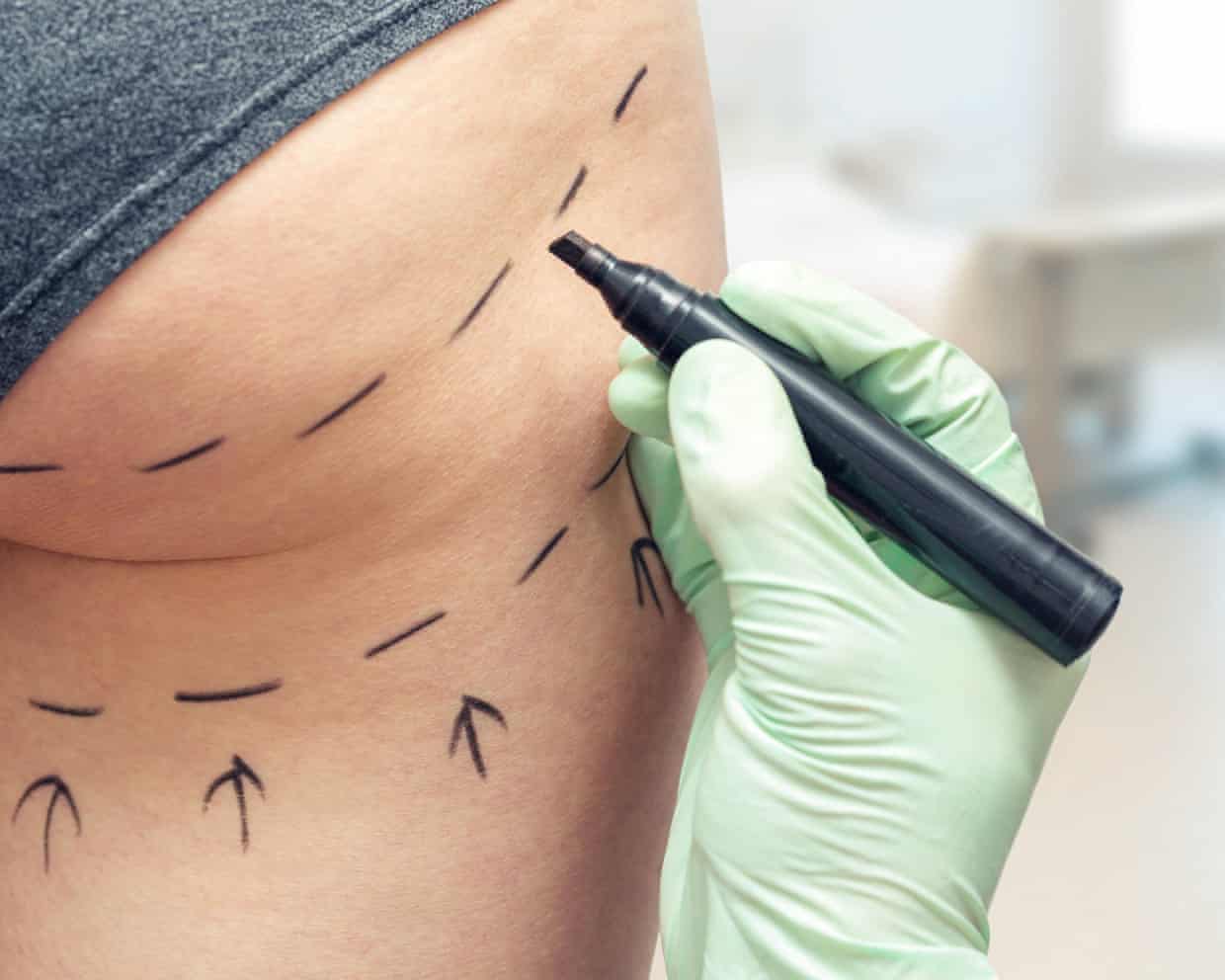
Brazilian butt lifts should be banned in UK amid ‘wild west’ industry, MPs say
Brazilian butt lifts should be banned in the UK, MPs have said, as a report found a lack of regulation had led to a “wild west” of cosmetic procedures being carried out in garden sheds, hotel rooms and public toilets.The women and equalities committee (WEC) said high risk procedures such as non-surgical buttock augmentation should be outlawed immediately, and a licensing system for lower risk treatments was urgently needed. People with no training can carry out potentially harmful procedures, putting the public at risk, the group of MPs added.A nine-month inquiry by the committee also found ministers were not moving quickly enough to tackle the risks posed to Britons and recommended they “accelerate regulatory action”. The lack of timely action was “fostering complacency in self-regulation” within the industry, they cautioned

Winter Olympics briefing: Shiffrin’s sublime showing delivers release of emotion

Power points: scrum battle could be crucial in England v Ireland clash

Winter Olympics 2026: USA defeat Sweden in men’s ice hockey and glory for Shiffrin on day 12 – as it happened
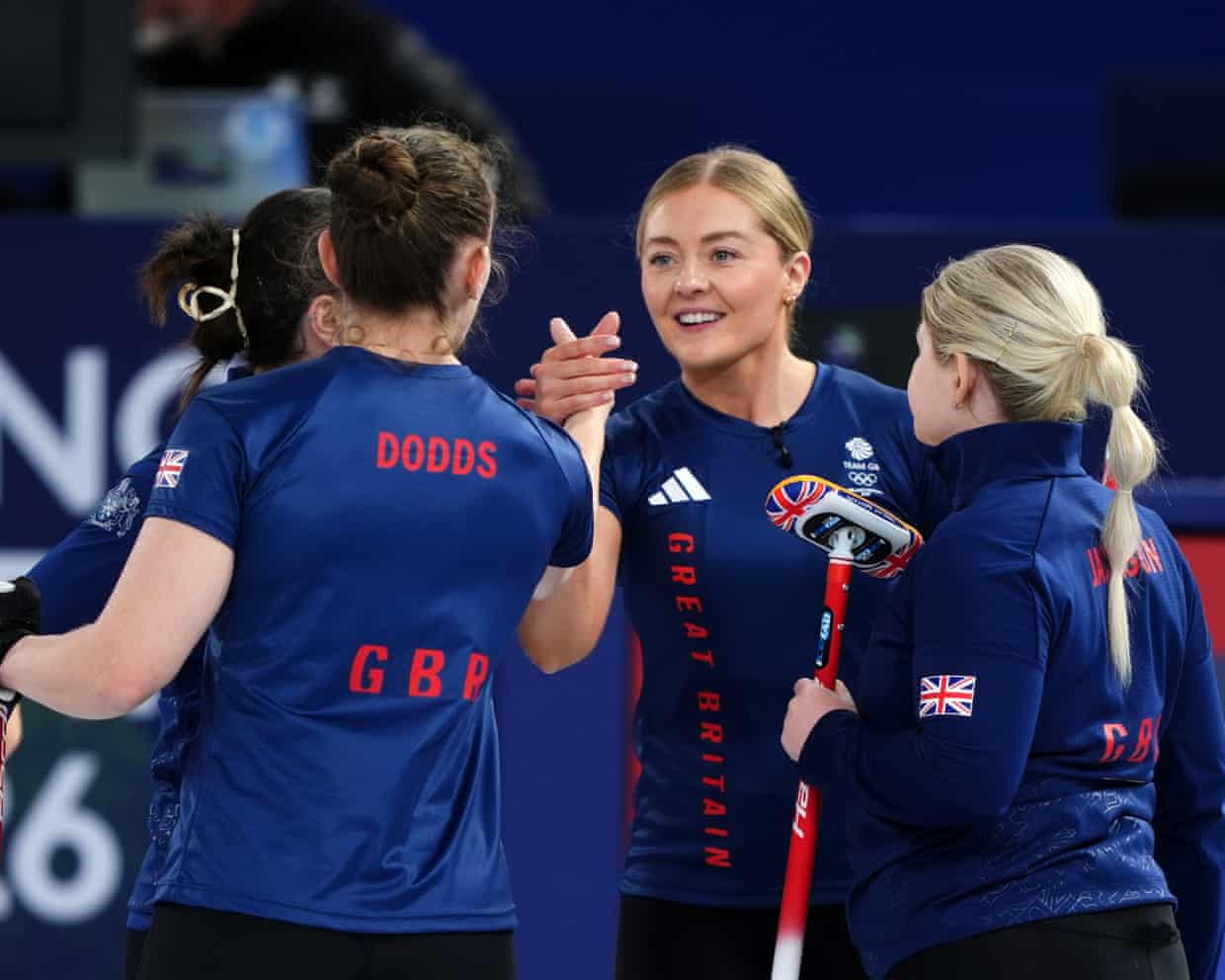
When curlers need snookers: Team GB fight on at Winter Olympics after day of drama

Mikaela Shiffrin overcame grief, crashes and her own self-doubt to win slalom gold again

‘Princess Anne thought I was Joe Marler’: Heyes mixed up in case of mistaken identity