AI boom risks widening wealth divide, says BlackRock’s Larry Fink
The boom in artificial intelligence risks widening inequality, with only a handful of companies and investors likely to reap its financial rewards, the BlackRock chief executive, Larry Fink, has said.The boss of the $14tn (£10.4tn) asset manager used his annual letter to investors on Monday to highlight potential hazards around the exponential growth in AI, which has attracted rapid investment and become, he said, “central to strategic competition” between global powers such as the US and China.“The massive wealth created over the past several generations flowed mostly to people who already owned financial assets,” Fink said.“And now AI threatens to repeat that pattern at an even larger scale.
”He warned that the AI boom risked accelerating a trend where leading companies pulled ahead while others struggled to keep pace.AI-focused tech stocks have made significant gains in recent years – the market leader, the chipmaker Nvidia, is now valued at $4.3ttn.Fink said companies with the data, infrastructure and funding to deploy AI on a large scale “are positioned to benefit disproportionately”.That could end up exacerbating a gulf between the rich and the poor, he said.
“History suggests that transformative technologies create enormous value – and much of that value accrues to the companies that build and deploy them, and to the investors who own them,” Fink said.“That is not unusual, and none of this is inherently problematic,” he added, noting that the winds had often shifted with technological change.However, “the broader question is who participates in the gains,” Fink warned.“When market capitalisation rises but ownership remains narrow, prosperity can feel increasingly distant to those on the outside.”Fink’s comments come weeks before BlackRock is expected to disclose his pay for 2025.
He was given $30.8m a year earlier, prompting concern among some shareholders, with only 67% approving the eye-watering package last spring.“One thing is clear,” Fink added in his letter.“AI will create significant economic value.Ensuring that participation in that growth expands alongside it is both the challenge and the opportunity.
”However, there are also growing concerns of an AI investment bubble, with some experts warning that the industry’s rapid growth mirrored the conditions that led to the dotcom crash,The Bank of England in October warned there were growing risks of a “sudden correction” in global markets linked to soaring valuations of leading AI tech companies,There has been increased scrutiny of various multibillion-dollar deals, including circular investments between leading AI companies,That has included cases where Nvidia has invested in a company that later bought Nvidia chips, sparking some fears that the AI industry is on riskier footing than its backers are willing to admit,Fink stopped short of offering a direct solution to AI’s impact on inequality but urged more people to start investing in stocks rather than focusing on home ownership to build wealth.
The BlackRock boss said rising housing costs and stricter lending rules had made it tougher to own a home, while taxes, insurance and maintenance resulted in lower returns for those who managed to get on the housing ladder.“It’s hard not to empathise with people dealing with this,” Fink said.“If you no longer believe your job is a path to success, believe that you can’t afford a home, or believe that even if you can, it won’t build a lot of wealth, then the economy doesn’t feel like it’s working for you.No country can prosper if that’s how its citizens feel.”Instead, the boss of the asset manager – which charges a fee to help people invest – said people should be turning to financial markets to grow their wealth“If prosperity is increasingly being created in the capital markets, part of the answer is to make sure more people are invested in them,” he said.
“That doesn’t diminish the real challenges around housing affordability or the fact that earnings for many households have not kept pace with asset values,” Fink added,“It simply means a critical part of the solution is bringing more people into the capital markets – so they can share in the growth already taking place, not just watch it from the sidelines,”

What levers could Rachel Reeves pull to help with rising prices?
Rachel Reeves updated MPs on Tuesday about the steps the government was taking to cushion the impact of the Iran war on consumers and the UK economy. The chancellor stopped short of announcing specific immediate support but said she was contingency planning for the tough months ahead.Here are some of the levers she could pull:Speculation has been rife since the effective closure of the strait of Hormuz sent oil and gas prices soaring, that the government may be forced to step in to protect households from a jump in utility bills.But Reeves gave the clearest indication yet that she has no intention of repeating the across-the-board subsidies introduced by Liz Truss in autumn 2022, which went on to cost the Treasury about £40bn, and were worth £1,350 to households in the top 10% of earners.Reeves said Truss’s approach had “left us with high levels of national debt, a cheque written then for a bill that is still being paid today”
Seven charts that reveal how unprepared Australia was for the fuel crisis
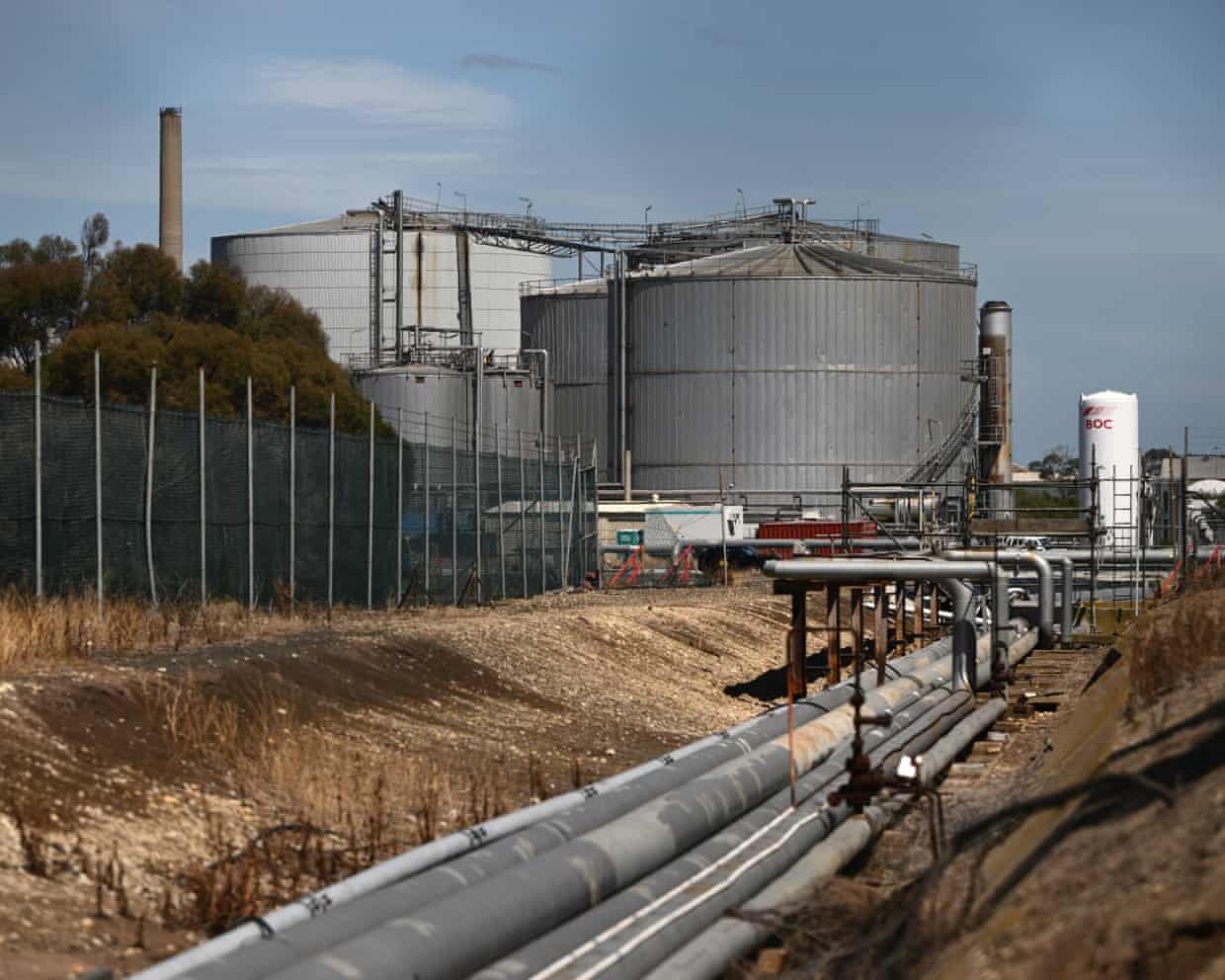
It’s been a bewildering few weeks since the start of the US-Israel war on Iran triggered a global energy shock that shows little sign of ending.Here are seven charts that tell the story so far.At the turn of this century, Australia produced 563,000 barrels of oil a day, with eight refineries supplying 98% of our total petroleum product needs.From that high point, oil and petroleum production has slumped to the point where the country relies on imports for 90% of its liquid fuel needs and oil production is at its lowest since the late 1960s.Over the past 25 years, the number of local refineries has also dropped:Mobil’s Port Stanvac refinery in South Australia was mothballed in 2003 (and permanently closed in 2009)Shell’s Clyde refinery was closed in November 2013Caltex closed its Kurnell refinery in Sydney in October 2014BP did the same with its Brisbane plant in mid-2015BP then closed its Kwinana refinery south of Fremantle in March 2021ExxonMobil’s Altona refinery in Melbourne was shuttered in August of the same year
UK manufacturers hit by sharpest rise in cost inflation since Black Wednesday in 1992
The UK’s manufacturers have suffered the sharpest one-month acceleration in costs since the aftermath of Black Wednesday in 1992 as conflict in the Middle East has driven up oil prices, new survey evidence shows.The closely watched purchasing managers’ index (PMI) lays bare the impact of the conflict on the UK economy, with growth slowing sharply across manufacturing and services and costs rising.Chris Williamson, the chief business economist at S&P Global Market Intelligence, which collects the data, said: “Output growth across manufacturing and services has slowed to a crawl as companies blamed lost business directly on the events in the Middle East, whether through heightened risk aversion among customers, surging price pressures, higher interest rates, or via travel and supply chain disruptions.“Inflationary pressures have surged higher on the back of rising energy prices and fractured supply chains.”Responding to the survey, Morgan Stanley warned the economy could potentially be dragged into “a pronounced UK recession” by the end of this year by high energy prices and interest rate hikes

Revolut warns it risks backlash over support for energy-intensive AI and crypto
The UK banking app Revolut has said it could face a backlash over its support for energy-intensive sectors such as crypto and AI, as it posted a 57% increase in profits for last year.The fintech, which can now launch as a fully fledged UK bank after a five-year wait for regulatory approval, warned in its 2025 annual report that such activities posed a “reputational risk”. Revolut offers crypto trading.Cryptocurrency mining, particularly for bitcoin, and AI datacentres demand large amounts of power, with competition for electricity supplies only getting steeper since the US-Israel war on Iran sent energy prices soaring over the past month.The company also reported a £1

Estée Lauder in talks on merger with Jean Paul Gaultier owner Puig
The US cosmetics company Estée Lauder is in talks over a potential merger with the Spanish group Puig, the owner of brands including Jean Paul Gaultier and Rabanne, to create a $40bn fashion and beauty giant.Estée Lauder is one of the world’s biggest manufacturers of skin care, makeup and fragrances with a portfolio that includes Clinique, Bobbi Brown and Tom Ford Beauty.Puig, which floated on the Madrid stock market two years ago, owns brands including Charlotte Tilbury, Carolina Herrera and Dries van Noten.Both brands confirmed that they were holding discussions over a potential “business combination”, but gave no detail on the possible structure of the merger.“No final decision has been made and no agreement has been reached,” Puig said

UK vets face crackdown over fees as pet owners ‘left in the dark’ on bills
The UK’s competition watchdog has ordered vets to cap prescription fees at £21 and proposed a cost comparison website, after finding consumers had faced huge price rises and been “left in the dark” over bills.The Competition and Markets Authority (CMA) said public satisfaction with the cost of services was “low” after a two-and-a-half-year investigation into the £6.7bn market found “there is not strong competition between veterinary businesses”, with large chains dominant.The watchdog said vets must now tell pet owners that medicines may be cheaper online, and let them know they can get a prescription and that this could save them money.Written prescription fees will be capped at £21 for the first medicine and £12
Estate of Mike Lynch ordered to pay £920m to Hewlett-Packard
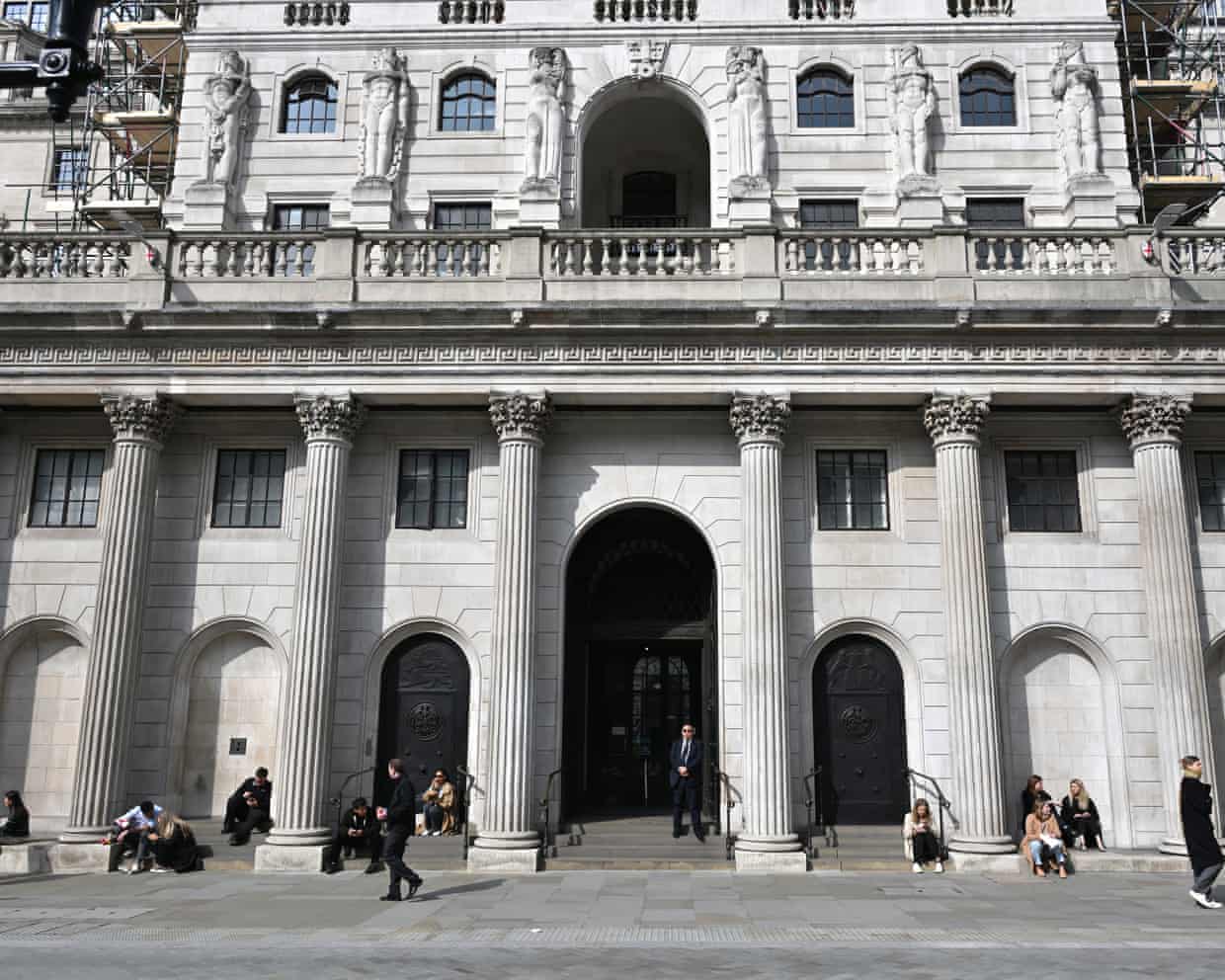
Energy price shock and interest rate rises could cause ‘pronounced’ UK recession, economist warns – as it happened

Divide between Silicon Valley and ordinary people grows ever larger

Amount of AI-generated child sexual abuse material found online surged in 2025

World Snooker Championship to remain at Crucible until at least 2045 with revamp
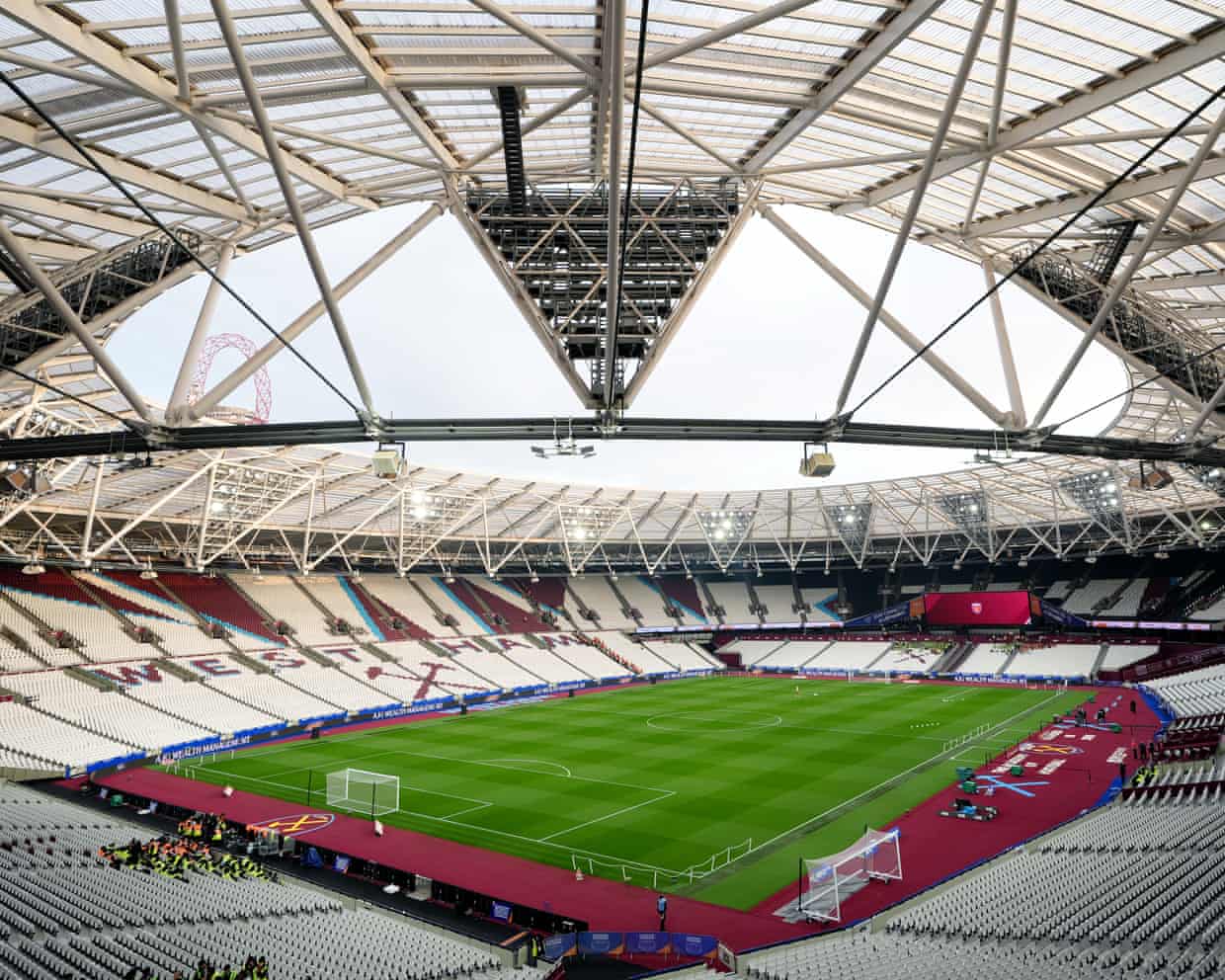
West Ham stadium stance could block London’s World Athletics Championships bid, warns Coe