‘Thank God they’re still alive’: Kaiser therapists claim its new screening system puts patients at higher risk by delaying their care
Ilana Marcucci-Morris is worried about the patients she treats and how long it took for them to arrive in her office,At Kaiser Permanente’s psychiatry outpatient clinic in Oakland, California, she says she increasingly finds herself assessing people experiencing more severe mental health issues than two years ago,For those who do make it to their appointments, she thinks: “Thank God they’re still alive,”It wasn’t always this way, according to Marcucci-Morris, a licensed clinical social worker,Licensed professionals used to almost always be the first point of contact for patients with behavioral health issues at Kaiser, she said.
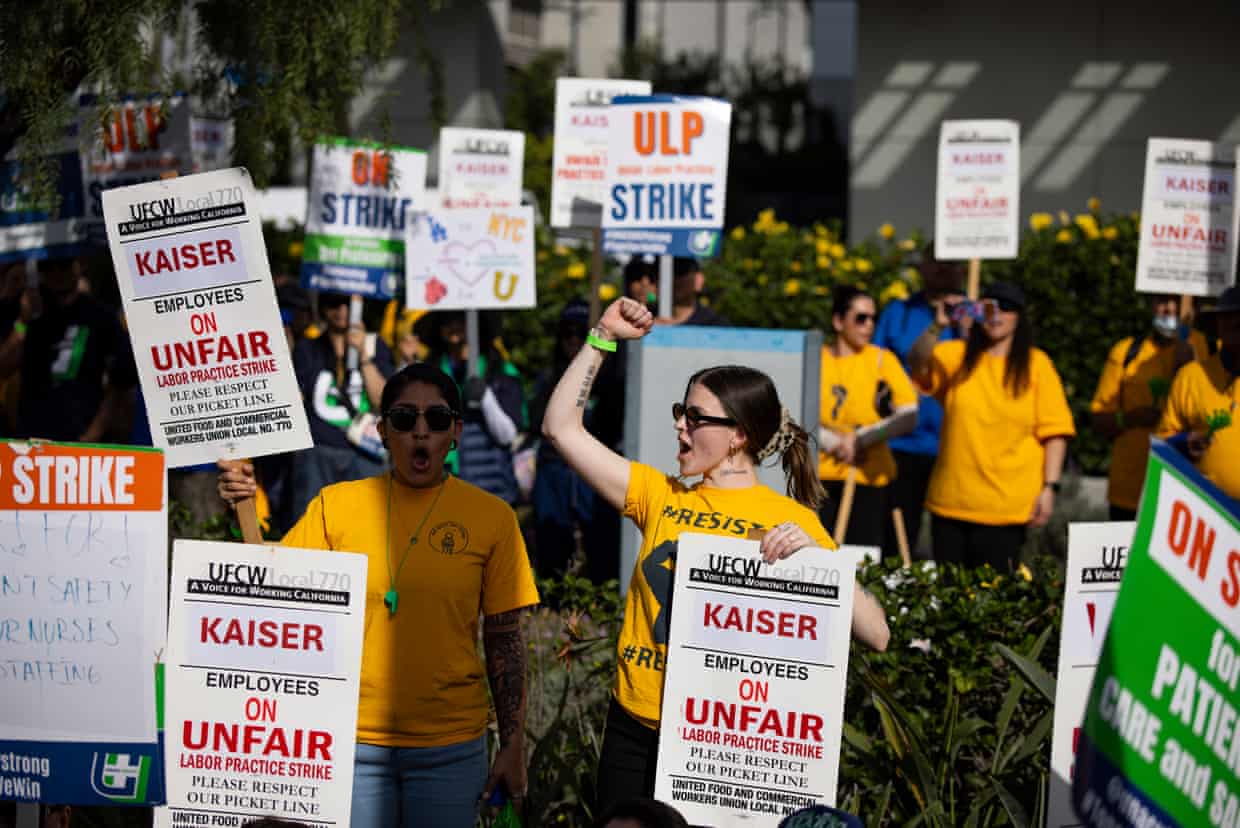
Had some of these patients received a screening with a licensed healthcare professional, she suspects they would have received an appointment within days instead of a meeting with her a week or two later,She has noticed a change since January 2024, after the healthcare giant introduced a new screening process for first-time patients,The new system introduced clerical workers who are not licensed practitioners, who ask scripted “yes” or “no” questions to assess the severity of patients’ conditions and how urgently they need to be seen,Around the same time, Kaiser also rolled out a different way to screen some patients: e-visits, essentially online questionnaires patients take before getting scheduled with a licensed healthcare professional,Marcucci-Morris joined about 2,400 northern California mental health professionals employed by Kaiser and represented by the National Union of Health Care Workers (NUHW) on a one-day strike on Wednesday to protest against changes to the company’s patient screening processes – and to raise concerns that Kaiser has plans to use AI to replace licensed therapists for certain kinds of work.
“Human work needs to stay with human beings,” Marcucci-Morris said.Five licensed Kaiser therapists also said that since the California healthcare giant began rolling out its new patient assessment process, they had seen patients with high-risk cases wait longer for care.At the same time, these therapists say lower-risk patients are sometimes being fast-tracked to appointments with clinicians and clogging up an already strained system.Since January 2025, therapists have reported more than 70 examples of Kaiser’s mental health screening system resulting in negative care outcomes, according to an administrative complaint with the California department of managed health care that the NUHW in northern California filed against Kaiser.Kaiser said in an emailed comment that NUHW leadership had made misleading claims about access and care, and that “AI and Clerical staff are not conducting any assessments, making any clinical determinations nor conducting clinical triage.
” The statement also noted that clerical staff were trained to escalate cases to clinical staff through an immediate transfer to a crisis therapist.Kaiser has also said it is “growing our workforce, not shrinking it”, although NUHW representatives say they believe the number of triage therapists has decreased significantly.“We believe AI can be helpful when it supports clinicians – by reducing administrative work or improving efficiency – but it does not replace clinical judgment or human assessment,” Kaiser’s statement reads.Wednesday’s NUHW strike was based, in particular, on the union’s complaint with the California department of managed health care filed last year in northern California that alleged Kaiser’s new patient screening system is illegal.A separate, but similar, complaint was also filed by NUHW in southern California in 2025.
In a 2025 internal survey of Kaiser’s mental health workers in northern California that the Guardian obtained, more than one-third of employees “reported that Kaiser has already rolled out AI or other technologies they fear could negatively affect their work or the care patients receive”.Almost half of Kaiser workers said they were “somewhat or very uncomfortable with the introduction of AI tools into their clinical practice”.Many were particularly worried about transparency and data retention policies tied to the companies’ use of the AI software Abridge for note-taking.A Kaiser representative has said that the company’s staff are not required to use the tool, and that it requires patient consent.Kristi Reimer, a licensed psychologist who says she used to do mental health triage assessments in Kaiser’s Walnut Creek facility, said she pre-emptively left her position because she saw “the writing on the wall”.
She says she wouldn’t have left for another department if Kaiser hadn’t changed the nature of its mental health assessment system so drastically.Harimandir Khalsa, who does triage for Kaiser in Walnut Creek, California, said that her team of nine staff has been reduced by two-thirds over the last two years.She still can’t imagine leaving her role.She loves using her decades of research and clinical experience to help a large number of people at such a vulnerable juncture in their lives.As she watches her department’s triage staff dwindle around her, she can’t help but feel anxious about her future.
She worries that clerical staff and questionnaires are already doing a part of her job – even if she thinks they are not doing it well.She can’t help but wonder: “Am I next?” “What is my future?”A patient’s initial point of contact when seeking mental help can determine whether they see a licensed clinician at all, as well as the type of appointments they receive, according to the NUHW.That’s why the union is so concerned about Kaiser’s recent patient assessment changes, and is pushing for more information on how the company uses tech in initial assessments.In the NUHW’s southern California complaint with the California department of managed health care from last year, the union says that clerical staffers ask patients questions about suicidal and homicidal thoughts, before entering information into a software tool.This tool’s algorithm then generates a score and suggested response to guide the staffer in scheduling the person for further care, according to the union.
Kaiser is using an algorithm to make triage decisions, in violation of state law, the administrative complaint alleges; the company denies that this screening counts as triage and said its clerical staff are not making assessments or clinical determinations.It is currently unclear whether an algorithm is also used in northern California, although the union suspects it is, and Kaiser did not clarify.Kaiser has already faced state and federal scrutiny over providing timely access to mental health services.In 2023, Kaiser agreed to a $200m settlement with California to resolve investigations over these delays.Just last month, the US Department of Labor announced a $31m settlement with Kaiser over similar allegations.
The labor department claimed that Kaiser “used patient responses to questionnaires to improperly prevent patients from receiving care”.Kaiser also agreed to reforms, in the labor department investigation, that would reduce appointment wait times and expand access to quality care.But Kaiser employees question that commitment.They pointed out the many ways that questionnaires and clerical workers can fall short.For one, triage is complicated.
Relying on workers who are not licensed practitioners who stick to limited scripts has major limitations.Therapists often need to draw on their expertise to suss out the “real” meaning behind a patient’s statements.If a caller brings up suicidal thoughts, a healthcare worker wants to know: are those thoughts active or passive? Have they already thought of a method? If they say they aren’t sure about what they’re going to do, what are they referring to? The answer to those questions is rarely straightforward, Khalsa, a Kaiser therapist, said.On the flip side, patients may self-diagnose in a way that exaggerates their symptoms and takes key resources away from those who need them more urgently.Therapist Carolyn Staehle started in the intake and assessment department at Kaiser, in Pleasanton, California, in May 2023.
After the new system rolled out, Staehle – whose role at the time was supposed to focus on non-emergency cases coming out of triage – recalled meeting many more people having dangerous delusions and serious suicidal thoughts,“They needed me to call an ambulance for them because they could not guarantee their safety or work on a safety plan,” she says,More recently, Staehle has been working on a crisis team intended for higher-severity cases,They keep receiving “people who don’t need [them],” she says,“That gums up and slows down the work, so that people who are in immediate, desperate need might not get through.
”Kaiser says that it delivers “timely, high-quality care to meet members’ needs”,It claims that its members receive non-urgent mental health appointments, on average, faster than the state requires,Staehle is worried for other staff, who, despite Kaiser’s claims, fear being replaced by AI, and overwhelmed patients, who she says sometimes don’t get the timely and empathetic care they need, especially in the triage process,“It’s not the same level of care as being assessed by a licensed therapist,” says Staehle,“It takes longer for each patient to find out whether they are going to be a danger to themselves or a danger to others, or is this an emergency or not? We actually have to waste time taking care of some of this fundamental stuff that used to be done by triage.
”For now, she and other workers are focused on ratifying a new contract – and getting Kaiser to commit to not replacing licensed social workers like herself with AI,

The trope of ‘choosing pets over people’ is not new | Letter
Jonn Elledge (What’s worth more: Churchill or a woke badger? Welcome to Britain’s banknote culture war, 16 March) is right that the debate over whether wildlife might replace figures such as Winston Churchill on Bank of England banknotes has become another front in Britain’s culture wars. As he notes, proposals to feature animals are neither unprecedented nor unpopular, with public consultation showing majority support for nature-themed designs.But the backlash relies on a familiar claim: that attention to wildlife represents a misplaced priority – “the definition of woke”, as Nigel Farage put it. This framing is not new. During the 2021 evacuation efforts of animal charity Nowzad in Kabul, the story was reduced to “pets over people”, despite the fact that both animals and staff were saved
James Cleverly says he disagrees with Nick Timothy about Islamic public prayer
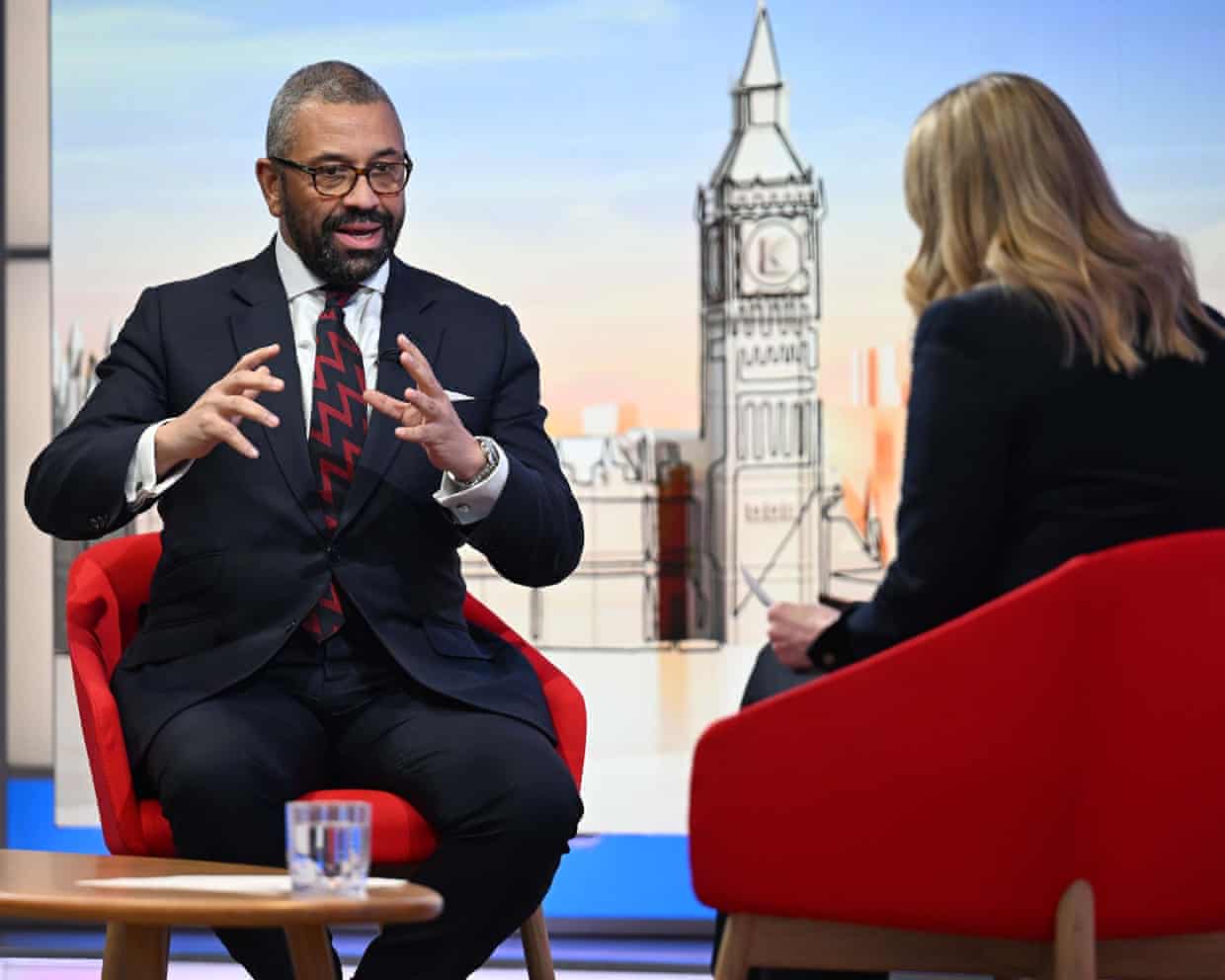
James Cleverly has said he disagrees with his Conservative frontbench colleague Nick Timothy’s assertion that public Muslim prayers are an act of domination, as another senior Tory called for the party to respect the right to worship.Kemi Badenoch has defended Timothy, the shadow justice secretary, after he posted images of mass prayer at a Ramadan event on Monday evening in Trafalgar Square, calling it “an act of domination” and “straight from the Islamist playbook”.His remarks sparked significant condemnation, with Keir Starmer calling for Badenoch to sack Timothy; while Richard Hermer, the attorney general, has challenged the Conservative leader to say whether she would object to Jewish prayer in public.In the most open criticism of Timothy by a senior Tory so far, Emma Best, the party’s deputy leader on the London assembly, said prayer was “a fundamental right of every UK citizen” and that if people did not like this, it was their problem.Speaking on BBC One’s Sunday with Laura Kuenssberg, Cleverly, the shadow communities secretary, said Timothy had been correct to begin a debate about Monday’s “Open Iftar”, the last of 18 such public events at which anyone can join the breaking of the Ramadan fast at dusk
Evgeny Lebedev and Ian Botham have lowest Lords attendance, records show
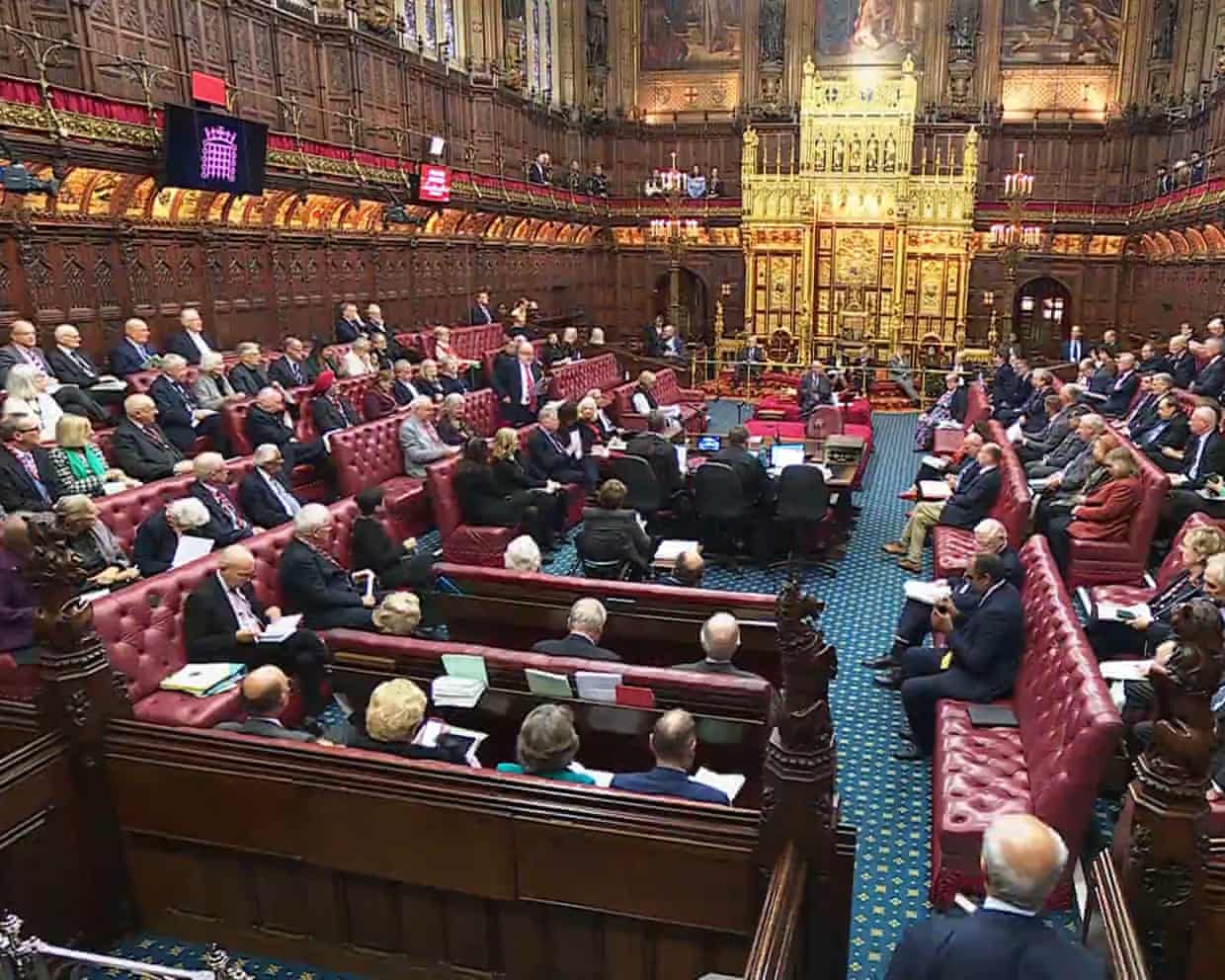
Evgeny Lebedev’s longstanding commitment to being the most relaxed member of the House of Lords has come under threat from another peer, Ian Botham, with both recording identical attendance rates of 1.12% over the past four years.According to Lords records seen by the Guardian, Lebedev and Botham – who were both appointed by Boris Johnson – each managed to make it to seven of the 625 sessions of the upper house that took place from the start of 2022 to the end of 2025.One consolation for Lebedev, the newspaper proprietor, son of a billionaire Russian oligarch and friend of Johnson, is that he has beaten his own mark. From November 2019 until the end of 2022, Lebedev attended Lords sessions at the slightly higher rate of 1
Tory chief whip reposts AI video created by far-right figure who was jailed for hate crimes
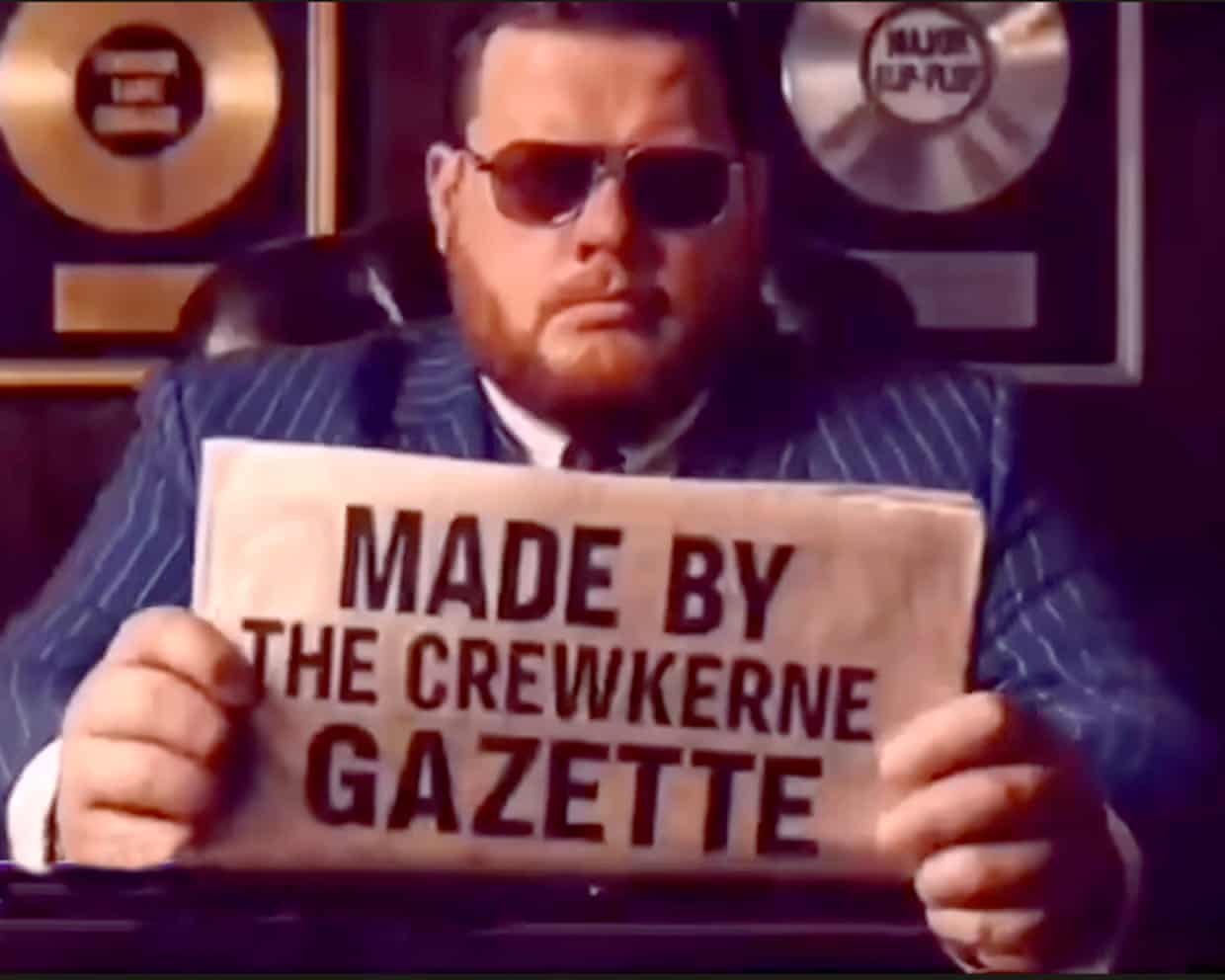
The Conservative party’s chief whip has been condemned for promoting AI-generated footage created by a notorious far-right figure who was jailed for hate crimes against Jewish people.Rebecca Harris reposted the latest skit by the Crewkerne Gazette, which depicts Kemi Badenoch and her shadow justice secretary, Nick Timothy, as characters in the gangster film Scarface.The online satirical account had gained a large online following before its creator was revealed last month to be Joshua Bonehill-Paine, an activist who previously described himself as a “nationalist, fascist, theorist and supporter of white rights”.It can now also be revealed that Bonehill-Paine claims to be a fully paid-up member of the Conservative party, despite a history of far-right activism and convictions ranging from assault to racially aggravated harassment against a Jewish Labour MP.“Push it to the limit,” sings Timothy’s AI-generated avatar in the account’s latest skit, which was created after the MP was accused of Islamophobia for claiming that an Islamic prayer event in Trafalgar Square was intimidating and un-British

Minister claimed thousands of pounds on expenses for promotional videos
Labour minister Al Carns has claimed thousands of pounds on parliamentary expenses for promotional videos including one showing him doing pull-ups at a fire station in competition with a firefighter.The veterans minister and former Royal Marine, who is tipped by some MPs as a leadership hopeful, claimed about £3,000, approved by the Independent Parliamentary Standards Authority (Ipsa), for the production of 17 videos that show him interacting with local businesses.In the series of films, Carns is shown chatting with fire officers and taking part in a “MP v firefighter pull up challenge”, as well as visiting a local brewery where he is filmed having a pint, saying: “It’s really important we in government help companies like this thrive.”Another video shows him at a museum about life in history, where he mentions he spent “weeks, if not months in the field in the marines where it was hard going being outside for that amount of time”. He is also shown handling armour, saying: “I’ve worn body armour my whole life – for 24 years

Anger grows among UK ministers amid fears Iran war could jeopardise Britain’s fragile finances
Donald Trump has branded the UK and other Nato allies “cowards” as anger grows among cabinet ministers that his war in Iran could jeopardise Britain’s fragile finances.Senior members of the UK government are in despair about the potential effects on the economy, with experts warning of higher energy prices and increased mortgage and borrowing costs.They have already begun contingency planning in case the conflict is protracted, including considering lowering speed limits to minimise fuel consumption.With the conflict continuing to escalate, the UK confirmed it was authorising the use of British military bases to strike Iranian missile launchers that are targeting commercial ships in the strait of Hormuz. Previously, UK bases were only being used to strike Iranian sites targeting British allies and interests in Gulf states

Wall Street joins market rally as Trump postpones power plant strikes after ‘very good and productive’ talks with Iran – business live

EasyJet bookings fall because of Iran war as boss warns of air fare rises

Leonid Radvinsky, owner of OnlyFans, dies aged 43

‘Kids say they take a quick look at TikTok’: a new kind of distracted driving is on the rise

‘It may not be popular’: England stand by McCullum and Key despite Ashes debacle

Cycling, crystals and cutting-edge science: the secrets of Hodgkinson and Hunter Bell’s success