
Australian households fear double whammy of rate hikes and higher petrol prices will lead to recession
Surging interest rates and petrol prices have stripped more than $1bn a month from Australian household budgets as economists warn of recession risks.Consumers are preparing for rates to surpass their recent highs after the Reserve Bank delivered back-to-back hikes ahead of an inflation spike driven by the US war on Iran.Dougal Warby was among the thousands of Australians who bought their first homes when the RBA was expected to cut its target interest rate from 4.1% to 3.1% or lower by today

London bars shun Margot Robbie’s gin over shellfish allergen concerns
Margot Robbie said she “couldn’t wait” to see the artisan gin brand she had created stocked in her London local. But the willingness of the capital’s venues to fulfil her dream has been seriously compromised by three words on the side of the bottle – “warning: contains molluscs”.The Wuthering Heights star has had to change the recipe of her spirit after top London bars and restaurants rejected it due to allergen concerns, the Guardian can reveal.The drink, Papa Salt, is filtered through oyster shells, which she hoped would evoke the sandy dunes of Australia where she grew up. It means people with a shellfish allergy are advised not to drink it, because though the distilling process of gin removes most shellfish proteins, some can still remain when it is made with oysters
Close Brothers banking group to cut 600 jobs and roll out AI ‘at pace’
The UK banking group Close Brothers is to cut about 600 jobs and roll out the use of AI “at pace” after posting further losses amid a mounting compensation bill for the UK motor finance scandal.The specialist lender said the cuts – almost a quarter of its 2,600-strong workforce – would be made over the next 18 months across its teams in the UK and Ireland.It aims to reduce costs by £25m in the year to the end of September, up from a previous target of £20m, and by another £60m in the next financial year, a year earlier than planned.It said it would make the cuts through outsourcing and offshoring work and reducing office space. “In parallel, we are progressing the deployment of automation and artificial intelligence at pace, providing further opportunity both to reduce costs and enhance customer experience,” the lender added
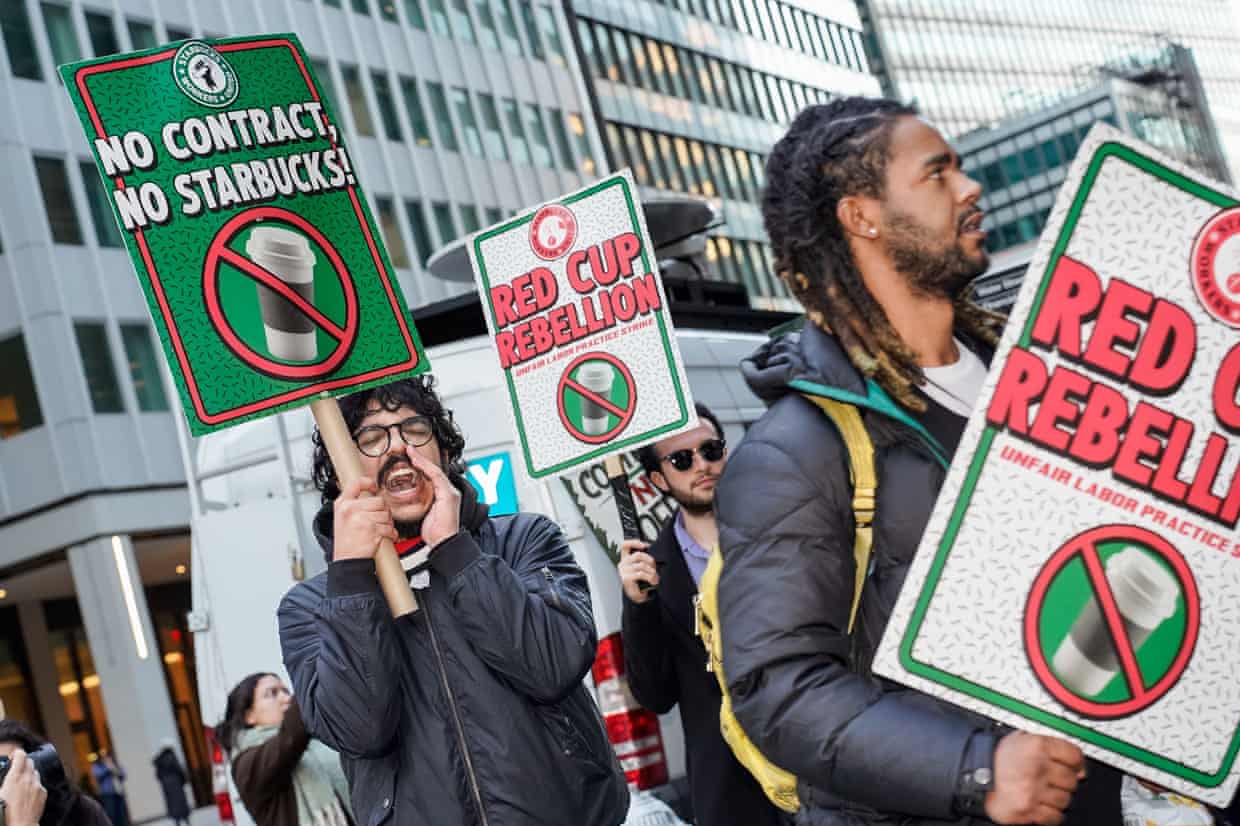
Starbucks shareholders push to oust board members over stalled union talks
Starbucks shareholders are pushing to remove two board members at the company who they argue have contributed to stalling the coffee chain’s long-fought-over union drive.The SOC Investment Group, Trillium Asset Management, Merseyside Pension Fund, the non-profit Shareholder Association for Research and Education (Share), and the New York state and New York City comptrollers wrote a letter to Starbucks shareholders to vote “no” on the re-election of board members Jørgen Vig Knudstorp and Beth Ford at Starbucks’s annual shareholders meeting on 25 March.More than 680 Starbucks stores have voted to form unions since the barista-led organizing campaign started in 2021. The union has reached 34 tentative agreements with Starbucks, but the company has not reached a single final agreement.Starbucks workers began an unfair labor practice strike at the coffee chain in November 2025, escalating up to the holidays in December 2025 with several thousand workers on strike
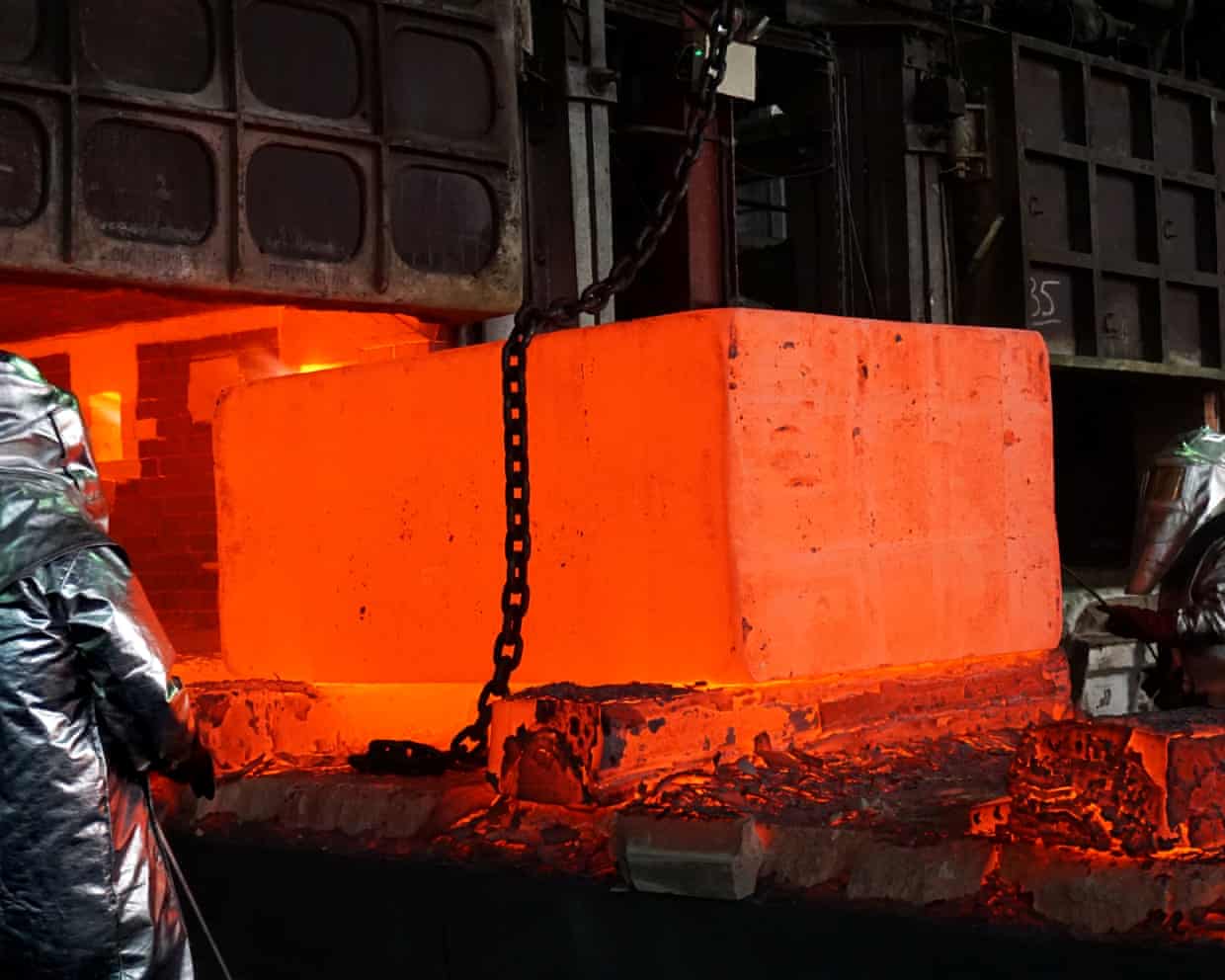
‘Very damaging’: how the Iran war is hitting energy-intensive industries
In its 160-year history, Somers Forge’s furnaces in the Black Country have cast steel columns for the Bank of England, part of the anchor for the Titanic and – more recently – propeller shafts for Britain’s nuclear submarines.The economic fallout from the Iran conflict is the latest of many geopolitical headaches the family-owned forge has endured, but it is already “very damaging”, said Tammy Inglis, the Somers finance director.Energy was about a fifth of manufacturing costs at the forge, which employs 140 people in Halesowen, before the conflict began, but that proportion is now rising. “Everybody just battens down the hatches and spends what they absolutely need to spend,” said Inglis. “You’re in survival mode
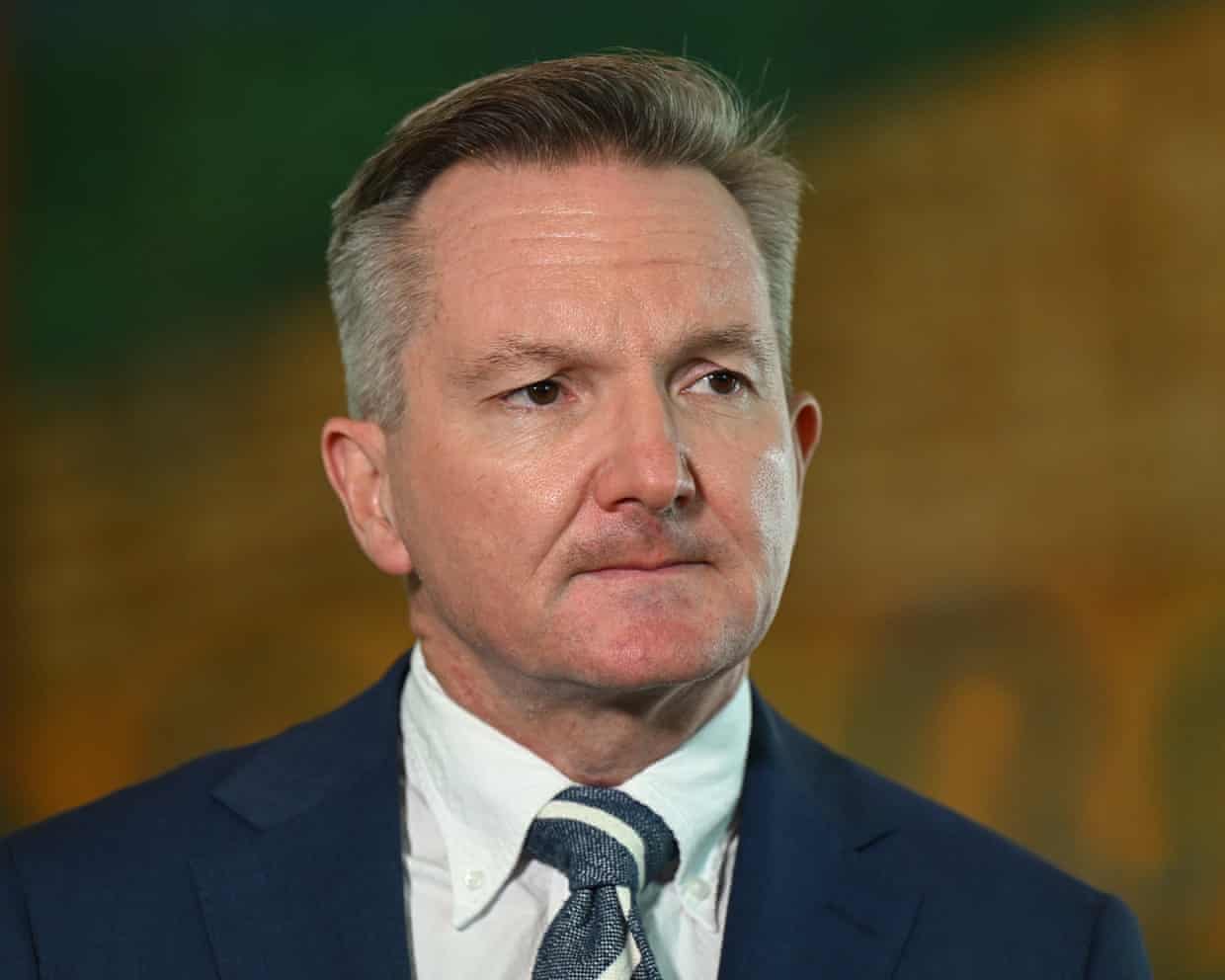
Chris Bowen declares rush on jerry cans ‘un-Australian’ as he urges end to panic buying of petrol
Chris Bowen has insisted the country’s fuel supply is yet to be affected by the war in the Middle East while criticising a rush to buy jerry cans to fill up with petrol as “un-Australian”.The energy minister made the comments after an emergency meeting with major fuel suppliers and retailers that was convened by the Australian Competition and Consumer Commission (ACCC) to demand explanations for the recent surge in petrol prices.Australian fuel prices have soared amid a 40% rise in global oil prices in the past fortnight, in response to the Middle East conflict and closure of the strait of Hormuz, a crucial shipping channel largely controlled by Iran.The government has said it was concerned some retailers were price gouging and that panic buying has exacerbated the situation. Some regional retailers have also run out of fuel in recent days
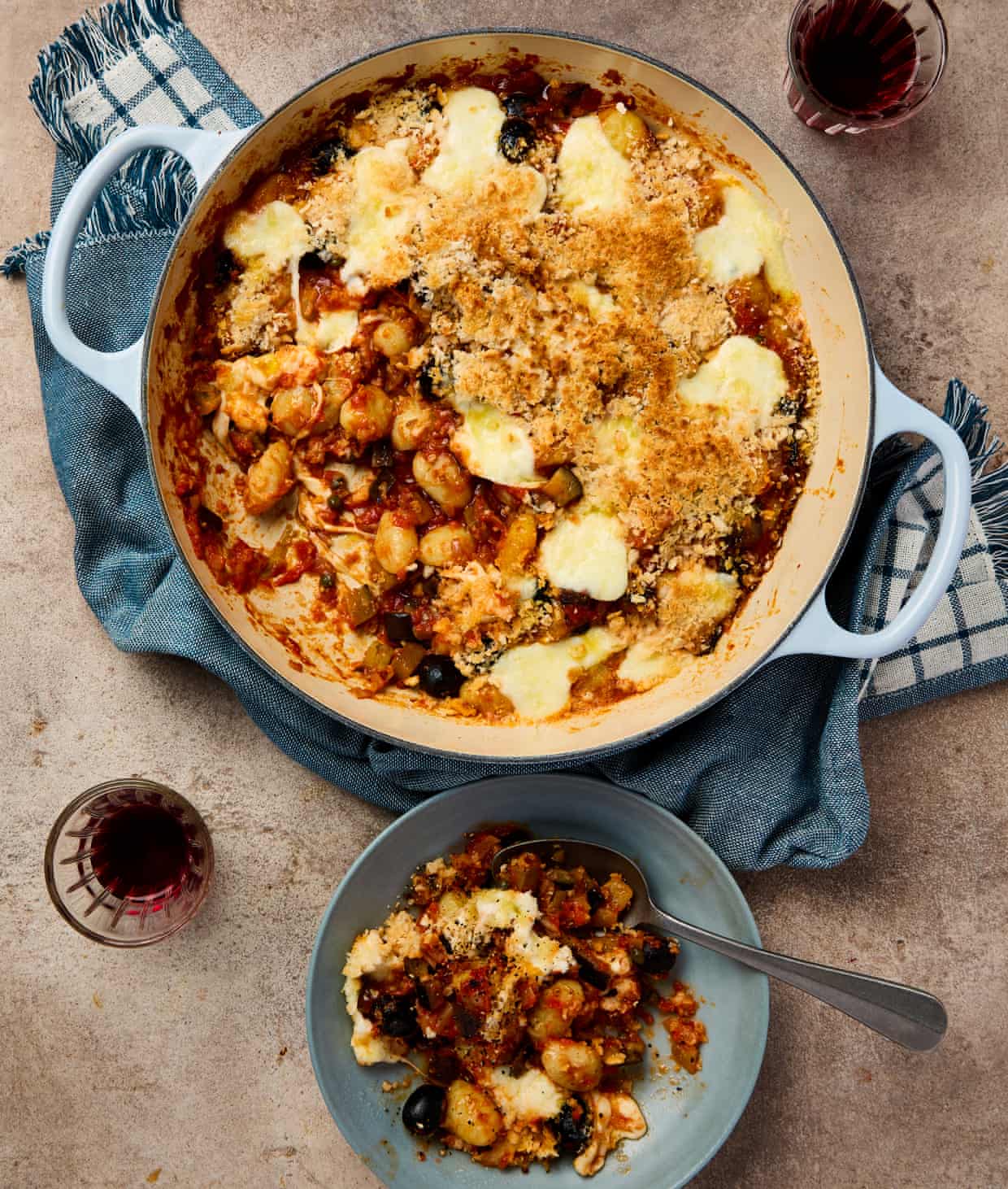
Rukmini Iyer’s quick and easy reccipe for crispy baked gnocchi puttanesca | Quick and easy
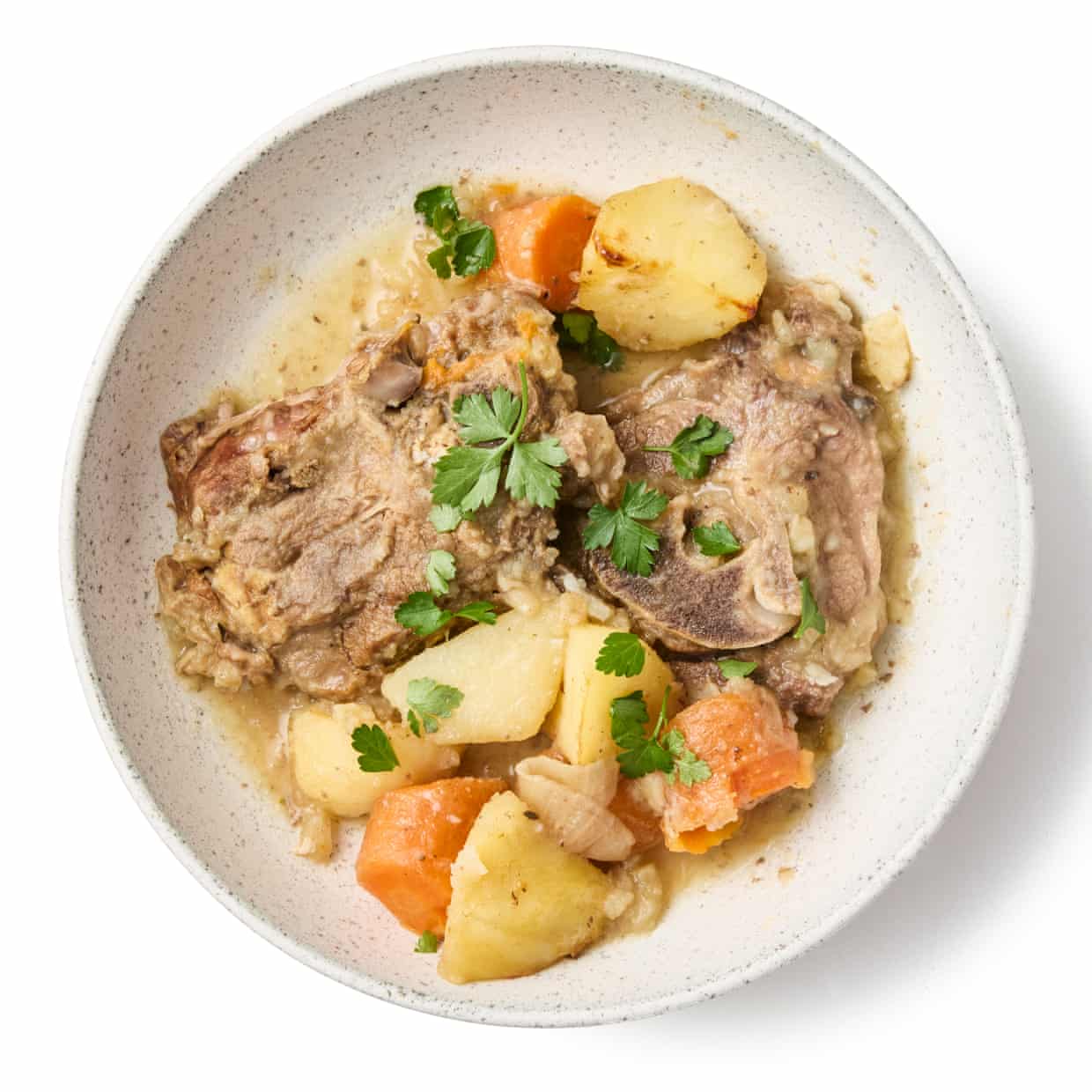
How to make Irish stew – recipe | Felicity Cloake's Masterclass
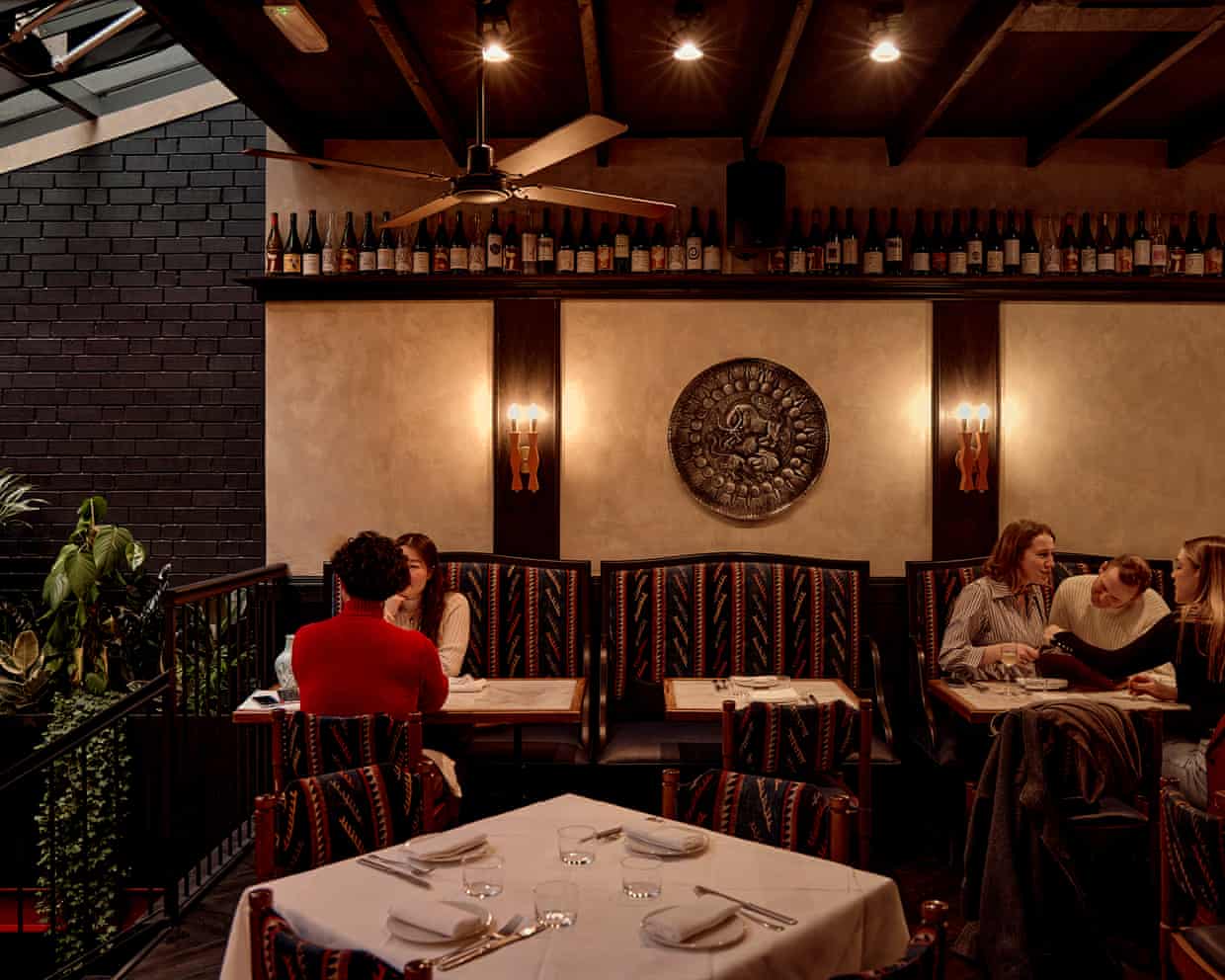
DakaDaka, London W1: ‘Like a 2am lock-in on a Tbilisi back street’ – restaurant review | Grace Dent on restaurants

Fallouts and financial woes: inside Heston Blumenthal’s sinking empire

Mother’s Day UK recipes: three delicious ideas to make for your mum from Ravinder Bhogal

Benjamina Ebuehi’s recipe for caramelised white chocolate and rhubarb cheesecake | The sweet spot