Close Brothers banking group to cut 600 jobs and roll out AI ‘at pace’

The UK banking group Close Brothers is to cut about 600 jobs and roll out the use of AI “at pace” after posting further losses amid a mounting compensation bill for the UK motor finance scandal.The specialist lender said the cuts – almost a quarter of its 2,600-strong workforce – would be made over the next 18 months across its teams in the UK and Ireland.It aims to reduce costs by £25m in the year to the end of September, up from a previous target of £20m, and by another £60m in the next financial year, a year earlier than planned.It said it would make the cuts through outsourcing and offshoring work and reducing office space.“In parallel, we are progressing the deployment of automation and artificial intelligence at pace, providing further opportunity both to reduce costs and enhance customer experience,” the lender added.
The chief executive, Mike Morgan, said: “While the impact on affected colleagues is regrettable, these actions are necessary to structurally lower our cost base while increasing our agility and ability to serve our customers.”Close Brothers, founded in 1878 by William Brooks Close and his brothers Fred and James, revealed the job cuts as it reported a pre-tax operating loss of £65.5m for the six months to 31 March after setting aside another £135m for the car loans mis-selling saga.This marked an improvement on the £102m loss the previous year.The extra sum set aside, which was announced last October, added to its previous £165m provision.
This means it is expecting a bill of about £300m to cover costs from the scandal and comes after the Financial Conduct Authority (FCA) published details of its proposed compensation scheme for drivers who were sold car loans with hidden or unfair commission payments.The FCA will set out its final plans for the redress scheme by the end of this month and has faced pushback from lenders including Close Brothers, Santander and Lloyds Banking Group over its calculations for how much consumers lost out and should be compensated.Close Brothers’ shares slumped 14% on Monday after a short seller, Viceroy Research, claimed the lender would have to at least double its provision for car finance to somewhere between £572m and £1.07bn.The stock fell a further 9.
7% on Tuesday.Viceroy said Close Brothers had “substantially misrepresented” its exposure to the FCA’s redress scheme.The bank said it “strongly disagrees with the report” in a statement after market close on Monday.Dan Coatsworth, the head of markets at AJ Bell, said: “It was telling that the share price didn’t recover any of [Monday’s] slump after Close Brothers denied the accusations were true, suggesting the market remains highly sceptical over the business until there is clarity on any compensation sums.“Job cuts and guidance for higher than previously expected annual cost savings would normally be the right ingredients to drive a share price higher, but not in Close Brothers’ case.
The core business doesn’t look strong enough to warrant investors taking the risk of buying in the face of considerable uncertainty.”Analysts at Panmure Liberum said: “The company is trying to do all the right things in redirecting its lending and attacking costs with gusto.It needs to as the loan book is modestly lower over the half year and income will remain under pressure.The elephant in the room remains motor finance, as it has been for the last two years.“The company could probably withstand a £500m cost without recourse to shareholders.
That still seems fair, but we are no closer to being sure of the outcome.The share price will remain volatile.”As well as reducing costs, the bank is seeking to shore up its balance sheet in the face of the mounting compensation bill, and has sold Winterflood, a broker, and its asset management businesses.
Sally Berry obituary
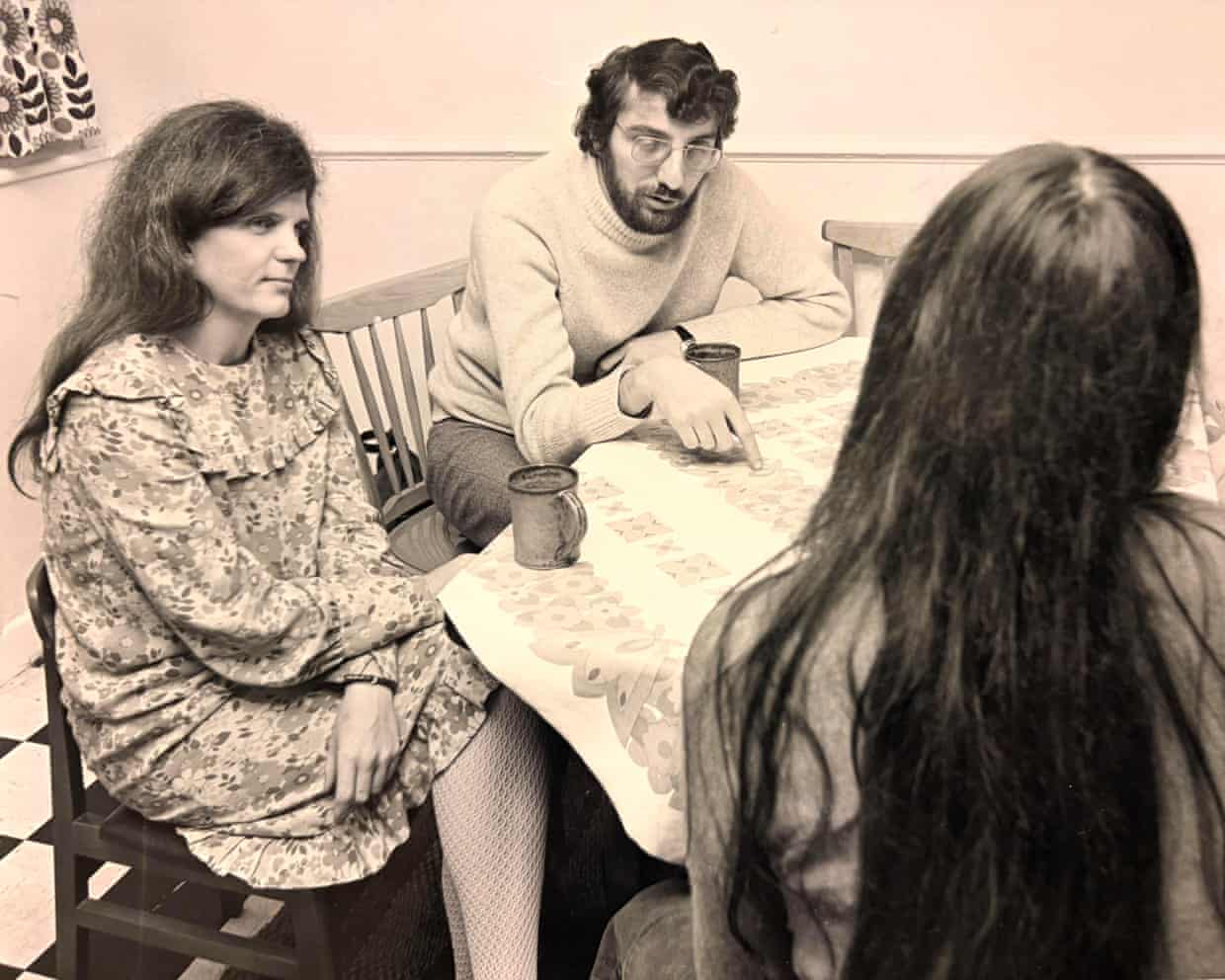
My friend and former colleague, Sally Berry, was a psychotherapist who spent many years engaged in two pioneering projects in London – at the Arbours Association, where she lived and worked with people with emotional difficulties, and at the Women’s Therapy Centre, where she provided counselling to women experiencing struggles in their personal lives.Sally, who has died aged 85, began living and working at the Arbours Association in one of their homes in Crouch End, north London, in 1971, and eventually headed up one of the Arbours houses elsewhere in London while also serving as chair of its training committee, which oversaw the mentoring of therapists and residents alike.In 1976 she also joined the Women’s Therapy Centre, where I was a co-founder with Luise Eichenbaum, as a one-day-a-week psychotherapist, juggling that role with her continued presence at the Arbours community and becoming the centre’s part-time clinical director in the late 1980s. The Women’s Therapy Centre closed in 2005 and she retired from the Arbours Association in 2018, after which she ran her own small private practice until 2021.Born in Oklahoma City in the US, Sally was the daughter of Alma (nee Payne) and Max Berry, a broker for a grocery store

I help people with psychosis off the streets. Sometimes, their minds won’t let them leave
The apartment came up on the city’s alert system: a studio on a leafy street, one block from Prospect Park in Brooklyn.The location is extremely desirable – it would be a score for any single person hunting for their first New York rental, let alone someone who had spent years in the shelter system.But Diane, my client, rejects it outright.“As I’ve told you,” she says, “the prophecy apartment is on 40th and Amsterdam.”I remind her again that the intersection of 40th Street and Amsterdam Avenue does not exist in New York City

Tell us: how is the meningitis outbreak in Canterbury being handled?
A meningitis outbreak in Kent has been linked to a strain that most young people are not routinely vaccinated against, with two people confirmed to have died and 11 more in hospital. Health officials have offered antibiotics to those at risk, as authorities work to contain the spread.We want to hear from people living in Canterbury and the surrounding area whether the outbreak is being well managed by the authorities.How is it affecting you and your community? How has the response from the university, schools and health authorities been handled? How are people around you feeling, and what support is available? Have you or someone you know been affected?You can share your responses with us in the form below or by messaging us. We will contact you first before we use your submission

Women feel coerced during maternity care in England, charity says
Women feel put under pressure to have medical procedures such as caesareans during their maternity care, according to a report.The charity Birthrights collated the experiences of 300 people in England who said they had felt or witnessed coercion within a maternity setting.It said caregivers used authoritative language that undermined the idea of women being able to make informed decisions regarding their maternity care.Experiences shared in the report include healthcare professionals telling women they must accept a vaginal examination or they will not be able to be admitted to the birth centre, and women feel put under pressure to accept an induction without it being explained why it was necessary.One woman recounted feeling forced into have a caesarean without having the reasons why it was necessary explained

Cannabis is not an effective treatment for common mental health conditions, says review
Cannabis is not an effective treatment for common mental health conditions despite the global surge in patients using it for that purpose, a review has found.Researchers concluded there was “very little evidence for its efficacy” in treating anxiety, anorexia nervosa, psychotic disorders, post-traumatic stress disorder or opioid use disorder.Experts from universities in Sydney, Brisbane and Melbourne in Australia and Bath in England undertook the largest and most comprehensive analysis to date of the evidence for using cannabinoids – cannabis-based therapies – to treat substance misuse and mental health disorders.Their review was prompted by the legalisation of cannabis as a treatment for both types of condition by countries including the US, the UK, Australia and Canada.Evidence from clinics that dispense cannabis for medical purposes say mental illnesses such as anxiety and depression are the main reasons cited by patients, followed by chronic pain, with some suffering from both
‘The videos are terrifying’: students describe spreading panic amid Kent meningitis outbreak
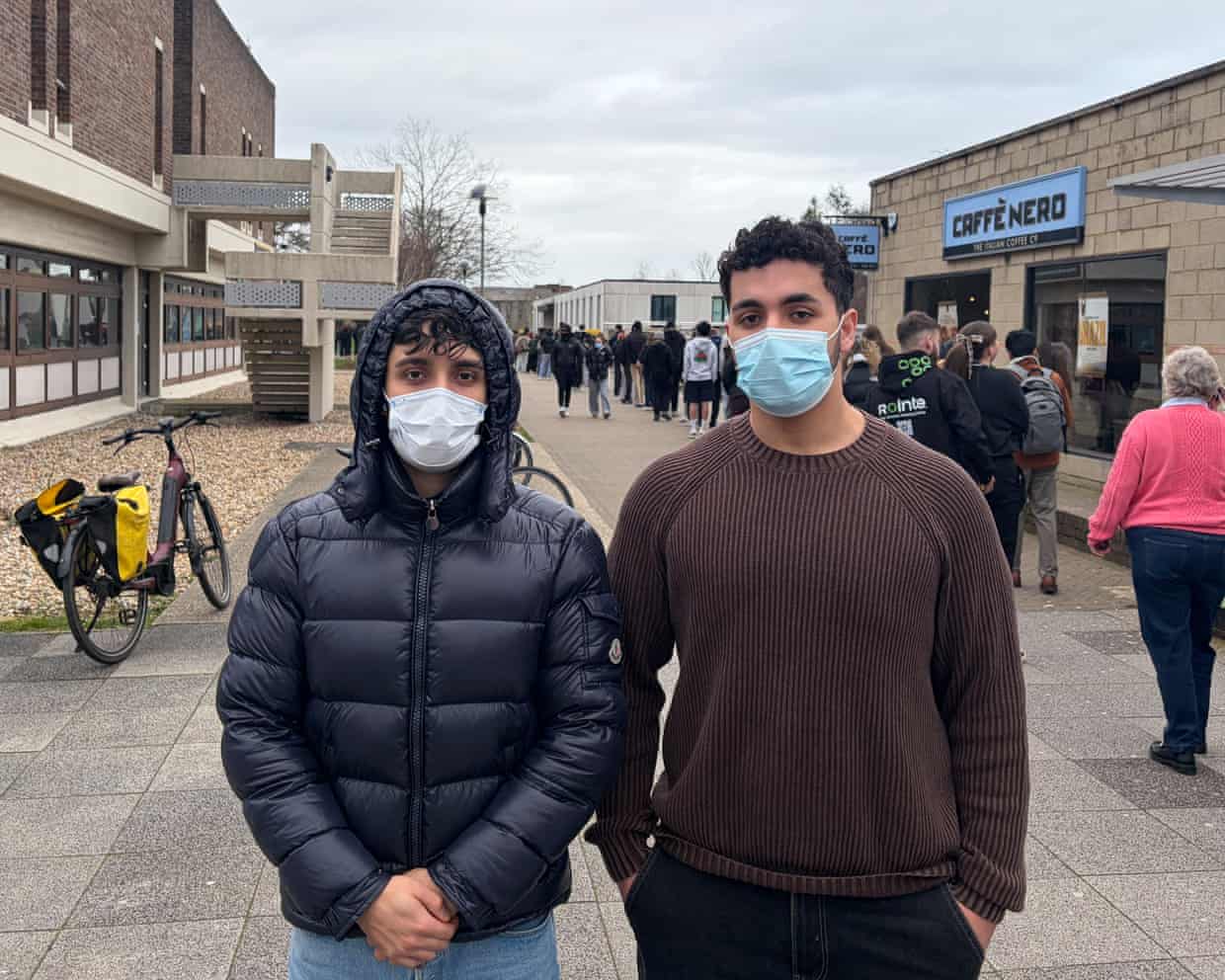
On Monday morning, nine days after a night out at Club Chemistry, a nightclub in Canterbury, Joe Bradshaw realised he had been linked to the meningitis outbreak in Kent that has killed two people, a university student and a sixth-former.He ran through the week in his mind, beginning to worry about those he had been in contact with.“I’m less concerned about my own health than spreading [the infection] to other vulnerable people,” he said. “My mum’s just come out of surgery so her immune system is relatively suppressed.”Bradshaw, 23, is one of the many young people in Canterbury shocked by news of the outbreak

Rukmini Iyer’s quick and easy reccipe for crispy baked gnocchi puttanesca | Quick and easy
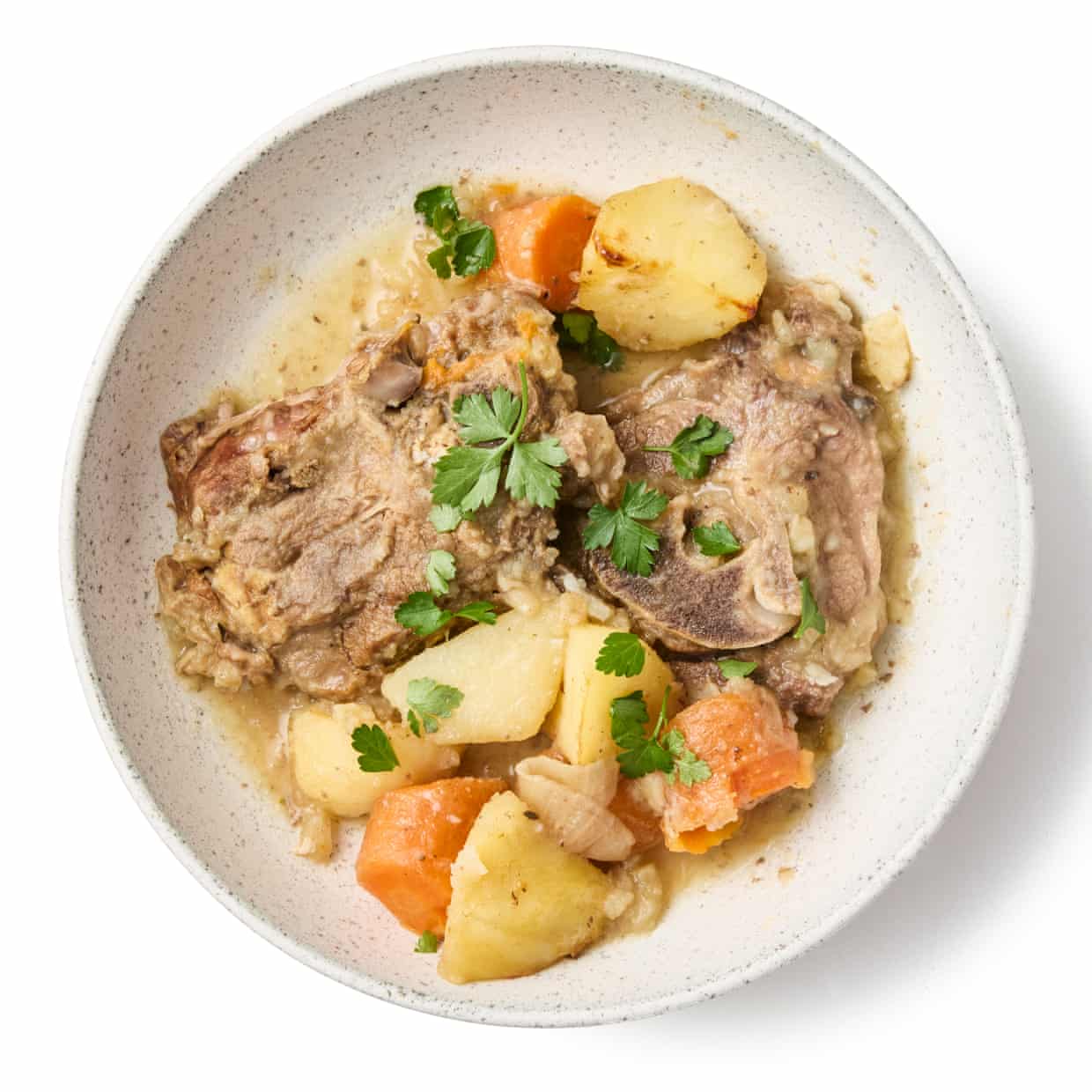
How to make Irish stew – recipe | Felicity Cloake's Masterclass
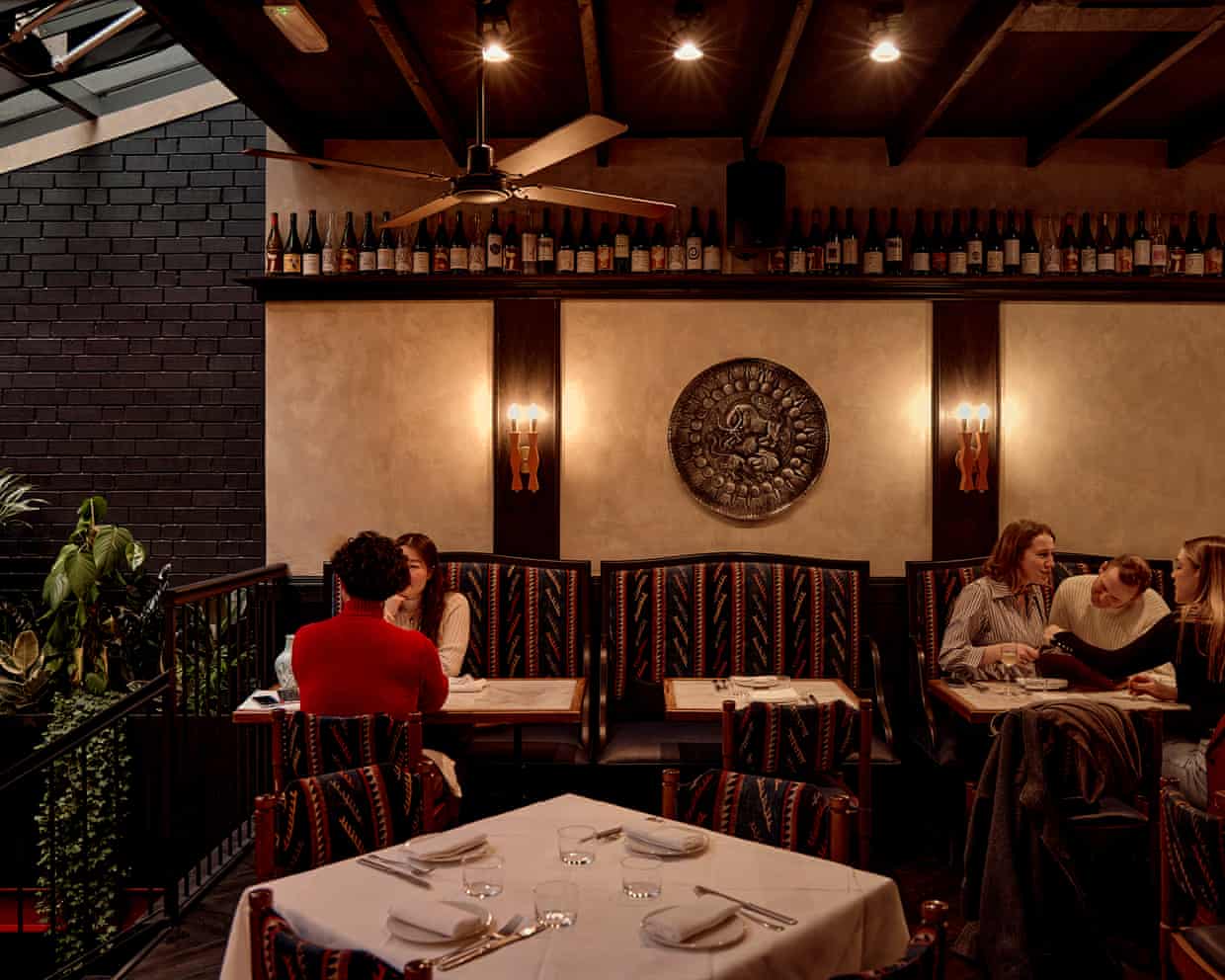
DakaDaka, London W1: ‘Like a 2am lock-in on a Tbilisi back street’ – restaurant review | Grace Dent on restaurants

Fallouts and financial woes: inside Heston Blumenthal’s sinking empire

Mother’s Day UK recipes: three delicious ideas to make for your mum from Ravinder Bhogal

Benjamina Ebuehi’s recipe for caramelised white chocolate and rhubarb cheesecake | The sweet spot