‘Dangerous and alarming’: Google removes some of its AI summaries after users’ health put at risk

Google has removed some of its artificial intelligence health summaries after a Guardian investigation found people were being put at risk of harm by false and misleading information.The company has said its AI Overviews, which use generative AI to provide snapshots of essential information about a topic or question, are “helpful” and “reliable”.But some of the summaries, which appear at the top of search results, served up inaccurate health information, putting users at risk of harm.In one case that experts described as “dangerous” and “alarming”, Google provided bogus information about crucial liver function tests that could leave people with serious liver disease wrongly thinking they were healthy.Typing “what is the normal range for liver blood tests” served up masses of numbers, little context and no accounting for nationality, sex, ethnicity or age of patients, the Guardian found.
What Google’s AI Overviews said was normal may vary drastically from what was actually considered normal, experts said.The summaries could lead to seriously ill patients wrongly thinking they had a normal test result, and not bother to attend follow-up healthcare meetings.After the investigation, the company has removed AI Overviews for the search terms “what is the normal range for liver blood tests” and “what is the normal range for liver function tests”.A Google spokesperson said: “We do not comment on individual removals within Search.In cases where AI Overviews miss some context, we work to make broad improvements, and we also take action under our policies where appropriate.
”Vanessa Hebditch, the director of communications and policy at the British Liver Trust, a liver health charity, said: “This is excellent news, and we’re pleased to see the removal of the Google AI Overviews in these instances.“However, if the question is asked in a different way, a potentially misleading AI Overview may still be given and we remain concerned other AI‑produced health information can be inaccurate and confusing.”The Guardian found that typing slight variations of the original queries into Google, such as “lft reference range” or “lft test reference range”, prompted AI Overviews.That was a big worry, Hebditch said.“A liver function test or LFT is a collection of different blood tests.
Understanding the results and what to do next is complex and involves a lot more than comparing a set of numbers,“But the AI Overviews present a list of tests in bold, making it very easy for readers to miss that these numbers might not even be the right ones for their test,“In addition, the AI Overviews fail to warn that someone can get normal results for these tests when they have serious liver disease and need further medical care,This false reassurance could be very harmful,”Google, which has a 91% share of the global search engine market, said it was reviewing the new examples provided to it by the Guardian.
Hebditch said: “Our bigger concern with all this is that it is nit-picking a single search result and Google can just shut off the AI Overviews for that but it’s not tackling the bigger issue of AI Overviews for health.”Sue Farrington, the chair of the Patient Information Forum, which promotes evidence-based health information to patients, the public and healthcare professionals, welcomed the removal of the summaries but said she still had concerns.“This is a good result but it is only the very first step in what is needed to maintain trust in Google’s health-related search results.There are still too many examples out there of Google AI Overviews giving people inaccurate health information.”Millions of adults worldwide already struggle to access trusted health information, Farrington said.
“That’s why it is so important that Google signposts people to robust, researched health information and offers of care from trusted health organisations.”AI Overviews still pop up for other examples the Guardian originally highlighted to Google.They include summaries of information about cancer and mental health that experts described as “completely wrong” and “really dangerous”.Asked why these AI Overviews had not also been removed, Google said they linked to well-known and reputable sources, and informed people when it was important to seek out expert advice.A spokesperson said: “Our internal team of clinicians reviewed what’s been shared with us and found that in many instances, the information was not inaccurate and was also supported by high quality websites.
”Victor Tangermann, a senior editor at the technology website Futurism, said the results of the Guardian’s investigation showed Google had work to do “to ensure that its AI tool isn’t dispensing dangerous health misinformation”.If you have something to share about this story, you can contact Andrew using one of the following methods.The Guardian app has a tool to send tips about stories.Messages are end to end encrypted and concealed within the routine activity that every Guardian mobile app performs.This prevents an observer from knowing that you are communicating with us at all, let alone what is being said.
If you don’t already have the Guardian app, download it (iOS/Android) and go to the menu.Select ‘Secure Messaging’.Email (not secure)If you don’t need a high level of security or confidentiality you can email andrew.gregory@theguardian.comSecureDrop and other secure methodsIf you can safely use the tor network without being observed or monitored you can send messages and documents to the Guardian via our SecureDrop platform.
Finally, our guide at theguardian.com/tips lists several ways to contact us securely, and discusses the pros and cons of each.Google said AI Overviews only show up on queries where it has high confidence in the quality of the responses.The company constantly measures and reviews the quality of its summaries across many different categories of information, it added.In an article for Search Engine Journal, senior writer Matt Southern said: “AI Overviews appear above ranked results.
When the topic is health, errors carry more weight,”
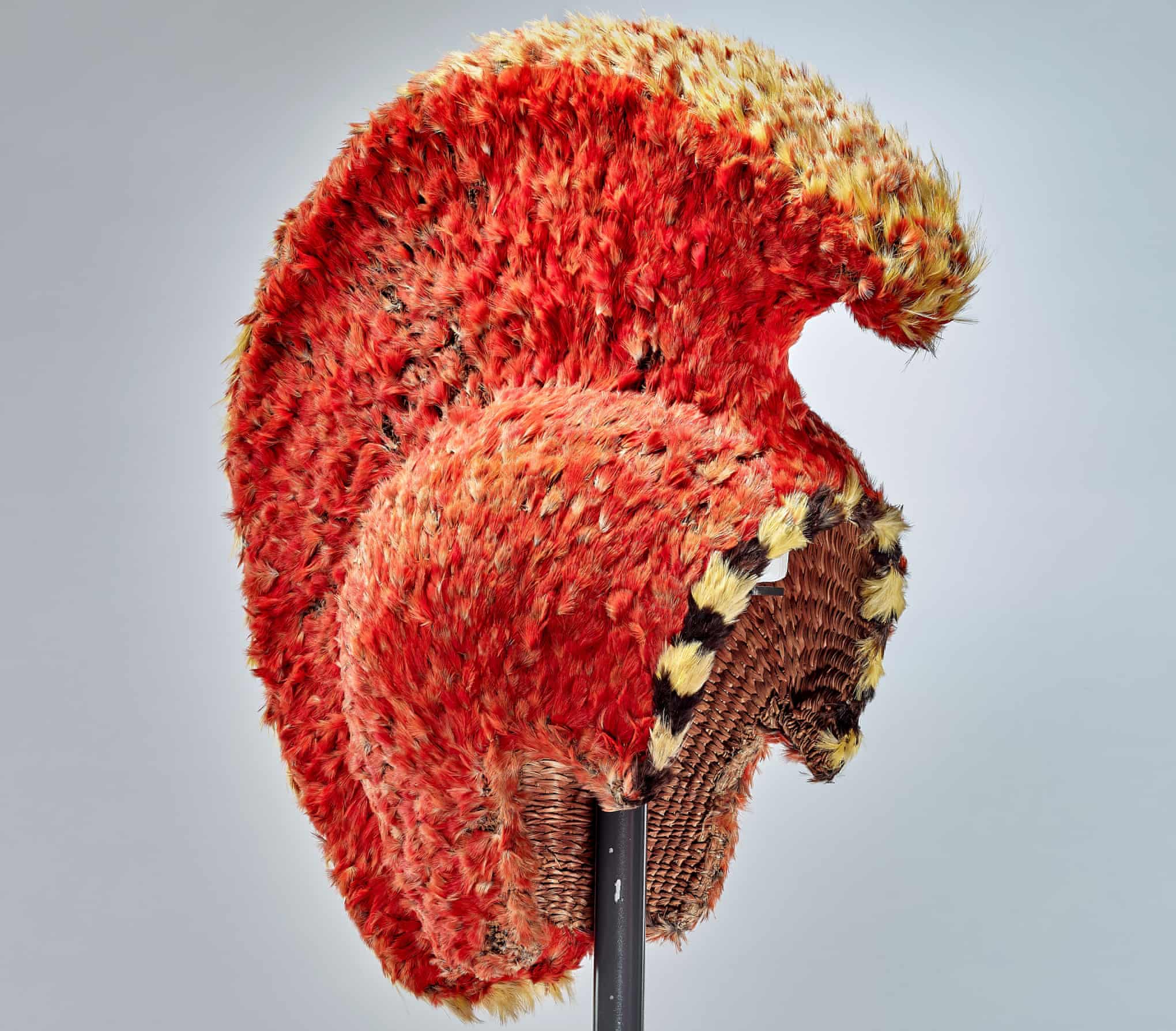
Hawaii: A Kingdom Crossing Oceans review – a feather-filled thriller full of gods, gourds and ghosts
British Museum, LondonThis retelling of Captain Cook’s death and the merging of two cultures is a trove of miraculously preserved wonders – but beware of the shark-toothed club!Relations between Britain and the Pacific kingdom of Hawaii didn’t get off to a great start. On 14 February 1779 the global explorer James Cook was clubbed and stabbed to death at Hawaii’s Kealakekua Bay in a dispute over a boat: it was a tragedy of cultural misunderstanding that still has anthropologists arguing over its meaning. Cook had previously visited Hawaii and apparently been identified as the god Lono, but didn’t know this. Marshall Sahlins argued that Cook was killed because by coming twice he transgressed the Lono myth, while another anthropologist, Gananath Obeyesekere, attacked him for imposing colonialist assumptions of “native” irrationality on the Hawaiians.It’s a fascinating, contentious debate

Three board members and board chair resign from Adelaide festival as Randa Abdel-Fattah sends legal notice
The Adelaide festival is facing an unprecedented leadership crisis after three board members resigned this weekend.The journalist Daniela Ritorto, the Adelaide businesswoman Donny Walford and the lawyer Nick Linke stepped down at an extraordinary board meeting on Saturday following the board’s controversial decision to dump the Palestinian Australian author Randa Abdel-Fattah from the 2026 writers’ week program.Separately on Sunday evening, festival board chair Tracey Whiting confirmed that she had decided to resign, “effective immediately”.She did not detail her reasons for resigning, saying only in a statement: “Recent decisions were bound by certain undertakings and my resignation enables the Adelaide Festival, as an organisation, to refresh its leadership and its approach to these circumstances.”“My tenure as Chair has been immensely enjoyable, as has working with the terrific AF team

Adelaide festival did not dump Jewish columnist from 2024 program despite request from Randa Abdel-Fattah and others
The Adelaide festival board did not dump a Jewish columnist from its 2024 lineup at Adelaide writers’ week, despite being lobbied by a group of 10 academics – including Randa Abdel-Fattah – to do so.On Saturday South Australia’s premier, Peter Malinauskas, claimed that the board had dumped the New York Times pro-Israel columnist Thomas Friedman in 2024, and reiterated his support for the festival board’s decision on Thursday to remove Abdel-Fattah, a Palestinian Australian academic, from this year’s program.“I note the Adelaide Festival also made its own decision to remove a Jewish writer from the Adelaide Writers’ Week program in 2024 in very similar circumstances,” Malinauskas told the Guardian through a spokesperson on Saturday.“I support that decision, and the consistent application of this principle.”On Saturday News Corp publications picked up on the premier’s statement, reporting the apparent inconsistency between the public outcry against Abdel-Fattah’s removal compared with the alleged removal of Friedman two years earlier, which did not ignite the massive boycott the writers’ week is now seeing, making the 2026 event look increasingly untenable
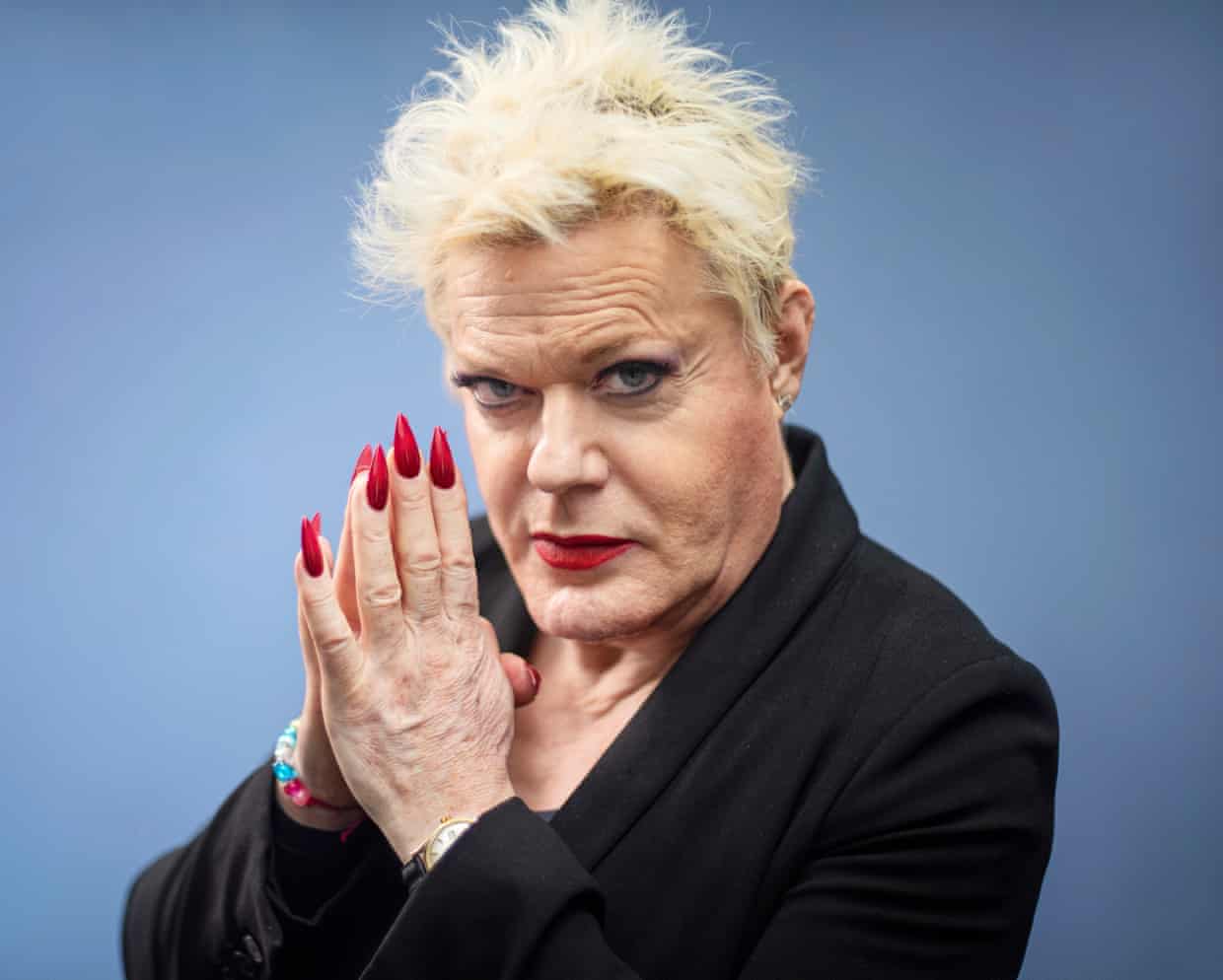
Eddie Izzard: ‘I once ran 90km in just under 12 hours. That was a tough day’
When you started performing your one-woman Hamlet, how much did you labour over your delivery of the play’s most iconic lines, such as “To be or not to be”?The first thing I found when I was rehearsing Hamlet was that I felt very at home. I thought, “That’s unusual – I should be quaking in my boots!” I just felt very at ease and happy to be there. But the first time I performed “to be or not to be” on stage, there was a sense of – aren’t bells supposed to ring here? Isn’t there supposed to be a klaxon?I come to “to be” in a slightly different way each night so hopefully the audience haven’t seen it done that way before. I was a street performer for years, so I know how to talk to an audience, which is what they were doing in Shakespeare’s time; they were performing to the people, not at them. Actors got into this fourth-wall thing in the 1800s, it wasn’t there in Elizabethan times
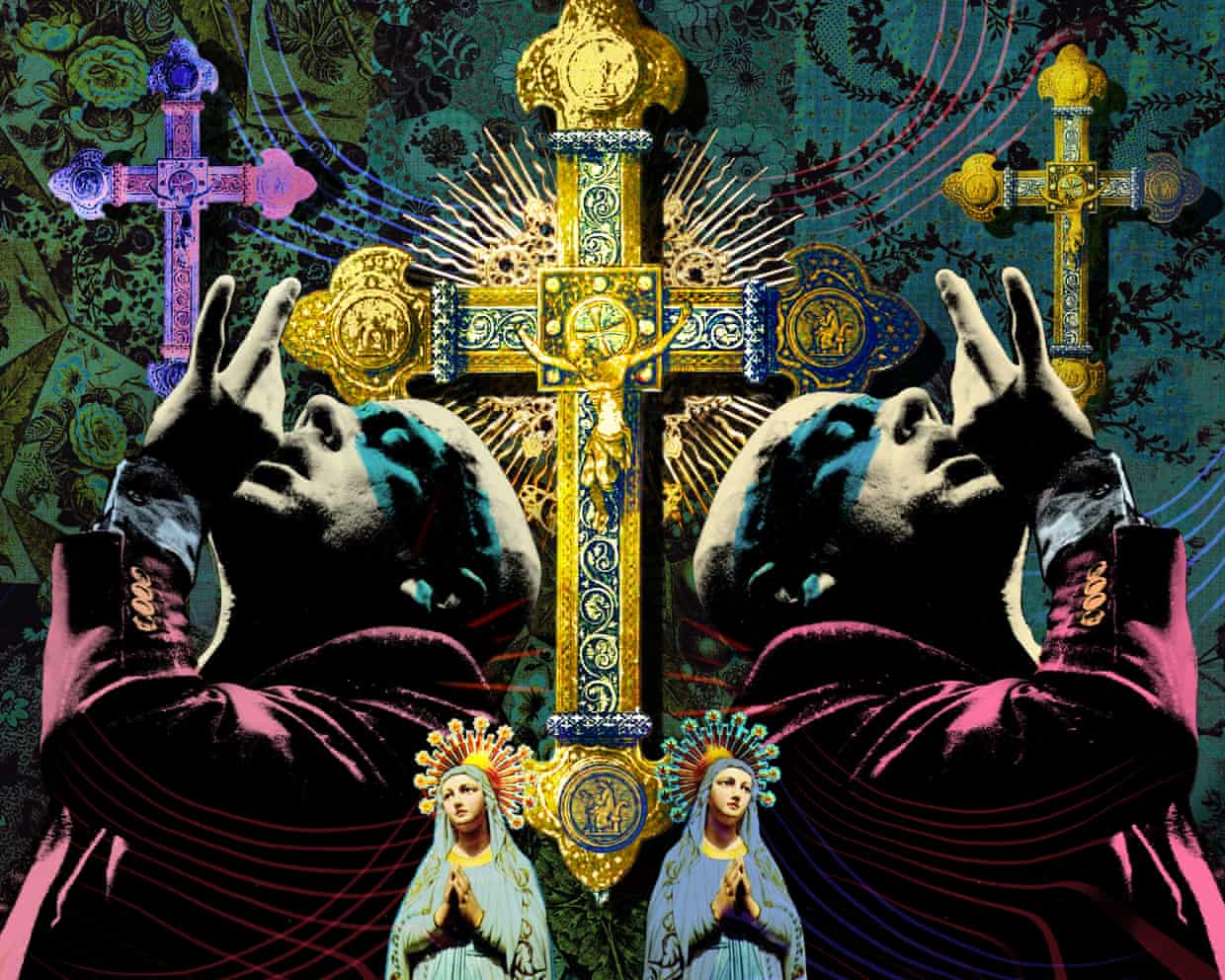
My cultural awakening: Losing My Religion by REM helped me escape a doomsday cult
In 1991, I was living in a commune with 200 other people in Japan, as a member of a cult called the Children of God, which preached that the world was going to end in 1993. Everything I did – from where I slept each night, to who I was allowed to sleep with – was decided by the head of my commune. I was encouraged to keep a diary, and then turn it over to the leaders every night, so they could comb through it for signs of dissent. I was only allowed to listen to cult-sanctioned music, and I was only allowed to watch movies with happy endings, because those were the types of films of which the cult’s supreme leader – David Berg – approved. The Sound of Music was one of Berg’s favourite films, so we watched it on repeat
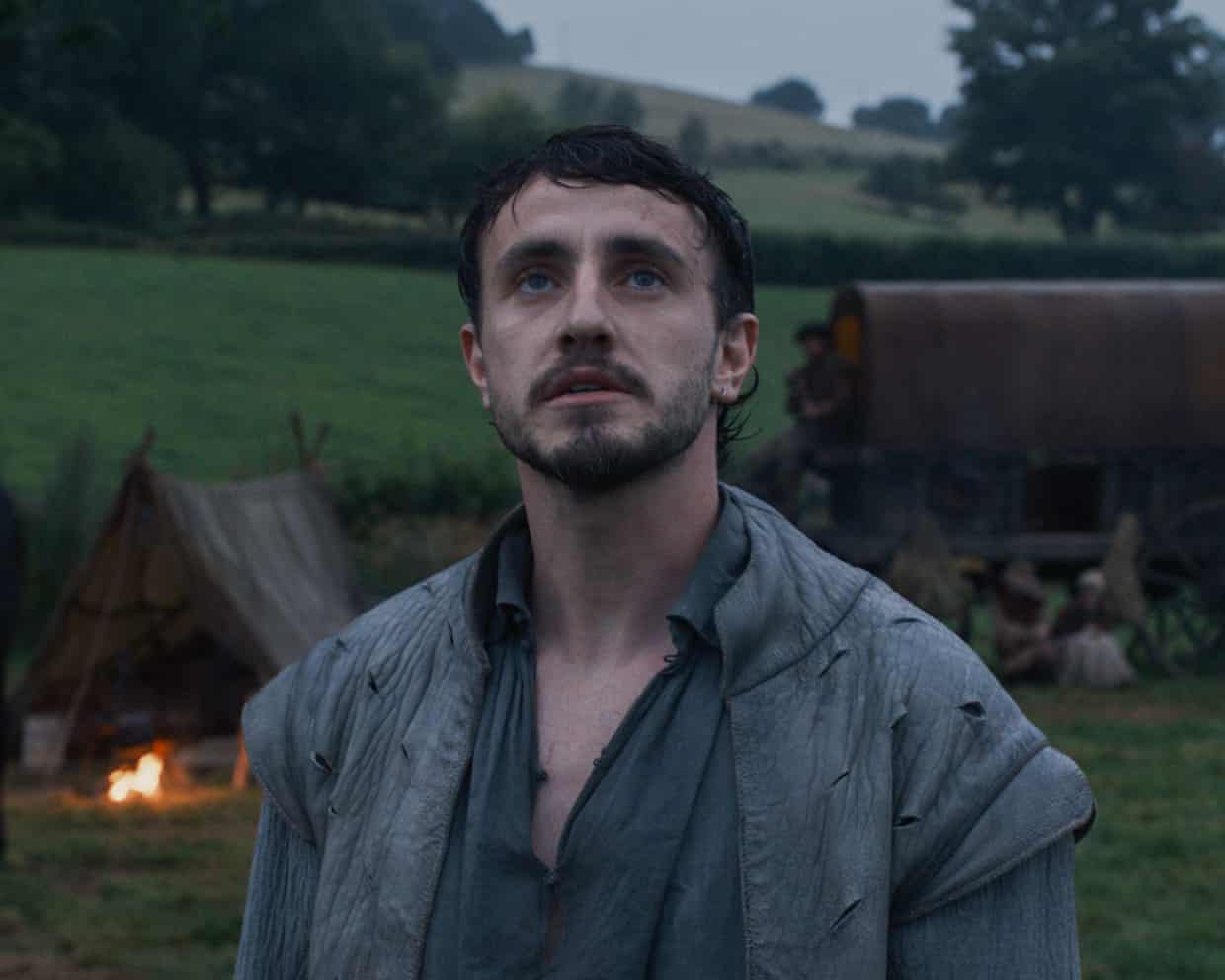
From Hamnet to Bridget Christie: your complete entertainment guide to the week ahead
HamnetOut now Bring the tissues for this emotional Oscar hopeful which sees Paul Mescal and Jessie Buckley star as none other than William Shakespeare and his wife, Agnes, whose son Hamnet died at the age of 11. It is based on the book by Maggie O’Farrell, and Chloé Zhao (Nomadland) directs.David Lynch: The DreamerBFI Southbank & BFI Imax, London, to 31 JanuaryMarking what would have been the director’s 80th birthday, this new season includes screenings of key films such as The Elephant Man, Blue Velvet and Mulholland Drive, as well as lesser-seen work, such as six of his short films and all eight episodes of his animated webseries Dumbland. There’s even a David Lynch VJ night and a quiz evening.GiantOut now Up and coming star Amir El-Masry toplines this sports drama depicting the rise of British boxer Prince Naseem Hamed, from untested no-mark all the way to world champion – with a little help from trainer Brendan Ingle (Pierce Brosnan)

Ex-Fed chairs condemn Trump’s bid to weaken central bank’s independence

Trump’s attempts to influence Fed risk 1970s-style inflation and global backlash’

Malaysia blocks Elon Musk’s Grok AI over fake, sexualised images
UK threatens action against X over sexualised AI images of women and children

Australian Open is drawing record crowds before the tournament has even begun

‘It’s embarrassing’: riders say time is up for fossil fuel sponsorship of heat-affected Tour Down Under