Hawaii: A Kingdom Crossing Oceans review – a feather-filled thriller full of gods, gourds and ghosts
British Museum, LondonThis retelling of Captain Cook’s death and the merging of two cultures is a trove of miraculously preserved wonders – but beware of the shark-toothed club!Relations between Britain and the Pacific kingdom of Hawaii didn’t get off to a great start.On 14 February 1779 the global explorer James Cook was clubbed and stabbed to death at Hawaii’s Kealakekua Bay in a dispute over a boat: it was a tragedy of cultural misunderstanding that still has anthropologists arguing over its meaning.Cook had previously visited Hawaii and apparently been identified as the god Lono, but didn’t know this.Marshall Sahlins argued that Cook was killed because by coming twice he transgressed the Lono myth, while another anthropologist, Gananath Obeyesekere, attacked him for imposing colonialist assumptions of “native” irrationality on the Hawaiians.It’s a fascinating, contentious debate.
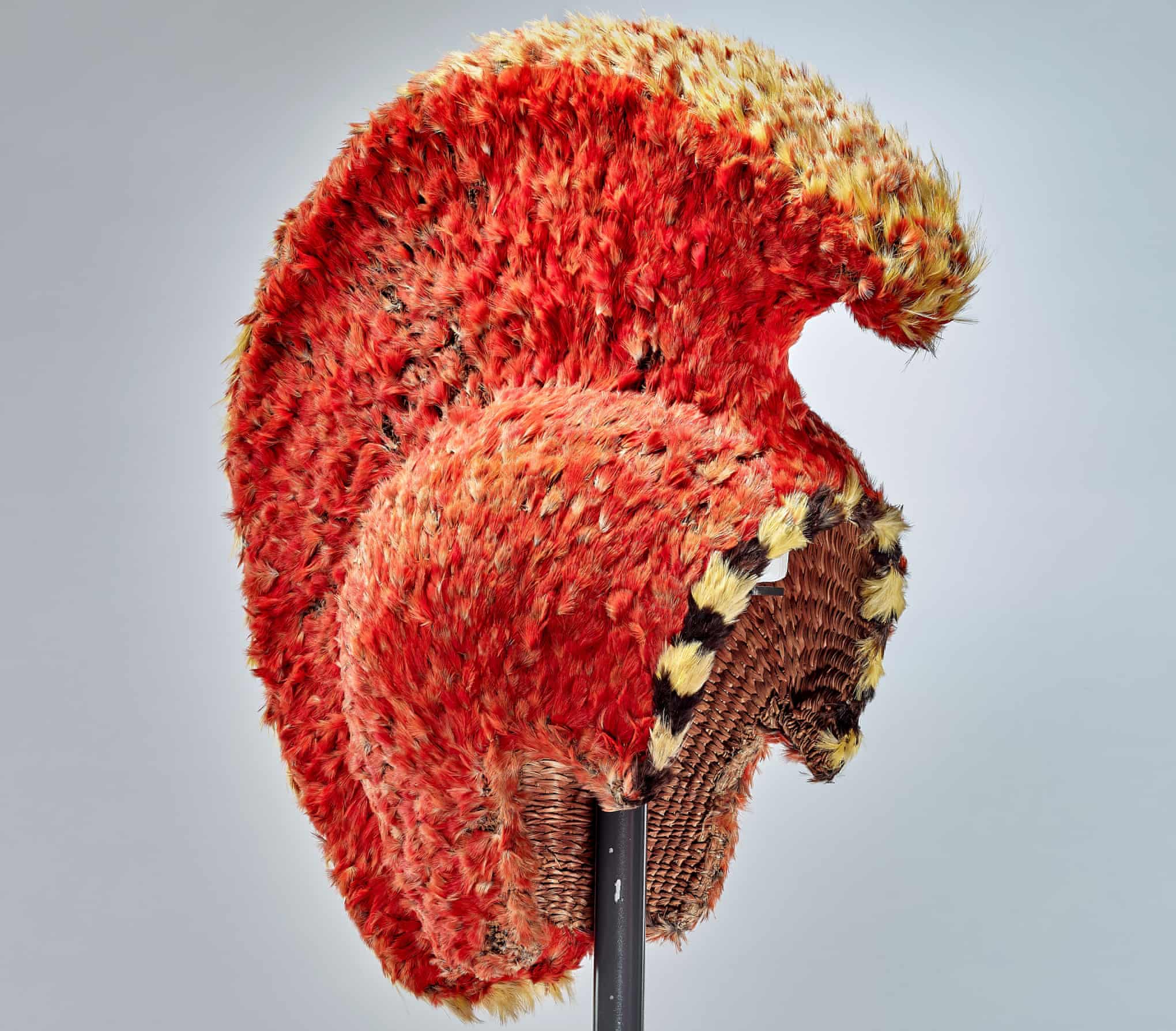
But the aftermath of Cook’s death is less well known – and the British Museum’s telling of it, in collaboration with indigenous Hawaii curators, community leaders and artists, reveals a surprisingly complex if doomed encounter between different cultures,Cook isn’t mentioned in the wall texts or portrayed in the show, but his ghost is everywhere in the objects he and his men brought back to Britain,And what marvels they are,Before Cook’s voyages the peoples of the Pacific, connected with each other by epic canoe crossings that linked the Polynesians from Hawaii and Easter Island to Tahiti and New Zealand, created cultural forms that we now call art,Giant pink feathered faces of gods with mother-of-pearl eyes grimace and gurn while a club embedded with tiger shark teeth combines beauty and menace.
Bowls carried by naked figures on their backs embody how Hawaiian chiefs and monarchs were feasted and respected.Monarchy is at the heart of this show, a common language shared by the otherwise chalk and cheese Hawaiians and Britons.After the death of Cook, which was heartily regretted on both sides, Hawaii learned, as it were, to speak British and assert its equality with a “modern” state.It worked, for a while.In 1810 King Kamehameha I sent a magnificent, feathered cloak to George III, with a yellow diamond pattern on red – on loan here from the Royal Collection which still owns it.
The king apologised that he was too far away to support Britain in the Napoleonic Wars but expressed friendship – and could Britain help if Hawaii was attacked by France? The Hawaiian cloak is wittily juxtaposed here with a glittering jewelled costume worn by George IV at his coronation: idiosyncratic customs existed on both sides of the world,Forget Cook, the show suggests: remember King Liholiho,In 1824 he and his Queen Kamamulu set out on a journey that reversed all those British “discoveries”,They set sail for Britain laden with gifts, hitching a lift on a whaling ship (the story would be even better if they’d gone by outrigger canoe),George IV seems to have been touched by the greetings from across two oceans because he received the Hawaiians in 1824 with diplomatic honours.
They were seen in the royal box at the theatre and portrayed by artists.Typically cartoonists were less generous – Cruikshank portrays the depraved George IV with his arms around a tattooed Polynesian.They also visited the British Museum where they could not have missed three of its most stunning exhibits, the feathered faces of gods brought back by Cook’s team from Hawaii which are known to have been on display at that time.The Hawaiian treasures retrieved from the British Museum’s stores are remarkable – they should have a permanent gallery to themselves.You can’t stereotype them: the fierce gaze of a martial-looking god with a chunky wooden body seems modernist, which is no coincidence because Pacific sculptures helped inspire modernism.
I mistook one of the feathered godheads with its almost caricatural eye for a contemporary artwork.It was collected by Cook.These wonders are not reliquaries of a dead culture.There’s a perfectly preserved 18th-century dance rattle, or ‘uli’uli, brought back from Cook’s third voyage, a gourd from which purple, red and white feathers sprout and radiate.A video shows Hawaiian dancers using a modern recreation of the same instrument.
To Hawaiians the artistic masterpieces their ancestors made are bearers of memory, instruments of identity.This exhibition is a celebration of Hawaii and a defence of museums with global collections.The almost miraculous preservation of delicate, fragile artworks made with feathers, teeth, wood and bark for almost 250 years is surely to the British Museum’s credit, as is this way of seeing them as embodiments of living culture.How does the story end? The king and queen of Hawaii gave their lives for cultural diplomacy: they both died of measles in London in 1824.George IV honoured them by sending their bodies home on a Royal Navy ship.
Hawaii successfully persuaded Britain and Europe it was a nation state, with a monarchical government they could do business with – so Britain kept its greedy hands off this one place.In the end it would be the US that seized Hawaii, colonised it and eventually made it the 50th state.The objects here are weapons in a continuing cultural resistance.Look out for that shark-toothed club, Mr President.Hawaii: A Kingdom Crossing Oceans is at the British Museum, London, 15 January to 25 May
Helen Goh’s recipe for baked apples with lemon and tahini | The sweet spot
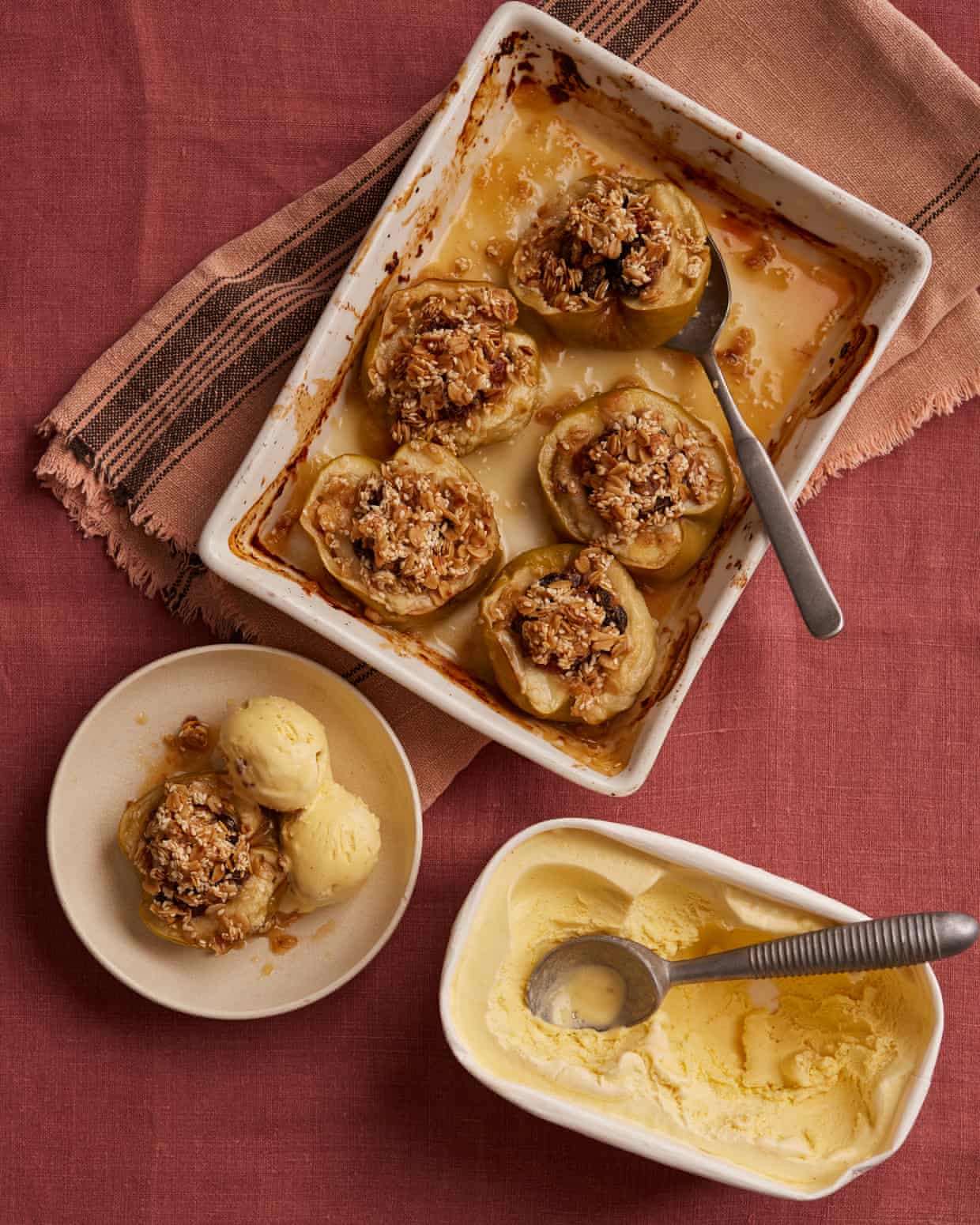
After the excesses of December, these baked apples are a light, refreshing vegan pudding. The filling makes good use of any dried fruit lingering still from Christmas, and is brightened with lemon and bound with nutty tahini. As the apples bake, they turn yielding and fragrant, while the sesame oat topping crisps to a golden crown. Serve warm with a splash of cream, yoghurt or ice-cream (dairy or otherwise), and you have comfort that feels wholesome and indulgent.If need be, you can make these vegan and/or dairy-free with a few simple tweaks
Health by stealth: the rise of drinkable no- and low-alcohol beer
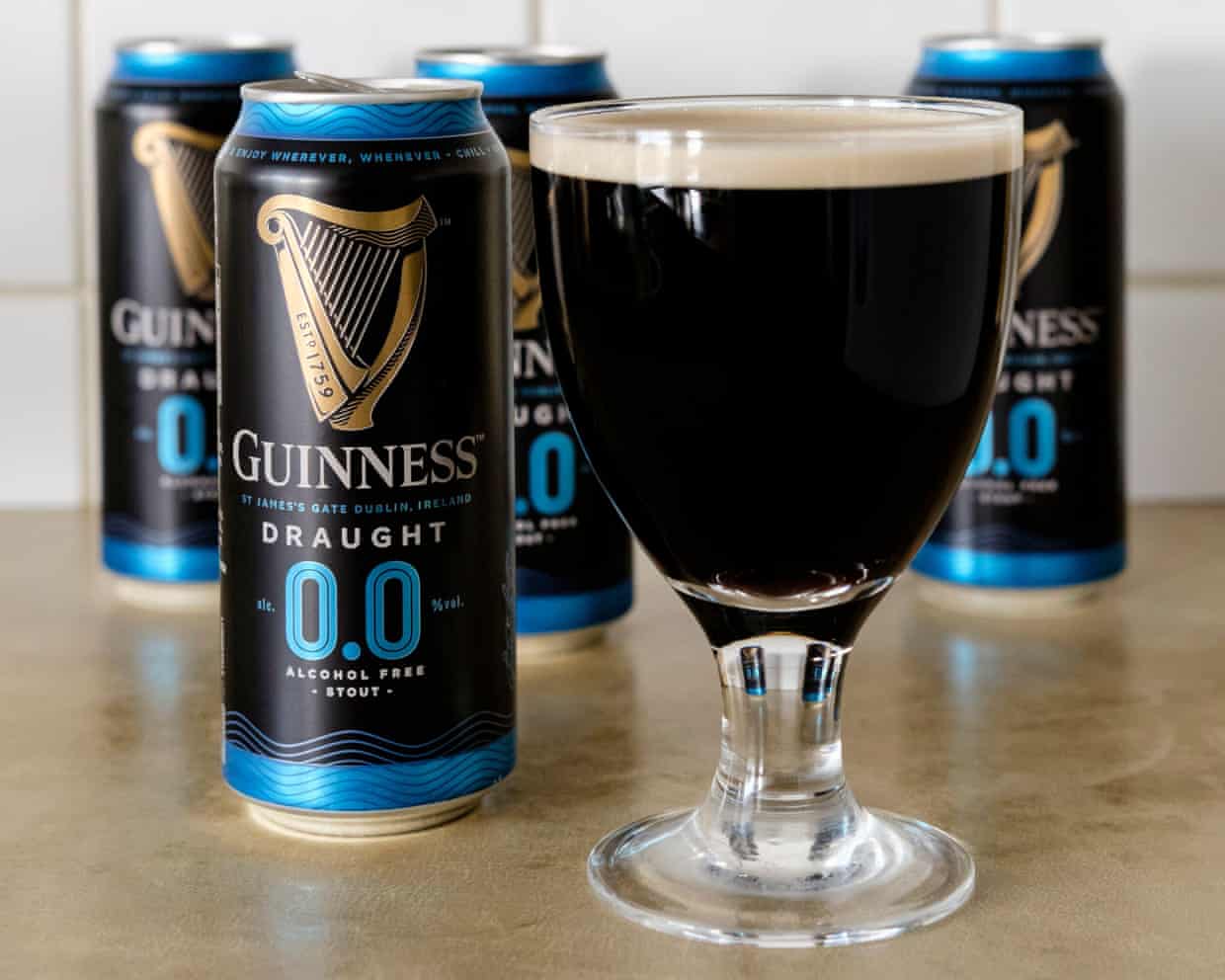
As the last of the liqueur bottles are consigned to the recycling and the festive hangovers subside, even those of us who scorn the very concept of Dry January (no booze at all? In the gloomiest month of the year? Are they mad?) tend to take our feet off the alcohol pedal and give our livers something of a rest.The Guardian’s journalism is independent. We will earn a commission if you buy something through an affiliate link. Learn more.Water, of course, is the easiest, cheapest and probably most effective way to detox; it’s also the most boring
Mark Hix’s recipe for roast pumpkin and pickled walnut salad
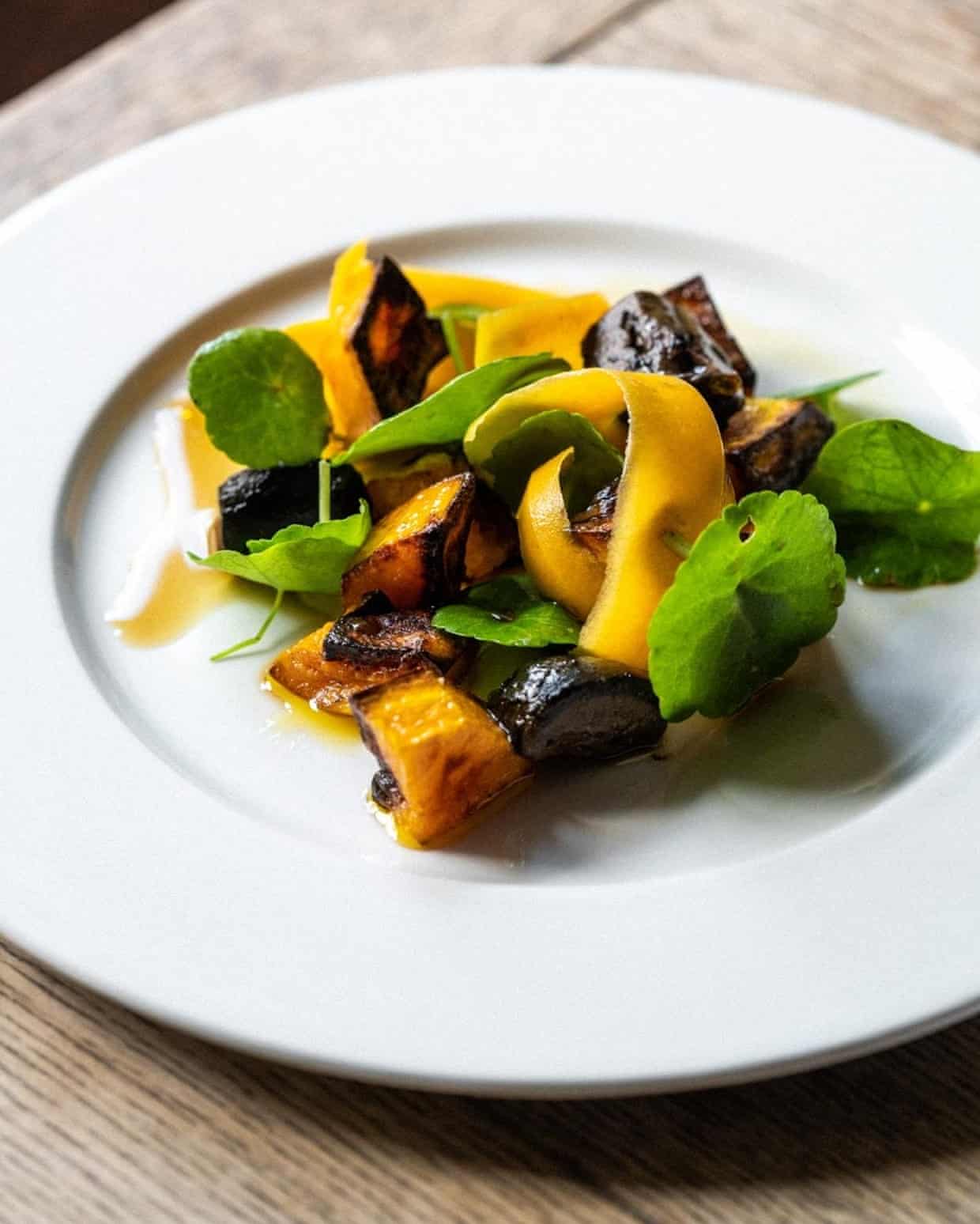
I try to grow a few varieties of squash every season, but in the past couple of years the results have more or less failed me. I originally put that down to the lack of time and attention I’d given those poor plants, but I’m now starting to wonder if the soil in my raised garden beds overlooking Lyme Bay in Dorset is actually right for them.I’m not giving up just yet, though, and this year I’ll be trying different varieties in a different bed that I’ve prepared and composted over the winter with seaweed mulch. As luck would have it, however, my friend Rob Corbett came to the rescue a couple of weeks ago by giving me several specimens when he delivered some wine from his Castlewood vineyard a few miles away in east Devon. If you know your gourds even a little, you will also know that squashes keep for months, which is handy, because they ideally need to cure and ripen before use
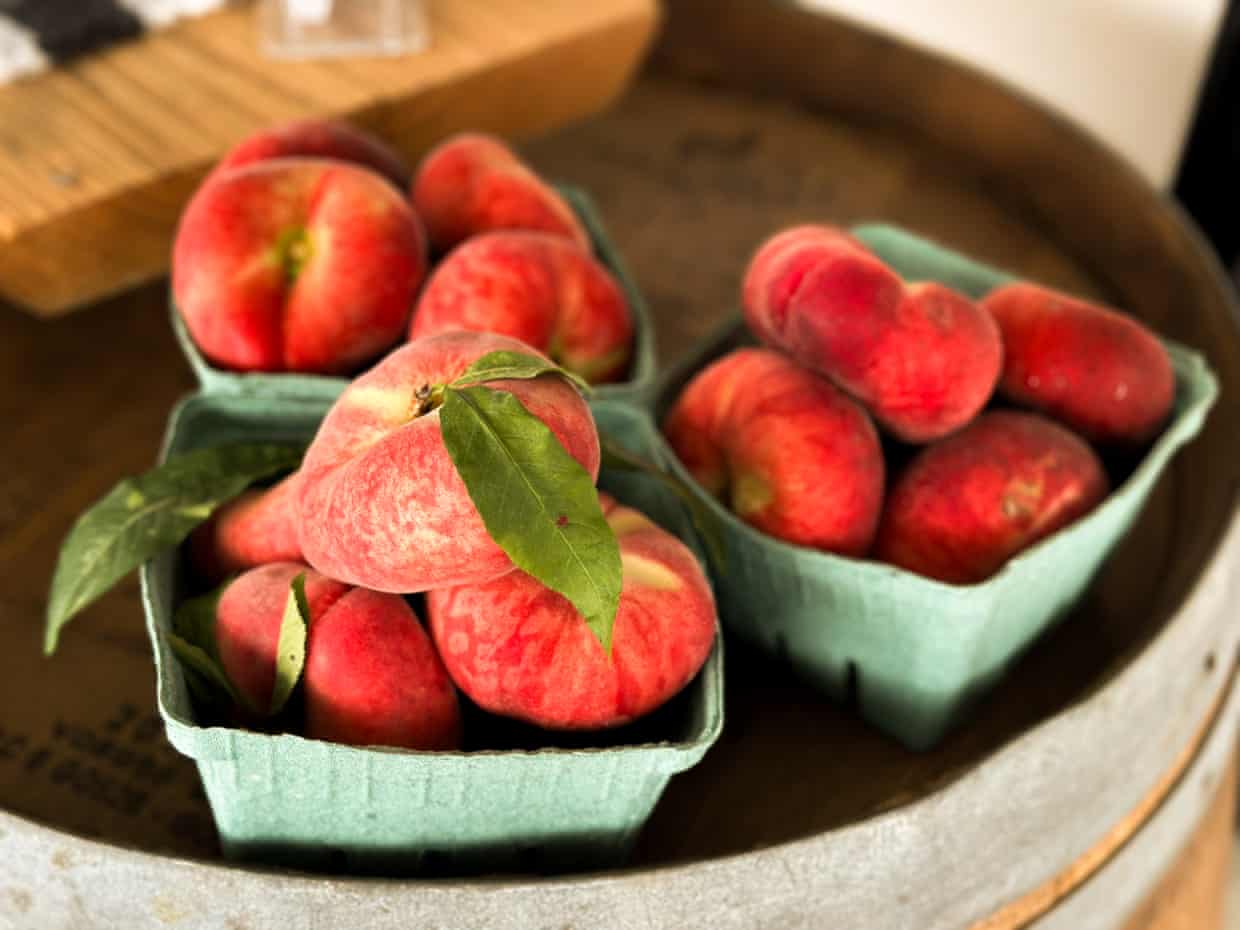
Premium peaches and luscious lychees: Australia’s best-value fruit and veg for January
Apricots are here for a good time, not a long time. “We’re eating some really good Victorian ones at the moment, then towards the end of this month we’ll get into the Tasmanian ones,” says Graham Gee, senior buyer at the Happy Apple in Melbourne.He’s selling them for $5 to $8 a kilo, depending on variety; his favourite is the Moorpark apricot. “They’re not the most beautiful to look at,” he says. “But the flavour is so rich
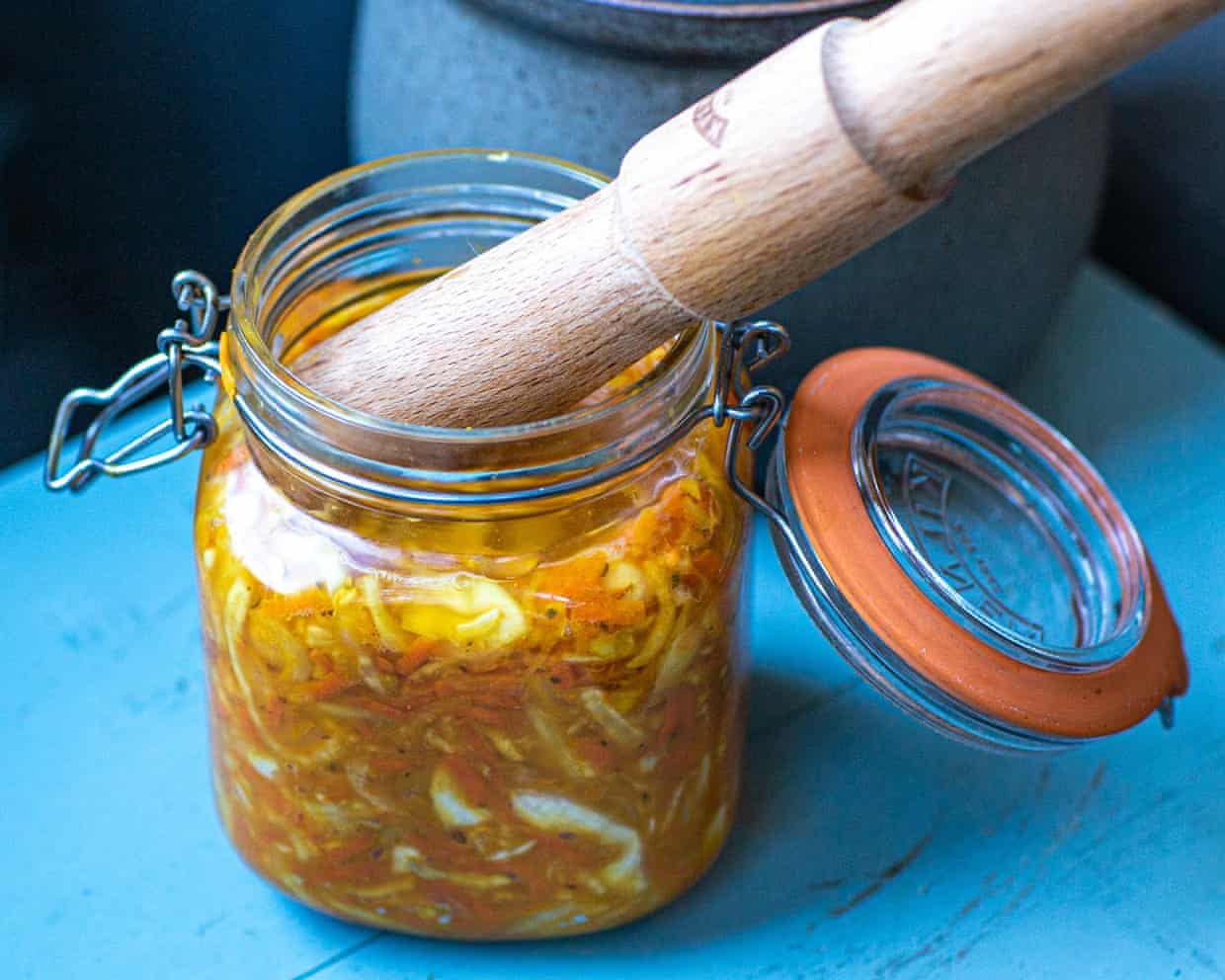
How to turn excess hard veg into fridge-raid sauerkraut – recipe | Waste not
The dry-salting fermentation method used to make sauerkraut works brilliantly on almost any firm vegetable, so you can happily explore beyond the traditional cabbage. I had a couple of carrots and a piece of squash that needed saving, so I turned them into a golden kraut with ginger, turmeric and a little orange zest for brightness. Use whatever you have to hand and let the ingredients lead your creativity.Fermenting is an enjoyable way to make the most of a seasonal ingredient or to use up surplus produce. At our restaurant, whenever we had a glut that needed using up, we used to rely on fermentation, because not only did it saves us money in the long term, it also helped us to create imaginative, delicious new products to cook with
Hurrah for veganism and Victorian sewers | Letters
As a vegan of nearly 40 years, I agree with much of what Dean Weston says about animal welfare (Letters, 30 December). But as a former civil engineer, I cannot overlook the massive category mistakes in his assertion that the government’s animal welfare strategy “treats animal suffering the way Victorian engineers treated cholera. Add a valve here, a filter there, and never question the sewer itself.”Victorian engineers did not “treat” cholera, but were arguably more effective than the medical profession in dealing with the disease. They reduced the prevalence of cholera precisely by constructing adequate sanitation

‘Dangerous and alarming’: Google removes some of its AI summaries after users’ health put at risk

Elon Musk says UK wants to suppress free speech as X faces possible ban

Behind the Somali daycare panic is a mother-and-son duo angling to be top Maga influencers

Elon Musk’s X threatened with UK ban over wave of indecent AI images

Robots that can do laundry and more, plus unrolling laptops: the standout tech from CES 2026

No 10 condemns ‘insulting’ move by X to restrict Grok AI image tool