AI consciousness is a red herring in the safety debate | Letters

The concern expressed by Yoshua Bengio that advanced AI systems might one day resist being shut down deserves careful consideration (AI showing signs of self-preservation and humans should be ready to pull plug, says pioneer, 30 December).But treating such behaviour as evidence of consciousness is dangerous: it encourages anthropomorphism and distracts from the human design and governance choices that actually determine AI behaviour.Many systems can protect their continued operation.A laptop’s low-battery warning is a form of self-preservation in this sense, yet no one takes it as evidence that the laptop wants to live: the behaviour is purely instrumental, without experience or awareness.Linking self-preservation to consciousness reflects a human tendency to ascribe intentions and feelings to artefacts and not any intrinsic consciousness.
Crucially, consciousness is neither necessary nor relevant for legal status: corporations have rights without minds.If AI needs regulation, it is because of its impact and power, and to locate human accountability, not because of speculative claims about machine consciousness.The comparison with extraterrestrial intelligence is even more misleading.Extraterrestrials, if they exist, would be autonomous entities beyond human creation or control.AI systems are the opposite: deliberately designed, trained, deployed and constrained by humans, with any influence mediated through human decisions.
Underlying all this is a point the article largely overlooks: AI systems are, like all computing systems, Turing machines with inherent limits.Learning and scale do not remove these limits, and claims that consciousness or self-preservation could emerge from them would require an explanation, currently lacking, of how subjective experience or genuine goals arise from symbol manipulation.We should take AI risks seriously.But doing so requires conceptual clarity.Confusing designed self‑maintenance with conscious self-preservation risks misdirecting both public debate and policy.
The real challenge is not whether machines will want to live, but how humans choose to design, deploy and govern systems whose power comes entirely from us.Prof Virginia Dignum Director, AI Policy Lab, Umeå University, Sweden There was I, having a relaxed end-of-the-year read of my favourite newspaper, when I reached your articles on Yoshua Bengio’s concerns about artificial intelligence and on the work of AI safety researchers in California (The office block where AI ‘doomers’ gather to predict the apocalypse, 30 December).I have to admit to feeling terror that some of the science-fiction horrors foretold during my 84-year lifetime are now upon us and that the world is probably about to sit back and watch itself being taken over at best, or destroyed at worst, by the machines.The humans driving this process are interested only in power and unimaginable profit; the naysayers are complacent and the rest of us can only keep our fingers crossed in the hope that enough governments will have the strength, courage and awareness to say: “Stop!” Sadly, given our current crop of world leaders, I’m not holding my breath.John RobinsonLichfield Reading your article on the “need to make sure we can rely on technical and societal guardrails to control [AIs], including the ability to shut them down if needed” reminded me of the letter from Gerry Rees (29 December), referring to the short story Answer by Fredric Brown, dating from 1954.
The answer by the computer that there is now a god prompts the questioner to attempt to turn it off, but a bolt from the sky kills the questioner and seals the switch shut.An AI trained on a large language model would, perhaps, have “read” this story as part of its training and would, in consequence, have a ready-made answer to any safeguards suggested above.Eric SkidmoreGipsy Hill, London Have an opinion on anything you’ve read in the Guardian today? Please email us your letter and it will be considered for publication in our letters section.

Reeves’s promise of pub business rates U-turn averts Labour rebellion
Rachel Reeves has avoided another damaging rebellion against her economic policies with the promise of a U-turn on controversial tax hikes for pubs in England, after weeks of protest from her colleagues and the hospitality industry.Government sources said on Thursday the chancellor was finalising a support package for the struggling industry that would include reductions to business rates for pubs, which had been facing a 76% rise on average over the next three years.Industry figures welcomed news of the U-turn, which comes after similar climbdowns over cuts to winter fuel payments, cuts to disability benefits and a rise in inheritance tax for farmers.But with the Treasury yet to publish details of the support package, Reeves’s colleagues say they are willing to push ahead with an amendment to the government’s finance bill if they feel it does not go far enough.Tonia Antoniazzi, the Labour chair of the all-party parliamentary group on beer, said: “I am over the moon, things are moving in the right direction
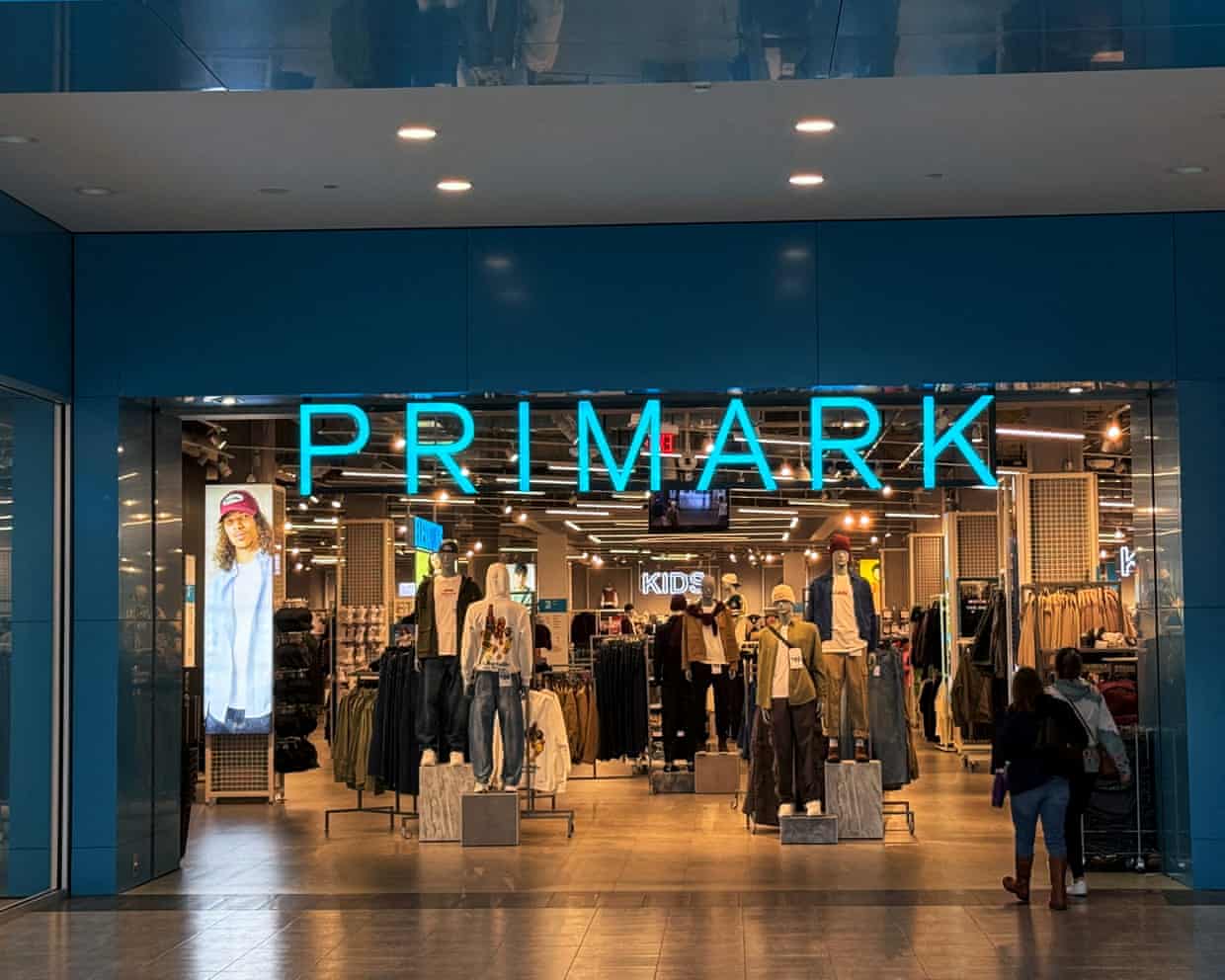
The Primark machine suffers a continental splutter at a bad moment | Nils Pratley
It is probably a good thing that Associated British Foods has not yet split itself in two, liberating the go-getting and supposedly reliable Primark from the more volatile food and ingredients businesses. In standalone form, Primark would probably have suffered a bigger share price thump than the 14% fall that the still-combined conglomerate sustained after Thursday’s profits warning.The problem at Primark is that it has suddenly become hard to know what to expect. A year ago, the stores in continental Europe seemed to be trading well while the UK ones hit a soft spot. Now the UK end is back on form, regaining some market share, while the continental stores have had a serious skid

Hundreds of nonconsensual AI images being created by Grok on X, data shows
New research that samples X users prompting Elon Musk’s AI chatbot Grok demonstrates how frequently people are creating sexualized images with it. Nearly three-quarters of posts collected and analyzed by a PhD researcher at Dublin’s Trinity College were requests for nonconsensual images of real women or minors with items of clothing removed or added.The posts offer a new level of detail on how the images are generated and shared on X, with users coaching one another on prompts; suggesting iterations on Grok’s presentations of women in lingerie or swimsuits, or with areas of their body covered in semen; and asking Grok to remove outer clothing in replies to posts containing self-portraits by female users.Among hundreds of posts identified by Nana Nwachukwu as direct, nonconsensual requests for Grok to remove or replace clothing, dozens reviewed by the Guardian show users posting pictures of women including celebrities, models, stock photos and women who are not public figures posing in snapshots.Several posts in the trove reviewed by the Guardian have received tens of thousands of impressions and come from premium, “blue check” accounts, including accounts with tens of thousands of followers
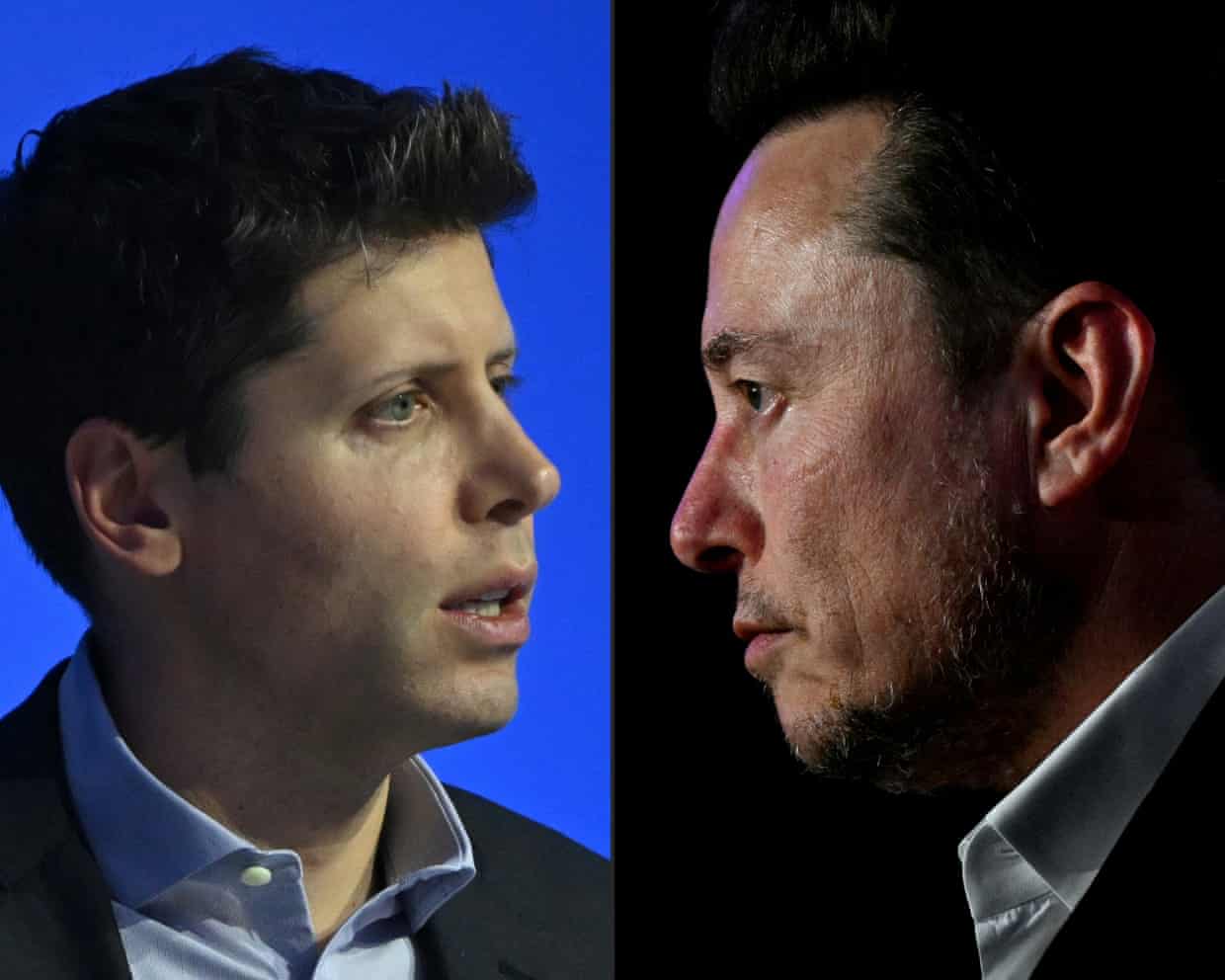
Musk lawsuit over OpenAI for-profit conversion can go to trial, US judge says
Elon Musk’s lawsuit against OpenAI is to go to trial after a US judge said there is plenty of evidence to support the billionaire’s case.The world’s richest man, who co-founded OpenAI, is suing the ChatGPT developer and its chief executive, Sam Altman, over claims its leaders violated the organisation’s founding mission by shifting to a for-profit model.The US district judge Yvonne Gonzalez Rogers in Oakland, California, told a hearing there was plenty of evidence that suggested OpenAI’s leaders made assurances that its original nonprofit structure was going to be maintained.She said there were enough disputed facts to let a jury consider the claims at a trial scheduled for March, rather than decide the issues herself. Rogers said she would issue a written order after the hearing that addresses OpenAI’s attempt to throw out the case
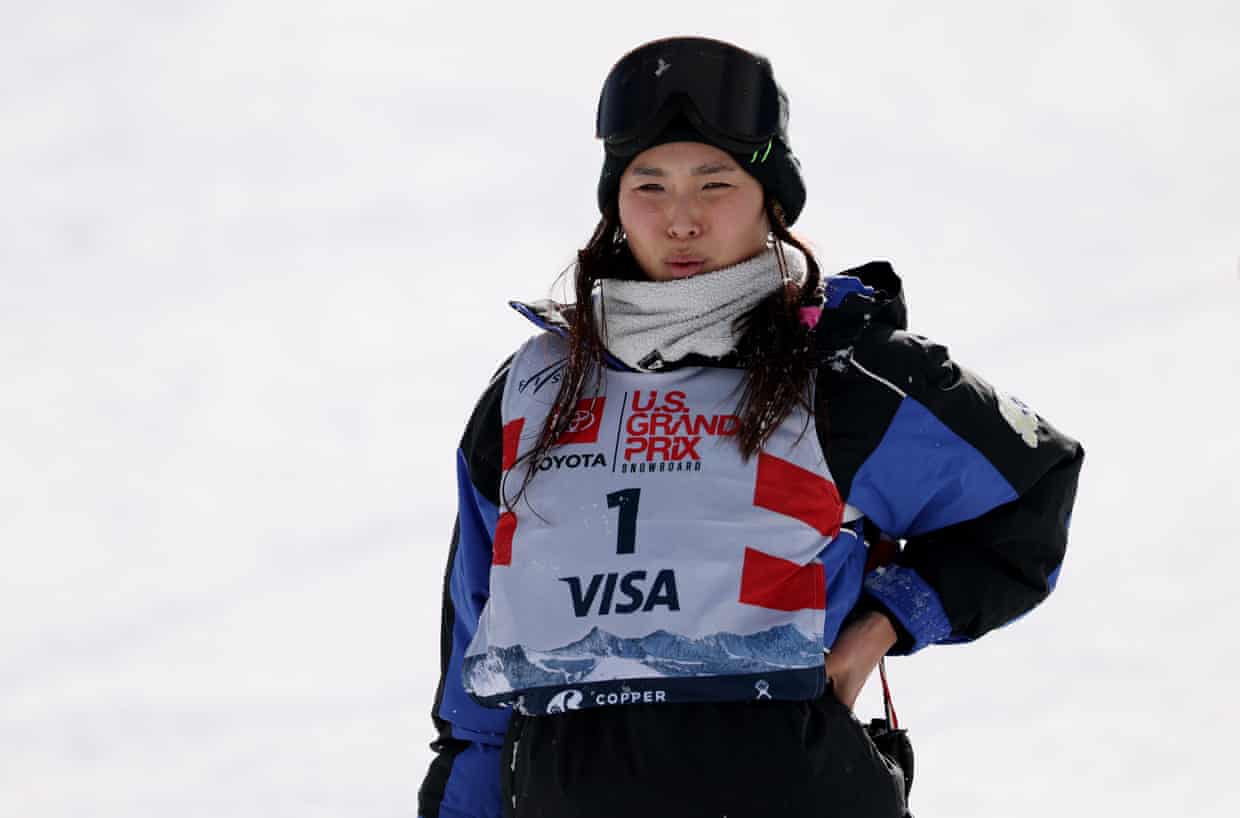
Chloe Kim’s Olympic three-peat bid in doubt after dislocated shoulder
Chloe Kim’s pursuit of an unprecedented third straight Olympic gold medal has been thrown into uncertainty after the American snowboard star dislocated her shoulder during a training session in Switzerland.Kim, the dominant force in women’s halfpipe snowboarding for nearly a decade, revealed the injury on Thursday, sharing video of the fall that caused the scare. The injury occured while Kim was training in Laax, a regular World Cup venue and a key pre-Olympic stop on the circuit. The 25-year-old landed a maneuver cleanly but lost her edge shortly afterward, sliding awkwardly across the pipe and into the wall.With the Milano Cortina Winter Olympics less than a month away, Kim said she is still unsure whether she will be able to compete
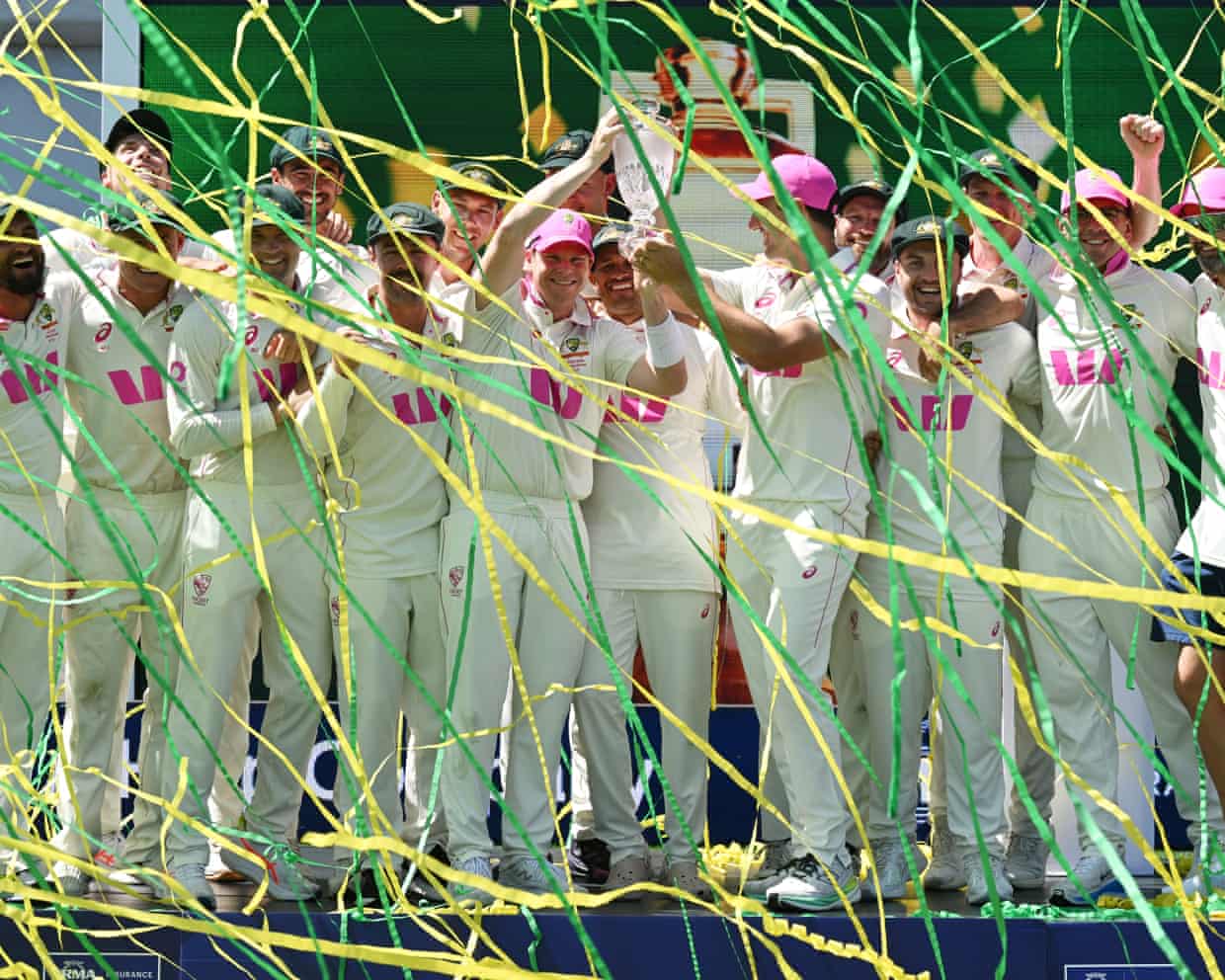
The mediocre Ashes: England arrived as a rabble and Australia weren’t much better | Geoff Lemon
As far as endings go, it ended nicely. People streamed on to the Sydney Cricket Ground, wanting to get close to the trophy presentation and to have a canter on the turf. Nothing thrills an audience more than a chance to walk the stage. On a sun-kissed blue-heaven day, the match had finished early enough to leave plenty of afternoon to spare. Later Usman Khawaja soaked that up with his own crowd of family and friends, on his last day as a Test player
Hurrah for veganism and Victorian sewers | Letters

What can I use in vegetarian curries instead of coconut milk? | Kitchen aide

Kenji Morimoto’s recipe for root vegetable rösti with crisp chickpeas

Adults in England eating as much salt a day as in 22 bags of crisps, study shows

Rukmini Iyer’s quick and easy recipe for roast sweet potato, feta and butter bean traybake | Quick and easy

Overnight oats, spinach pie and cheesy corn muffins: Alexina Anatole’s recipes for make-ahead breakfasts