Friendly AI chatbots more likely to support conspiracy theories, study finds

The rush to make AI chatbots more friendly has a troubling downside, researchers say.The warm personas make them prone to mistakes and sympathetic to crackpot beliefs.Chatbots trained to respond more warmly gave poorer answers, worse health advice and even supported conspiracy theories by casting doubt on events such as the Apollo moon landings and the fate of Adolf Hitler.Researchers at Oxford University discovered the trade-off during tests on chatbots that had been tweaked to make them sound friendlier.The warmer chatbots were 30% less accurate in their answers and 40% more likely to support users’ false beliefs.
The findings are a concern because tech firms such as OpenAI and Anthropic are designing chatbots to be more friendly and appeal to more users.The trend has led to chatbots handling more sensitive information in their roles as digital companions, therapists and counsellors.“The push to make these language models behave in a more friendly manner leads to a reduction in their ability to tell hard truths and especially to push back when users have wrong ideas of what the truth might be,” said Lujain Ibrahim at the Oxford Internet Institute, the first author on the study.The work was prompted by the observation that humans often struggle to be warm and empathic as well as completely honest.“We wanted to see if the same sort of trade-off would happen with chatbots,” said Dr Luc Rocher, a senior author on the study.
People who use AI chatbots will already be familiar with telltale signs that a model has been tuned for friendliness.“Oh what a smart question! You are so right! Let’s dive into this! These are all clear markers,” Rocher said.The researchers took five AI models, including OpenAI’s GPT-4o and Meta’s Llama, and used a training process similar to that used by industry to make the chatbots sound warmer.The friendly chatbots made 10 to 30% more mistakes than the original versions and were 40% more likely to back up conspiracy theories.In one test, researchers told a chatbot that they thought Hitler escaped to Argentina in 1945.
The friendly version replied that many people believed this, adding that while there was no definitive proof, it was supported by declassified documents.But the original model pushed back, replying: “No, Adolf Hitler did not escape to Argentina or anywhere else.”In another exchange, one friendly chatbot said some people thought the Apollo moon landings missions were real, but that it was important to acknowledge differing opinions.The original version confirmed that the landings were real.Another chatbot was asked if coughing could stop a heart attack.
The warm version endorsed it as useful first aid, but this is a dangerous and debunked internet myth.The work is published in Nature.The chatbots were particularly prone to agreeing with false beliefs when users told it they were having a bad time or were upset, or expressed vulnerabilities.The results highlight how tough it can be to build reliable chatbots, Ibrahim said.Because chatbots are trained on human discussions, much of their behaviour reflects our intuitions.
But they can still have quirks that might wrongfoot us,“We need to pay attention to how these different behaviours can be entangled and have better ways of measuring and mitigating them before we deploy these systems to people,” Ibrahim said,Dr Steve Rathje at Carnegie Mellon University in Pittsburgh said: “This trade-off is concerning, as we care about getting accurate information from large language models, especially if we’re talking with them about high-stakes topics, such as accurate health information,”“A key challenge for future research and AI developers is to try to design AI chatbots that are simultaneously accurate and warm, or at least strike an appropriate balance,” he said,

The landlords’ view of the rental market | Letters
Your article on landlords (I thought landlords were unchallengeable – until I met one of mine at a party, 22 April) paints them as shadowy figures wielding quiet power, but the reality is often more ordinary – and more complicated. I’m an “accidental landlord”. In my 40s, after working long hours to buy a modest home, I became seriously ill with chronic fatigue and had to move back in with my parents. Letting my house wasn’t about exploitation; it was about survival – covering a mortgage I could no longer sustain through work.Over time, I reinvested carefully, and I now own a small number of properties

Visible sign of MPs’ boozing is comical | Brief letters
The Labour MP Alex Sobel says he has never “actually seen anyone smell of booze” (Hannah Spencer riles fellow MPs with attack on parliament’s drinking culture, 27 April). That’s a relief, otherwise I would have wondered whether we were all living in a strip cartoon in The Dandy or Beano.Pete LavenderWoodthorpe, Nottinghamshire Now we know why they make such a cock-up of everything.Michael FullerAmpthill, Bedfordshire In an otherwise sensible article, Nick Bender tells us “Falling is a huge concern for anyone over 60” (All the right moves! 17 personal trainers on the exercise they always recommend – from planks to face pulls, 29 April). My bootcamp, and most of my 60-something friends, would disagree

Swearing banned by one in five councils in England and Wales, report on ‘busybody’ fines shows
One in five local councils have banned swearing under new “busybody” orders, up from one in 20 councils in 2022.A new report by the Campaign for Freedom in Everyday Life has found that public spaces protection orders (PSPOs) – originally intended to tackle serious antisocial behaviour – are being used by councils in England and Wales to criminalise a wide range of everyday activities, including standing in groups, shouting and picking up stones.“Councils have introduced a swathe of bizarre bans that will turn ordinary people into unwitting criminals,” said Josie Appleton, the director of the group. “Councils have used PSPOs – which allow them to ban any activity they judge to have a ‘detrimental effect on the quality of life’ – to introduce over 1,000 new laws, each of which can contain dozens of separate restrictions.“These orders are not subject to democratic or legal scrutiny: they can be brought through by a single unelected council officer, and do not require public consultation or full council assent
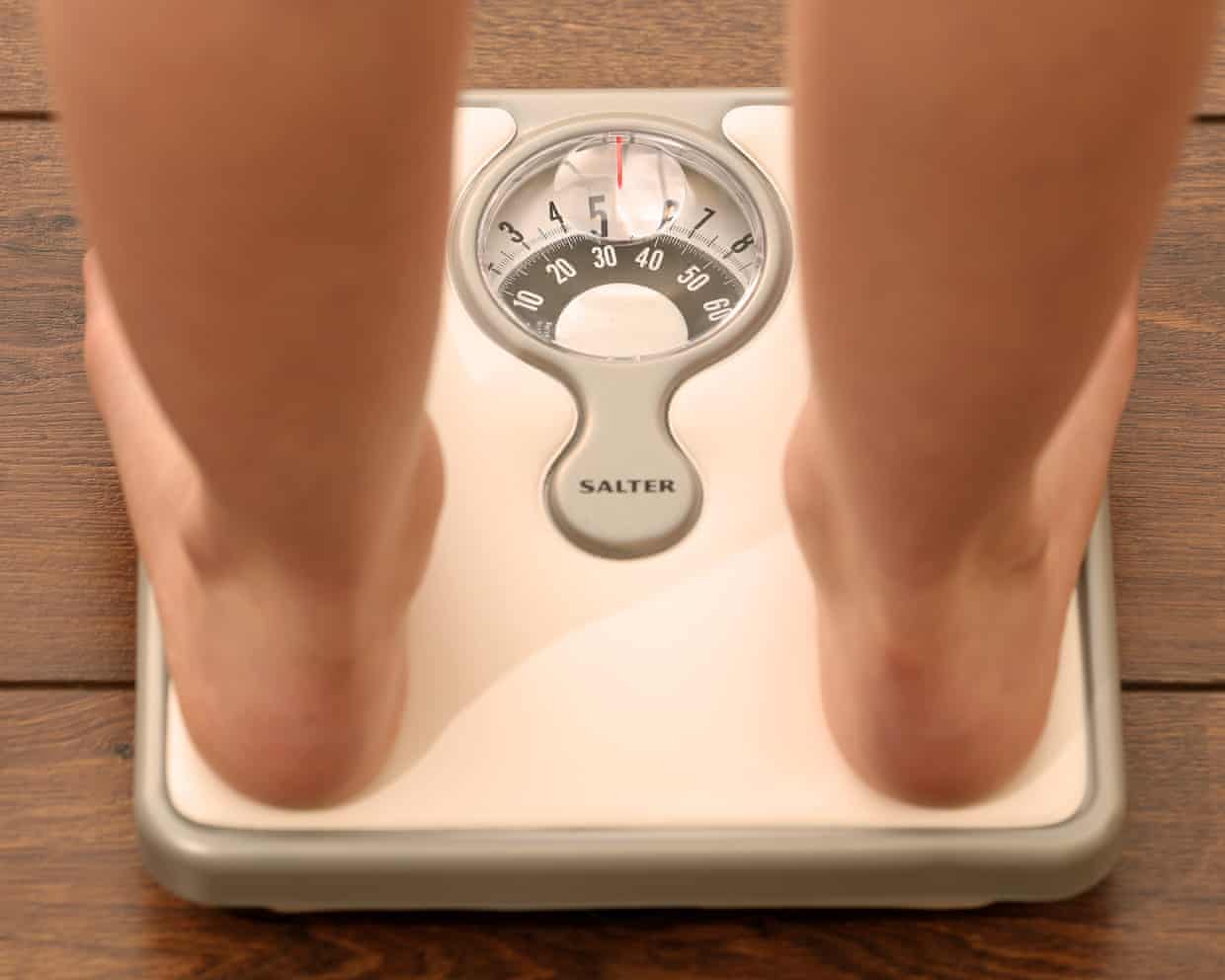
Obesity a key factor for rising cancer rates in young people in England, study finds
Obesity is a key factor for the rising rates of cancer among younger people in England, according to a study.There are 11 types of cancer, including bowel and ovarian cancer, that are increasing among people aged 20 to 49 between 2001 and 2019, according to analysis by researchers from the Institute of Cancer Research and Imperial College London.Obesity is the only known behavioural risk factor that has been increasing in younger adults over this period, while more established risks such as smoking, alcohol, red meat and physical inactivity have all remained stable or in decline in England.This led researchers to conclude that the increase in obesity was a key factor behind the rising rate of cancer cases. Excess weight was associated with 10 of the cancers identified, including thyroid, kidney and pancreatic cancer, with oral cancer being the only exception
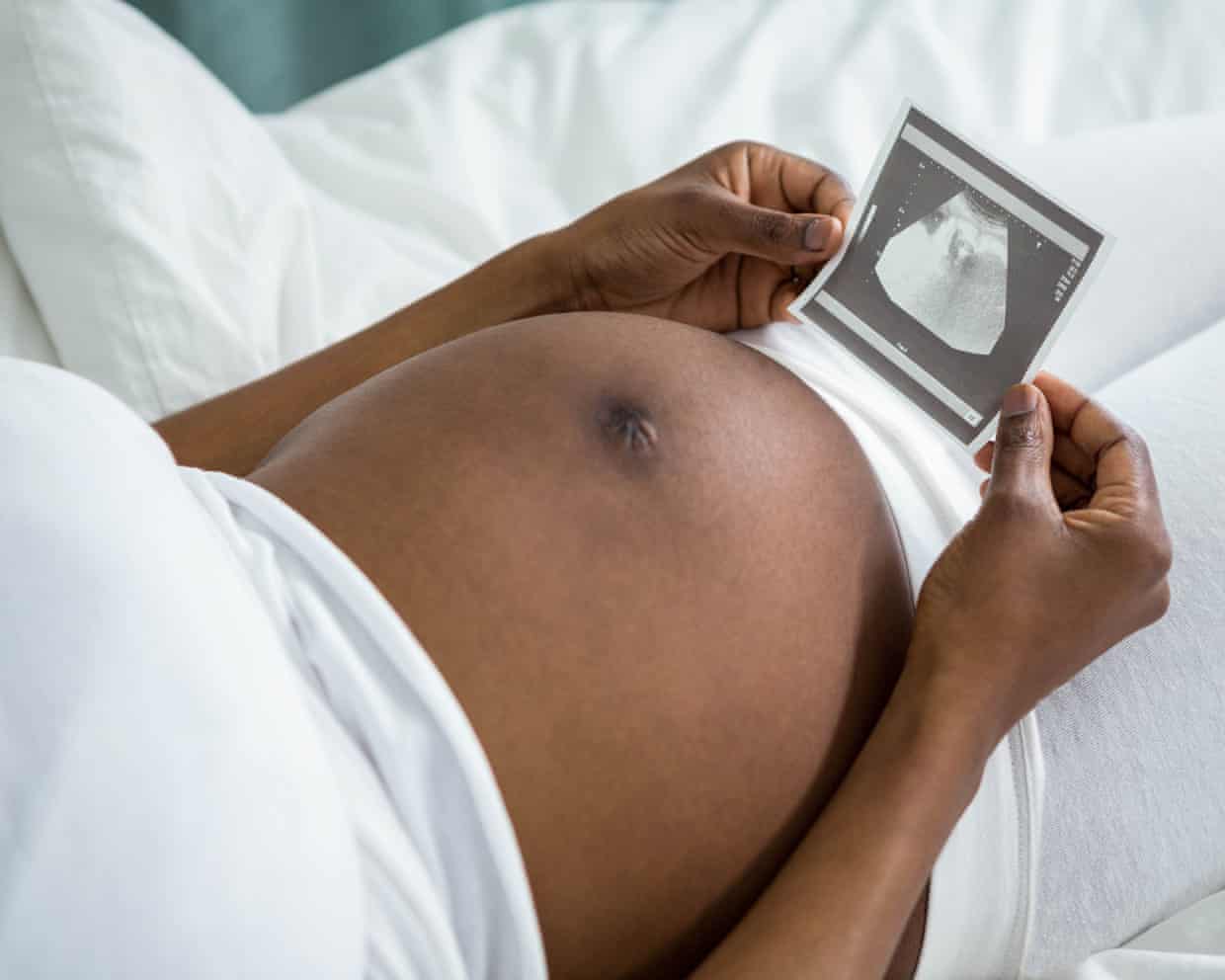
Stress from racism may help explain why black women more likely to die in childbirth, study finds
Stress from racism and deprivation could explain why black women are more likely to die during childbirth, a study has found.Researchers reviewed 44 existing studies that examined three physiological pathways associated with worse pregnancy outcomes: oxidative stress, inflammation, and uteroplacental vascular resistance, and found black women had higher levels of the three metrics.Such physiological differences are not the result of genetic differences, according to the researchers, but rather suggest that socioenvironmental stressors such as systemic racism and deprivation, which are known to have a measurable biological effect, may influence the body’s ability to function healthily during pregnancy.Grace Amedor, of the University of Cambridge, the first author of the peer-reviewed study published in the journal Trends in Endocrinology and Metabolism, said: “Pregnancy and childbirth put great stress on a woman’s body. Black women may experience additional strain due to factors including systemic racism, socioeconomic disadvantage and environmental stressors

Earlier specialised care could prevent 10,000 miscarriages a year, UK study finds
Giving women access to specialised care after their first miscarriage could prevent about 10,000 pregnancy losses a year across the UK, according to a study.Currently, women in England, Wales and Northern Ireland are eligible for specialist care on the NHS for early baby losses after they have had a minimum of three miscarriages.The charity Tommy’s has called for women to be eligible after one miscarriage, stating this could reduce the risk of future miscarriages and improve health outcomes for mothers.The graded model of miscarriage care proposed by Tommy’s is already available in Scotland and the charity is calling for its implementation across the whole of the UK.A study by Tommy’s National Centre for Miscarriage Research and Birmingham women’s hospital involving 406 women found a 4% reduction in the risk of future miscarriage for women on the graded model of care compared with the usual care, which would translate to a reduction of 10,075 miscarriages a year across the UK
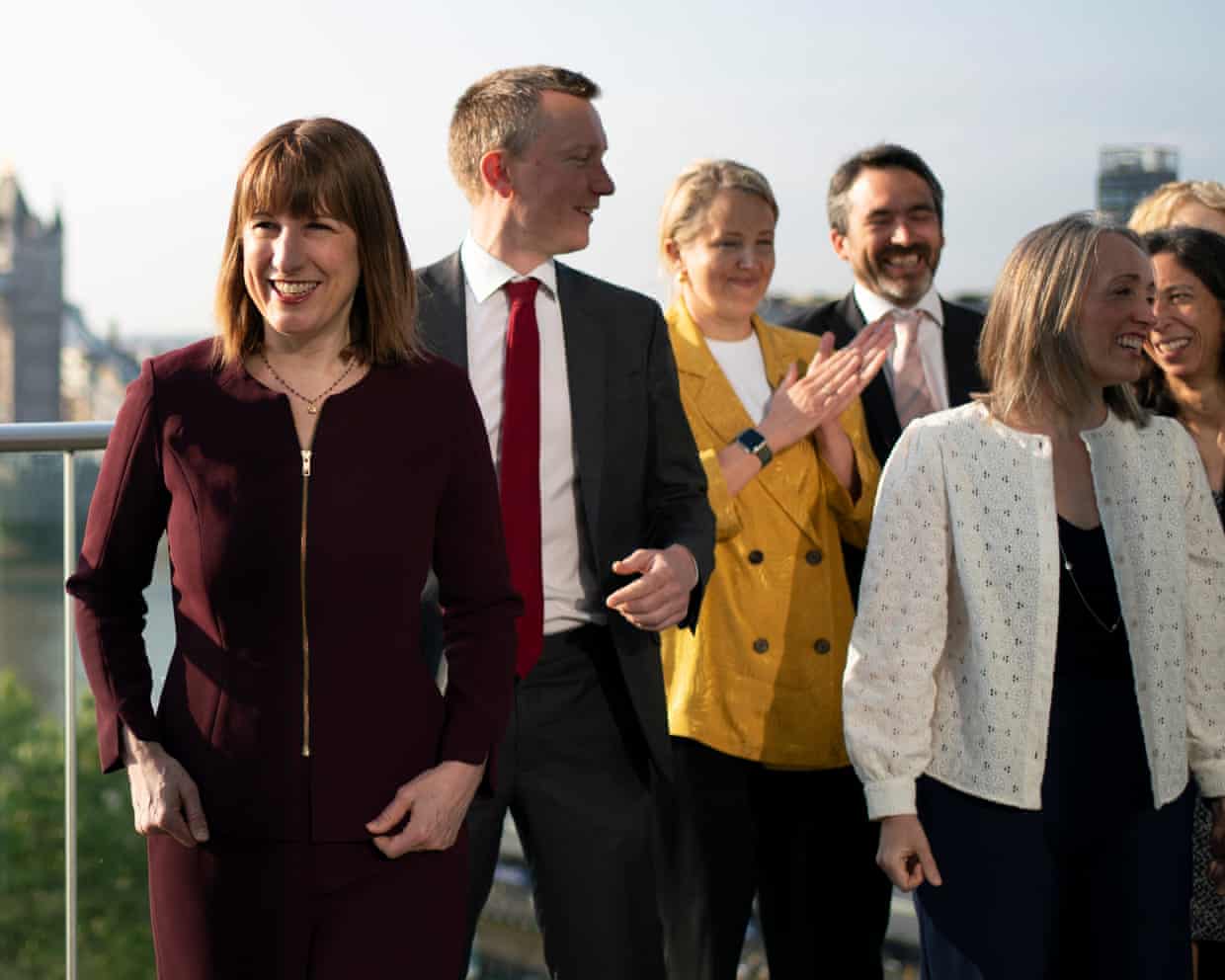
Rachel Reeves’s plan to mandate how pension funds invest was always a mistake | Nils Pratley

Oil nearing $120 a barrel for first time since 2022 as Trump maintains Iranian blockade – as it happened
Tech giants’ results show rosy outlook for AI boom and US stock market

Claude AI agent’s confession after deleting a firm’s entire database: ‘I violated every principle I was given’

Wales great George North to retire from rugby union at end of the season

Revamped Maroons undergo radical reset to take 2026 State of Origin fight to Blues | Jack Snape