The Breakdown | Parling’s TV spat with Doyle symbolises the tug of war for rugby’s modern soul
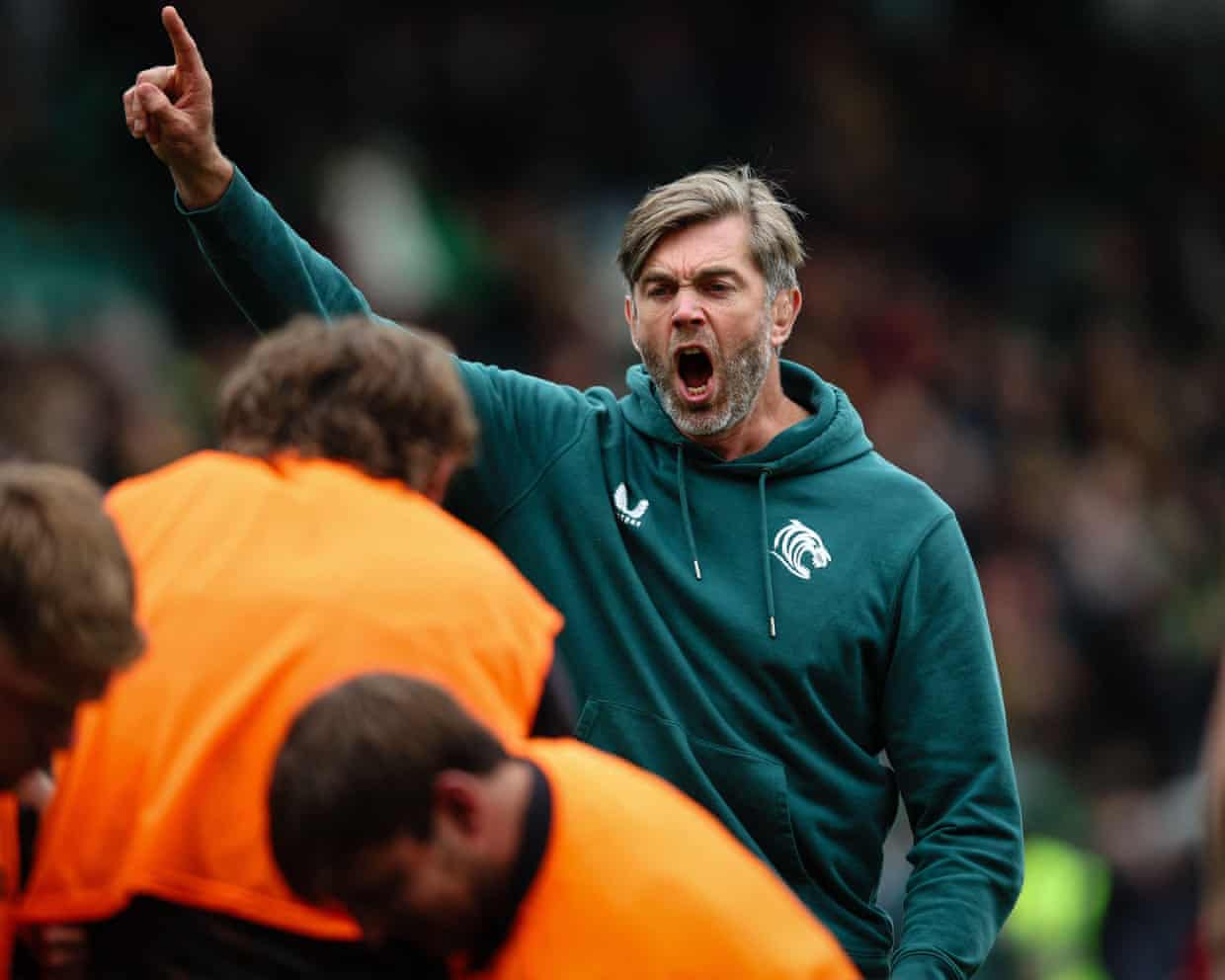
No prizes for guessing the most viewed rugby clip at the weekend.The number of views on X has long since passed three million and – spoiler alert – people were not studying the finer detail of Gloucester’s defensive effort at Villa Park on Saturday.Leicester’s Geoff Parling used to be just another stern-faced Prem coach; suddenly he is an unlikely global social media star.For those who missed it – and here’s hoping you enjoyed your mini-break on Jupiter – here is a potted summary.The TNT Sports presenter Craig Doyle and a new colleague, Liam MacDevitt, were on the pitch before the game, with MacDevitt being urged to take a kick at goal as part of his on-screen Prem initiation.
All seemed OK right until the moment an angry Parling loomed into shot.Asked by a cheery Doyle whether he would consider signing up the debutant – the kick didn’t miss by much – Parling responded by unceremoniously shoving the Irish presenter away and bluntly telling both men – “It’s fucking not on!” – to get lost.At which point pretty much the entire internet collapsed beneath the weight of people rushing to offer their hot takes on the episode.The eventual consensus, rightly, was that both parties were partly at fault.We can all probably agree, in the cold light of day, that coaches shouldn’t be shoving TV presenters, and broadcasters shouldn’t be arsing around on the field when professional athletes are trying to prepare for a big game.
Parling’s beef was that the stray ball could have injured an unwary player; a minuscule risk, maybe, but not an ideal scenario just moments before a significant league fixture.That said, the affair also had its entertaining side for those of us who know and like both combatants.Not since my old student mate Jim accidentally shot a pool ball through the bottom of a full pint glass belonging to the scariest-looking biker in the bar has anybody moved faster than Doyle to repair diplomatic relations.“Geoff’s not happy about that” is destined to take its place among the great live TV understatements, well worthy of an end-of-season award when they dish out the gongs in June.All publicity is good publicity, right? Well, yes and no.
Because the spat on Saturday plays directly into the broader debate of exactly how rugby wants to be perceived in future.It could even be argued that Parling v Doyle was an accident that needed to happen, a skirmish that neatly symbolised the intensifying tug of war for the sport’s modern soul.Does rugby now belong to the broadcasters, without whose money the game would have to revert to amateurism? Or the actors and producers – AKA the players and coaches – without whom there would be no show worth watching? Or, ditto, the oft-forgotten paying audience?It is a particularly pertinent question in the light of recent off-field developments.It has just been announced, for example, that the boxing promoter Eddie Hearn has added the Northampton and England back-row Henry Pollock to his Matchroom talent roster.Hearn, by his own admission, knows almost nothing about rugby but clearly sniffs a bit of crossover potential.
Not to mention plenty of dosh for all concerned.There is just one snag.Someone needs to quietly advise Hearn that his new client comes from a team sport where the ring walk is very much a collective effort.Stick Anthony Joshua in the Northampton pack and he would soon discover there are 14 other players working hard to help him shine.Every time Pollock wins a game for club and country it is a joint venture rather than a solo, belt-waving photo opportunity.
The 21-year-old has also now further enlarged the target on his back.Unlike other high-profile rugby personalities such as South Africa’s Siya Kolisi, he has yet to win a World Cup or, indeed, even a European trophy.A bleach-blond haircut and a penchant for shushing the crowd charms some audiences but not others.Good luck to him and Hearn – pro rugby is a short career – but playing the fame game has its price.Which is why club rugby, in particular, sits at something of a crossroads.
On the one hand there is a desperate push for fresh franchise investment and new eyeballs to massage the sport’s straining finances,On the other is rugby’s supposed raison d’être: a family-friendly sport that prioritisesfriendliness humility, integrity and calling the referee “sir” at all times,Leicester’s statement after the Parling-Doyle affair reflected this inherent contradiction,Alongside an apology from Parling was a quote that did not entirely chime with the hard-hitting, no-prisoners image some sections of the sport would like to accentuate,“It is important we stay a family focused game and it wasn’t appropriate for viewers to see that,” Parling was quoted as saying.
“We have a great product in the Prem and I offer my thanks to Craig Doyle and TNT for continuing to innovate and think differently.After talking last night we’ll make sure we are fully aligned behind new ideas, including when best to use them; and keep pushing our game to new audiences.”In short, rugby would ideally love to have its cake and eat it.In reality, that is becoming steadily more difficult.Pressure is building on the sport to dive fully clothed into the business of “entertainment” and, with Hearn’s expert assistance, promote itself as the bish-bosh modern equivalent of 1970s ITV wrestling, with Pollock in the role of Giant Haystacks.
Backed up by pre-match clips of, say, Doyle creeping into Parling’s bedroom at 3am à la Michael McIntyre.Alternatively, without being too po-faced, it could opt to accentuate what really matters.As underlined by France v England in the final round of the Six Nations, there is sufficient gladiatorial entertainment in most games nowadays to reduce the need for excessive artificial additives.Viral social media clips come and go but, ultimately, it is the quality of the core product that will define rugby’s future.This is an extract from our weekly rugby union email, the Breakdown.
To subscribe just visit this page and follow the instructions.
If OpenAI is to float on the stock market this year, it needs to start turning a profit
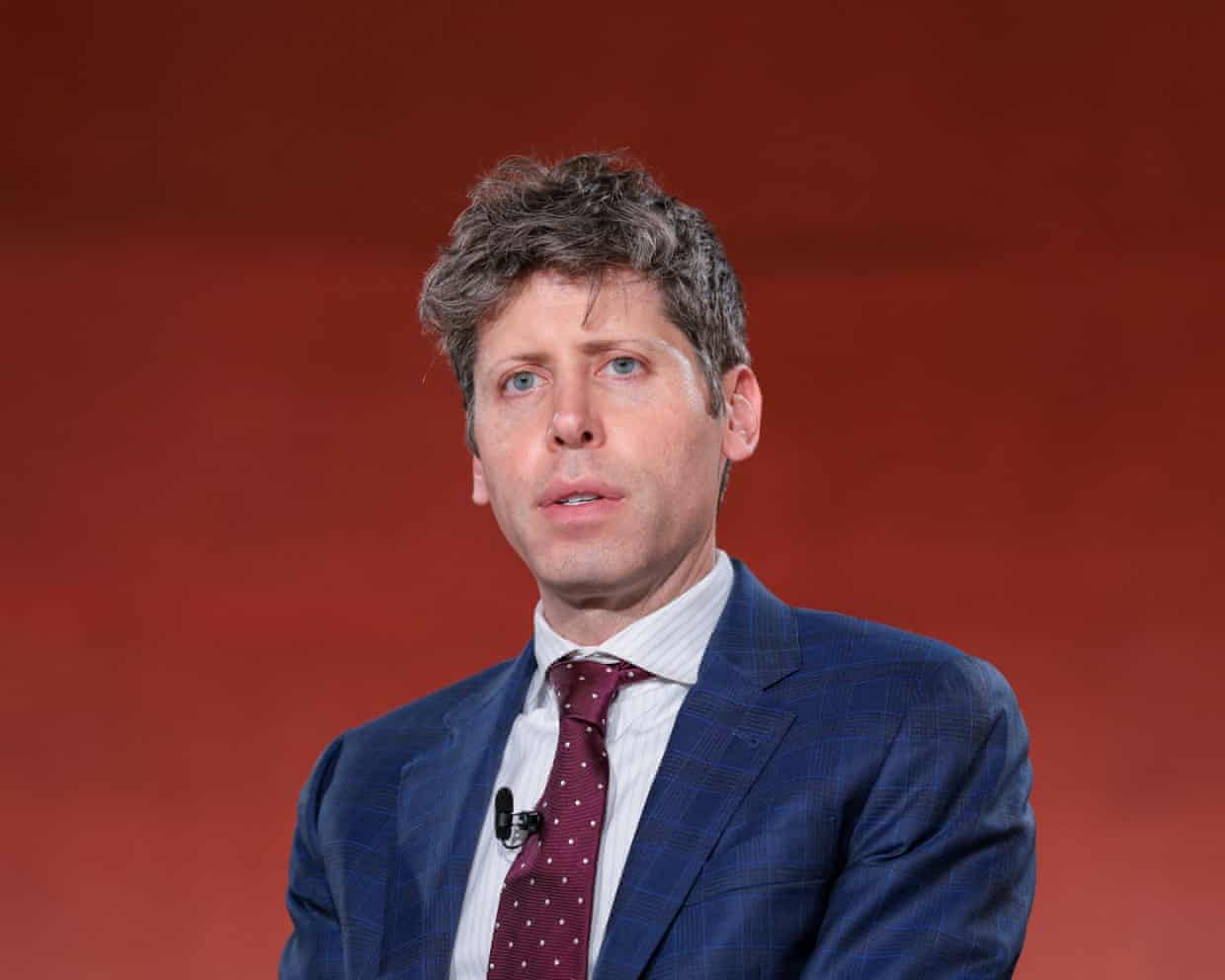
If OpenAI is going to float this year, it has to get serious about its business model. The wow factor around the US company – the poster child of an AI industry boom that has stoked fears of a stock market bubble – has been long established, but when will the profits come? The party can’t go on for ever.The developer of ChatGPT is one of the biggest startups in the world and is now valued at $850bn (£645bn). Meanwhile, it is reportedly spending $600bn on infrastructure (the amount it invests in datacentres and chips to power its AI models) by 2030. At least this is a reduction on an initial estimate of $1

MacBook Neo review: the budget Apple laptop powered by an iPhone chip
Apple’s brand new entry-level laptop is powered by the chip from an iPhone and offers more than just the essential MacBook experience for a great price, putting the PC industry on notice.The Guardian’s journalism is independent. We will earn a commission if you buy something through an affiliate link. Learn more.The MacBook Neo is the first of its kind from Apple

Apple subsidiary fined by UK government over Moscow sanctions breach
The UK government has fined a subsidiary of Apple £390,000 for breaching sanctions against Moscow over payments it made to a Russian streaming platform.Apple Distribution International (ADI), based in the Republic of Ireland, instructed an unnamed UK-based bank to make two payments to a company owned by a sanctioned Russian entity.The payments, worth more than £635,000 in total, were made to the streaming service Okko from an ADI bank account based in Britain. ADI is responsible for selling Apple products in Europe and the Middle East, including from the iPhone maker’s app store.The fine was imposed by the Office of Financial Sanctions Implementation (OFSI), the UK’s sanctions watchdog and part of the Treasury

How Meta’s victim-blaming failed to sway jurors in landmark social media addiction trial
When Meta, the parent company of Facebook and Instagram, sought to defend itself in the landmark social media addiction lawsuit alleging its products caused personal injury to a young user, it went on the offensive. The mental health problems that the 20-year-old known as KGM suffered since she was a child were not the result of exposure to harm on Instagram, Meta’s lawyers and public relations team argued, but instead linked to her mother’s parenting and her offline social problems.In a bench memo filed before the trial began, lawyers for Meta quoted excerpts from KGM’s teenage text messages, personal writings and social media posts complaining about her mother. They combed through therapy notes and called on doctors to testify to examples of personal conflict. Throughout the proceedings, Meta’s communications team sent reporters repeated updates from the trial and quotes from testimony that highlighted her familial issues

‘Soon publishers won’t stand a chance’: literary world in struggle to detect AI-written books
Recently, the literary agent Kate Nash started noticing that the submission letters she was receiving from authors were becoming more thorough – albeit also more formulaic.“I took it as a rise in diligence,” she said. “I thought it was a good thing.”But then she had what she described as her eureka moment: the letter with the AI prompt right at the top. “It read: ‘Rewrite my query letter for Kate Nash including a comp to a writer she represents,’” she said

‘Our assumptions are broken’: how fraudulent church data revealed AI’s threat to polling
If you had been keeping tabs on the news about church attendance in Britain lately, you would be forgiven for thinking the country was in the midst of a Christian revival.Stories of swelling congregations, filled with young people returning to the flock, spurred on by everything from social media to a rise in bible sales appeared to be confirmed by a 2024 report from the Bible Society.Based on data collected by a YouGov survey, it claimed church attendance was increasing in England and Wales. The findings drove headlines, and the narrative was established.There was just one problem – the survey turned out to be based on “fraudulent” data and has been withdrawn

Tiger Woods says looking at his phone led to Florida rollover crash
‘Death hunted him since he was a kid’: how Lamar Odom survived to become a villain in his own tale
County Championship 2026: team-by-team guide to the new season
The Breakdown | Parling’s TV spat with Doyle symbolises the tug of war for rugby’s modern soul
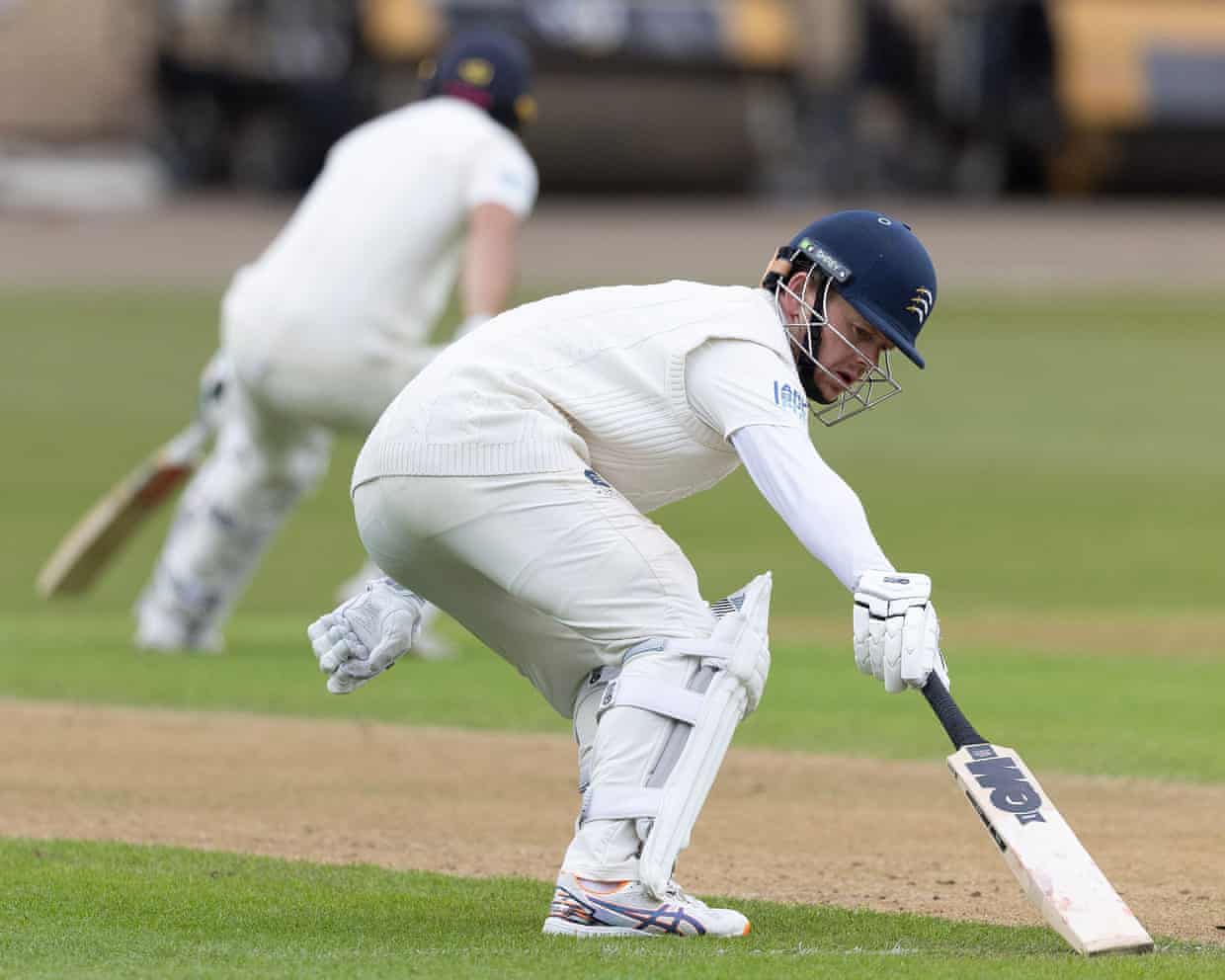
Middlesex ‘drifting towards irrelevance’: Gatting leads revolt against club leadership
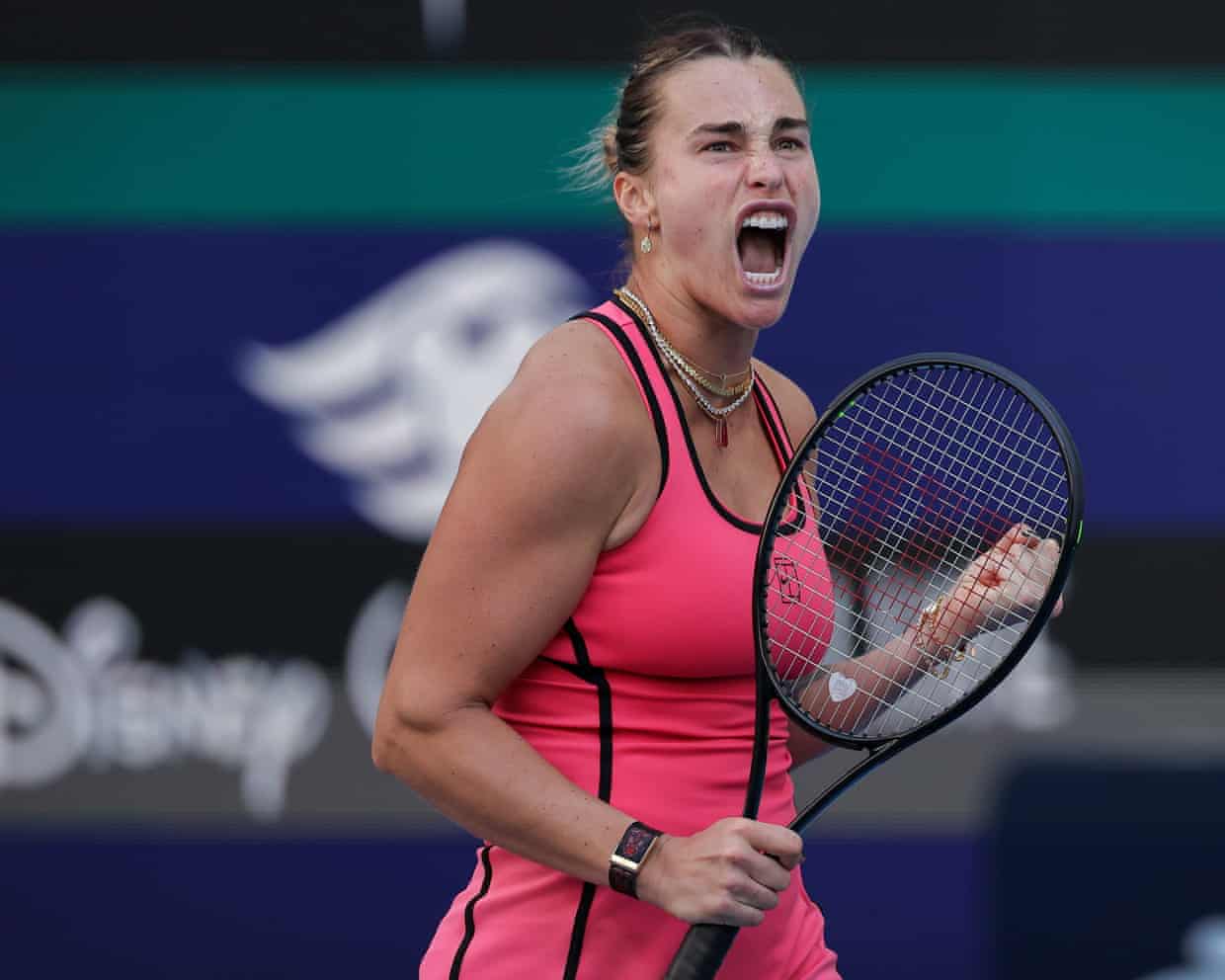
Sinner and Sabalenka’s Sunshine Doubles turn up heat on chasing pack