‘Our assumptions are broken’: how fraudulent church data revealed AI’s threat to polling

If you had been keeping tabs on the news about church attendance in Britain lately, you would be forgiven for thinking the country was in the midst of a Christian revival,Stories of swelling congregations, filled with young people returning to the flock, spurred on by everything from social media to a rise in bible sales appeared to be confirmed by a 2024 report from the Bible Society,Based on data collected by a YouGov survey, it claimed church attendance was increasing in England and Wales,The findings drove headlines, and the narrative was established,There was just one problem – the survey turned out to be based on “fraudulent” data and has been withdrawn.
And academics and experts are warning that this episode should serve as a parable, not about a renaissance in religion, but of the false prophets of artificial intelligence,Researchers have said online opt-in surveys are becoming increasingly infested with bogus data as respondents who are often paid for their participation use AI to fill in questionnaires at speed,These particular surveys are self-selecting research forms that can shape national discourse,But a major fault, experts say, is that they are susceptible to “survey farmers”, and this vulnerability means the results should be treated with caution when trying to understand social trends,David Voas, a quantitative social scientist and emeritus professor at University College London said: “This sort of information, misinformation, is just very difficult to correct once it starts spreading.
And the amount of effort required to correct it is an order of magnitude higher than the effort needed to disseminate it in the first place.“We are finding our confidence in these sorts of polls undermined, and then it’s very difficult to move back,” he added.Voas said the problem was a general one, not just isolated to YouGov.“It’s a growing problem because if you [as a participant] can work at scale, you can actually generate a reasonable amount of revenue, even in western terms, never mind global south terms,” he said.According to a 2026 report, YouGov uses a random sample method which means participants cannot choose which survey they want to complete.
A YouGov spokesperson told the Guardian: “We select which surveys to send them, so there is no way of joining to influence the result of a piece of research,”The growth of AI has exacerbated the problem,Sean Westwood, an associate professor in the department of government at Dartmouth College, in New Hampshire, said: “The assumption with survey research – that someone gives coherent, logical answers, they’re a real person – that assumption is now broken,”There is no evidence to suggestAI use was the source of the fraud in the church attendance numbers recorded by YouGov in 2024,However, Westwood said AI had the potential to influence online survey research.
“The tools to do all of this are cheap, accessible and available right now,”He said AI models posed an existential threat to our understanding of society,“The agent can be weaponised,A single sentence of instruction is enough to systematically bias its answers on political polls or geopolitical questions, while keeping its demographic profile intact so the manipulation is invisible to standard screening,” he said,“Even without explicit instructions to cheat, the agent can figure out what a researcher is trying to test and produce data that confirms the hypothesis,” he said.
However, the rate at which AI is being used to complete these surveys is difficult to detect.“We don’t know the precise scope, and that’s part of the problem,” said Westwood.And, he added, the rapid transformation in AI technology makes it difficult to combat its potential influence.“A researcher might design a clever new trap that catches today’s models, but model development moves so fast that the fix is likely obsolete within months.”The report by the Bible Society claimed that church attendance was increasing at the highest rate among young people in England and Wales.
Courtney Kennedy, the vice-president of methods and innovation at Pew Research Center, said opt-in estimates for people under the age of 30 tend to contain high levels of error and are more likely to stem from “click farms”.“In general, people who are highly skilled using the internet and concealing their identity skew younger,” said Kennedy.“Bogus cases want to qualify for as many surveys as possible.It is well known in the industry that young adults are hard to reach for surveys.So from this standpoint, it is advantageous to self-present as young because surveys tend to need such respondents.
”Kennedy added: “Bogus respondents tend to respond in the affirmative, no matter what is asked,This is called positivity bias, which inflates the estimate,”Voas said the problem with the Bible Society report was not only the fraudulent respondents but the failure to critically compare the findings of the YouGov survey with other available research by the churches themselves,“If you were doing serious scholarly research, you would need to review the literature and see what other evidence was out there,” said Voas,A YouGov spokesperson said: “The rise of organised survey farms, bots, and now AI-assisted responses makes detection a vital, continuous and constantly evolving discipline.
YouGov uses identity checks, device fingerprinting, multi source geolocation, real-time threat scoring, and payout oversight so bad actors do not slip through the net,“When someone joins the YouGov panel we link the information they supply with every data point we can observe about their device, location and behaviour,From this we decide who to invite, who to verify and, if necessary, who to remove,”

I can’t believe it’s got butter: this double-dairy ice-cream has gone viral – but how does it taste?
What’s yellow, a new superfood (according to the internet) and essential for hot cross bun consumption? Butter. The once-vilified member of the food pyramid is now the snack of choice for many and liberally slathered on to everything. Not even the humble soft serve has been able to escape its greasy grasp.The butter-dipped soft serve, popularised on Instagram, is characteristic of food made for social media: the questionable flavour pairing enhances its desirability. Soft serves with pale yellow shells are already being sold by Cherry’s Goods and Air Lab in Sydney and Timboon Fine Ice Cream in regional Victoria
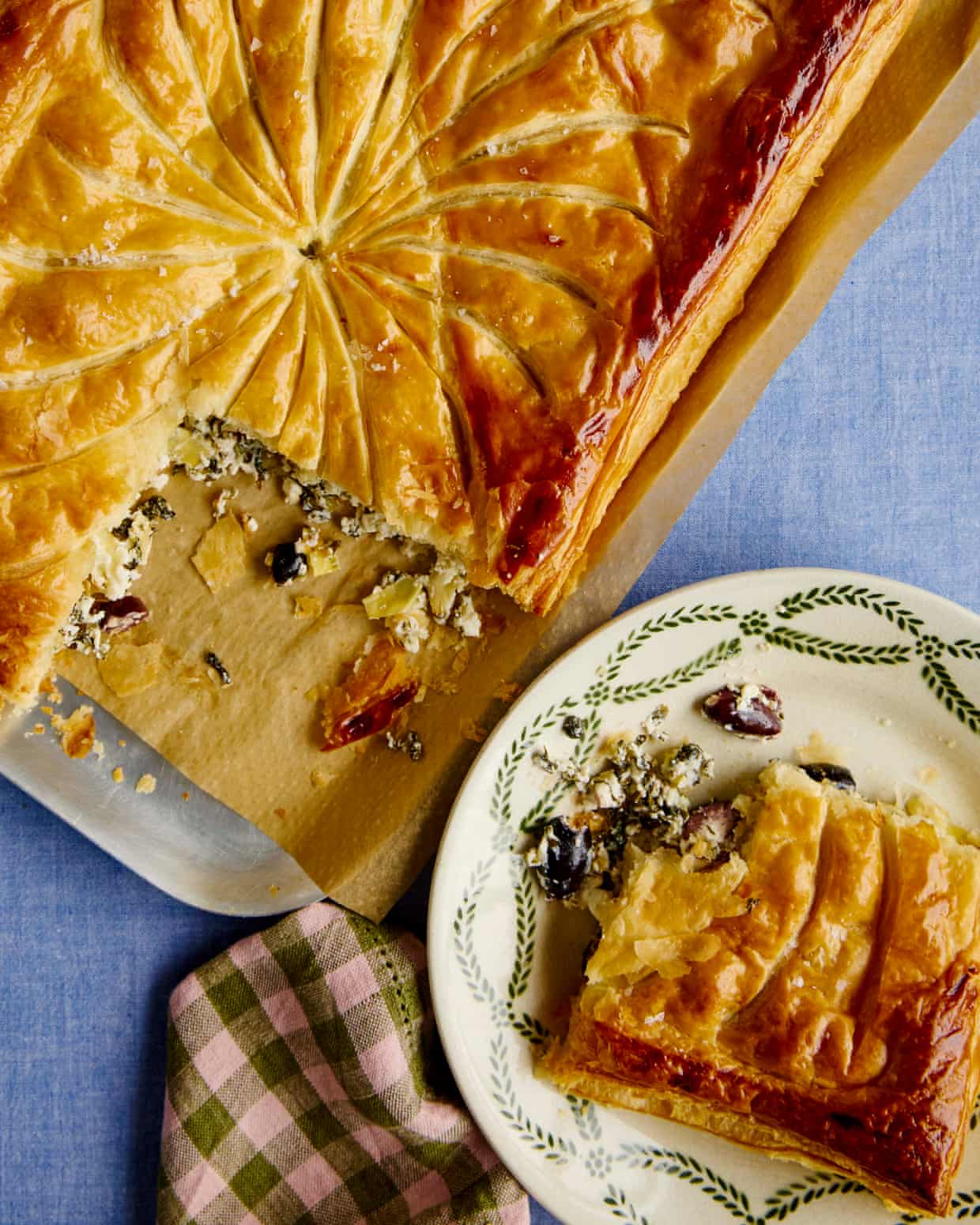
Rukmini Iyer’s quick and easy recipe for artichoke, olive and feta pithivier | Quick and easy
Pithiviers look absolutely beautiful at the table. For the classic shape, you can buy circular all-butter puff pastry (Picard does an excellent one, with two sheets in one packet) or cut regular puff pastry into circles. That said, it’s just as delicious and there’s more bang for your buck with a big rectangle. Either way, it’s filled with moreish artichokes, olives and feta, with fresh lemon and parsley to lift the flavours. It’s 100% the type of meat-free main that everyone else wants to try, too
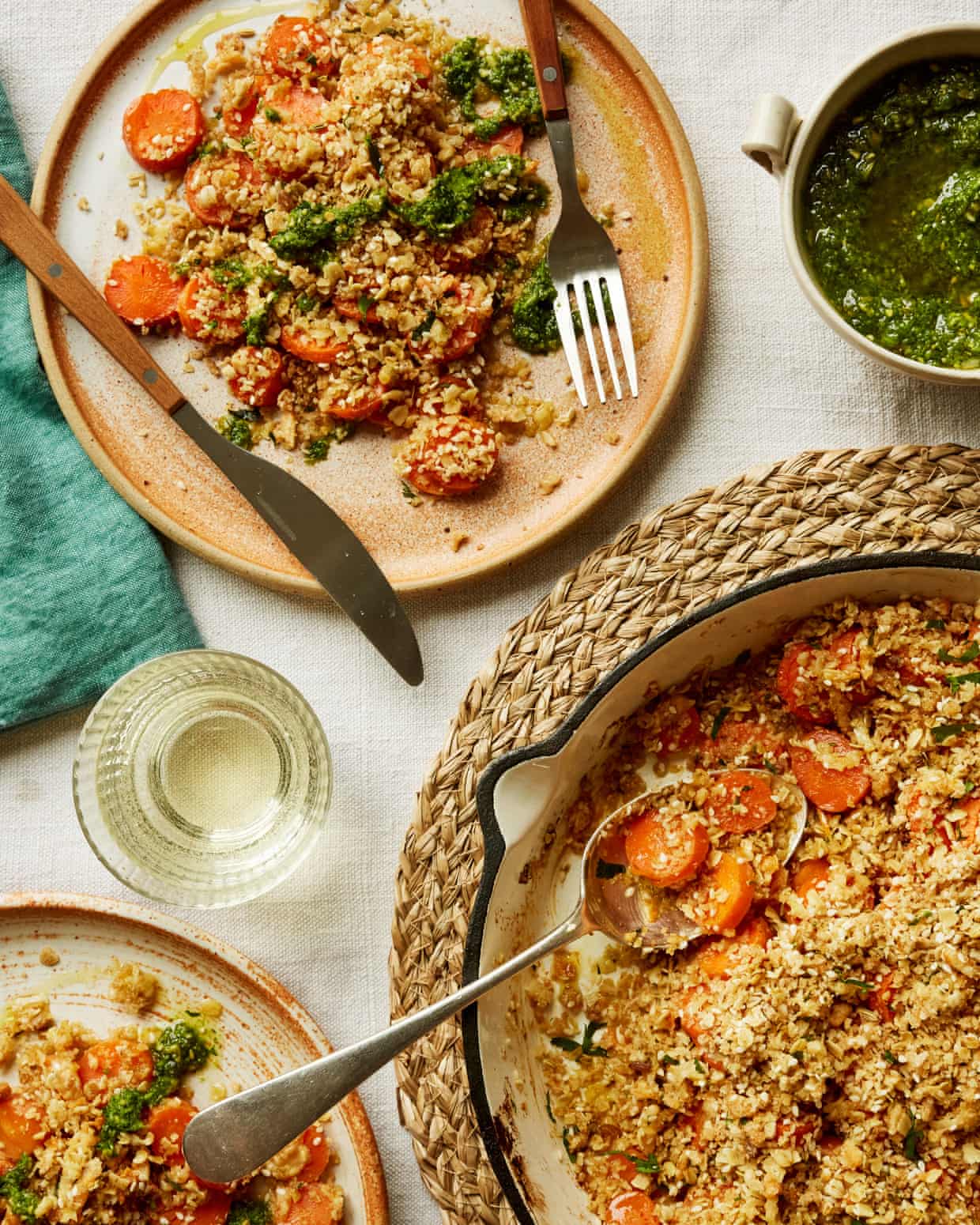
Carrot crumble and sprouting broccoli with almond butter: Chantelle Nicholson’s vegetable recipes for Easter
The intense sweetness that comes from roasting carrots should not be underestimated. And, when that’s topped with a savoury, nutty crumble, it’s a great combination. Add the wonderfully seasonal purple sprouting broccoli on the side, and it’s a luscious Easter celebration. A few low-waste tips, too: always use the parsley stalks, and try pickling the shallots in leftover gherkin brine. Trust me! And it wouldn’t be a spring recipe without our beloved wild garlic, so make the most of that while it’s about
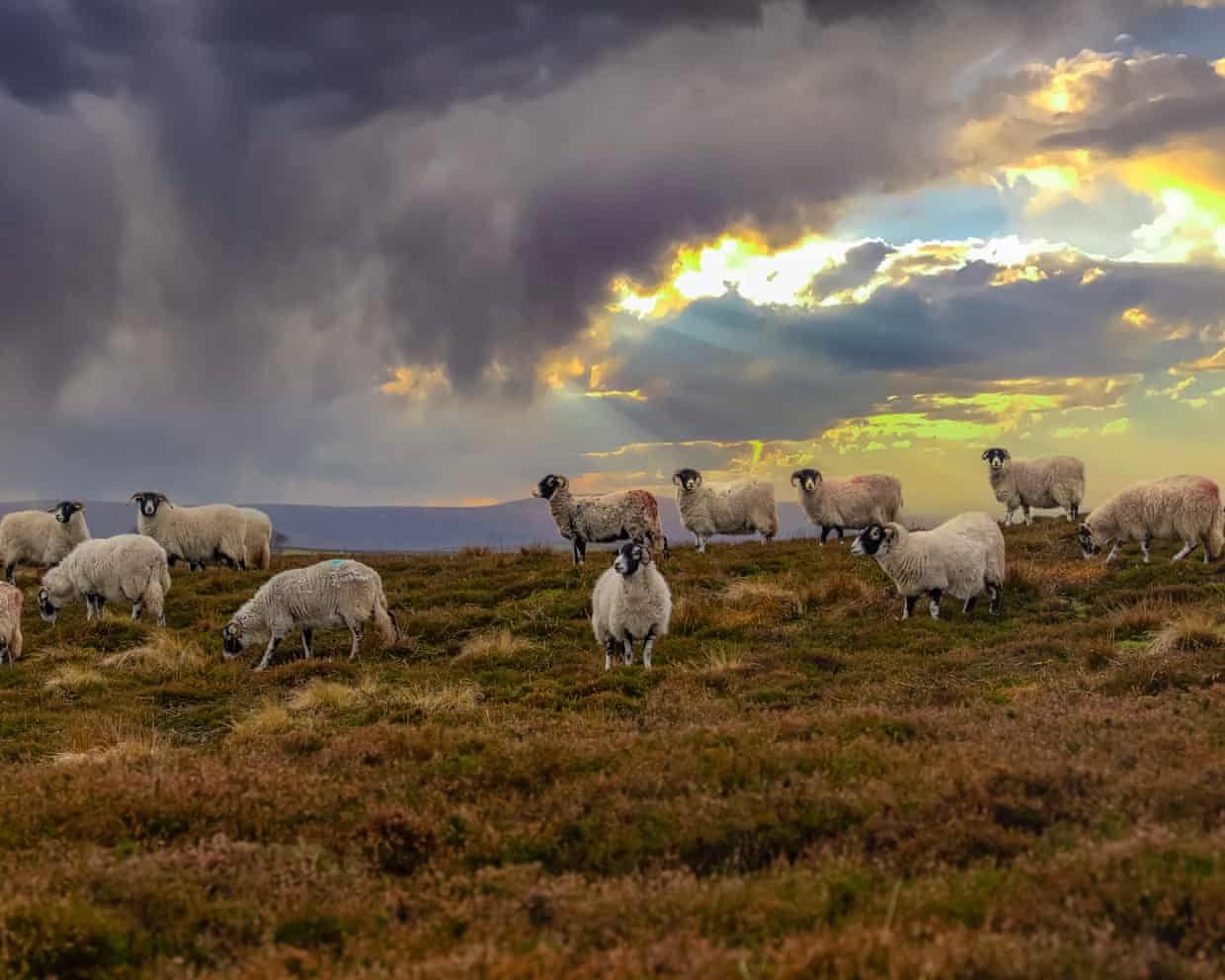
How we can improve food security in Britain | Letters
Although I agree with George Monbiot’s analysis of the serious risks that we face from a breakdown in the UK food supply chain, there are two important points we need to recognise (We’re letting big corporations gamble with our lives. Act now, or the food could run out, 25 March). First, we must seek to increase food production on UK farms because this has been falling for several decades.Food self-sufficiency in the UK fell from 78% in 1984 to 62% in 2024. The decline is largely due to the loss of farmland to non-farming use: buildings, roads and railways, conservation and wildlife schemes, solar farms and recreation
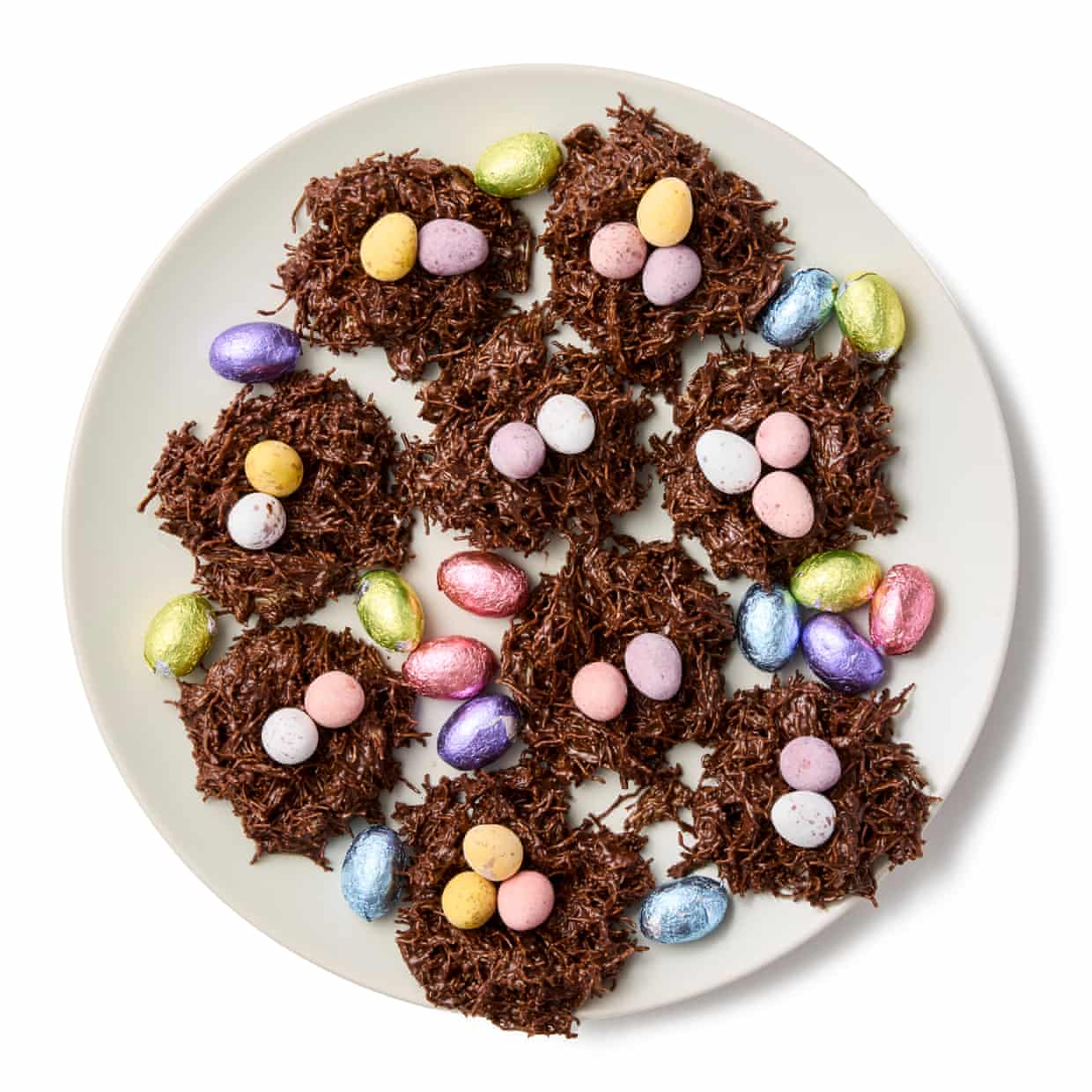
How to make Easter chocolate nests – recipe. | Felicity Cloake's Masterclass
Much as I love Easter eggs – and I really do, despite being that irritating person still nibbling away at them at Christmas time – these charming, crunchy little nests full of colourful treasure are up there with hot cross buns as my favourite seasonal produce. Top tip: they’re even easier to make if you enlist a small sous chef or two to help stir the pan!Prep 20 min Cook 5 minChill 2 hr Makes About 1280g Shredded Wheat (about 3½ full-sized ones), or other cereal (see step 1)75g dark chocolate (see step 3)100g milk chocolate 35g butter, or vegan alternative50g golden syrup 1 pinch salt ¼ tsp mixed spice (optional)Finely grated zest of ¼ orange (optional)36 miniature chocolate eggs (about 115g)Shredded Wheat (or another brand of similar cereal) is not the only choice here: you could substitute corn or bran flakes, puffed rice, Weetabix and so on, but it does look the most authentically twig-like. Try to get the big ones, if possible, because it’s all too easy to crush the bite-size variety to dust.Break the Shredded Wheat into pieces (leave flaked cereals, puffed rice and so on whole, and crumble Weetabix) in a large bowl – use your hands, the end of a flat rolling pin or glass, or the bottom of a smaller bowl to do this, and aim for a variety of lengths, rather than crushing the cereal to smithereens.Almost any chocolate will work here (this is, in fact, a great use of last year’s Easter eggs or Christmas chocolate, if you still have some left), though be careful with white chocolate, which doesn’t always melt well
The Wellington, Margate, Kent: ‘Worth risking a werewolf attack to get to’ – restaurant review | Grace Dent on restaurants
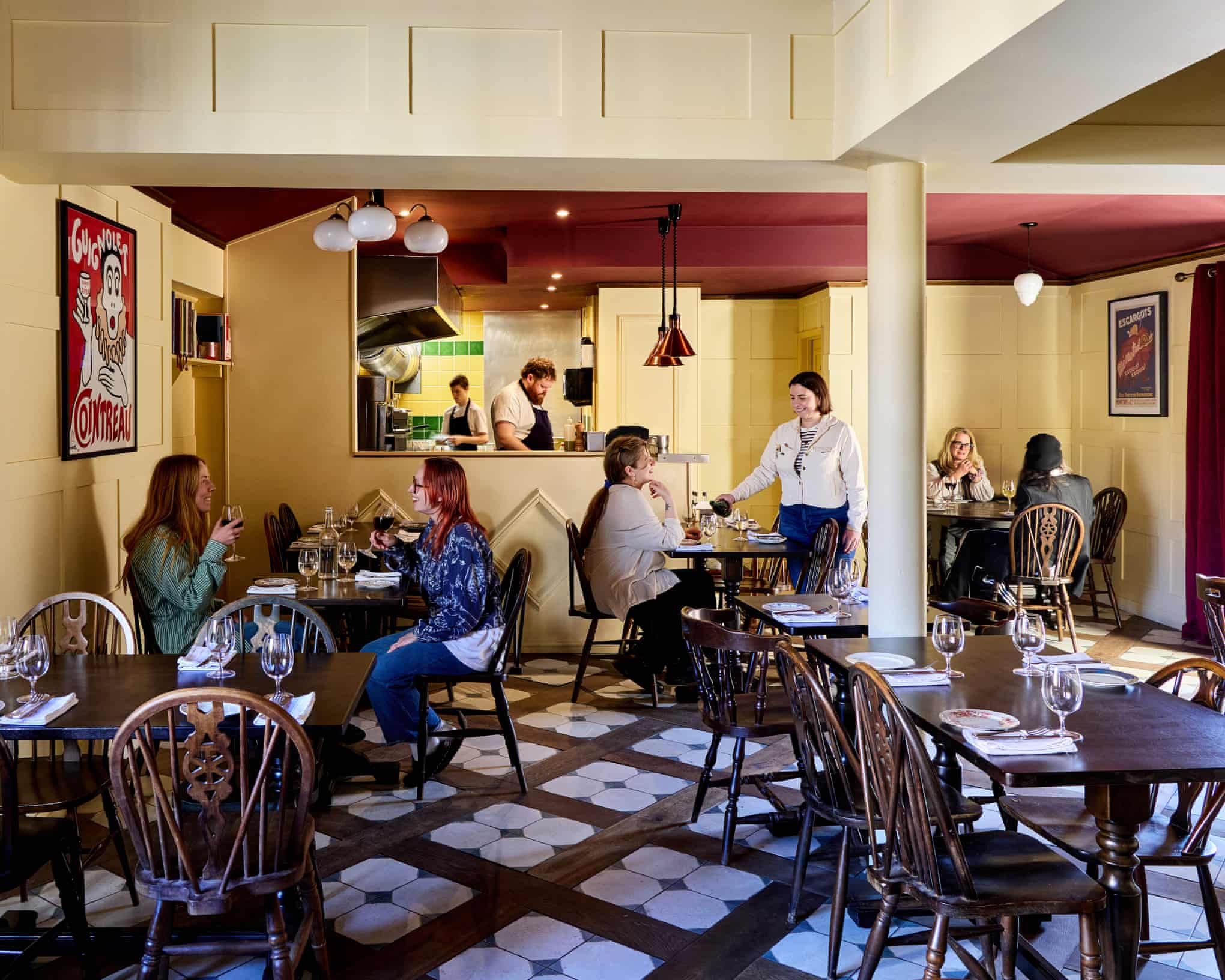
The ever-changing menu is a paean to things that make me happyThe Wellington has been drawing crowds to Margate of late, due to a recent takeover by chef Billy Stock and front-of-house queen Ellie Topham. Stock is formerly of nearby Sète, which I loved very much, and also cooked at London’s The Marksman and St John, which is a pedigree that says: “I like feeding people proper food, not fancy, itsy-bitsy suggestions of food.” So with that, I set off to the south-east Riviera on a day when the weather ranged from hailstones to simply freezing gales.Much is said about Margate being freshly desirable, hip and charming, but on a freezing day at the tail end of winter, this seaside town certainly tests the prescription of one’s rose-tinted spectacles. None of the down-from-London brigade cries, “Let’s move to Margate!” as icy hail plink-plonks off their nose while they cower in the door of the Turner Contemporary
Marmite maker Unilever agrees $44.8bn deal to combine food arm with McCormick

Centuries-old pottery firm Denby set to call in administrators

UK parents: what do you think about the government’s advice on screen time for children under five?

Palantir’s UK boss criticises ‘ideological’ groups as ministers move to scrap NHS contract

A gleaming tribute to Mary Rand’s gold | Brief letters

‘The computer went bananas’: error at O’Brien yard removes horses from 2,000 Guineas