The WNBA’s new labor deal explained: what it means for pay, power and the league’s future
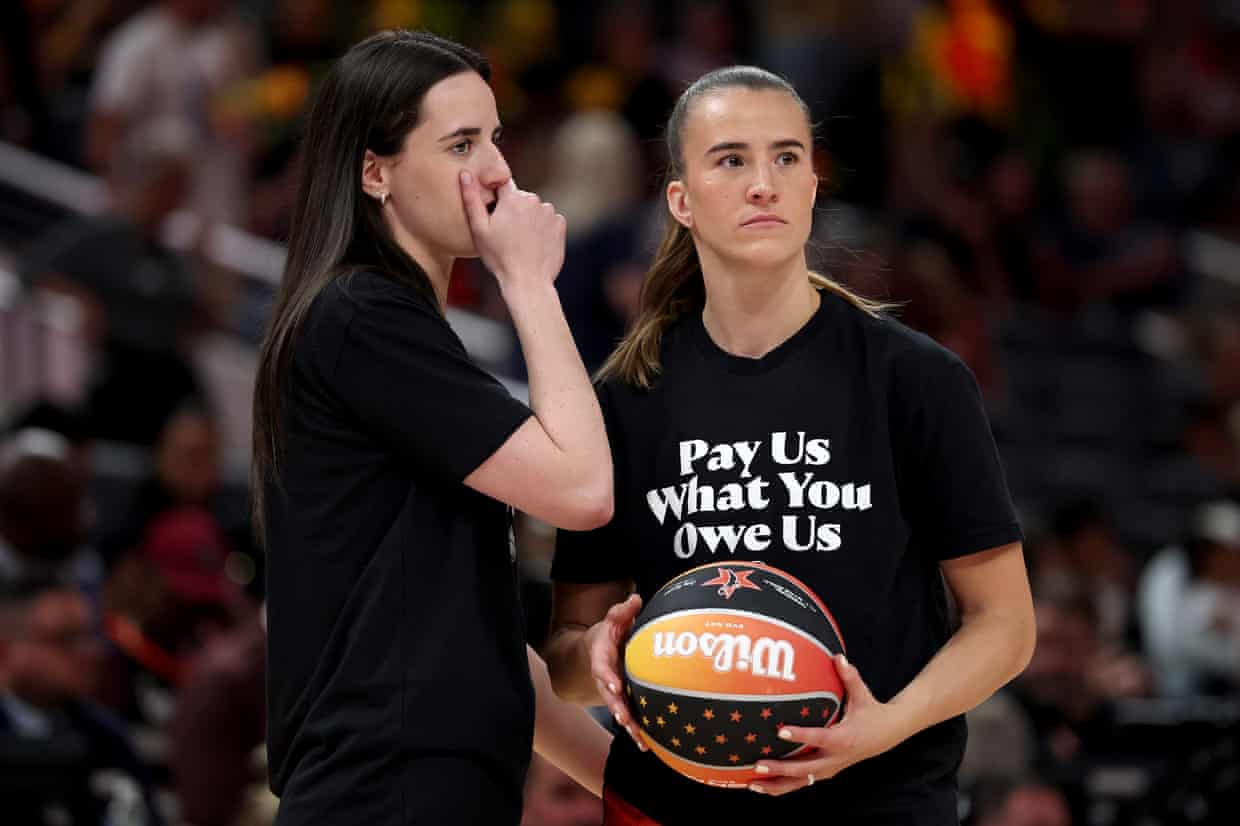
The WNBA and its players’ union (WNBPA) have reached a verbal agreement on a new collective bargaining agreement, ending 17 months of negotiations after players opted out of the previous deal and averting mounting fears of a strike.The agreement would be the sixth in league history and is being framed by both sides as a major step forward for player empowerment and the league’s growth.Commissioner Cathy Engelbert said Wednesday the two sides have “aligned on key elements”, though a formal term sheet still needs to be finalized.Union leaders echoed that sentiment, calling the deal a reflection of players using their collective voice.Full details have not yet been released, and the agreement must still be ratified.
League operations – including expansion drafts for new teams in Toronto and Portland, free agency and the 2026 draft – cannot begin until paperwork is completed, a process that could take weeks.Despite that, the WNBA expects its 30th season to tip off on schedule on 8 May.Here’s a breakdown of what the new deal means and how it could reshape the league.A collective bargaining agreement, or CBA, is essentially a legal contract between a league and its players that sets the rules for how everything works – from salaries and benefits to working conditions and league operations.It’s not unique to sports and many industries with unions around the world have similar agreements with their employers.
The WNBA’s last CBA was signed in January 2020, just before the Covid-19 pandemic forced the league to play that season in a bubble.That deal expired in October 2025, and the league and players’ union quickly began negotiating a new one.Two of the biggest sticking points were money and housing.Let’s take them one by one.First, revenue sharing: players initially asked for 40% of the league’s total revenue (before expenses), later coming down to 26%.
The league, meanwhile, offered roughly 70% of net revenue (after expenses).That gap was central to negotiations.Second, housing: the WNBA has traditionally covered housing for all players, a significant benefit given the league’s relatively short season.In negotiations, the union pushed to keep that system largely intact, proposing that all players receive housing for the first few years of the deal before phasing it out for top earners.The league countered with a more limited plan – full housing in year one, then restricting it to rookies and minimum-salary players – turning housing into another key flashpoint in balancing rising pay with longstanding benefits.
Early reports suggest the new deal includes major financial gains for players.According to ESPN’s reporting:The salary cap could rise to about $7m (up from $1.5m)Players would receive roughly 20% of league revenue across the length of the dealTop “supermax” salaries could reach $1.4mAverage salaries could be around $600,000, with a $300,000 minimumThe 2026 draft is set for 13 AprilThese details have not yet been officially confirmed by the WNBA or WNBPA.It’s too early to declare a clear winner, since the full terms haven’t been released.
But both sides are presenting this as a rare mutually beneficial outcome.Engelbert called it “a fair win-win for all”, while players emphasized that the goal wasn’t just immediate gains, but long-term progress.Union president Nneka Ogwumike said much of the fight was about “the next generation”, adding the deal should help push the league forward over the next decade.Union leadership also stressed that what benefits players ultimately benefits the league, framing the agreement as shared success rather than a one-sided victory.WNBPA executive director Terri Carmichael Jackson also told reporters: “Cathy and her team understood that the players’ wins were the league’s wins and that our stories of success are shared stories of success, period.
”It depends on what you compare to.Stacking WNBA salaries against the NBA isn’t especially useful.The NBA is a much older, far more established business that didn’t become highly profitable until the 1980s, four decades after it launched.The WNBA is entering just its 30th season.But compared to other women’s pro leagues, the reported terms will make WNBA players among the highest paid.
Recent reports suggest major salary increases, with top players potentially earning over $1m annually.For context, the National Women’s Soccer League’s minimum salary is $50,500 (to reach $82,500 by 2030), according to their CBA signed two years ago.The league recently introduced a caveat where high-profile players can negotiate salaries that soar well above the minimum (as proven by Trinity Rodman’s recent case).The three-year-old Professional Women’s Hockey League operates with a total team salary cap of around $1.3m.
So while there’s still a gap with men’s sports, the new deal marks a significant step forward within women’s sports.Yes.Engelbert confirmed the league schedule is unchanged: training camps open on 19 April, preseason games begin on 25 April and the regular season tips off on 8 May.No.The 2026 WNBA draft is scheduled for 13 April.
Dates for the two expansion drafts and the start of the free agency period have not been announced.This deal should bring stability for now.The new agreement is expected to last several years, meaning the league and players aren’t likely to revisit these negotiations anytime soon.Probably less, but not entirely.For years, many WNBA players have gone overseas in the offseason to earn extra money.
That’s been less necessary for top stars such as A’ja Wilson or Caitlin Clark, who make significant supplementary income through endorsements and brand partnerships.Others play abroad for the life and career experience as well as the pay.The new deal could change that.Union leaders say salaries are set to rise sharply, with average pay expected to climb into the hundreds of thousands.That means more players may be able to stay in the US year-round.
Still, not everyone will earn top-tier money, and some players will continue to go overseas by choice.Players say the agreement is “transformational”, with improvements not just to pay but also to benefits, facilities and overall working conditions, changes they believe will be felt across the league.“What we just accomplished is going to change the lives of so many players,” union vice-president Alysha Clark said.“Players like me are going to feel it the most, and that’s what we’re all proud of – making sure every player felt the change in the CBA, and that’s exactly what has happened.”Absolutely.
The WNBA is coming off a record-setting 2025 season, with more than 2.5 million fans attending games and TV audiences rising sharply.The league has also announced plans to expand to new cities, a signal of growing investment and demand.That momentum gave players more leverage in negotiations.Fans made their support visible, chanting “Pay them” at last summer’s All-Star Game and several games since then.
As a result, the new deal is expected to tie player pay more directly to the league’s financial growth for the first time, meaning players could earn more as the league earns more.Some could even make over $1m in a season.All of this growth was driven by increased interest and passion for the league, the players, and the game.Yes, and it’s part of a much larger trend.The WNBA deal reflects a broader shift across women’s sports, where athletes are pushing for better pay, working conditions and a bigger share of the revenue they help generate.
In soccer, for example, players in the NWSL have pushed back on league proposals they felt undermined fair pay rules, while top stars have increasingly attracted higher salaries, sometimes overseas.Earlier fights, such as the US women’s national team’s equal pay lawsuit in 2016, helped set the stage for today’s negotiations.Similar battles have played out in hockey, surfing and other sports, as athletes demand equal treatment and professional standards.The WNBA agreement stands out because of its scale and profile, but it is part of a larger movement that has been building for years and is now starting to reshape how women’s sports are valued.

Watchdog takes over running of home for adults with learning disabilities
The charity watchdog has taken control of a learning disability care home in Northamptonshire that is under investigation after residents’ families raised concerns over its management, including payments of £1m to a trustee.The Charity Commission has appointed an interim manager to run William Blake House, which faces potential insolvency in three weeks’ time if it cannot head off a winding-up order brought by the tax authorities over £1.6m in unpaid tax bills.The move, which freezes out the current board of trustees, is a victory for an activist group of families whose adult children are residents at the home. They campaigned for change after discovering the parlous state of the charity’s finances last autumn
Women and girls bearing brunt of water shortages globally, UN warns
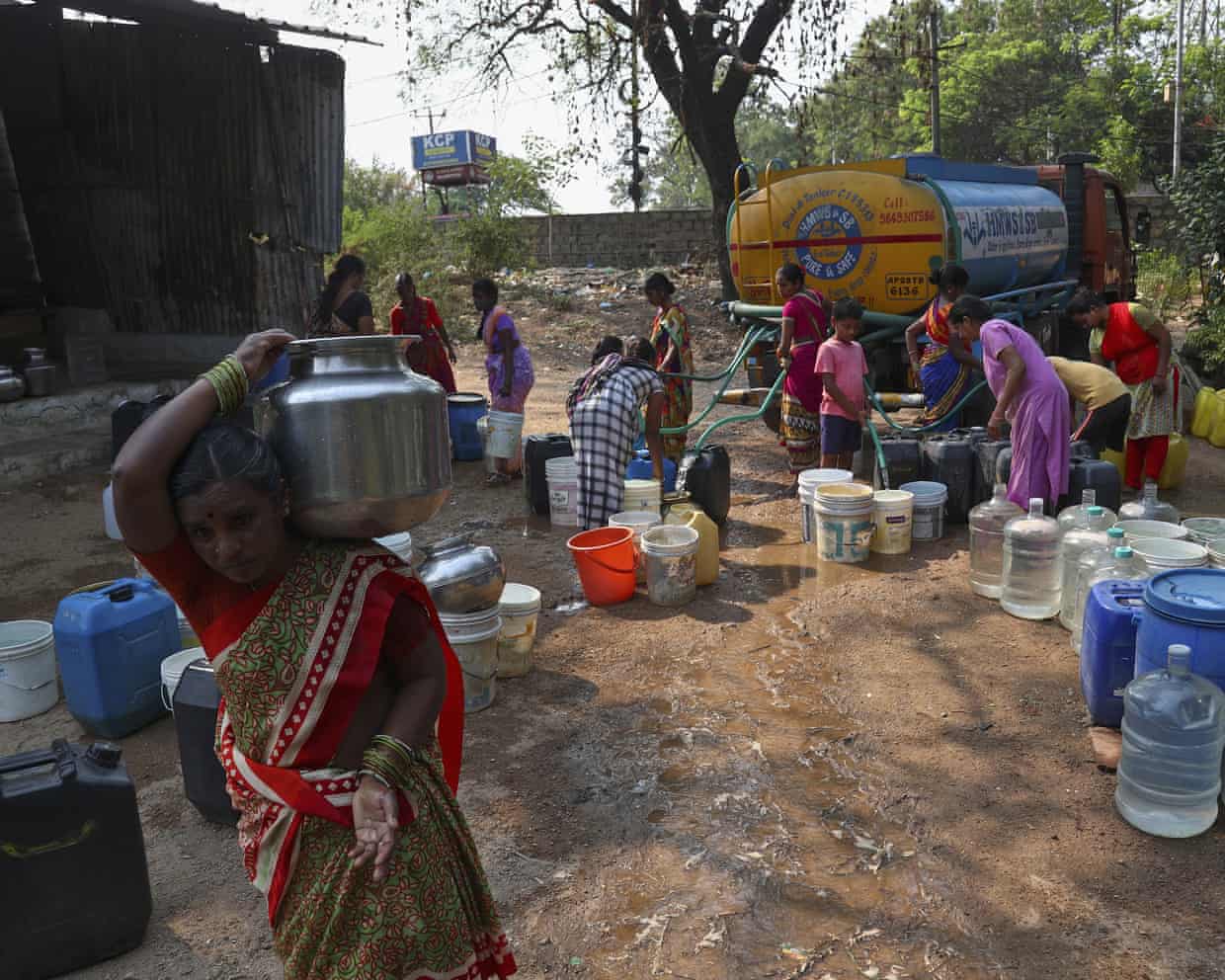
Women and girls are bearing the brunt of water shortages and a lack of sanitation around the world, hindering the economic and social development of poorer countries, the UN has warned.Women are responsible for collecting water in more than 70% of rural households that do not have access to mains water across the developing world. Women and girls collectively spend 250m hours a day collecting water globally.The climate crisis is exacerbating the problem, according to a new report from the UN. A 1C rise in temperature reduces incomes in female-headed households by 34% more than in male-headed ones, while also causing women’s weekly labour hours to increase by an average of 55 minutes relative to men’s
Kent meningitis outbreak has been contained, health officials believe
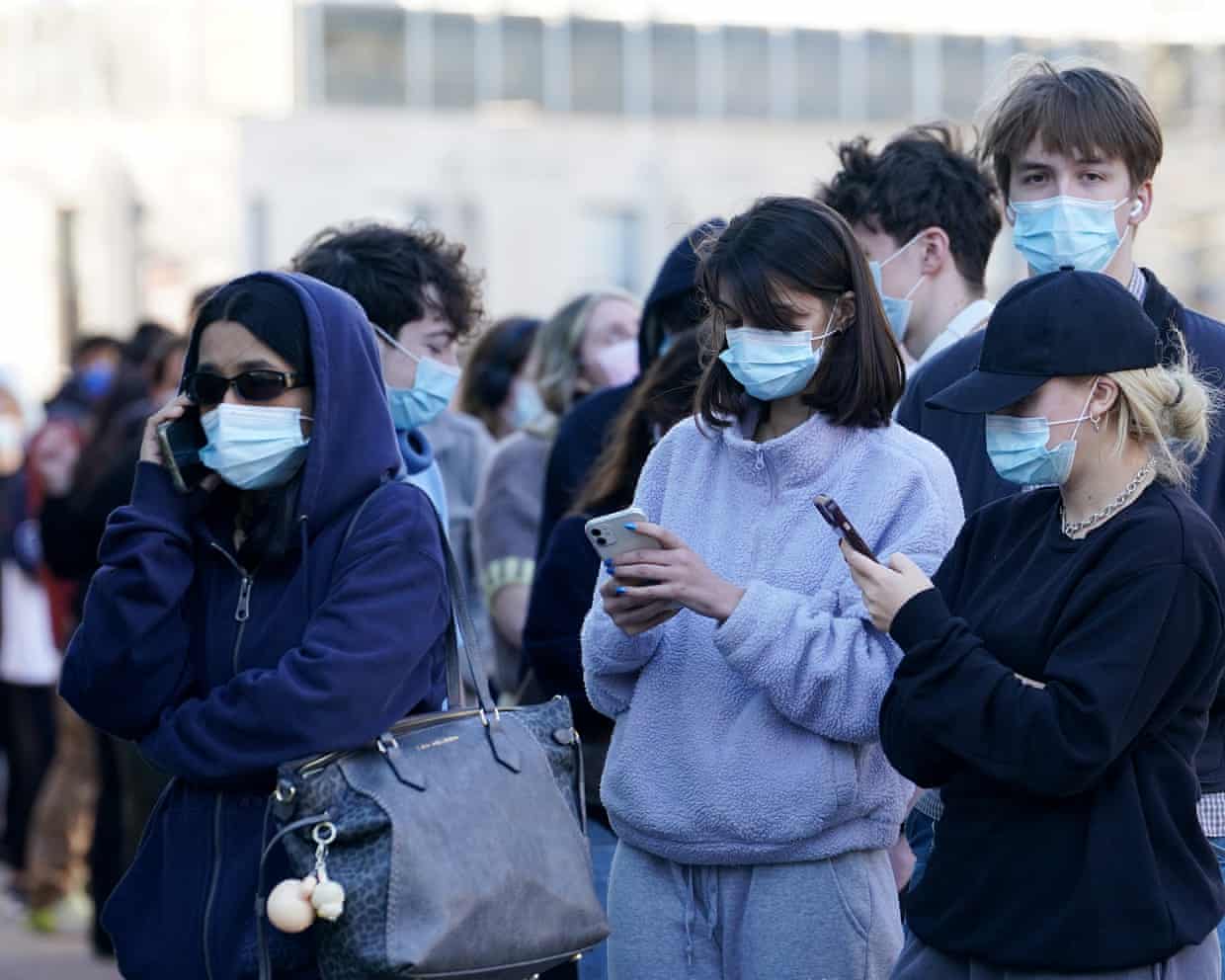
Health officials increasingly believe they have contained the fatal outbreak of meningitis in Kent, with no cases emerging that are not linked to the original cluster of 20.In another boost to efforts to contain the infection, the bug that caused it has been identified as a known strain of meningitis B, the Guardian understands.That should mean that the MenB vaccine offered to 5,000 students living in University of Kent halls of residence in Canterbury, hundreds of whom received it on Wednesday, will prove a good match.There is growing confidence among the NHS, the UK Health Security Agency (UKHSA) and county council public health staff tackling the outbreak that the people infected in Kent, many of whom visited a nightclub on 5, 6 or 7 March, have not passed it on to anyone outside the area.“All cases to date are linked to the current outbreak in Kent,” a UKHSA spokesperson said

AI software for smart glasses wins £1m prize for technology to help people with dementia
AI software that can be embedded into smart glasses has won a £1m prize for technology to help people with dementia.Built into chunky, black-rimmed frames that have a camera, microphone and speakers, the tech – known as CrossSense – guides wearers through everyday life by means of a chatty assistant called Wispy.Not only can Wispy offer prompts and feedback during tasks – through verbal cues and text that floats in front of the wearer’s eyes – but it can also ask questions, engage in light conversation and aid reminiscences.The software has won the Longitude prize on dementia, one of a number of awards designed and delivered by Challenge Works and supported by Nesta.Funded by Alzheimer’s Society and Innovate UK, the prize aimed to encourage the development of technology to help people with dementia stay independent for longer
Playing with dolls can help children develop imagination and social skills – UK study
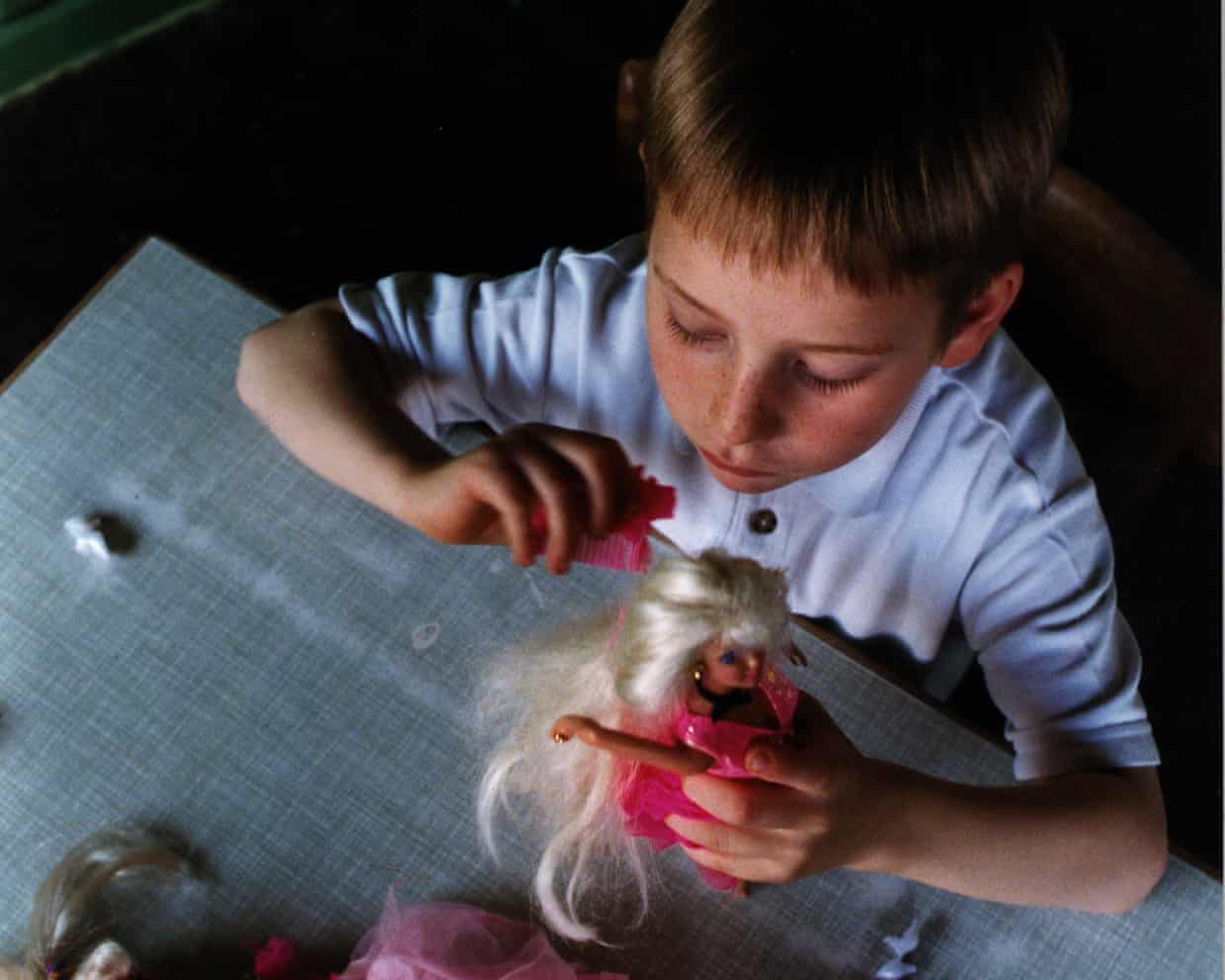
Playing along with dolls can help boys and girls develop more sophisticated imaginations and better social skills, compared with children who play on electronic devices, according to research.Psychologists at Cardiff University and King’s College London found that children given dolls gained a richer appreciation of other people’s beliefs and feelings, in contrast to those given a tablet loaded with video games.Parents also reported that the children, aged between four and eight, were more likely to play alone when using the tablet, while those with dolls were more likely to play with friends or family.Dr Sarah Gerson, the lead author and a reader in psychology at Cardiff, said: “We believe that doll play may encourage children to engage in social interactions more and give children more opportunities to rehearse or reflect on others’ beliefs, emotions, or intentions, compared to other types of play.“When playing with dolls, children have the opportunity to role-play characters, create narratives, and act out scenarios – doing so relies on and fosters the ability to imagine others’ thoughts, feelings, and intentions

Having my ears syringed left me with tinnitus | Letter
I sympathise with Freya Bennett (A moment that changed me: I was planning to be a musician – then I had my ears syringed, 11 March). In 2010, I found that my hearing was being muffled by a buildup of wax in my ears. I had always imagined that having ones ears syringed was a straightforward, risk-free process.An appointment was made at my local GP practice, and a healthcare assistant, without any explanation as to what to expect or any warning about side-effects, essentially turned the irrigation machine, like a water pistol, up to full and blasted out the wax. The power of the jet was such that I actually jerked my head away in shock

Prolonged high oil prices could ‘crimp’ AI boom, WTO warns

Europe’s biggest airlines say fuel price spike caused by Iran war will drive up fares

‘Alright mate?’: Amazon pins UK hopes on AI upgrade of Alexa

Inside China’s robotics revolution
March Madness 2026 women’s predictions: can anyone thwart a UConn repeat?
‘The only thing left for me was death’: meet the meth-addict long jumper who has been to hell and back