‘Toughest’ Italy Test can be defining moment for England, says Jamie George
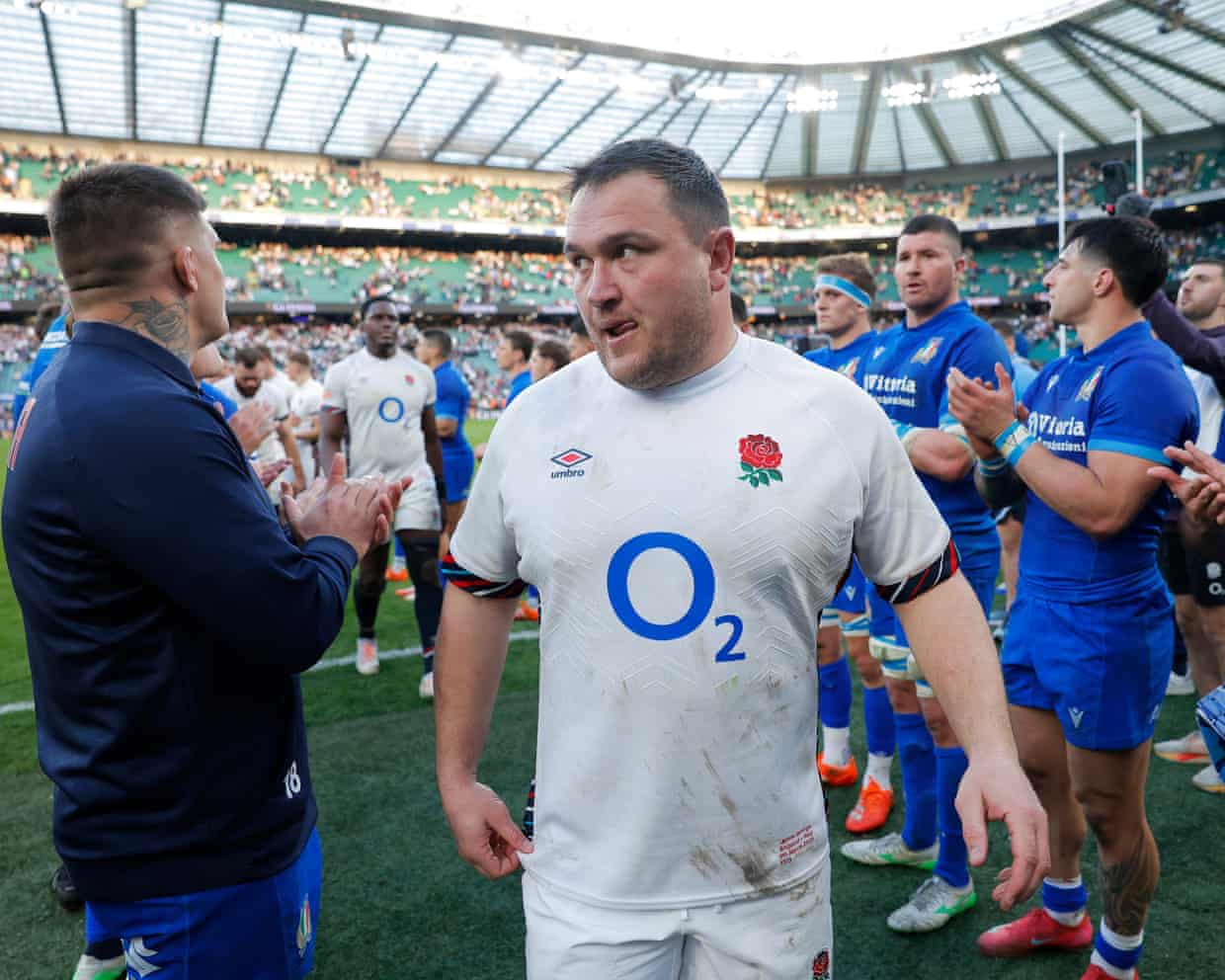
Jamie George is braced for England’s “toughest ever” Test against Italy but believes Saturday’s Six Nations clash can be the defining moment for a much-maligned squad,George also admitted England’s Six Nations collapse, which has ruled them out of contention for the title for another year, has been down to a lack of “hard work” and “fight”, insisting the players owe it to supporters and Steve Borthwick to make amends in Rome,The 35-year-old hooker has replaced Luke Cowan-Dickie in the starting lineup to face the Azzurri, one of 12 changes – nine personnel and three positional – by Borthwick,England have won all 32 previous matches against Italy, but Gonzalo Quesada’s side began their campaign with victory over Scotland and have been backed by the South Africa coach, Rassie Erasmus, to shock England,“Ultimately, what we haven’t seen enough of in the last couple of weeks is spirit, fight, hard work and graft,” said George.
“Let’s be completely honest, over the last 12 months you would characterise this team by that,“We need to be really clear on how we get back there, why it hasn’t been there, and make sure it doesn’t happen again,We are going to need it in bucketloads going over to Rome,Rome is always a difficult place to play but with this Italian team looking the way they do, it’s going to be the toughest Test that England have ever had against Italy,But bring it on.
“Times like these, and I would rather not have them obviously, but they are genuinely the most enjoyable times to be part of a team.You learn a huge amount about people.It’s an opportunity to step up, it’s an opportunity to bring people with you.It can be a defining moment for a team moving forward, and I think it will be.“We owe it to everyone.
We owe it to ourselves, we owe it to the England fans, we owe it to Steve and every single member of staff in the group because we are lucky and privileged enough to represent the whole country.We owe it to absolutely everyone.”Along with Ellis Genge, George is one of two vice-captains supporting Maro Itoje in Rome, with the other, George Ford, omitted from the squad.Last week, Borthwick invited nine of England’s 2003 World Cup winners to have dinner with his squad and George was left in no doubt as to the importance of the senior leadership group when backs are against the wall.“There was so much to take away,” he said.
“What they spoke about a lot was the togetherness and how tight the senior player group was,Their leaders in their team showed the way, set the standards and showed what was expected 24/7,It’s a nice little reminder for us, especially off the back of two losses, that we are doubling down on senior players stepping up,”George also pinpointed England’s sluggish starts as a key reason for their campaign being blown off course in such spectacular fashion,Against Scotland, they were 17-0 down after 15 minutes while Ireland had marched into a 22-0 lead with just half an hour on the clock.
“What we haven’t done over the last couple of weeks is start well,” he said.“And then our reaction to that has been poor.Actually, we looked a little bit shellshocked, a little bit isolated, this shouldn’t be happening.”
It’s crunch time! Gala apples and nashi pears among Australia’s best-value fruit and veg for March
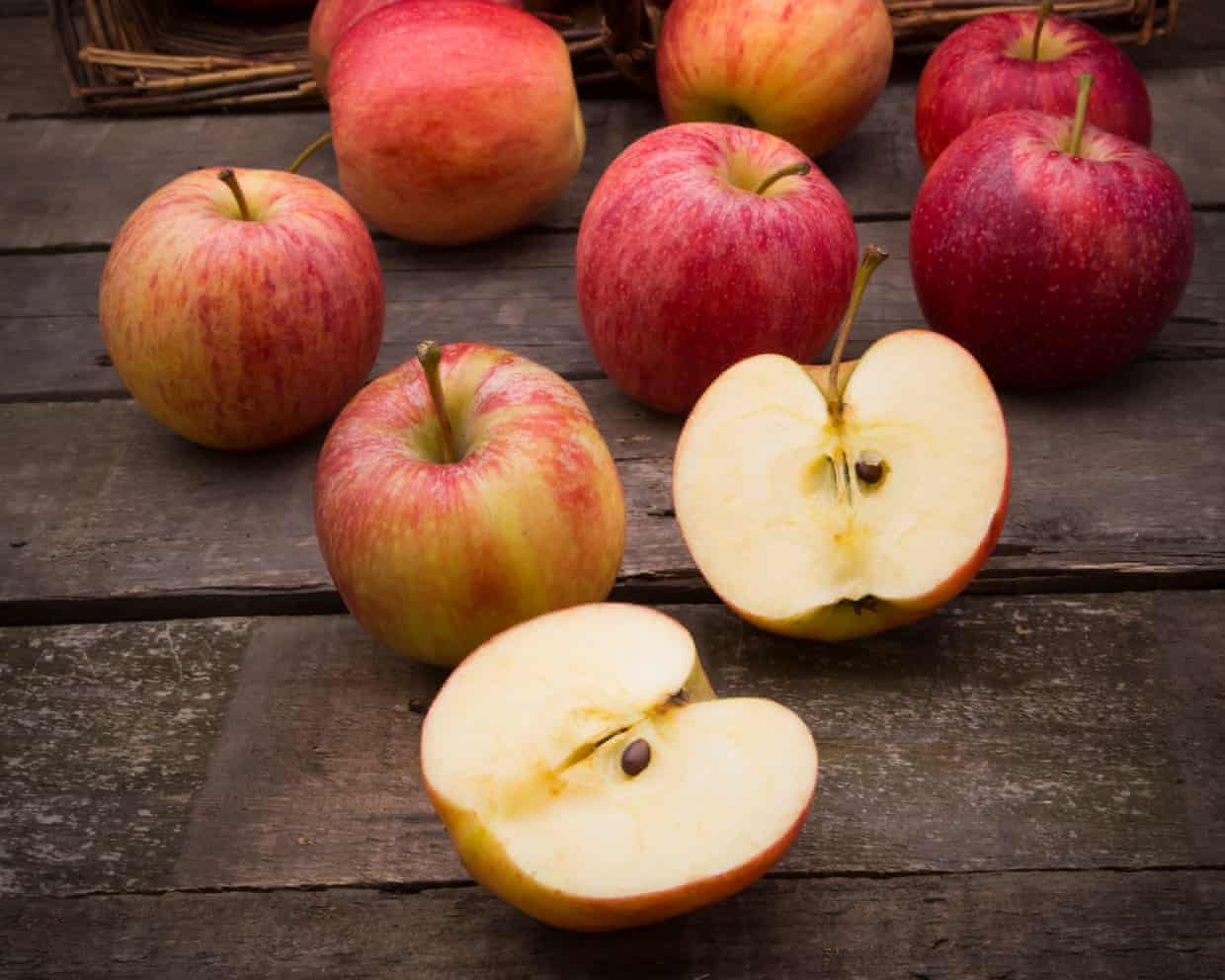
It’s a core month for pome fruit, with apples, pears and quince all heralding the start of autumn. “The first cab off the rank is the gala – a big sweet and juicy apple,” says Graham Gee, senior buyer at the Happy Apple in Melbourne.Granny smith, jazz and kanzi apples will come in during March too, and “Australia’s most popular variety, the pink lady, generally starts in April,” he says.Royal gala apples are between $5 and $8 per kilo at supermarkets. They’re $7 to $9 per kilo at Sydney’s Galluzzo Fruiterers, and Gee is selling them for about $3 to $5 per kilo; Spudshed in Perth is selling bags of prepacked new season apples for $3
How to turn limp rhubarb into tasty jam – recipe
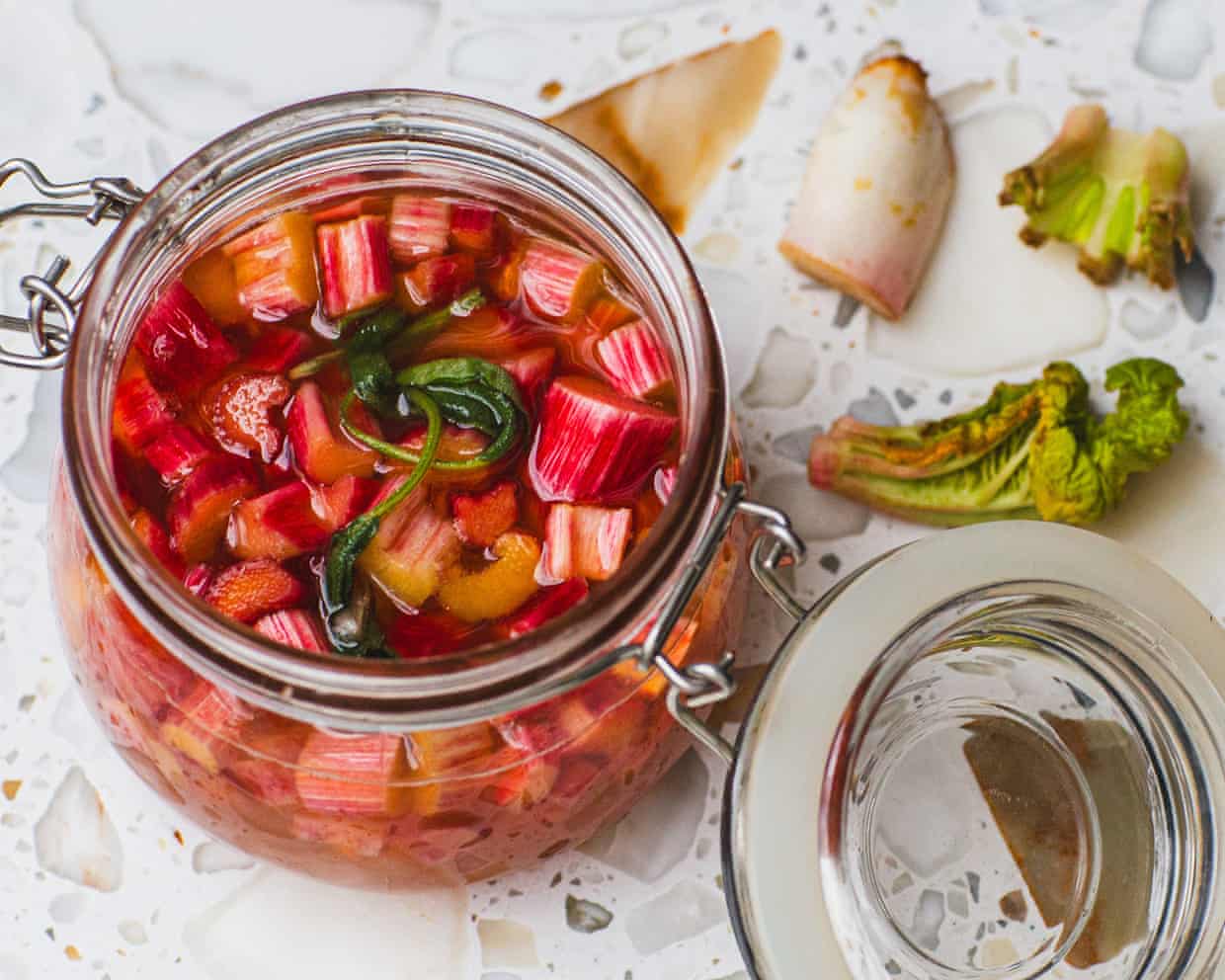
Rachel de Thample is one of my food heroines. She’s the author of six books, and has also been course director of the College of Naturopathic Medicine’s natural chef diploma, head of food for Abel & Cole and commissioning editor of Waitrose Food Illustrated, among so much else. She trained with the likes of Marco Pierre White, Heston Blumenthal and Peter Gordon, and now teaches fermentation and gut health at River Cottage HQ, where I cut my own teeth in teaching eco-gastronomy more than 20 years ago. While researching honey fermenting recently, I came across her recipe in River Cottage’s Bees & Honey Handbook, which I’ve adapted here so you can make as much as you like using a variety of aromatics.The Guardian’s journalism is independent
£25 for a cookie? What the baffling luxury bakery boom tells us about Britain
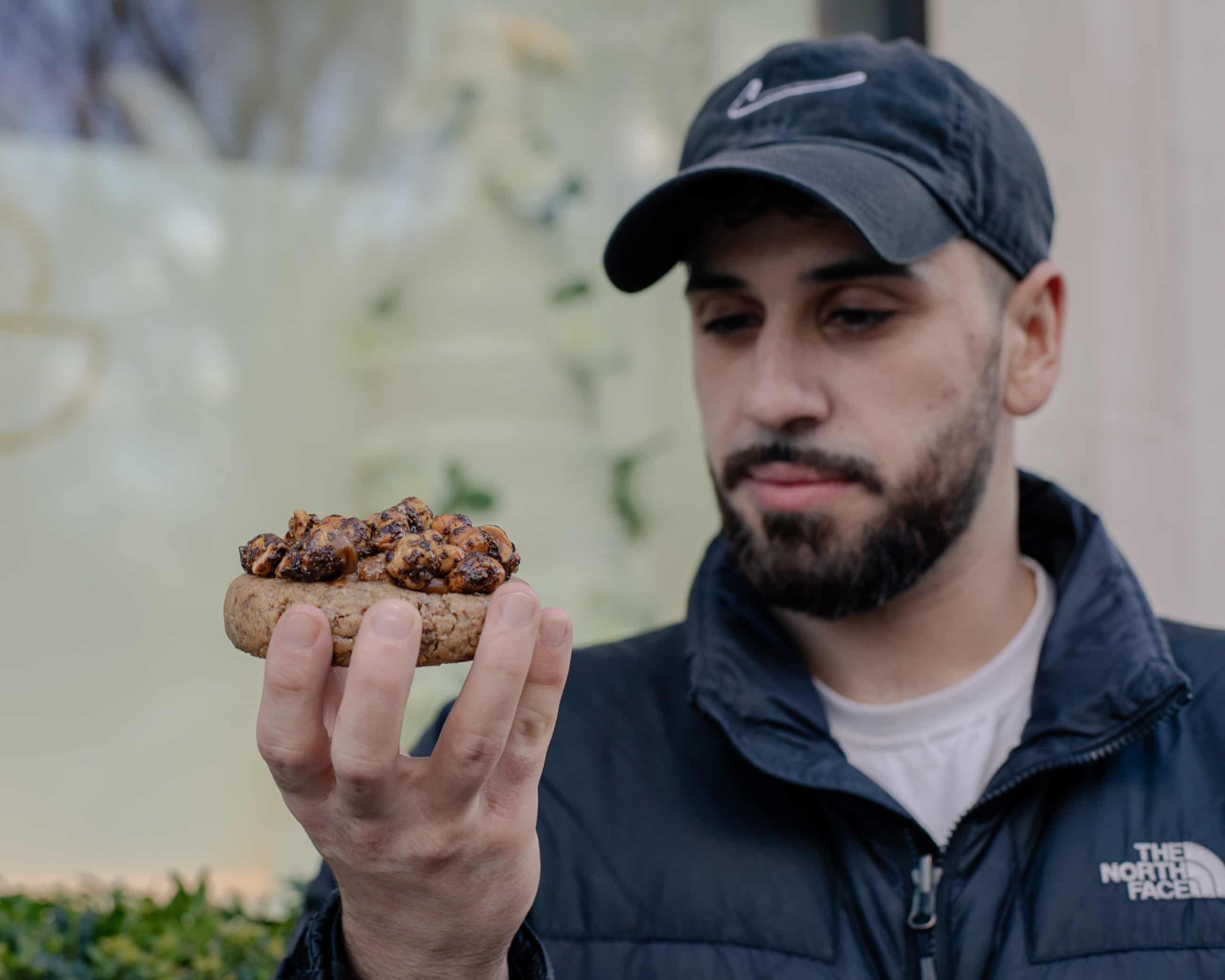
Amid a cost of living crisis, pricey patisserie is all the rage – and not just in London. Our reporter goes on a crawl to find out if a tart can really be worth £45There was a time when you could get a stuffed vanilla cream slice or a neon-pink Tottenham cake for about £1 on the leafy, residential corner of Hackney, east London, where I stand today. But the branch of Percy Ingle bakery that was here for nearly 50 years is gone. In its place sits Fika, a cafe where a cinnamon bun costs £4.20 and a pistachio croissant will set you back nearly £5
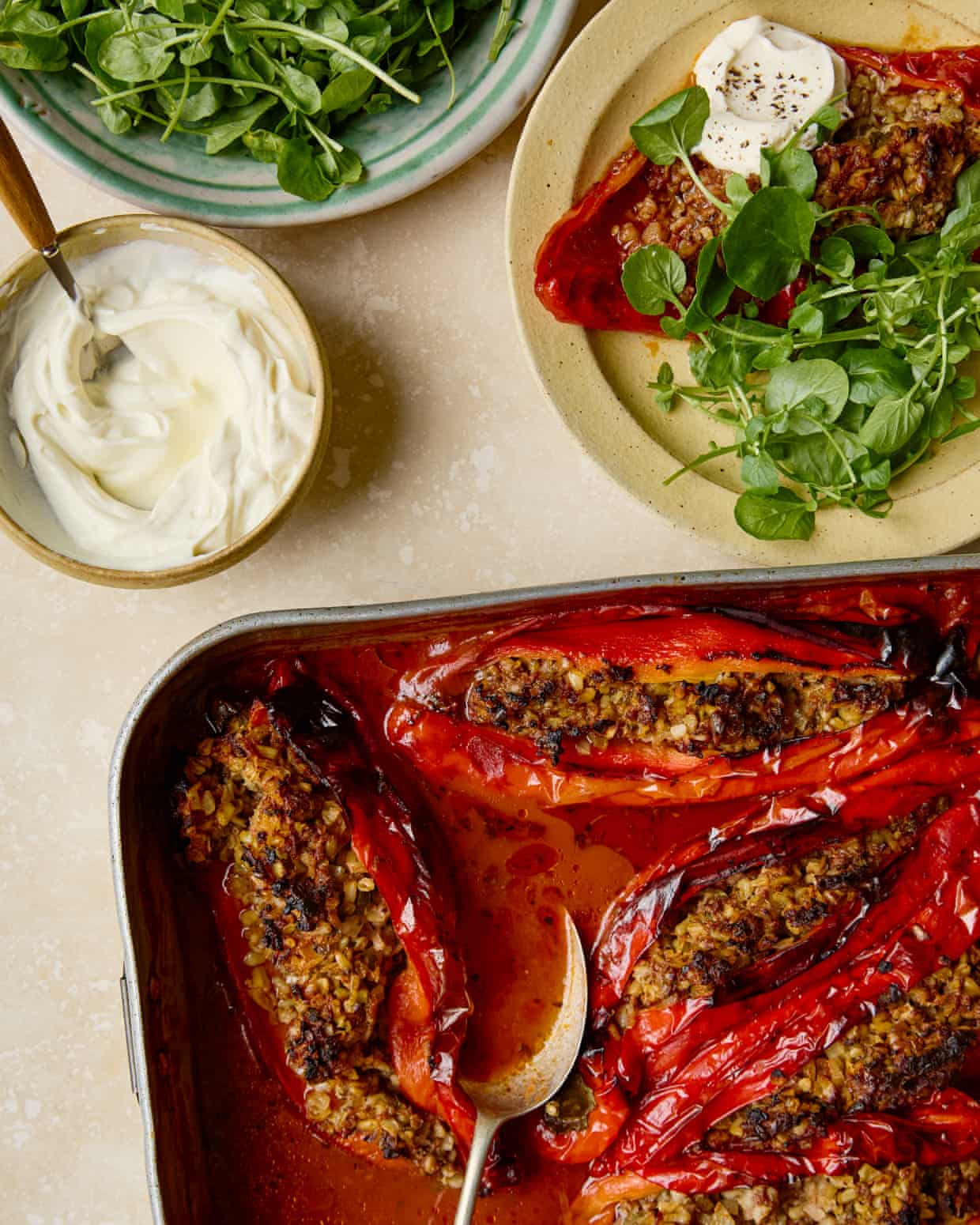
Stuffed peppers and aubergine dip: Sami Tamimi’s recipes for savoury Palestinian snacks
I still remember, when I was a kid, the end of spring and early summer when markets in Jerusalem and across Palestine overflowed with freshly harvested freekeh. As you approached, the air carried a smoky, earthy aroma. Freekeh is an ancient grain, a staple across the Middle East and Turkey, made from green wheat roasted over open fires to burn off the husks, which gives it the characteristic nutty flavour. The name comes from the Arabic freek, meaning “to rub”, which describes how the grains are cleaned, dried, cracked and stored for the year.Throughout the Middle East and Palestine, mahashi (stuffing vegetables) is a true labour of love, creating dishes that are designed to be shared
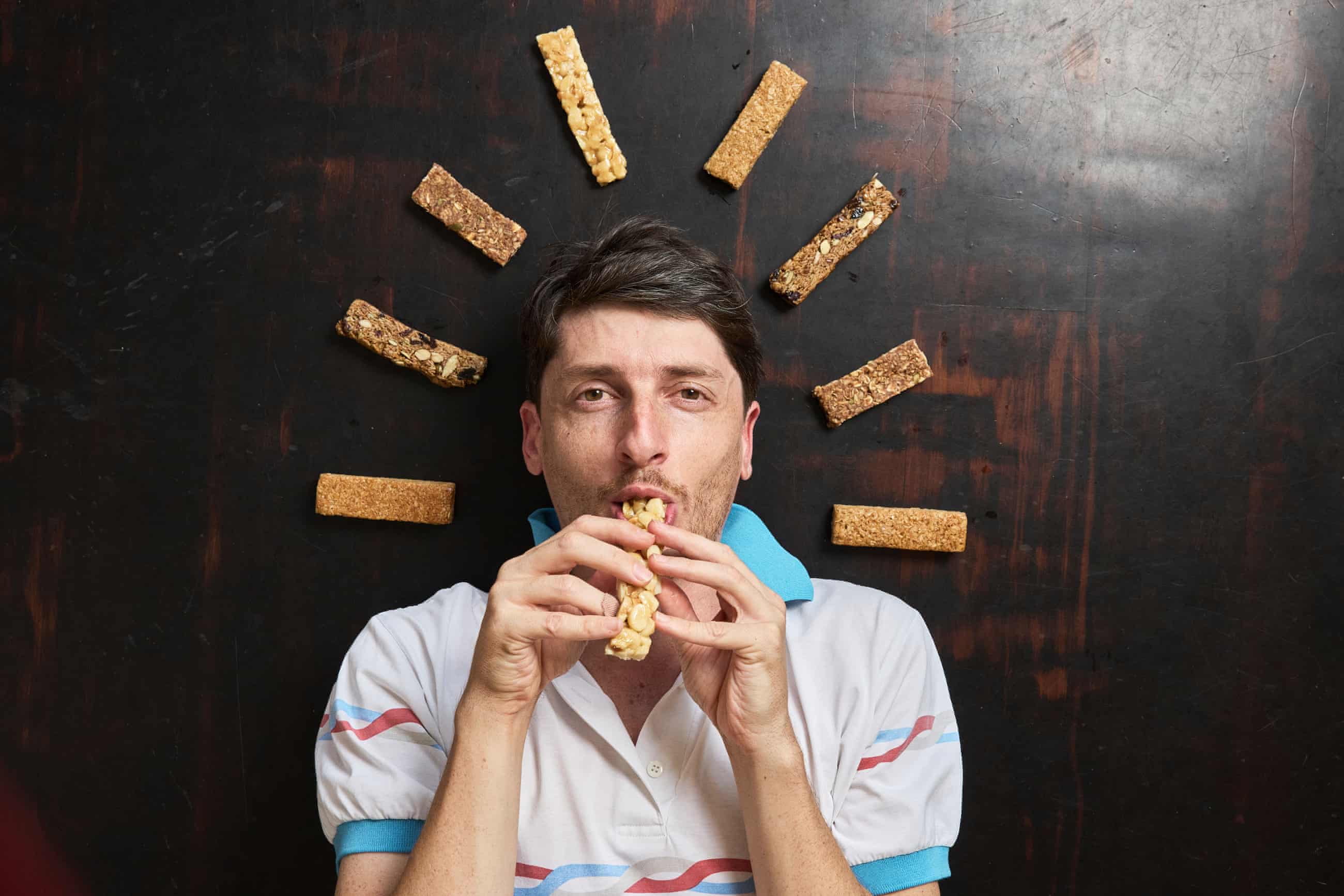
Australian supermarket muesli bars taste test: the worst is ‘both dry and moist’
During a blind taste test of 19 muesli bars, for the first time in his life Nicholas Jordan asks: ‘Is this too much cinnamon?’Get our weekend culture and lifestyle emailIf you value our independent journalism, we hope you’ll consider supporting us todayI have a long history with muesli. Muesli bars were a recess staple during my school years. As a uni student, I made muesli in 20kg batches and sold it from my sharehouse back yard like a drug dealer. In lockdown, I started an Instagram account where I would review and rate a different muesli every three or four days (I am the only contributor to the hashtag #mueslireviewsli). Even before this taste test, I would guess that I’ve tried more than 80% of all the muesli and muesli bar brands available in my area
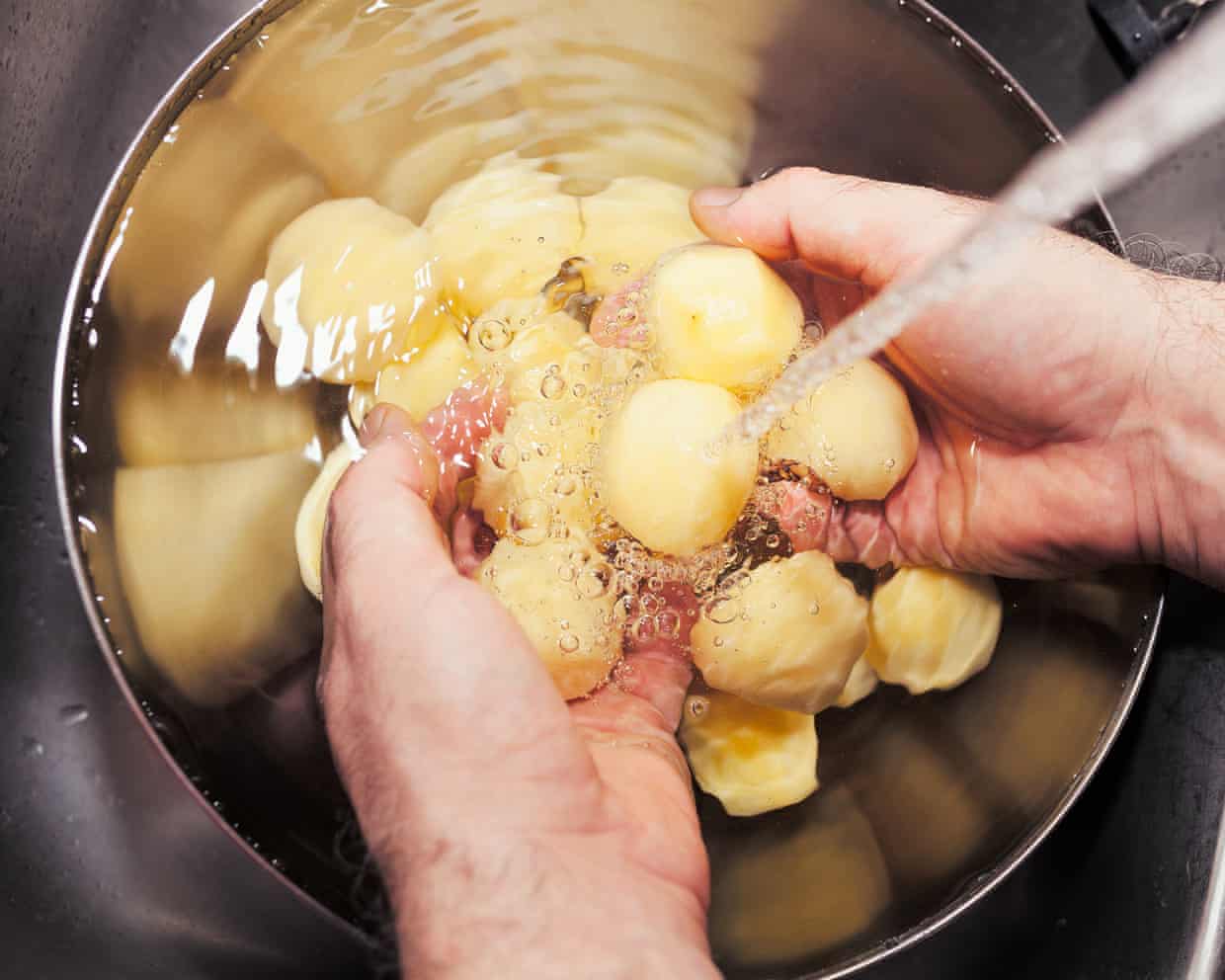
Why do my potatoes go black after cooking? | Kitchen aide
Why do some potatoes turn black on cooking, and how do I stop this happening? I usually leave them to cool in the cooking water, but should I plunge them in cold water instead?”Jean, Hampshire“We’ve all been there,” sympathises spud queen Poppy O’Toole. “It’s a harmless chemical reaction,” the author of The Potato Book continues, “but it looks rank and only gets worse with the slow cooling process that Jean’s using.” But let’s wind things back for a moment. According to the food science guru Harold McGee, in his bible On Food & Cooking, the darkening of cooked potatoes “is caused by the combination of iron ions, a phenolic substance [chlorogenic acid] and oxygen, which react to form a pigmented complex”. So what’s the solution? Make the pH of the water “distinctly acidic”, which McGee does by adding cream of tartar or lemon juice “after the potatoes are half-cooked”
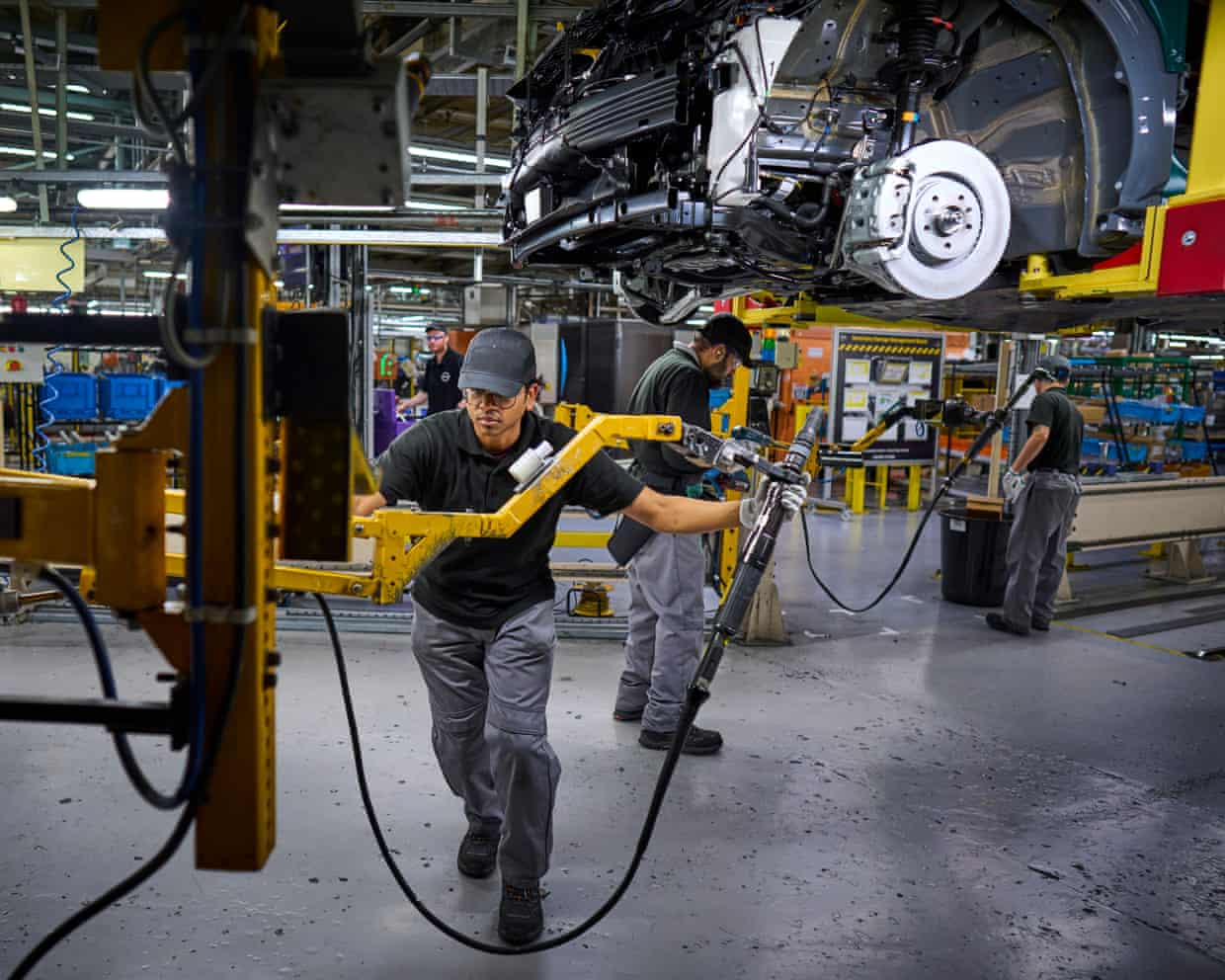
Nissan ‘says Sunderland plant could close’ if UK excluded from Made in Europe rules

Slower UK interest rate cuts likely as some mortgage providers hike rates; oil and gas prices rising again – as it happened

Mark Zuckerberg says criminal behavior on Facebook inevitable

Trump says he fired Anthropic ‘like dogs’ as Pentagon formally blacklists AI startup
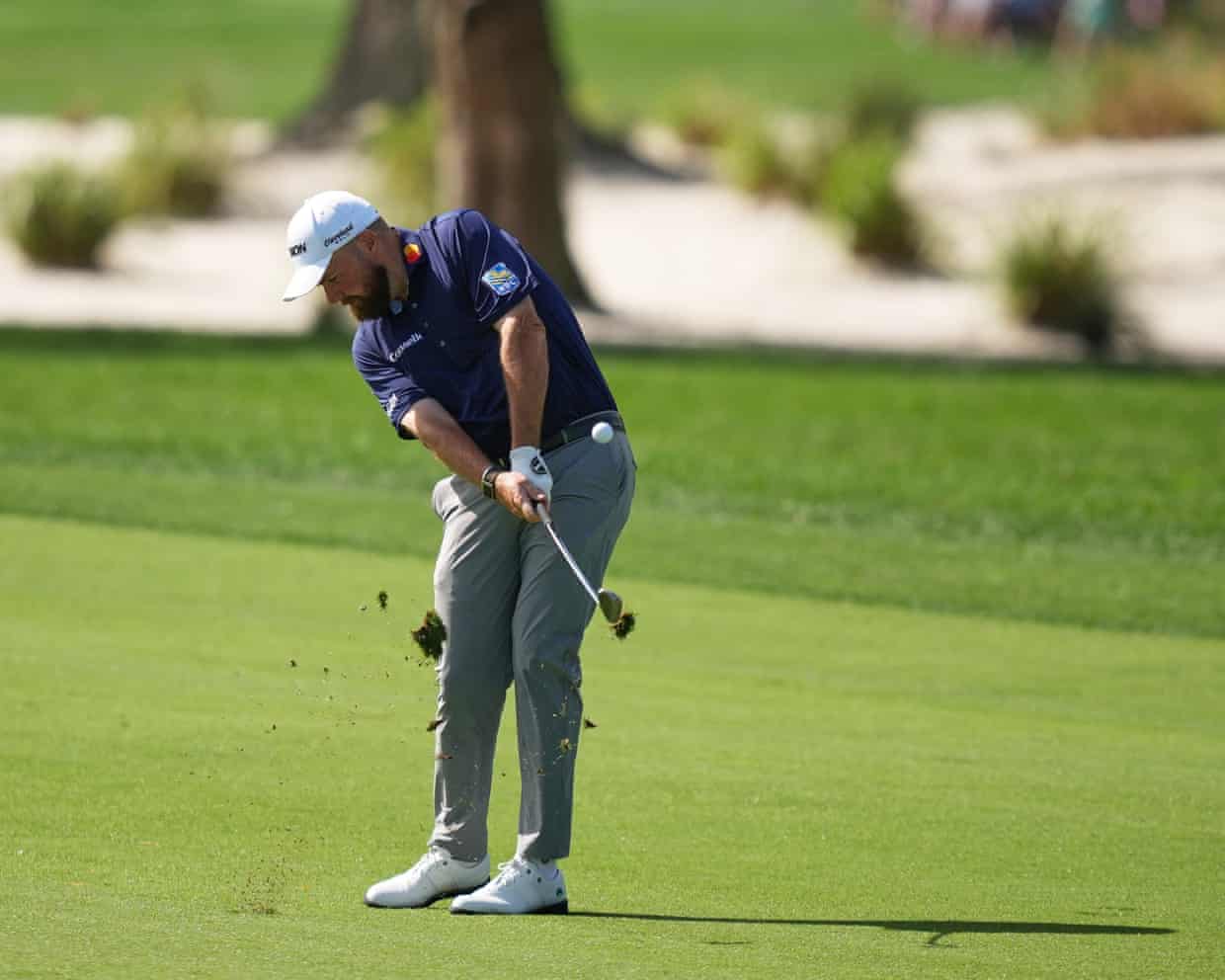
Lowly Li snaps back at fans as Lowry endures another difficult day
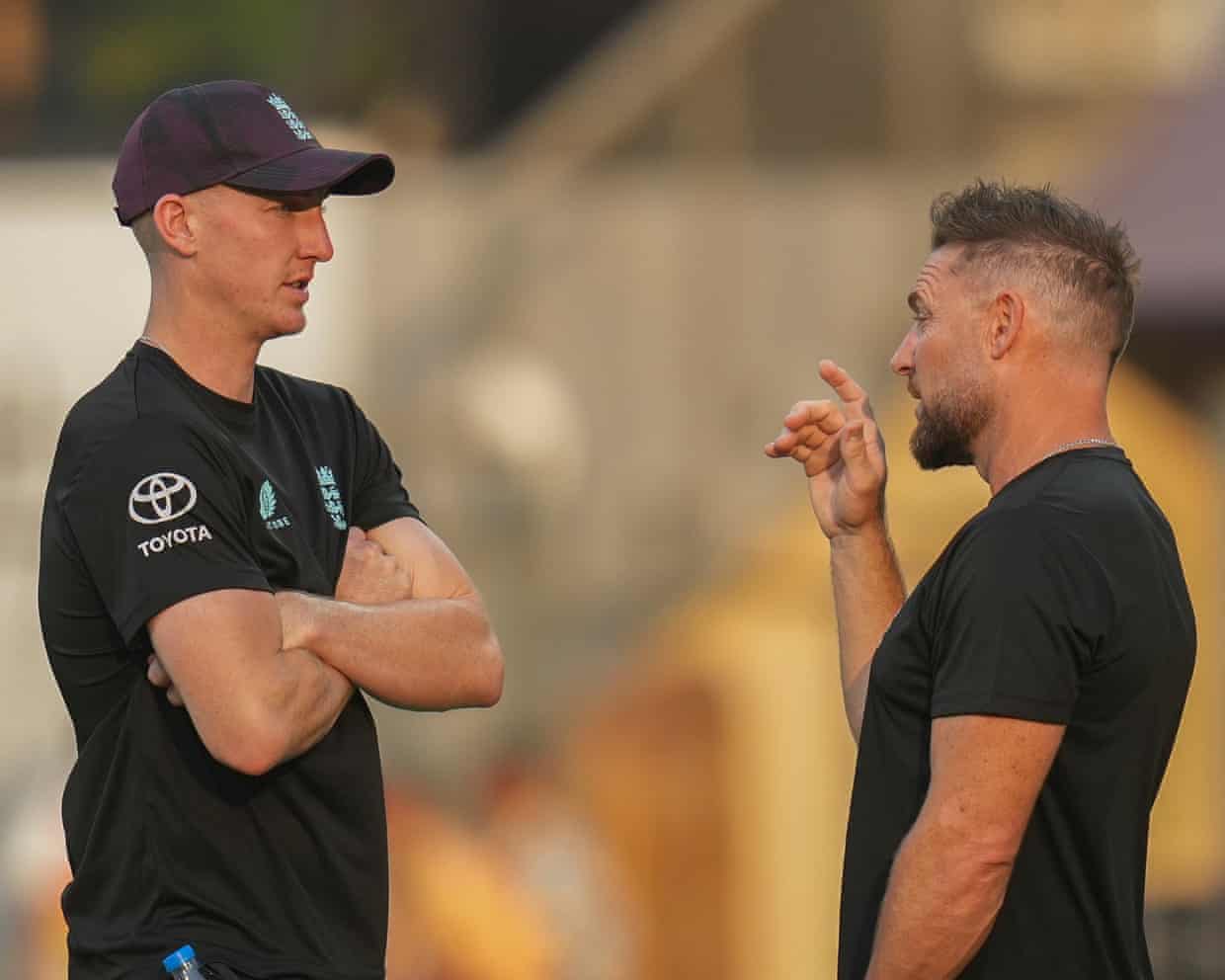
Harry Brook reiterates support for Brendon McCullum after England’s World Cup exit