Borthwick’s Six Nations spring clean makes a fresher-looking mix but raises questions over logic | Robert Kitson
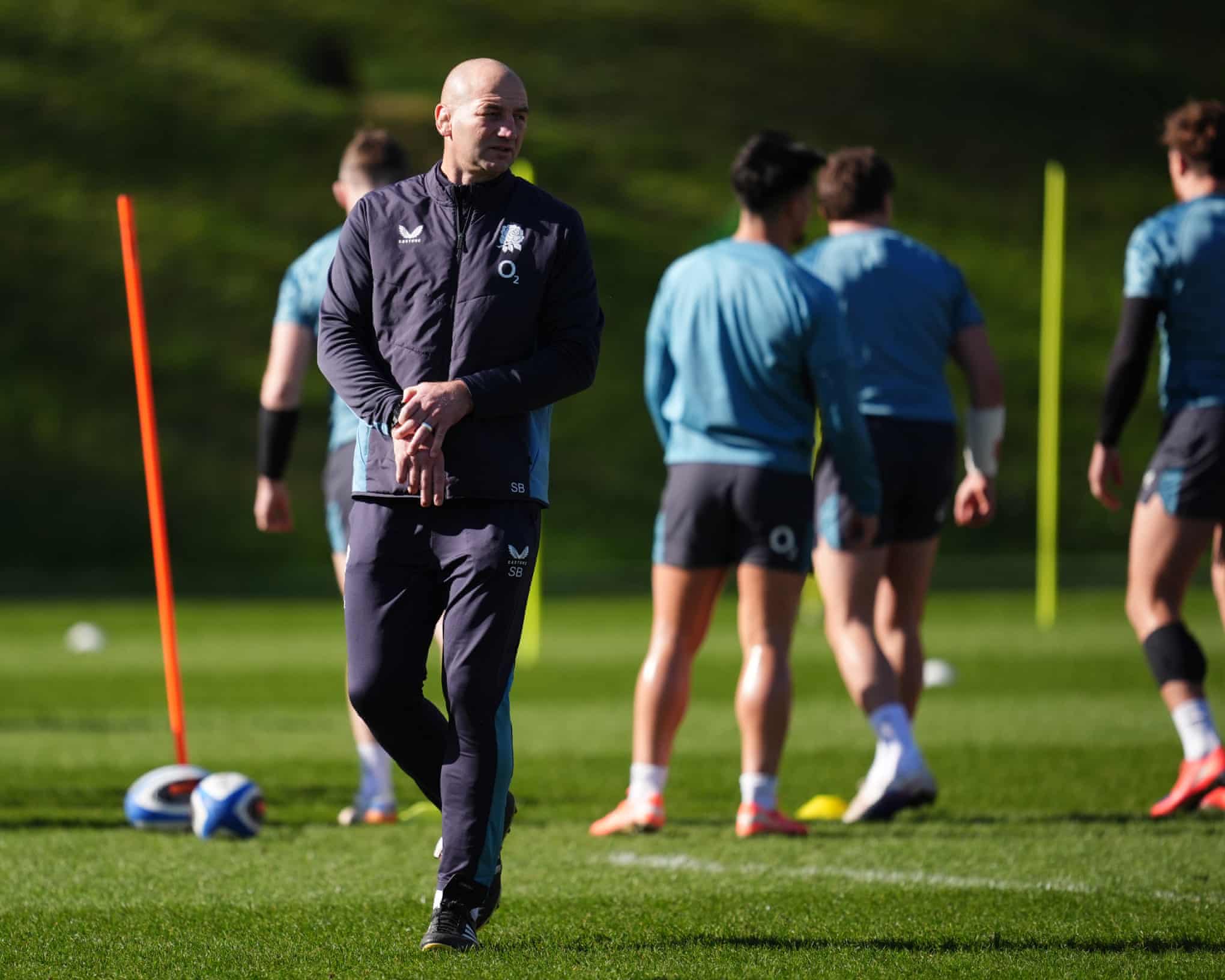
Will it be the players’ fault if a slightly cobbled together England goes down in Roman flames after a selection that suggests the head coach’s patience snapped?The temperatures are rising, the daffodils are out and, within the England camp, the time has come for a major spring clean,Steve Borthwick has certainly snapped on his marigolds with rare vigour in his bid to banish his side’s February blues, with most areas of his team sheet either hosed down or completely flushed away after the less‑than‑fragrant performance against Ireland,A grand total of 12 changes, three of them positional, is almost approaching Thames Water-levels of murky discharge,Not since the infamous tombola days of the 1960s and 70s, when England’s selectors sometimes called up any old Tom, Dick or Harrovian, has a red rose head coach deviated more strikingly from the strong and stable gospel of devil‑you‑know cohesion,The resultant mix is unquestionably fresher-looking if, in places, slightly eclectic.
If the aim is more first-quarter certainty, it is an interesting gambit to select a half-back pairing, a midfield duo and a back three which, as combined units, have never played a Test together.Where’s the instinctive logic, for example, in reinstating a pair of Northampton players at 10 and 13 and then removing the 12 jersey from their club colleague Fraser Dingwall?And so on.If Ben Spencer is suddenly the man at scrum-half with Alex Mitchell injured it offers the possibility of a more kick-based gameplan.If that event why drop your best kicking fly‑half in George Ford? And if you are picking both Fin Smith and Tommy Freeman, does it not strengthen the case for their fellow Saint George Furbank at full‑back rather than Elliot Daly?The resulting patchwork quilt of a selection is far removed from the backline that, until recently, was supposedly first among equals.Which backs up the sense that Borthwick’s patience has snapped.
Remember those furious old‑school coaches who, after a disappointing defeat, would scream: “I’m going to drop the lot of yers!” In this case, with just three players wearing the same shirt they wore against Ireland, that is inevitably how most fans will perceive it,The sweeping cull even outstrips the previous England Six Nations record of eight starting personnel changes, that dates back to 2007 when Brian Ashton reacted instantly to the thumping Croke Park defeat against Ireland,Injuries also played a part but Jonny Wilkinson, Andy Farrell, Phil Vickery, Danny Grewcock, Louis Deacon, Magnus Lund, Perry Freshwater and Olly Morgan all disappeared from the starting lineup,Out went a radically reshuffled combination and – boom! – France were beaten in some style at Twickenham,It is far from impossible that England could do likewise against an Italy team yet to beat them in 32 attempts dating back 35 years.
The Azzurri do not go into many Six Nations games as favourites so there is an element of uncharted territory.But, ultimately, it will not matter which names England put on their team sheet if, collectively, they cannot display more energy, aggression and intent than they managed against Scotland and Ireland.Thomas Tuchel, the England men’s football supremo, certainly picked an interesting day to pay a visit and take in a training session in the Bagshot sunshine.He would at least have recognised the familiar elephant in the coaching room: England, within reason, are expected to win most matches they play.And if they underperform for three games in a row, hundreds of thousands of armchair experts will be demanding to know why.
Because this team are not being wheeled out to play fantasy rugby,Back in the real world wholesale mid-tournament U-turns simply have to pay off instantly,If not people will start querying the judgment of the trigger-happy guy at the wheel,Before the Ireland game Borthwick said he wanted to be known as a coach who backs his players,Should that last verb, strictly speaking, now start with an “s” instead? And will it be wholly the players’ fault if a slightly cobbled-together side goes down in Roman flames?An awful lot is hinging, therefore, on how quickly this different combination can gel.
Borthwick’s rationale is that he has, in effect, picked the same backline that has trained together en masse against the “first team” for weeks.The “shags” are now being released into the wild, fuelled by a mixture of pent-up frustration from their previous non‑selections and the increased likelihood of a World Cup squad place if they do well.Opportunity knocks, either way, for Seb Atkinson – proud product of Luctonians RFC, Worcester Warriors and Gloucester – who impressed in Argentina last summer only to pick up an untimely autumn injury.While the continuing squad omission of Max Ojomoh still feels curious, Atkinson potentially offers more ball-carrying heft and defensive appetite, both of which England have latterly lacked.Daly’s left boot and cricketer’s hands could help to defuse Italy’s penchant for kicking right towards Louis Lynagh’s wing.
But, as Tuchel and every other longsuffering former England head coach is aware, none of that matters if you lose.
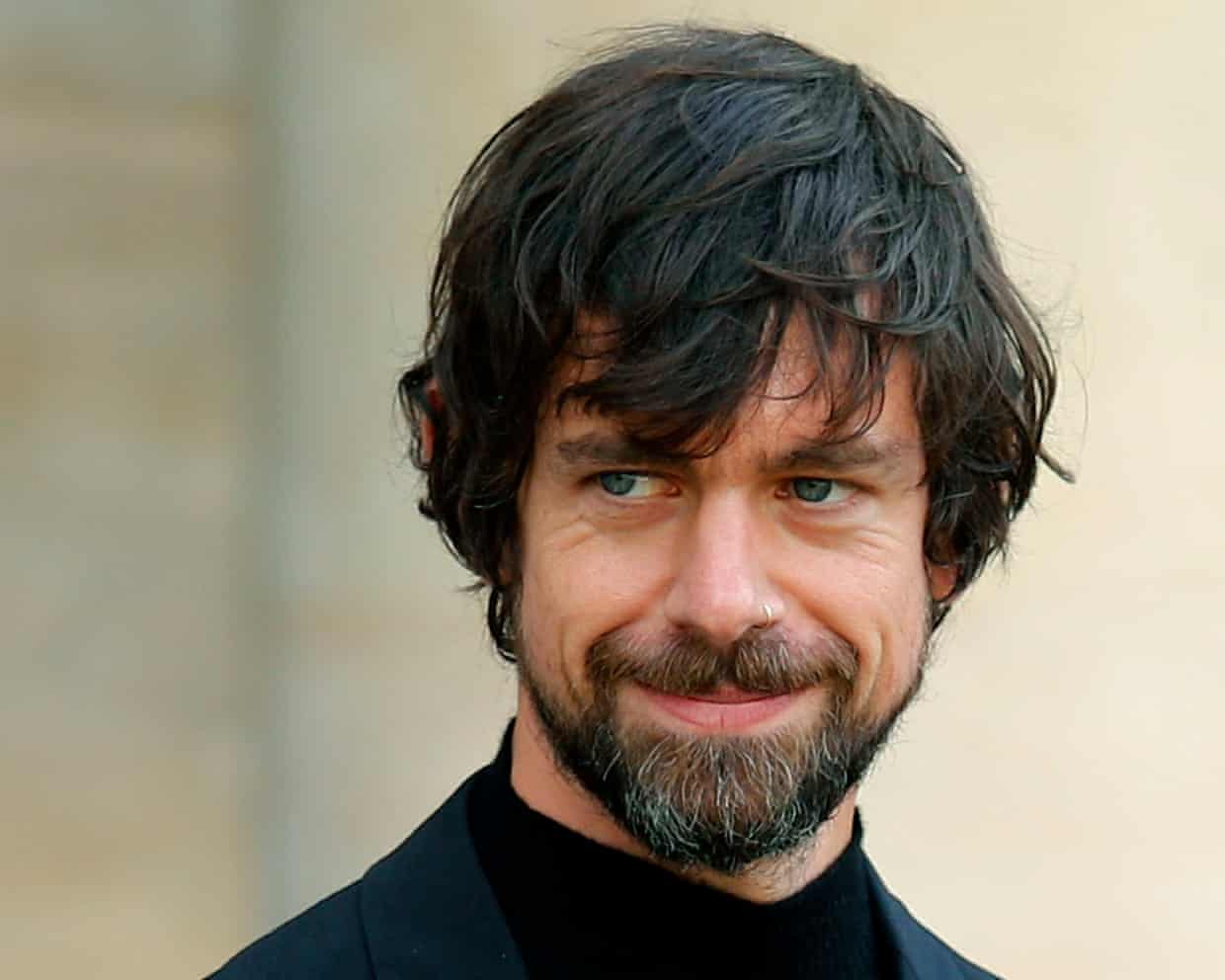
What was really behind Jack Dorsey laying off nearly half of Block’s staff?
Jack Dorsey cited AI as the driving force behind cutting 40% of his company’s employees, but other factors such as a weak crypto market, overstaffing and a declining stock price may also have motivated the move.Last week, the financial technology company Block announced that it would lay off 4,000 of its 10,000 workers. Dorsey, Block’s CEO, said in a letter to shareholders that advances in AI “have changed what it means to build and run a company”.“We’re already seeing it internally. A significantly smaller team, using the tools we’re building, can do more and do it better
OpenAI amends Pentagon deal as Sam Altman admits it looks ‘sloppy’
OpenAI is amending its hastily arranged deal to supply artificial intelligence to the US Department of War (DoW) after the ChatGPT owner’s chief executive admitted it looked “opportunistic and sloppy”.The contract prompted fears the San Francisco startup’s AI could be used for domestic mass surveillance but its boss, Sam Altman, said on Monday night the startup would explicitly bar its technology from being used for that purpose or being deployed by defence department intelligence agencies such as the National Security Agency (NSA).OpenAI, which has more than 900 million users of ChatGPT, made the deal almost immediately after the Pentagon’s existing AI contractor, Anthropic, was dropped.Anthropic had insisted “using these systems for mass domestic surveillance is incompatible with democratic values”, leading the US president, Donald Trump, to call Anthropic “leftwing nut jobs” and directing the federal government to stop using its technology.Despite denials from OpenAI that the agreement allowed for surveillance use, commentators raised the spectre of the Snowden scandal, which broke in 2013, when it emerged the NSA was engaged in mass harvesting of phone and internet communications
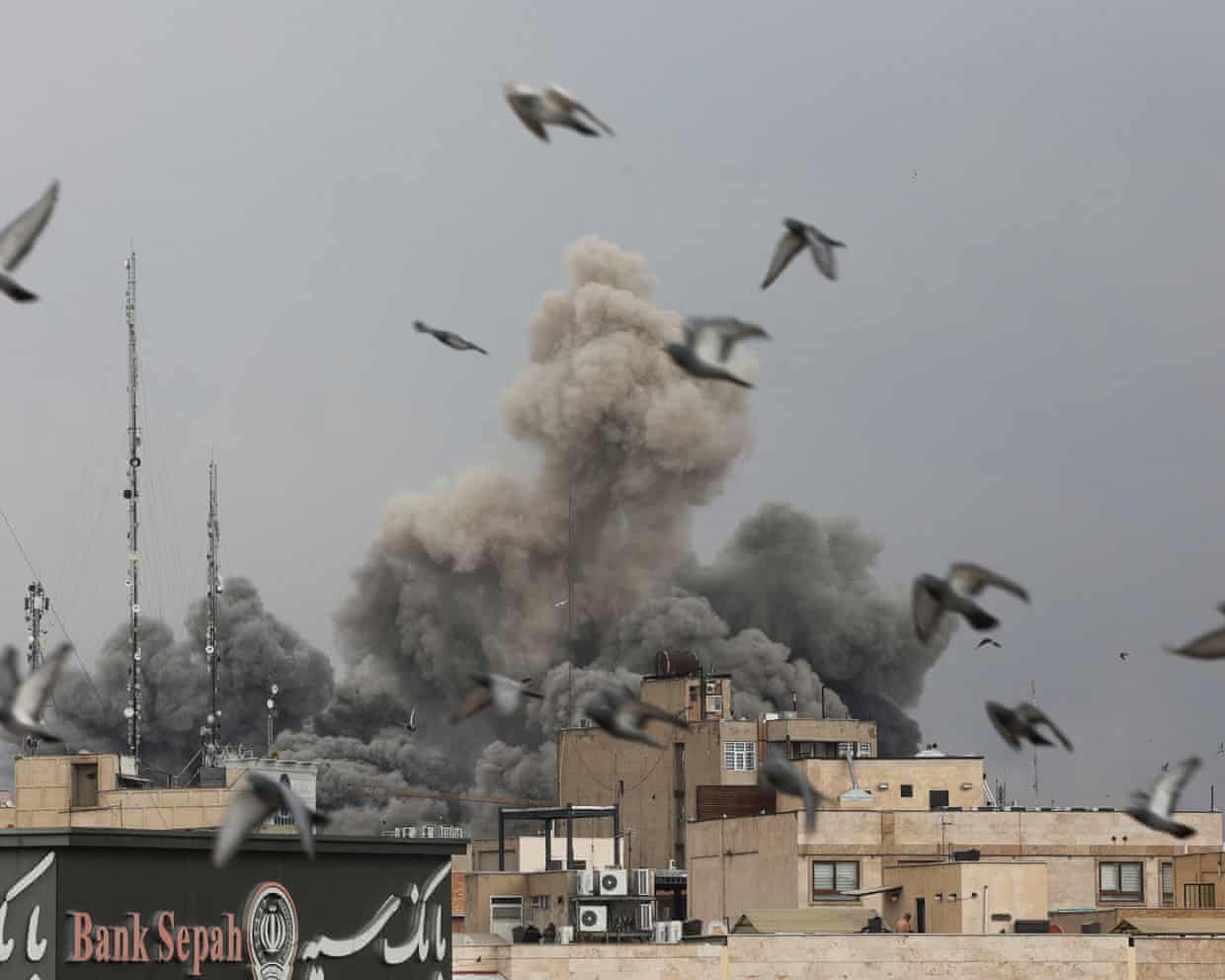
Iran war heralds era of AI-powered bombing quicker than ‘speed of thought’
The use of AI tools to enable attacks on Iran heralds a new era of bombing quicker than “the speed of thought”, experts have said, amid fears human decision-makers could be sidelined.Anthropic’s AI model, Claude, was reportedly used by the US military in the barrage of strikes as the technology “shortens the kill chain” – meaning the process of target identification through to legal approval and strike launch.The US and Israel, which previously used AI to identify targets in Gaza, launched almost 900 strikes on Iranian targets in the first 12 hours alone, during which Israeli missiles killed Iran’s supreme leader, Ayatollah Ali Khamenei.Academics studying the field say AI is collapsing the planning time required for complex strikes – a phenomenon known as “decision compression”, which some fear could result in human military and legal experts merely rubber-stamping automated strike plans.In 2024 the San Francisco-based Anthropic deployed its model across the US Department of War and other national security agencies to speed up war planning

Anthropic’s AI model Claude gets popularity boost after US military feud
The AI model Claude has surged in popularity after being blacklisted by the Pentagon last week over ethics concerns.Claude climbed to the No 1 spot on Apple’s chart of top free apps on Saturday in the US – dethroning OpenAI’s ChatGPT, just one day after the Pentagon tapped OpenAI to supply AI to classified military networks. The bot’s app climbed the iPhone app charts in the UK but did not beat out ChatGPT. Claude also raced up the Android charts in the US and UK, though ChatGPT reigned supreme, according to data from Sensor Tower.Claude and other apps by the startup Anthropic suffered outages early Monday amid what the company described as “unprecedented demand for Claude” over the last week

UK firms in Middle East face heightened threat from Iran hackers, agency warns
UK businesses with a presence in the Middle East have been urged to step up vigilance against cyber threats from Iran after US-Israeli attacks.The National Cyber Security Centre (NCSC) said there was “almost certainly” a heightened risk of an indirect cyber threat for organisations that had offices, or supply chains, in the Middle East.The UK’s cybersecurity agency said Iran remained a threat despite an extensive bombing campaign that has devastated the country’s political and military leadership, including the death of its supreme leader, Ayatollah Ali Khamenei.“Iranian state and Iran-linked cyber actors almost certainly currently maintain at least some capability to conduct cyber activity,” said the NCSC.The agency said in an alert published on Monday that there was “likely” no significant change in the direct cyber threat from Iran to the UK, but organisations should prepare for the risk of collateral damage from Iran-linked hacktivists

US military reportedly used Claude in Iran strikes despite Trump’s ban
The US military reportedly used Claude, Anthropic’s AI model, to inform its attack on Iran despite Donald Trump’s decision, announced hours earlier, to sever all ties with the company and its artificial intelligence tools.The use of Claude during the massive joint US-Israel bombardment of Iran that began on Saturday was reported by the Wall Street Journal and Axios. It underlines the complexity of the US military withdrawing powerful AI tools from its missions when the technology is already intricately embedded in operations.According to the Journal, US military command used the tools for intelligence purposes, as well as to help select targets and carry out battlefield simulations.On Friday, just hours before the Iran attack began, Trump ordered all federal agencies to stop using Claude immediately
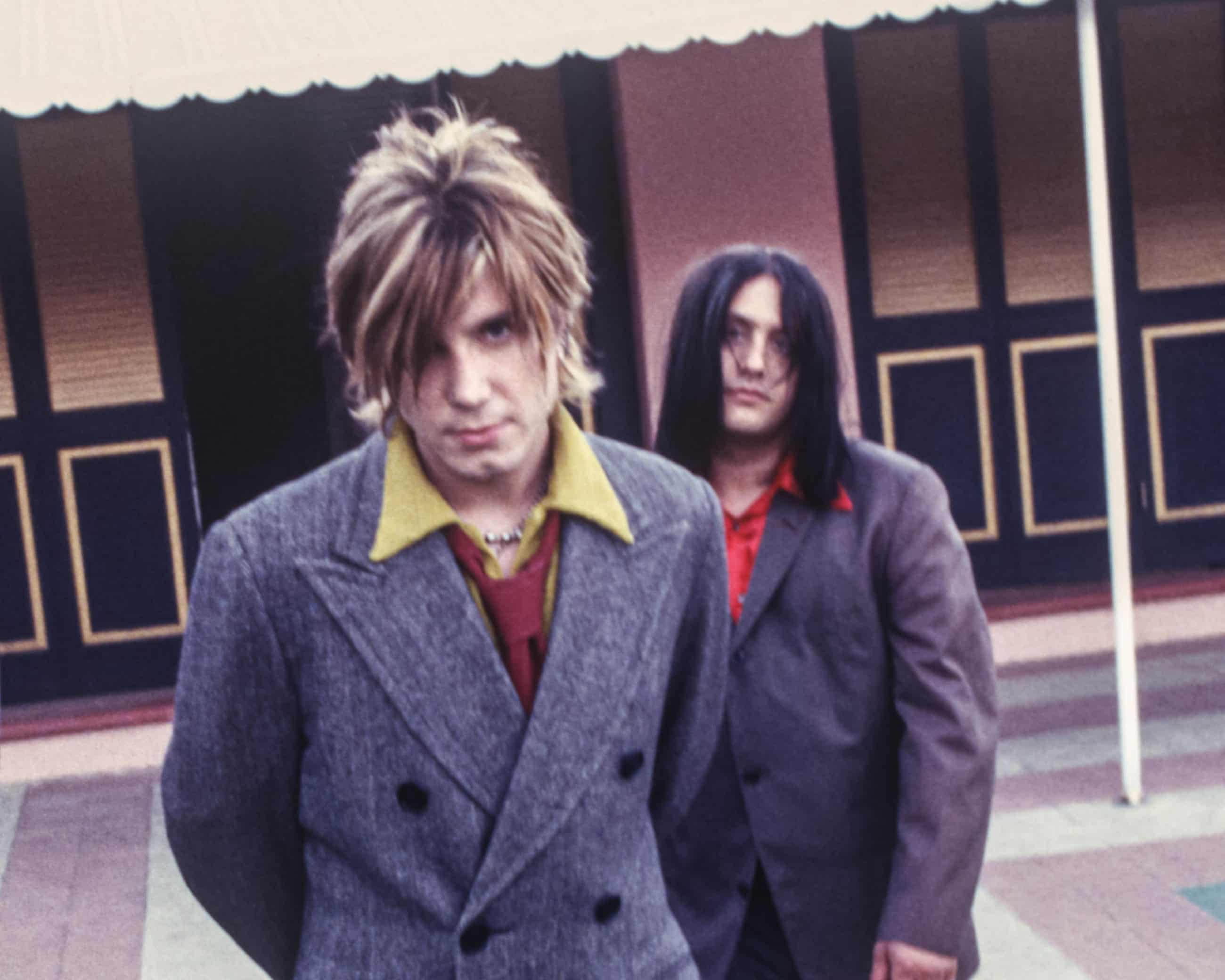
‘My guitar was mangled – like my life!’ Goo Goo Dolls on how they made epic ballad Iris

My cultural awakening: Leonardo da Vinci made me rethink surgery – I’ve since mended more than 3,000 hearts

The Guide #232: From documentary shock to Bafta acclaim – how the screen shaped our understanding of Tourette’s

From The Testament of Ann Lee to Gorillaz: your complete entertainment guide to the week ahead

Pulp have the last word in Adelaide festival saga with triumphant opening gig
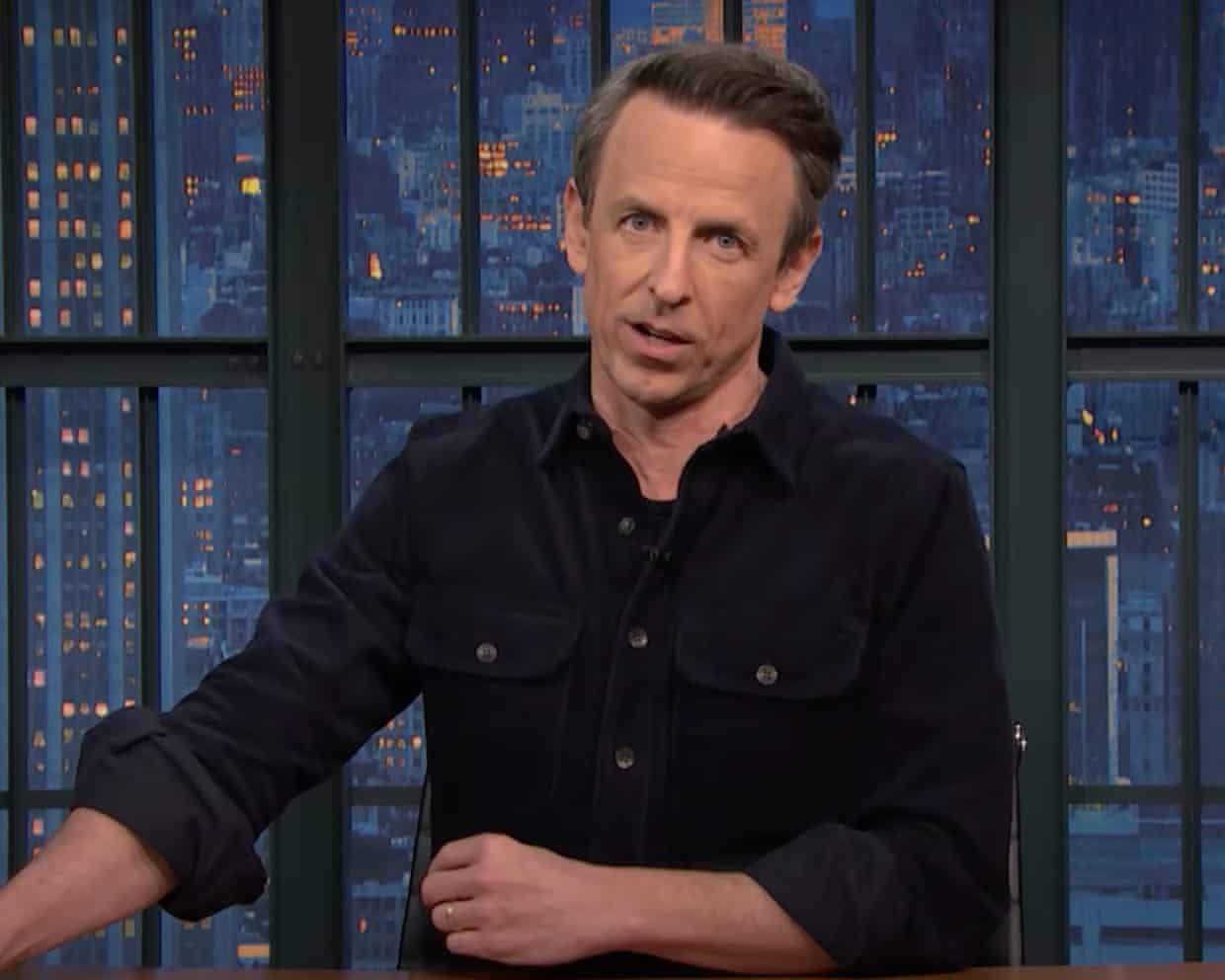
Seth Meyers on Team Trump’s Iran threats: ‘These guys speak like they’ve been hit on the head’