Early De Minaur onslaught not enough as Alcaraz surges into Australian Open semis

Top seed Carlos Alcaraz is within two victories of a career grand slam after piling more major pain on home hope Alex de Minaur in a largely straightforward Australian Open quarter-final victory, secured 7-5, 6-2, 6-1 in 136 minutes on Rod Laver Arena,The heavily anticipated clash delivered a sensational first set in which De Minaur looked a peer of the world No 1,However, Alcaraz took control beyond the one-hour mark, leaving the last Australian in the singles draw helpless, exasperated and pacing behind the baseline between points,De Minaur is now the third man in the Open era, after Andrey Rublev and Tommy Robredo, to lose his first seven grand slam quarter-finals,He walked off the court downtrodden, and his mood hadn’t lifted by the time he spoke to press half an hour later.
“It doesn’t feel amazing, I’ll tell you that,” he said.“You try to do the right things, you try and keep on improving, but when the results don’t come, or the scoreline doesn’t reflect those improvements, then of course you feel quite deflated.”Alcaraz won the first three games of each set, and while the Australian found a revival in the first frame, the Spaniard’s serve and groundstrokes wore down De Minaur’s valiant but ultimately helpless defence.The No 1 seed said his level has been increasing as the tournament goes on, but he admitted he was tested in that first set.“I started the match really well, hitting really well the ball,” he said.
“But Alex makes you [feel like] you are in a rush all all the time, so you want to hit the ball as hard as you can every every ball, which is impossible against him.From 3-0 until 4-3, I was in a rush, but I took a moment, took a break.”From there, Alcaraz produced a formidable display, leaving De Minaur exposed as a wannabe on the world stage.“There was some good parts out there, but overall I’m playing out of my comfort zone and at times out of my skin,” the Australian said, adding he must tweak his normally flat groundstrokes if he is to ever compete with Alcaraz and Jannik Sinner.“They’ve got so many revolutions on the ball that they’re able to not only play at a higher speed, but also have that consistency because they’re able to get that spin that helps the ball come down, and create different angles as well.
”On a day the regional area around the city broke temperature records, Melbourne Park’s heat stress scale eased not long after 7pm.The roof heaved open above Rod Laver Arena soon after the conclusion of the one-sided Elina Svitolina v Coco Gauff clash and light streamed into an arena still chilled by the air-conditioning.De Minaur hoped it might trigger a new dawn.Of course, he had lost his first six grand slam quarter-finals, but also his first five matches against Alcaraz.The vast majority of the 15,000-seat arena were of similar mind, but when the man without sleeves raced to 40-0 in the first game, and then 3-0 in the first set, things were not looking good.
The Australian, at 26, may be four years older than his opponent, but his outstanding mobility and improving all-round game have helped him at least close the gap on Alcaraz and Sinner at the summit of tennis.As the arena heated with the inrushing air, De Minaur managed to find the quality that has taken him to a career high ranking of six.He got the match back on serve twice, the second with a mid-air backhand that found the corner and was the shot of the match.But when serving to force a tiebreak, the Australian faltered.It was as close as he would come to parity, and early breaks in the second and third sets gave fans an earlier night than that first set had promised.
Alcaraz is now two wins away from his first Australian Open title, which would secure a career grand slam.At the age of 22, he would be the youngest man to achieve the feat, eclipsing Don Budge, who completed the career grand slam at the 1938 French Championships.The No 1 seed now meets Alexander Zverev in his first Australian Open semi-final, after the German accounted for American Learner Tien on Tuesday afternoon.Alcaraz and Zverev have both won six of the 12 matches they have played.The Spaniard said he wants to make up for their last meeting in Melbourne, a quarter-final defeat in 2024.
“We have to play tactically really, really well, so it’s going to be a great battle,” he said.“I’m really looking forward to playing him again here, taking the revenge.”Australian hopes at Melbourne Park now rest on three doubles tandems.Jason Kubler and Marc Polmans are through to the men’s semi-finals, as are Olivia Gadecki and John Peers in the mixed.Kimberly Birrell and Talia Gibson play their women’s quarter-final on Wednesday night on Rod Laver Arena.

One in four adults in England do not drink alcohol, survey finds
One in four adults in England do not drink alcohol, with increasing numbers of men and young people deciding to stay sober, according to a survey.The figures, which come from a questionnaire of 10,000 people as part of the Health Survey for England, found that almost a quarter (24%) of adults in England had not drunk alcohol in 2024, an increase from just under a fifth (19%) in 2022.Women appeared slightly more abstemious than men, as 26% did not drink alcohol that year compared with 22% of men. The proportion of non-drinkers increased in both genders compared with previous years.The survey also indicated regional variations in alcohol consumption

EHRC single-sex spaces guidance being adapted under ‘constructive’ new chair
Guidance on how to implement the landmark supreme court ruling on gender is being adapted to lessen its impact on businesses and to ensure it tries to balance single-sex spaces with the lives of transgender people, the Guardian has been told.Lawyers from the Equality and Human Rights Commission (EHRC) are understood to be in discussions with government lawyers over the practicalities of guiding businesses and other institutions about last year’s ruling that the legal definition of a woman is based on biological sex only.While talks have been going on since the EHRC’s guidance was sent to ministers in September, there has been what is viewed as a change in approach from the equalities watchdog since its new chair, Mary-Ann Stephenson, took over late last year.Under law, the EHRC cannot unilaterally change a code it has submitted – this can happen only if ministers reject the draft and request amendments. But Stephenson is viewed as more open to listening to concerns about its implementation than her predecessor Kishwer Falkner
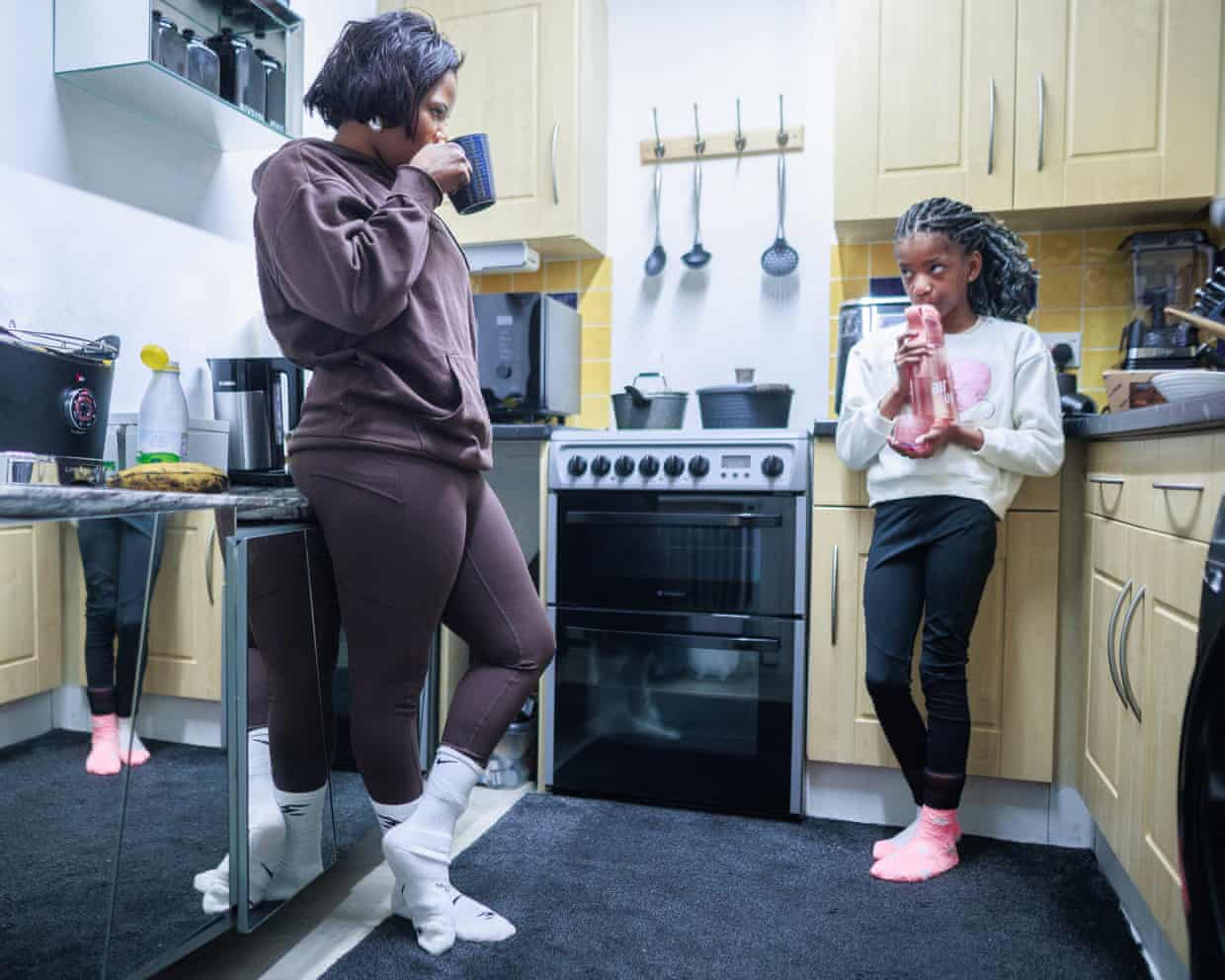
Temporary accommodation in England is ‘torture’ for neurodivergent children, report finds
Neurodivergent children living in temporary accommodation (TA) in England are subjected to conditions that amount to “torture”, and the harm it causes them is “psychologically excruciating” and a form of “child cruelty”, a report has found.The report by King’s College London through the all-party parliamentary group (APPG) for households in temporary accommodation, found that while living in TA was damaging for any child, it had a particularly severe impact on neurodivergent children and those with special education needs and disabilities (Send).It found that, for neurodivergent children, TA was “relentless and cruel” and that “continuing to house them in such conditions – despite evidence of the damage it causes – can be considered as a form of torture and child cruelty”.Parents told researchers their neurodivergent children had become withdrawn or hypervigilant because of “chronic uncertainty, restricted space, lack of outdoor access, unsafe environments and the removal of familiar supports”.“The pace and frequency of moves between different TA spaces is overwhelming for neurodivergent children, resulting in a semi-permanent state of meltdown,” the report says
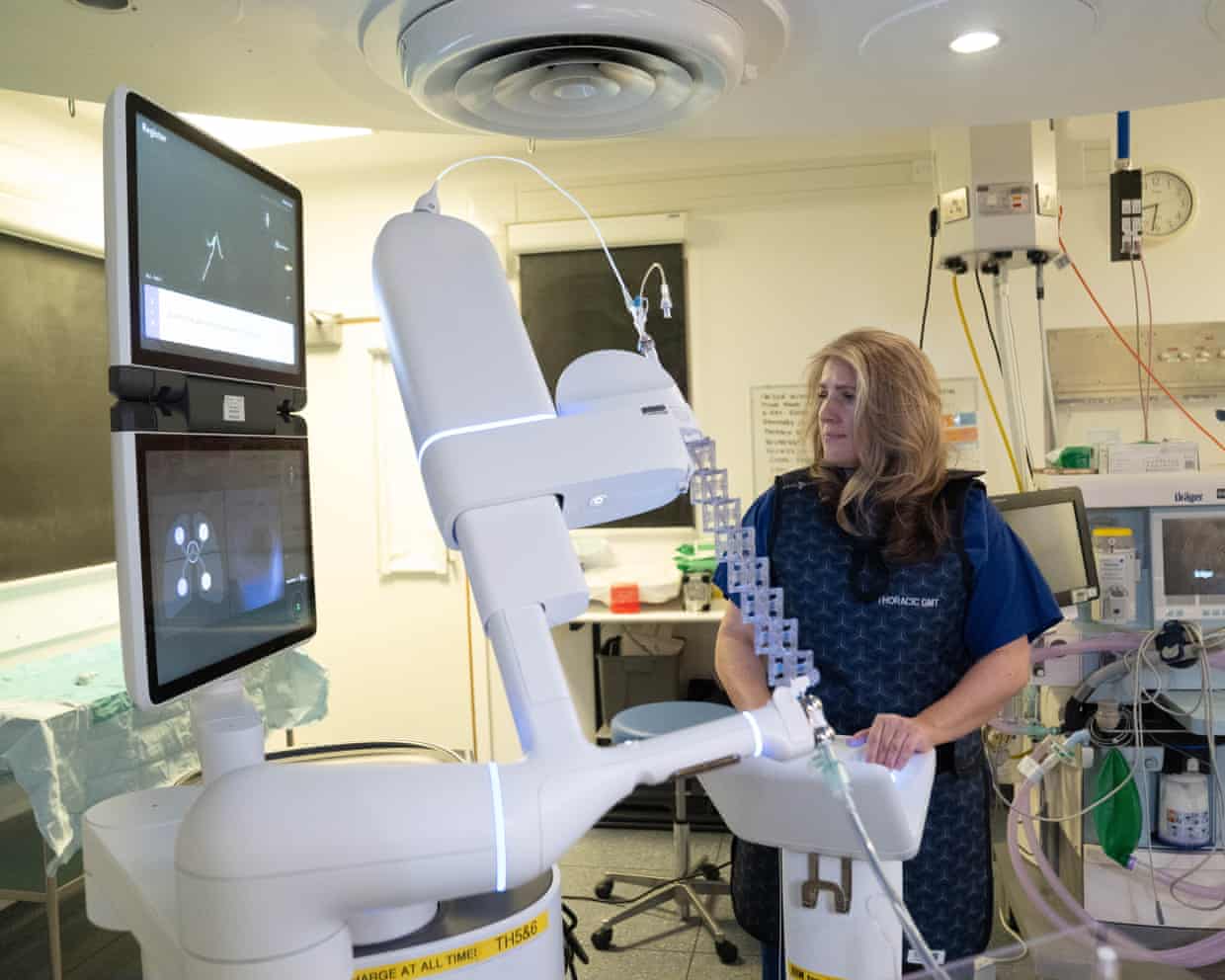
NHS England to trial AI and robotic tools to detect and diagnose lung cancer
NHS England is to trial a combination of AI and robot-assisted care to speed up the detection and diagnosis of lung cancer, the UK’s most lethal form of the disease.The trial comes at the same time as the health service pledges to offer all smokers and ex-smokers the chance to be screened for lung cancer by 2030.That expansion will lead to an estimated 50,000 lung cancers being diagnosed by 2035, of which 23,000 will be at early stage, which could save thousands of lives, it said.The disease is a particular focus of the government’s forthcoming national cancer plan for England because it is Britain’s biggest cancer killer, reflecting historic high rates of smoking. It claims 33,100 lives a year across the UK, about 91 a day

Record number of people in UK live in ‘very deep poverty’, analysis shows
The UK’s poorest families are getting poorer, with record numbers of people classed as in “very deep poverty” – meaning their annual household incomes fail to cover the cost of food, energy bills and clothing, according to analysis.Although overall relative poverty levels have flatlined in recent years at about 21% of the population, life for those below the breadline has got materially worse as they try to subsist on incomes many thousands of pounds beneath the poverty threshold.About 6.8 million people – half of all those in poverty – were in very deep poverty, the highest number and proportion since records began three decades ago, said the Joseph Rowntree Foundation (JRF), which carried out the analysis.Households on the lowest incomes were still experiencing a cost of living crisis four years on, with millions of people forced to go without food, falling behind on household bills and having to borrow to survive, said JRF

Most young adults in UK are anxious about jobs and the economy, research suggests
More than seven in 10 teens and young adults in the UK say they wish they were not starting their careers in the current economic climate, according to new research from the King’s Trust.The study also found that more than a quarter of people aged 16 to 25 feel they are going to fail in life, highlighting growing anxiety among those entering the labour market.Jonathan Townsend, the UK chief executive of the King’s Trust, said: “This new research shows young people today are deeply concerned about their job prospects and futures, particularly those already facing the greatest barriers.”According to the YouGov survey of 4,097 people, 73% of respondents were acutely anxious about their future careers and concerned there would not be enough jobs for people like them.The research, sponsored by the retailer TK Maxx, was published on Tuesday in the charity’s social impact report, 50 Years of Working for Young People
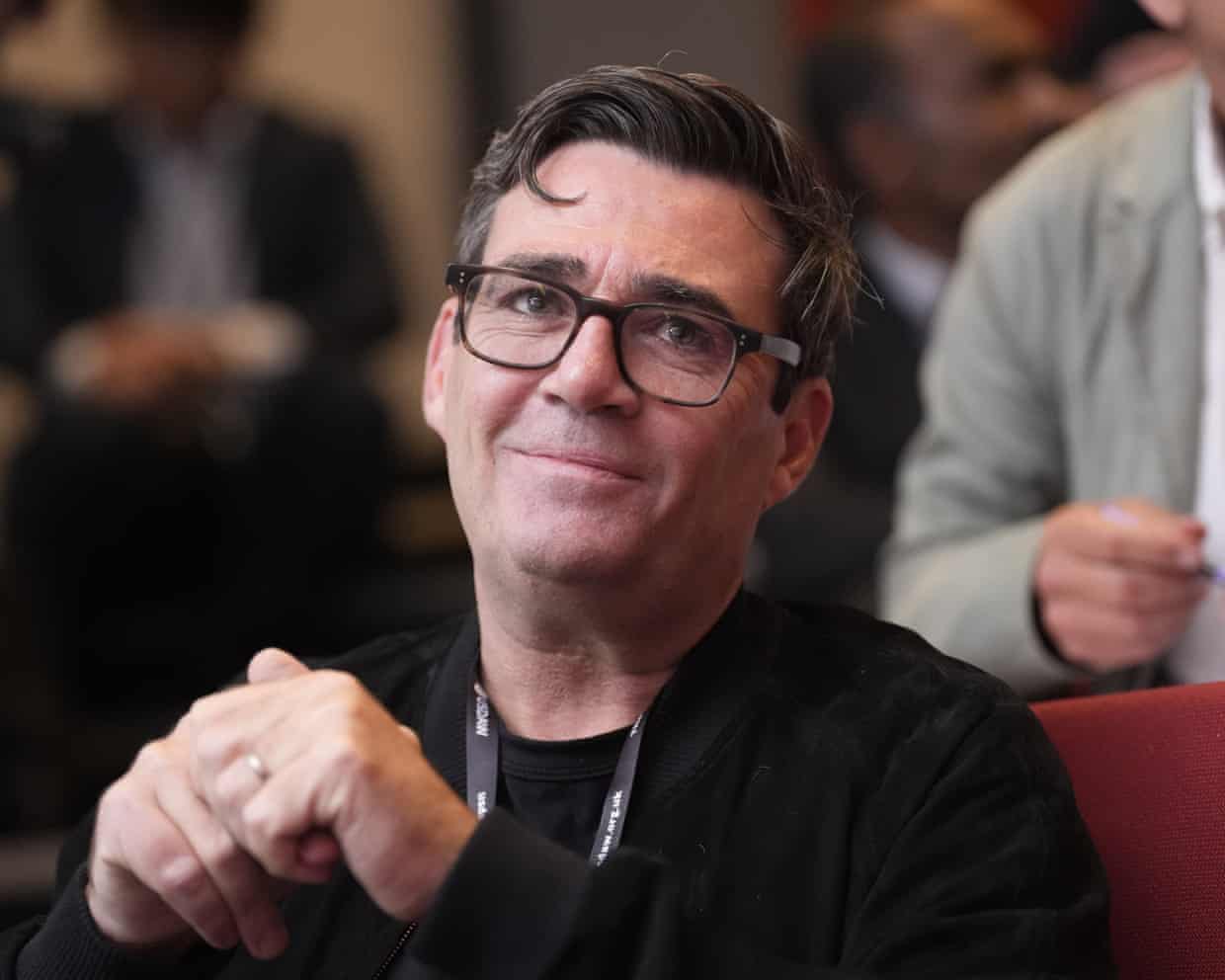
30% of Britons think Burnham would do better job than Starmer as prime minister, poll suggests – UK politics live

Was Labour right to block Andy Burnham’s return as an MP? | Letters

‘Not surprised at all’: Fareham voters size up Suella Braverman’s Reform switch

Burnham accuses No 10 sources of lying about byelection decision
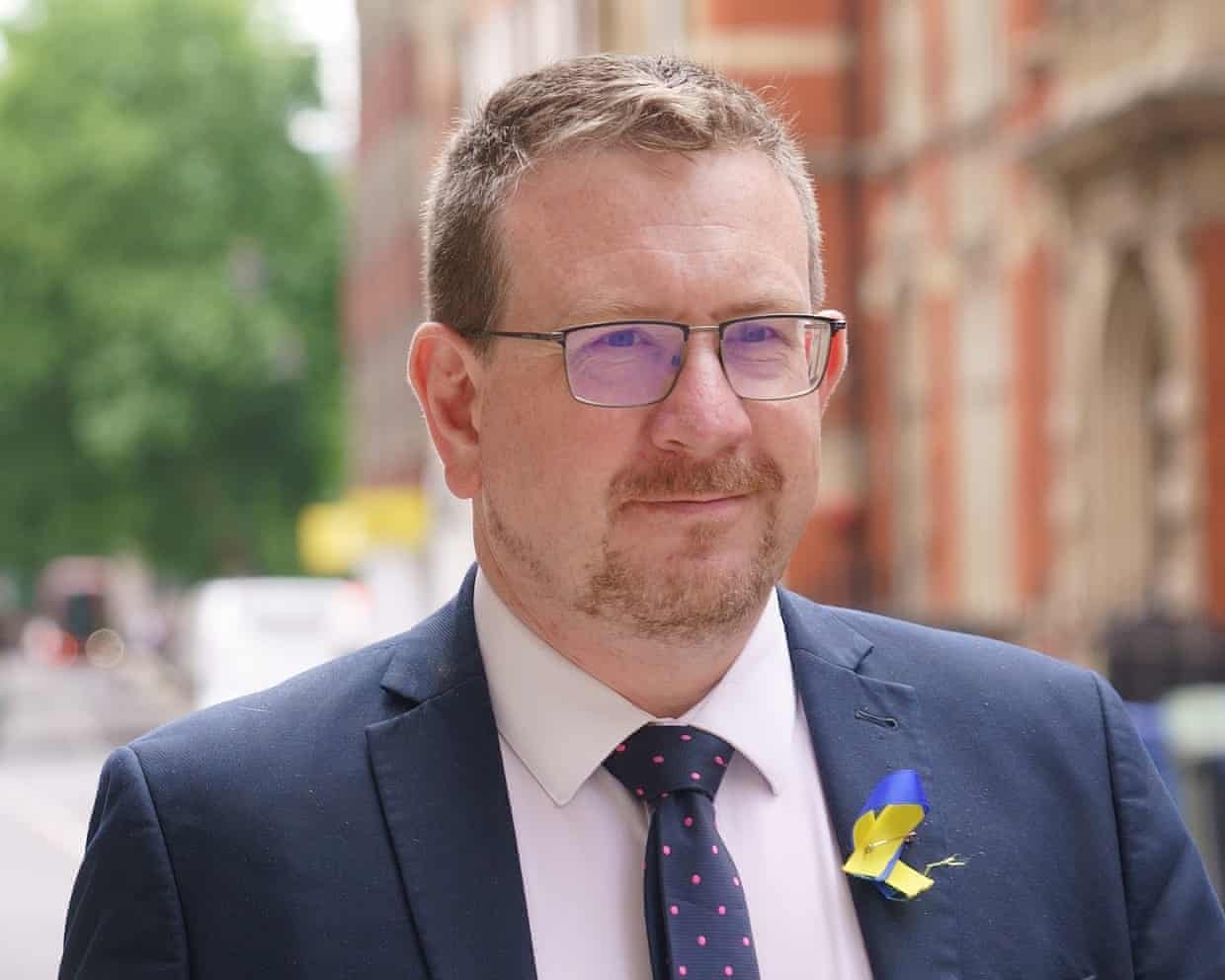
Labour’s Gorton and Denton byelection campaign hit by fallout from ‘vile’ WhatsApp chat

Deacon Blue ‘appalled’ by Reform UK’s Scottish leader quoting their song lyrics