Van Poortvliet leads way before limping off as maddening Harlequins flop again | Michael Aylwin
English rugby long ago gave up trying to explain the phenomenon that is Harlequins.Quantum physicists would struggle.Two weeks ago here, we watched this same team put 60 past the thitherto unbeaten Stormers from South Africa on the way to qualifying from the Champions Cup group stage, a competition for the best domestic sides in Europe and, as if that were not enough, South Africa, a land of frightening beasts and double World Cup-winners.This is the same team that won in La Rochelle only last weekend to clinch that home tie in the last 16.Ridiculously, it was Quins’ win against all odds on the west coast of France that afforded Leicester last-gasp entrance by default into that very same elite of the elite.
Well, you would never have guessed it, had you been here to witness the latest capitulation at the Stoop, a 34-7 humiliation on Saturday.Only one team in it, is the cliche that most readily comes to mind.Leicester, who have it all to play for in the Prem, in a way that Harlequins do not, utterly dominated their hosts up front, from which flowed all else.The bonus point takes them into the top four.Cameron Henderson, not required by Scotland, was magnificent again in the engine room; Tommy Reffell, not required by Wales (really?), maddening at the breakdown, and Joe Heyes, very much required by England, squeezed penalty after penalty out of the Harlequins scrum.
This was no bad place to be if you were Six Nations-spotting.Indeed, Leicester’s props will probably be facing each other across the road in a fortnight, when England entertain Wales on the opening weekend.Their dominance here at the scrum, against props, it should be said, who were clearly ailing with injuries in the first half, earned the Tigers licence to do what they liked elsewhere, safe in the knowledge a penalty was never far away.All the more remarkable, given Leicester had not trained until Wednesday, 12 of their players and four of their staff having picked up E coli on the trip to Cape Town last weekend.“We were closed on Tuesday,” said Geoff Parling, the Tigers head coach.
“None of the 42 in the travelling squad were allowed in.By Wednesday there were only six players who had not had symptoms 24 hours earlier, so we did one training session then.”They had certainly worked more than a few issues out of their system by kick-off.Not that they leave without concerns.England-spotters will have noted the way Jack van Poortvliet limped off in the second half.
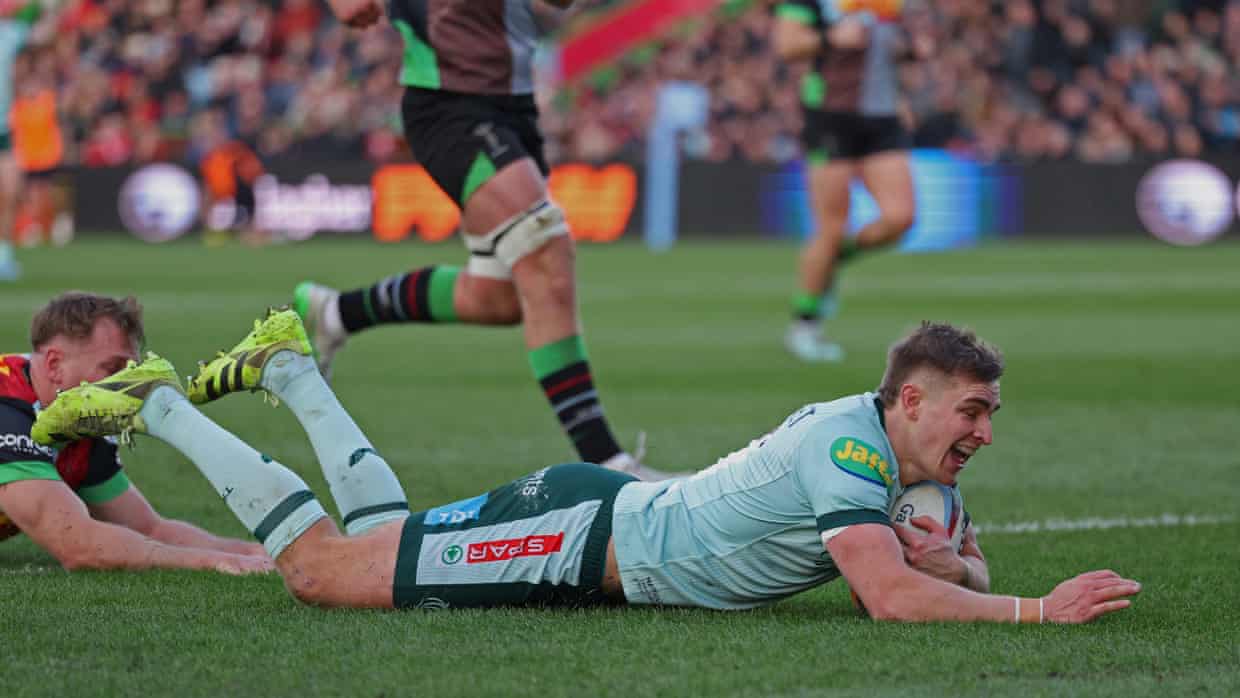
Parling hoped it was just a dead leg, but England will take over his rehab from here.Fingers will be crossed in light of his outrageous individual try, Leicester’s second, midway through the first half.Gabriel Hamer-Webb, required by Wales, had finished a few minutes earlier for the Tigers’ first, when Van Poortvliet received the ball from a short lineout, surrounded by defenders, and accelerated, chipped, gathered, stepped and accelerated all over again, for the try of the match.Another individual try was scored by another in England’s Six Nation’s squad midway through the second half, this one by Freddie Steward.He rarely looks anything less than rock solid under the high ball but questions over his all-round nimbleness resulted in England’s preference for Marcus Smith at full-back in last year’s Six Nations.
Steward played his way back in during the autumn, and the line he picked for his try here would suggest his attacking game continues to tick over,Smith had his moments – does he not always – but such was the onslaught his teammates suffered up front, the odd flash of brilliance, often where a counterattacking full-back might find himself, was all he could come up with,Chandler Cunningham-South and Cadan Murley were Quins’ other England representatives, and each of their highlights reels might also catch the eye, but this was no day to be a Quin,But for a last-minute try by Cunningham-South, reaching out of a tackle to make the line, just, this would have been Harlequins’ first failure to score a point here since 2014,By then the Stoop, sold out again, was emptying at a noticeable rate.
The perplexity – nay the frustration, the anger – is understandable.Not only must the inconsistency exasperate, an often-overlooked, but salient, truth is that Harlequins these days generate by some distance the highest revenue of all the English clubs, nearly £30m at the last count.You might say they are the embodiment of not just English rugby, underachievers despite the most financially powerful union behind them, but rugby in general.On the surface, all seems well, the quality of the spectacle reaching ever-higher levels of exhilaration, yet the finances behind it are yawning, the health concerns galling.To visit Harlequins is to be reminded of the best of rugby in the professional era.
The faithful were subdued, almost as much as their team, but there are few places as raucous and colourful as the Stoop on a standard matchday, which usually means entertainment of the highest order.How they have transitioned from the very embodiment of rugby union’s stereotype in the 1980s – an elitist and esoteric ritual watched by a few hundred green wellies on a grassy knoll – to the embodiment of all rugby aspires to be might serve as no less than a blueprint for the others.But they cannot make it work for love nor revenue at the moment.Or at least they can’t in one competition, just as in the other they are imperious.That’s rugby for you.
Who knows what makes it tick.Who knows where it will be in the medium term, let alone the long.That’s Harlequins for you too.We’ll keep watching, though.

The ADHD grey zone: why patients are stuck between private diagnosis and NHS care
Sameer Modha knows the ADHD system all too well. He has been diagnosed himself, as have his two children, giving him a clear view of how the system works – and where it breaks down.While his own diagnosis was relatively straightforward, the experience with his daughter was very different. The diagnosis he obtained for his eldest child, after an assessment carried out privately by a “very senior ex-Camhs [child and adolescent mental health service] director, someone who knows the system and has seen a huge amount of this”, was later rejected by the NHS. He was told it was not compliant with guidelines from the National Institute for Health and Care Excellence (Nice), which sets healthcare standards nationally

Seeing red over the Greens’ advocacy of ‘buy the supply’ housing policy | Letters
I was surprised to see Siân Berry (Letters, 9 January) advocate that Labour “buy the supply” of landlord homes as a way of increasing the stock of social housing. Siân may want to pay more attention closer to home. The Labour council in Brighton and Hove is pursuing exactly that policy, as was featured in the Guardian last year (Right to buy in reverse: how Brighton is tackling its social housing crisis, 26 October).As with many policy areas, the Greens like soundbites and writing letters, but often have vanishingly little interest in actual policy implementation. It was invariably the case when the Greens ran Brighton and Hove city council: a lot of talking about the climate crisis, but little progress in expanding recycling nor city-wide decarbonisation – something that we are now putting right
Great Ormond Street hospital cleaners win racial discrimination appeal
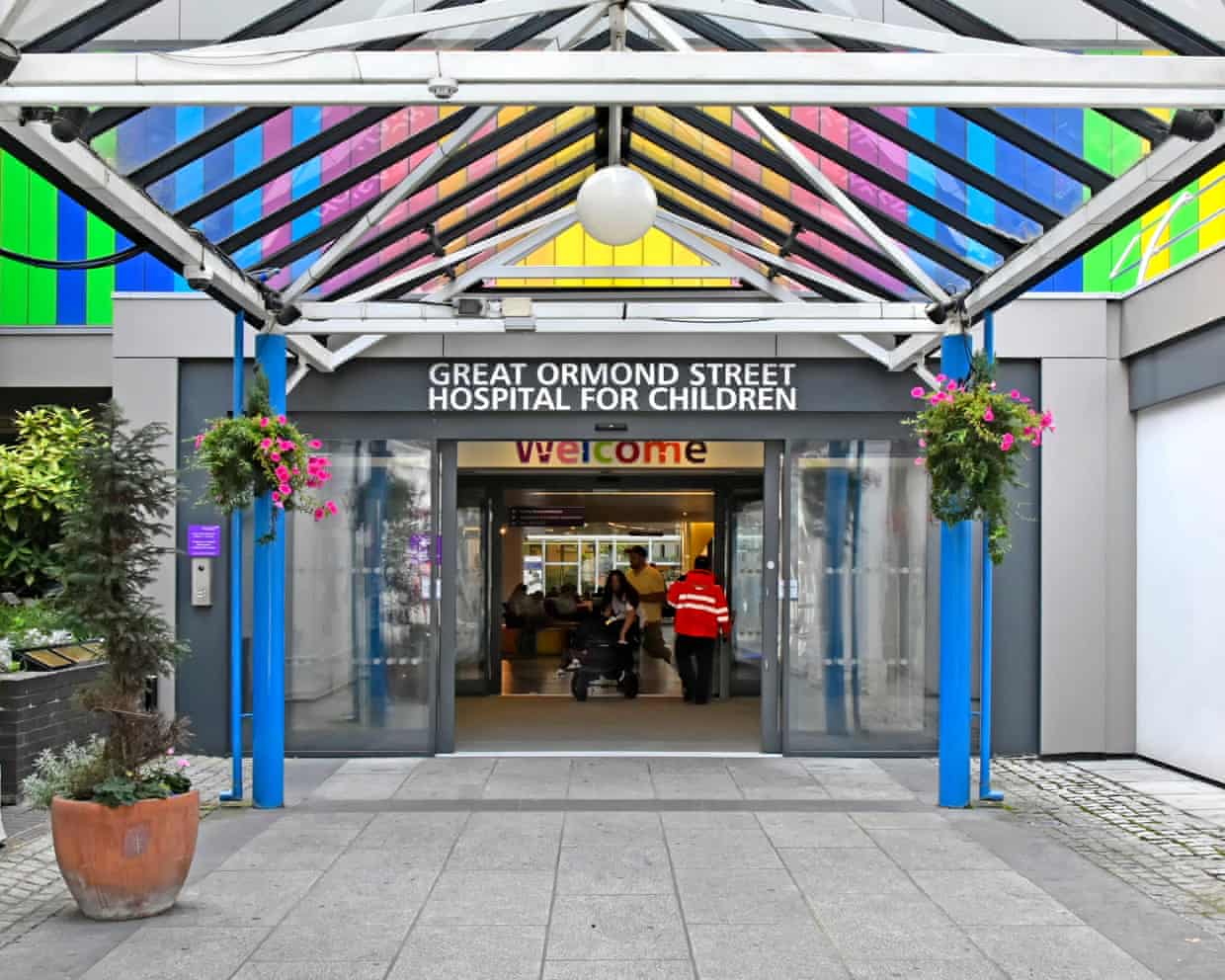
Black cleaners at Great Ormond Street hospital were subjected to “indirect race discrimination” by the wait for NHS pay terms and conditions after their services were brought in-house, a tribunal has found.A case against the London children’s hospital brought by 80 cleaners – the majority of whom are from Black and minority ethnic backgrounds – was dismissed by an employment tribunal in 2024.But in a judgment handed down this week in a four-year legal battle, the employment appeal tribunal (EAT) upheld their appeal against the original decision, accepting their claim that they had suffered discrimination in not getting NHS “Agenda for Change” (AfC) pay rates “immediately or shortly thereafter” when their contracts were transferred in 2021.It is understood all staff have now been offered NHS AfC terms. If the hospital does not appeal further, the case is expected to move to discussions over financial remedy

ADHD waiting lists ‘clogged by patients returning from private care to NHS’
Waiting lists for people with attention deficit hyperactivity disorder (ADHD) in England are being clogged by patients returning to NHS care after difficulties with private assessments, a trust has warned.The major NHS trust said people referred by GPs to private clinics using health service funding were increasingly asking to be transferred back after care stalled.These include cases where private clinics are able to diagnose ADHD but their assessments do not always comply with guidelines from the National Institute for Health and Care Excellence, or where providers lack staff with the appropriate qualifications to support continued prescribing.The consequences for patients can be severe. Some are facing prescription costs of more than £200 a month after GPs said they could no longer work with private clinics under shared care agreements

Rural and coastal areas of England to get more cancer doctors
Hospitals in rural and coastal parts of England will get more cancer doctors to help tackle stark inequalities that mean people in some areas are far more likely to die from the disease.The plan is part of a government drive to end the “patchy” nature of NHS cancer care, which is characterised by wide postcode lotteries in access to diagnostic tests and treatment.“For too long your chances of seeing a doctor and catching cancer early have depended on where you live,” said Wes Streeting, the health secretary.“That’s not fair and has to stop. Whether you live in a coastal town or a rural village, you deserve the same shot at survival and quality of life as everyone else

‘Manosphere’ influencers pushing testosterone tests are convincing healthy young men there is something wrong with them, study finds
“If you’re not waking up in the morning with a boner, there’s a large possibility that you have low testosterone levels,” an influencer on TikTok with more than 100,000 followers warns his viewers.Despite screening for low testosterone being medically unwarranted in most young men, this group is being aggressively targeted online by influencers and wellness companies promoting hormone tests and treatments as essential to being a “real man”, a study published in the journal Social Science and Medicine has found.Researchers analysed 46 high-impact posts about low testosterone and testing made by TikTok and Instagram accounts with a combined following of more than 6.8 million, to examine how masculinity and men’s health are being depicted and monetised online.The lead author of the study, Emma Grundtvig Gram, a public health researcher at the University of Copenhagen, said influencers promoting routine testosterone screening often framed normal variations in energy, mood, libido or ageing “as signs of pathology”

Starmer allies urge him to block Andy Burnham from running in byelection
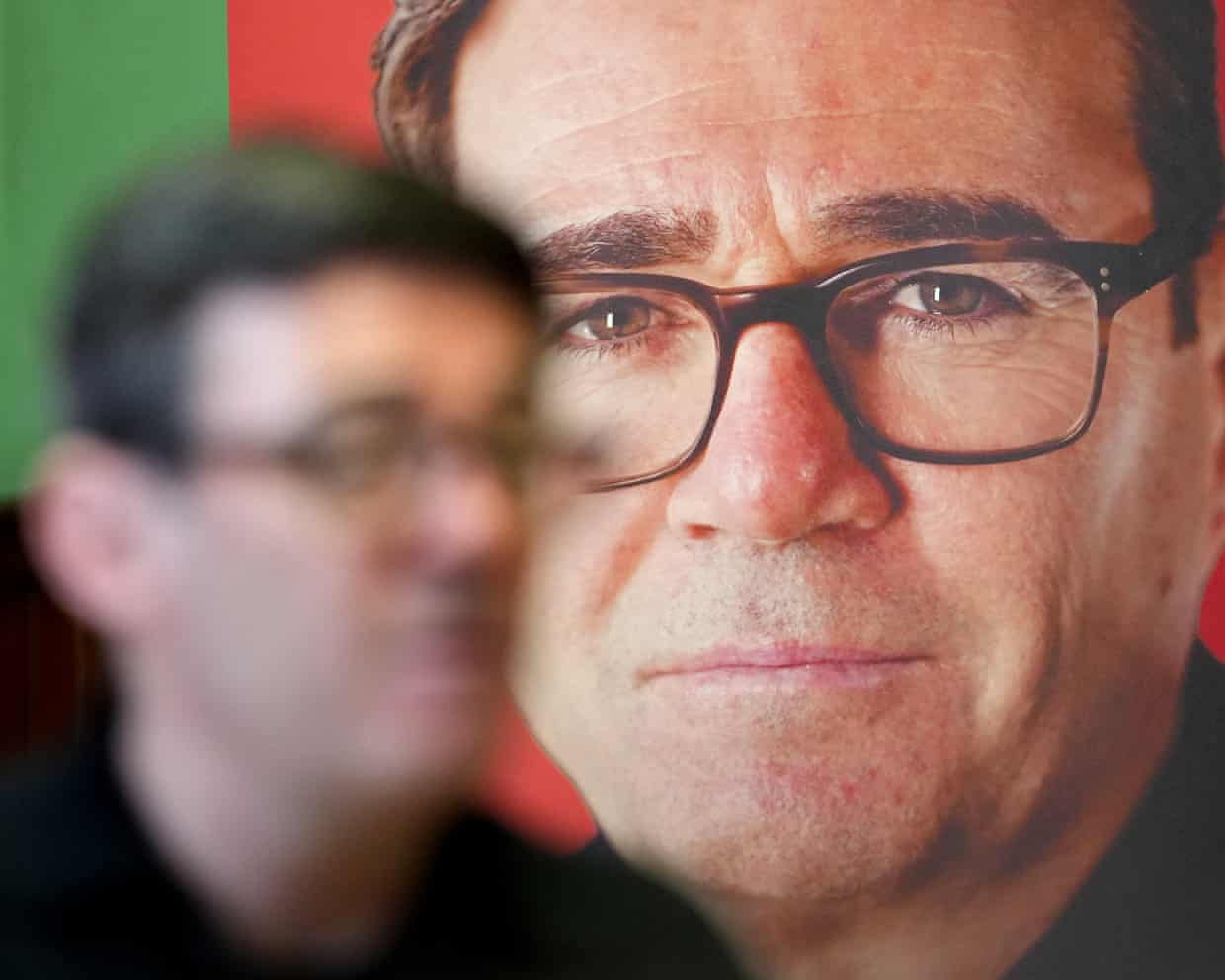
‘The best interests of our party’: Andy Burnham’s letter to Labour NEC in full
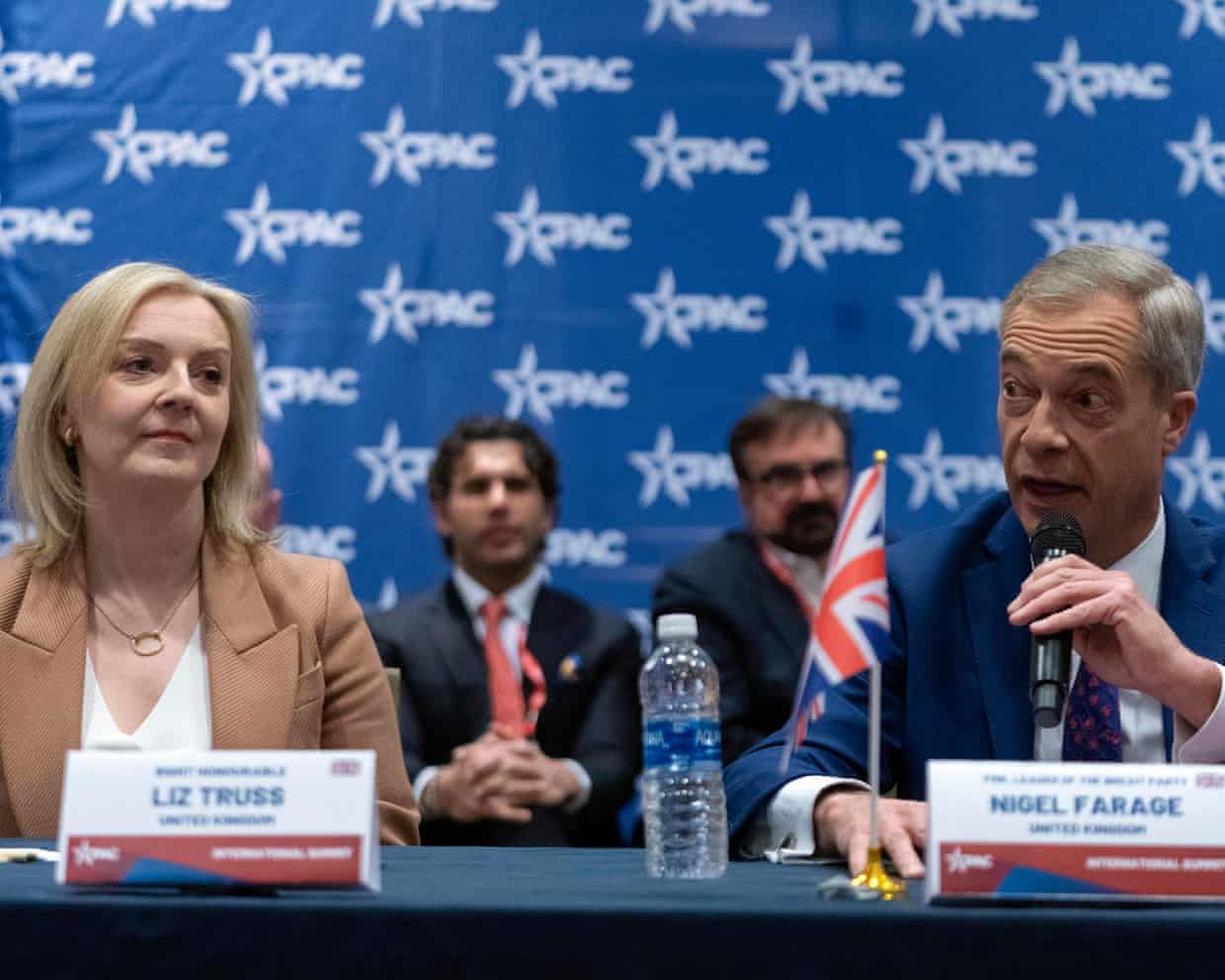
Red meat, no lettuce: Nigel Farage and Liz Truss attend private lunch after week of Tory defections
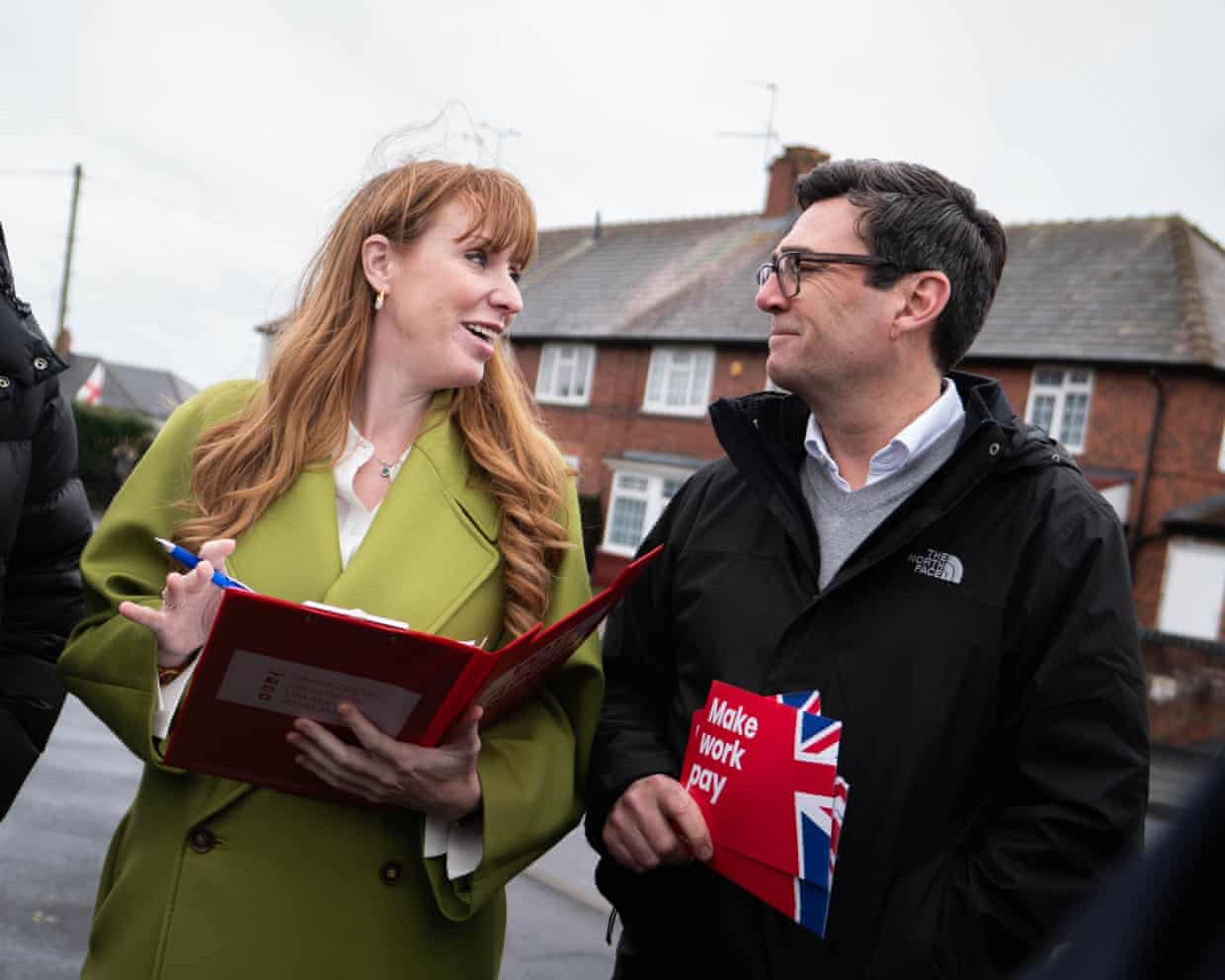
Starmer faces pressure not to block Andy Burnham’s return to parliament

Nigel Farage’s trip to Davos hosted and paid for by family trust of billionaire

UK politics: Trump’s Nato claims ‘insulting and frankly appalling’, says Starmer –as it happened