How hard can it be to run 13 miles? With help from the pub, park and peas I am finding out | Barry Glendenning

My name is Barry and I’m a runner.As a clinically obese 52-year-old Irishman who regularly binge drinks (the NHS’s joyless definition, not my own), I would love to be able to say I took up running for health reasons but that would be a lie.Truth be told, I was railroaded into it by my Football Weekly associate Max Rushden, who publicly challenged me to run the London Landmarks Half-Marathon after I had belittled the efforts of a friend who completed it by asking: “How hard can running 13 miles be?” To cut an already short story shorter, in April I hope to plod from Whitehall, past Big Ben, the Houses of Parliament across Westminster Bridge, along Victoria Embankment and on to Trafalgar Square in the company of more than 20,000 fellow runners, most of whom should finish in front of me if they have so much as a modicum of shame.I will be running for Great Ormond Street Children’s Charity, not because of any particularly heartwarming or tragic link I have to this wonderful hospital, but because the bloke in charge of their fundraising heard the gauntlet being thrown down and asked me first.Presumably, that’s why he’s the boss.
In return for the £25,096 raised thus far due in no small part to the astonishing generosity of the Football Weekly audience, the charity has sent me a 100% recycled polyester men’s turquoise running singlet bearing a teardrop-shaped logo in which a small and presumably unwell child is smiling and crying simultaneously,It’s 2XL, the biggest size they had available,I don’t think it’s supposed to be skintight,Before October, my most recent recollection of actually running more than 20 metres for a departing bus dated back to 1992,I was chased down the main street of my provincial home town by some ne’er-do-wells following a post-nightclub misunderstanding, the details of which have been lost to time.
Before October, I had not competed in any sport more physically taxing than pool or darts since leaving school and could scarcely have been more unfit due to an almost totally sedentary lifestyle largely fuelled by booze and the fags I finally quit 18 months ago.Painfully aware that I really needed to start training to have any chance of completing my barstool to half-marathon challenge in April, I downloaded an app that devised a fitness programme for a middle-aged man of my condition and physique.My first official session with Runna lasted 30 minutes, only 10 of which were designated for jogging and still rendered me a sweating, wheezing wreck.Only three months and 40 training sessions later, I can bash out a little over 10km with a minimum of fuss.Barring injury or illness, I am on course to line up for the LLHM in three months with something resembling a confidence I did not have two months ago when I had to walk down the stairs backwards because my legs had seized up.
I have accepted that I am unlikely to win.I consider myself “a stayer”, to borrow a phrase from horse racing.Stamina is not an issue, but I have little pace and no gears through which to go.I plod at two speeds: running or not running and upon completing my first 5km effort, I checked to see how close I had got to the men’s world record over that distance.The Ugandan athlete Joshua Cheptegei (12min 35sec) may or may not be concerned to read that I stopped the clock at 44min 23sec, a personal best I have since reduced by nine minutes.
And yes, of course I have become what is known in running circles as a “Strava wanker”, Strava being another app that allows you to map and record the exact details of each session, share your efforts with other users and show potential stalkers or burglars where you live.I have also taken to posting occasional post-run videos on Instagram in an effort to raise more money for charity.People seem to like them because they invariably feature me sitting on the same park bench, looking sad while explaining why I really hate running.Ironically, the more people like them, the more the money rolls in and any chance there is of me getting to quit running diminishes.It is no platitude to say that I am grateful to everyone who has donated, but I also hate them because now I’m in too deep.
Since starting running I have spent £160 on a pair of fancy Asics trainers that I didn’t want but apparently need,I now own a long-sleeve thermal base-layer shirt which, depending on the winter weather conditions, is either too warm or not warm enough,I purchased a pair of leggings that I’m too embarrassed to wear in case I happen to meet someone I know,My keys and phone are stored in a special running belt,I listen to podcasts that help alleviate the tedium of running but are constantly interrupted by a disembodied AI woman from the app who urges me to “speed up” or says “nearly there”.
Ooh err, missus.I went running on Christmas Day.My legs are in constant pain.I don’t sleep any better at night and I have put on weight because 10km only buys you three pints of Guinness but I’m treating every run like I’ve just completed the Marathon des Sables.I have discovered a hitherto untapped talent for sidestepping dogs and yesterday while out running I impersonated my brother-in-law from Nova Scotia while saying hello to some Canadian geese whose path I crossed in a bid to make them feel more at home.
My thighs chafe, my nipples will too and I am developing pavement rage unbecoming of my normally laid-back self.Earlier this week I used a bag of frozen peas to ease the nagging twinge of a hamstring I’d never previously been entirely sure was there.My name is Barry and I am a runner, kidnapped by a hobby I despise.The same old Barry, just fatter, poorer and with more expensive shoes.Do you have an opinion on the issues raised in this article? If you would like to submit a response of up to 300 words by email to be considered for publication in our letters section, please click here.

Dr Aggrey Burke obituary
In 1986 the psychiatrist Dr Aggrey Burke, along with his colleague Joe Collier, had gathered evidence that their employer, St George’s hospital, and other London medical schools, were discriminating against women and people with “foreign sounding names” in their admission processes. Burke and Collier, both then senior lecturers at St George’s, decided to blow the whistle. They published a paper that led to a Commission for Racial Equality inquiry, and wholesale changes to the admission policies at medical schools across the capital. Burke knew the risk the pair were taking, saying it was “as though one had offended against the whole system; we were blamed, unfairly treated and made to feel that we were outcasts”.As the first Black consultant psychiatrist in the UK, Burke, who has died aged 82 of prostate cancer, was at the forefront of challenging mental health systems to treat Black people with fairness, and of supporting those caught up in the criminal justice system
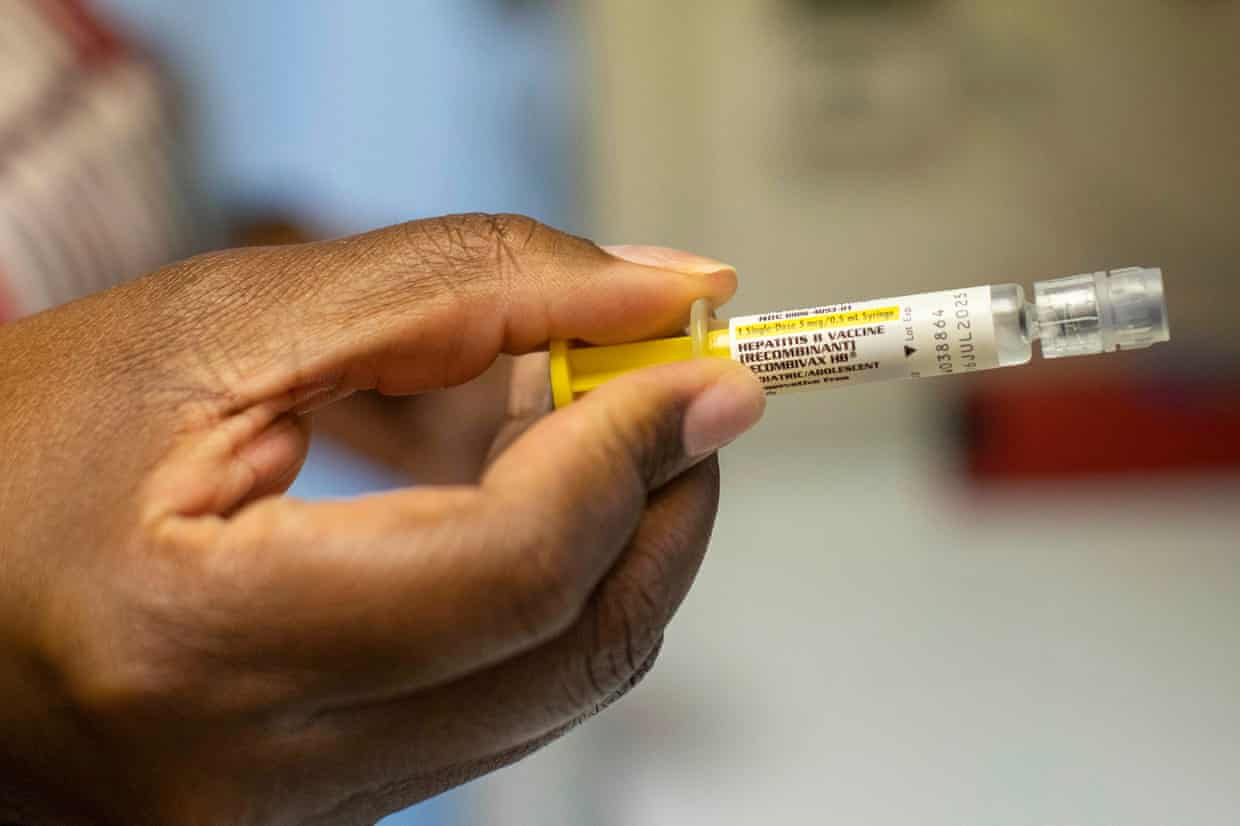
Controversial US study on hepatitis B vaccines in Africa is cancelled
The controversial US-funded study on hepatitis B vaccines among newborns in Guinea-Bissau has been halted, according to Yap Boum, a senior official at the Africa Centres for Disease Control and Prevention (CDC).“The study has been cancelled,” Boum told journalists at a press conference on Thursday morning.The $1.6m study, funded under the purview of Robert F Kennedy Jr, a longtime vaccine skeptic and the secretary of the US Department of Health and Human Services (HHS) , drew outrage and criticism over ethical questions about withholding vaccines proven to prevent hepatitis B in a country with a very high burden of the disease.“It’s of importance for Africa CDC to have evidence that can be translated in policy, but this has to be done within the norm
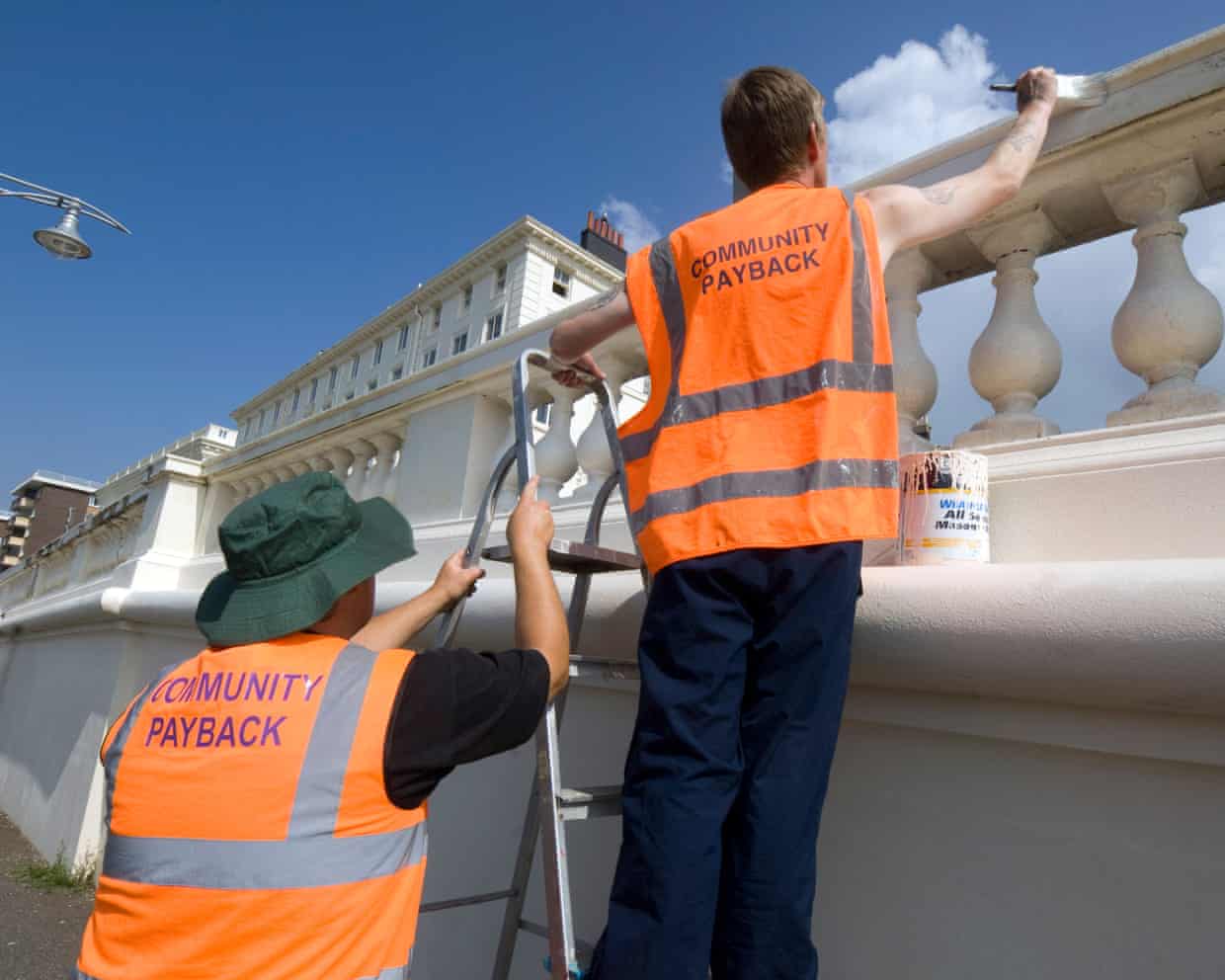
‘Name and shame’ plans for community sentences in England and Wales ditched
Ministers have dropped plans to photograph, name and shame offenders ordered to complete unpaid community work in England and Wales in the latest U-turn by Labour.The plans, first disclosed by the Guardian, would have meant people convicted of minor criminal offences having details of their cases and their community work publicised on government websites and promoted through local media.But after concerns that the material could be used to humiliate the children of offenders, the Ministry of Justice has accepted an amendment to the sentencing bill that will remove the right to publish offenders’ names and photographs.Keir Starmer is facing criticism from his own backbenchers for a series of policy reversals amid deepening unpopularity.Offenders can be sentenced to an “unpaid work requirement” under community orders and suspended sentence orders

Guardian’s Hope appeal raises more than £1m for charities opposing hatred
The Guardian has raised more than £1m in its Hope appeal to support grassroots charities whose work offers a positive antidote to social division, racism and hatred.The appeal, which closed on Thursday, had five partner charities that will share the donations: Citizens UK, the Linking Network, Locality, Hope Unlimited Charitable Trust and Who Is Your Neighbour?Katharine Viner, the Guardian’s editor in chief, said: “The theme of this year’s Guardian charity appeal was hope, supporting fantastic projects that foster community, tolerance and empathy.“Over the past year our reporting has captured the increased alarm most of us feel over the return of 1970s-style racist abuse, the demonisation of refugees and the resurgence of far-right marches in Britain’s streets.“I’m delighted that Guardian readers responded with such generosity, warmth and solidarity. Your donations will make a positive difference, sending a clear message about standing up to hate and bringing people together

NHS limiting ADHD assessments to save money despite soaring demand
The NHS is restricting people’s ability to be assessed for attention deficit hyperactivity disorder in order to save money but not telling GPs or patients, despite soaring demand for the service.More than half of the NHS’s 42 integrated care boards (ICBs) in England have imposed limits on how many people can be assessed for ADHD during 2025-26, freedom of information responses show.Of the 22 ICBs who have imposed limits, 13 had not told GPs and 12 had not informed patients awaiting an ADHD assessment.The charity ADHD UK, which obtained the figures, said the NHS’s lack of communication showed it was trying to hide that “cruel” curbs on assessment were being widely used to help it cope with a squeeze on its budget.Henry Shelford, ADHD UK’s chief executive, said: “Waiting times for assessments are already horrendously long and it’s shocking to see how the NHS is further rationing people’s care to save money

NHS corridor care is ‘torture’ leading to patient deaths and staff nightmares
Corridor care is “a type of torture” that is leading to patients dying and causing NHS staff to have nightmares, the UK’s nurses union has warned.In one case, an elderly patient choked to death in a corridor, unseen by staff, according to a new dossier of evidence highlighting the problem published by the Royal College of Nursing (RCN).Demand for care is so intense that hospitals are having to turn dining rooms, staff kitchens and rooms for viewing deceased people into overspill care areas, the RCN reveals.Wes Streeting, the health secretary, has pledged to end the use of corridor care in England by 2029, if not sooner. However, NHS staff groups are sceptical that he can fulfil that promise, given that many hospitals are overloaded so often, and not just during the winter

Civilised but casual, often hilarious, Adelaide writers’ week is everything a festival should be – except this year | Tory Shepherd
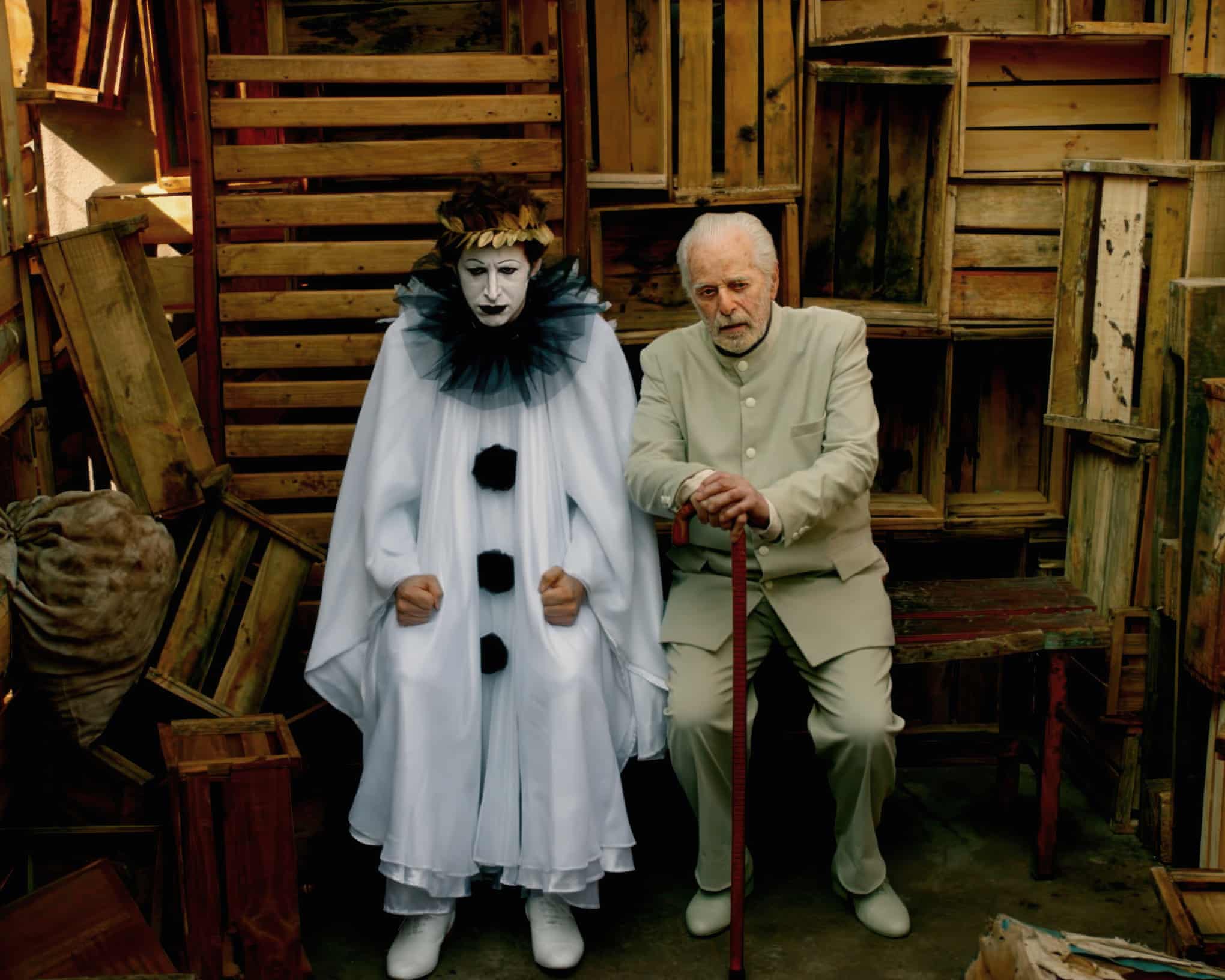
‘Soon I will die. And I will go with a great orgasm’: the last rites of Alejandro Jodorowsky
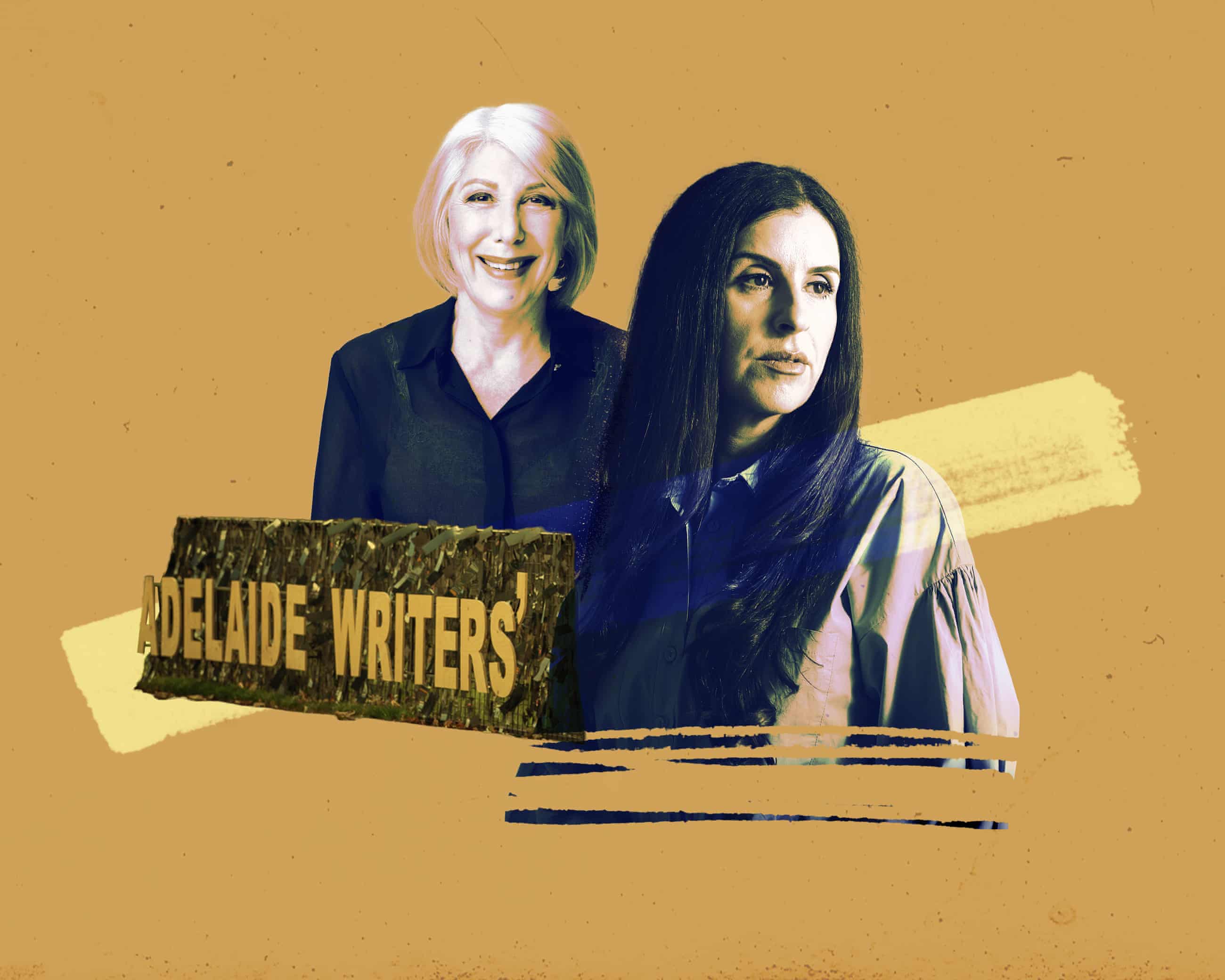
Call this social cohesion? The war of words that laid waste to the 2026 Adelaide writers’ festival

Seth Meyers on ICE: ‘An army of out-of-shape uncles’
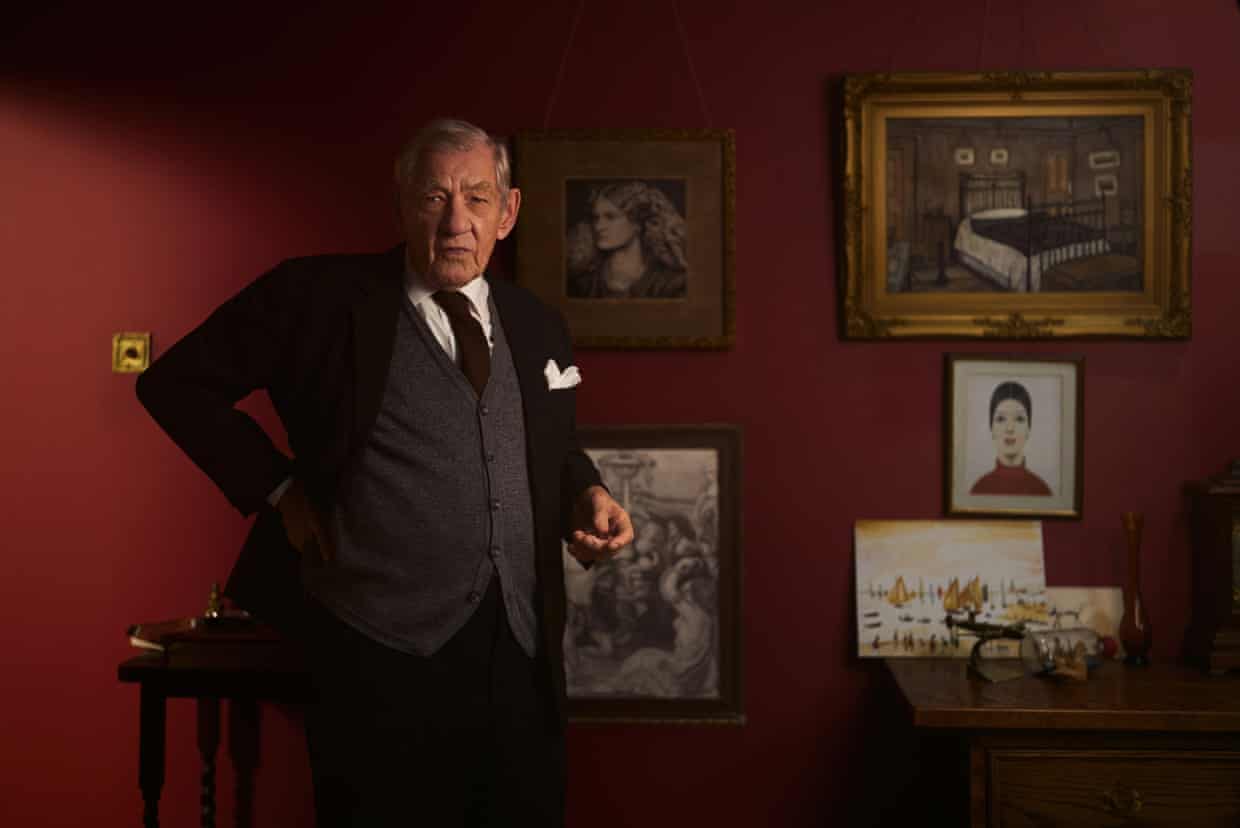
Ian McKellen to star as LS Lowry in documentary revealing trove of unheard tapes
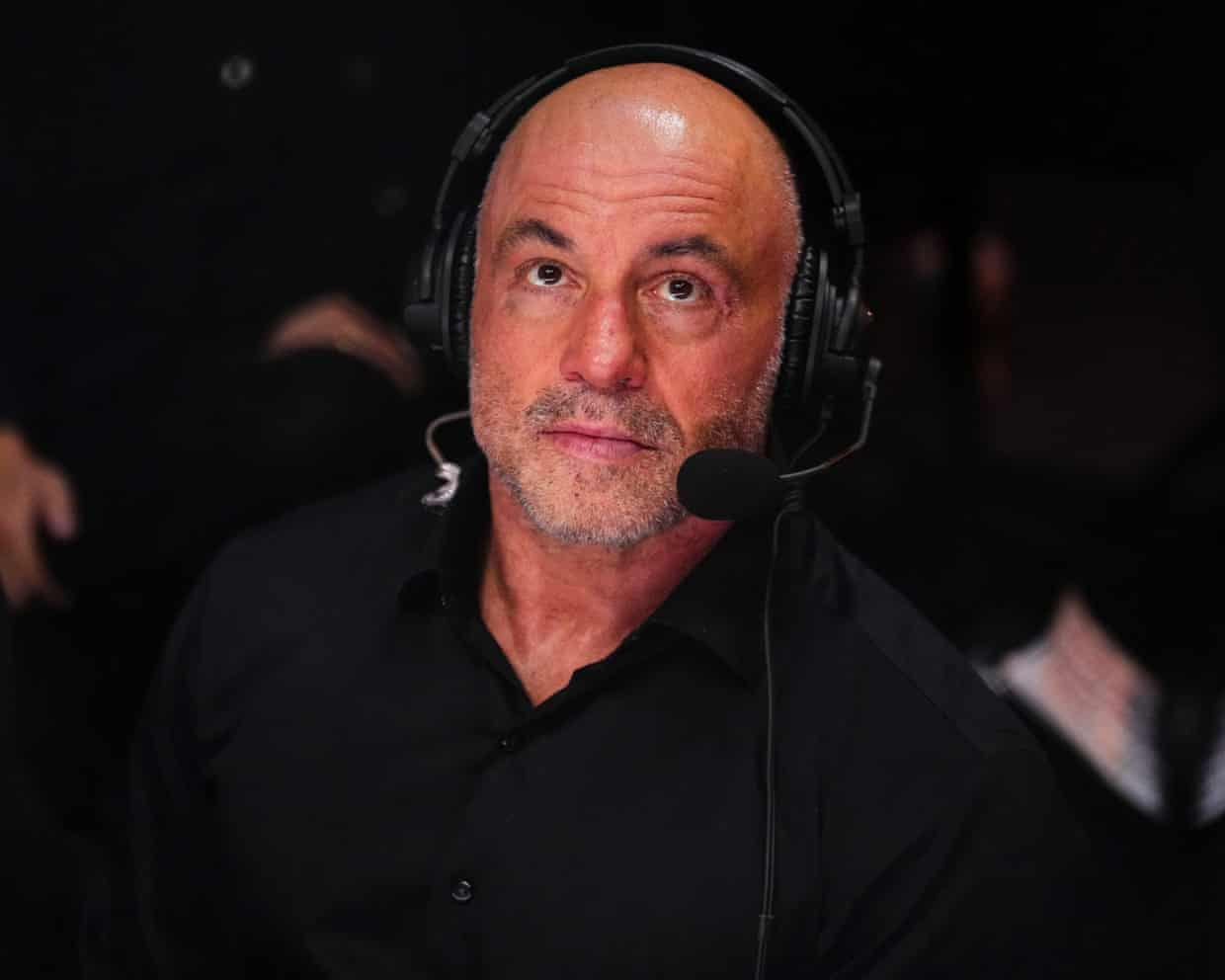
Has Joe Rogan fully soured on Trump’s presidency?