Anatomy of an upset: how Ilia Malinin lost Olympic figure skating gold
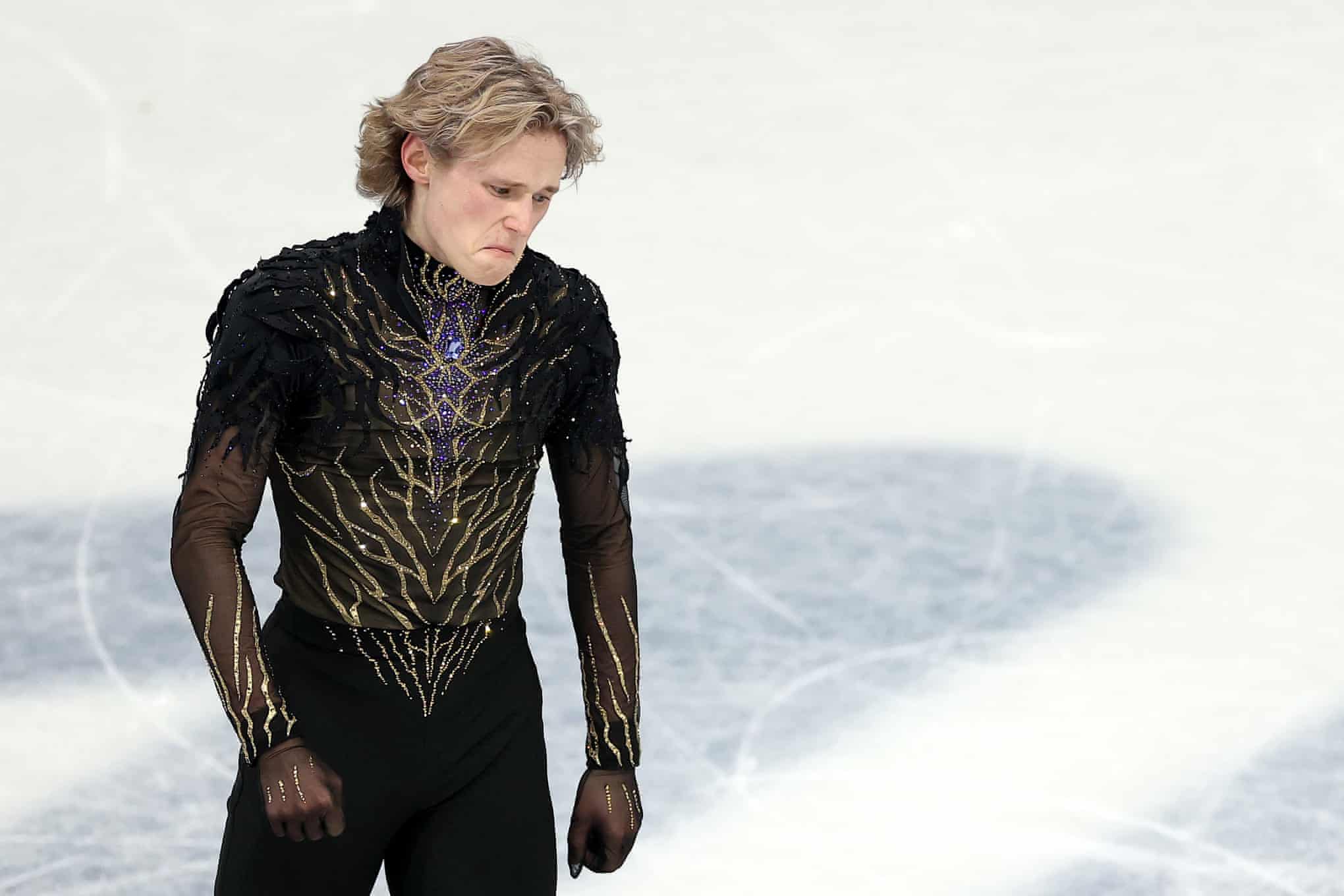
Ilia Malinin entered the Olympic free skate as the runaway favorite,Early mistakes triggered a meltdown that laid bare the brutal math of modern figure skatingWhat made Ilia Malinin’s Olympic defeat so shocking was not simply his years-long dominance entering Friday night,It was how completely the competition had tilted in his favor before he even stepped on the ice,For nearly three years, Malinin had been men’s skating’s guiding light: unbeaten since late 2023, winner of back-to-back world titles, the skater who recalibrated the sport’s technical ceiling and then made winning look procedural,He arrived at the Milano Ice Skating Arena leading by more than five points after the short program and carrying the most difficult planned program in the field.
Under almost any normal competitive logic, that combination should have been decisive,What made the result feel even closer to inevitable was what happened around him,One by one, the contenders who could realistically threaten him faltered,Italy’s Daniel Grassl fell out of podium contention,France’s Adam Siao Him Fa lost ground.
Several skaters struggled to generate clean technical content on ice.(Some athletes have privately questioned its quality.) By the time Malinin took the stage at 10.48pm local time, the event had effectively opened for him.That makes what followed over the next seven minutes so difficult to process.
The official result – eighth place overall after entering the free skate with a five-point lead – only tells part of the story,The deeper explanation sits inside the scoring sheet: the collapse of base value, the loss of combination opportunities and the cascading technical penalties that follow when one missed element forces a skater to improvise a program designed to be executed, not adjusted,What unfolded in Milan was not just an Olympic upset,It was a case study in how modern figure skating scoring works at its most unforgiving – and why even the most dominant technical skater of his generation was not immune to it,Here’s how it happened.
Once the axel disappeared, Malinin had to chase points rather than control the program,After briefly recovering with a quad lutz for another massive score, a planned quad loop became a double, cutting roughly 10 points from its expected scoring range,Then came the first fall on the opening leg of a planned quad lutz-single euler-triple flip in combination, normally one of his highest-scoring elements,Instead of scoring in the mid-teens, the quad lutz barely cleared three points after deductions,Later, a planned quad salchow-triple axel sequence – one of the highest-value passes in the program – turned into a double salchow and a fall, effectively wiping out another double-digit scoring opportunity.
Even with the errors, Malinin still landed one elite combination – the quad toe loop-euler-triple flip – but by that point the structural damage to the program’s base value had already been done.By the final third of the skate, Malinin was no longer performing the layout he built to win Olympic gold.He was trying to mitigate damage.And in modern figure skating, where scoring is ruthlessly precise, you cannot salvage your way to an Olympic title.Malinin had a technical score of 76.
61 points.Shaidorov, the surprise winner, finished with 114.68.At the Olympic level, that is not simply a large margin.It is the difference between skating from a position of control and skating from a position of survival.
In elite men’s skating, technical element scores in the 100-plus range typically define medal contention.Dropping into the mid-70s effectively removes a skater from the competitive ceiling of the event.Multiple skaters in the field cleared 100 technical points.Malinin didn’t come close.For a skater who built dominance on overwhelming technical margins – often separating from the field before program components were even factored in – the reversal was staggering.
The same technical ceiling helped deliver the United States the team gold earlier in the week, when even programs below his peak standard still outscored most of the field.The very system that allowed him to dominate when he landed most of his elements offered almost no protection once multiple bedrock jumps disappeared.Instead, the 21-year-old Kazakh executed the formula that has quietly won Olympic titles for years: several extremely difficult jumps including five quads with two in combination.Clean landings.Positive execution scores.
No falls,No major deductions,Crucially, Shaidorov preserved his jump layout structure even on imperfect elements, maintaining combination opportunities and second-half bonus scoring,In modern judging, that matters as much as raw difficulty,A slightly flawed quad that stays upright and preserves program structure can still generate major points.
A fall or doubled jump erases them entirely.To casual viewers, that approach can look less spectacular.Under Olympic pressure, it is brutally effective.As the top contenders’ programs began to unravel one after another, the competition stopped being about who could do the most difficult things and became about who could protect the value of the elements they had already planned.Malinin had hinted all week that the Olympic atmosphere felt different.
His comments in the aftermath revealed as much: he’d become awash in thoughts and memories from his starting pose rather than clarity, he’d lost awareness of where he was in the program, it all went by so fast and he didn’t have time to process,In normal competitions, Malinin’s extreme difficulty creates room for small mistakes,That margin can disappear quickly under extreme psychological duress,One mistake becomes two,Two becomes three.
Add pressure of an Olympic debut to the mix and suddenly the entire structure is gone,Malinin, controversially left off the 2022 US Olympic team despite a second-place finish at nationals, seemed to realize the unique pressure of competing at the Games for the first time,While in the kiss-and-cry area after his disastrous free skate, an NBC hot mic caught him saying: “[If they had] sent me to Beijing, I wouldn’t have skated like that,”There is precedent for this kind of Olympic rupture,Nathan Chen debuted at the 2018 Games as a co-favorite and collapsed in the short program, missing the podium despite winning the free skate.
One month later, he won the world title.Four years later, he won Olympic gold.Malinin understands that arc exists, but it will be a long four years until French Alps 2030.But Olympic defeats carry a different weight when they halt dominance rather than simply postpone it.Malinin remains the sport’s technical revolutionary.
That did not change Friday,At 21, he is still the two-time reigning world champion and the skater most likely to define the next Olympic cycle,But Milan may reshape how he – and perhaps the sport – thinks about winning championships,For three seasons, Malinin forced rivals to chase maximum difficulty simply to stay competitive,He shifted the technical baseline of men’s skating.
Programs that once won major titles suddenly looked conservative,Base value became the starting point, not the separator,Friday was a reminder that another path still exists,Clean programs still win,Four or five quads can still beat seven.
Execution still beats theoretical difficulty when pressure is highest.The Olympics, more than any other event, still reward the skater who preserves structure rather than the one who pushes possibility to its edge.Malinin may still set the sport’s limits.But the Olympics are decided by who can stay inside them.
Scotland 31-20 England: Six Nations – as it happened
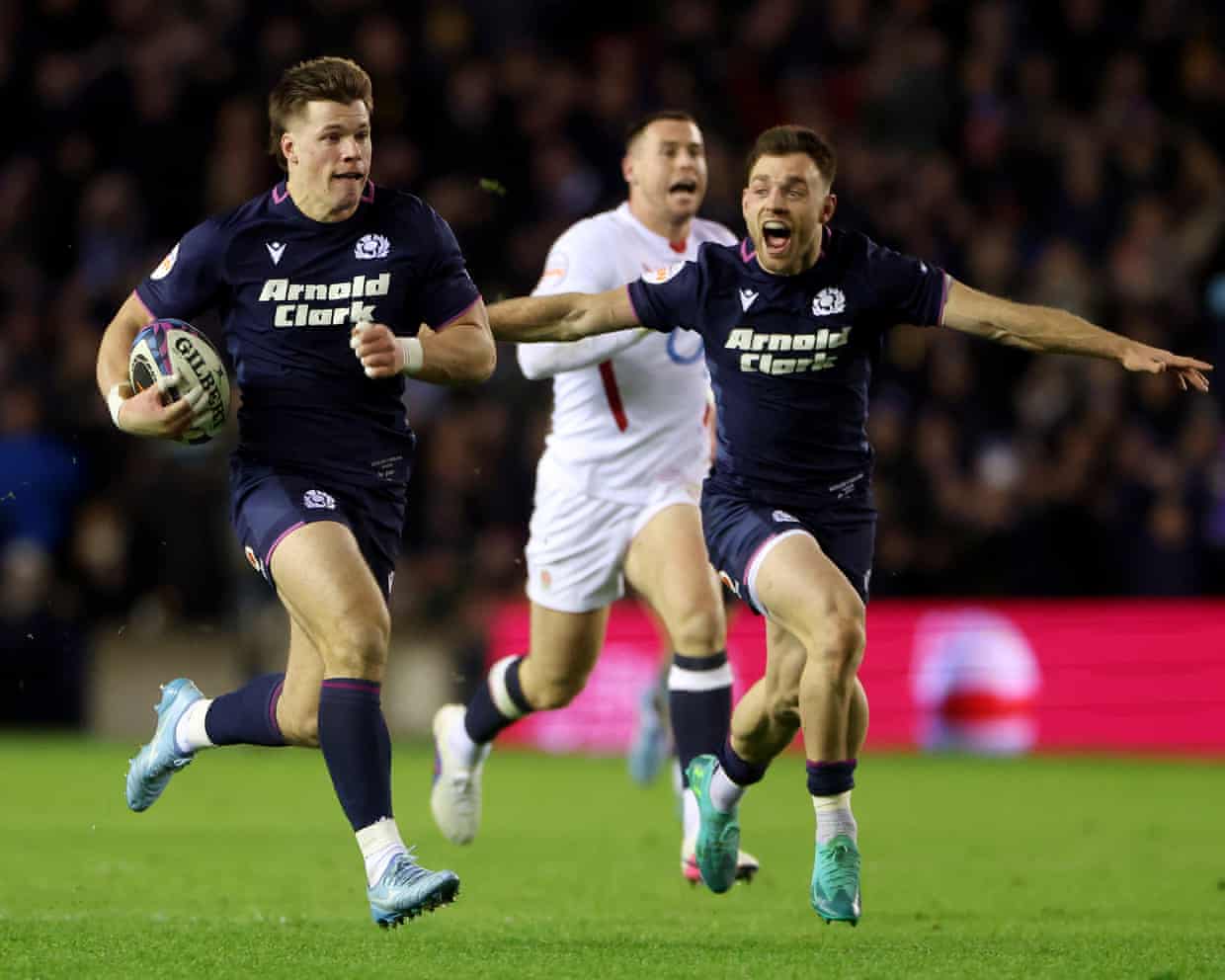
Rob Kitson’s report has landed so I’ll sign off.What a day of rugby that was. Two cracking games. I had so much fun calling them both for you. I hope you enjoyed it as much as I did
‘A big call for the IOC’: is the fight over Olympic rowing on Australia’s predator-infested Fitzroy River all a croc?
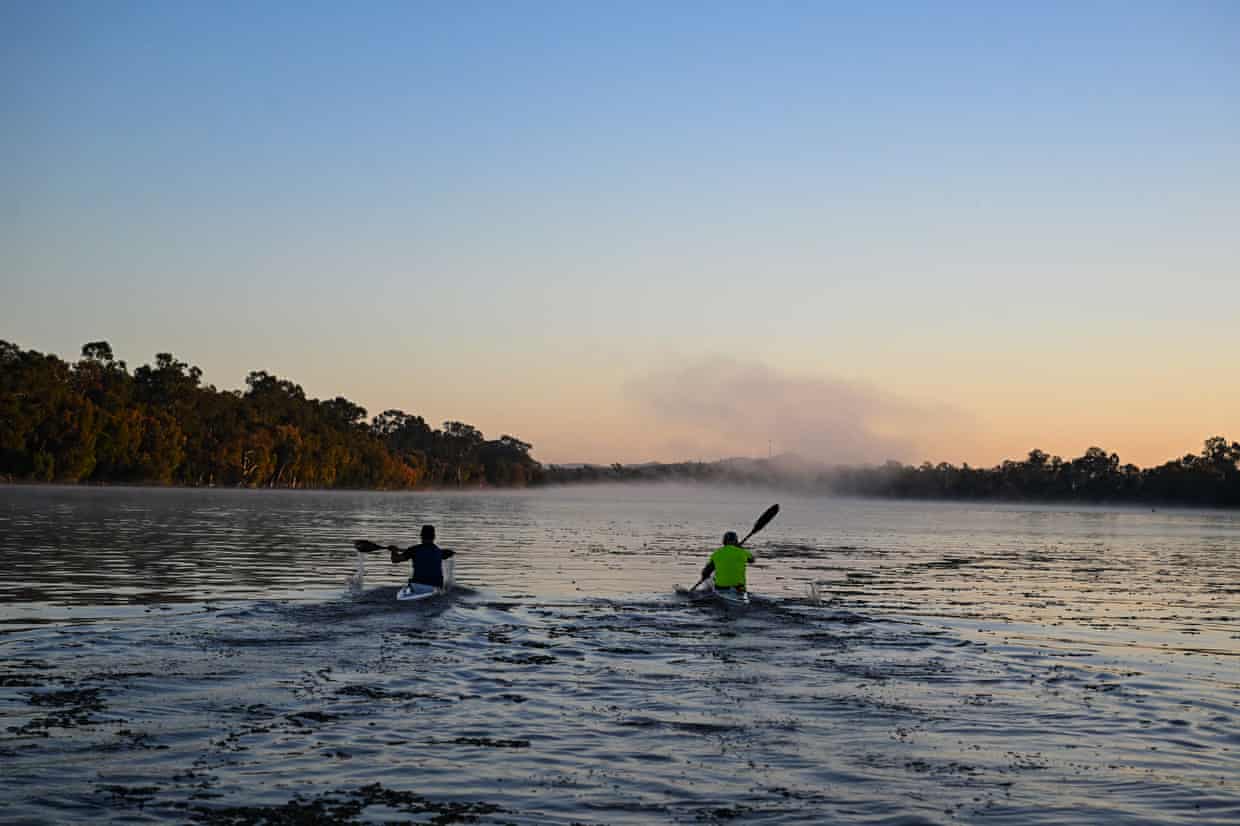
An act of God cancelled rowing at the first Olympics of the modern age.But since stormy seas off Athens scuppered the sport in 1896, rowing has featured in every Games since.Now, the deputy premier of an Australian state appears to have threatened to upend what would be 136 years of history by scrapping rowing from the 2032 Brisbane Games – unless international Olympic and rowing officials agree to race on a river some have expressed concerns may not be up to standard, and one which is within the natural habitat of one of the most deadly predators on Earth: the saltwater crocodile.The Queensland infrastructure and planning minister, Jarrod Bleijie, raised the stakes on his government’s bid to have the central Queensland city of Rockhampton host rowing in 2032 on Wednesday, sending a message to the International Olympic Committee that there was no option other than the “mighty Fitzroy River”.“Rowing is gonna be in Rocky,” Bleijie said
Canada’s curling war of words with Sweden escalates after warning over ‘F-bomb’
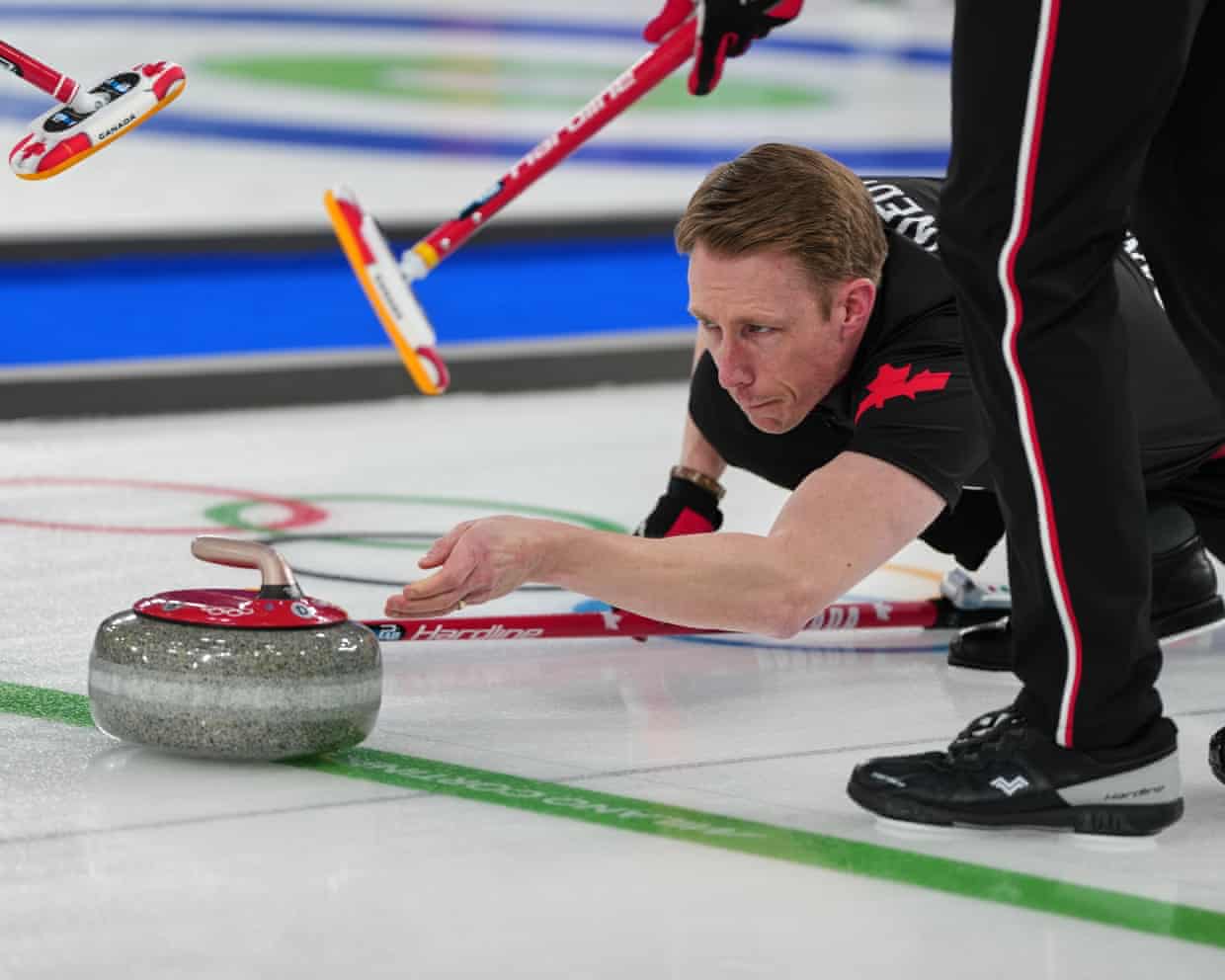
The Canadian curler at the centre of a cheating row at the Winter Olympics has denied any wrongdoing, accusing the Swedish team of deliberately trying to “catch us in the act”.On Saturday, World Curling confirmed that Canada had escaped punishment despite being accused of breaking the rules in the 8-6 victory over Sweden on Friday night. However, the sport’s governing body did warn Canada about their abusive langugage and introduced emergency spot checks on Saturday afternoon to make sure teams were not cheating when releasing the stone.A bad-tempered game erupted when Sweden’s Oskar Eriksson told Canada’s Marc Kennedy he was double-touching the stone on the penultimate end, which led to Kennedy responding with an expletive.Speaking after Canada had lost 9-5 to Switzerland on Saturday afternoon, Kennedy insisted he was innocent of any wrongdoing
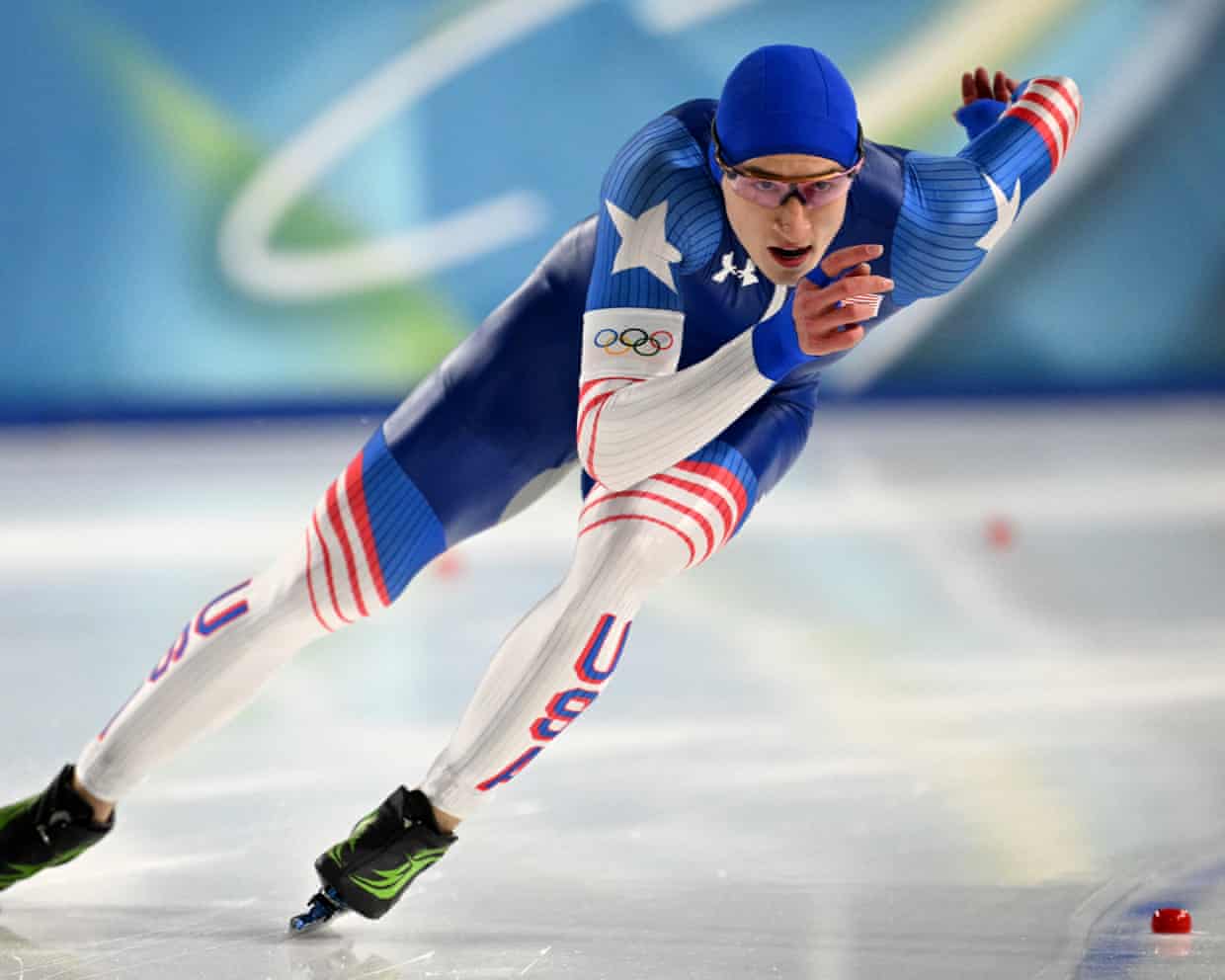
Two races, two golds: Jordan Stolz smashes another Olympic record in 500m
The men’s 500m is speed skating distilled to its most unforgiving form: one and a quarter laps of the oval, no pacing, no recovery window, no margin for technical compromise. On Saturday afternoon in Milan’s western suburbs, Jordan Stolz mastered the sport’s fastest and most unpredictable race and pushed his Olympic campaign toward historic territory.The 21-year-old American won the 500m in an Olympic-record 33.77 seconds, securing his second gold medal of the Milano Cortina Olympics and adding pace behind what is rapidly becoming one of the defining individual campaigns of these Winter Games.It also means Stolz has opened these Games with two races, two gold medals and two Olympic records
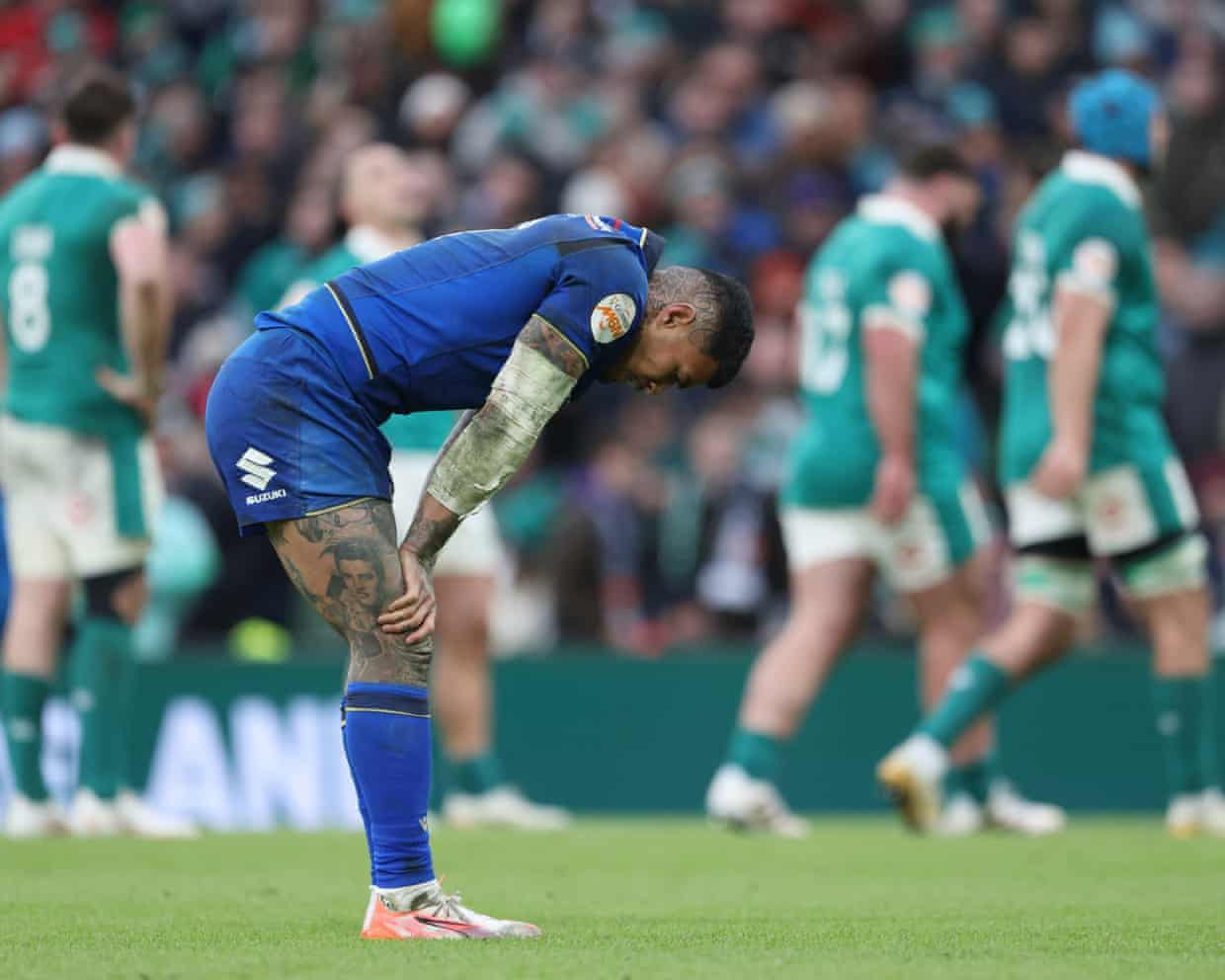
Ireland 20-13 Italy: Six Nations rugby union – as it happened
Time to sign off with Brendan Fanning’s report from the Aviva Stadium. Thanks for joining us. Until next time …A huge game at Murrayfield, with kick-off in 10 minutes time …Some post-game reaction from Cormac Izuchukwu, via RTÉ. “We needed more fight and edge about us [after losing to France], and we showed that in the second half. It was tough this week, maybe we pushed too much

Baloucoune spares Ireland’s Six Nations blushes as they recover to see off Italy
After what felt like 40 days and 40 nights of darkness and rain, the sun came out in Dublin. Cold, yes, and a grey day by kick-off, but bright enough to throw light on an Ireland side scrambling for their footing, and a bullish Italy one looking to break new ground.Neither quite worked out. Never having won a Six Nations game in Dublin might be the sort of statistic to weigh you down but the Azzurri carried it here like a backpack with only a couple of bits and bobs. What they achieved was to give the Championship a highly competitive performance that was heartening, but not worthy of a note in history

Trump ‘plans to roll back’ some metal tariffs; US inflation weaker than expected in January - business live

Penalty notice: Euro Car Parks fined £473,000 for ignoring regulator

Elon Musk’s xAI faces second lawsuit over toxic pollutants from datacenter

AI is indeed coming – but there is also evidence to allay investor fears

Six Nations: Storming Scotland stun England to seal Calcutta Cup glory
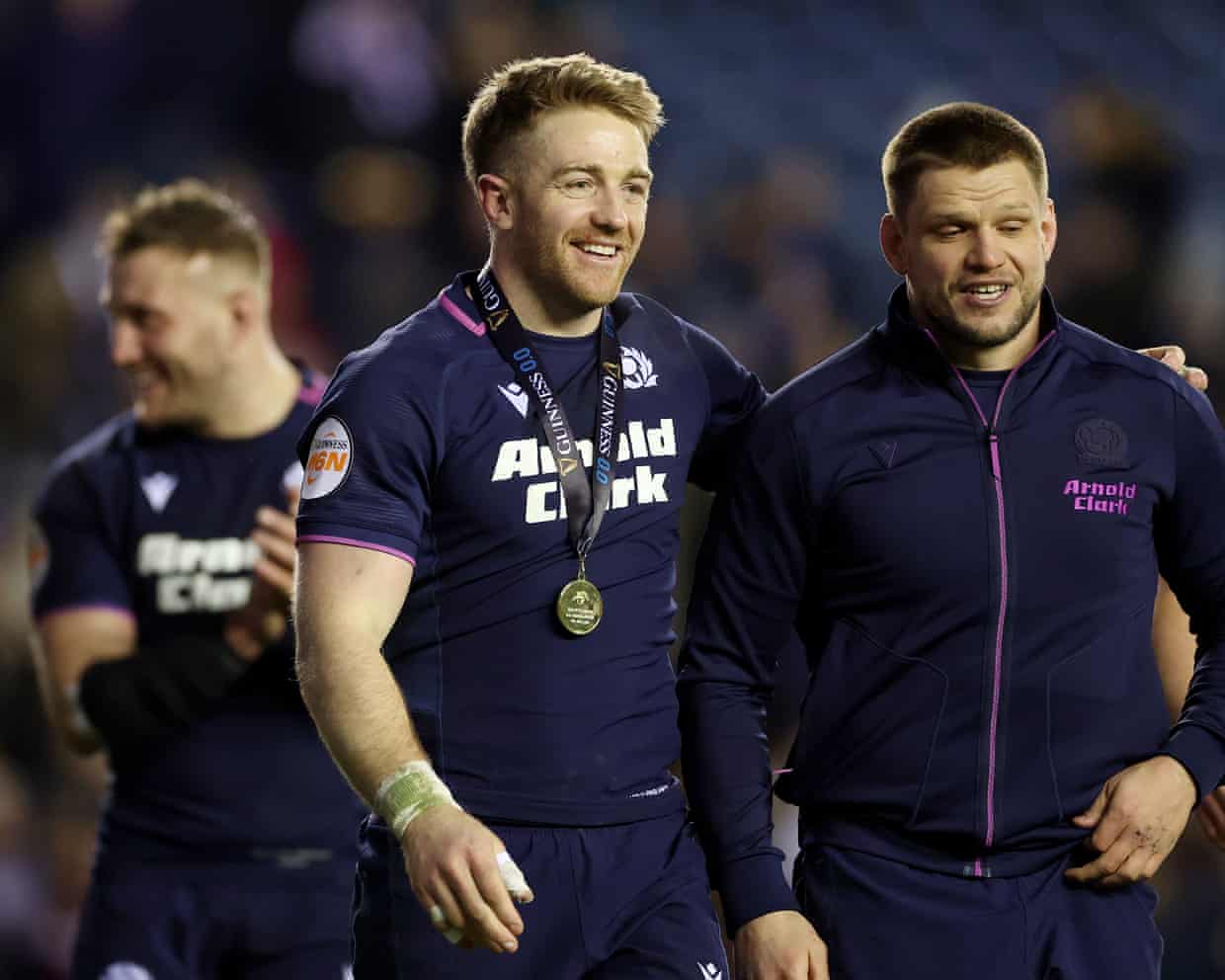
Scotland 31-20 England: Six Nations player ratings from Murrayfield