Squeaky bum time? How Team GB can save Winter Olympics despite slow start | Sean Ingle
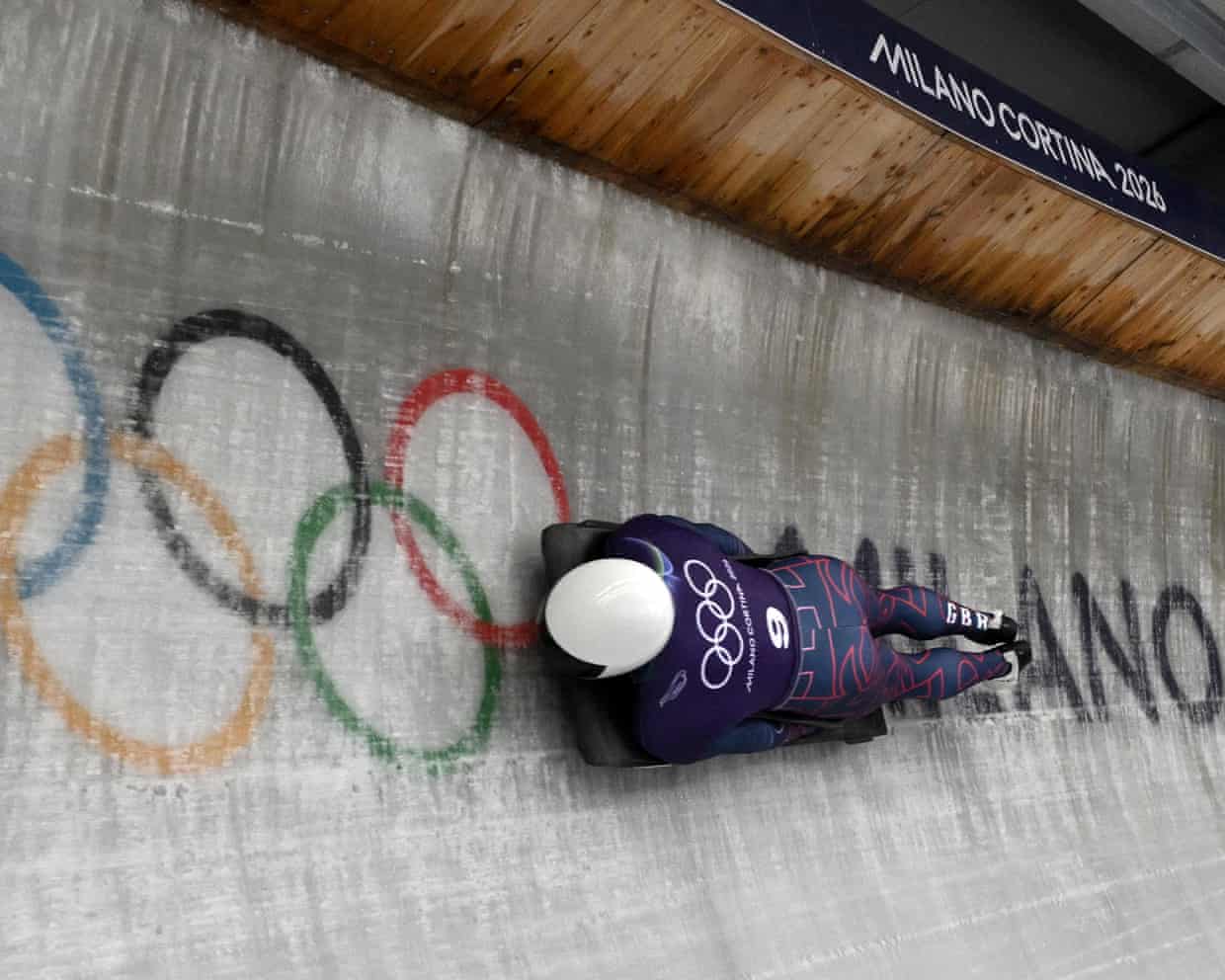
Still the wait goes on.When Britain arrived in Milano Cortina there was heady talk of the country having one of its “most potent ever teams” for a Winter Olympics.So far, though, Team GB is still firing blanks.It is not for the want of trying.Kirsty Muir missed out on a freeski slopestyle bronze by 0.
41 points.Mia Brookes came impossibly close to making the biggest trick in Olympic big air snowboard history.While Britain’s mixed curlers, having coasted regally through the group stages, their mojo went awol when it mattered most.Less than 48 hours ago, there were high hopes for three medals on Magic Monday.Now the dominant narrative is of heartbreak and pain, tears and tales of what might have been.
No wonder Team GB’s chef de mission, Eve Muirhead, has urged everyone to “stay positive” after three fourth-place finishes in barely 24 hours,But the fact she used the phrase four times in four answers, when speaking to the media after Bruce Mouat and Jen Dodds’ bronze-medal defeat against Italy, suggested she was trying to convince herself as much as anyone else,So will it be squeaky bum time at UK Sport, which has invested £25,5m across winter sports for the 2022-26 cycle, and set a goal of four to eight medals? Not yet,Because while medal opportunities have slipped by, even more remain.
Part of that confidence comes down to believing that the variance that has gone against them so far must shift at some point.Yes, Britain expected at least one medal from the three chances they had earlier in the week.But if you spin a coin three times hoping for heads, there is still a 12.5% chance you get three tails instead.And that is what essentially happened.
As Muirhead put it on Tuesday: “We always speak about winter sports and how it comes down to absolutely nothing and I think the last couple of days has been a prime example of that, hasn’t it? Millimetres, milliseconds.But you know what, I’m really kind of, I’m positive.We are only on day four and there’s a lot of great events to come.”One longtime Team GB figure said that Muirhead’s view reflected the “realistic optimism” in the camp, with the team acknowledging the setbacks but also noting that multiple athletes had already enjoyed best ever results, including the likes of Ellia Smeding, who finished 11th in the women’s 1000m long track.More importantly, the British camp still believe they have several aces left to play.
The biggest comes in skeleton, an event where Team GB spend far more than their rivals, allowing them to have far more aerodynamic sleds and kit – a huge advantage.Think of it like Formula One.While Team GB has the equivalent of a McLaren, most of their rivals are in a Williams or Kick Sauber.Does it guarantee a place on the podium? Of course not.But it certainly doesn’t hurt their chances.
While the British team’s new helmet was banned last week, the indications from practice are enormously positive.Matt Weston – who has won five of the seven men’s World Cup races this season – has been fastest in three of the four runs so far.In the women’s event, Tabitha Stoecker has finished first in practice twice, and second on the other two runs.If sledders like Marcus Wyatt can discover their best form, it is not inconceivable that the skeleton team could get close to the lower part of UK Sport’s medal target all by themselves.The medal chances don’t end there either.
In the women’s snowboard cross, Charlotte Bankes is the favourite.Team GB’s men’s curlers, who won silver four years ago in Beijing, are the world No 1’s team according to the curling statistician Ken Pomeroy.With Britain still having Brookes going in her best event, the snowboard slopestyle, and Kirsty Muir in the freeski big air, and world champion Zoe Atkin in the freeski halfpipe, you can see why Team GB’s message is ‘don’t panic’.The hope is the comeback could start as soon as Wednesday evening when the ice dance competition reaches its denouement, with Lilah Fear and Lewis Gibson in fourth place.“We need to start building a little bit of momentum and I think we definitely can do that,” Muirhead says.
“We’ve got to keep positive.” And why not, given there are still 12 days to go.
People with obesity 70% more likely to be hospitalised by or die from infection, study finds
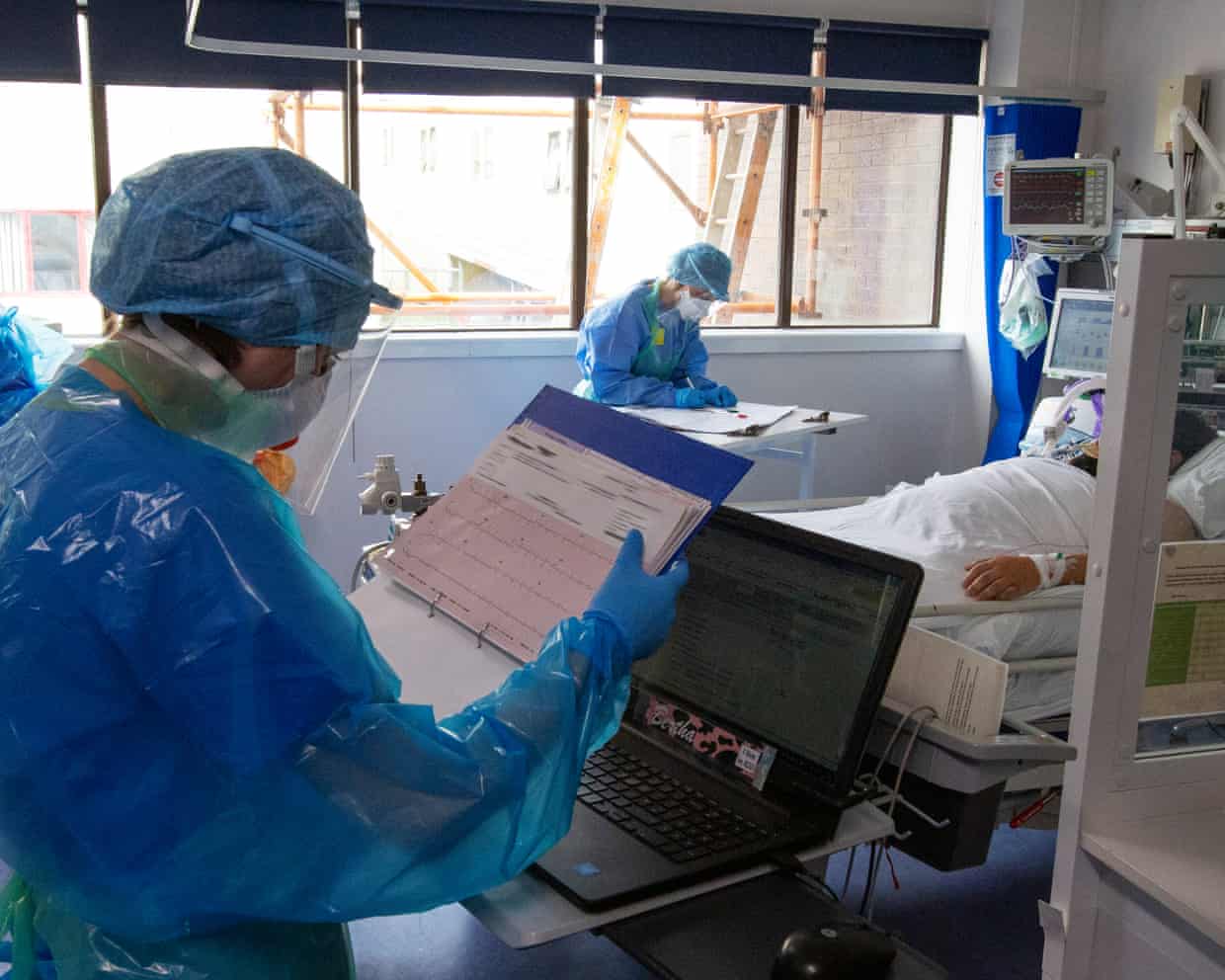
People living with obesity are 70% more likely to be hospitalised by or die from an infection, with one in 10 infection-related deaths globally linked to the condition, research suggests.Being an unhealthy weight significantly increases the risk of severe illness and death from most infectious diseases, including flu, pneumonia, gastroenteritis, urinary tract infections and Covid-19, according to a study of more than 500,000 people.Obesity may already be a factor in as many as 600,000 of 5.4 million deaths (11%) from infectious diseases every year, researchers found.The study’s first author, Dr Solja Nyberg, of the University of Helsinki, said the problem could worsen

Government’s top welfare official to step down
The government’s top welfare official is to step down after weeks of fierce criticism of his department’s handling of a longstanding benefits failure that plunged thousands into debt and became known as the carer’s allowance scandal.Sir Peter Schofield, the permanent secretary at the Department for Work and Pensions, announced to staff on Monday that he is to step down in July for personal reasons.The DWP has come under increasing scrutiny since a Guardian investigation revealed leadership shortcomings unfairly landed thousands of unpaid carers with hefty bills – and in some cases fraud convictions – for carer’s allowance overpayments.The impact on carers caused public outrage and was likened to the Post Office scandal. Some carers reported suicidal thoughts after they were caught up in a system one described as like being “at the whim of a faceless machine”
Almost 70% of NHS areas in England offer only one cycle of IVF, data shows
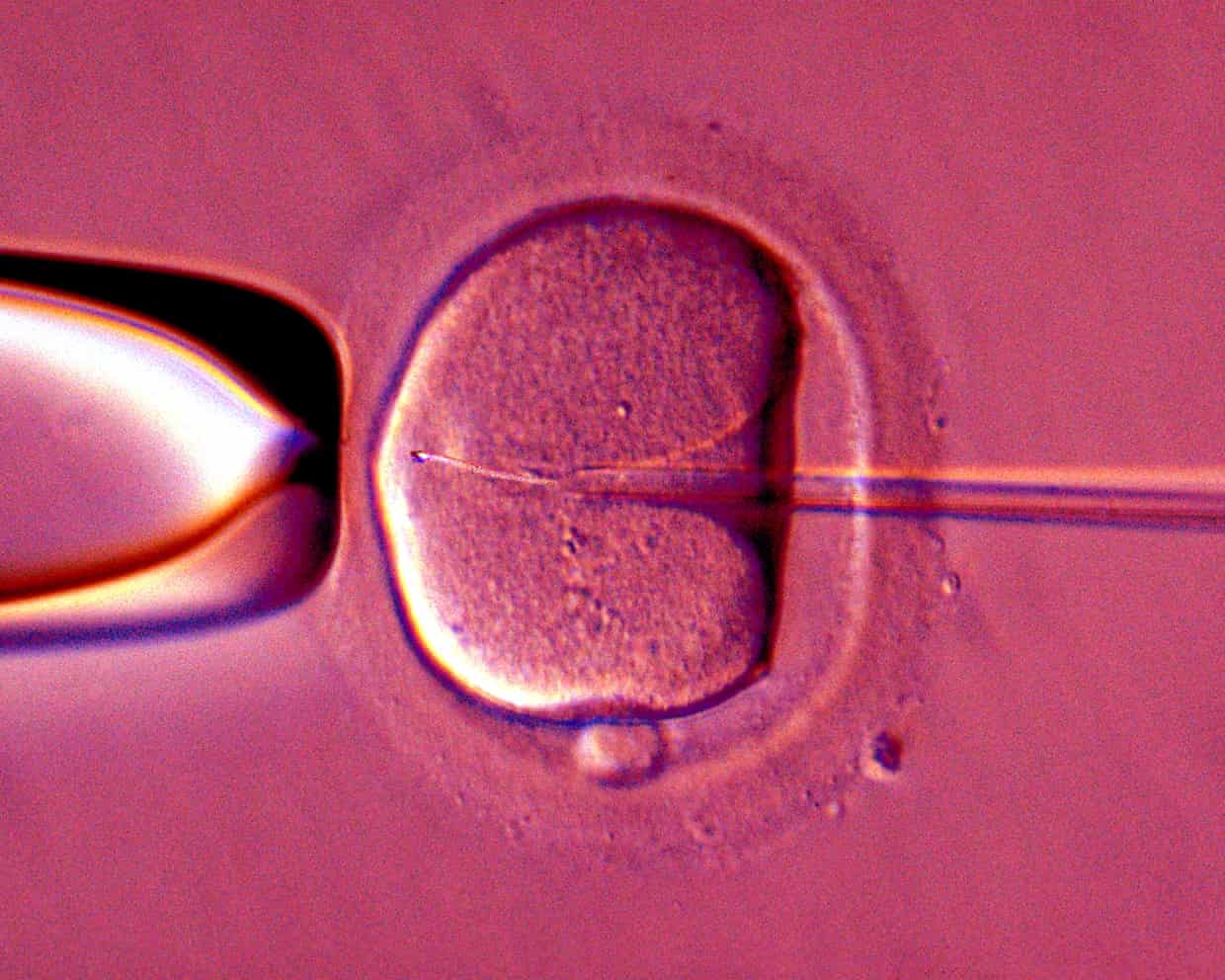
Millions of women in England are able to access only one round of IVF on the NHS because of health authority cutbacks and in contravention of official policy, research from a fertility charity has shown.Nearly 70% of local areas fund just one cycle for women under 40 who have been unable to conceive for two years, rather than the three full cycles they should be offered in line with official guidance, according to data collected by the Progress Educational Trust (PET).Twenty-nine of the 42 integrated care boards (ICBs), which control NHS budgets locally, now offer only the one round, after four reduced access in the past year.Sarah Norcross, the director of PET, said the impact was “devastating” for those couples who were struggling with infertility.“Infertility is already incredibly stressful for people, and it puts them under even more pressure, because there is so much riding on whether that one NHS-funded cycle is going to work

A new town for the 21st century? Seven-village build to begin after 20-year journey
After two decades of legal wrangling and planning bottlenecks, the first bricks will finally be laid on a project being hailed by developers as the blueprint for the future of community building in Britain.Gilston in east Hertfordshire will be transformed into a network of seven interconnected villages, comprising 10,000 new homes nestled within a sprawling 660-hectare (1,630-acre) landscape of country parks and woodland.Greg Reed, the chief executive of Places for People (PfP), the social enterprise leading the development, said the timeline of the project served as a reminder of the sluggishness of the UK planning system.“PfP’s journey with Gilston started at the same time my 20-year-old son was born,” Reed says. “I was thinking about all the things that have happened in his life … and it’s a bit depressing
England’s poorest areas have 70% more vape shops and bookmakers than wealthier ones
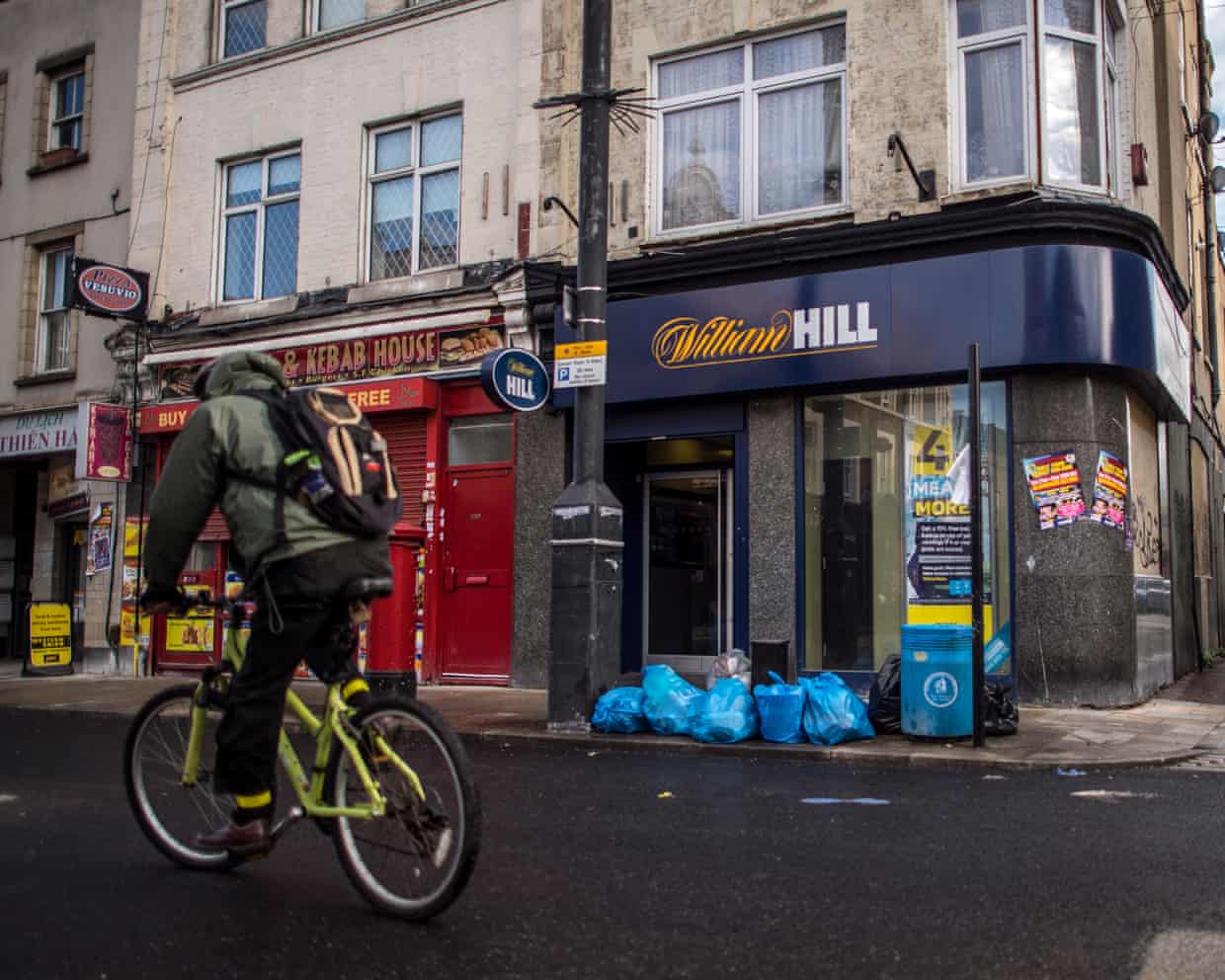
England’s poorest communities have 70% more vape shops, off-licences and bookmakers than wealthier ones and far fewer cafes and gyms, a study has found.The Independent Commission on Neighbourhoods (Icon), chaired by the Labour peer Hilary Armstrong, said ministers risked overlooking vitally important neighbourhood shopping precincts by focusing on town centres. In deprived areas, local shops have roughly double the number of retailers selling unhealthy food and significantly higher vacancy rates, its research has found.Tackling Britain’s struggling high streets is one of the main missions of Keir Starmer’s government. In a speech last week – overshadowed by the Peter Mandelson scandal – the prime minister announced an expansion of the £5bn “pride in place” programme of investing in 284 areas across the UK
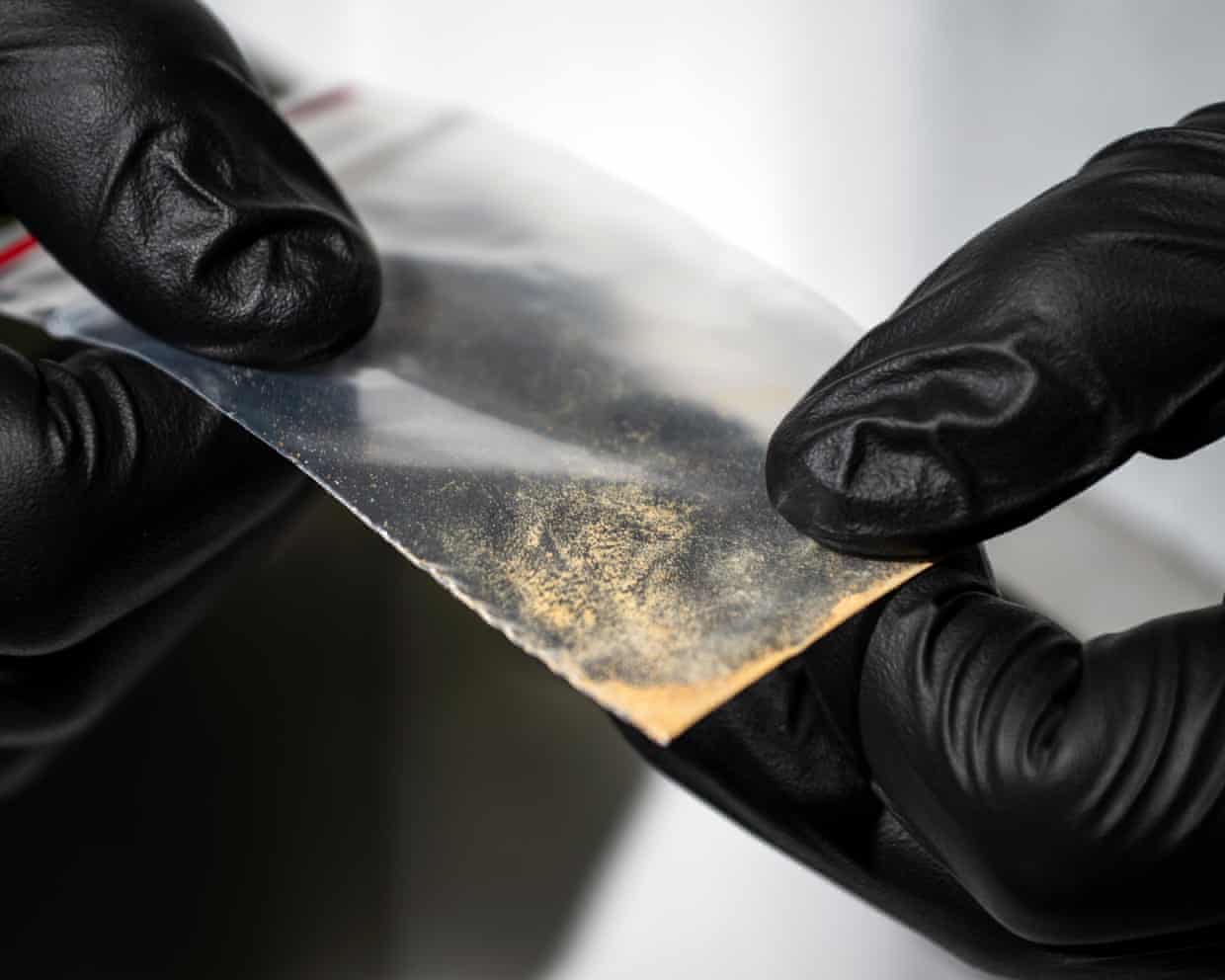
Synthetic opioids may have caused hundreds more UK deaths than thought
Deaths caused by a synthetic opioid that is hundreds of times stronger than heroin may have been underestimated by up to a third across the UK, according to research.Nitazenes are a class of synthetic opioids that are extremely potent, and up to 500 times stronger than heroin. They were manufactured originally as a painkiller in the 1950s but their development was halted due to their extreme potencies resulting in a high risk of addiction.In 2024, the National Crime Agency (NCA) reported that 333 fatalities across the UK were linked to the drug. However, researchers at King’s College London say that the true number of deaths may have been underreported, due to concerns that samples of the drug are likely being missed in postmortem toxicology tests
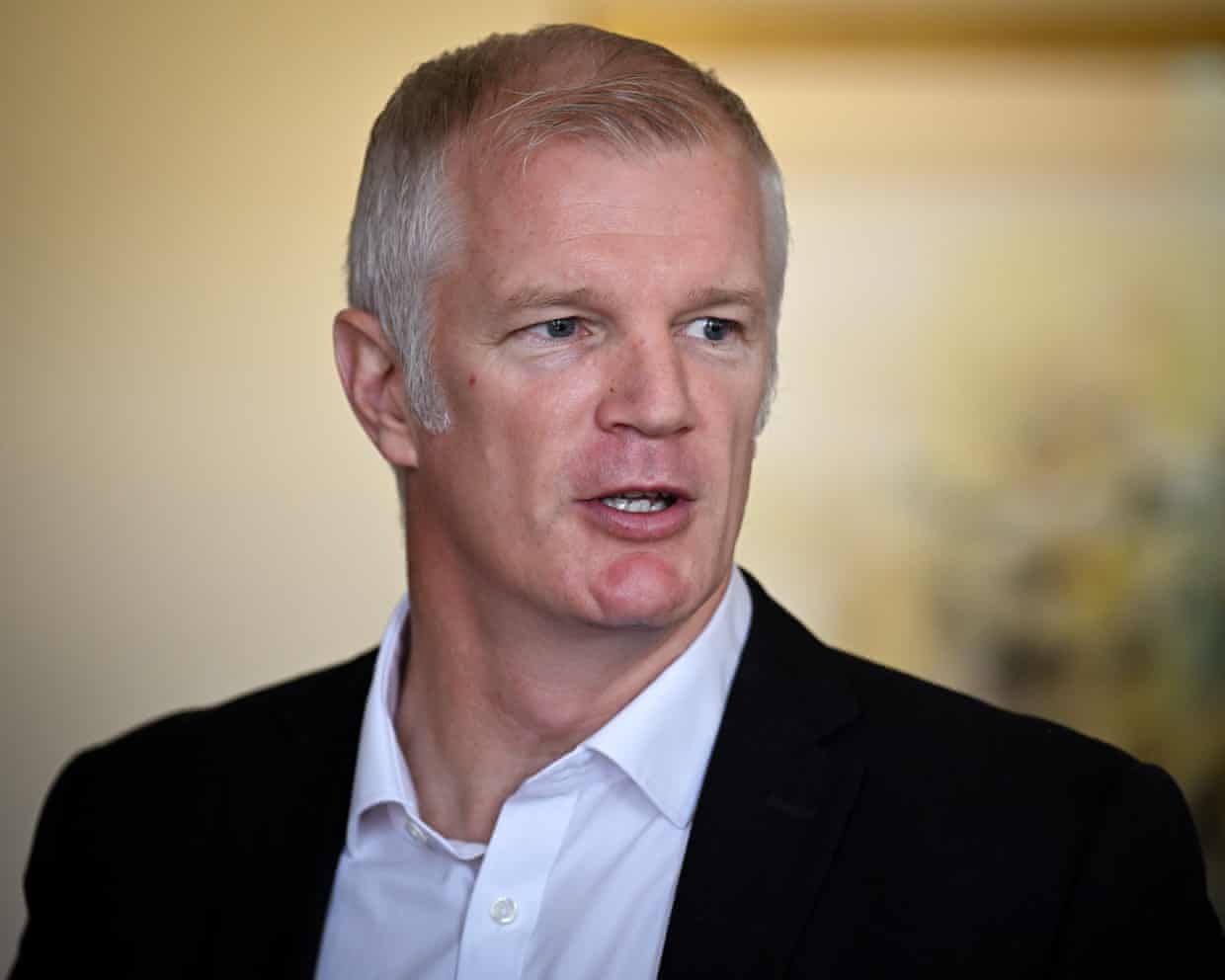
Alistair Carns: Labour’s ex-marine who ‘would be a nightmare’ for the Tories
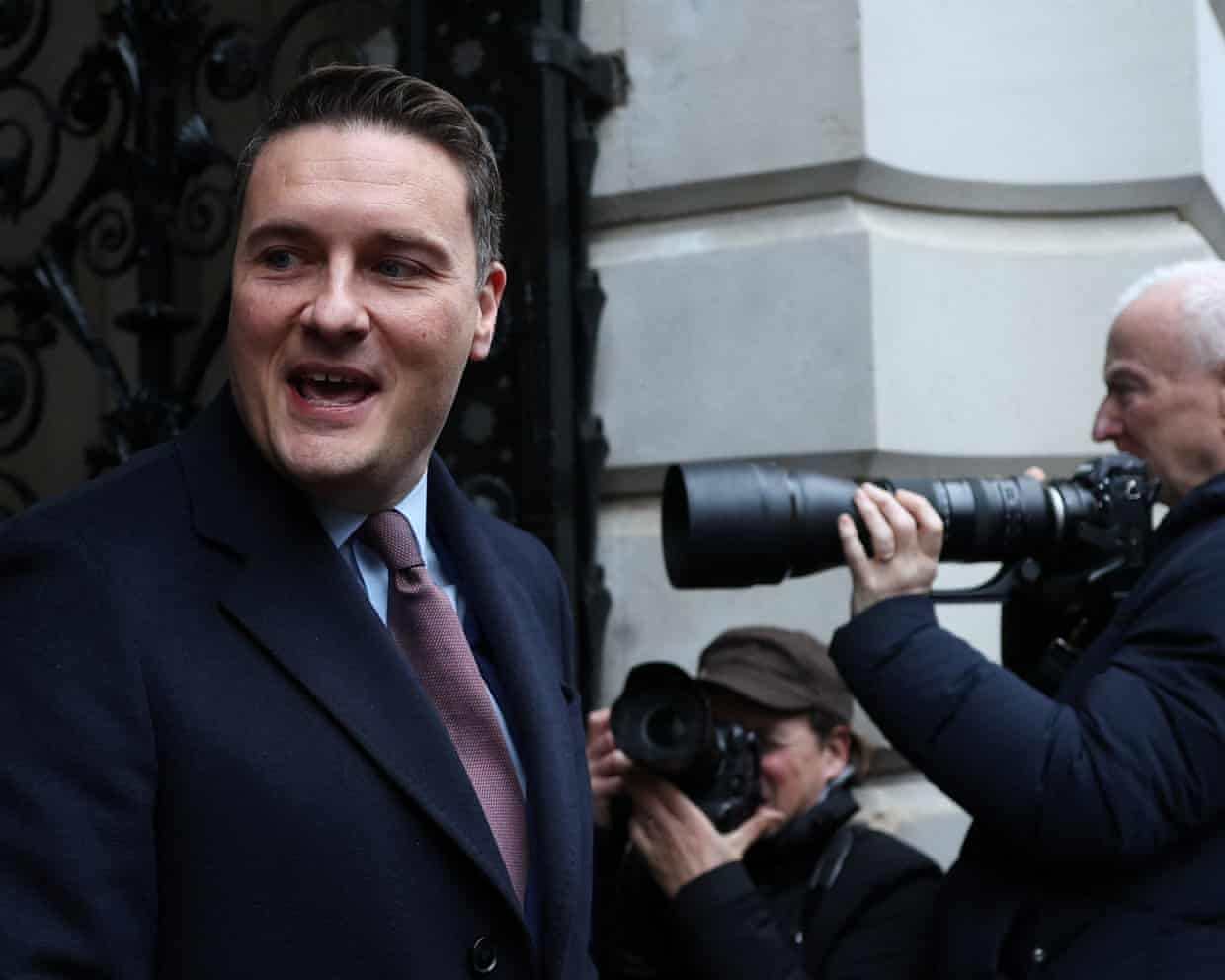
Ministers warned not to copy Wes Streeting’s release of messages with Peter Mandelson

UK signed deals with US firms that were clients of Mandelson lobbying company
Who could fill key No 10 vacancies – and win the battle for Starmer’s ear?

Starmer says he ‘will never walk away’ as Burnham joins Labour figures backing PM – as it happened

Steady Ed conjours up a Keir in his own image – complete with fake steering wheel | John Crace