Intimate and enormous: Milano Cortina opening ceremony tries something different
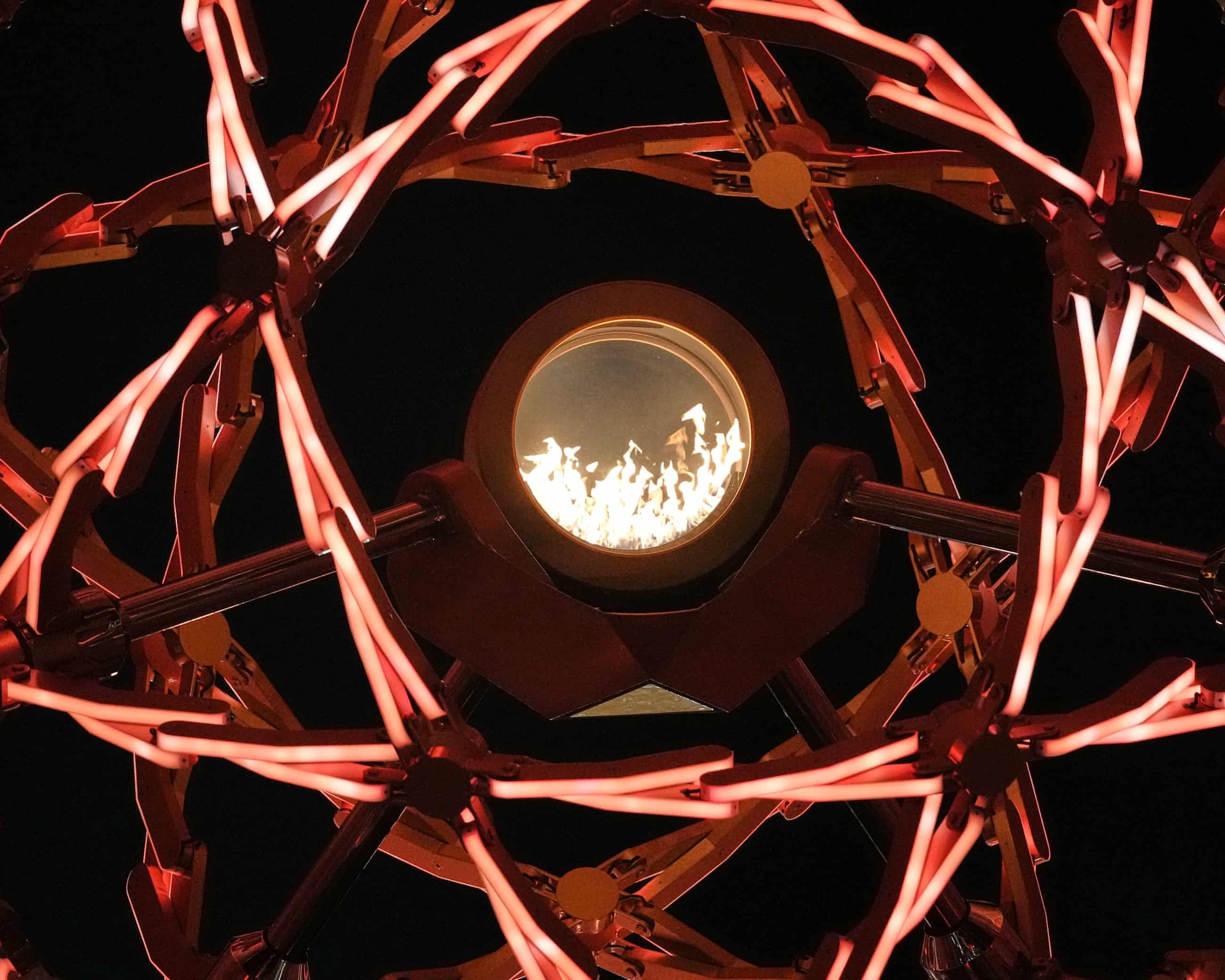
The showpiece to kick off the Games happened across multiple venues but politics and protests were also presentThe most striking thing about the opening ceremony isn’t a single prop, celebrity cameo or piece of choreography: it’s the geography.For the first time, an Olympic opening ceremony in effect happened across multiple live venues all at once, with Milan, Cortina, Livigno and Predazzo linked into one narrative structure.It felt less like a show in a stadium and more like watching a country perform itself in real time.The organising concept – “Armonia”, the idea that different elements can move together without losing their identity – isn’t just branding.It shapes how the ceremony actually functioned.
Sitting in San Siro, you’re constantly aware that somewhere else, at that exact moment, another piece of the story is unfolding.It created a strange sense of scale: intimate and enormous at once.In an era when global attention is fragmented across screens and platforms, Italy staged the opposite – a ceremony built on simultaneity, connection and shared rhythm.Instead of the usual slow-motion lap of a single stadium – the emotional endurance test that most ceremonies turn into – the parade here was deliberately fractured.Ice athletes appeared in Milan, freestyle and snowboard athletes in Livigno, Nordic athletes in Predazzo, and sliding and biathlon athletes in Cortina.
Logistically, it reduced travel,Emotionally, it changed the rhythm,You lose the slow, building crescendo of delegations marching into one space, but gain something more intimate and modern – almost like watching four opening ceremonies stitched into one broadcast,It also felt unmistakably Italian in execution,The visual design leans hard into aesthetics: banners styled to resemble blocks of ice, uniforms pulling as much from fashion logic as sports tradition.
The result is less “march of nations” and more curated visual sequence.It didn’t have the overwhelming, wall-of-flags impact of a single stadium parade, but it replaced it with something arguably closer to how global sport actually is now: distributed, simultaneous and networked.The Olympics always deliver two specific pleasures: the dopamine hit of suddenly caring about sports you didn’t know existed and the spectacle of athletes walking out in national kit that doubles as soft power.On Friday night, you could feel the second one happening in real time.Italy’s team drew one of the loudest reactions, the snow-white EA7 Emporio Armani uniforms – among the last projects tied to Giorgio Armani, who died in September aged 91 – catching the stadium floodlights.
The US followed in Ralph Lauren’s polished winter Americana: flag knits, winter whites, instantly recognisable.Mongolia’s opening-ceremony looks, designed by Goyol Cashmere, were among the most buzzed-about: heavy ceremonial silhouettes rooted in traditional deels, fur-trimmed and historic rather than technical.Haiti’s Stella Jean-designed uniforms drew more curiosity and conversation, the original concept featuring revolutionary leader Toussaint Louverture before Olympic rules barring political symbolism forced a redesign around his galloping horse.It’s the second straight Olympics to be staged in a fashion capital and brands are not shying away from the ridiculously high bar set at the Paris Games two years ago.There had been quiet concern all week that the American delegation – or the politicians attached to it – might draw a hostile reception, after reports of US security analysts linked to Immigration and Customs Enforcement operating around the Games collided with broader tensions over Washington’s foreign policy posture.
For most of Friday night, those fears looked overblown.The US athletes received a full-throated welcome when the enormous delegation entered San Siro, the kind of roar reserved for medal favorites and host nations.But moments later, a routine cutaway to US vice-president JD Vance and second lady Usha Vance drew an unmistakable wave of boos from large swaths of the crowd.The shot lasted barely three seconds before returning to the athletes below, but it was long enough to change the temperature inside the stadium.Earlier, a smattering of boos met Israel’s four representatives, amid calls in some quarters for Israel to be banned over the Gaza war that followed Hamas’s deadly October 2023 attack.
The Olympics sell the promise of unity.The crowd, briefly, sounded unconvinced.A few blocks from the choreography, a different kind of gathering was taking shape.In a square near San Siro, a few hundred demonstrators – including public-housing tenants, student activists and campaigners from Il Comitato Insostenibili Olimpiadi (Unsustainable Olympics Committee) – staged a protest aimed less at the ceremony itself than what it represents.Some carried banners accusing the government of prioritising Olympic spending over affordable housing and public services, alongside an “anti-Olympic torch” parodying the official relay.
Others focused on broader geopolitical grievances, with chants critical of Israel and supportive of Palestinians cutting through whistles and flares.The mood felt organised rather than chaotic: more civic rally than flashpoint, with the march proceeding peacefully despite heavy security and street closures around the stadium.The protests are part of a wider drumbeat that has followed the Games into Milan, from environmental demonstrations targeting Olympic sponsors to marches opposing reported US security coordination and the presence of American immigration agents tied to athlete protection.For most fans heading toward the stadium, it was background noise.But it was a reminder of a constant Olympic truth: the ceremony tells one story about a host city.
The streets usually tell another.

Stephen Colbert: ‘Trump would eat a bicycle tire if you put it on a bun’
On Thursday night, Stephen Colbert responded to White House adviser Paula White-Cain’s claims that Donald Trump is “the GOAT”, while Jimmy Kimmel and Seth Meyers addressed ICE and Jeffrey Epstein.Over on the Late Show, Colbert turned his attention to Trump’s appearance at the national prayer breakfast and his speech at the Washington Hilton hotel. Or as Colbert called the president’s 77-minute address, “special material just for the prayer munchers”.Ahead of his remarks, Trump was introduced by White-Cain, the White House senior adviser who Colbert called a “haunted Bloomingdale’s mannequin”. White-Cain introduced the president as “the GOAT: the greatest of all time”

Aacta awards 2026: horror film Bring Her Back and Jacob Elordi win big at Australian film and TV prizes
Bring Her Back has dominated at the 2026 Aacta (Australian Academy of Cinema and Television Arts) awards, winning 10 of 16 nominations, while Jacob Elordi has continued his recent awards buzz by taking home best lead actor for his performance in The Narrow Road to the Deep North.Bring Her Back, Danny and Michael Philippou’s horror-thriller about a sinister foster mother, emerged as the most awarded film of the night with 10 wins. This marks a major milestone for the Adelaide brothers, surpassing the eight awards they won for their 2024 global breakout, Talk to Me.Bring Her Back won best direction, best film, best leading actress in a film for Sally Hawkins and almost every technical category, including cinematography, editing, original score, sound, costume design, hair and makeup, and casting.Fresh from his Critics’ Choice Movie awards win for his portrayal of the Creature in Guillermo del Toro’s Frankenstein, Elordi won best lead actor in a drama for his portrayal of army surgeon Dorrigo Evans in the screen adaptation of Richard Flanagan’s Booker prize-winning novel The Narrow Road to the Deep North
Volcanic vulvas and hermaphrodite marble: Ovid’s Metamorphoses reshaped at the Rijksmuseum
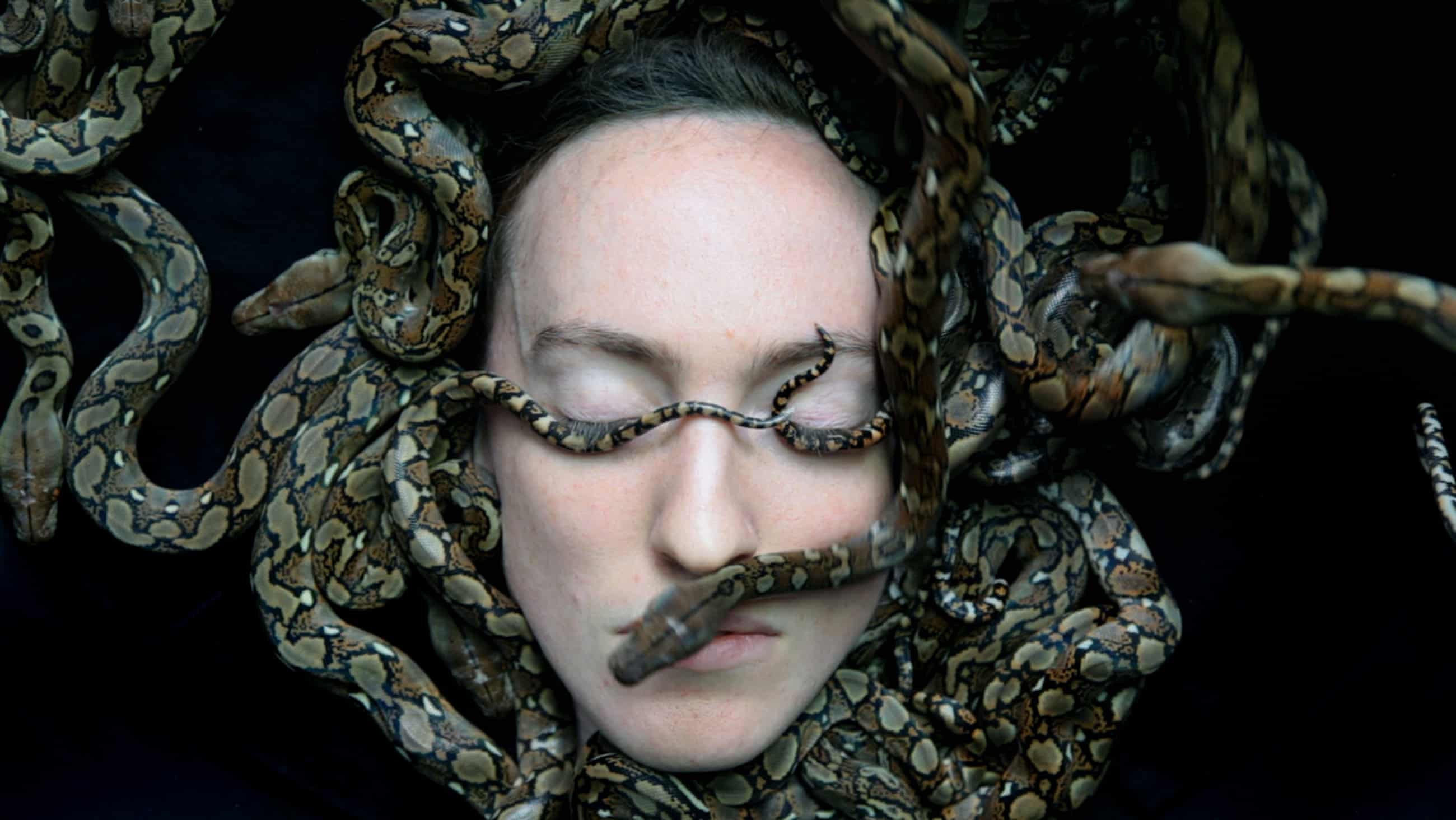
Artists from Bernini to Louise Bourgeois are brought together in a new exhibition exploring the uncomfortable erotic parables of the ancient Roman poetOn three massive screens in a darkened room, snakes glide over the face of artist Juul Kraijer – covering her eyes, caressing her lips. She is the silent but terrifying snake-headed Medusa, and one of the surprises in an exhibition at the Rijksmuseum in Amsterdam revolving around Greek and Roman myths.While the show features rarely lent works from masters such as Caravaggio, Bernini, Rodin and Brâncuși, it marries them with modern artists who reinterpret the legends where male gods do all they can to get their wicked way and the powerless are punished. Transgender bodies, bare breasts and even a volcanic vulva appear in artworks inspired by Roman poet Ovid’s masterpiece, Metamorphoses.Taco Dibbits, general director of the Rijksmuseum, believes the 200 myths and legends from this ancient epic poem still speak to our uncertain times

Seth Meyers on Trump skipping the Super Bowl: ‘Of course he is worried about getting booed’
Late-night hosts looked into Donald Trump’s excuses for not attending a Super Bowl where he would be booed and the dubious audience scores for the Melania documentary.With the Super Bowl just days away, Seth Meyers looked into why Donald Trump, usually one for attention, does not plan to be in attendance. “Given Trump’s love of football and attention, you might have expected him to show up to the Super Bowl on Sunday, especially since he went to last year’s Super Bowl,” the Late Night host said.But Trump has told reporters that he won’t attend the game because it will be played in Santa Clara, California, outside San Francisco, which is “just too far away”, though he acknowledged that he had received “great hands [at] the Super Bowl. They like me,” he said, adding that he “would go if, you know, it was a little bit shorter”
‘One of the most stunning sights in the country’: your picks for UK town of culture
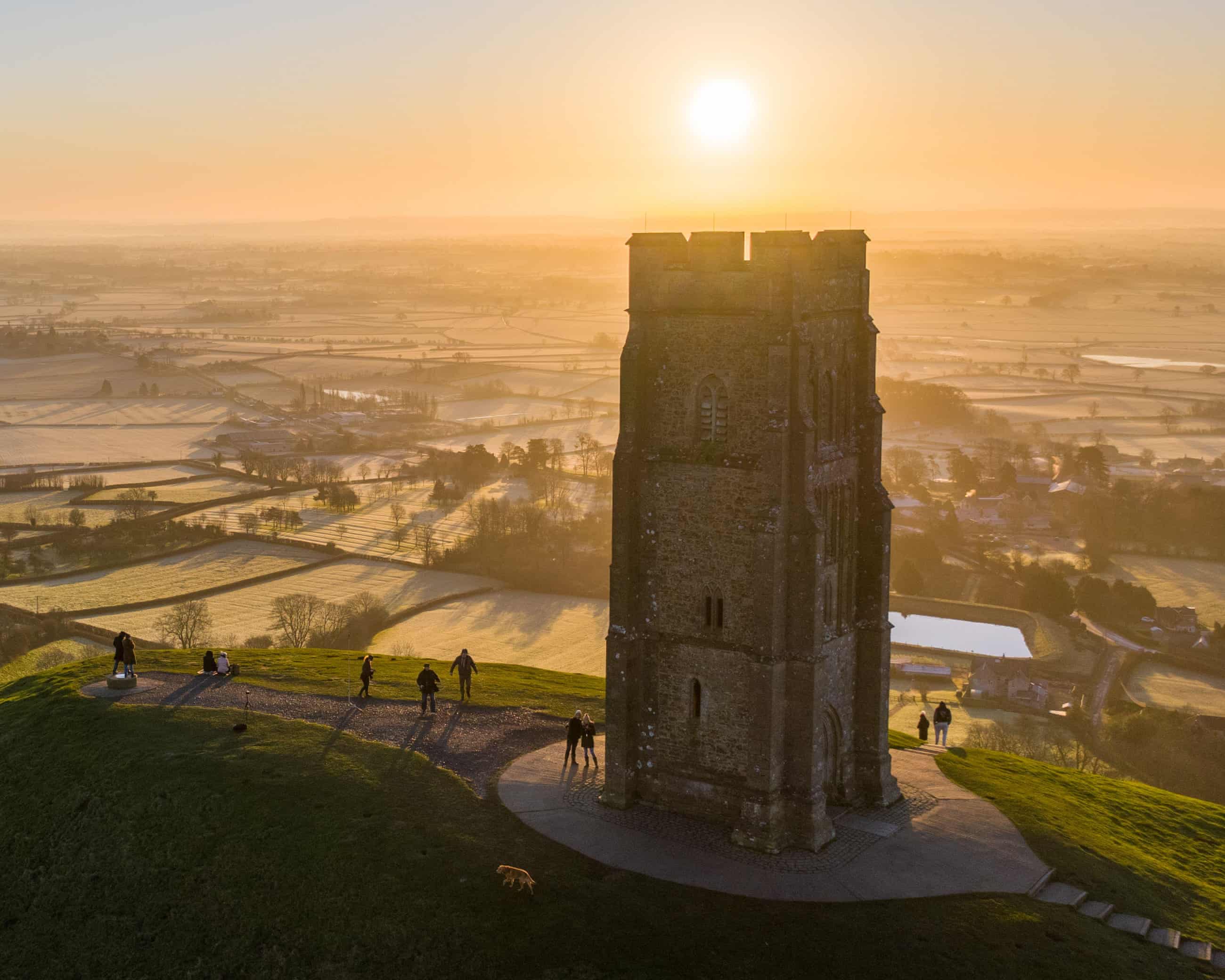
From pirates and skateboarders in Hastings to legends and locks in Devizes, from dolphins in Scarborough to the ‘artists’ town’ of Kirkcudbright, readers put forward their favourite placesCulture secretary Lisa Nandy has launched a search for the UK’s first “town of culture”, similar to the city of culture programme, which honoured Bradford last year. After the Guardian’s writers nominated theirs – including Ramsgate in Kent, Falmouth in Cornwall, Abergavenny in Monmouthshire and Portobello in Edinburgh – we asked readers which UK towns they would put forward.Culture in Hastings grows out of the shingle and the wind and the friction between past and present. You can feel it in the fishing fleet hauled up on the beach, still part of daily life, and then a short walk away in bold contemporary spaces showing work that speaks far beyond the town. It shows up in events that belong to the people who live there; Jack in the Green spilling through the streets; Pirate Day turning the whole place into a shared act of play; music competitions that quietly bring international talent into a town that never pretends to be grand
‘It’s an opportunity for bonding’ – my quest to become a Black dad who can do his daughters’ hair
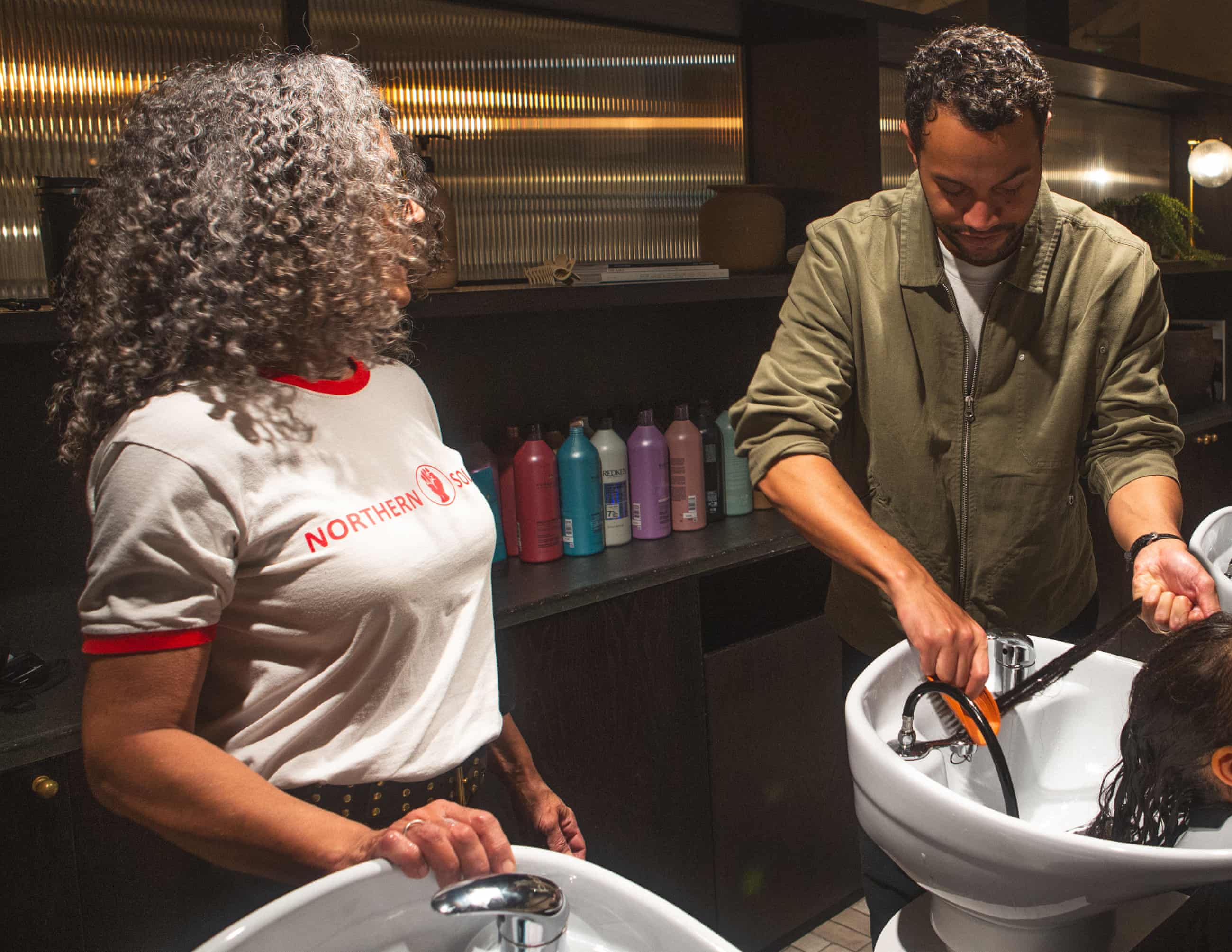
For me – and many other Black men – my experience of hair begins and ends in the barbershop. But as my two daughters get older, I’m determined to make ‘salon night’ pain free – and maybe even enjoyable The Guardian’s journalism is independent. We will earn a commission if you buy something through an affiliate link. Learn more.In the basement of Larry King’s salon in Marylebone, London, stylist and curly hair advocate Jennie Roberts is giving me a much-needed pep talk
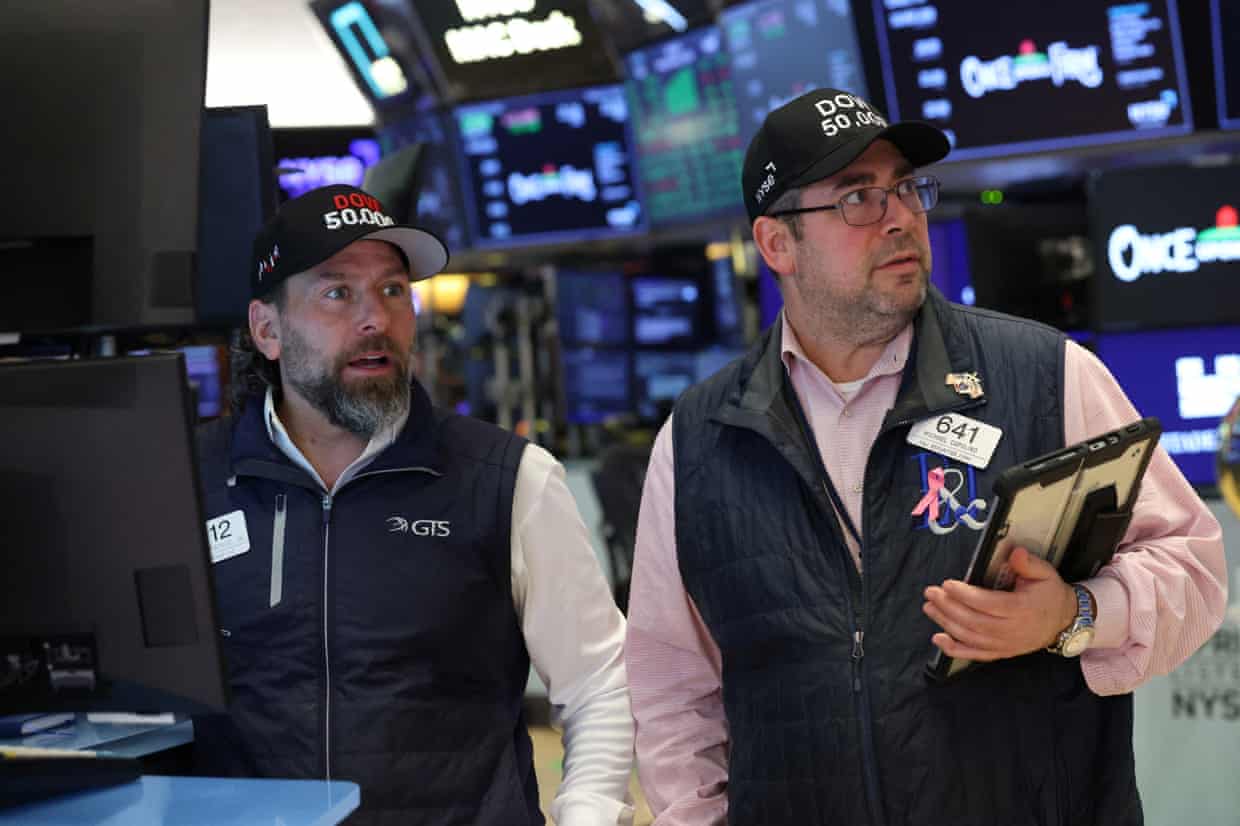
Dow Jones hits 50,000 milestone amid tech gains and hopes of lower interest rates

Amazon shares tumble as $200bn AI rollout plan worries markets – as it happened

Why has Elon Musk merged his rocket company with his AI startup?
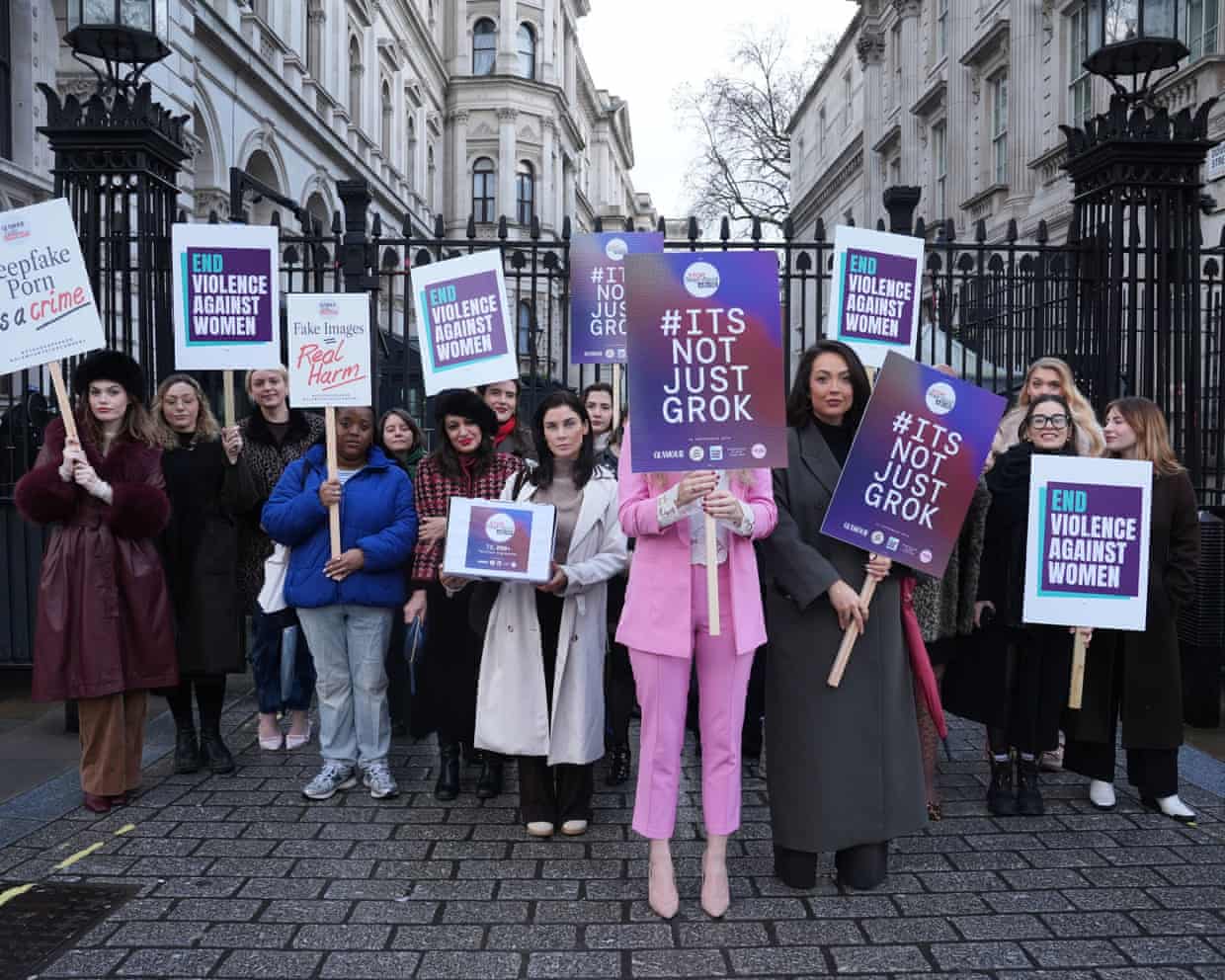
Victims urge tougher action on deepfake abuse as new law comes into force
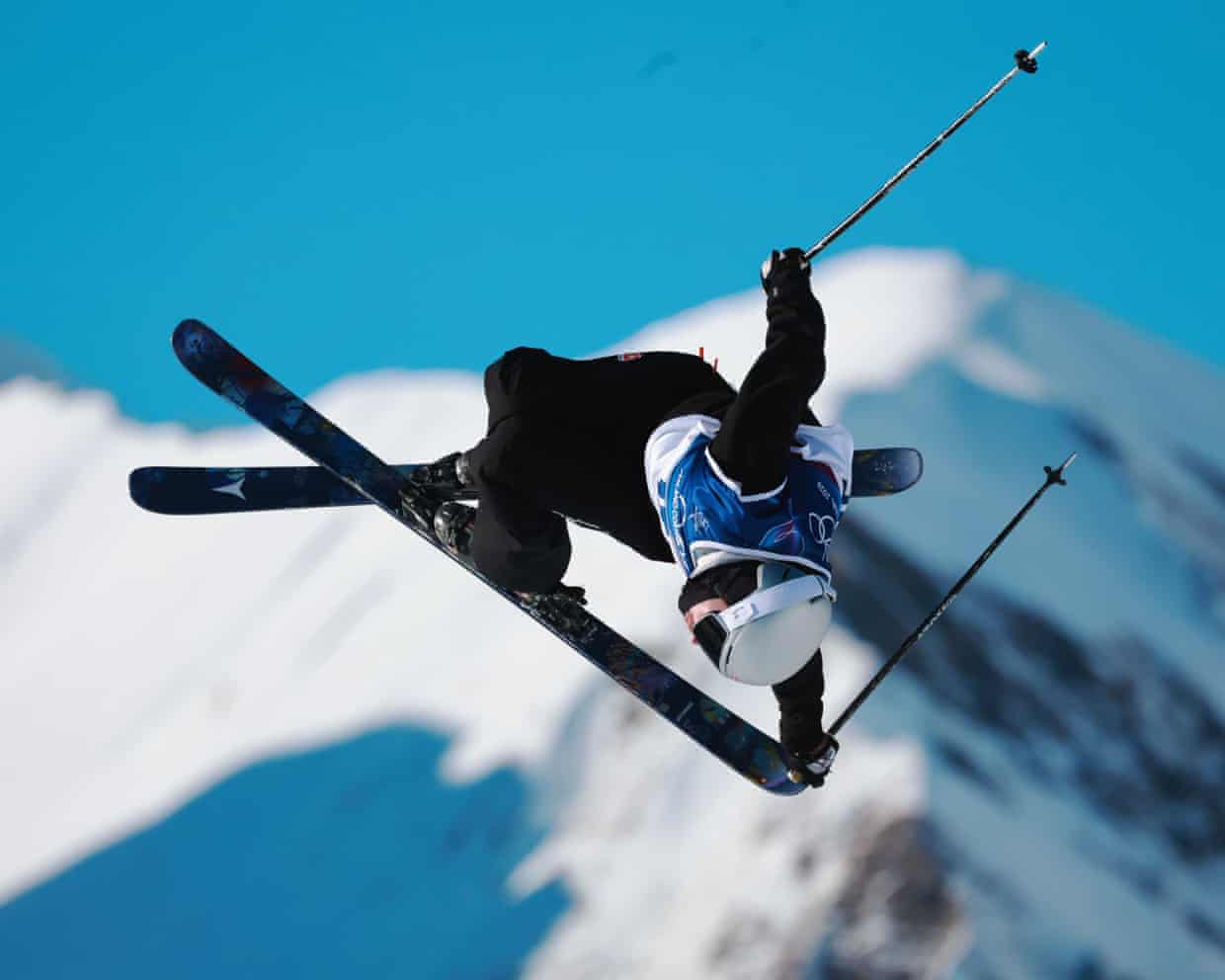
Winter Olympics 2026: first gold to Swiss, GB await helmets verdict, slopestyle and more – live

Italy v Scotland: Six Nations 2026 rugby union updates – live