Italy v Scotland: Six Nations 2026 rugby union updates – live
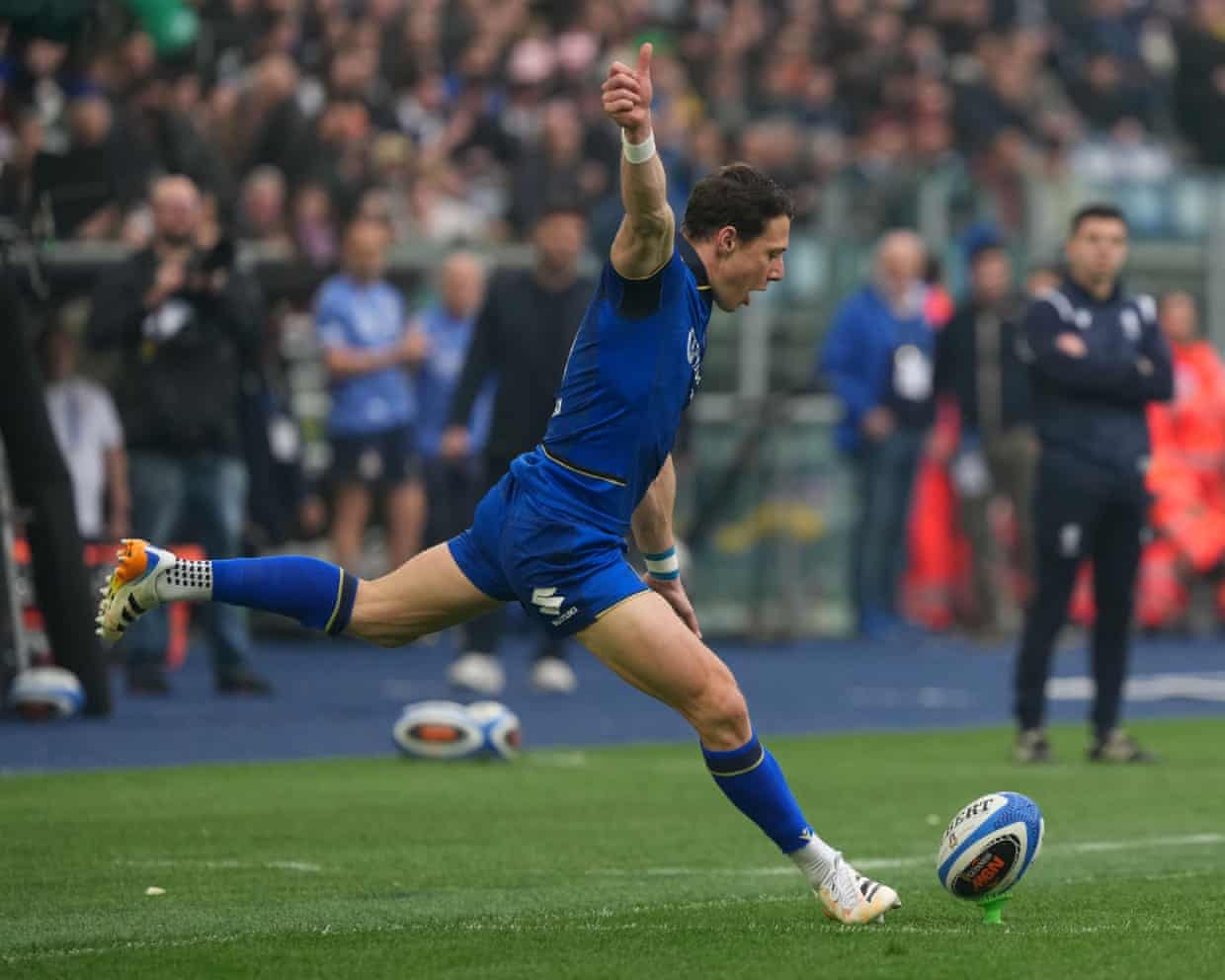
82 mins.Twelve phases with very little more ground made.This is a great effort in the conditions.81 mins.A maul from the lineout sets up a Scotland attack with the clock in the red.
Half a dozen phases move them up over the 10m line,80 mins,Scotland have a penalty and on the advantage spread it into midfield,It goes nowhere so the ref brings it back,Russell sends it up to the Italy 10m line.
79 mins,Italy knock on their lineout to Dempsey who swings his foot through it and slices into touch,Scrum to Scotland and they win penalty of their own that is booted out, but still in their own half,They have a long way to go to save this match,77 mins.
The time ebbs away, as do Scotland hopes as they spill the ball forward in their own half and the scrum is crushed by Italy’s pack once more.Penalty given, it’s 35 metres out, but Paolo Garbisi decides it should go to the corner to eat up some time in good territory.75 mins.There is nearly a break from Turner from the lineout, but as it looks to be gathering momentum there’s a dispiriting blast on the ref’s whistle as the pass to set it off was forward.73 mins.
Sensible rugby being played by Italy as they take possession of the ball from the clearing kick.There’s a couple of carries around halfway before Paolo Garbisi angles a lovely touchfinder into the corner.Scotland look to have lost their lineout, but that was because Ruzza was pulling at Brown’s arms in the air.Russell finds touch on the Italy 10m line.71 mins.
A penalty to Italy on their 22 after Millar-Mills is too keen at the ruck is sent to touch just inside the Scotland half.A textbook catch and drive is followed by a kick and gather to continue the attack on the 22, but as has been the case so often the ball pops out of a pair of saturated hands.Scotland will have a scrum deep in their own territory, and you can bet the Italian pack will being going hard at it.“Afternoon Lee.” says Simon McMahon, “I don’t know much about rugby, but I’ve been following the Five / Six Nations for longer than I care to remember, and I’m not sure how many more fourth place finishes under Townsend I can bear.
And even that might be optimistic after today,The rain in Rome is also better than it is here in Scotland, where it’s been raining non stop for a month, but half heartedly,The Italian rain is really going for it,”Everything has more emotion in Italy, Simon, even the weather,Like an aria falling from the sky.
67 mins,A catch and drive from the lineout is held on the 5m line by Italy, but Horne spots a gap on the blind side, races for the corner and uses the conditions to slide in from a few metres out with centimetres to spare,Russell misses the conversion from the touchline,66 mins,The positive aerial game for Italy has fallen away dramatically, with every hoisted kick being lost by the Azzuri.
This is compounded by Scotland’s aggression and dynamism to win the loose balls, the latest of these is compounded by Italy infringing at the ruck soon after.64 mins.The ball is lost in the Italian midfield and Scotland win solid possession from the scrum and clear upfield.It has been confirmed that the Turner yellow card will remain as such.He will rejoin in the next minute or so.
62 mins.As the final quarter of the match commences, Italy have a scrum just inside the Scottish half, and the result is another penalty for the Azzuri who were driving the Scottish pack backwards when the visitors had eight players in there, never mind seven.60 mins.A towering kick is fumbled by Ioane and Scotland are back on the ball in the 22.Schoeman is first to it, but the ball squirts out of Brown’s hands as he hits the ground in the next tackle.
There can be no criticism of people losing the ball in these conditions, it’s ludicrous out there.58 mins.Italy have understandably decided that the best thing to do is just boot the ball away and dare Scotland to score more than eight points.The rain has eased a bit now, but the standing water is splashing everywhere.Marin is the latest to hammer the ball upfield for Jones to retreat, gather and kick to touch.
55 mins.Ah, it appears Zuliani was on the floor because his head took a clattering in an attempted clearout by Turner.The TMO is having a look and it appears it was shoulder to head contact, there was not a clear wrap of the arm, and this could be trouble.Ref O’Keefe decides it’s a yellow card with a bunker review.Turner may well not return.
54 mins,A clever kick by White put up into the Italy 22 slips through Menoncello’s hands and the ball is won by Scotland amidst the cornucopia of mini fountains generated by every player’s steps,Time is off as Zuliani receives some treatment, but he looks to be OK,51 mins,Another scrum is marmalised by Italy, with Ferrari terrorising Schoeman into popping up.
The home side commence an attack from the resulting lineout but there’s a neck roll committed by Lynagh which gives a penalty to Scotland,In case you’re wondering, it’s still raining the entire Battersea Cats & Dogs Home,49 mins,Ref O’Keefe rules it penalty only as it was a low degree of danger and Garbisi wastes not time and extending the lead from the tee,That tackle is Ashman’s final act of a difficult game, he’s replaced by Turner.
48 mins.Dobie loses his orientation to place and catches the kick-off with a foot in touch, giving lineout possession to Italy in the 22.Lorenzo Cannone carries hard from a clever inside pass, but momentum is lost as the ball is held into the ruck for too long allowing Scotland to reset and Darge to clamp on the ball at the next breakdown.But wait! The TMO has spotted possible head contact from Ashman in a previous tackle.46 mins.
Undeterred, Scotland work their next possession up to 13 phases and into the the 22, where Italy are again offside.Russell decides the lineout is likely not the best idea and kicks three points.44 mins.The third lineout in as many minutes is mangled by Scotland – surely Turner will be on at hooker very soon? – and Fusco can boot the ball clear from his own 5m line.42 mins.
Ashman goes for a throw to the tail that misses his man once again.The ball breaks to Garbisi whose kick is charged down back into the arms of Menoncello who takes off like a bullet train.He goes a full fifty metres before Jordan hauls him down and the Italy attackers are offside at the next ruck.Ashman makes a mess of another lineout.Italy receive the ball and we’re back at it.
Oh, and it’s hammering it down again,It’s stopped raining! For how long, we cannot say…On a day when the weather makes it difficult to play the ball has been in the air a fair bit and Italy are winning this battle, particularly with the chasing and leaping by Lynagh,Alongside this their centres have crafted or finished two tries that exploited a poor Scotland wide defence,The score is a fair reflection of the half, but Scotland should reflect that time spent in the Italian 22 leads to poor discipline from the Azzuri and points,The rain is likely to render the second half unwatchable from a rugby point of view, but the drama will be worth sticking it out for as this will go to the wire.
40 mins,The ball is chipped off the field to end the first forty,38 mins,The rain is now like a visual special effect it’s so heavy, so Garbisi decides that possession is not a good idea and wallops an attempted drop-goal from 35 metres, that he pulls to the right,37 mins.
A scrum on halfway is absolutely beasted by Italy, driving the Scottish pack back into their own past.Penalty awarded, with very little conjuncture to the home side.34 mins.But the advantage was still there and Garbisi tees it up and slots a dignity reclaiming three points.33 mins.
Nicotera finds his jumper at the lineout and on a penalty advantage for Scotland playing the jumper in the air they move a few metres forward in a maul.The ball is released into midfield and Garbisi goes for a drop goal from 15 metres that he misses horibly.It was bang in front and he had all the time in the world.31 mins.The game is trapped in the middle third of the field for a period, with both teams running a couple before kicking to compete.
It’s advantage Italy as the ref rules Lynagh was obstructed when chasing.28 mins.More phases from Scotland that display some decent hands in the filthy conditions.But the ball inevitably spills and Italy can kick clear with Lorenzo Cannone putting his foot through the ball.Menoncello does well to take the ball on the chase and he is taken in the air by Dobie, who mistimed his tackle and nothing more.
26 mins.The rain is now absolutely HONKING down in Rome.Cannone is penalised for not releasing in the tackle and Scotland are back on the ball in the Italy half.24 mins.Matt Fagerson pops the ball to Dempsey who shows some outstanding footwork in a tight space to step off his right foot and dive over from two metres.
Russell adds two,23 mins,The attack is well into double figures of phases, but Italy are doing a great job of forcing it backwards before they drift offside,Scotland opt for the tap and go and Zuliani is this close to grabbing a turnover on the ground, but is a fraction late and penalised,21 mins
TikTok could be forced to change app’s ‘addictive design’ by European Commission
TikTok could be forced into changes to make the app less addictive to users after the EU indicated the platform had breached the bloc’s digital safety rules.The EU’s executive arm said in a preliminary ruling that the popular app had infringed the Digital Services Act (DSA) due to its “addictive design”.The European Commission said TikTok, which has more than 1 billion users worldwide, had not adequately assessed how its design could harm the physical and mental wellbeing of users including children and vulnerable adults.By constantly “rewarding” users with new content, the Chinese-owned platform fuelled constant scrolling and shifted the brains of users into “autopilot mode”, the commission added, which could lead to compulsive behaviour and reduce users’ self-control.The preliminary ruling accused TikTok of ignoring indicators of compulsive use, such as the amount of time children spend on the app at night

Deepfake fraud taking place on an industrial scale, study finds
Deepfake fraud has gone “industrial”, an analysis published by AI experts has said.Tools to create tailored, even personalised, scams – leveraging, for example, deepfake videos of Swedish journalists or the president of Cyprus – are no longer niche, but inexpensive and easy to deploy at scale, said the analysis from the AI Incident Database.It catalogued more than a dozen recent examples of “impersonation for profit”, including a deepfake video of Western Australia’s premier, Robert Cook, hawking an investment scheme, and deepfake doctors promoting skin creams.These examples are part of a trend in which scammers are using widely available AI tools to perpetuate increasingly targeted heists. Last year, a finance officer at a Singaporean multinational paid out nearly $500,000 to scammers during what he believed was a video call with company leadership

Amazon reveals plans to spend $200bn in one year the day after Bezos guts Washington Post
Amazon announced plans to spend $200bn on artificial intelligence and robotics this year, the latest tech giant to vow fresh enormous investments in the artificial intelligence arms race.The news of the investment comes one day after the Washington Post, owned by Amazon founder Jeff Bezos, announced it was cutting approximately a third of employees.Amazon also reported $213bn in revenue on Thursday. The fourth-quarter earnings of the e-commerce and cloud-computing giant came in slightly below Wall Street estimates even as sales and growth surged.Amazon will increase capital spending to $200bn this year from $125bn, CEO Andy Jassy said in a press release

Bitcoin loses half its value in three months amid crypto crunch
Bitcoin’s price sank to $63,000 on Thursday, its lowest level in more than a year, and half its all-time peak of $126,000, reached in October 2025. A months-long dip in cryptocurrency prices has tanked shares of companies that have increasingly invested in bitcoin, exacerbating broader stock market jitters.Bitcoin rode a high during Donald Trump’s ascent to the presidency in 2024 and throughout 2025; its price steadily increased as the president made one industry-friendly move after another. Crypto’s largest currency hit $100,000 for the first time in December 2024 and even rose to a record high of $126,210.50 on 6 October, according to Coinbase
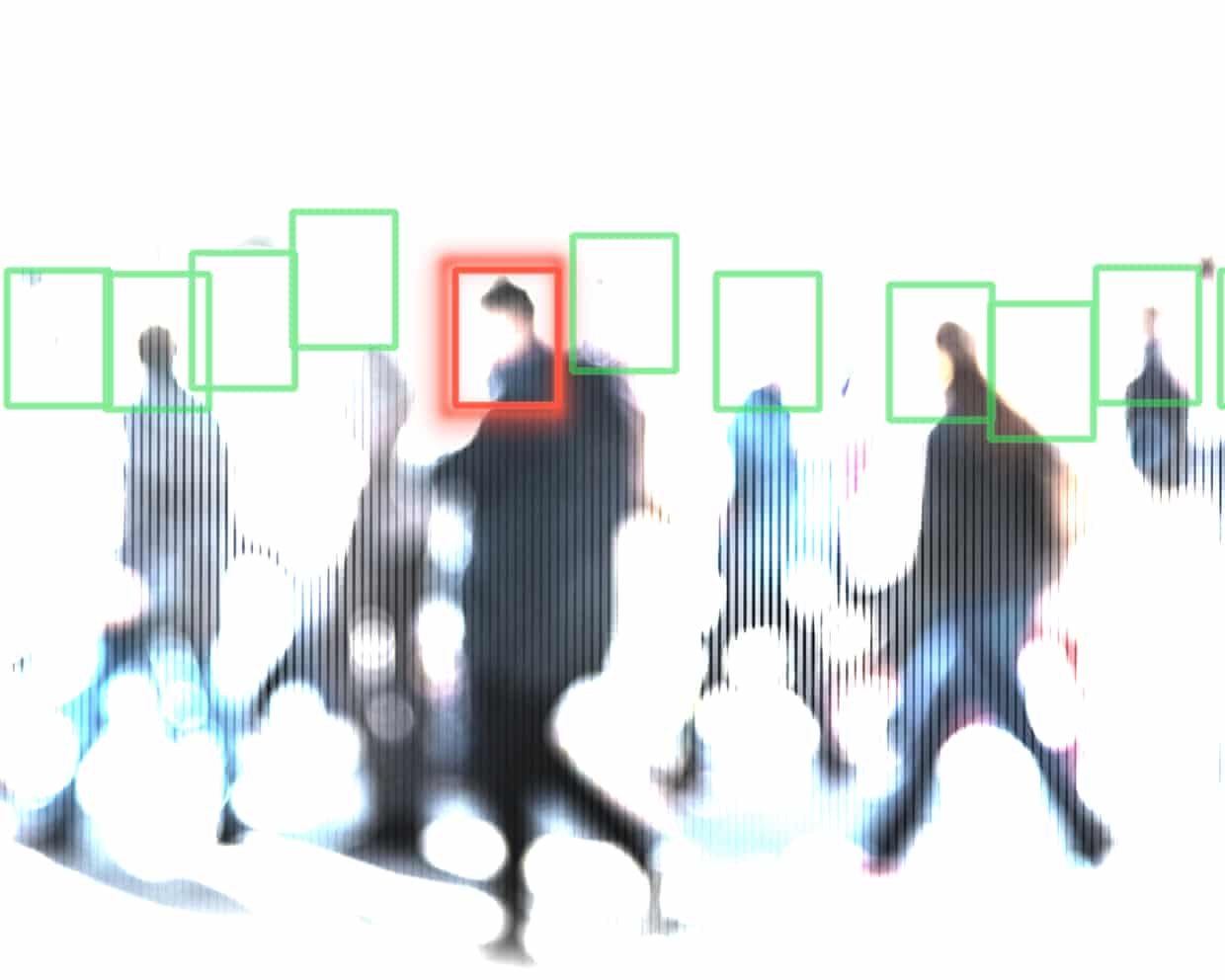
‘Orwellian’: Sainsbury’s staff using facial recognition tech eject innocent shopper
A man was ordered to leave a supermarket in London after staff misidentified him using controversial new facial recognition technology.Warren Rajah was told to abandon his shopping and leave the local store he has been using for a number of years after an “Orwellian” error in a Sainsbury’s in Elephant and Castle, London.He said supermarket staff were unable to explain why he was being told to leave, and would only direct him to a QR code leading to the website of the firm Facewatch, which the retailer has hired to run facial recognition in some of its stores. He said when he contacted Facewatch, he was told to send in a picture of himself and a photograph of his passport before the firm confirmed it had no record of him on its database.“One of the reasons I was angry was because I shouldn’t have to prove I am innocent,” Rajah said

How cryptocurrency’s second largest coin missed out on the industry’s boom
US crypto developer Danny Ryan submitted a proposal in November 2024 to Vitalik Buterin, the founder and symbolic leader of Ethereum, a prominent blockchain powering the world’s second-largest cryptocurrency. Ryan, who had worked for seven years at the Ethereum Foundation (EF), Ethereum’s de facto governing body, suggested that Ethereum could be on the cusp of an era-defining shift.Since its founding in 2014, the foundation had prioritized technical upgrades and had avoided centralizing power while its user base was growing, but Ethereum had now grown up, and the cryptocurrency world around it had grown up, too. The EF could now “exercise a stronger voice” without compromising its ethos of decentralization, Ryan said – and he was open to leading that charge if appointed as the foundation’s new executive director.Ryan told the Guardian that he could see how political tides were changing “overnight”, which informed his proposal
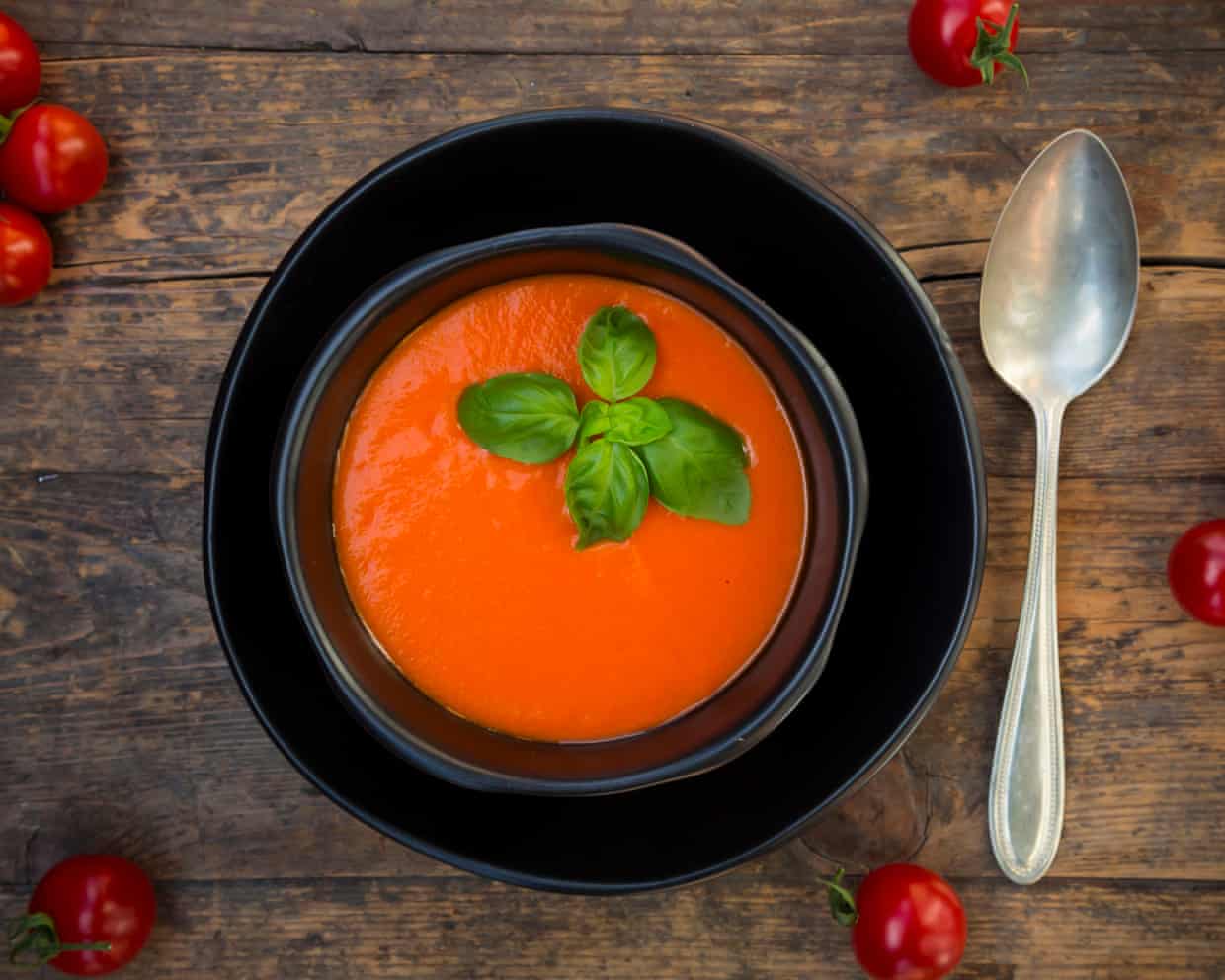
Almost a quarter of soup on sale in UK supermarkets has too much salt, study finds
Bald eagles and Lynyrd Skynyrd: is Budweiser’s all-American Super Bowl ad serious?
Barclays reportedly cuts ties with lobbying firm co-founded by Peter Mandelson

Shell will consider fossil fuel investment in Venezuela, says chief executive
Rio Tinto and Glencore abandon revived $260bn merger plan
US job openings dropped to a five-year low in December 2025, report shows