Why Bank kept interest rates on hold despite message for UK to brace itself for Trumpflation
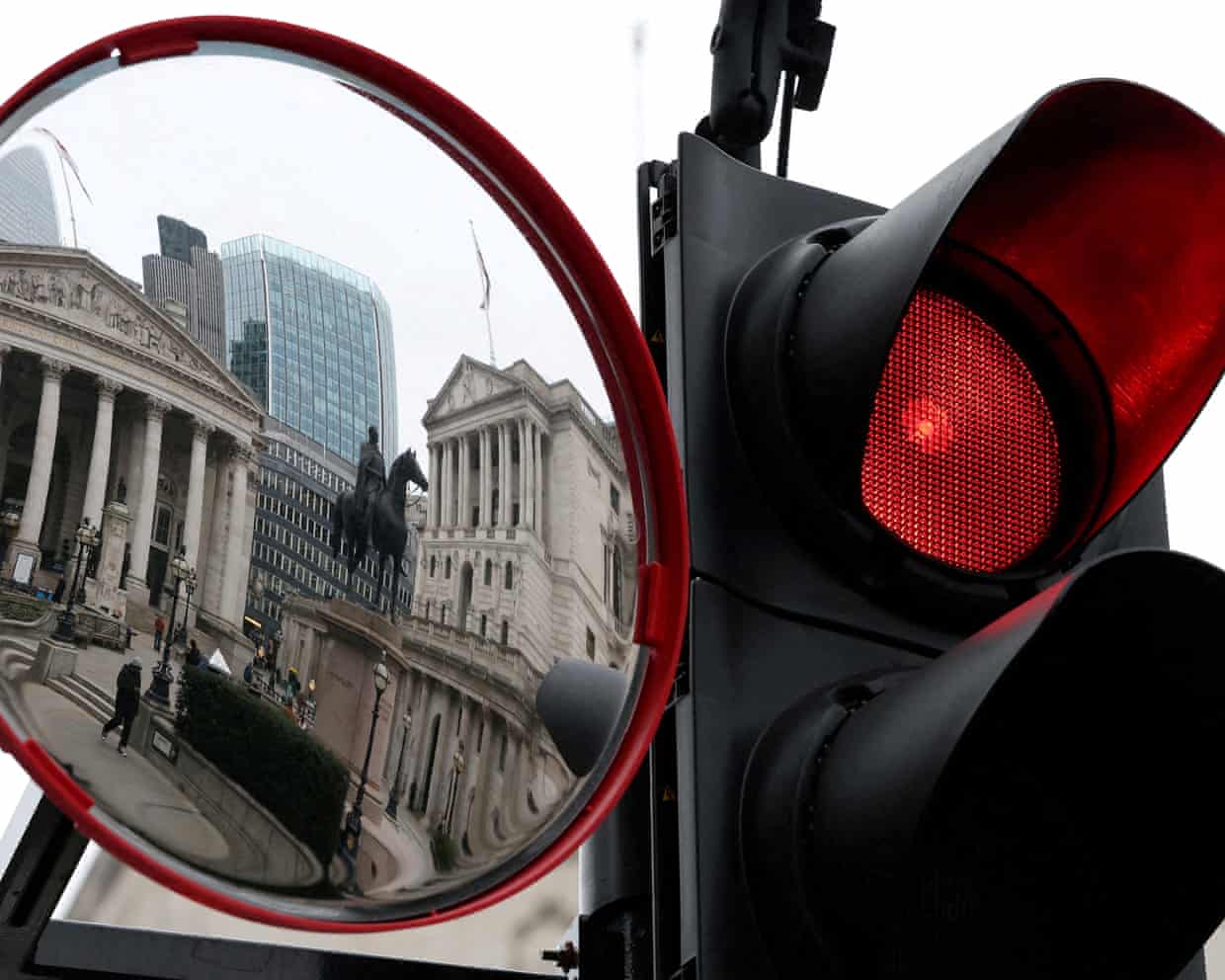
The message to the UK’s crisis-weary households from the Bank of England is: brace yourself for Trumpflation – and the higher interest rates it may yet take to rein it in,Reading the Bank’s quarterly monetary policy report, it is not difficult to understand the fury Rachel Reeves expressed while in Washington this month at the “folly” of the US president’s war on Iran – its economic consequences will hit the UK hard,As a result of the conflict and the resulting rise in oil and gas prices, the Bank reckons average mortgage repayments are to rise by £80 a month; food price inflation could hit 4,6% by the autumn; and utility bills will jump in July and remain high into the winter,Overall inflation is now expected to peak above 3.
5% by the end of this year: more than a percentage point higher than the Bank’s pre-war forecasts.In its worst-case “scenario C”, in which oil prices hit $130 a barrel and remain there for a prolonged period – alarmingly plausible given Donald Trump’s latest erratic pronouncements – inflation peaks above 6%.In this higher oil price world, interest rates may have to be raised by more than 1.5 percentage points, to at least 5.25%.
Despite this inflation shock, monetary policymakers have opted not to raise rates yet, with the Bank’s hawkish chief economist, Huw Pill, the only dissenter on the nine-member committee.But their reasons are hardly comforting, pointing to the weakness of the UK’s battered economy in the face of this latest crisis.The rate-setters’ main concern is not the energy price shock, which they cannot alter; but “second-round effects”, under which firms raise prices and workers negotiate pay rises, to offset higher costs, causing inflation to be embedded in the wider economy.With GDP growth now expected to be a lower-than-expected 0.8% this year, continued weakness in the jobs market is likely to make it tricky if not impossible for employees to win themselves higher salaries – unemployment is expected to peak at 5.
5% next year, even under the Bank’s more benign scenarios.At the same time, policymakers believe cautious consumers will prevent retailers pushing up prices aggressively.As Threadneedle Street’s governor, Andrew Bailey, put it in his personal paragraph of the meeting minutes, “for now, the softer real economy makes it appropriate to maintain Bank rate”.Another reason for inaction for the moment is that financial markets have already done some of the Bank’s work for it – with borrowing costs already more than half a percentage point higher than before the Middle East conflict began, the equivalent of two rate rises.In his press conference, Bailey stressed that this market “headroom”, might allow the monetary policy committee (MPC) to hold off from rate rises.
He appeared to strike a more dovish tone than the monetary policy report, which pointed to the need for perhaps two increases, even in the Bank’s more benign scenarios, A and B, in which oil prices fall back fairly rapidly.“I can’t give you a cast iron assurance that therefore there will be no [interest rate] increase in any scenario or any of those scenarios.But what I can say to you is that there is a good deal of space available to accommodate that” Bailey said.However, other MPC members may fear that this market effect – at least in part a bet on higher rates – could yet reverse, if it is not validated by action from the MPC at some point in the coming months.Even some of the most dovish MPC members, including the external trade expert Swati Dhingra, expressed a readiness to consider raising rates; though she said there was “a limit to how much output loss should be acceptable” – in other words, how much the MPC should be willing to clobber growth, to wrest inflation back under control.
And that is the bleak truth underlying the Bank’s unenviable task in the months ahead.Policymakers will have to weigh the relative risks of two powerful forces unleashed by the Middle East conflict: higher inflation, and weaker growth – and both will make life for cash-strapped British households feel much harder.
Could the UAE’s shock exit from Opec cause an oil price war?
The conflict in the Middle East has claimed Opec as the latest casualty of war. The United Arab Emirates’ shock exit from the oil cartel on Tuesday after 60 years is expected to weaken the alliance, which under the leadership of Saudi Arabia has helped to soothe volatility in the global oil market for decades.Global oil prices reached the highest level in four years on Thursday, rising above $126 a barrel. But as the region grapples with the continuing conflict, a fresh war may be brewing in the international oil markets, which could lead to greater market volatility for years to come.For now, the UAE’s intention to ignore Opec production quotas and pump as much crude as it wants is notional, owing to Iran’s blockade on the strait of Hormuz
Oil price tops $126 a barrel after Trump warns Iran blockade could last ‘months’
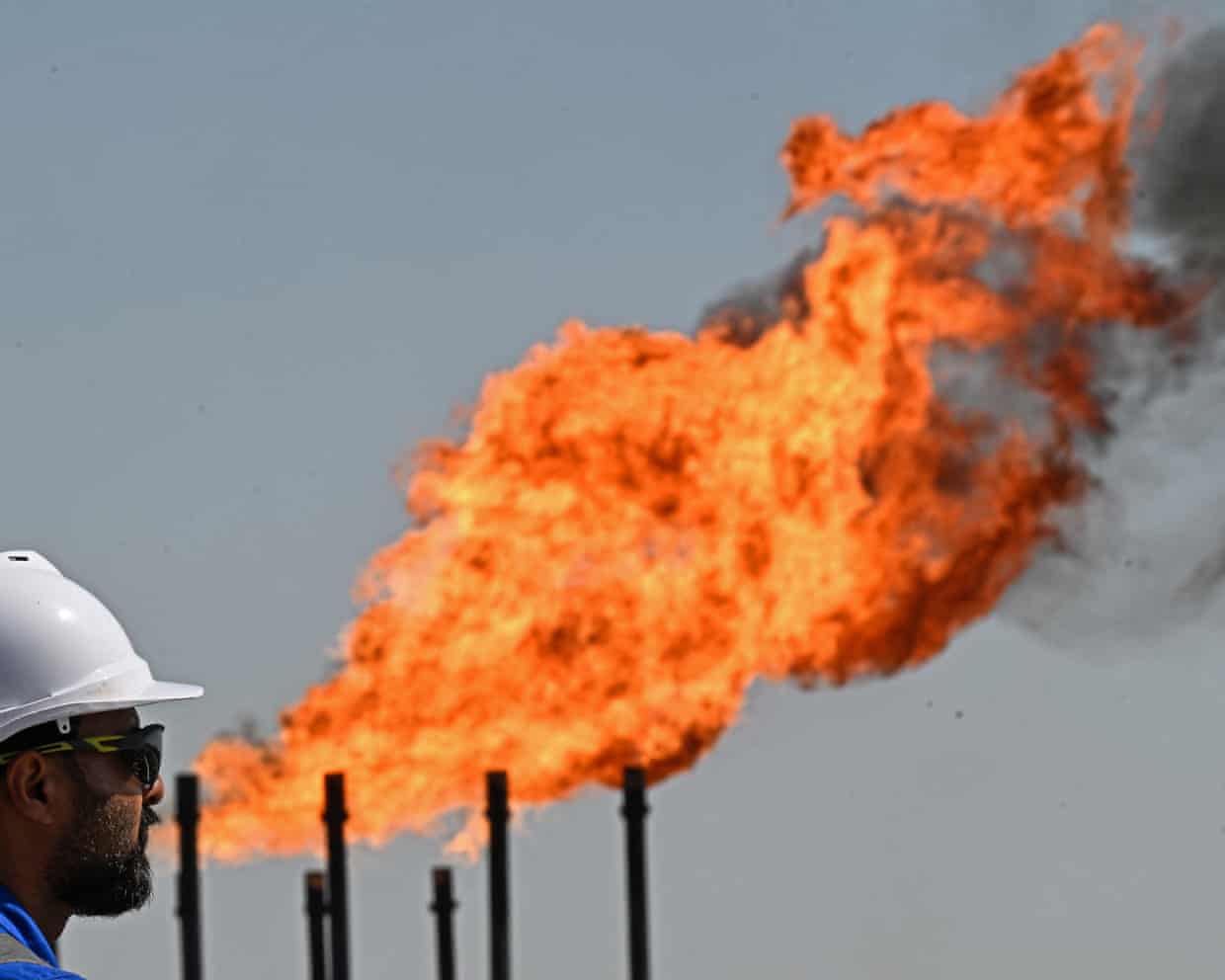
The global oil price hit $126 a barrel on Thursday, its highest level since 2022, after Donald Trump said the US blockade of Iranian ports could last for months and peace talks remained stalled.After surging more than 13% in 24 hours, the price of Brent crude futures reached its highest price since the war began on 28 February. Not since Russia’s 2022 invasion of Ukraine has Brent topped $120, with the price then peaking at $139.Oil markets have been spooked this week as Trump appeared willing to maintain the US navy’s blockade of Iranian ports, with Iran responding by keeping the strait of Hormuz all but shut to other oil tankers.Market observers believe that traders are beginning to look beyond the early optimism that a diplomatic resolution could restore Gulf oil flows through the vital trade route, and towards “the reality of the supply situation”
US economic growth rebounds 2% as consumer spending slows amid Iran war
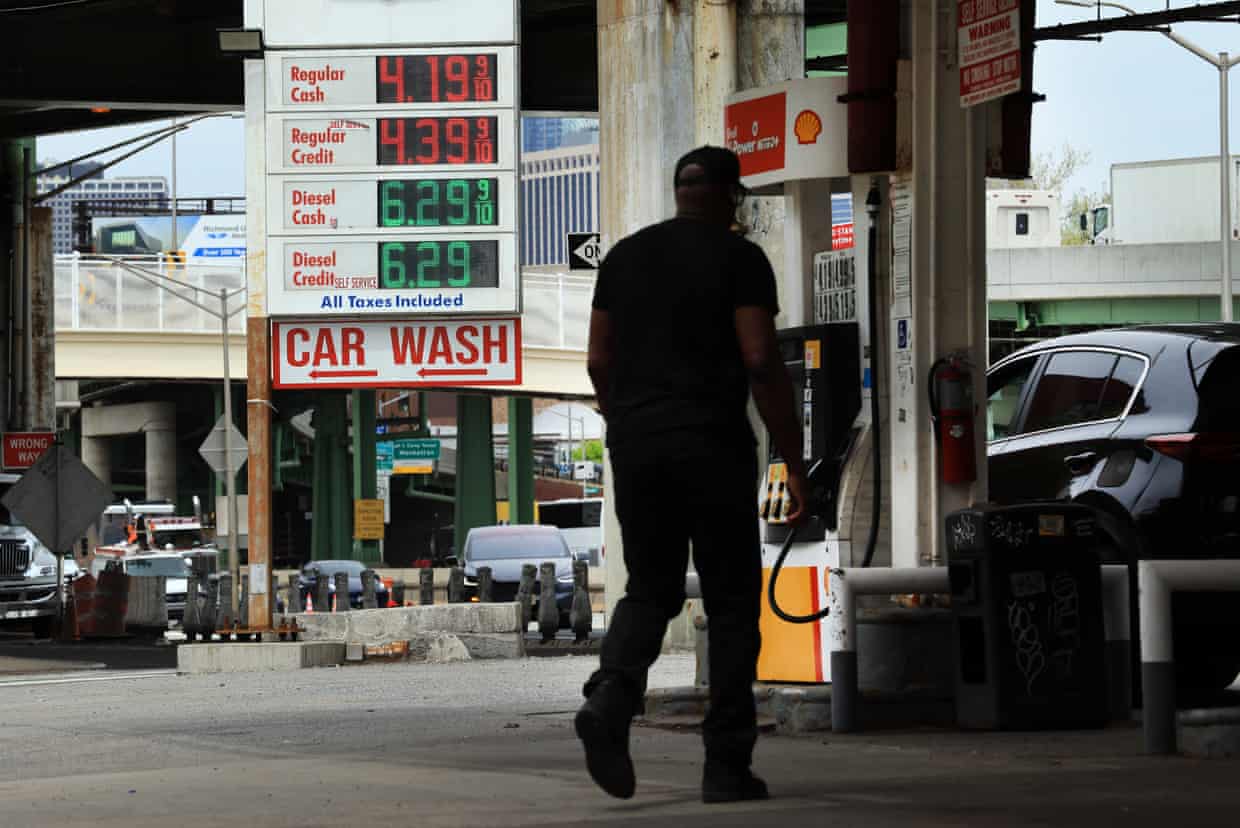
US gross domestic product (GDP) accelerated to an annual rate of 2% in the first three months of 2026, though consumer spending is slowing as the war with Iran continues to impact energy prices.The last GDP reading for the fourth quarter of 2025 showed that US economic growth slowed to an annual pace of 0.5%, largely due to a contraction in government spending after massive layoffs of federal workers last year. The federal government is down 355,000 workers, or 11.8% of the workforce, since October 2024, according to the Bureau of Labor Statistics
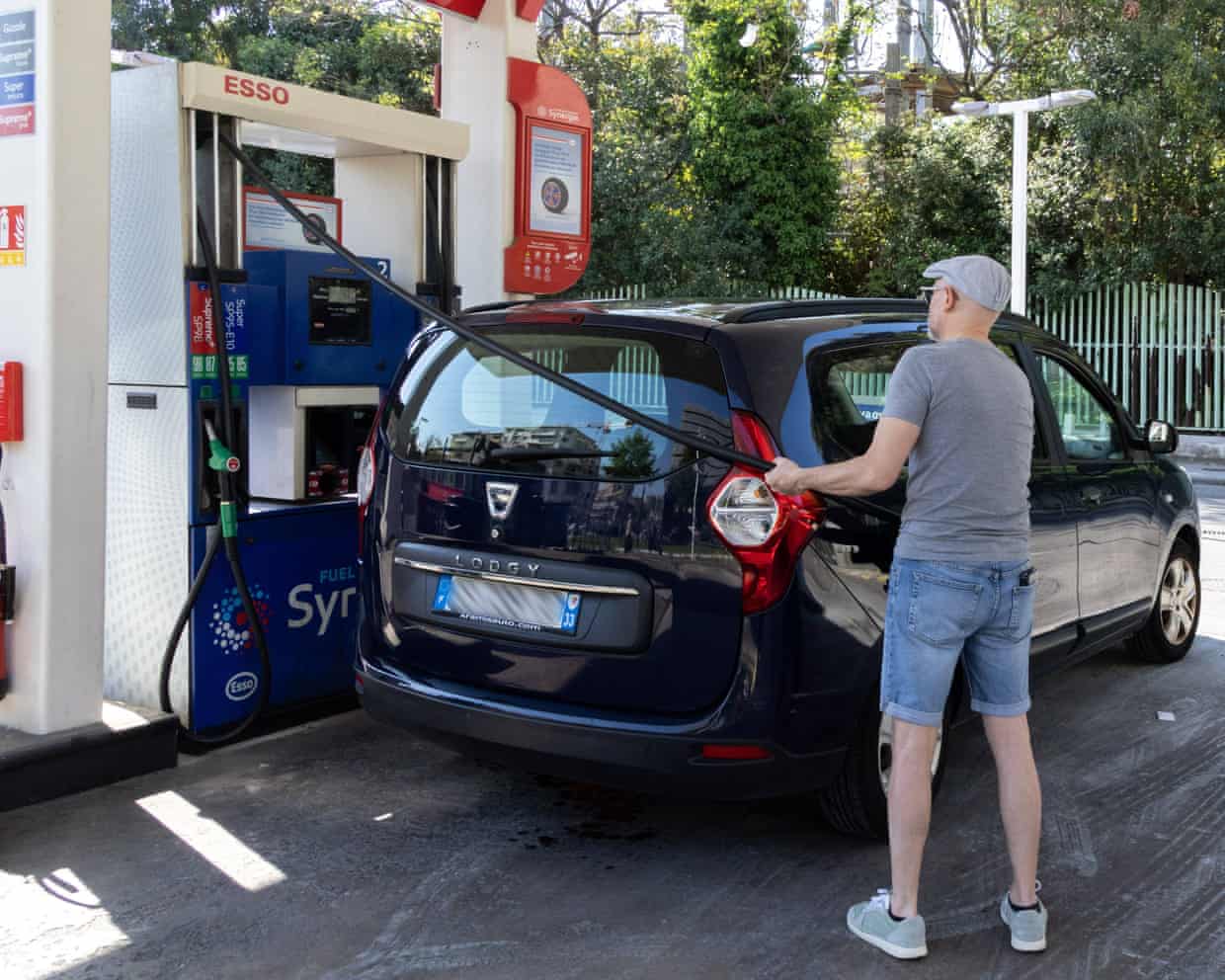
Eurozone inflation soars to 3% as Iran war drives up energy prices
Inflation across the eurozone soared to 3% this month as the Iran war drove up energy prices and growth stumbled.Consumer prices rose by 3% in the year to April across the single currency bloc, data from the statistics body Eurostat showed on Thursday morning, up from 2.6% in March and 1.9% in February.That took inflation further above the 2% target set by the European Central Bank, which left interest rates across the eurozone on hold on Thursday afternoon
Why Bank kept interest rates on hold despite message for UK to brace itself for Trumpflation
The message to the UK’s crisis-weary households from the Bank of England is: brace yourself for Trumpflation – and the higher interest rates it may yet take to rein it in.Reading the Bank’s quarterly monetary policy report, it is not difficult to understand the fury Rachel Reeves expressed while in Washington this month at the “folly” of the US president’s war on Iran – its economic consequences will hit the UK hard.As a result of the conflict and the resulting rise in oil and gas prices, the Bank reckons average mortgage repayments are to rise by £80 a month; food price inflation could hit 4.6% by the autumn; and utility bills will jump in July and remain high into the winter.Overall inflation is now expected to peak above 3

Tell us: how will cuts to paid parental leave in the US affect you?
US companies Deloitte and Zoom are reducing how much paid parental leave they offer employees.Starting in January 2027, Deloitte employees, mainly in support roles such as administration, IT support, and finance, will see their parental leave cut from 16 weeks to eight weeks, Business Insider reported.At Zoom, birthing parents now get 18 weeks of paid parental leave, rather than 22 to 24, and non-birthing parents get 10 weeks, down from 16, the publication said.Has your place of work announced a similar scaling back of paid parental leave? We would like to hear from you. How will your paid parental leave change? How will this affect you? Tell us

Why sweet, chewy dates go perfectly with chocolate – and the best ones to try

The perfect birthday cake: tips for the best blow-out

Rukmini Iyer’s quick and easy recipe for green chilli eggs with coriander and coconut | Quick and easy
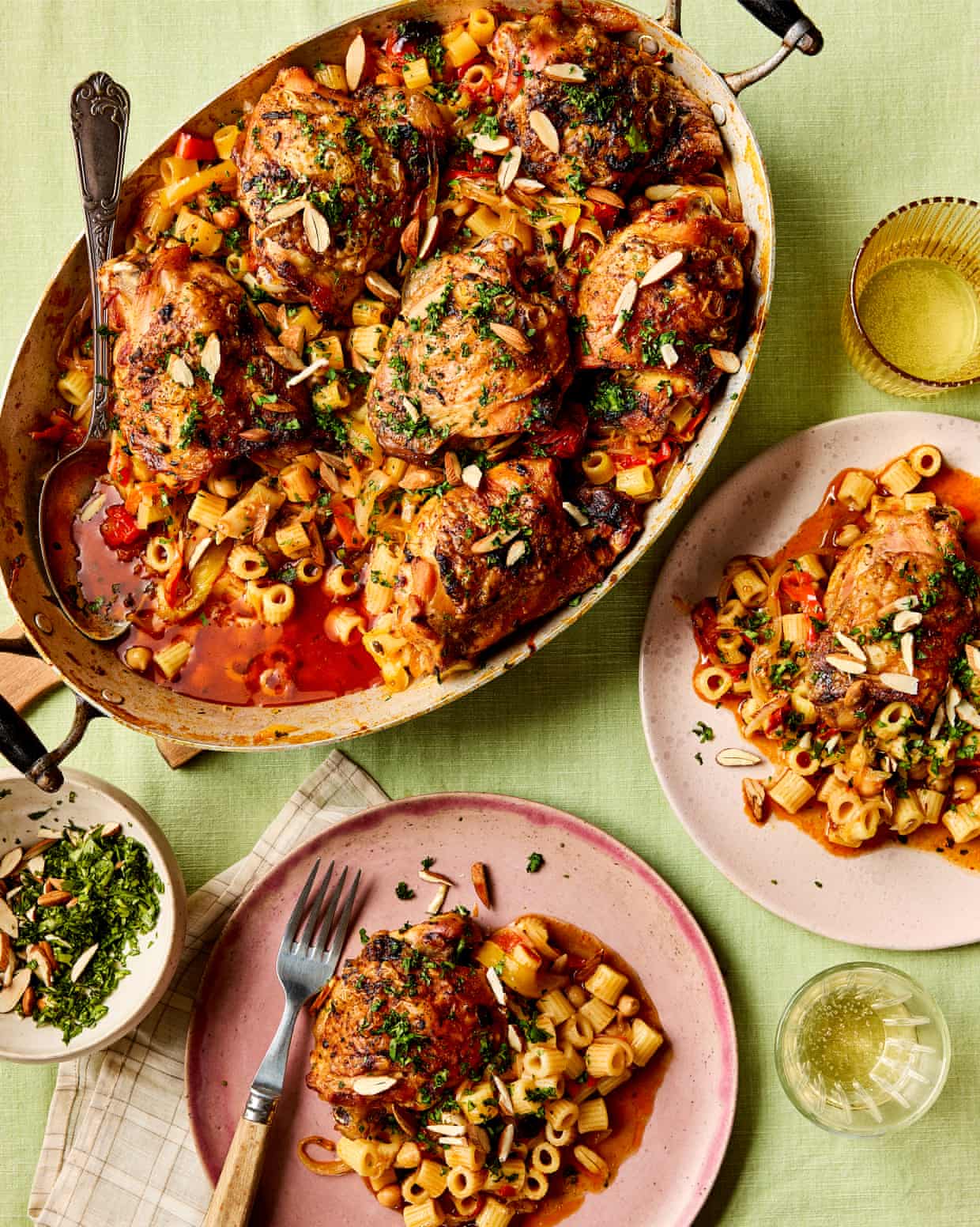
A pasta bake and a sumac salad: Sami Tamimi’s prep-ahead sharing recipes

The truth about cooking oils: 14 essential facts for healthier, cheaper meals

The surprising boom in blouge wine: ‘It’s for 5pm, in the sun’