The Spin | Glitzy socials are one thing but it is more valuable to hear cricket’s most important voice
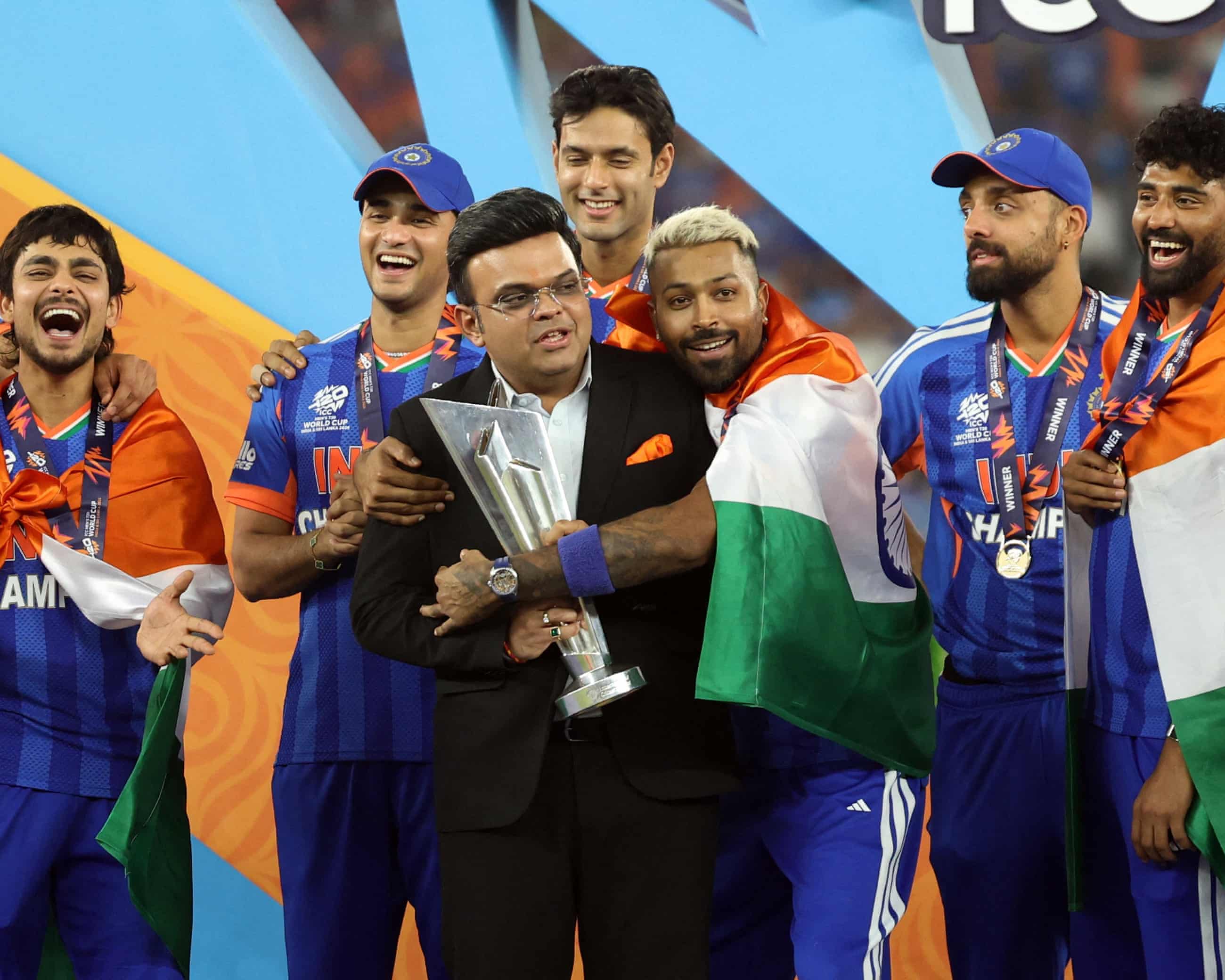
The ICC chair Jay Shah has dominated social media posts from global tournaments but his views on the future direction of the game are harder to find“Visuals that the whole nation will remember for ages,” reads the social media post by the Board of Control for Cricket in India, introducing a 37-second video clip,It captures the celebrations after India’s T20 World Cup triumph in Ahmedabad last month, a victory built by an astounding squad; strong enough to exclude names such as Shubman Gill and Yashasvi Jaiswal, nerveless enough to thump 255 in the final against New Zealand,But one man in a suit dominates the footage: Jay Shah,The chair of the International Cricket Council (ICC) is in most of the shots, embracing the players and soaking in the moment alongside their head coach, Gautam Gambhir,He is all smiles alongside former India captains Rohit Sharma and MS Dhoni, and at one point there is a frame of him on his own holding the trophy.
He goes on to help Suryakumar Yadav lift it,Shah is not the honorary secretary of the BCCI any more; the whole sport is his responsibility,Yet here he was, transformed into the protagonist of a story that did not belong to him,Such pageantry is nothing new for an administrator who, even at 37, has run things for a while,Shah became BCCI secretary in 2019 before ascending to his ICC position five years later.
That is great power on its own, before considering the political backdrop.His father is Amit Shah, India’s home affairs minister and the right-hand man of Narendra Modi, the country’s prime minister.That power is projected online by the social media handles of the sport’s governing body and its most influential national board.When Shah attended last year’s World Test Championship final at Lord’s, the ICC posted a montage of the final day as South Africa finally threw away their “chokers” tag to win a global title, a moment of absolution.Yet Shah appeared overwhelmingly dominant once again, slow-mos of him in the stands – one frame is focused on the back of his head – mixed in with the winning runs.
Another clip shared by the ICC followed him around on day one, the great and the good of the game always close by.When the Indian Express last month listed Shah as No 22 on its 100-strong list of the most powerful Indians (up from 24th in 2025), the ICC promoted the news on X alongside an adoring message: “It is said that power and responsibility go hand-in-hand.This recognition is well-deserved and one that will definitely motivate our chairman @JayShah to strive harder towards loftier goals for the sport.” The BCCI made its own graphic to share the news, listing the positions of Jasprit Bumrah, Virat Kohli and Gambhir, too – all ranked way below Shah.An image is being formed that cricket has been blessed with a brilliant administrator taking it to extraordinary heights.
Shah, of course, can point to the revolutionary Women’s Premier League, established during his time at the BCCI, to the rude health of India’s national teams, to the construction of a gargantuan stadium in Gujarat named after his father’s political partner.But now at the centre of the whole thing, there is plenty to do, several questions still to answer.The visuals are bountiful but where are the words, particularly those of substance? Shah’s award speeches are easy to find but interviews of him are scarce.Do we actually know what his vision is? What are those “loftier goals”? When he was elected, a BCCI statement quoted him wanting to prioritise Test cricket, dedicate more attention to the women’s game, and make the sport more inclusive.Those were welcome noises but not backed up with any great detail.
What we are left with is the Jay Shah show, something that would be a touch more acceptable if the game’s governance was in good order.The World Cricketers’ Association report on cricket’s global structure, published last year, argues otherwise.It is a scathing state-of-play read, criticising the “chaotic” scheduling that creates an uncomfortable relationship between international and franchise cricket, scrutinising the inequitable distribution of ICC revenues and maintaining that the governing body, well, doesn’t govern.“No one is actually in charge of the sport as a genuine custodian of the global game as a whole,” the report says, proposing the formation of an independently chaired committee to make recommendations to the ICC board.That the players’ body felt the need to compile the report feels like an indictment in itself.
The same issues exist a year on, all while ICC events fracture at the mercy of geopolitics.As Shah joyfully roamed the Ahmedabad field last month, he had presided over a tournament hurt by the absence of Bangladesh – kickstarted by the BCCI instructing the removal of Mustafizur Rahman from the Indian Premier League – and Pakistan’s initial reluctance to play India.This is a sport in desperate need for strong, transparent leadership, and those who care for it should know exactly what the person at the top has planned.What we have at the moment are those so-called visuals for the ages.It would be helpful to hear something, too.
This is an extract from the Guardian’s weekly cricket email, The Spin.To subscribe, just visit this page and follow the instructions
Tui cuts profit forecast as effects of Iran war cost travel group €40m
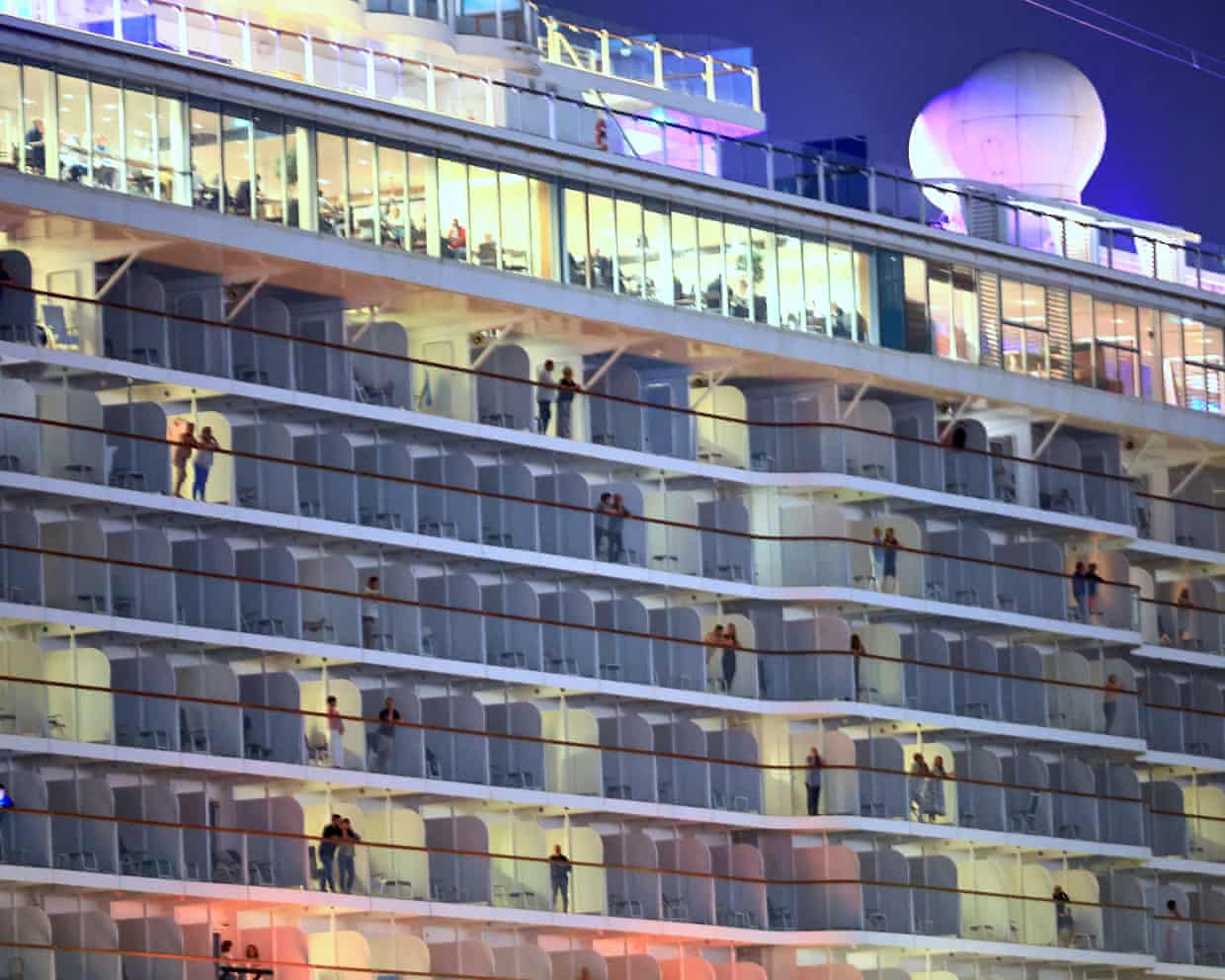
The Iran war has cost the travel company Tui €40m (£34.7m) so far, including repatriating almost 12,000 holidaymakers and staff, and forced it to cut its profit forecast for this year.Europe’s biggest holiday operator said it had taken the hit in March owing to the impact of the conflict in the Middle East, as it was forced to bring home 5,000 guests from two cruise ships anchored in ports in Abu Dhabi and Doha.A further 5,000 European holidaymakers were also repatriated from destinations in the region, with Tui saying its operations in Turkey, Cyprus and Egypt were particularly badly affected.In addition, the company returned 1,500 crew members from the ships, which were able to escape through the strait of Hormuz “during a pause in hostilities” on Sunday, and will commence their summer season itineraries in the Mediterranean from the middle of next month

UK inflation rises to 3.3% amid biggest jump in fuel prices in more than three years
UK inflation accelerated to 3.3% in March after the Iran war triggered the biggest jump in fuel prices for more than three years.In the first official snapshot of the damage to living standards in Britain from the US-Israeli war on Iran, the Office for National Statistics (ONS) said the consumer prices index increased last month from a rate of 3% in February. The rise matched the forecasts by City economists.Grant Fitzner, the ONS chief economist, said: “Inflation climbed in March, largely due to increased fuel prices … Air fares were another upward driver this month, alongside rising food prices
UK firms to face tougher checks on export licences to bolster sanctions on Russia
British firms will face “much tougher” controls to prevent their goods from reaching Russia via other countries, undermining sanctions and aiding Vladimir Putin’s assault on Ukraine.Under plans to be unveiled on Wednesday, the government will be able to require UK manufacturers to obtain a licence if they want to export to a country suspected of acting as a staging post for exports ultimately destined for Russia.It comes after the business minister, Chris Bryant, ordered a review of a decision to allow UK carbon fibre equipment to be exported to an Armenian firm with links to Russia’s war machine, after reporting by the Guardian.Liam Byrne MP, chair of the business select committee, had written to Bryant raising concerns about the planned export of machinery that can be used in the production of military hardware such as drones and missiles.In a subsequent evidence session with Byrne’s committee, Bryant said the government was planning to strengthen export licensing laws to plug gaps in export controls
City watchdog faces legal action over £9.1bn compensation scheme for car loan victims
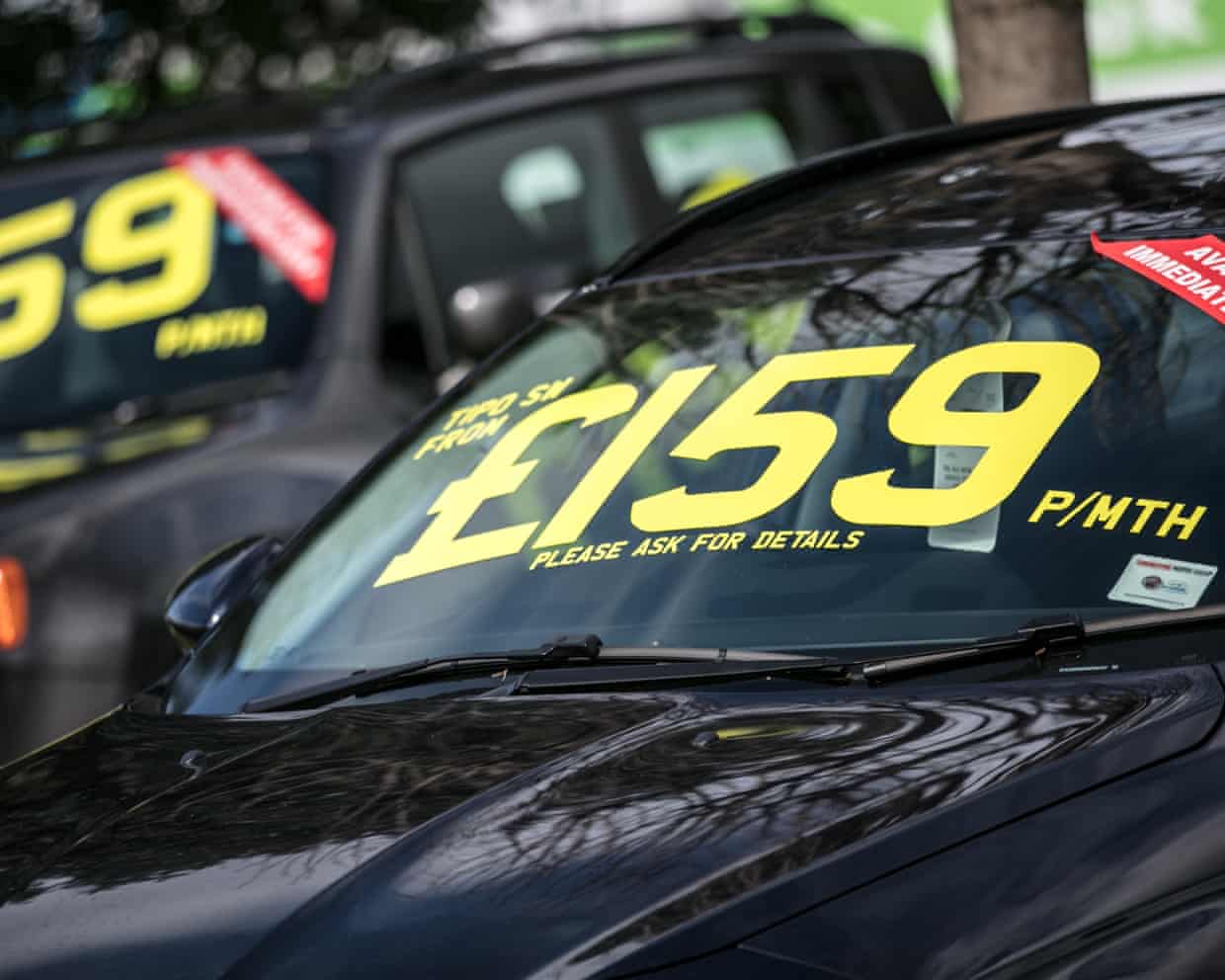
A consumer group is preparing to take the City watchdog to court in the hope of overhauling a £9.1bn compensation scheme that it claims massively shortchanges victims of the UK car loan scandal.Lawyers working for Consumer Voice have written to the Financial Conduct Authority (FCA), notifying them that they intend to challenge the redress programme in order to protect drivers’ interests, according to sources familiar with the group’s plans.It will dash the regulator’s hopes of drawing a line under the motor finance scandal, in which drivers were overcharged for loans as a result of commission payments between lenders and car dealers between 2007 and 2024.The challenge would mean hauling the FCA to the upper tribunal, where a judge would be asked to review the merits of the long-awaited compensation programme

Takeaway coffee sales plunge as fuel and living costs dent Australian spending. Is the economy next?
For many coffee drinkers, takeaway orders are changing from a habitual purchase to an occasional treat, as elevated petrol prices and other living costs leave households feeling glum.This rapid shift in behaviour has disappointed cafe owners and surprised economists, raising an uneasy question: if takeaway coffee sales are falling, is the economy next?Changes in coffee purchases are an early indicator of consumer attitudes because Australians are generally unwilling to give up their daily habit until absolutely necessary.National Australia Bank research shows that more than 50% of consumers are cutting back on treats such as coffee and snacks, which the bank says are usually among the most resilient purchases.While the trend has been in place for a few months, it accelerated quickly when petrol prices ignited in March due to the Iran conflict.“We are hearing from cafes and restaurants around the country that they’ve seen a slowdown in what patrons are purchasing,” says Wes Lambert, chief executive of the Australian Restaurant & Cafe Association
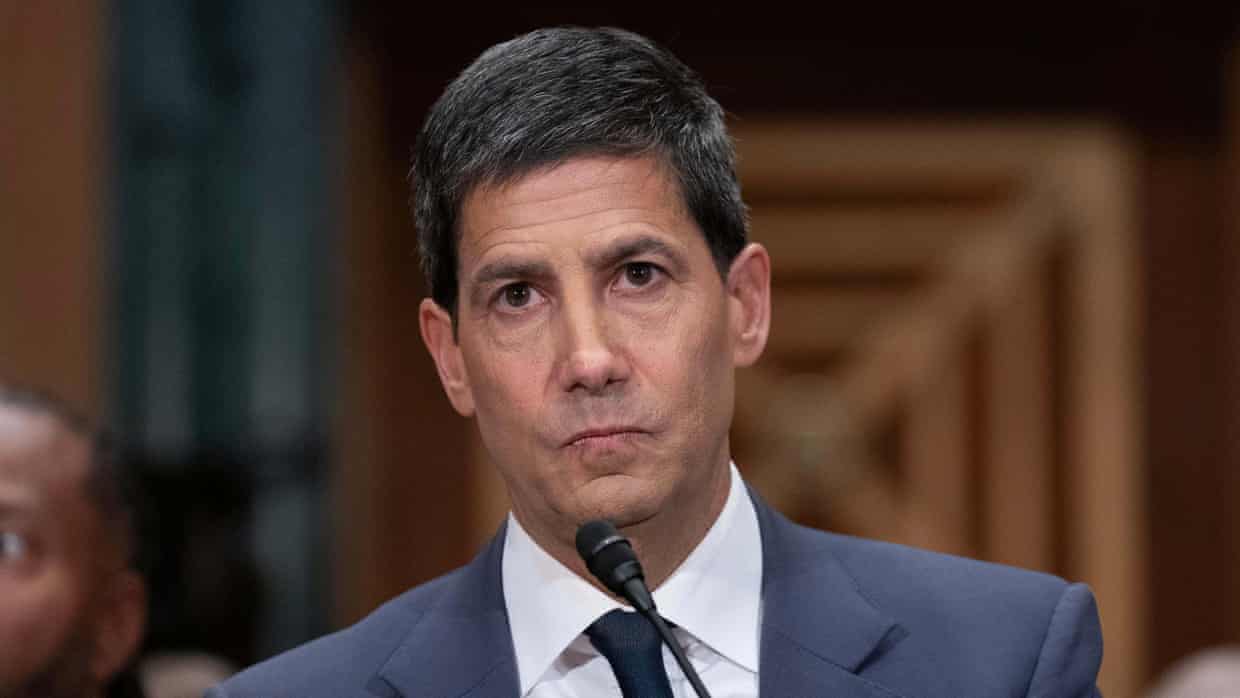
Trump’s Fed chair pick says he’ll maintain independence – but won’t say president lost 2020 election
Donald Trump’s nominee for US Federal Reserve chair, Kevin Warsh, faced a tumultuous hearing in Washington on Tuesday, fielding scrutiny over his wealth and his ability to operate independently of the president who appointed him.Should he be confirmed, Warsh will hold one of the most powerful roles in the US federal government, with massive influence over the global economy and the ability to move markets.During a hearing before the Senate banking committee, Warsh did his best to bat away questions that he argued verged too far into “politics”.“We need to take politics out of monetary policy and monetary policy out of politics,” he told the Senate. “If I’m confirmed, the Federal Reserve should stay in its lane

Middle East war ‘could wipe out 75% of chancellor’s budget headroom’; UK inflation climbs to 3.3% – as it happened
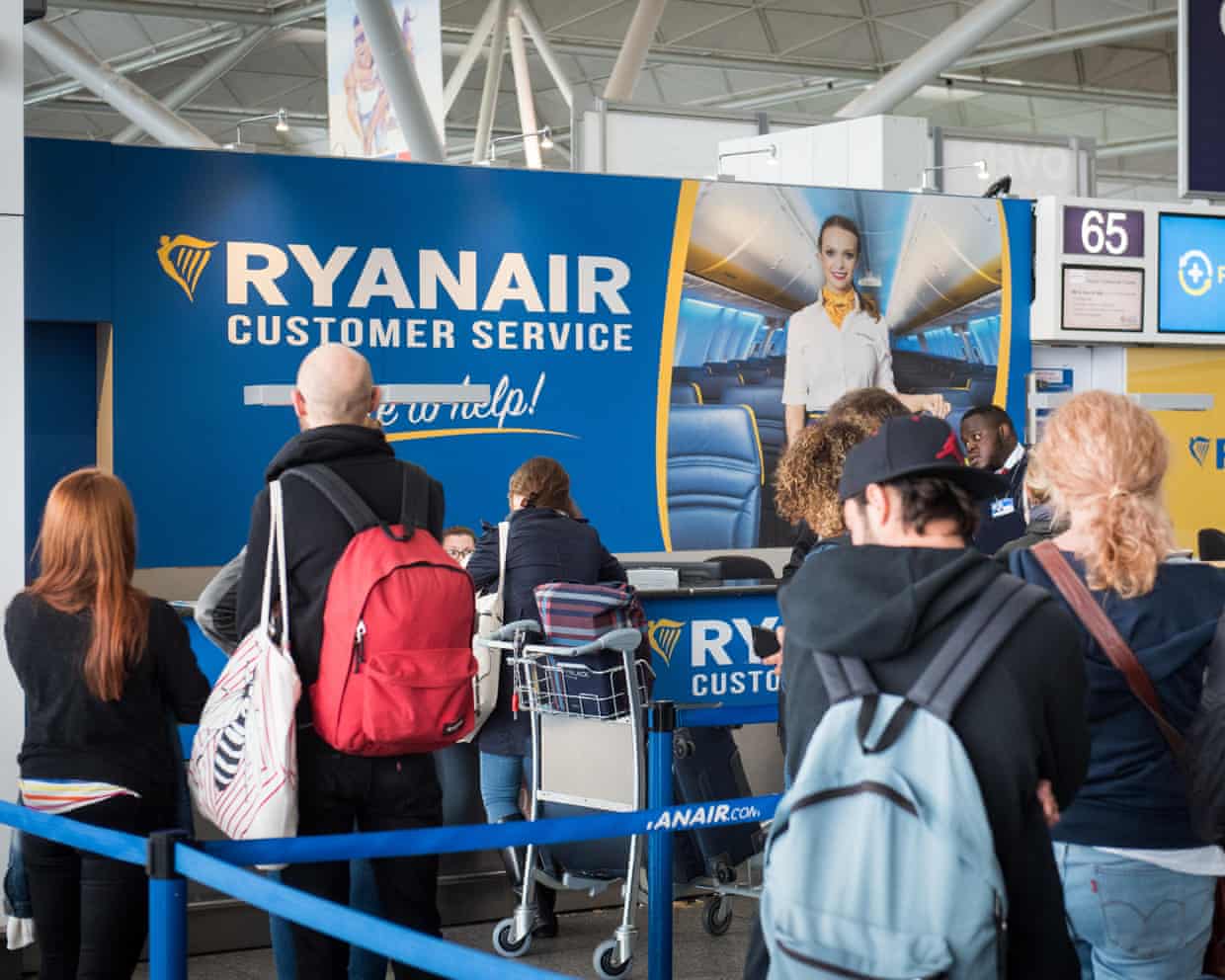
Ryanair to close check-in 20 minutes earlier amid concern over Europe border queues

‘Get back to work’: Amazon faces fresh scrutiny over workplace safety record
Anthropic investigates report of rogue access to hack-enabling Mythos AI
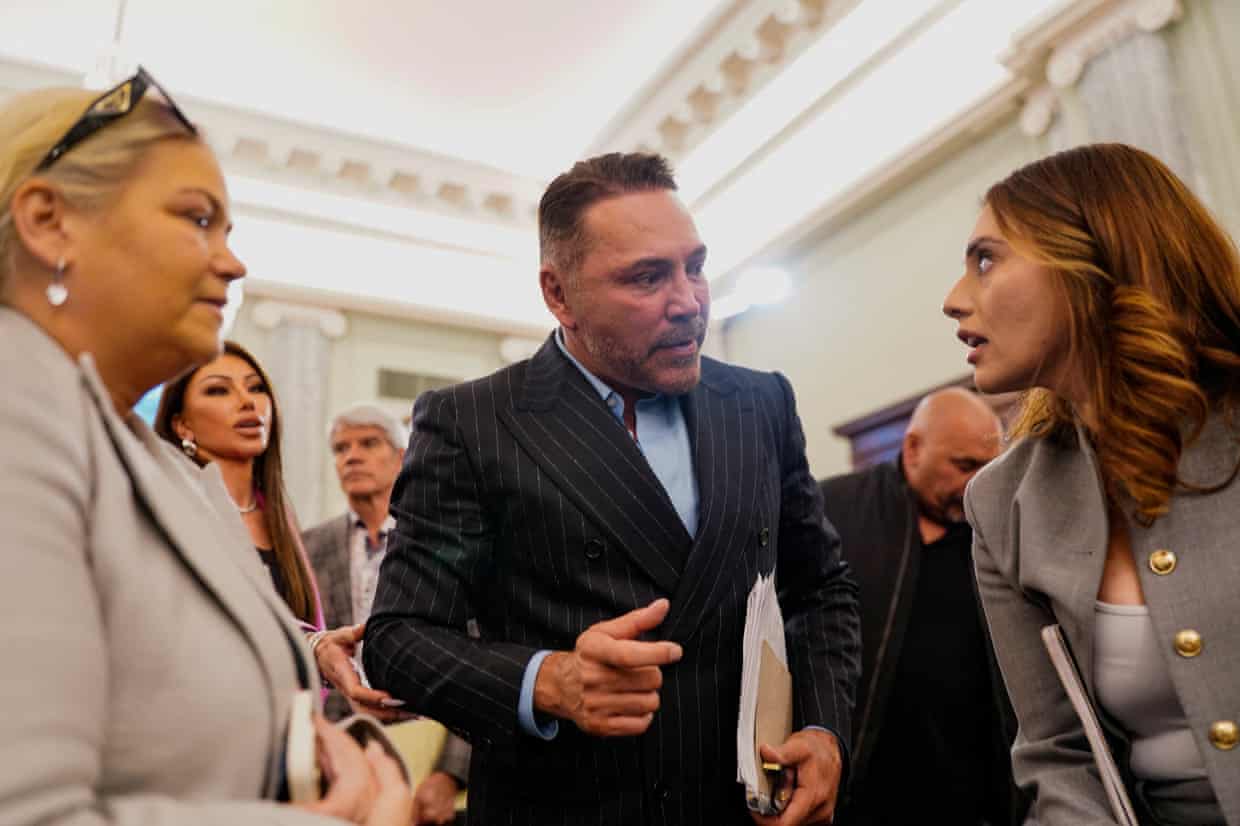
‘For billionaires, not boxers’: De La Hoya warns over Ali Act overhaul in Senate hearing

Lando Norris backs Max Verstappen to stay in F1 after drivers win rule changes