FIA confirms F1 rule changes in reaction to driver unhappiness and safety fears
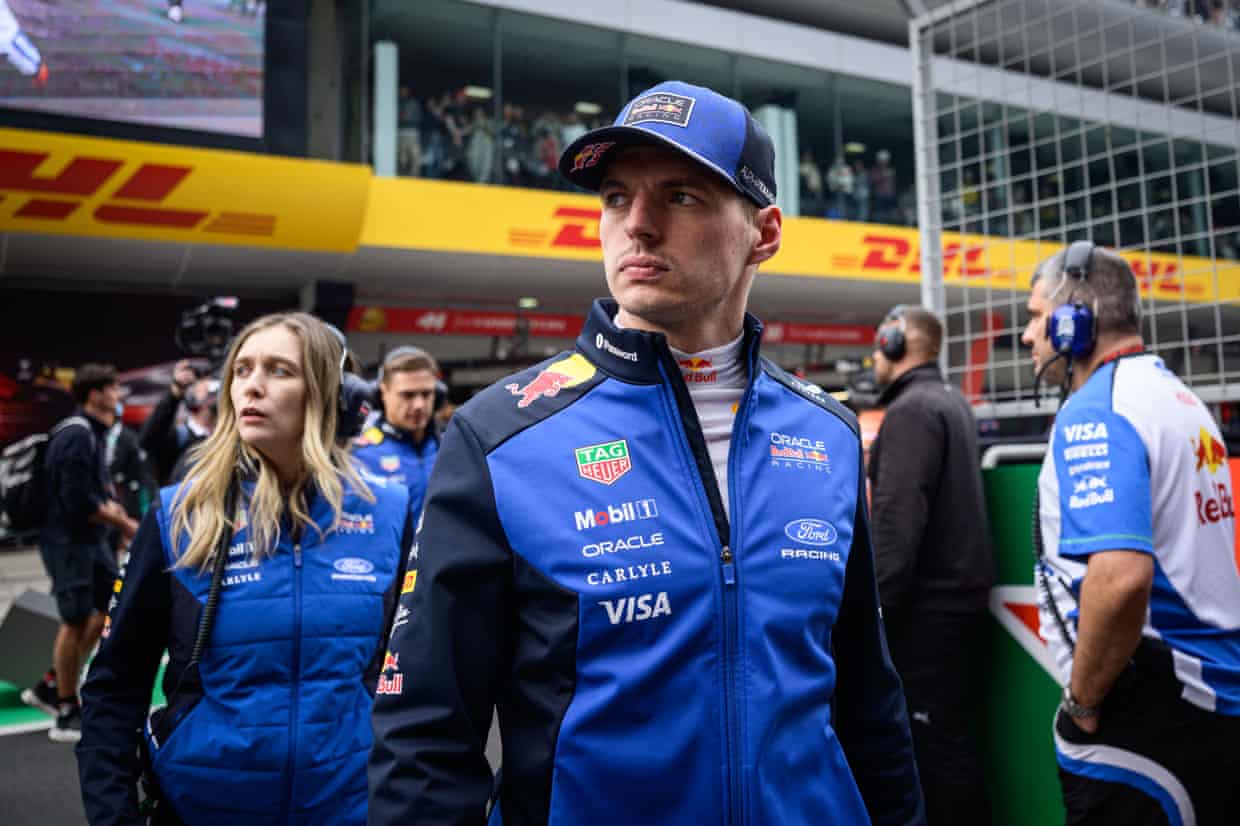
The FIA has confirmed rule changes for the current Formula One season as the sport reacts to driver dissatisfaction and safety concerns with the new regulations.The adapted rules address the energy management issues that have proved controversial across the opening three meetings this year.Technical and sporting considerations had been discussed twice since the last round in Japan and on Monday senior representatives, including the FIA, team principals and their chief executives, the power unit manufacturers and F1’s chief executive, Stefano Domenicali, formally agreed the changes.They remain subject to ratification by the world motorsport council, a formality expected to be concluded before the next round in Miami on 3 May.There has been disquiet among many drivers at the role energy management now plays in the sport with an almost 50-50 split between power from the combustion engine and electrical energy.
The deployment and recharging of the latter has come to dominate how drivers approach a lap, with the four-time champion Max Verstappen so unhappy at how it has affected racing that he is considering his future in F1,The energy management requirements have also brought safety sharply into focus,Oliver Bearman had an accident at Suzuka because of the differing closing speeds of cars managing electrical energy in alternate modes at the same point on track,The rule changes agreed in response are an adjustment to existing regulations, rather than a sweeping rewrite, focusing on refining the use of electrical energy,To address key driver complaints there were two major adjustments.
In qualifying, the limit in recharge over a lap has been decreased from eight megajoules to seven, with the intent of allowing a lap to be run flat out without having to use tactical energy recovery,Similarly, the unpopular process of lift and coast, where drivers come off throttle with a paucity of electrical energy, has been addressed,There has been an increase in the recharge limit from 250kW to 350kW when super clipping, the process of recovering energy when at full throttle,With more energy recovered in so doing, it is expected drivers will no longer have to lift and coast at the end of straights,The issue of closing speeds, considered a serious safety concern, has led to a change in the boost limits for use to prevent cars coming up on one another at high speed in unexpected areas.
The maximum boost power has been capped at 150kW.There were also added safety protocols for race starts including warning lights for cars that are slow to move off and the potential for further technical changes around the starts to be evaluated at the Miami Grand Prix.The amount of power available through the energy recovery systems would also be adjusted during wet races to ensure the cars were able to be driven safely in difficult conditions.On Sunday the FIA president, Mohammed Ben Sulayem, described what had been a “constructive and collaborative” engagement with the drivers during the process and said he was pleased all parties had come to an agreement.“Safety and sporting fairness remain the FIA’s highest priorities,” he said.
“These changes have been introduced to address the issues identified in the opening events and to ensure the continued integrity and quality of the competition.“All parties have remained fully committed to acting in the best interests of F1.More than ever, the drivers have been at the heart of these discussions, and I would like to thank them for their valuable input throughout this process.”Before the meeting the Mercedes team principal, Toto Wolff, had said he was confident F1 would find a constructive way forward in an approach of using a “scalpel rather than a baseball bat”.He added: “The discussions that have been taking place between the group of drivers, the FIA, Formula One and the teams have been constructive and we all share the same objectives.
It’s how can we improve the product, make it out-and-out racing and look at what can improve in terms of safety, but act with a scalpel and not with a baseball bat,“We are coming to good solutions that we are going to ratify hopefully today, in order to evolve, because it’s only three races in,”

‘Women want to experience pleasure’: how the female gaze caught the attention of film, TV and fiction
From passionate romantasy novels to premium television dramas, culture is bringing the agency, desires and interior lives of women to the fore. It’s proving good for business, but is this a permanent revolution?Do you voraciously read the pages of steamy romantasy bestsellers by Sarah J Maas or Rebecca Yarros? Or flood your group chat with breathless recaps of the latest goings-on in TV series such as Heated Rivalry or Bridgerton? Or even immerse yourself in the divisive and challenging cinematic worlds of Emerald Fennell? If so, you surely can’t have failed to notice that in pop culture, the female gaze – storytelling that highlights the meandering, textured, sublimely messy inner worlds and wants of women – is enjoying an explosion.On TV, you can see it everywhere, in the interior lives and desires taken up by Big Little Lies, Sirens or Reese Witherspoon and Kerry Washington’s Little Fires Everywhere. Romantasy harbours it in the shape of powerful maidens and sex in fae (fairy) realms, while Fennell’s Wuthering Heights and Promising Young Woman are marketed with the promise of converting women’s experiences into dark beauty on the big screen.A shift, a moment or a commercial juggernaut? That depends how deeply you look

Yann Martel: ‘I hate the rich people of this world – of which I’m one, because of Life of Pi’
Your novels Life of Pi, Beatrice and Virgil, and The High Mountains of Portugal all feature animals in starring roles. If you could be any animal, which would it be, and why?A sloth, because it has a peaceful, long life. Or maybe a koala. They both look like stoners. A sloth just hangs there in its tree, it sleeps 22 hours a day – or maybe it’s meditating

Kae Tempest on creativity and his gender transition: ‘I’m just glad to be alive’
Kae Tempest sidles into a pub near his house on a weekday afternoon and orders a pint of mineral water. At his side is Murphy, an enormous, 14-year-old alaskan malamute dog with startling blue eyes who settles down on the floor next to his master and goes to sleep. “He’s all right,” Tempest says. “He’s very friendly. He won’t even put his nose up

The Guide #239: Two successful seasons in, The Pitt has resuscitated the medical drama
After a wait more interminable than most spells in an A&E reception area, medical-drama-of-the-moment The Pitt finally made it on to UK screens last month, via the arrival of streaming service HBO Max, and just about everyone I know has spent the following weeks hoovering it up. Some, in fact, are already up to speed with its second season (the finale aired last night on US TV) and so are trying very, very hard not to blurt out major plot points at the office tea point/on public transport/in an actual hospital waiting room – we’re in a post-spoiler age, remember.I’ve been a little bit slower off the mark – mainly because it took so long to figure out if I actually had access to HBO Max as part of my bafflingly arcane Sky TV package – but I’m racing through it now, and so am ready to share the same observations that everyone else made weeks, or in the case of the US, a full year ago. The main one being: how did not one TV producer have the idea to mash together ER and 24 before? It was right there, staring you all in the face! (Jed Mercurio, whose forgotten 2015 medical drama, Critical, also had a real-time element, might have a finger raised in objection at this point.)Beyond The Pitt’s formal innovation (each season follows, to the second, a 15-hour shift at an under-resourced teaching hospital in Pittsburgh), what’s striking is how familiar it feels
Winners and judges out of pocket as £20,000 writing awards appear to have closed
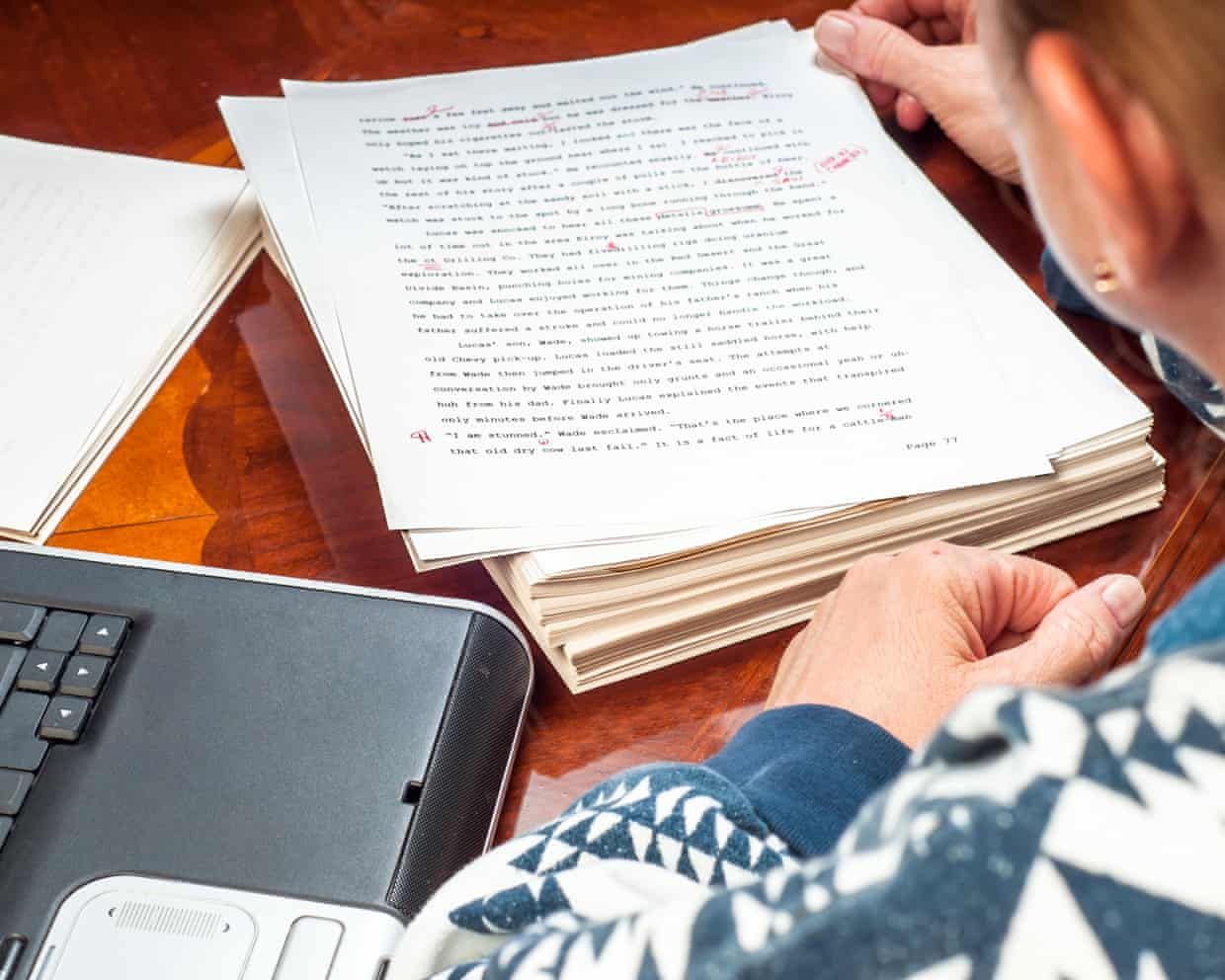
A competition for new writers that promised a £20,000 prize fund appears to have shut down, leaving winners and judges, including a Booker prize-winning novelist, out of pocket.Established in 2022, the Plaza Prizes last year offered 10 awards that were judged by the “finest poets and writers in the world”.However, some of the judges for the 2025 competition say they were not paid, and a number of winners say they had their entries withdrawn after being accused of using AI to create their work – allegations they strenuously denied.One judge, the 2021 Booker prize winner Damon Galgut, described the competition as a “scam” after he did not get paid for his work judging a fiction section of the annual competition.Anthony Joseph, who won the 2022 TS Eliot poetry prize, also says he was not paid for his work

Zelda taught me the importance of play – and has helped me deal with work, parenting and grief
I initially dismissed the Wind Waker’s cartoonish visuals as juvenile. But now I try to carry the game’s sense of joy into all aspects of my lifeI had a complicated relationship with video games when I was a teenager. I had straightforwardly, wholeheartedly loved the Nintendo games that I’d grown up with, tumbling around primary-coloured dreamscapes in Super Mario 64 and having the time of my life. But as I grew into a pretentious young adult in the early 00s, I started to want more from games, and I wasn’t finding it. So many of them were mindless, or juvenile, or needlessly violent
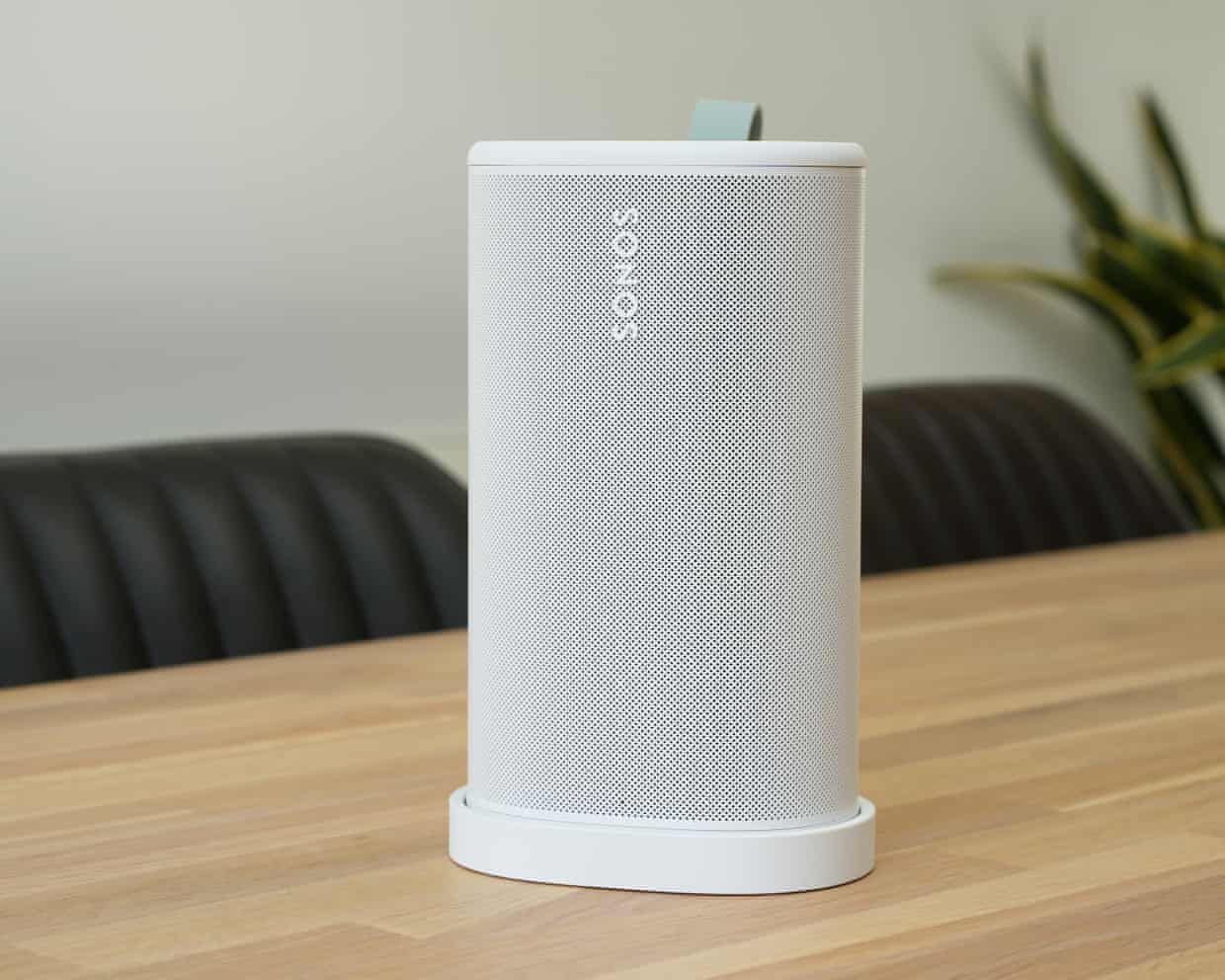
Sonos Play review: a great jack-of-all-trades portable speaker for home or away

How a fiery attack on Sam Altman’s home unfolded

Kenyan firm sacks more than 1,000 workers after losing Meta contract

UK’s OnlyFans tops $3bn valuation amid talks to sell stake to US investor

Finance leaders warn over Mythos as UK banks prepare to use powerful Anthropic AI tool

US tech firms successfully lobbied EU to keep datacentre emissions secret