Welcome to The Hotspot, our new newsletter on sport’s relationship with the climate crisis

We delve into the best stories on how sport is changing around the climate crisis, and what can be done to navigate a way forwardTo subscribe to The Hotspot, just visit this pageNelson Mandela said: “Sport can create hope where once there was only despair,” Too optimistic? In 2026, almost certainly,Sport is still a common language, uniting unlikely groups like an all-powerful Esperanto, but it is in trouble,The pitches we play on, rivers we swim, seas we surf, mountains we climb, parks we run in, air we breathe – all are being degraded by the burning of fossil fuels as the climate crisis turns the sporting landscape upside down,Which is why The Hotspot, the Guardian’s new fortnightly newsletter on sport and the climate crisis, is here.
But we want to do something more than tell you how sport is changing or about to be changed, though we’ll be getting our hands dirty covering that too.We hope to find the best stories and navigate a way forward, inching past the turnstiles, through the mud.All over the globe, extreme weather has wiped out competitions and made grounds unplayable through flooding or storms or wildfires.Increased heat and air pollution puts grassroots and pro athletes at risk – take your pick from heat exhaustion and heatstroke in one hand, asthma and cardiovascular disease in the other.Tennis player Holger Rune summed things up nicely during the Shanghai Masters last year, when he asked an official: “Do you want a player to die on court?” High pollution and crazy temperatures also increase the risk of injury and reduce performance.
Officials and spectators suffer too,Sports in climate vulnerable countries bear a higher risk,“We have to play on the pitch as it is, not as you would like it,” said Mia Mottley, the Barbados prime minister,But richer countries and sports bodies look away,The writer David Goldblatt has estimated that sport has a carbon footprint the size of a small- or medium-sized country, somewhere between Cuba and Poland.
It talks the talk, but ever expands, eyes greedy for growth: bigger, fatter, richer.Its sparkling laundry effect attracts dollars from despots and fossil fuel companies alike – who follow in the ashy footsteps laid by the tobacco industry.The 2024 report “Dirty Money” by the New Weather Institute suggested that a combination of state-owned and private fossil fuel companies were spending at least $5.6bn (£4.2bn) on sponsorship of global sport, across 205 active deals.
The recent Winter Olympics at Milan Cortina (where they had to pump water from faltering rivers to make fake snow) was sponsored by oil company Eni; while this summer’s men’s football World Cup, dubbed the most polluting ever by Scientists for Global Responsibility, who estimate that GHG emissions are up 92% from a typical tournament in 2010-2022, will be plastered with advertisements for Aramco, the word’s largest corporate greenhouse gas emitter.Fans haven’t taken all this lying down.Of course not, sport is the great catalyst, dispatching you for a run on a damp November evening and waking you at 2am to watch the Ashes.From Surfers Against Sewage to Fossil Free Football, FrontRunners to Protect Our Winters (and many more),grassroots organisations have sprung up to fight back.Individual clubs, like Forest Green Rovers, individual athletes, like Australian men’s cricket captain Pat Cummins, stand up and speak out.
Clubs, like Fillongley CC, shown in the UK pavilion at Cop30, plant for nature.Sports are connecting with alternative sponsors – Northern Rail have linked up with Rugby’s Super League, cricket with (Bank Green approved) Metrobank.Oxford United’s limited-edition shirt features an interpretation of John Ruskin’s “Study of a Wild Rose” to mark the opening of a new exhibition at the Ashmolean museum: “How Plants Changed Our World.” But there is so much more fan capital to be utilised, so much geeky data to deep dive – a sure-fire recipe for a sports fan’s and scientist’s love-in.Sport knows how to come from behind – it is its favourite thing.
The planet needs that last-second scrambled winner,This is an extract from our newsletter, The Hotspot,To subscribe just visit this page and follow the instructions,
Quakers among charities warning new regulator powers could stifle advocacy
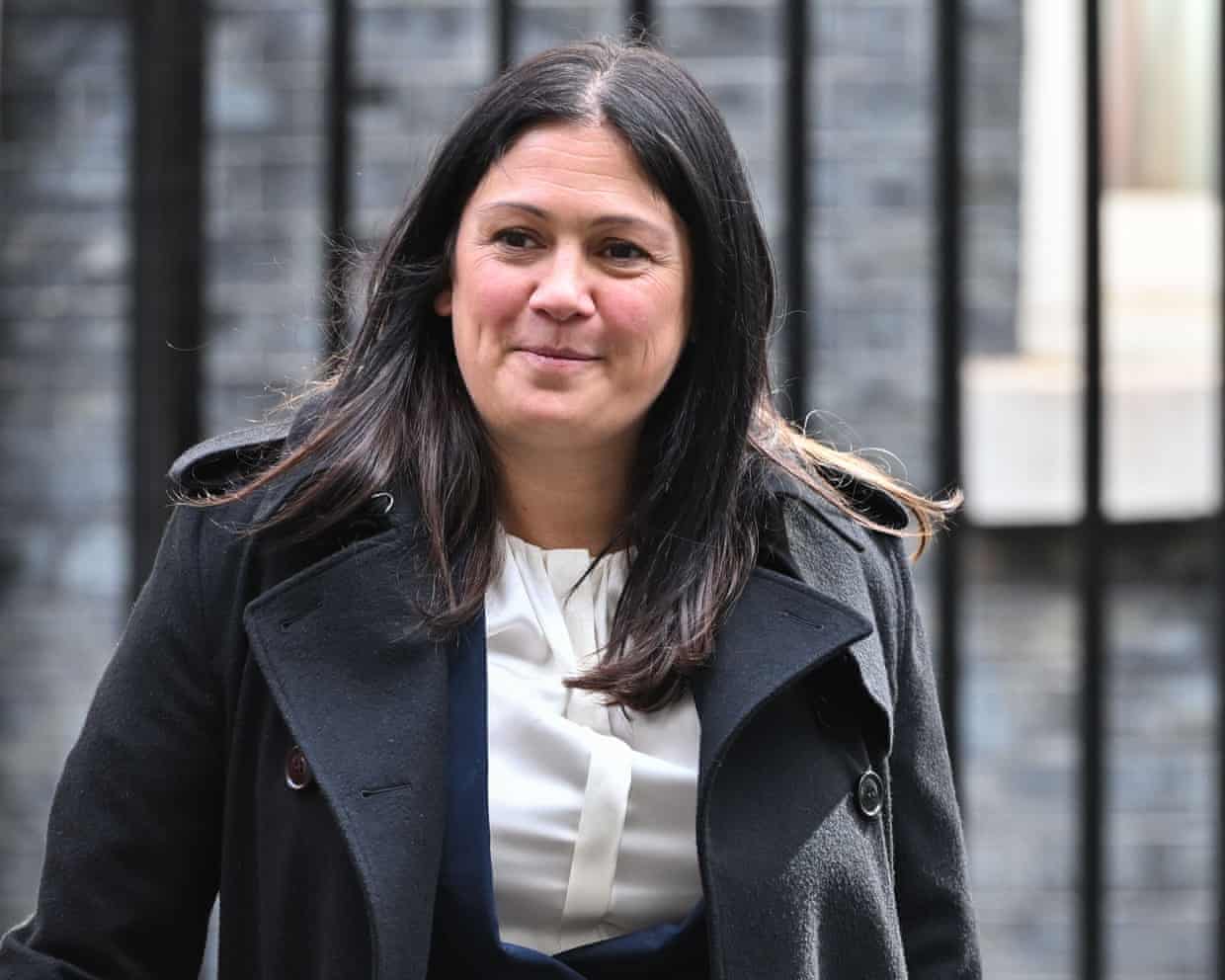
Several leading civil society organisations have urged the government to consult the sector before introducing new powers for the Charity Commission, which they caution risks “suppressing legitimate advocacy” at a time when civic space is under increased pressure.Signatories, including leaders from some of the UK’s largest civil society bodies, alongside faith-based and community organisations, wrote to the culture secretary, Lisa Nandy, saying the proposed social cohesion measures could lead to the “suppression of lawful advocacy, campaigning and community engagement”.The letter, which was signed by leaders from the National Council for Voluntary Organisations, the Muslim Charities Forum, Quakers in Britain and Oxfam, among others, cautions against a government proposal to introduce broader grounds on which organisations could be reported for extremism.“In the absence of clear safeguards and well-defined thresholds, the proposed expansion of the Charity Commission’s powers to remove trustees and close organisations, could be applied in ways that mischaracterise legitimate civil society activity,” the letter said.“This, in turn, may contribute to the suppression of lawful advocacy, campaigning, and community engagement, particularly for organisations working on sensitive or contested issues, including those led by or representing diverse communities

Prison officers given more training to avoid being manipulated into illicit relationships with inmates
A new programme of instruction and support will be given to trainee prison officers to help them avoid being manipulated into illicit relationships by experienced criminals.The Prison Service in England and Wales is developing the scheme, which will offer mentors and advice to trainee officers on how to handle complex relationships with prisoners.It comes as statistics show that prison officers are more likely to be younger and have less experience than a decade ago. It also follows the prosecution of more than a dozen former prison officers after becoming involved in financial and sexual relationships with inmates.They include Alicia Novas, 20, who was jailed for three years after working at HMP Five Wells in Wellingborough where she became involved with Declan Winkless, 31, and smuggled cannabis into prison

Streeting relaunches women’s health strategy to tackle ‘medical misogyny’
Wes Streeting has vowed to stop women being “gaslit” by doctors as he relaunches the women’s health strategy for England.Speaking before the publication of the renewed strategy on Wednesday, Streeting said the NHS was “failing women” and set out measures to help them access the healthcare they need.The government said the strategy would include a new standard of care to ensure women were offered pain relief for invasive procedures, such as fitting a contraceptive coil and hysteroscopies.Feedback would be directly linked to provider funding via a new trial, giving women more power to effect change if they have a poor experience.Action would also be taken to ensure women no longer face long waits for diagnoses for conditions such as endometriosis, which can take a decade to diagnose

EHRC updates guidance on how to apply supreme court ruling on gender
The equalities watchdog has updated its guidance on how to implement the supreme court ruling on gender after the government requested changes to the original proposals submitted last year.In a statement, the Equality and Human Rights Commission (EHRC) said that after feedback from the government, as well as consultation responses and extra legal advice, it had made changes to what is officially known as the code of practice.It follows concern from a number of MPs and groups representing transgender people that the original code, sent to ministers in September under the EHRC’s then chair, Kishwer Falkner, created a legal minefield for organisations implementing it and risked in effect excluding transgender people from much of the public realm.The code sets out how businesses and other organisations should respond in practical terms to the supreme court ruling that sex in the Equality Act refers only to biological sex.A government source said the changes did not mean the guidance was being weakened and that they would provide maximum clarity on how organisations could provide services in practice

‘Little progress’ in stopping drug drones at HMP Manchester, watchdog says
The Prison Service has made “very little progress” in enforcing a formal demand to stop drones from delivering drugs into one of its worst performing jails, a watchdog has concluded.Charlie Taylor, the chief inspector of prisons for England and Wales, said HMP Manchester remained in a “precarious state” after a failure to fix broken windows and install security to stop contraband being delivered to gangs.Taylor issued an urgent notification in October 2024 demanding that the Ministry of Justice intervene within 28 days to stop escalating drug use and violence at the high-security prison.The disclosures, in a report released on Tuesday, have provoked concern among penal reformers that ministers are failing to stop drugs being delivered into the 123 prisons across England and Wales.The government has dedicated £10m across the entire estate to anti-drone measures
Almost 2bn to be affected by metabolic liver disease by 2050, study suggests
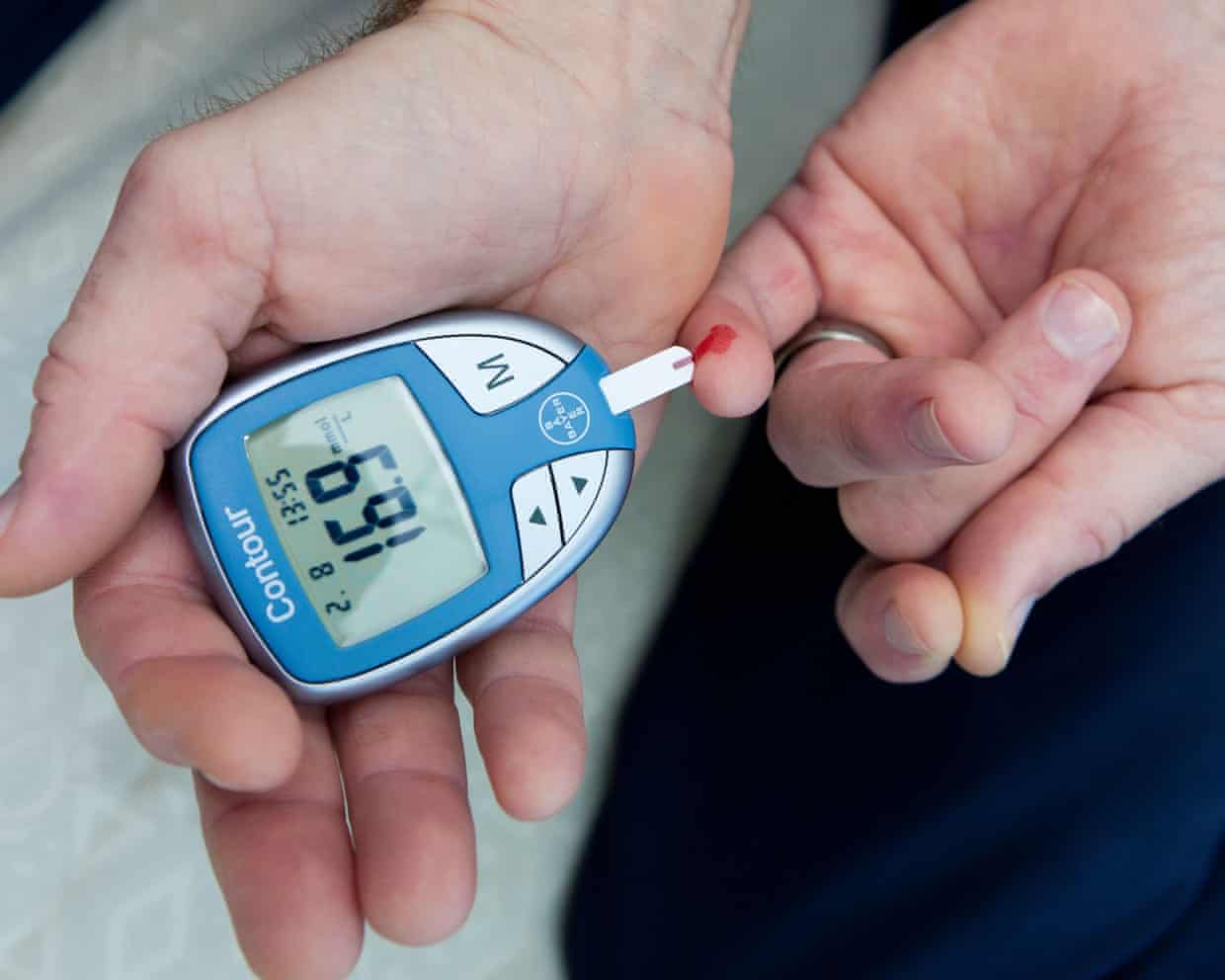
Metabolic liver disease will affect 1.8 billion people worldwide by 2050, driven by rising obesity and blood sugar levels, a study suggests.Metabolic dysfunction-associated steatotic liver disease (MASLD), previously known as non-alcoholic fatty liver disease (NAFLD), is one of the most prevalent and rapidly growing liver conditions globally, according to the research.There are now 1.3 billion people worldwide living with MASLD, the latest estimates suggest, a 143% increase in just three decades

José Pizarro’s recipe for nettle (or wild garlic) and goat’s cheese tortilla

Gone from shop shelves, but not forgotten | Letters
Cornichon shortage leaves British sandwich shops in a pickle

Rukmini Iyer’s quick and easy recipe for chilli eggs with miso beans and spinach | Quick and easy

The US small town coffee shop that created a viral drink: ‘I still don’t understand how it went so far’

How to make Southern fried chicken – recipe | Felicity Cloake's Masterclass