Cardiff stages thriller while Women’s Six Nations favourites show strength
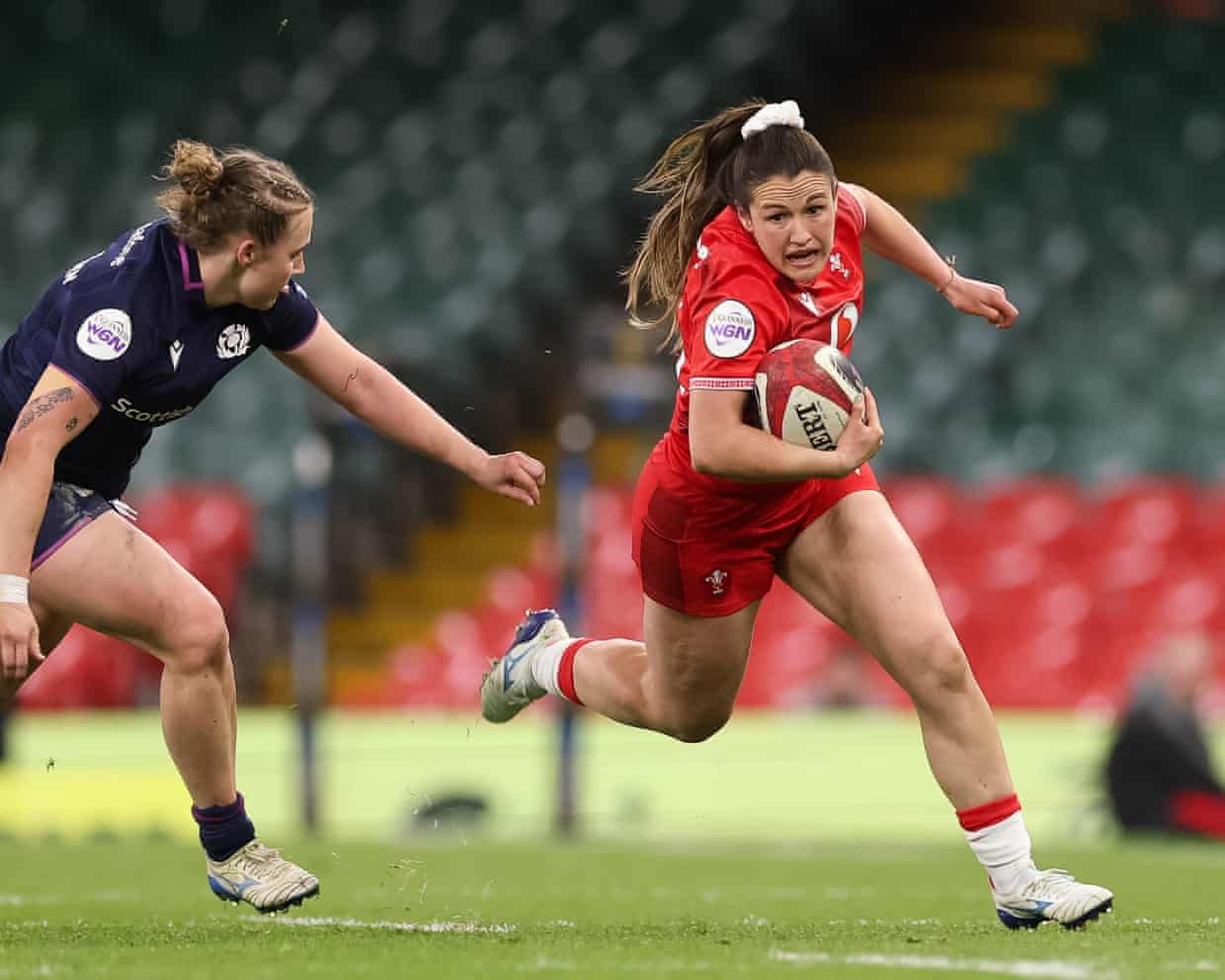
Sporting theatre reached Shakespearean heights at the Principality Stadium on Saturday as Wales and Scotland produced the best match of the opening Women’s Six Nations weekend,Welsh hearts broke seven minutes past the full 80 as Scotland managed to get a comeback win over the line,The fixture had sensational tries and late drama, and played out on BBC Two,The only thing missing was the type of crowd that such a thriller deserved,Wales hosted the game at the national stadium, the only one taking place there during this year’s tournament, watched by 10,569 supporters.
The number is a record for a fixture between the two teams in Wales but if it had been held next door at Cardiff Arms Park, which has an official capacity of just over 12,000, or at Cardiff City Stadium, which holds about 33,000 and is hosting Wales men v Fiji in July, the atmosphere would have translated better to the players as well as to those watching at home.The Welsh Rugby Union held the game at the Principality Stadium as part of its commitment to grow the women’s game and plan to play at least one game a season there.The Principality is certainly a stage the team deserve to play on and the hope is bigger crowds will follow.Other national stadiums are being used across the tournament.Also in round one, England set a Women’s Six Nations attendance record with 77,120 watching for their 33-12 victory over Ireland at Twickenham and the Red Roses travel to Murrayfield on Saturday to face Scotland in front of a crowd expected to surpass 25,000.
It will be Scotland Women’s first standalone game at the venue and when the Scots travel to Dublin in the final round that will represent Ireland Women’s first standalone game at the Aviva Stadium, for which 20,000 tickets have so far been sold.Wales’s round two match against France will be held at Cardiff Arms Park and they will be aiming to deliver another spirited performance, with the head coach, Sean Lynn, making clear consistency is what he’s looking for from his players during this tournament.“The fight and the character that those girls showed at the end, to be playing phase after phase from their own try line, is what we’ve been going after,” he said following Saturday’s match.“For me it was a Test match, the improvement we’ve made from the World Cup to where we are now, you can clearly see it.I was super proud of them all.
”Wales’s performance was a step up from their disappointing performances at last year’s World Cup and was perhaps their best since Lynn took over just before the previous Six Nations.They remained in the fight after going 24-12 behind and put themselves within five points towards the end of the game.As the clock ticked into the red, Wales were battling from their own try line to secure a first Six Nations win since their 22-20 triumph over Italy in 2024.The crowd urged them on but, ultimately, a fumbled lineout dashed their hopes, though some believed Wales should have had an additional penalty as there appeared to be a deliberate knock-on at the set piece.The result was a good one for Scotland, though, and was a first win for the head coach, Sione Fukofuka, after his appointment in December.
“It was a little bit tight at the end – we got our defensive play in finally,” said Helen Nelson, the Scotland fly-half and player of the match.“It’s always tight against Wales but I’m just proud that we put in that full performance and managed to get the win.“It’s been a fast pre-season, we’ve had 12 days together, so we’re just focusing on us, we’ve got a lot of experienced players but also those young players that came in.Just trying to get to know each other off the pitch, get those connections and then show that on the field.”The Red Roses were favourites to be leading the table after round one but it is France who take top spot on points difference after an impressive second-half display against Italy in Grenoble.
François Ratier’s team travel to Cardiff on Saturday as favourites, with two out of three of the Cardiff Arms Park stands sold out,

UK will not join any Trump blockade of strait of Hormuz
The UK will not be involved in any blockade of the strait of Hormuz, the Guardian understands, after claims by Donald Trump on Sunday that the US would be blockading the waterway with the assistance of Nato allies.Speaking to Fox News, Trump said “it won’t take long to clean out the strait” and claimed “numerous countries are going to be helping us”, adding that the UK and other nations were sending minesweepers.The UK has previously suggested it could play a role in making the strait of Hormuz safe to pass, and it has mine-hunting systems and anti-drone capabilities already in the region.But there have been concerns in Whitehall that complying with Trump’s demand to send ships could escalate the crisis. The UK’s willingness to consider a role in mine-removal operations is seen as distinct from Trump’s blockade proposal

Britain could adopt single market rules without MPs’ vote as part of UK-EU reset
Ministers are planning to fundamentally reshape Britain’s relationship with the European Union, with new legislation that could result in the UK signing up to EU single market rules without a normal parliamentary vote.In a major development in the prime minister’s push for closer ties with the continent after the Iran war, the Guardian understands ministers are bracing to face down opposition to “dynamic alignment” with the EU from those who “scream treason” over the powers in a new EU-UK reset bill.After weeks of Donald Trump’s war with Iran that have exposed the fragility of the UK’s damaged special relationship with the US, ministers argue the move will add billions to the UK economy, help temper the cost of the conflict and boost sluggish productivity.A new bill, which will bring into force the food and drink trade deal with the EU, will contain powers enabling the government to dynamically align with Europe on areas where it has already made agreements. But it will also allow the UK to quickly implement evolving single market rules if it determines it is in the national interest, without having to face full parliamentary scrutiny each time
Reform UK’s ugly response to slavery reparations claims | Letters
It is not necessary to agree with the slavery reparations movement in order to see through the crude and threadbare logic of Zia Yusuf’s tirade against it (Reform UK would stop visas for people from countries seeking slavery reparations, 7 April). Britain’s prominent role in ending the slave trade and subsequently slavery neither absolves its involvement in those enterprises nor erases their effects. Endless reiteration of it does, however, encourage a sentimental attachment to a single, insular version of history.Similarly, to claim that advocates for reparations are using history “as a weapon to drain our treasury” is a wilful misrepresentation, designed to jolt the indignant reflexes of Reform UK supporters too lazy to engage with extensive argument.But the ugly coup de grace in Yusuf’s diatribe is his willingness to demonise whole populations whose governments have the audacity to question historical narrative or to possess opinions built on principle – a crime so heinous that it deserves the denial of visas for entry to Britain
Sorry, Keir Starmer, but pensioners don’t feel better off under this government | Letter
For the most part in his recent article (Workers, pensioners and children: all better off. Ignore the critics – we really are standing up for working people, 5 April), Keir Starmer rightly flags up the introduction of policies supporting the less well off in this society. However, I believe it was an ill-considered move to include the statement about increasing the state pension. As a pensioner I am not seeing a straightforward improvement and instead seeing a policy that is reducing the benefit of those increases.The triple lock, established by a Conservative–Liberal Democrat government in 2010, was designed to ensure that pensioners who had made tax and national insurance contributions throughout their working lives did not see their pension watered down
Votes for populist parties in May elections will put NHS at risk, Streeting says
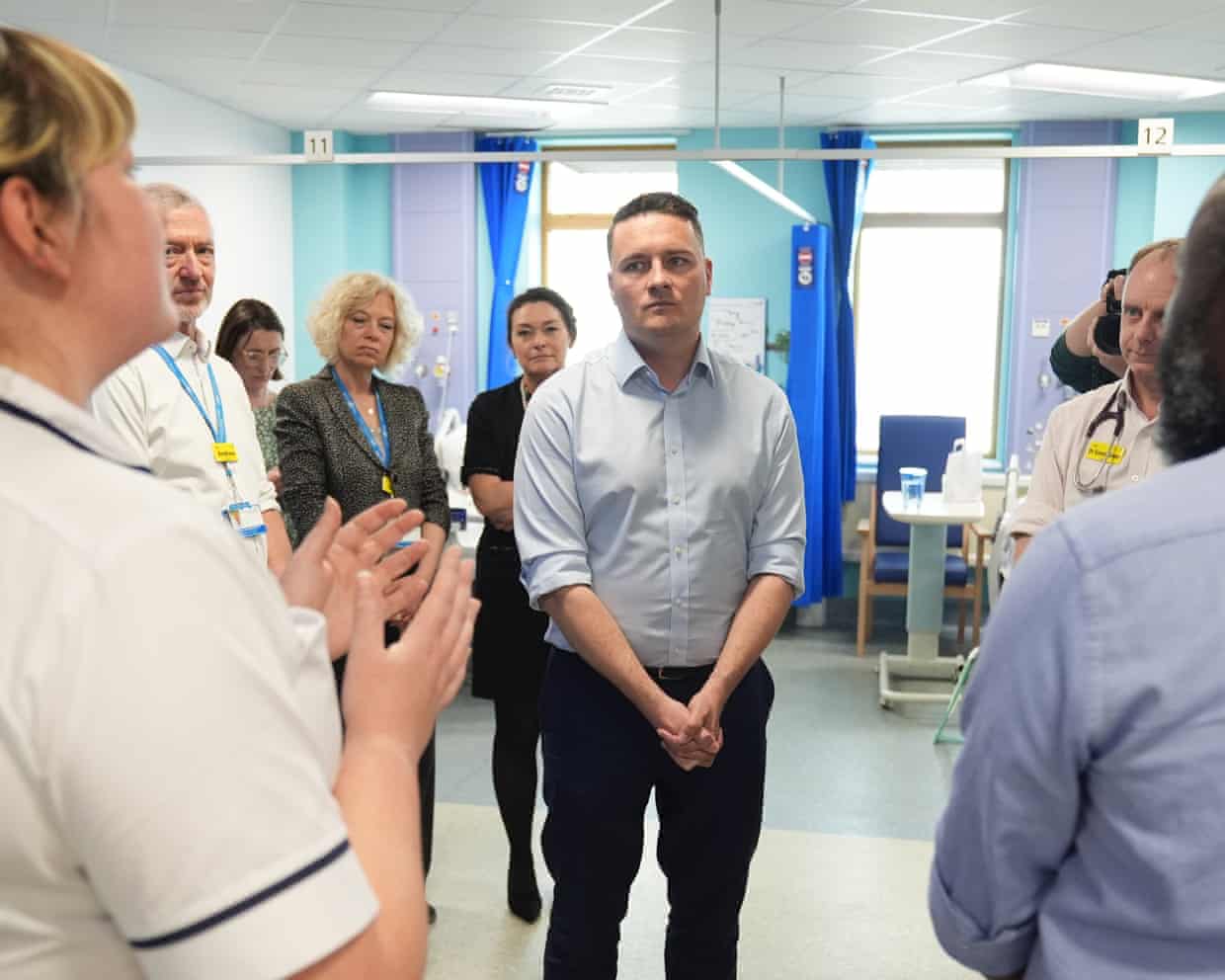
Voters in May’s local and devolved elections risk putting the NHS in jeopardy if they vote for populist parties, Wes Streeting has said, as he sought to make the health service a key battleground.“The founding principles of the NHS are at greater threat than at any time since the NHS was founded in 1948,” the health secretary said.He warned that there was “a particular jeopardy” for the NHS in Wales, where Labour faces electoral wipeout at the hands of Reform UK and Plaid Cymru, with the latter pitching itself to voters as the best “stop Reform” option.Streeting called Labour’s progressive rivals “rookies” and said he “refuse[d] to believe that many people in Wales would vote for Reform if they knew where Nigel Farage stood on the NHS”.Streeting argued that the NHS in Scotland was weaker after almost two decades of SNP governance, while in England Labour-run councils would work more efficiently with Labour in government
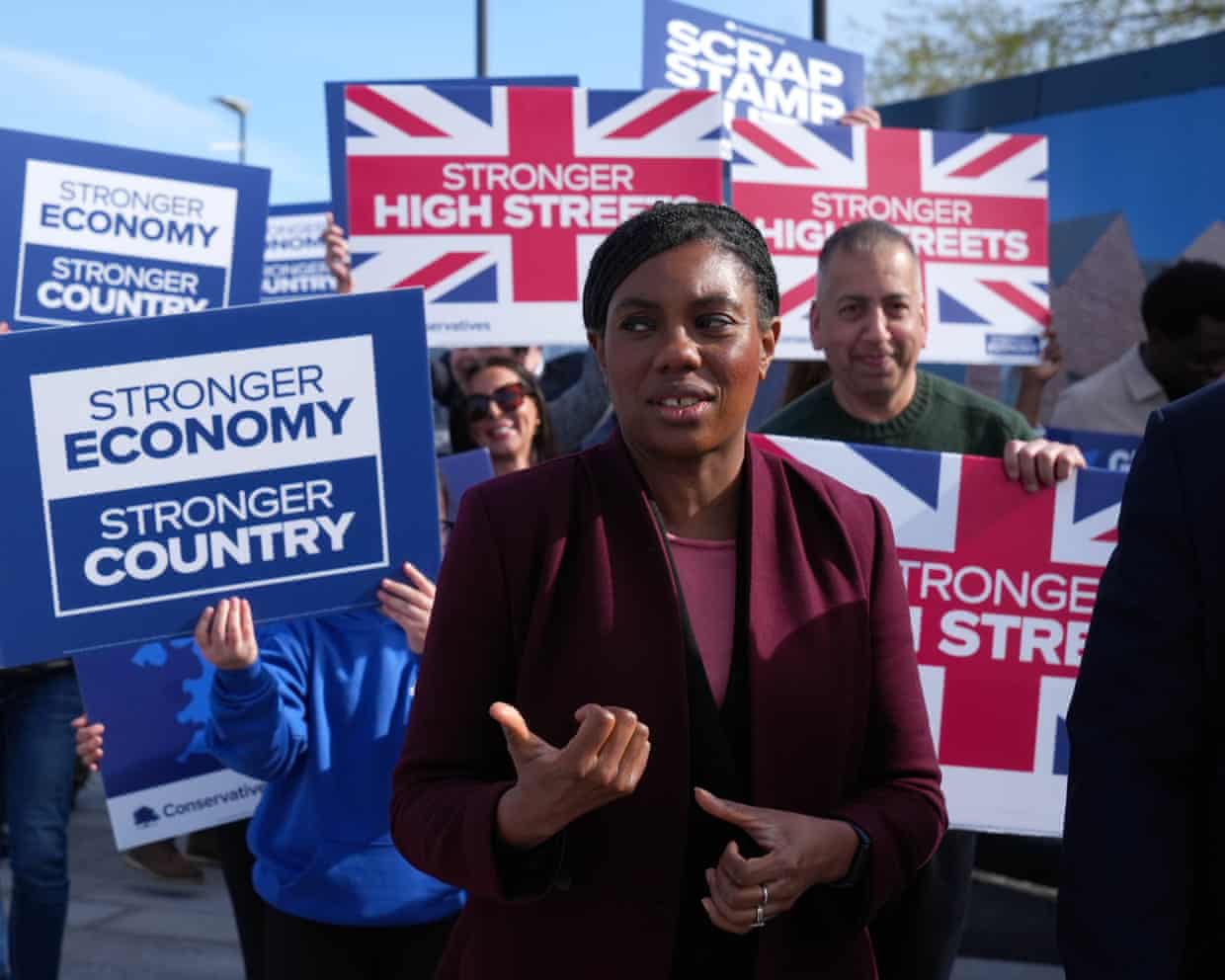
Tories would reinstate two-child benefit cap to fund defence, says Badenoch
The Conservatives would reinstate the two-child benefit cap and use the savings for a wide-ranging spending splurge on defence in what Kemi Badenoch said would be “the biggest peacetime programme of rearmament in our country’s history”.Speaking at a defence conference in London, the Tory leader criticised the government for Britain’s “lack of readiness” for war, which has been exposed by recent world events.Badenoch said the UK needed to “reassert” itself as a global power and committed the Tories to “the largest net increase in British troops under any government since the second world war” if they returned to power at the next general election.The pledge would involve recruiting 6,000 full-time soldiers and 14,000 reservists. The Tories say they could raise £20bn towards the venture by reinstating the two-child benefit cap and reallocating money earmarked for net zero projects
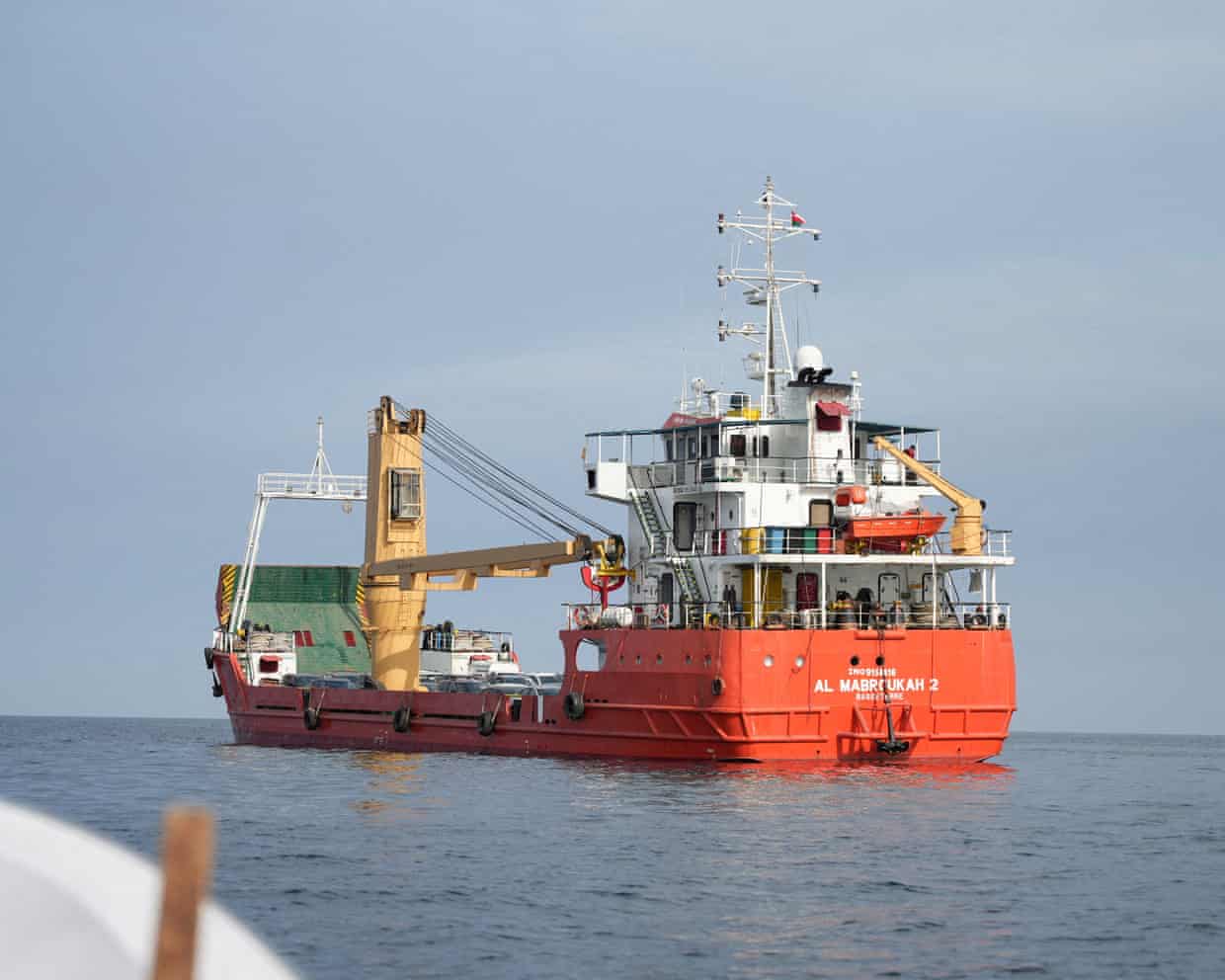
Oil price tops $100 a barrel as US blockades strait of Hormuz; Goldman Sachs posts rise in profits – as it happened

Oil prices top $100 a barrel after talks fail and Trump orders Hormuz blockade

Meta creating AI version of Mark Zuckerberg so staff can talk to the boss

Elon Musk’s X cuts payments to users who post clickbait
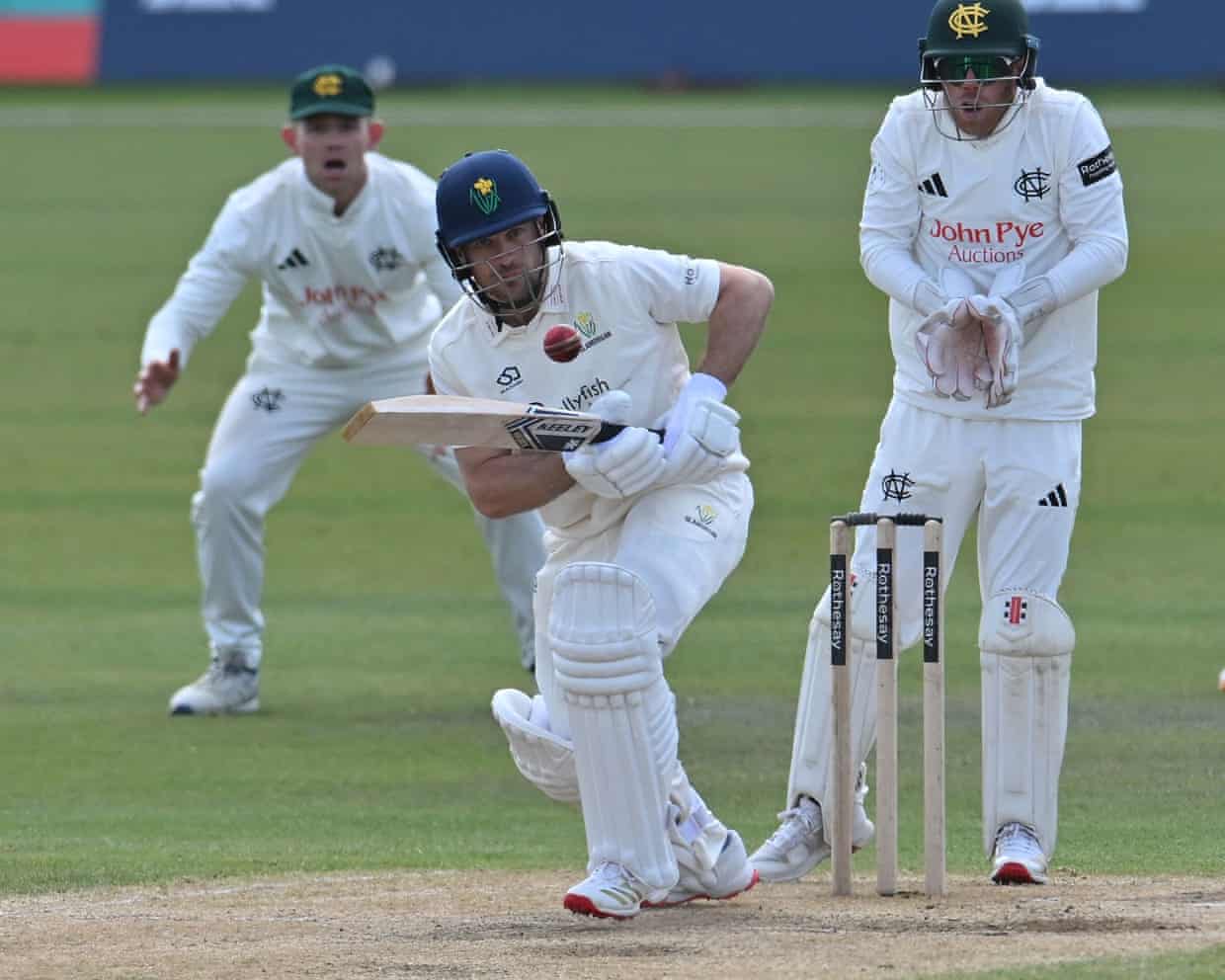
Surrey v Leicestershire, Notts v Glamorgan, and more: county cricket, day four – live

Key gambling reform campaigner calls for pause to controversial affordability checks