The Breakdown | Chile coach Pablo Lemoine: ‘Rugby is in trouble, even in countries like Wales’
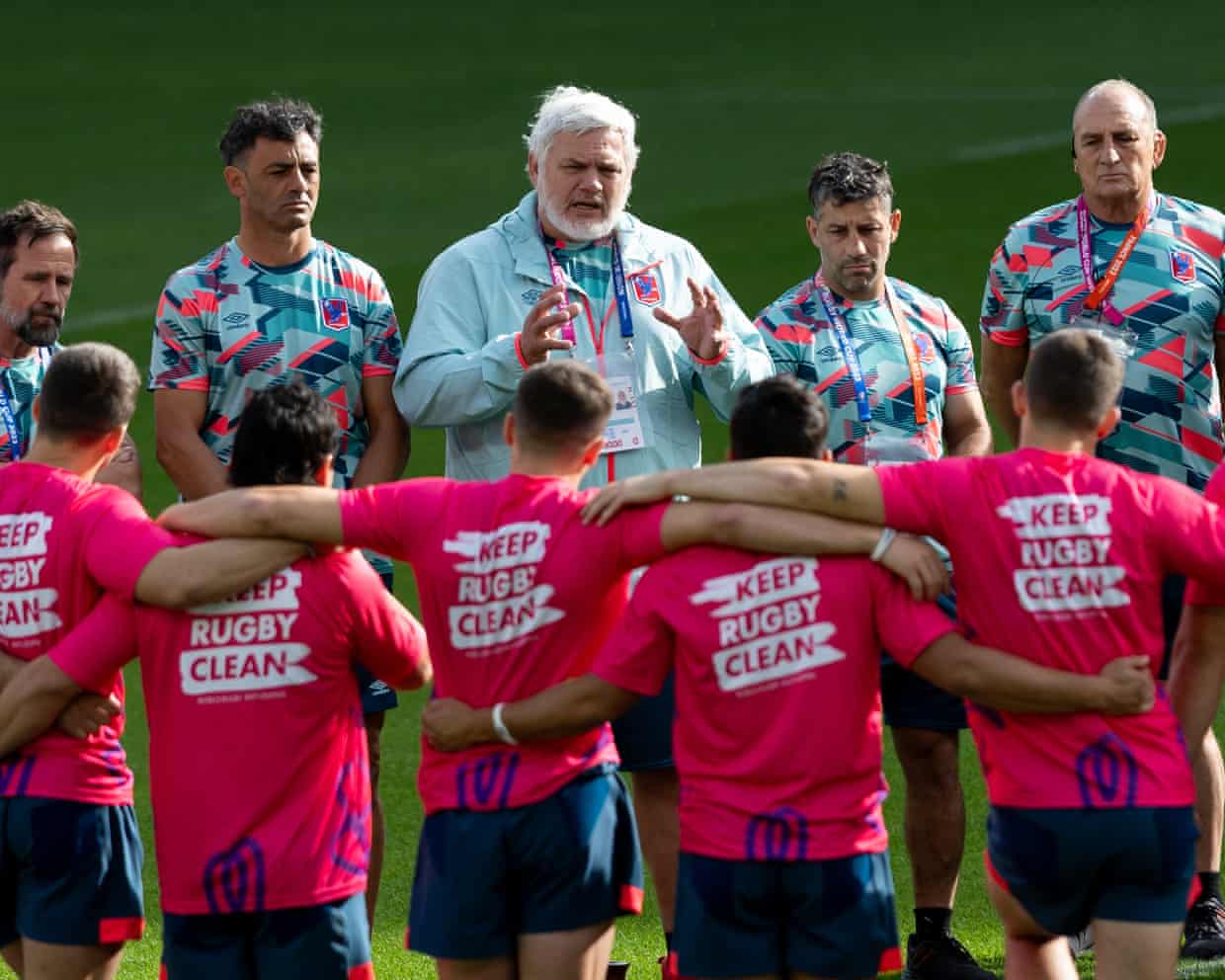
How did Pablo Lemoine, Chile’s head coach, react when they were drawn with Australia and New Zealand for the 2027 Rugby World Cup? The answer is perceptive and somewhat surprising.“When countries like Chile play in a World Cup, you need a general vision,” he says.“Thinking only of sport it’s fantastic, it’s awesome.But thinking of the real impact Chile needs: development programmes, political impact, social impact … for our fans, it’s much more difficult to find tickets when you play the All Blacks or Australia.”Speaking on Zoom from Chile’s Parque Mahuida training base in Santiago, the 50-year-old sits in front of a whiteboard crammed with densely packed handwritten text, neatly illustrating his attention to detail.
He explains they are situated 1,000m above sea level, so no local internet provider is willing to install a fibre connection.“Now we’re trying Elon Musk internet,” Lemoine says.Mercifully the connection holds.The former Uruguay prop who played for Bristol and Stade Français at the dawn of the professional era, has steered Chile to a second straight Rugby World Cup after their 2023 debut in France.In 2027, the enlarged format will mean pools of four rather than five and Los Cóndores will naturally target victory against the debutants Hong Kong.
“We have a chance to win our first game [at a World Cup],” says Lemoine,“Hong Kong have the same chance,It will be huge,We will try to qualify for the next stage, but it will be difficult to find bonus points against Australia and New Zealand,Our final is Hong Kong.
”Lemoine praises the new format that gives tier 2 nations more hope: four third-placed teams will qualify for the last 16.The Hong Kong encounter is likely to be hard-fought: when they met in Talca last year it finished 22-17 to the hosts.“To have a chance to qualify by winning one game … half a chance is already magic,” he says.“It’s a huge difference to the old format.“I participated in two World Cups as a player and two as a coach.
Your tournament was [in effect] one game,Now you could win one game and qualify,That’s a huge difference in the minds of tier 2 countries: something different, something positive,”Mustering a bonus point against Pool A’s heavyweights may prove an impossibility but Lemoine says the revised format will definitely change his approach against the Wallabies and All Blacks,He is realistic, however, on the prospect of a positive result against them.
“My ambition is not to beat the All Blacks,” Lemoine says.“In high performance, when you give a message to the players, they have to believe you.Everybody knows the reality against New Zealand or Australia.”The New Zealander Mark Cross, Lemoine’s predecessor, describes the changes he has made since 2018.“Pablo brought a professional outlook, a high‑performance outlook.
He’s demanding and knows what he wants.He’s changed the rugby landscape in Chile for ever.”Lemoine has blazed a trail in more ways than one.He was the first Uruguayan to play professionally in Europe, signed by Bob Dwyer at Bristol in 1998.Simplicity was key.
“I didn’t speak English.There were many difficulties,” Lemoine says.“But the only thing I needed was a chance.Bob gave me two or three ideas to understand the lineouts.He said: ‘Man, you run straight with the ball and tackle straight.
The rest, don’t worry.’ I started like this as a professional.After that it was my attitude.“Bristol was a great start for me.Bob was a really good coach.
It was a difficult thing coaching a guy like me.I was young, confused about my attitude, aggressive – not easy.But it was a great experience.”What values did Lemoine learn during his career that he now tries to instil in players? “Honesty,” he says.“I’m a really honest coach, I was an honest player.
I know my strengths and my weaknesses.I always had a low profile because I am a simple guy: I don’t like to talk about me.My teams have three clear values: humility, respect and ambition.I was a professional, but in all my Uruguay career, I never earned one dollar.”When Chile qualified for Australia 2027 by beating Samoa in a playoff, Lemoine made pointed remarks about funding, or lack thereof.
He does not feel supported by World Rugby.“Chilean rugby received the same money for the high-performance system for the last three years.The money’s not enough.But worse than that, the demand is bigger because we are preparing for a World Cup.“I understand there are financial problems for World Rugby, but I don’t think it’s right to go against a country that is working hard, in a professional way, as they demand.
I’m not happy with that but we will keep fighting.We accept the reality.”Lemoine wonders how nations such as Chile are expected to improve by normally playing only tier 2 opposition, but also, rightly, identifies problems in the game’s traditional heartlands.“We need to discuss how rugby can grow,” he says.“It’s clearly in trouble even in countries like Wales – famous rugby countries.
“It doesn’t work,The biggest countries in the world don’t play rugby,In China, India and Pakistan there are billions of potential fans,That’s why I like [his former Bristol teammate] Agustín Pichot’s vision,”In 2003, Lemoine scored against England in Brisbane, rumbling straight through Danny Grewcock during a 111-13 defeat.
Is that a favourite playing memory? “The game wasn’t very good,” he says.“They scored 100 points.In 2015, I met Danny in a pub and we finished our discussion with a good pint of beer.”Lemoine’s increasingly impressive career exemplifies how the game has changed, and is changing.But some rugby traditions will never die.
This is an extract taken from our weekly rugby union email, the Breakdown,To sign up, just visit this page and follow the instructions,
‘For the first time, she could tell people who she was’: Ireland’s gender recognition decade
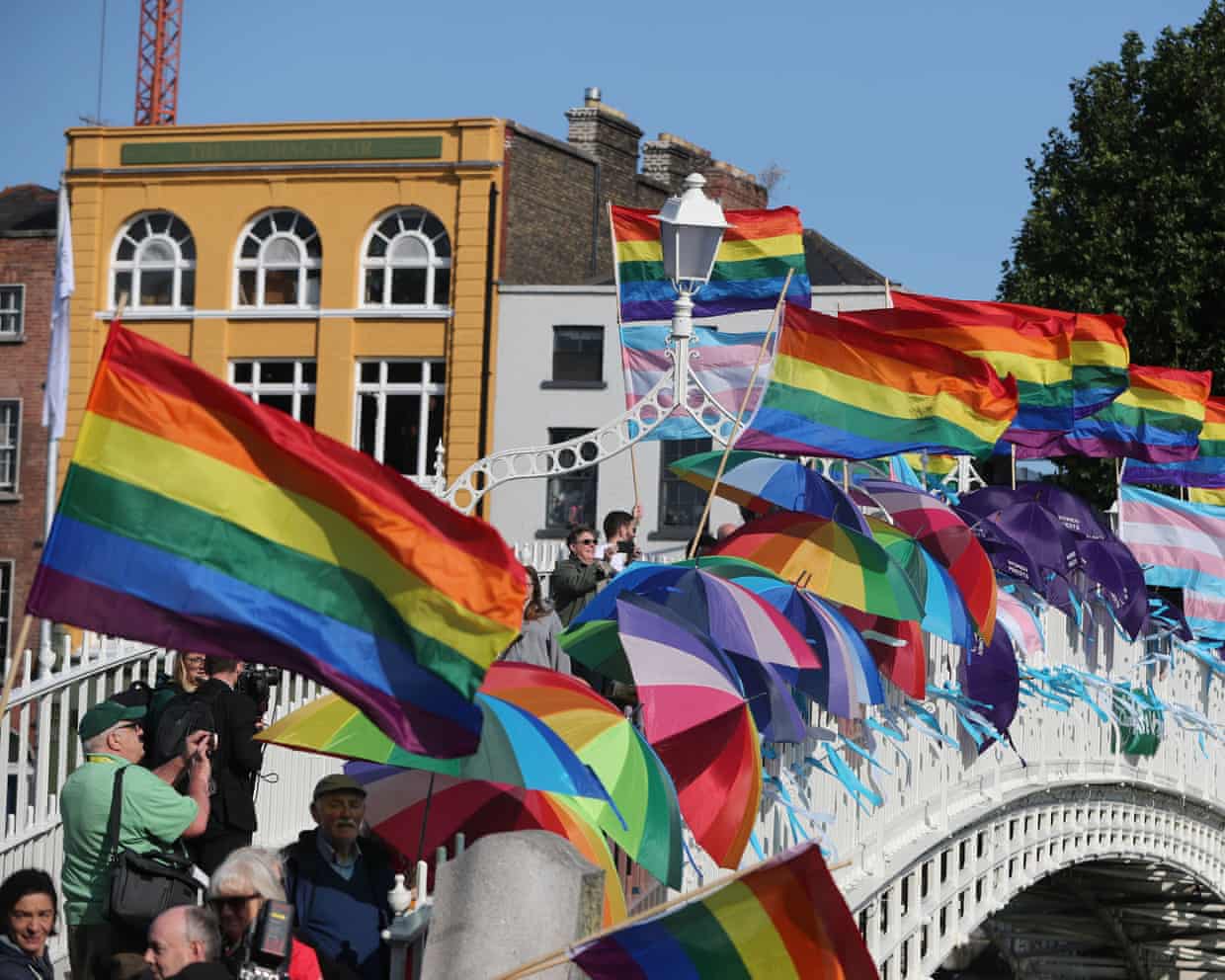
Soon after Ireland passed its Gender Recognition Act in 2015, Kevin Humphreys, a Labour politician, visited a residential home for senior citizens – where an older woman thanked him for the new law.It was Humphreys who, as the minister of state for social protection 10 years ago, guided through the legislation that has meant transgender people in Ireland can apply to have their lived gender legally recognised by the state through a simple self-certification process.“She was around 80,” Humphreys recalls, “and for the first time she was able to tell her friends and family she was transgender. She told me the relief she felt to be accepted by her own community, and by the state, in the last few years of her life.”“We were very fortunate in Ireland that we were able to do the legislation in an era of openness and progressive discussion,” he says

Prosecutions for strangulation in England and Wales increase sixfold in three years
The number of suspects charged for strangulation and suffocation in England and Wales has increased almost sixfold in the three years since the offence was first introduced, Crown Prosecution Service data has revealed.Brought in under the Domestic Abuse Act, which came into force in 2022, the legislation closed a gap in the existing law, giving courts much greater sentencing powers.Kate Brown, the CPS’s lead prosecutor for domestic abuse, said that previously there had been “a lot of cases for which it didn’t seem like we had the right offence”, and the new legislation marked “a significant shift in recognising the serious nature of the offence”.“There were some thoughts that it might not be necessary and that the act of strangulation or suffocation could be covered by other offences,” she said, but added that the options previously open to prosecutors “didn’t really hit the mark in terms of the seriousness, because strangulation is a really serious offence”.Suffocation and strangulation carries a maximum sentence of five years’ imprisonment, whereas previously, except for the most serious cases which could be charged as grievous bodily harm or attempted murder, prosecutors were having to charge offenders with common assault, which carries a much lesser maximum sentence of six months

Britons reported to be drinking less, as data shows consumption at record low
People in Britain are drinking less alcohol than in previous years, according to reports.The average UK adult consumed 10.2 alcoholic drinks a week last year, the lowest figure since data collection began in 1990 and a decline of more than a quarter from the peak of 14 two decades ago, according to figures published in the FT from research company IWSR.However, total abstention is not on the rise despite the decline in consumption, which suggests more moderate drinking habits have driven the trend.“The population is ageing and older consumers physiologically can’t drink as much,” Marten Lodewijks, the IWSR president, told the newspaper

Resident doctors say they will resume talks to avoid further strikes with ‘can-do spirit’
Resident doctors have said they will approach talks with Wes Streeting with a “can-do spirit” to avoid further strikes in the new year, as their five-day action ended on Monday morning.The British Medical Association called on the health secretary to come to the table with the same “constructive” attitude, saying the tone of 11th-hour talks before their stoppage had been encouraging but too late to avoid the strike in England.Streeting also signalled his determination to get back to the talks, saying he did “not want to see a single day of industrial action in the NHS in 2026”, and that he would “be doing everything I can to make this a reality”.“My door remains open, as it always has done, and I’m determined to resume discussions with the BMA in the new year to put an end to these damaging cycles of disruption,” he said.Streeting and Keir Starmer have taken a tough line towards the strike, with the prime minister saying it was “beyond belief” that it should go ahead when the flu-hit NHS was facing its worst crisis since Covid
One in eight of 14- to 17-year-olds in Great Britain say they have used nicotine pouches
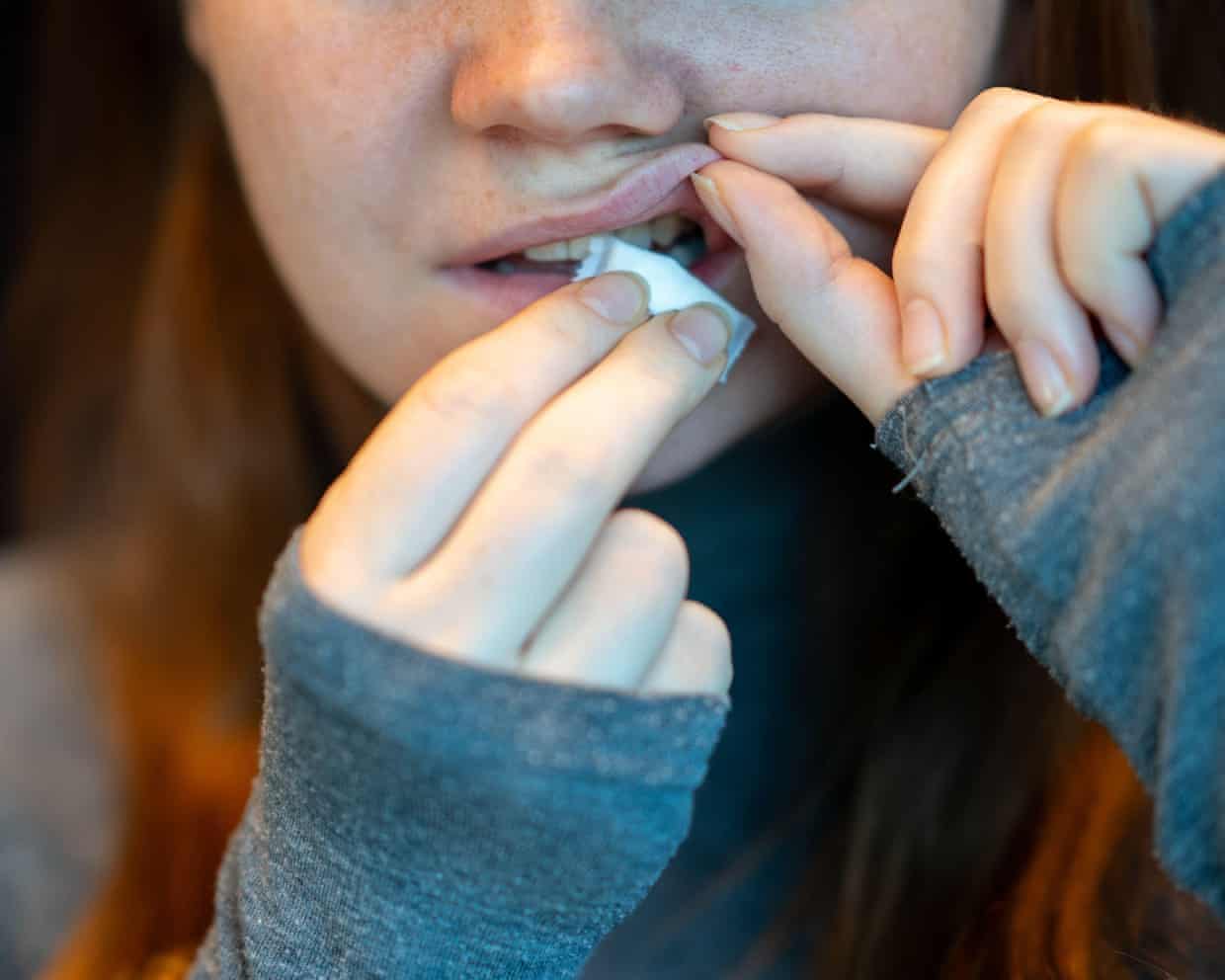
One in eight teenagers aged 14 to 17 have used nicotine pouches, a survey has found, adding to health experts’ concern about their growing popularity.Users hold the small sachets, which look like mini-teabags and are often flavoured, in their mouths to enjoy the release of the nicotine they contain. They are also known as “snus”.Unlike smoking the pouches do not raise the risk of cancer, but they have caused alarm because of the fear that users could become addicted to nicotine and suffer mouth and dental problems.A survey of 500 teenagers aged 14 to 17 in England, Scotland and Wales found that 13% have used a nicotine pouch, of whom 30% said they did so at least once a week

Starmer has no coherent social mobility plan, says top government adviser
Keir Starmer has no coherent strategy to tackle entrenched inequalities harming the life chances of millions of people, the government’s social mobility commissioner has said.A report warned last week that young adults in Britain’s former industrial heartlands were being left behind as a result of failed or abandoned promises by successive governments.The Social Mobility Commission (SMC), a government advisory body, said big cities such as Manchester, Edinburgh and Bristol were starting to thrive but that opportunities were “overconcentrated”.In a Guardian interview, the commission’s chair, Alun Francis, urged Starmer to outline a bold vision to tackle “the defining social mobility challenge of our generation”.He said: “We have a government that talks quite a lot about social mobility, but mainly about individuals – often about [the] social mobility of themselves or their colleagues … But what we don’t have is a coherent approach to social mobility as a useful concept that you can build a strategy around
Bet365 boss receives at least £280m in pay and dividends despite profit slump

US economic growth surges to fastest rate in two years; Tesla’s European sales drop again – as it happened

Elon Musk, AI and the antichrist: the biggest tech stories of 2025

Activist group says it has scraped 86m music files from Spotify
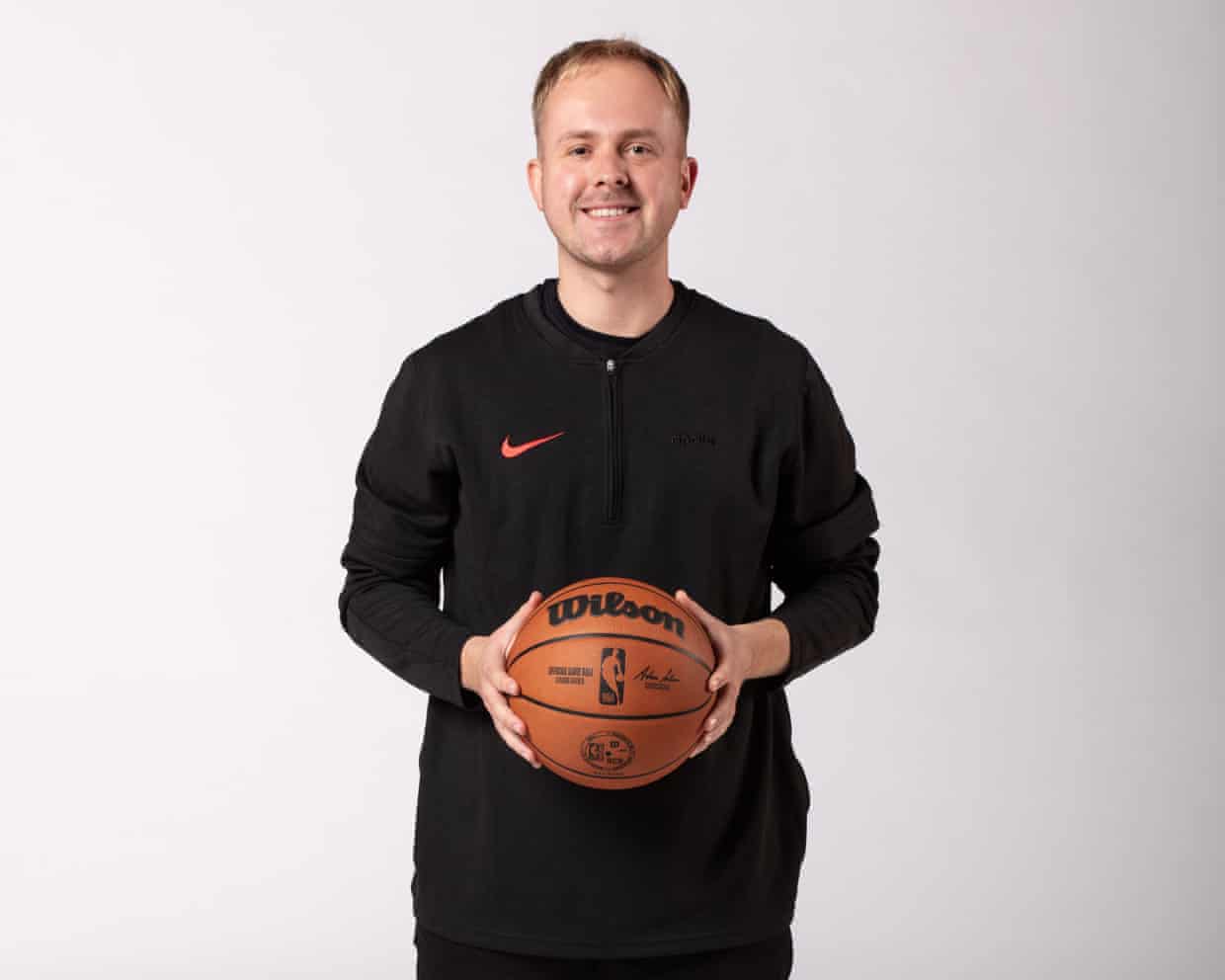
Alex Samara: how a 30-year-old Englishman became an WNBA head coach
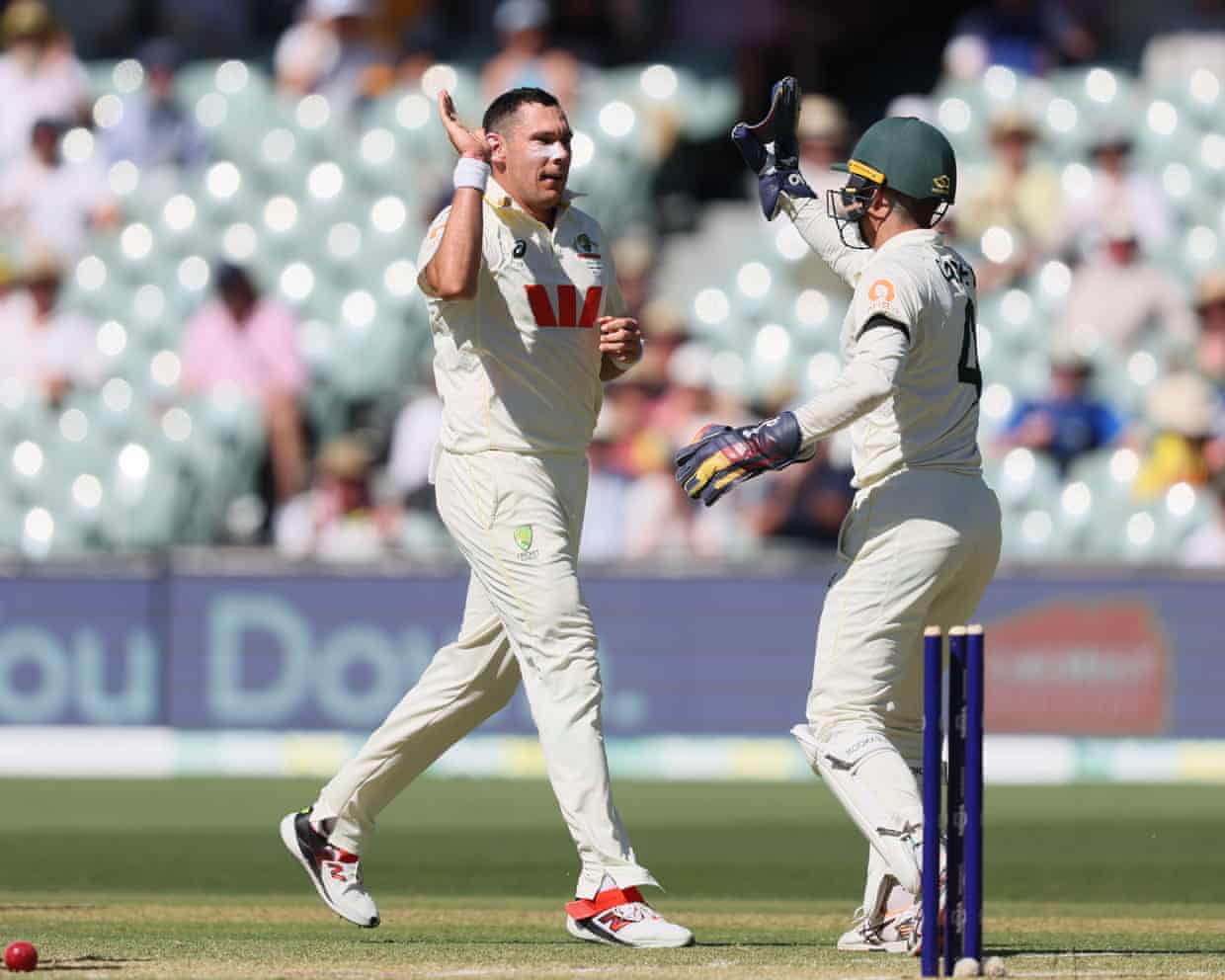
Scott Boland reveals uncomfortable truth about standing up to England during Ashes