Labour failing to shift power from Whitehall to local areas, analysis finds
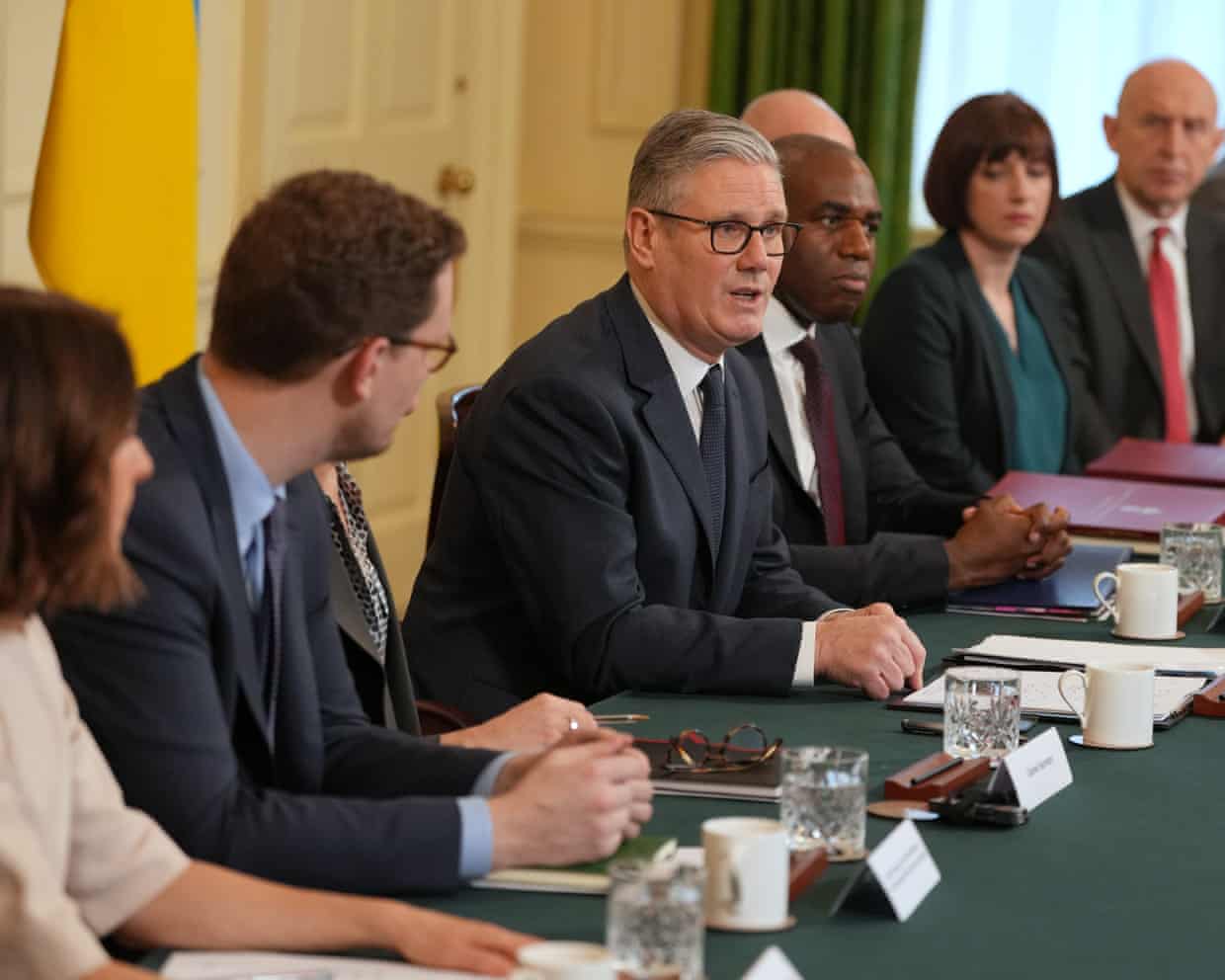
Keir Starmer’s drive to overhaul public services is failing to live up to its aims of shifting power from Whitehall to local areas, a report from the Institute for Government (IfG) has found.Last summer, the government set out its three guiding principles for reform aimed at making public services such as the NHS, court system and children’s social care easier to access and better at helping people.The objectives were to make public services “organised around people’s lives”, to improve outcomes by focusing on prevention of problems, and devolving power to local areas that understand the needs of their communities best.However, the IfG’s analysis found that none of these were on course to happen by the next election, which is due by summer 2029.Stuart Hoddinott, a public services expert at the IfG who wrote the report, said: “Our assessment is that by the end of this parliament, on the government’s current trajectory, public services will be more centralised, integration will have slowed or even reversed, and a measurable shift towards prevention will not have occurred.
“This would be a failure on its own terms, and would add up to a historic missed opportunity for a government that has devoted so much energy to public service reform.”Those with knowledge of Downing Street’s aims for overhauling public service said the government’s ambition to make public services more local had run up against the impulse of many ministers and officials in Whitehall who wanted to keep power in the centre.The report highlighted that in health, one of the big changes had been to abolish NHS England, bringing power more directly under the control of the Department of Health.And in local government, the Ministry of Housing, Communities and Local Government is abolishing the lower tier of local government to bring in bigger unitary councils.The report said: “In three reorganisations (the police, local government and the NHS), ministers have chosen to bring smaller organisations together to create fewer bodies spread over larger areas.
“Rather than devolving power to services at the local level it has revealed a preference for centralisation, with control over four key services (including the NHS) being moved closer to ministers.”It added: “Other structural changes will at best delay and at worst complicate its objectives of local integration and a shift to prevention.There is a mismatch between its stated aims and how departments are driving change.”The IfG suggested any effort to change course should be taken by people close to the prime minister, such as his chief secretary, Darren Jones, with the public services cabinet committee as a logical forum for coordination.Jones is leading the government’s move to bring in digital ID, which would integrate more public services under one platform and make them easier for people to access.
The aim is to deliver “a new digital state that delivers public services directly to you, a state that can move fast and fix things”.However, it is not known when digital ID will be available for the public to access, with hopes that it will be ready before the 2029 election.A government spokesperson said: “People want public services that work for them.The NHS is moving in the right direction with waiting lists at their lowest level for three years and we are fixing the broken education system left by the last government.“More widely, we are digitally transforming our services to put more control in the hands of the public, and shifting power away from Westminster and toward local decision-makers who understand their own communities’ unique needs.
”
Lloyds bank faces £66m court battle with car loan customers
Lloyds Banking Group is facing a court battle with 30,000 aggrieved car loan customers who are to abandon the City regulator’s official redress scheme amid fears it will shortchange consumers and favour lenders.The claims law firm Courmacs Legal is planning to file a £66m omnibus claim on behalf of borrowers who believe they were financially harmed by car loan contracts set up by Lloyds’ motor finance arm, Black Horse.The grievances are part of a much wider car loans commission scandal, in which drivers were overcharged for their loans due to unfair commission arrangements between lenders and car dealers.However, the omnibus case, which is expected to be filed in the coming weeks, means consumers are deciding to pre-emptively waive their rights to the Financial Conduct Authority’s (FCA) estimated £11bn compensation scheme, even before the final details are due to be set out on Monday. That is despite claims law firms such as Courmacs taking a 28% cut of any potential payout
UK government borrowing costs hit 5% as Iran war fuels bond market sell-off
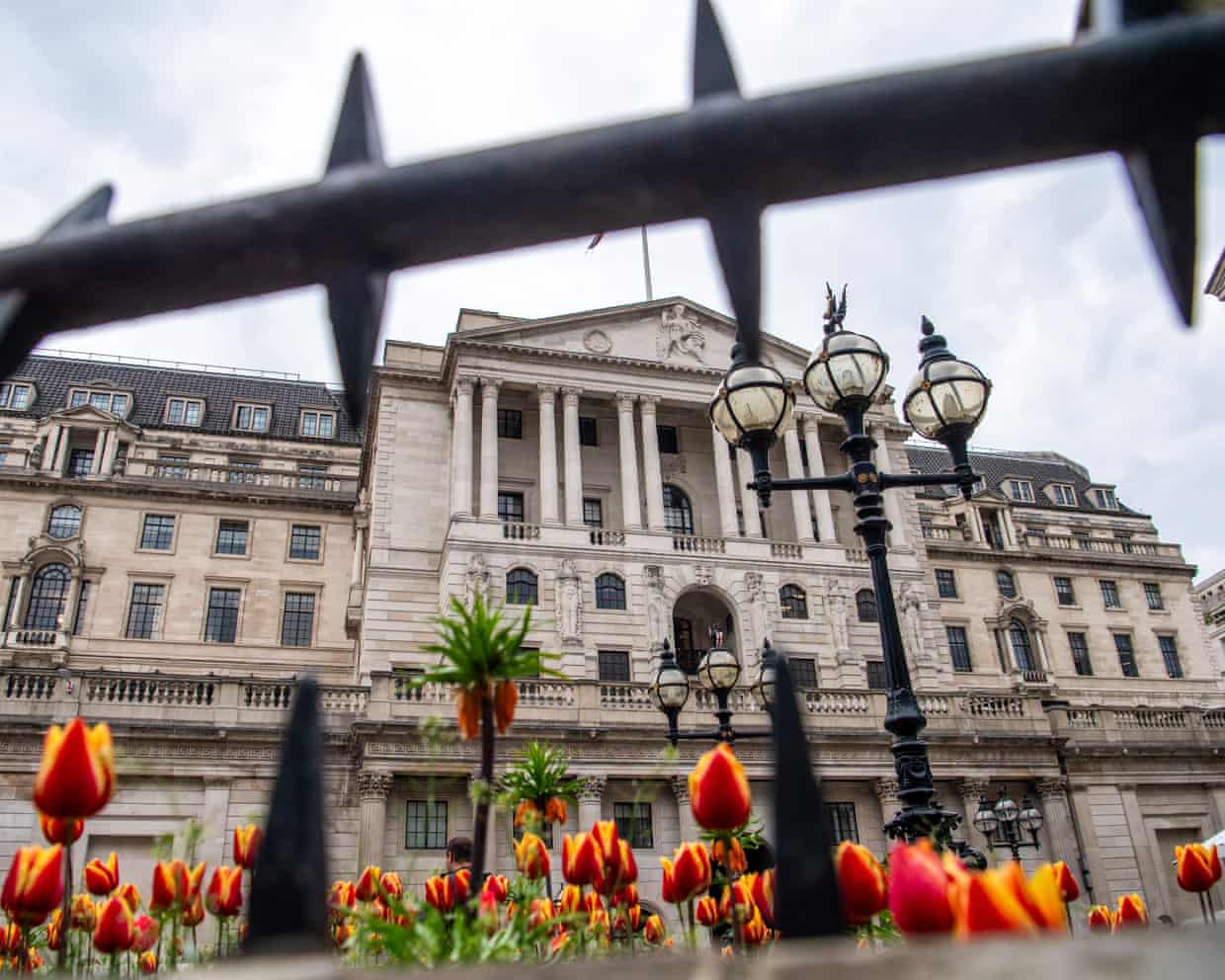
UK government borrowing costs have risen above 5% amid an intensifying global bond market sell-off fuelled by the Iran war.The yield – or interest rate – on 10-year debt hit its highest level since the 2008 financial crisis, rising 13 basis points to 5.081%, as investors acted on concerns about the economic fallout from the conflict.Borrowing costs also rose for the US and eurozone governments, underscoring growing turbulence in the global financial system after Donald Trump’s extension of a deadline for a peace deal failed to soothe jittery investors.Financial markets worldwide slumped on Friday, extending falls seen since the outbreak of the war, with losses in London and across major US and EU trading hubs

Italy investigates beauty brands over concerns about young girls’ mental health
Italian regulators are investigating Sephora and Benefit Cosmetics over the apparent use of “covert marketing strategies” to sell beauty products to young girls that might be fuelling an unhealthy skincare obsession known as “cosmeticorexia”.The Italian Competition Authority said it was looking into promotions for skincare products such as face masks, serums and anti-ageing creams that in some cases appeared to target girls under 10.“These practices are linked to the broader issue of ‘cosmeticorexia’ – an obsession with skincare among minors,” the authority said.The cosmetics brands, which are both owned by the French luxury group LVMH, appeared to have adopted a “particularly insidious marketing strategy”, it said. This involved using “very young micro-influencers who encourage the compulsive purchase of cosmetics among young people, a particularly vulnerable group”
Ministers should ‘start doing stuff’ to help farmers and cut fuel costs, says Asda boss
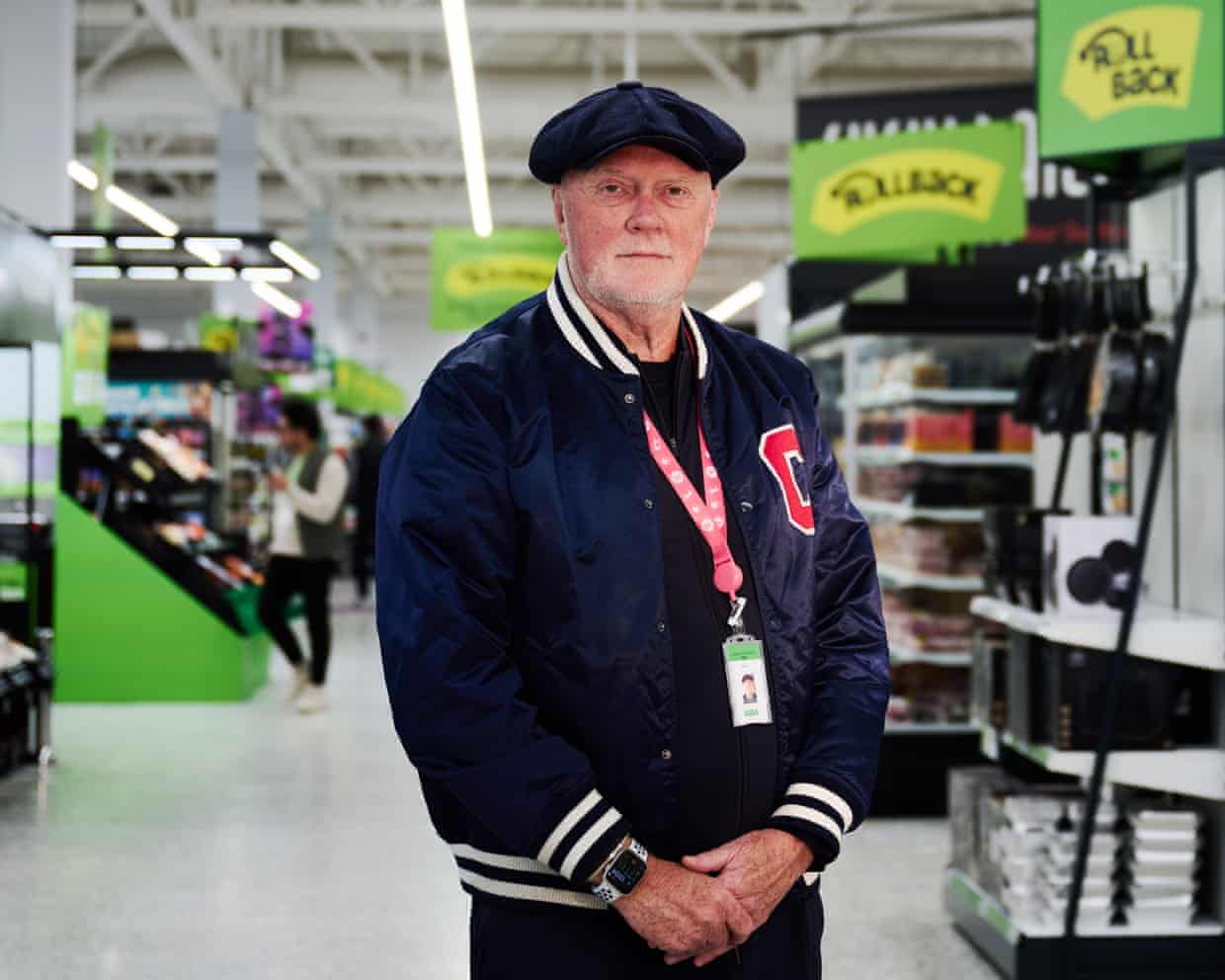
Asda’s executive chair has called on the government to “stand up and start doing stuff” to support farmers and ease the price of fuel as he warned that food prices would inevitably rise as a result of the conflict in the Middle East.Allan Leighton said farmers were under pressure but the supermarket chain had so far received “a trickle of requests not an avalanche” of cost price increases from its suppliers, as they were under pressure from higher fertiliser, energy and fuel costs.“I do believe it will create inflation,” he said, adding that the pace of cost increases was volatile and quite different across the various commodities.Leighton also warned of “temporary shortages’” at petrol stations, as supplies are squeezed by the conflict in the Middle East, with the RAC reporting on Friday that the average price of unleaded petrol in the UK had risen to 150p a litre.Leighton accused the government of benefiting from £3bn of income from fuel duties as prices rose and said it should ease these duties or support farmers on energy or other costs
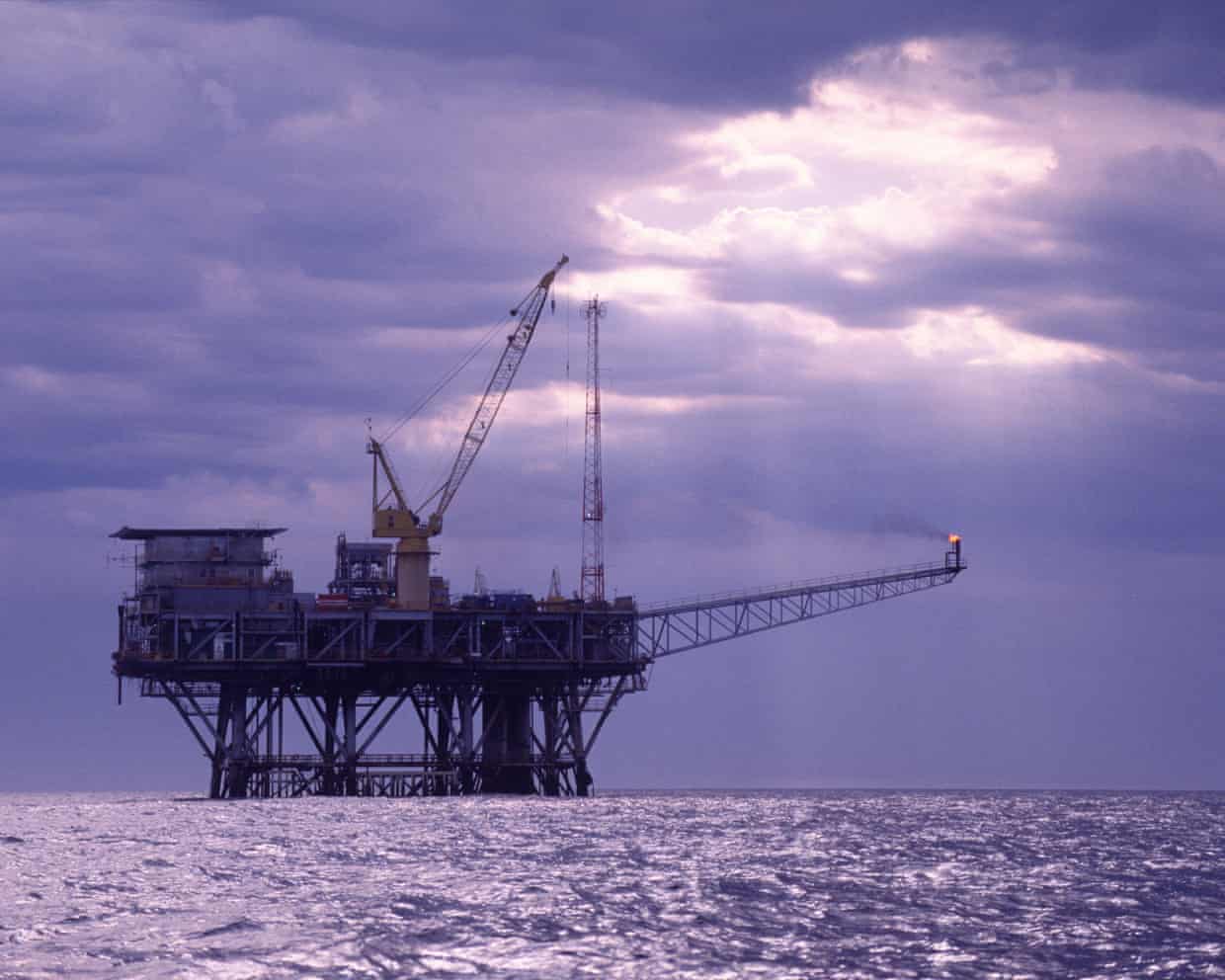
‘It’s fired people up’: support grows, including within Labor, for new gas tax to curb wartime profits
The gas industry is mobilising in opposition to a potential new tax on the sector as political momentum builds – including among Labor MPs – for the government to use the May budget to prevent producers profiting from the Middle East war.The Australian Energy Producers (AEP) chief executive, Samantha McCulloch, claimed a new tax would punish the same Asian trading partners Australia was leaning on to supply more fuel amid the global energy crisis.The gas sector was blind-sided by revelations the Treasury was modelling options for a new levy to capture windfall profits from gas and thermal coal companies, as well as potential changes to the Petroleum Resources Rent Tax (PRRT) and corporate tax.Government, industry and opposition sources believe the public mood on taxing the resources giants has shifted, giving the Albanese government cover to pursue changes it might have considered too politically risky a few months ago.The sources point to a campaign spearheaded by independent senator David Pocock, social media influencer Konrad Benjamin of Punter’s Politics fame and progressive thinktank the Australia Institute, which has highlighted how much tax gas companies pay
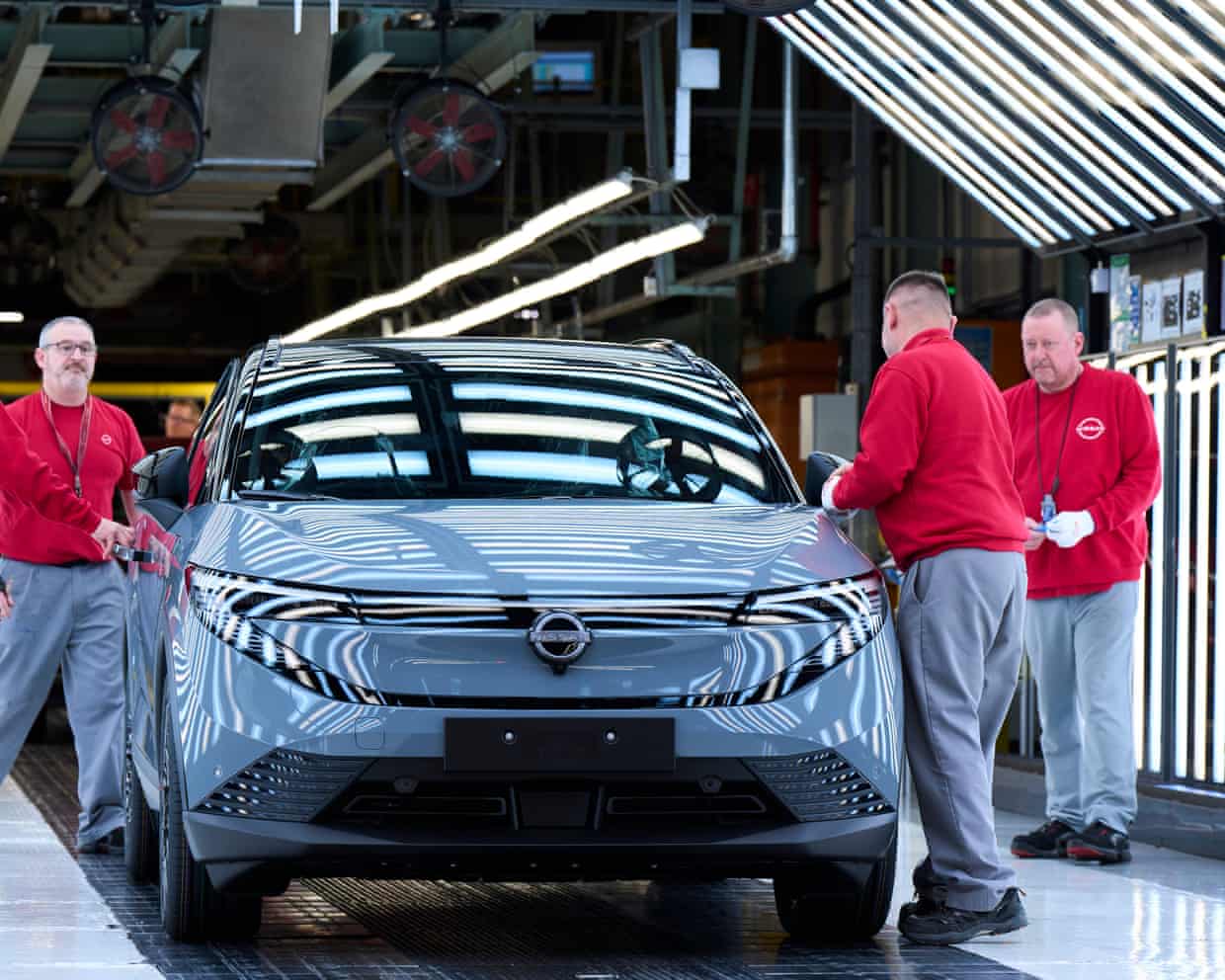
UK car production falls 17% as industry warns of ‘worrying’ decline
Fewer cars rolled off UK production lines in February in what the industry called an “extremely worrying” slump even before the impact of the Iran war was felt.Vehicle production was 17% lower last month on the same period in 2025, according to the Society of Motor Manufacturers and Traders, as exports dropped sharply.A further decline is expected in March, after the war sent global energy prices soaring and further dented consumer demand, a double blow for carmakers.Mike Hawes, chief executive of the SMMT, said: “Another decline for UK vehicle production and exports is extremely worrying, given these figures pre-date the crisis in the Middle East. While the sector has made efforts to build resilience into its logistics and supply chains post-Covid, the conflict adds further strain
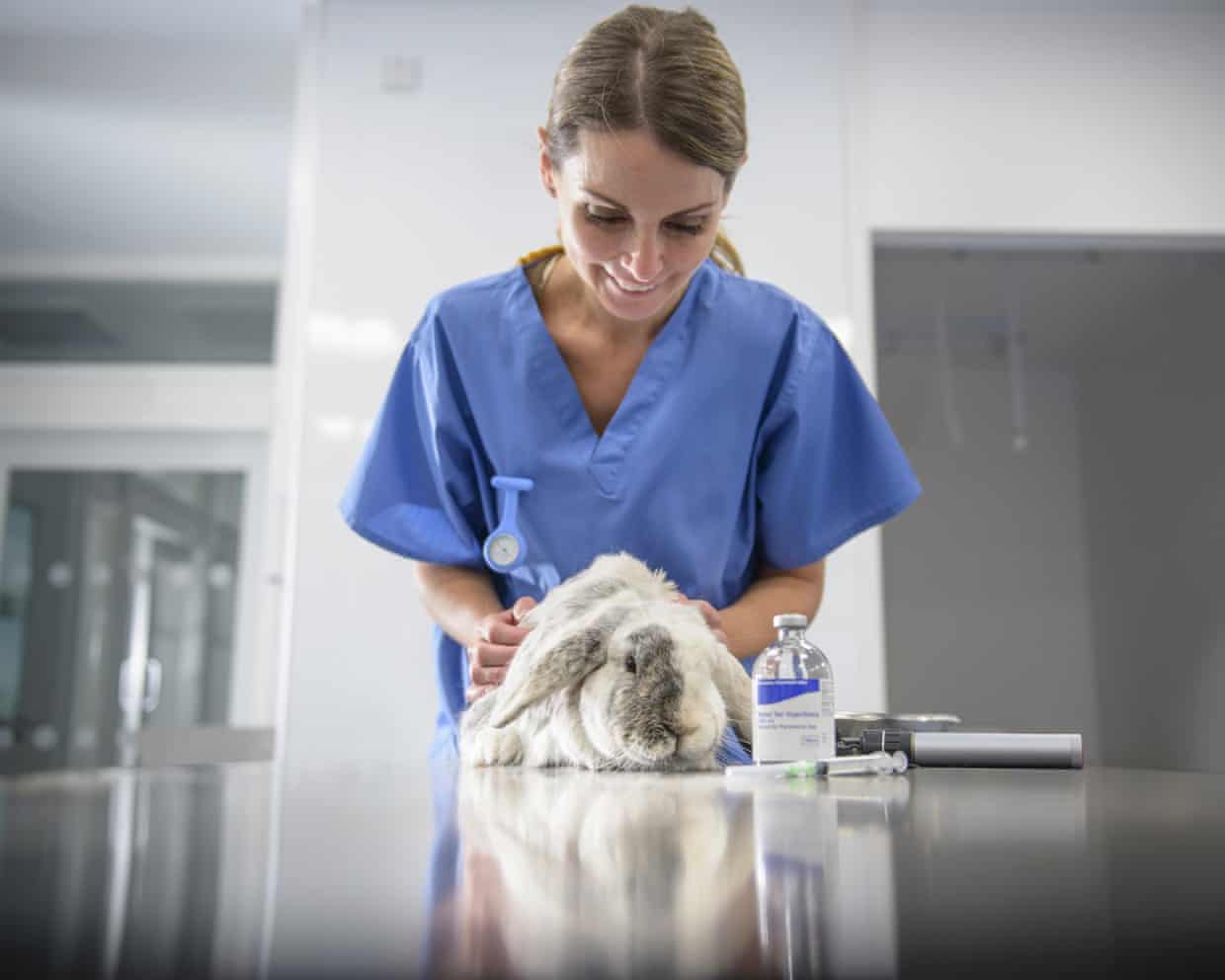
‘It feels like they’re pulling figures out of the sky’: UK pet owners welcome crackdown on vet fees
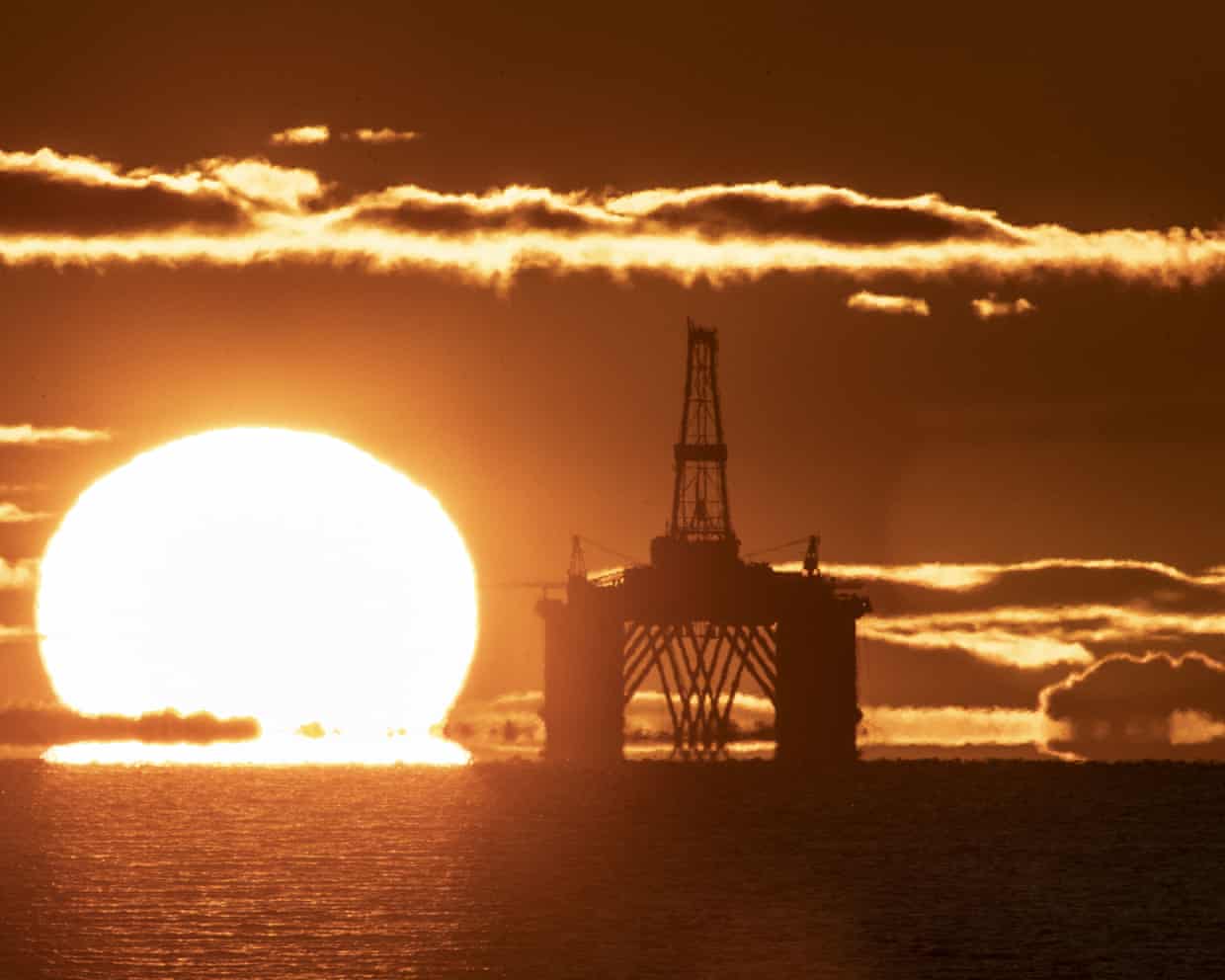
Hundreds of North Sea licences granted by Conservatives have ‘so far produced only 36 days worth of gas’

‘Our assumptions are broken’: how fraudulent church data revealed AI’s threat to polling

‘They feel true’: political deepfakes are growing in influence – even if people know they aren’t real

Aryna Sabalenka edges tense battle with Coco Gauff to triumph in Miami Open final

Prem top four looks done and dusted after Northampton repel Saracens comeback