‘They feel true’: political deepfakes are growing in influence – even if people know they aren’t real
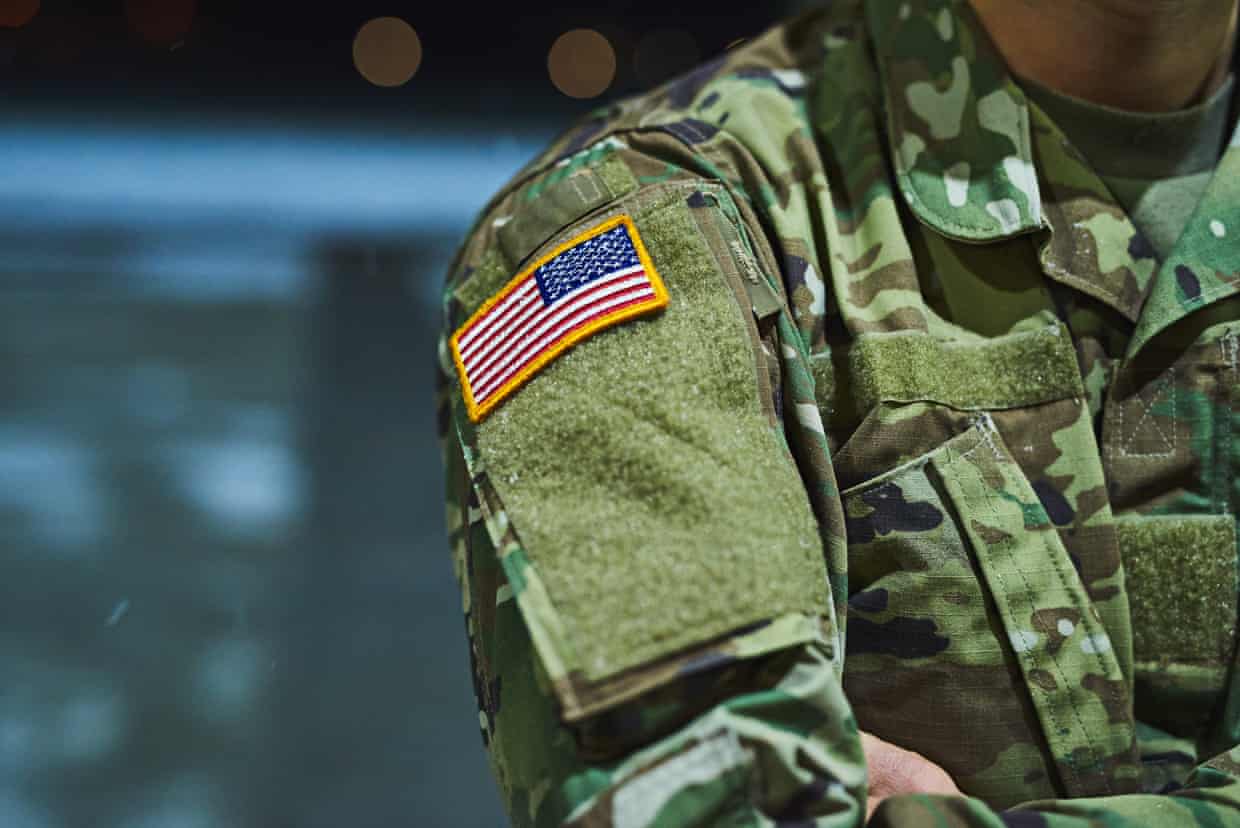
Online content creators are not just building fake images and videos of prominent public figures, they are also fabricating people and using them in military contexts, which can make them money and even serve as effective propaganda, according to artificial intelligence researchers.Some of these online avatars are sexualized images of women wearing camouflage garb that have generated a significant audience and helped create an idealized image of political figures like Donald Trump, even if the viewer knows the content is not real, according to experts.“We are blending the lines between political cartoons and reality,” said Daniel Schiff, an assistant professor of technology policy at Purdue University and co-director of the Governance and Responsible AI Lab (Grail).“A lot of people feel like these images or videos or the stories they convey, feel true.”The amount of political deepfakes has increased dramatically in recent years, according to a Grail database.
Since the start of 2025, the organization has catalogued more than 1,000 English language social media posts featuring fake images or videos of prominent political figures and politically important social issues and events.In the previous eight years combined, the organization recorded 1,344 such incidents.That uptick is largely because generative AI technology has improved, which has allowed people to quickly create such content, Schiff said.We have made it “trivially easy to generate a scene that looks pretty realistic and to place real individuals into scenes”, said Sam Gregory, executive director of Witness, an organization dedicated to human rights and combating deceptive AI.But the fake avatars – which mimic real ordinary people rather than known figures – are a different matter again.
In December 2025, an account for Jessica Foster, an AI-generated blond woman often in US military uniform, went live on Instagram and started sharing photos of Foster atop a bunk bed in barracks; sitting in an office chair with her feet on a desk; and walking a tarmac in high heels beside Trump, according to Fast Company.The creators intentionally used that footwear and had her feet appear prominently.The images of Foster, who is not an actual person, drew more than 1 million followers on Instagram.The posts were then linked to an account on OnlyFans, a platform largely used by pornography creators, where visitors could buy foot photos supposedly from Foster.“Why do you NEVER reply?” a user asked the Foster profile on Instagram, according to the Washington Post.
The account has been removed in recent days,“A lot of the AI-generation is to basically get clicks and money or to drive people to a more lucrative place,” Gregory said,But such tools can also serve a political purpose,During the war in Iran, a flood of videos have appeared on social media featuring fake female Iranian soldiers who say: “Habibi, come to Iran,” the BBC reported,One of the giveaways was that Iran prohibits women from serving in combat roles.
Creators also built an AI-generated female police officer that has more than 26,000 followers on TikTok.A video features it smiling with the text: “President Trump deported over 2.5 million people out of the country.Is this what you voted for? Yes.”It got more than 200 likes and 23 comments, including: “absolutely yes.
”During the 2024 election, Trump also shared AI-generated images that depicted Taylor Swift fans supporting him.Since 2024, Trump and the White House have shared at least 18 deepfakes on social media, according to the Grail database.But the issue is not limited to the right.California governor Gavin Newsom, who many predict will run for president in 2028, has also started sharing deepfakes aimed at Trump, including one that shows the president smiling at a hologram of Jeffrey Epstein.The AI researchers said political deepfakes can still be persuasive even if consumers know they aren’t real.
Foster is “walking in high heels, in a military uniform, her military badge is completely wrong.There is no reason she would be hanging out with President Trump and Nicolás Maduro”, Gregory said.“None of this, if you think about it, makes much sense or bears up to scrutiny.But people aren’t necessarily looking for things that are real; they are looking for things that represent their beliefs.”The deepfakes then make it less likely that people will reconsider those beliefs, said Valerie Wirtschafter, a Brookings Institution fellow in its artificial intelligence and emerging technology initiative.
The deepfakes are “just another layer added on in terms of this process of reinforcing, rather than revisiting, what people believe is true”, said Wirtschafter.The researchers worry that things will only get worse.The technology used to build Foster could also be used to produce what researchers described as “AI swarms”, capable of “coordinating autonomously, infiltrating communities, and fabricating consensus efficiently”, according to a recent study in Science.“It’s sort of like a troll farm without actually having to have people any more,” Wirtschafter said.But humans can still stop malicious actors from using AI to destabilize society, the researchers said.
The Coalition for Content Provenance and Authenticity has developed a “technical standard for publishers, creators and consumers to establish the origin and edits of digital content”, according to the group.It’s “embedded in a photo you take on a camera or piece of content created with an AI tool or edited with an AI tool, and then distributed on a platform, so it’s meant to be a set of cryptographically signed metadata”, Gregory said.The technology companies then need to use that information to label whether the content included AI, Gregory said.LinkedIn, Pinterest, TikTok and YouTube have all committed to labelling AI-generated content.But an investigator with the Indicator, a media outlet, recently posted 200 AI-generated images and videos on those platforms to determine if they actually marked them.
He found that the most diligent ones – LinkedIn and Pinterest – still only labelled 67% of that content; Instagram labelled just 15 of 105 fake images.Meta’s oversight board recently stated that it was concerned by reports that the company was “inconsistently implementing” the Coalition’s standards “even on content generated by its own AI tools, and that only a portion of such output receives proper labeling”.Gregory said the inconsistent labelling is due to a “failure of political will at the senior levels” of the big tech companies.“We don’t need to give up on the ability to discern what is real from synthetic,” he said.“But we do need to act fast.
”
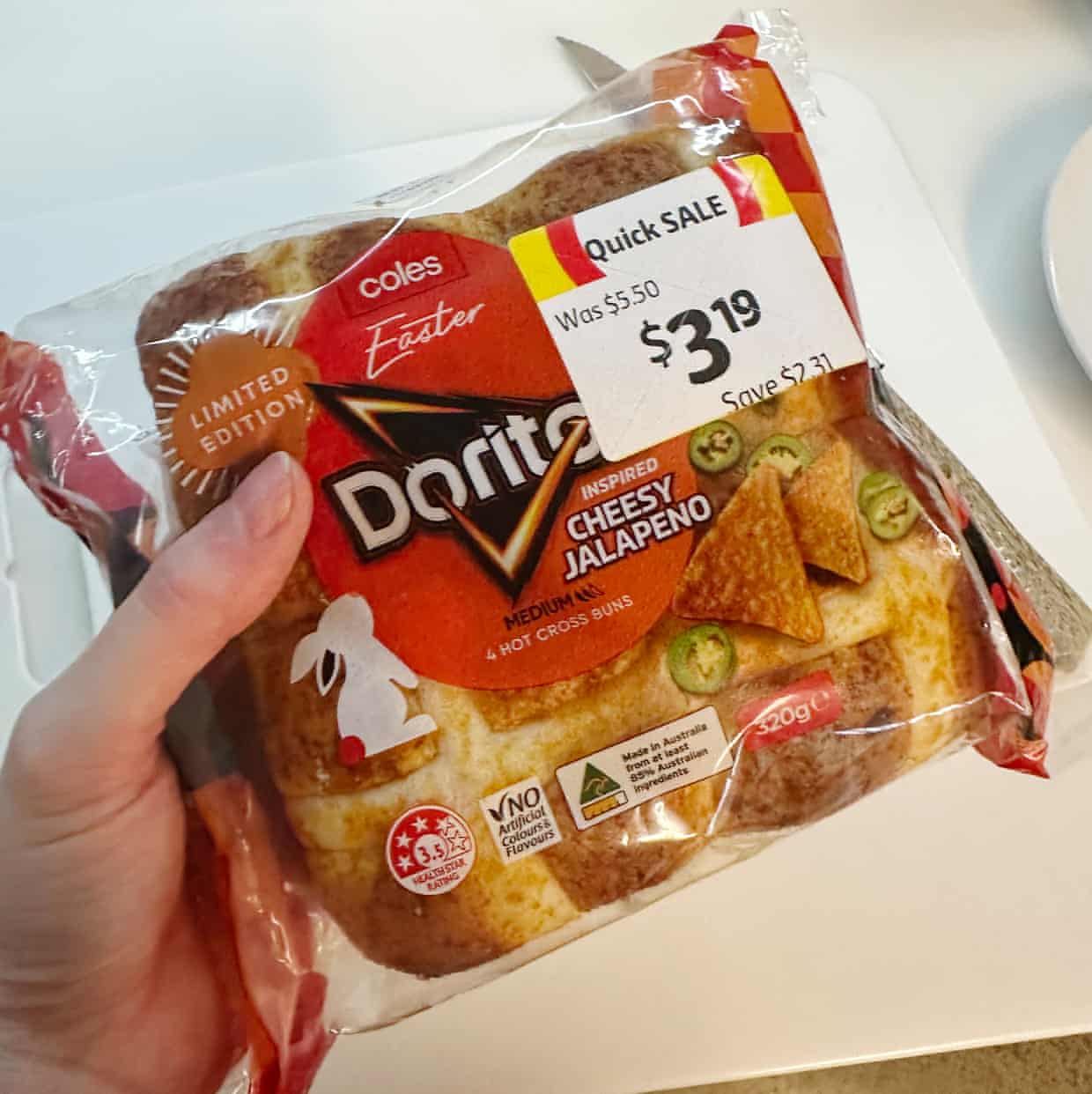
Will this ‘Doritos-inspired’ hot cross bun cause some spicy full-scale anarchy – or is it merely weird-smelling clickbait?
Alyx, I tried one of the orange bread-things you left in the office kitchen. What was that?That, Julia, was the apotheosis of this year’s Easter rush of frankenfoods, a “Doritos-inspired” cheesy jalapeño hot cross bun. The trend of turning everything into a hot cross bun and turning hot cross buns into everything has been going for a while now, and this year the world’s biggest food companies got on board like brands at a pride parade in 2015.A savoury take is the most obvious of the not-crosses, which is why I bought it, but I also walked past a shelf filled with discounted Iced Vovo hot cross buns, alongside a bunch of other Arnott’s biscuits. If I’d gone to Woolworths instead of Coles, I could have picked up various CadburyxHXB collabs; and Aldi is doing a carrot cake number
Ministers consider charging tourists to enter national museums in England
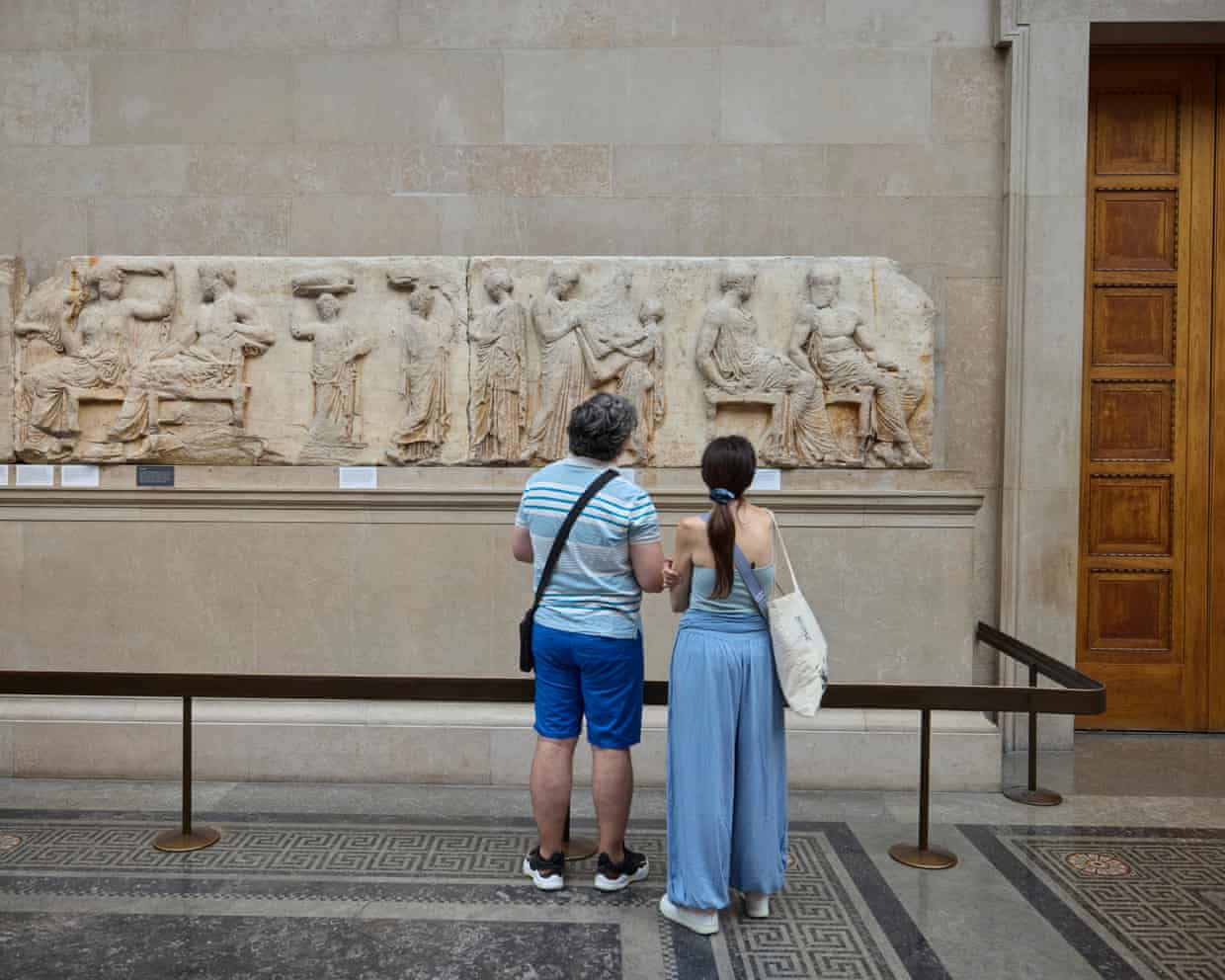
Ministers are considering charging international tourists to access permanent collections at national museums as part of an initiative to improve arts funding.The government said there was a need for long-term options to fund the struggling arts sector in its response to a review of Arts Council England, which distributes public funding to the arts. Among the options cited was a hotel levy, a policy being consulted on.But Alison Cole, the director of the Cultural Policy Unit thinktank, said charging international tourists would be a “very bad idea”.“There’s a much better way to save our wonderful civic museums and cultural infrastructure across the country, and that we believe is a hotel levy,” she said
Shoplifting, sex shows and sheepdog-breeding: great artists and the side-hustles they did to get by
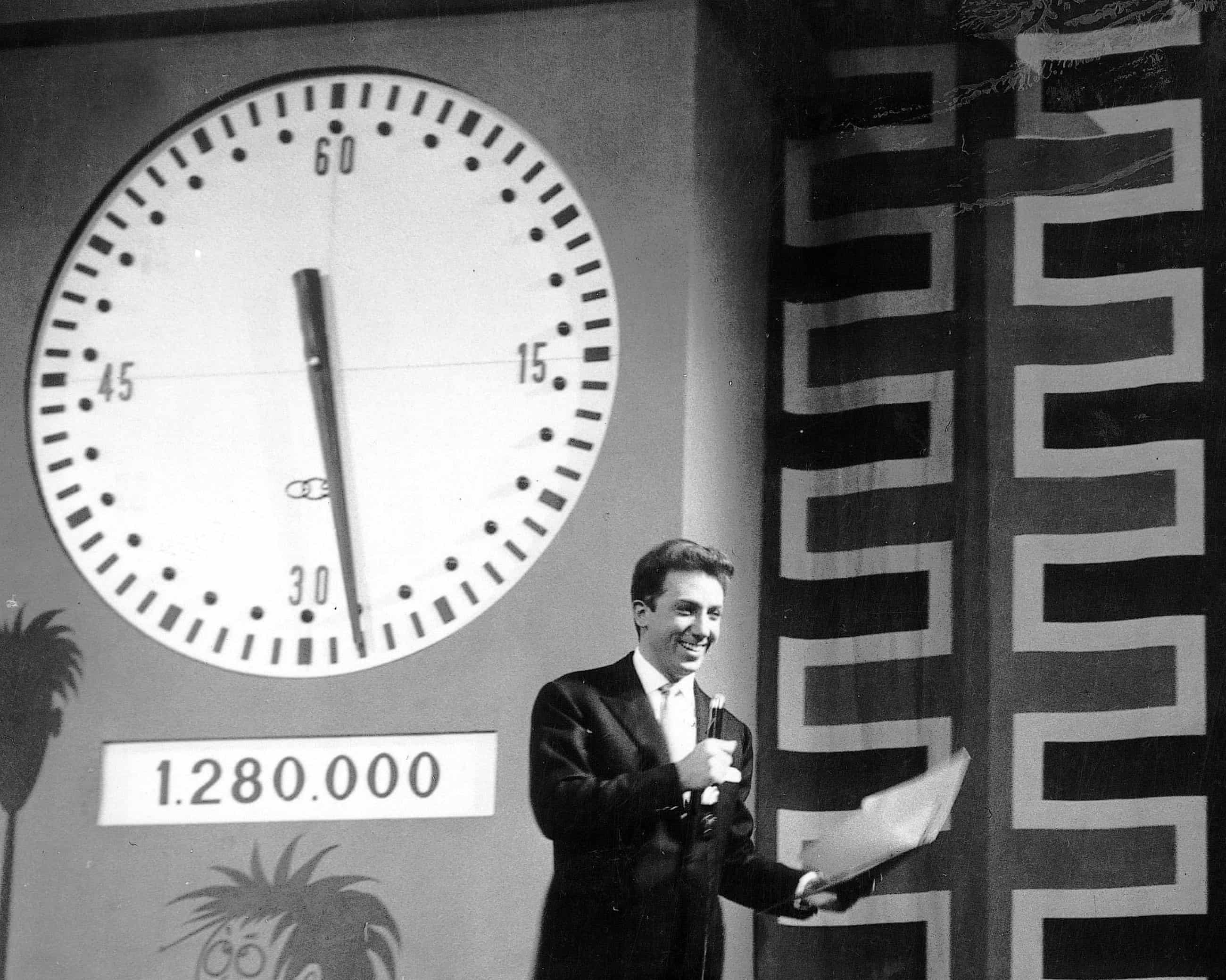
John Cage appeared on an Italian quizshow. Jean Genet stole rare books. Emily Carr reared bobtails. And Kathy Acker did X-rated acts with her boyfriend … we explore the unlikely sidelines of struggling artistsBefore he pioneered a new genre of semi-autobiographical writing, the great French novelist and playwright Jean Genet pioneered something very different indeed: a special briefcase for stealing valuable books that he would later resell – after reading them first, of course. “I perfected a trick briefcase,” he later recalled, “and I became so handy in these thefts that I could push politeness to the point of pulling them off under the very nose of the bookseller
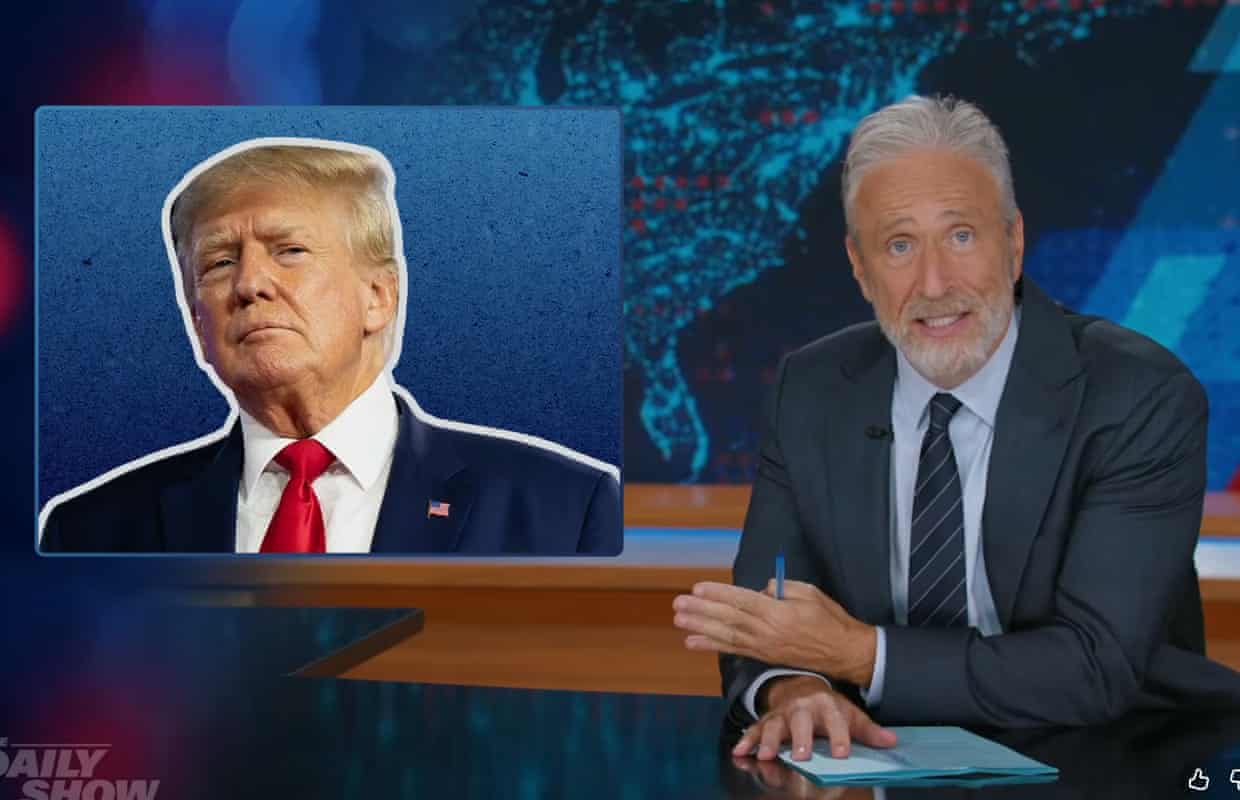
Jon Stewart on Donald Trump’s Iran lies: ‘Our Supreme Misleader’
Late-night hosts reacted to Donald Trump’s tweet celebrating Robert Mueller’s death, his ICE intervention at chaotic airports and his bluffing on “talks” with Iran.Jon Stewart hoped you had a happy Monday, because “the dizzying, chaotic carnival ride that is Donald Trump’s America continues to careen down Shitshow Hill”, he said on The Daily Show. “It’s fucking madness out there: TSA lines longer than your actual trip, escalating threats in the Middle East, planes driving into trucks.”In fact, “the only thing giving me joy is looking forward to this season of The Bachelorette”, he joked, referring to the doomed season with The Secret Lives of Mormon Wives star Taylor Frankie Paul, pulled three days before its premiere after video surfaced of a previously reported domestic violence incident from 2023. “I mean, they’ve got a strong Mormon woman
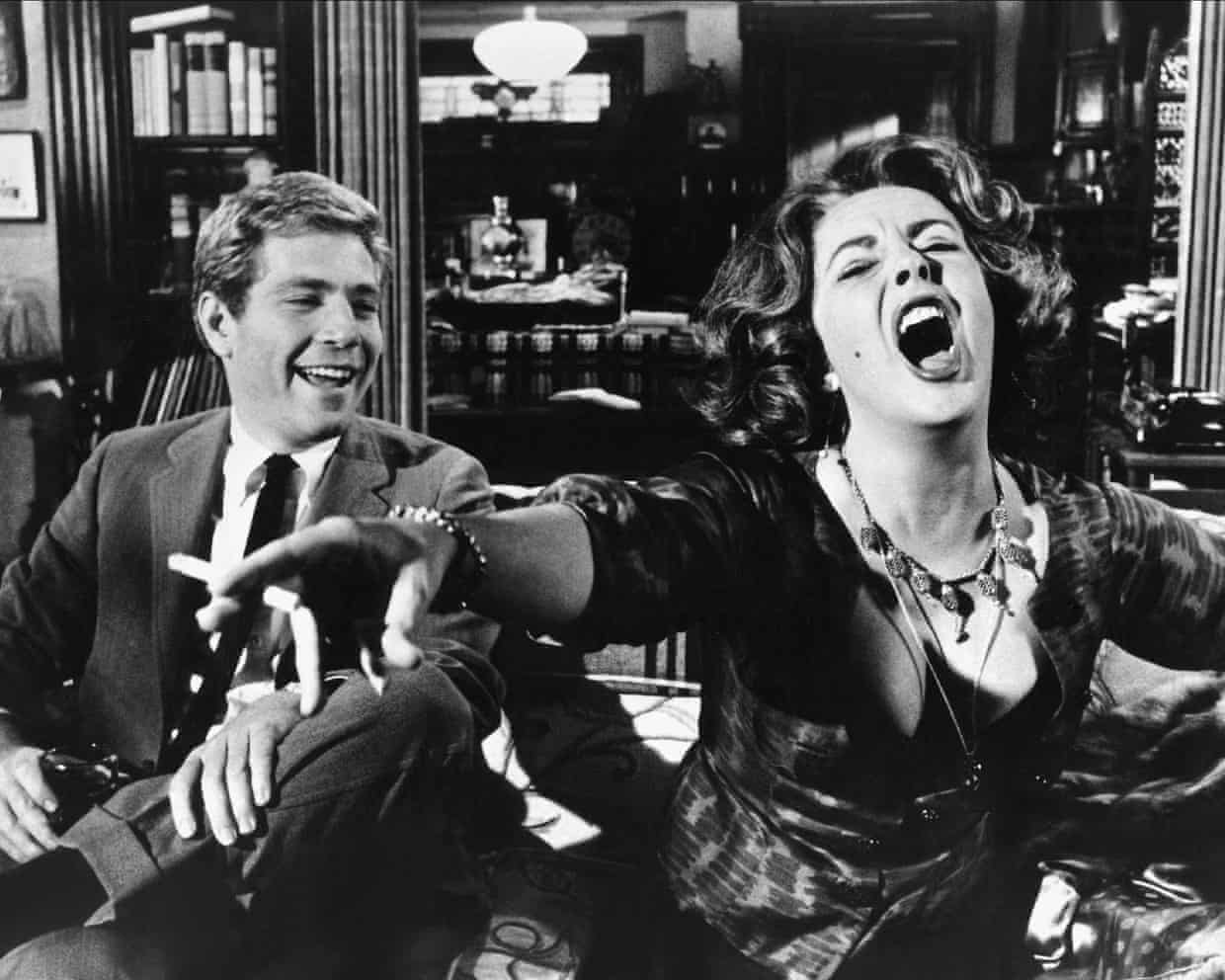
Who’s Afraid of Virginia Woolf? at 60: Elizabeth Taylor still crackles with feral energy
After a long day at work, we may not instinctively leap to films about toxic marriages and relationship breakdowns – but by God they can make good drama. Blue Valentine, The Squid and the Whale and A Separation are some of the great portraits of love turned septic. But perhaps greatest of all is Mike Nichols’ directorial debut – a sizzling adaptation of Edward Albee’s legendary Who’s Afraid of Virginia Woolf?, which arrived in 1966, four years after the play, and helped cement it in the zeitgeist.The film was nominated for every eligible Academy award and won five, including best actress for Elizabeth Taylor, who delivers a searing performance as the ferocious yet vulnerable Martha. It’s lost none of its gut-busting charge today and her brilliantly performed experience still crackles with emotional electricity
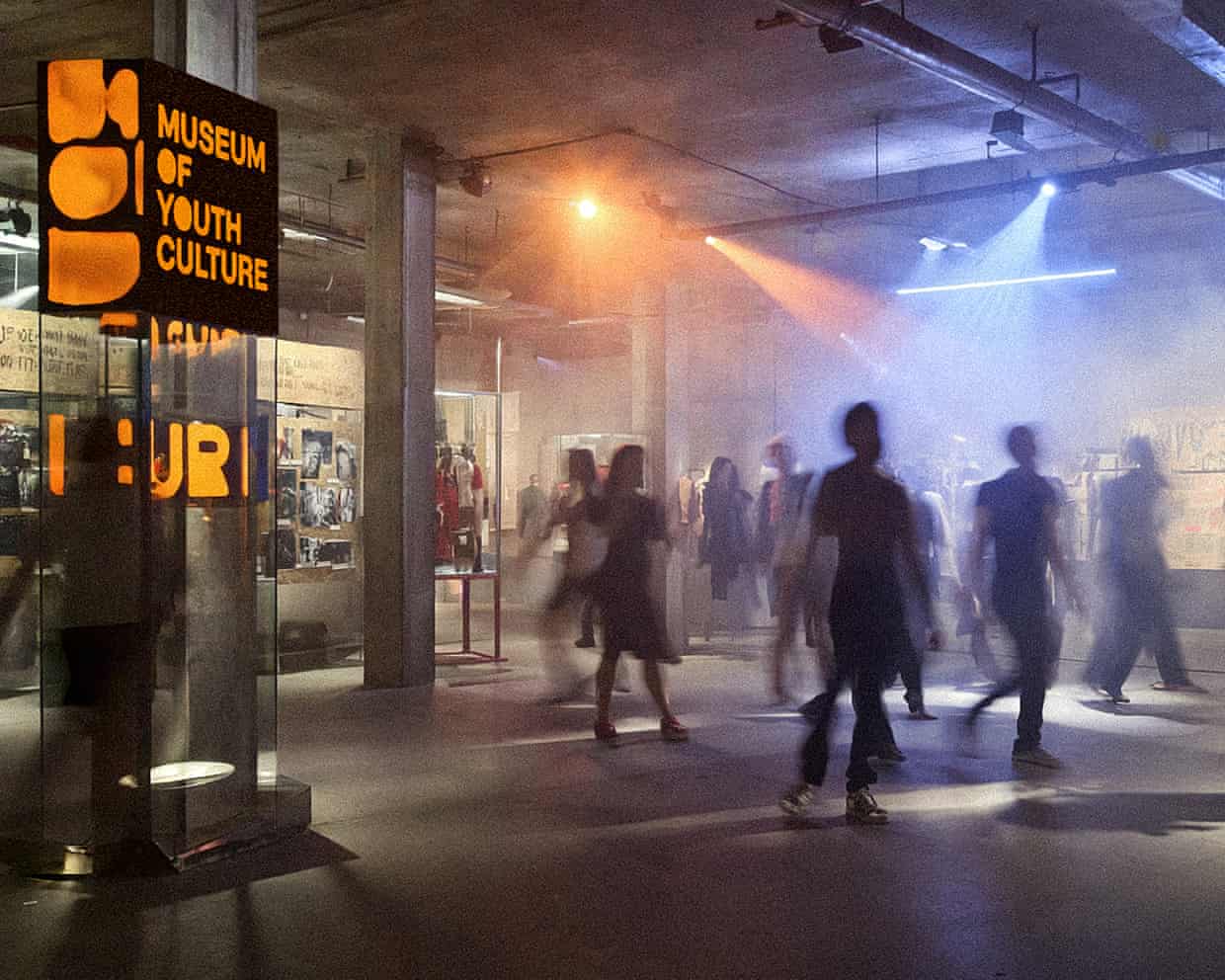
Punk masks, Walkmans and Choppers: Museum of Youth Culture to open in London
In the basement of a new-build housing block in Camden, the ventilation system is working flat out. The fans whir like a chainsaw orchestra bouncing around the concrete room as they attempt to deal with a slight damp problem. “This is what it’d sound like if there was a fire!” shouts Jon Swinstead, the driving force behind the Museum of Youth Culture, as he tries to make himself heard above the din.It’s hard to imagine but in a few weeks this empty, slightly soggy space will be transformed into an institution dedicated to all things teenage – a project Swinstead has been working on in one way or another for almost 30 years.Opening on 15 May, the museum has amassed a 100,000-item archive that tells the story of British youth subcultures from mods and rockers, to ravers and emo
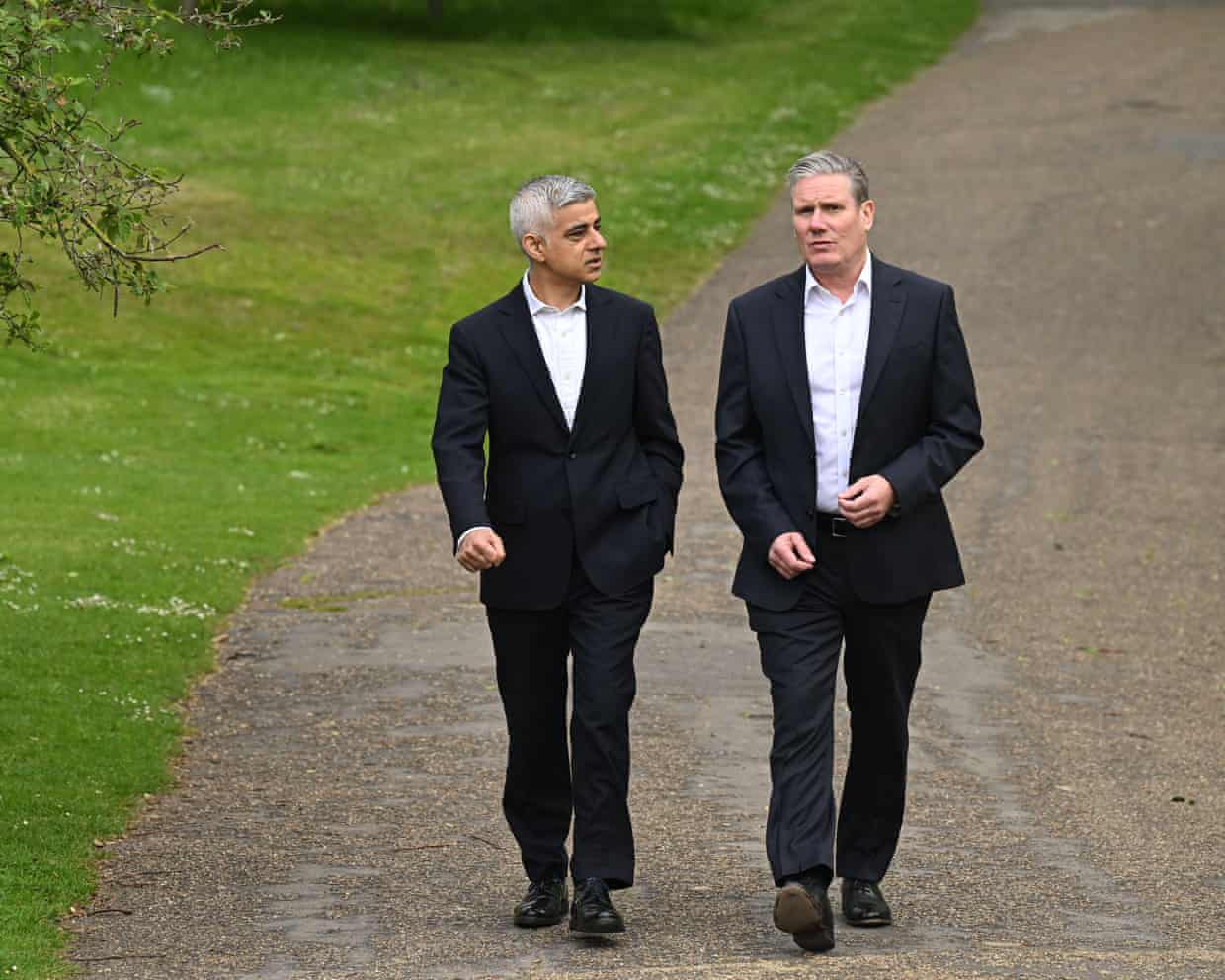
Reports Sadiq Khan could join Starmer’s cabinet dismissed by allies
Social media has led to a ‘complete rewiring of childhood’, says minister – UK politics live
Cabinet Office to ask Mandelson to provide messages from personal phone
Billy Bragg calls for big turnout at London march against far right
Rachel Reeves urged to raise taxes on companies profiting from war on Iran
PM rejects ‘far-fetched’ scepticism about Morgan McSweeney phone theft