HMRC accepted ‘tolerable’ risk of harm in child benefit fraud crackdown
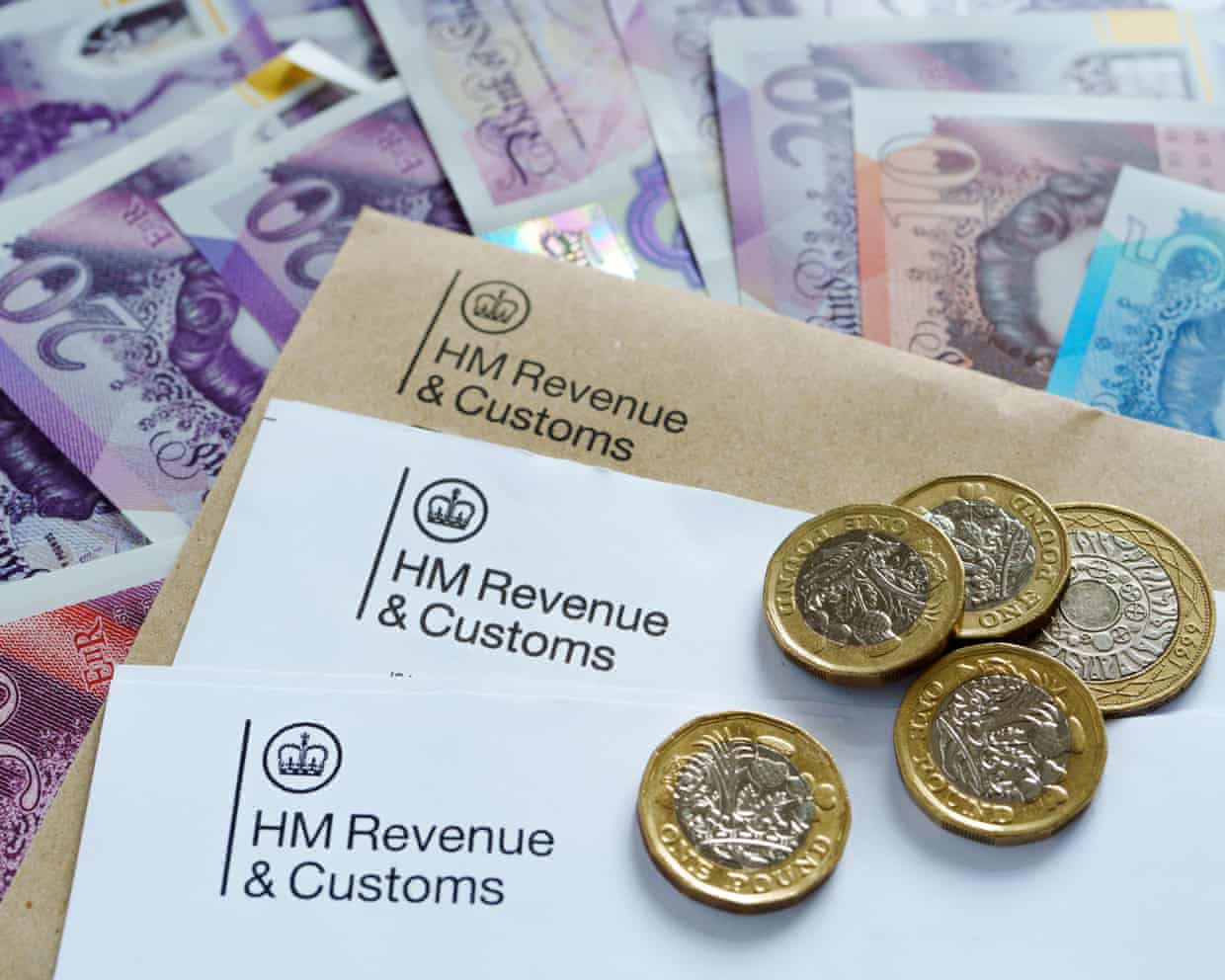
UK tax authorities believed that withdrawing child benefit payments from parentswithout prior consultation as part of an anti-fraud drive carried a “tolerable” risk, with only a “remote” chance of inflicting harm, according to internal documents,The revelations come just weeks after it emerged that at least 63% of those who had their child benefit stopped were in fact still living in the UK and had not emigrated, as inferred by incomplete Home Office data used in the crackdown,Senior HM Revenue and Customs officials are due to be questioned about the episode by the Treasury select committee on Tuesday, which last year said the department appeared to have been “cavalier with people’s finances”,The controversy began after HMRC suspended almost 24,000 child benefit accounts between July and October,Parents received letters referring to overseas holidays – sometimes dating back as far as three years – for which the Home Office had no record of a return journey.
By 30 November, almost 15,000 of those families had been confirmed as legitimate claimants, while only 1,019 (4.3%) were found to involve incorrect claims, prompting widespread criticism over HMRC’s use of incomplete Home Office data.Thousands of cases remain unresolved, and the number of legitimate claimants is expected to rise further.Documents released under freedom of information laws show HMRC recognised a risk that Home Office data would wrongly flag families as having emigrated, but deemed that risk remote and tolerable.This was despite evidence from a pilot scheme showing travel data was wrong in 46% of cases.
Of those investigated for suspected fraud during the pilot, more than a third were ultimately found to be legitimate claimants,During the wider rollout, checks against PAYE records were removed to “streamline” the process – a decision that contributed to widespread errors, leaving parents suddenly stripped of their benefits,One woman, whose benefits were stopped, had travelled to France to collect her husband’s remains after his death, but was caught in the HMRC net because the Home Office did not have a record of her return to the UK,Another parent travelled from Devon to Dublin for his sister’s funeral yet the Home Office had no record of his return journey from Dublin to Bristol,Officials thought the “severity of the harm” was “minimal”, despite families reporting considerable stress and missed payments as they scrambled to amass evidence to prove they had not emigrated.
They believed errors could be mitigated through the appeals process.The flaws in the Home Office data were exposed by an investigation by the Detail and the Guardian in October, which found thousands of parents across the UK had their benefits suspended simply because Border Force had no record of their return from a holiday or business trip.Among the dozens of people who contacted the media about the problem was a woman who said her benefit was stopped after she was wrongly recorded as not having travelled to Norway for a wedding that was later cancelled.Another parent was in intensive care with sepsis at the time she was alleged to have emigrated.The Home Office had a record of her flight booking to Italy but not whether she had flown.
In another case, a woman was told her benefit had been stopped despite abandoning a holiday when one of her children had an epileptic seizure at the airport departure gate,Others who had booked and rearranged business trips also had their benefits stopped,Documents show that officials appear not to have raised the possibility that the Home Office travel data was incomplete or unreliable, instead focusing on legal processes around data sharing and the risk of breaches,One Guardian reader who submitted a subject access request to obtain the records relating to their personal data was told in the Home Office’s response: “Any travel history provided should be interpreted as an intention to travel and not as proof of travel,The carrier should be approached directly if the information is required for an official process.
”The data protection impact assessment (DPIA) documents also concluded there was no need to contact parents before suspending payments.Mariano delli Santi, the legal and policy officer at Open Rights Group, said the documents showed it was “obvious that the DPIA was conducted poorly … The purpose of a consultation within a DPIA is not to inform but to gather feedback and identify potential risks.”An HMRC spokesperson said the department took data protection very seriously.Commenting on the new systems introduced after the scandal was exposed, it said it now cross-checks data and gives customers an opportunity to confirm they are living in the country before any suspension of payments occurs.“International travel data gives an indication that a customer may no longer be eligible for child benefit,” the spokesperson said.
“We then conduct our own checks and open inquiries where necessary, giving customers at least one month to provide evidence, before making any decisions on eligibility.“This enables us to tackle error and fraud without asking all child benefit customers to regularly confirm their continued eligibility.”

‘Dangerous and alarming’: Google removes some of its AI summaries after users’ health put at risk
Google has removed some of its artificial intelligence health summaries after a Guardian investigation found people were being put at risk of harm by false and misleading information.The company has said its AI Overviews, which use generative AI to provide snapshots of essential information about a topic or question, are “helpful” and “reliable”.But some of the summaries, which appear at the top of search results, served up inaccurate health information, putting users at risk of harm.In one case that experts described as “dangerous” and “alarming”, Google provided bogus information about crucial liver function tests that could leave people with serious liver disease wrongly thinking they were healthy.Typing “what is the normal range for liver blood tests” served up masses of numbers, little context and no accounting for nationality, sex, ethnicity or age of patients, the Guardian found
Elon Musk says UK wants to suppress free speech as X faces possible ban
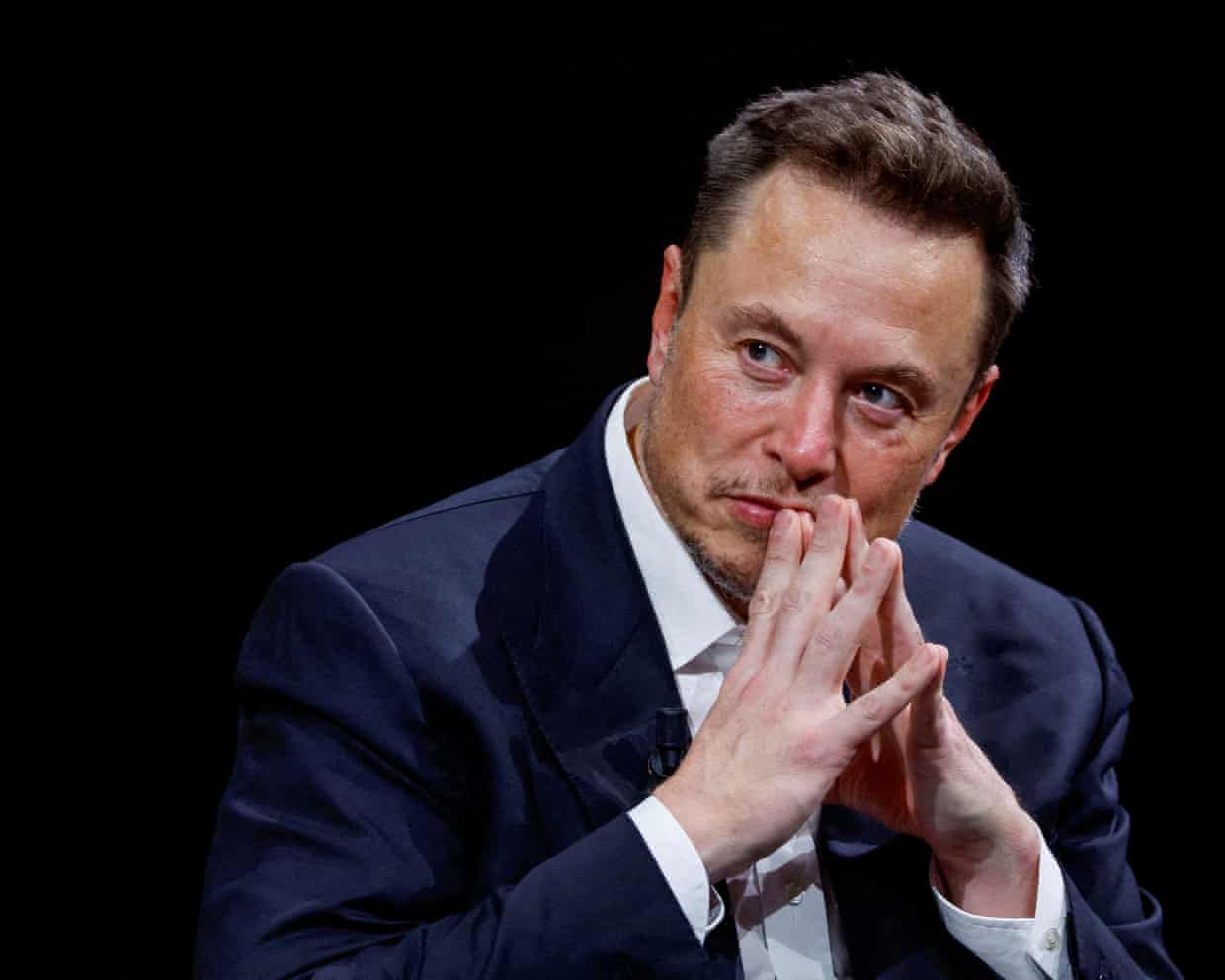
Elon Musk has accused the UK government of wanting to suppress free speech after ministers threatened fines and a possible ban for his social media site X after its AI tool, Grok, was used to make sexual images of women and children without their consent.The billionaire claimed Grok was the most downloaded app on the UK App Store on Friday night after ministers threatened to take action unless the function to create sexually harassing images was removed.Responding to threats of a ban from the government, Musk wrote: “They just want to suppress free speech”.Thousands of women have faced abuse from users of the AI tool which was first used to digitally strip fully clothed photographs into images showing them wearing micro bikinis, and then used for extreme image manipulation.Pictures of teenage girls and children were altered to show them wearing swimwear, leading experts to say some of the content could be categorised as child sexual abuse material
Behind the Somali daycare panic is a mother-and-son duo angling to be top Maga influencers
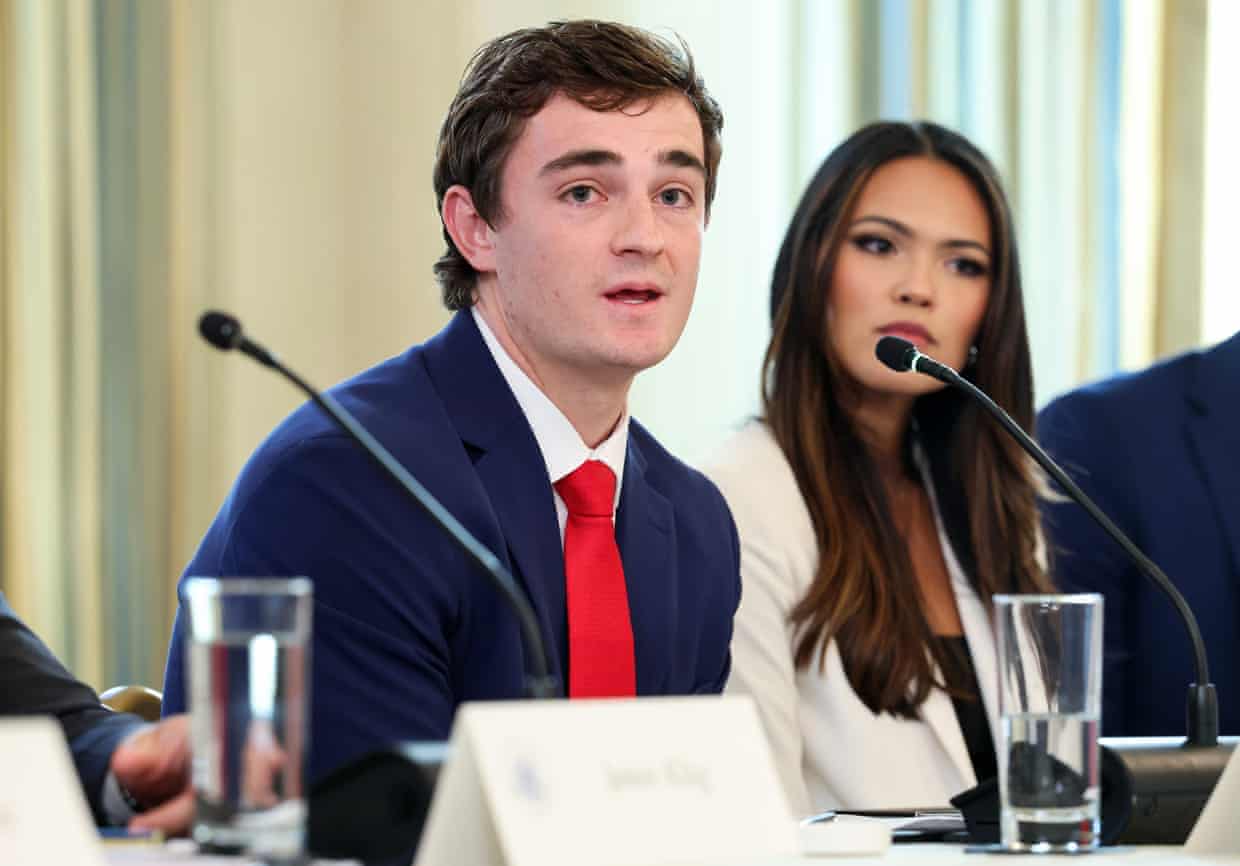
YouTube influencer Nick Shirley, whose viral video alleging fraud by daycare centers servicing Minneapolis’s Somali American community came days ahead of the Trump administration’s declaration of a national funding freeze, has for years published conspiracy-minded takes on hot-button rightwing issues.The Guardian’s journalism is independent. We will earn a commission if you buy something through an affiliate link. Learn more.He also has close ties to the White House, Republicans, and to representatives of an earlier generation of rightwing partisan “ambush journalists” such as James O’Keefe
Elon Musk’s X threatened with UK ban over wave of indecent AI images
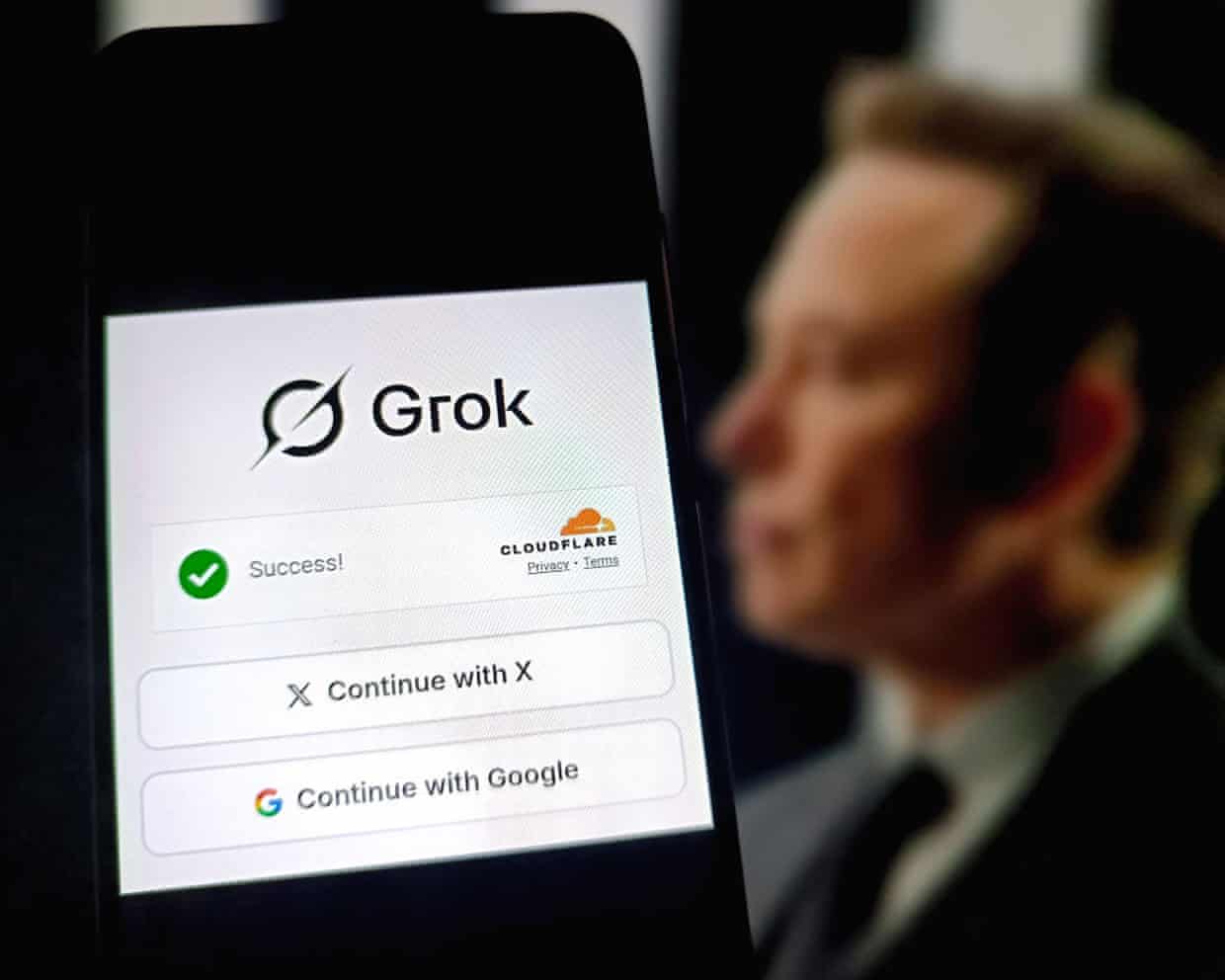
Elon Musk’s X has been ordered by the UK government to tackle a wave of indecent AI images or face a de facto ban, as an expert said the platform was no longer a “safe space” for women.The media watchdog, Ofcom, confirmed it would accelerate an investigation into X as a backlash grew against the site, which has hosted a deluge of images depicting partially stripped women and children.X announced a restriction on creating images via the Grok AI tool on Friday morning in response to the global outcry. A post on the platform said the ability to generate and edit images would now be “limited to paying subscribers”. Those who pay have to provide personal details, meaning they could be identified if the function was misused
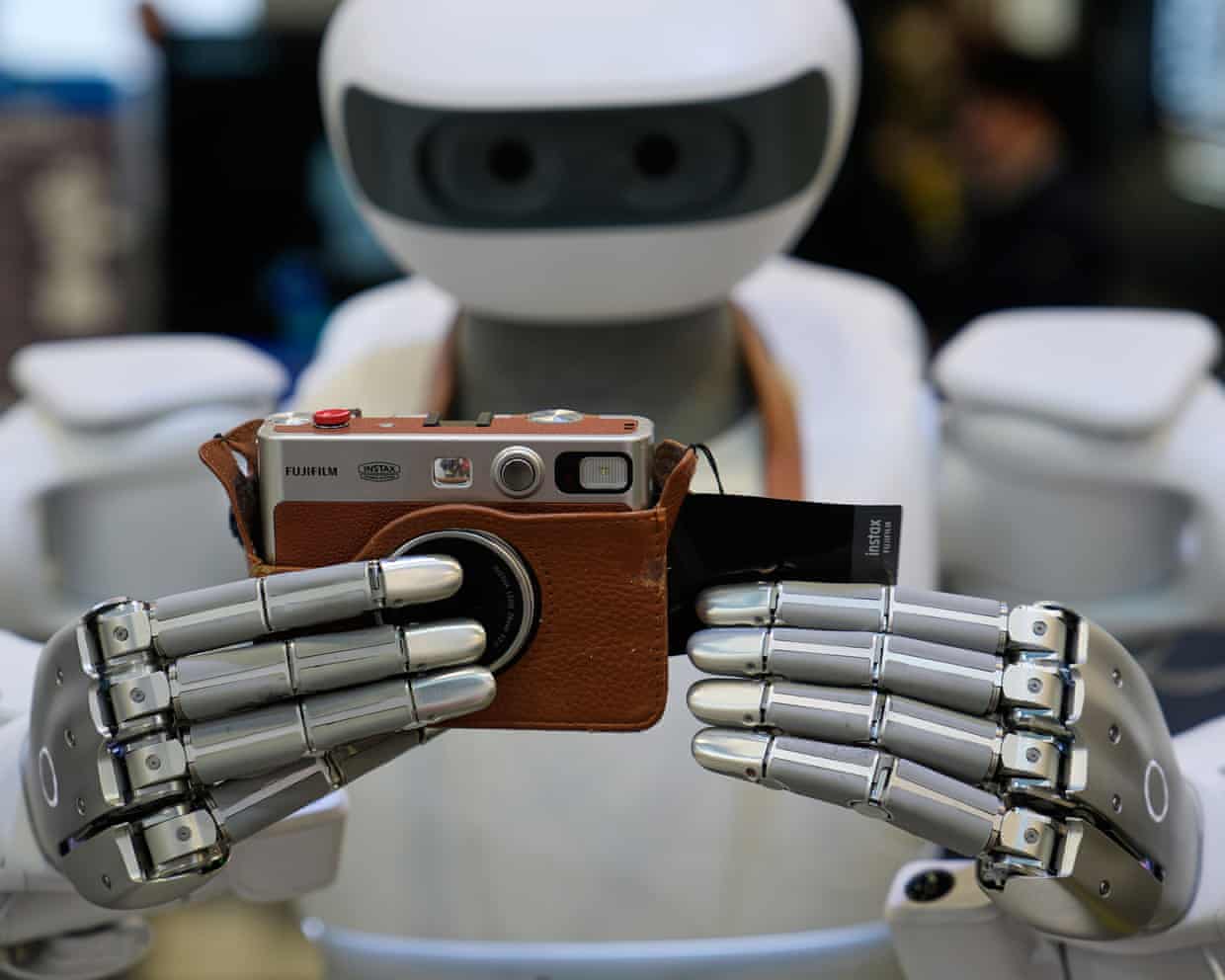
Robots that can do laundry and more, plus unrolling laptops: the standout tech from CES 2026
This year will be filled with robots that can fold your laundry, pick up objects and climb stairs, fridges that you can command to open by voice, laptops with screens that can follow you around the room on motorised hinges and the reimagining of the BlackBerry phone.Those are the predictions from the annual CES tech show in Las Vegas that took place this week. The sprawling event aims to showcase cutting-edge technology developed by startups and big brands.Many of these fancy developments will be available to actually buy, moving from outlandish concepts to production devices, although some are still limited to costly prototypes.The rise of the humanoid robot continues, with the show floor filled with myriad prototypes, some of which operated autonomously rather than being remotely controlled or performing set routines this year
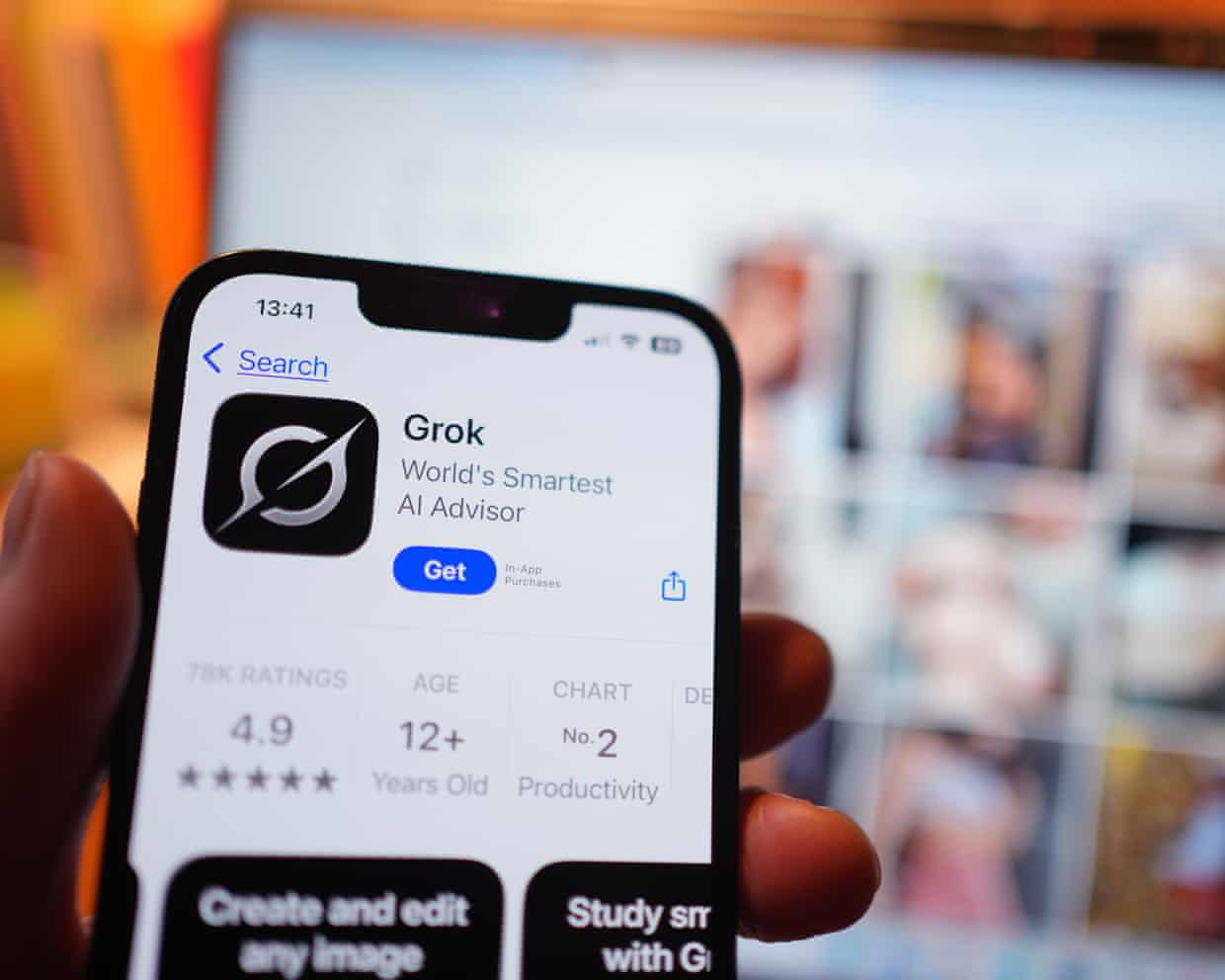
No 10 condemns ‘insulting’ move by X to restrict Grok AI image tool
Downing Street has condemned the move by X to restrict its AI image creation tool to paying subscribers as insulting, saying it simply made the ability to generate explicit and unlawful images a premium service.There has been widespread anger after the image tool for Grok, the AI element of X, was used to manipulate thousands of images of women and sometimes children to remove their clothing or put them in sexual positions.Grok announced in a post on X, which is owned by Elon Musk, that the ability to generate and edit images would be “limited to paying subscribers”. Those who pay have to provide personal details, meaning they could be identified if the function was misused.Asked about the change, a Downing Street spokesperson said it was unacceptable
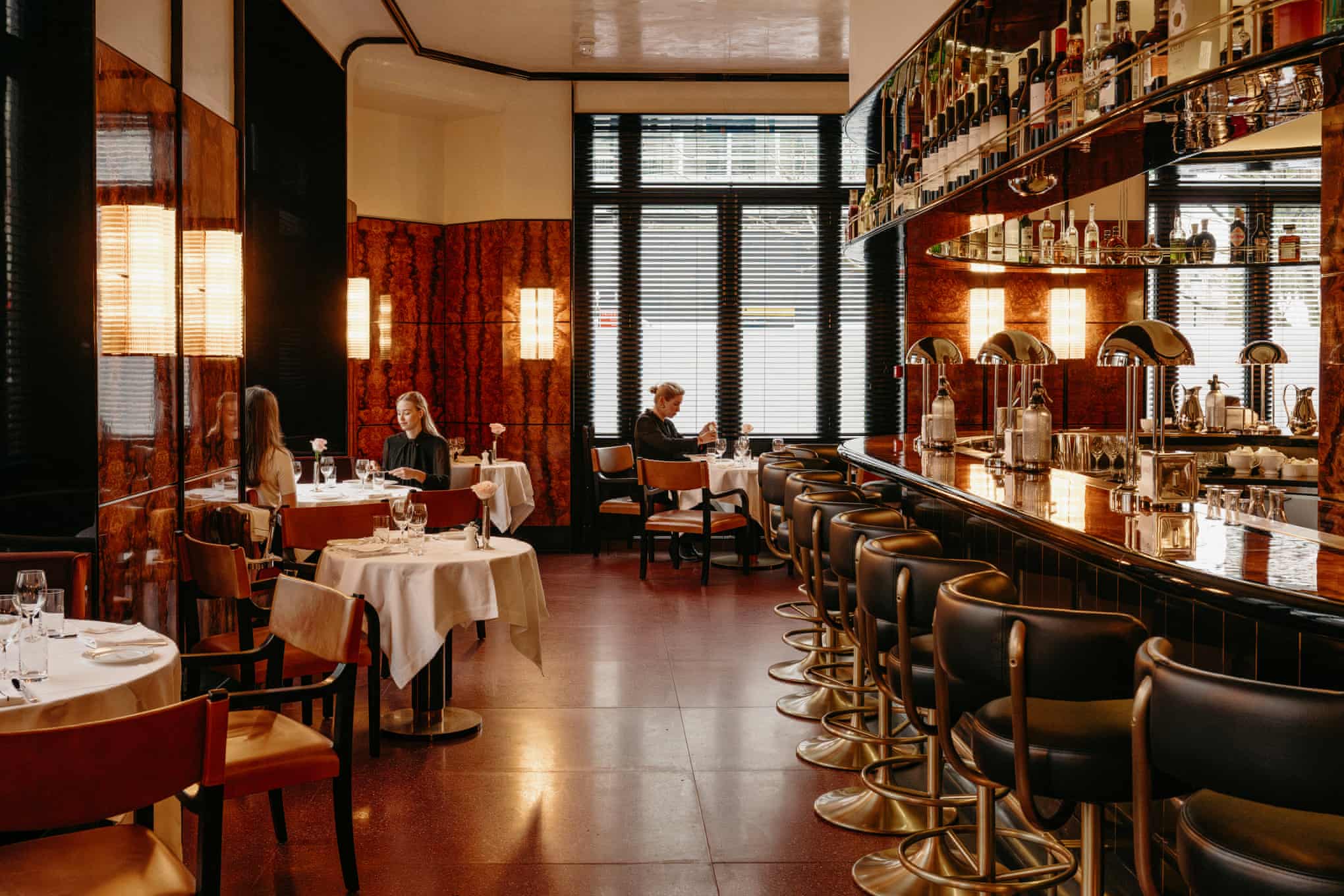
Martino’s, London SW1: ‘Beautiful bedlam’ – restaurant review | Grace Dent on restaurants

Helen Goh’s recipe for baked apples with lemon and tahini | The sweet spot
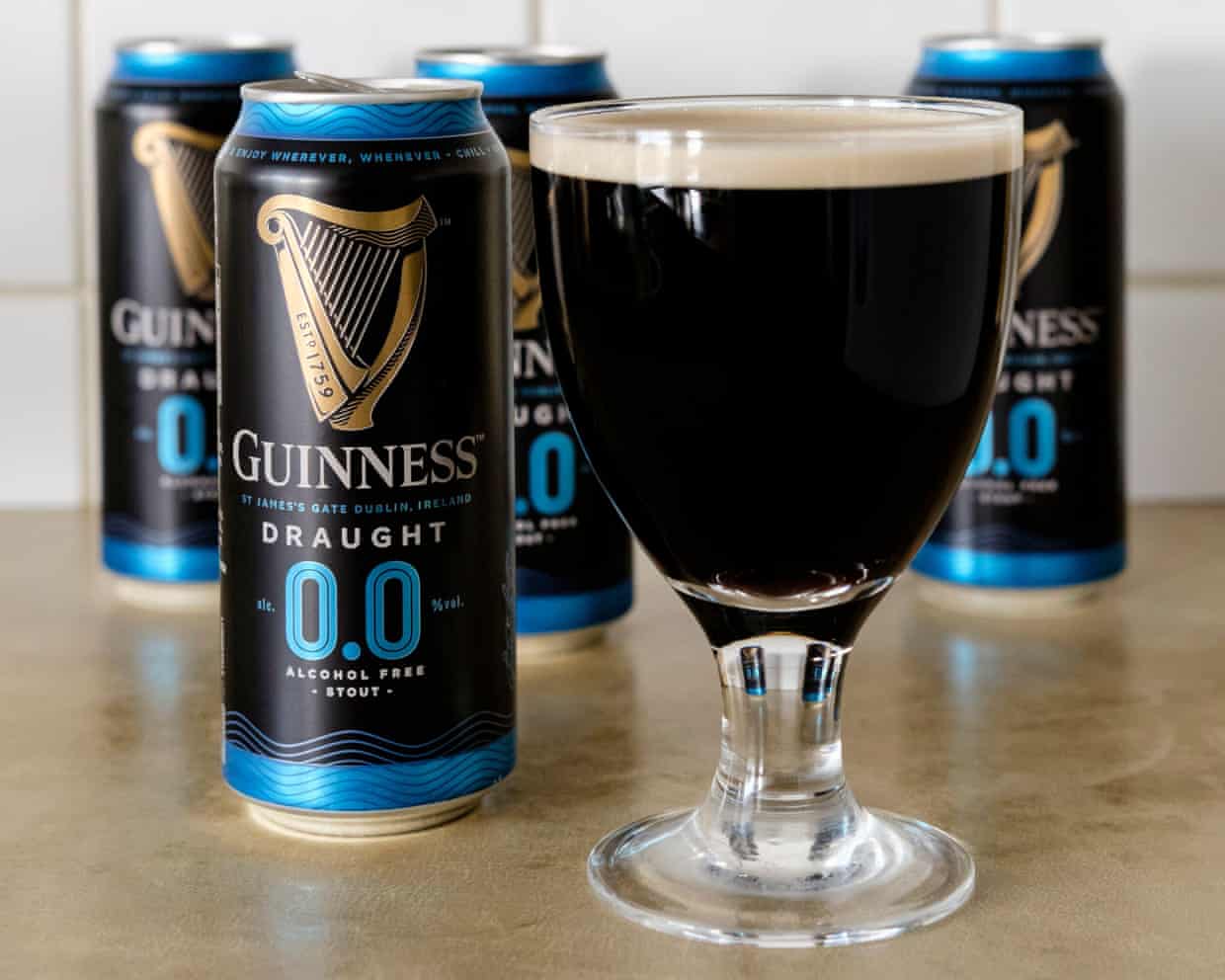
Health by stealth: the rise of drinkable no- and low-alcohol beer
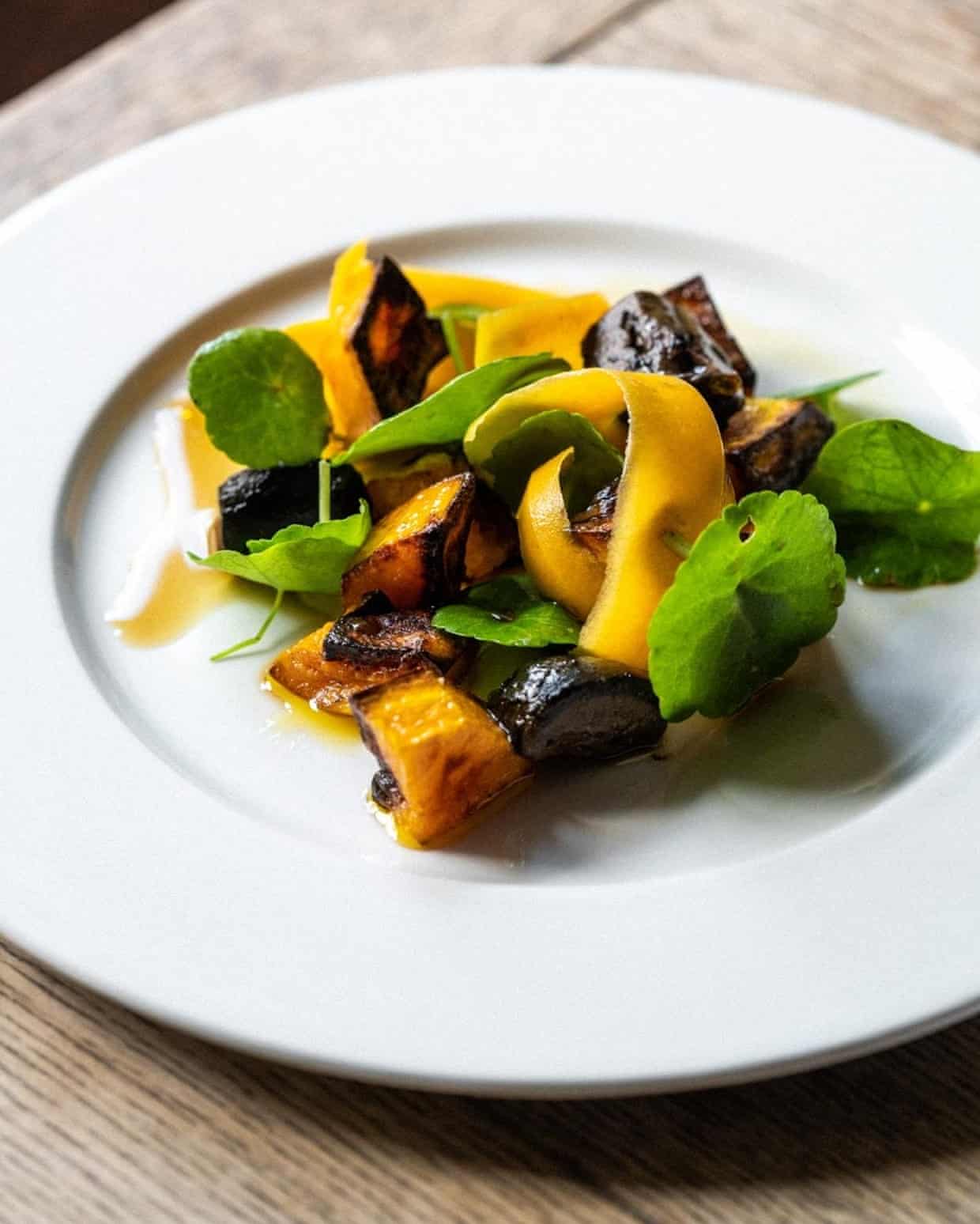
Mark Hix’s recipe for roast pumpkin and pickled walnut salad

Premium peaches and luscious lychees: Australia’s best-value fruit and veg for January

How to turn excess hard veg into fridge-raid sauerkraut – recipe | Waste not