‘It restored my hope’: the five charities at the heart of the Guardian’s 2025 appeal

The Guardian’s 2025 charity appeal theme has been about hope: practical and inspiring grassroots voluntary projects that encourage community pride, tolerance and unity as a positive and joyful antidote to polarisation, racism and hatred.We aim to raise £1m for our five partner charities.Donations are now just over £900,000.The appeal closes at midnight on Wednesday evening.“When they meet, share stories and learn together, they build empathy and understanding that lasts a lifetime,” Linda Cowie and Meg Grant said of the children who participate in the schools linking network they help run.
The project, which now operates in 26 local authorities, pairs schools so pupils from different faiths, cultures and socioeconomic backgrounds can meet, spend time together and discover what they have in common.Created after the Bradford civil disturbances in 2001, the idea is to widen horizons: to make youngsters comfortable with difference.But as the Guardian noted on its visit: “When you see it in action, it just looks like children having fun.”Its share of donations will help The Linking Network develop and expand its work by working with more partners across Britain.“It showed you can give people a sense of hope,” reflects Father Chris Hughes, a priest whose diocese is a partner in Citizens UK’s north-east England chapter.
“The Guardian appeal has been an absolutely positive experience.”Hughes had taken the Guardian on his local “walk of hope” – a tour of the places in North Shields where the charity had brought people together to campaign for – and win – positive change, from better mental health services to cheaper bus fares.“The appeal reminded us civil society must roll up its sleeves and model the kind of politics we want to see; listening to those we disagree with, seeking common ground, and working towards a shared common good,” says Pete Brierley of Citizens UK.Citizens UK will invest its share of donations to train community organisers.One of the most inspiring projects in the Guardian’s appeal series was the Nottingham food project created and run by Salaam Shalom Kitchen, a joint Muslim-Jewish charity bringing together people “of different faith and no faith” over shared meals.
Initially, it said, some thought the scheme was “bonkers.” But 10 years on, it has grown in strength.Even tensions over the conflict in Gaza have not disrupted its progress and its determination to challenge prejudice and stereotypes.Its easy to get demoralised in tough times, Salaam Shalom trustee Sajid Mohammed told the Guardian.But the kitchen is a beacon of hope, helping unify the community.
He added: “We’ve got so much more in common than what divides us.”Hope Unlimited Charitable Trust will use its share of appeal donations to make grants to Salaam Shalom and similar grassroots organisations.“It restored my hope.It humanised us all,” project participant Maureen Hamblin told the Guardian when it visited the Circle of Change scheme at the Belfast-based charity 174 Trust, a community organisation and member of Locality.Circle of Change connects strangers from different backgrounds – rich and poor, black and white, gay and straight – enabling them to get to know each other, undo preconceptions and find common ground.
Since the article appeared the trust has been approached by people wanting to volunteer or set up similar schemes elsewhere.The ripples have gone far and wide, says Tim Magowan, executive director of 174 Trust, “and that’s inspiring”.Locality will regrant some of its share of donations to selected grassroots charities like 174 Trust with the remainder supporting its wider work to help hundreds of its community organisation members tackle division and hate.There was a moment in the Guardian’s visit to Who Is is Your Neighbour? that gets to the heart of what the charity seeks to achieve through its facilitated “difficult conversation” sessions around race and immigration.Ex-forces veteran Ali told how he had been racially abused in a local park – and then he pointed out to his abusers he was “born in Britain and had served in the army”.
Their demeanour changed instantly.A connection, however fragile, was made.The charity works runs dialogues with local communities, encouraging curiosity, finding common ground, breaking down stereotypes and enabling people to talk calmly about issues and grievances outside the shrill white noise of social media.Since the appeal started Who Is Your Neighbour? has reported huge interest in its methods and training.Its share of donations will help it develop its vital work.
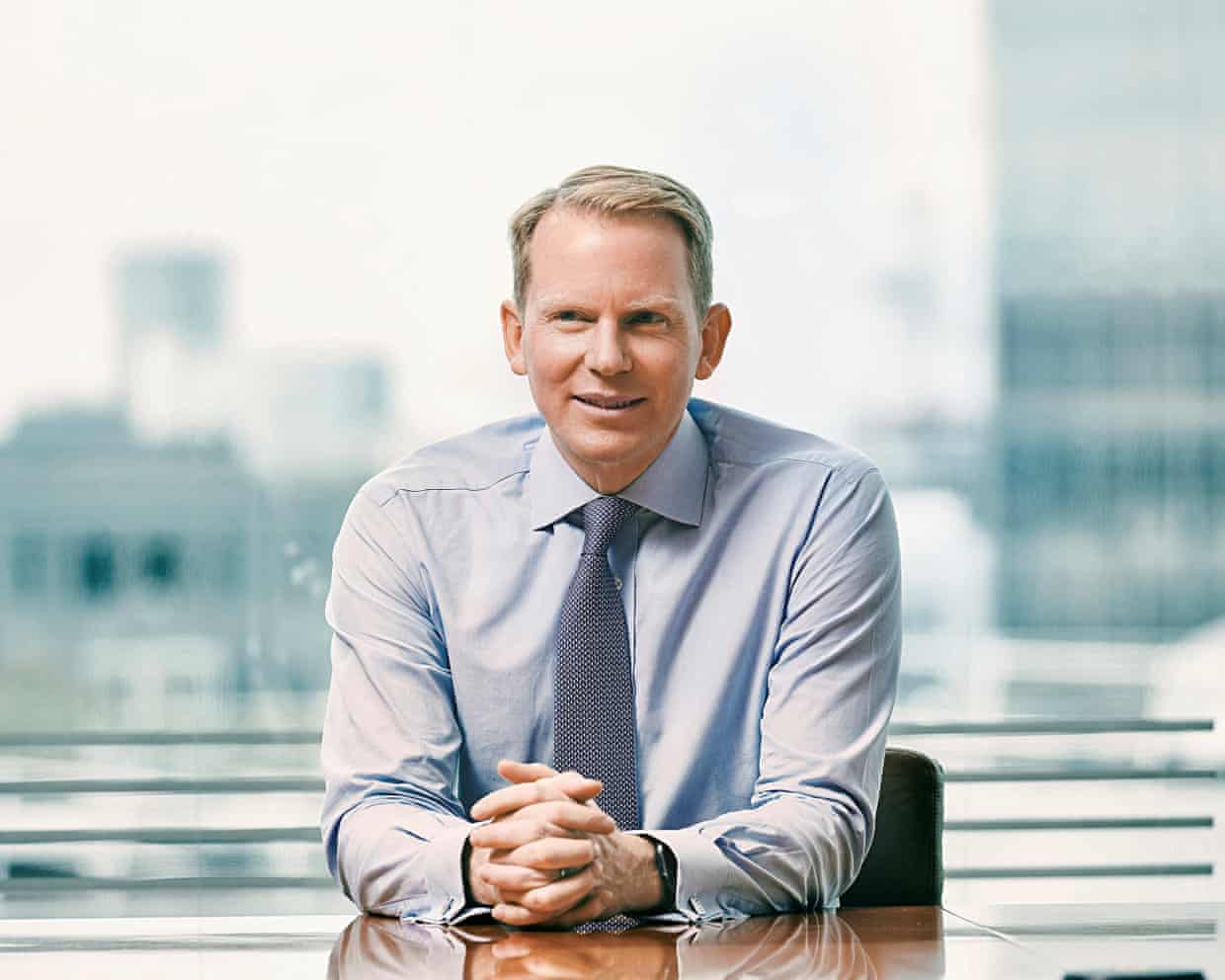
Lloyds CEO Charlie Nunn latest banking boss in line for huge bonus hike
Lloyds Banking Group boss, Charlie Nunn, could be in line for a maximum annual pay packet worth more than £13m, as he becomes the latest boss to benefit from the UK’s controversial decision to lift a cap on banker bonuses.The bank’s remuneration committee has begun drafting a new three-year executive pay policy that, for the first time, will take advantage of looser pay rules that have sent potential payouts soaring at rival banks.That includes Barclays, where chief executive, CS Venkatakrishnan, was handed a 45% rise in maximum pay last year, giving him the chance to be paid up to £14.3m if he hits important business targets. HSBC similarly offered a 43% increase to boss Georges Elhedery, for a maximum payout of about £15m
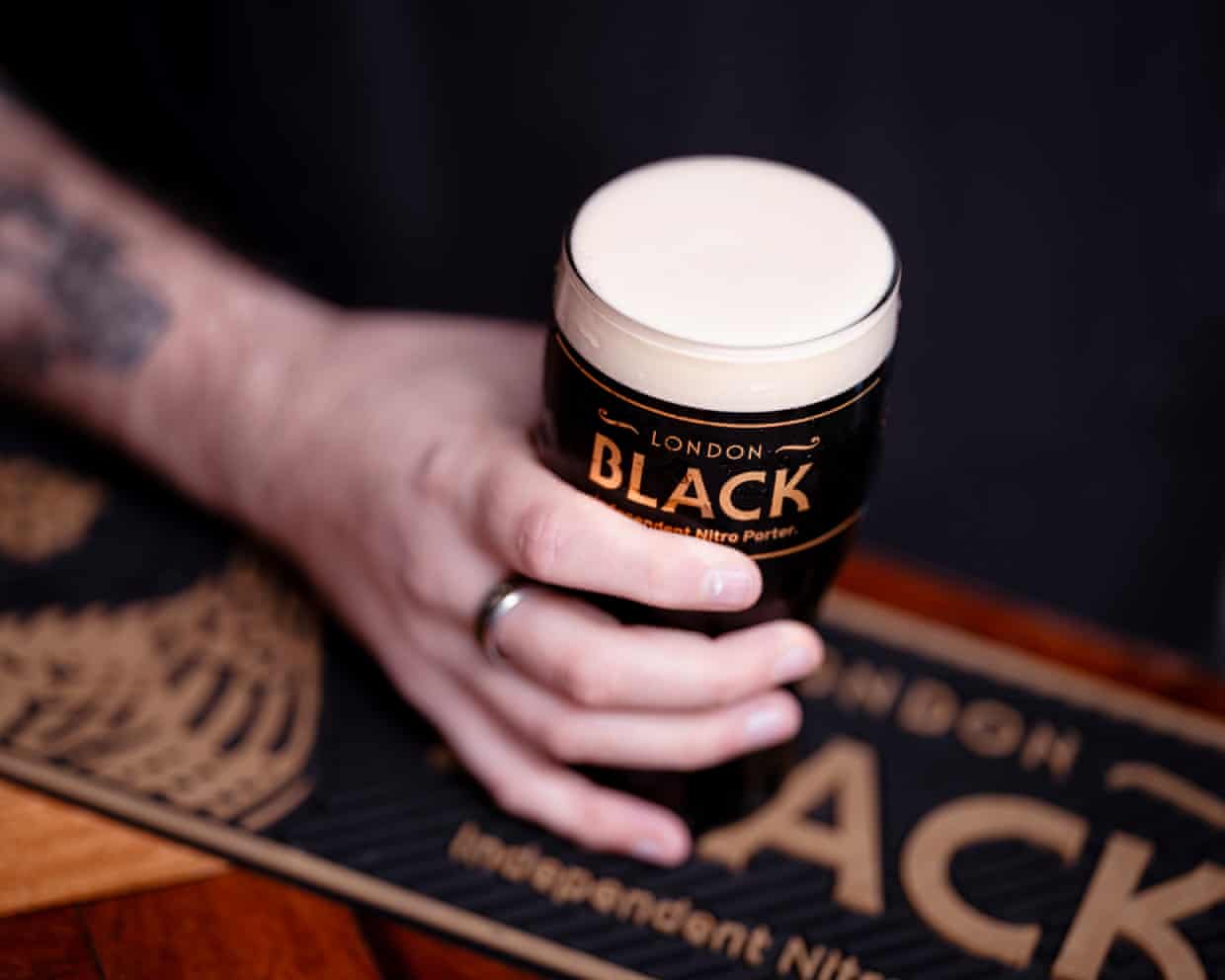
Cream of the crop: small brewers take on Guinness with rival ‘nitro’ stouts
Famously, according to the advertising slogan anyway, Guinness is good for you. But for the past couple of years, Guinness has been practically inescapable.Backed by its owner Diageo’s £2.7bn marketing war chest, the brand has shaken off its “old man” reputation, becoming a staple of gen Z pub culture, exploiting its Instagrammable colour scheme and social media trends such as the “splitting the G” drinking game.The resulting increase in younger drinkers and women catapulted its market share in pubs to a new high of 17

Why Russia’s economy is unlikely to collapse even if oil prices fall | Phillip Inman
Pacing inside the Kremlin last weekend, as news feeds churned out minute-by-minute reports of Donald’s Trump’s Venezuelan coup, Vladimir Putin may have been wondering what it would mean for the price of oil.Crude oil has lubricated the Russian economy for decades – far more than gas exports to Europe – and so the threat of falling oil prices, prompted by US plans for control of Venezuela’s rigs, will have been a source of concern.Opinion is divided on how quickly the South American country’s creaking oil industry can be revived. But some analysts believe that Venezuela, home to the world’s largest proven reserves, could be pumping millions of additional barrels as early as this year, hitting the global price and squeezing Russia’s income.US sanctions on Rosneft and Lukoil last year and a rise in the rouble, depressing income from oil sales in dollars, have already reduced receipts for Moscow
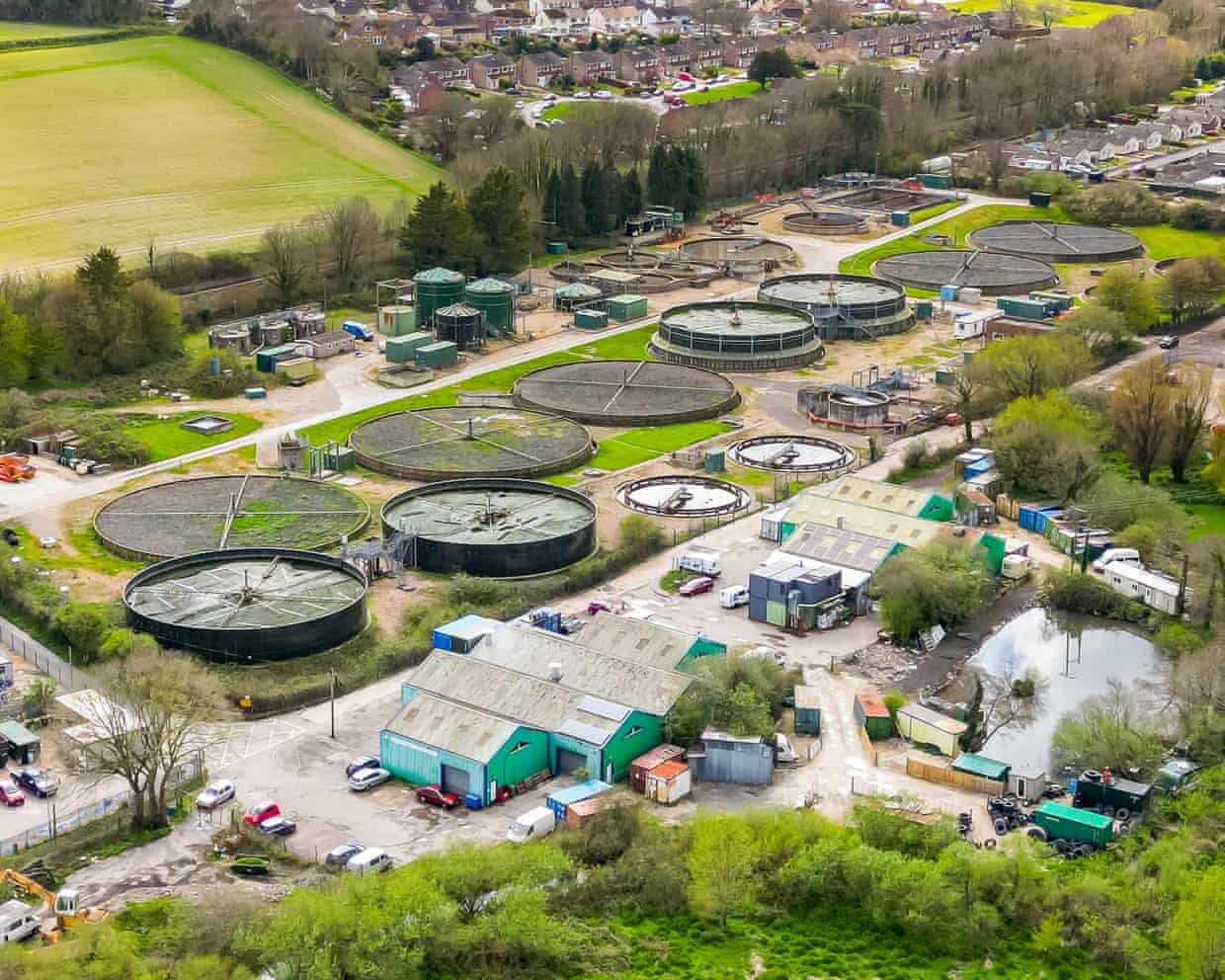
Wessex Water bosses handed £50,000 in extra pay despite Labour government’s bonus ban
The bosses of Wessex Water received £50,000 in previously undisclosed extra pay from a parent company, in the same year that the utility was banned from paying bonuses, the Guardian can reveal.Chief executive Ruth Jefferson and chief financial officer Andy Pymer were paid £24,000 and £27,000 respectively in the year to June 2025, according to a spokesperson for Wessex Water’s owner, the Malaysian YTL group.The payments came from Wessex Water Ltd, which is the parent company of Wessex Water Services Ltd, the regulated water supplier for 2.9 million customers in south-west England. YTL said the payments were not bonuses

US hiring held firm in December capping weakest year of growth since pandemic
Hiring held firm in the US last month, official data showed, amid uncertainty over the strength and direction of the world’s largest economy.Employers added 50,000 jobs to the US labor force last month, capping the weakest year of growth since the pandemic, according to data released from the US Bureau of Labor Statistics on Friday.The closely watched reading was slightly shy of the approximately 73,000 jobs economists expected to be added in the US economy in December.Previous readings for October and November were also revised lower, with the BLS now estimating that the US added 76,000 fewer jobs during those two months. In October, during the longest US government shutdown in history, the US economy shed 173,000 jobs

Glencore and Rio Tinto are at it again – and it seems the markets smell action
Here we go again. A combination of Rio Tinto and Glencore has been talked about for years and the duo held aborted negotiations at the end of 2024. With the global mining industry in deal-making mode – frenzies come along every 15 years or so – the idea of RioGlen or GlenTinto was due another whirl. On Friday, the two FTSE 100 companies said they were in “preliminary discussions” about a “possible combination of some or all of their businesses”. A full-blown tie-up would be worth about $260bn (£120bn), including debt

‘It doesn’t really hit your socials’: is this Australia’s best kept sporting secret? | Sarah Guiney

Coco Gauff beats Iga Swiatek but Poland best US to reach United Cup final

Kempton Park’s Lanzarote Hurdle card will go ahead but Warwick frozen off

NFL wildcard weekend predictions: Allen can carry Bills – if he can handle the pressure

Ashes 2025-26: our writers’ end-of-series England v Australia awards

Free agent outfielder Max Kepler hit with 80-game ban for positive drug test