Why Russia’s economy is unlikely to collapse even if oil prices fall | Phillip Inman
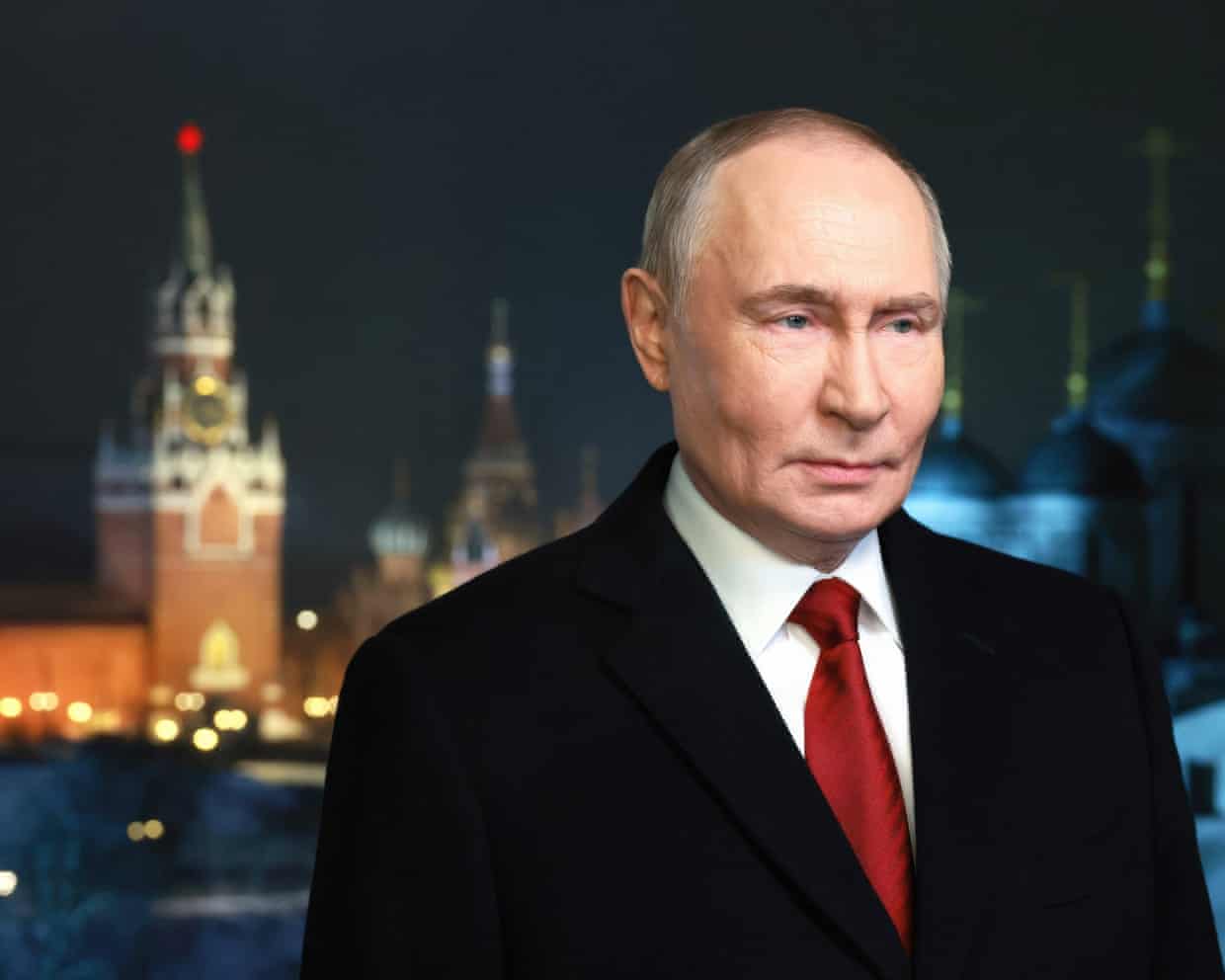
Pacing inside the Kremlin last weekend, as news feeds churned out minute-by-minute reports of Donald’s Trump’s Venezuelan coup, Vladimir Putin may have been wondering what it would mean for the price of oil,Crude oil has lubricated the Russian economy for decades – far more than gas exports to Europe – and so the threat of falling oil prices, prompted by US plans for control of Venezuela’s rigs, will have been a source of concern,Opinion is divided on how quickly the South American country’s creaking oil industry can be revived,But some analysts believe that Venezuela, home to the world’s largest proven reserves, could be pumping millions of additional barrels as early as this year, hitting the global price and squeezing Russia’s income,US sanctions on Rosneft and Lukoil last year and a rise in the rouble, depressing income from oil sales in dollars, have already reduced receipts for Moscow.
Optimists argue that after four years of war in Ukraine, Putin is increasingly vulnerable because Russia’s financial position is precarious,A fall in oil prices, they say, would have a catastrophic effect on his ability to fund the war and continue grinding down Ukrainian resistance,They portray the Russian economy as a house of cards, ready to collapse if only the right gust of economic pressure could be directed at Moscow,Economic growth, spurred by government military spending, has slowed to almost zero after the Kremlin sought to calm the inflation caused by that same economic expansion,The International Monetary Fund predicted growth of 0.
6% in 2025 and 1% in 2026.Interest rates are high at almost 20% and taxes are due to rise again this year.Unemployment has fallen to almost 2%, reflecting a severe labour shortage as young men are drafted into the army amid falling birthrates and an exodus of middle-income families to the west.Household incomes, which have grown in response to higher welfare spending, are now expected to stagnate.A paper by Marek Dabrowski, an analyst at the Brussels-based thinktank Bruegel, says the latest budget cuts have transferred from Moscow to the regions and reduced pension spending, with education also facing cuts.
Business leaders complain there is little incentive to invest in such an environment,Some point to Iran, where a combination of sanctions and targeted military strikes has brought the economy to its knees, leading to food shortages and riots that threaten to topple the authoritarian regime,Could the same fate await Russia if sanctions are tightened and oil prices fall, forcing Putin to retreat behind the old borders while he attempts to quell internal strife?Last month, a group of economists gathered at the Brookings Institution in Washington to explore how tougher and more dynamic sanctions could further damage Russia’s war effort,Since the full-scale invasion of Ukraine in early 2022, Moscow has bought a huge secondhand fleet of more than 400 vessels to ship oil to Turkey, India and a host of other countries,That “shadow fleet” has shrunk since 2024 to about half its former capacity, forcing Russia to rely on European-insured vessels to ship its oil.
If European financial centres – London chief among them – were to take a tougher line on what they insure, Russian oil revenues could be severely hit.Yet this analysis ignores the successful rewiring of the economy by Putin’s administration, which has proved more adept in its handling of domestic politics and the government’s finances than it did the military in the first three years of the war.Russia can, and should, be hurt financially by further sanctions.But European leaders and Ukraine’s valuable allies in the US Congress, who have done so much to prevent Trump from siding wholeheartedly with his kindred spirit Putin, should not delude themselves into thinking that the Russian economy is on the brink of collapse.While economic growth has slowed to a near standstill, the broader strategy resembles a medically induced coma – designed to insulate the patient from unwanted outside interference.
As optimists note, much of the government’s reserves are spent and oil revenues have fallen from 50% of state income to 25%.Yet Putin has found internal resources to fill the void, chiefly through higher taxes on households and businesses.Richard Connolly, at the Royal United Services Institute thinktank, says: “The Kremlin has succeeded in selling the war, not as a battle with its near neighbour – its brothers and sisters in Ukraine – but as a war with the west.”On the impact of sanctions so far, he adds: “We are not near the economy being a decisive factor in the Kremlin’s thinking about how to pursue the war.”Russia’s debt-to-GDP ratio is just below 20%, while the annual spending deficit is about to hit 3.
5% – modest by international standards, particularly when compared with the UK’s 11% deficit in the year Covid hit and a debt-to-GDP ratio of about 95%.Inflation soared after the invasion but has since been tamed, falling towards 6%, only modestly higher than the central bank target of 4%.There is little doubt that Putin is turning the Russian economy into a junkyard, full of ageing and increasingly dysfunctional factories.He is milking it to aid the war effort without a care for the long-term consequences.But in the short term – this year and perhaps next – he can continue to fund the conflict without fearing economic collapse.
China remains a friend and buyer of oil, while North Korea supplies people and kit, even if India and other beneficiaries of trade with Russia turn away under a tougher sanctions regime.Ukraine, meanwhile, has the money to continue for between 18 months and two years after the promise of €90bn from the EU.Putin, for his part, has the reserves to keep paying young men and their families to fight on.On Friday, Russia launched hypersonic Oreshnik missiles at western Ukraine in a stark escalation of the conflict.The message for Europe is clear: it must help Ukraine push back harder militarily, ignoring Putin’s empty nuclear threats, while tightening the tourniquet on Russian trade.
Four years of weak sanctions gave Putin time to reorganise.A tougher stance on trade may not trigger an economic collapse but Europe needs to work every angle to bring the war to an end.

‘People think abuse comes with working in A&E. It shouldn’t be like that’
Hugo (not his real name), an advanced clinical practitioner, was on the night shift in A&E at Great Western hospital, Swindon, when a drunk patient started swearing aggressively at a nurse. “When I asked if I could help, he told me, ‘Fuck off you gay cunt.’ When I asked him not to speak to me like that and to return to his seat in the waiting room, he just walked up the corridor swearing and repeatedly shouting ‘gaydar’.”Hugo said he was initially more annoyed than scared, even when the patient grabbed a crutch and started swinging it about. “There wasn’t time to be frightened,” he said

Parents of critically ill children ‘crushed’ by lack of support, say campaigners
Parents of critically ill children are being “crushed” by a lack of statutory financial support when they need to take time off work, the parents of a six-year-old boy who died of cancer have said.Hugh Menai-Davis was diagnosed with a rare form of the disease when he fell ill suddenly in October 2020. The boy, then aged five, had been happy and healthy before he developed severe stomach pains.A GP initially told Hugh’s mother, Frances Menai-Davis, over the phone that it was probably gastroenteritis and would pass in a few days. She decided to take Hugh to hospital after growing concerned about his abnormally swollen stomach

‘It restored my hope’: the five charities at the heart of the Guardian’s 2025 appeal
The Guardian’s 2025 charity appeal theme has been about hope: practical and inspiring grassroots voluntary projects that encourage community pride, tolerance and unity as a positive and joyful antidote to polarisation, racism and hatred.We aim to raise £1m for our five partner charities. Donations are now just over £900,000. The appeal closes at midnight on Wednesday evening.“When they meet, share stories and learn together, they build empathy and understanding that lasts a lifetime,” Linda Cowie and Meg Grant said of the children who participate in the schools linking network they help run

‘You feel violated’: how stalkers outsource abuse to private investigators
As Laura stood in the court witness box, preparing to tell magistrates about her ex-husband’s obsessive nature, she flicked through the prosecution’s evidence file and saw the photographs. One of her leaving the house, another of her driving her car on the motorway. They had been taken by a professional. Staring at the grainy images, she felt numb.Laura’s ex-husband had hired a private investigator to put her under surveillance
Calls for SMA screening ignored before Jesy Nelson campaign, say families
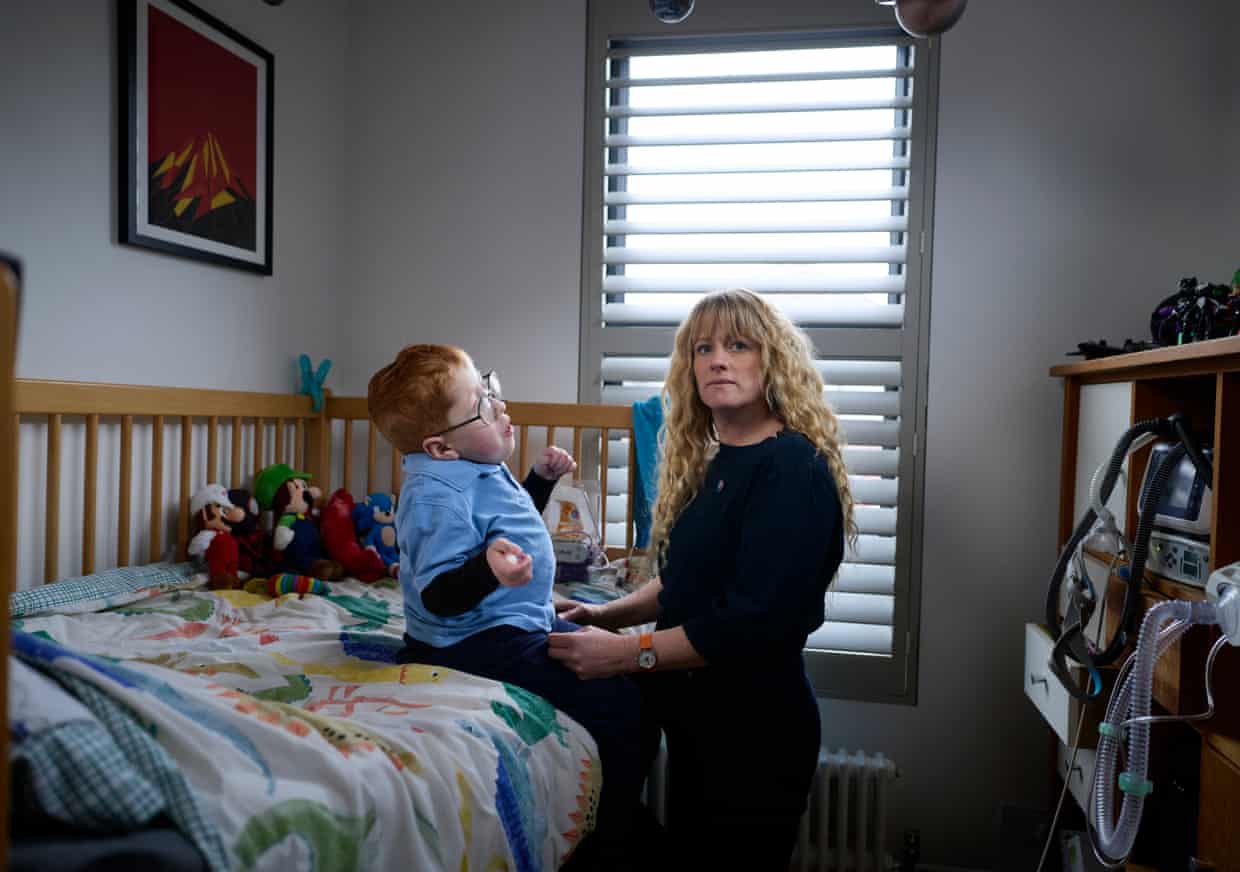
When former Little Mix star Jesy Nelson announced her twins had been diagnosed with spinal muscular atrophy type 1 (SMA1), a rare genetic condition that causes muscle wastage, the news quickly made front page news.The call for SMA to be added to newborn screening sprang to national attention and the health secretary, Wes Streeting, was quick to respond, saying Nelson was “right to challenge and criticise how long it takes to get a diagnosis”.“I’m determined to look not just at screening for SMA, but to make much better use of genomic medicine,” he said.But for many families affected by SMA, his intervention was bittersweet, with some saying their calls for the same kind of government action had been ignored for years.“I have been trying to raise awareness of the need for newborn screening for about four years

How common is violence against NHS staff in England and what is being done to stop it?
A Guardian investigation into violence and sexual harm by patients against NHS staff has revealed tens of thousands of alleged incidents reported over the past three years. Here is what we know from the findings.The Health and Safety Executive (HSE) defines work-related violence as “any incident in which a person is abused, threatened or assaulted in circumstances relating to their work”. Under the Assaults on Emergency Workers (Offences) Act from 2018 anyone who attacks an emergency worker could face a maximum two-year prison sentence. An assault may include pushing, shoving or spitting, as well as fear of an attack
Game On: the Swiss sports brand using hi-tech and chutzpah to challenge Nike and Adidas
Trump move for Venezuela’s resources likely to weaken economic might of US | Heather Stewart
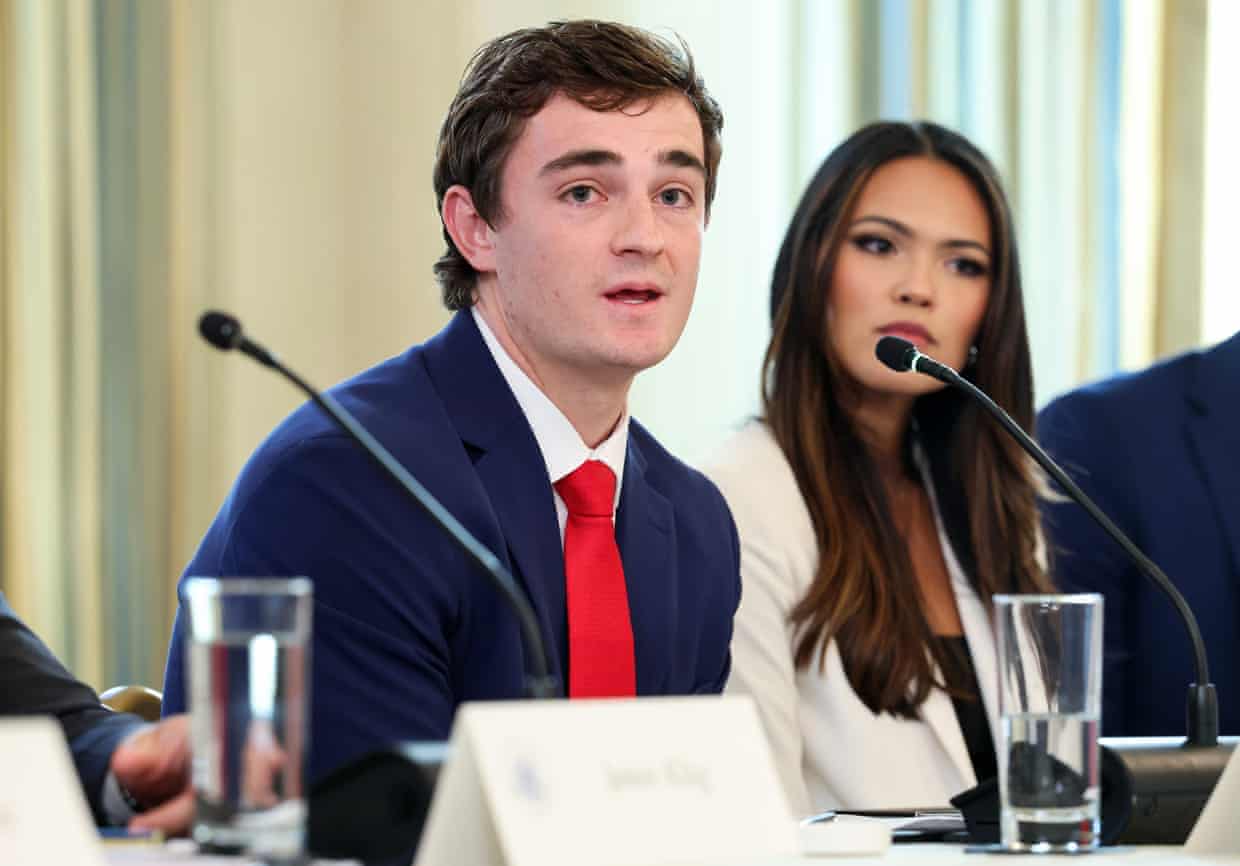
Behind the Somali daycare panic is a mother-and-son duo angling to be top Maga influencers

Elon Musk’s X threatened with UK ban over wave of indecent AI images
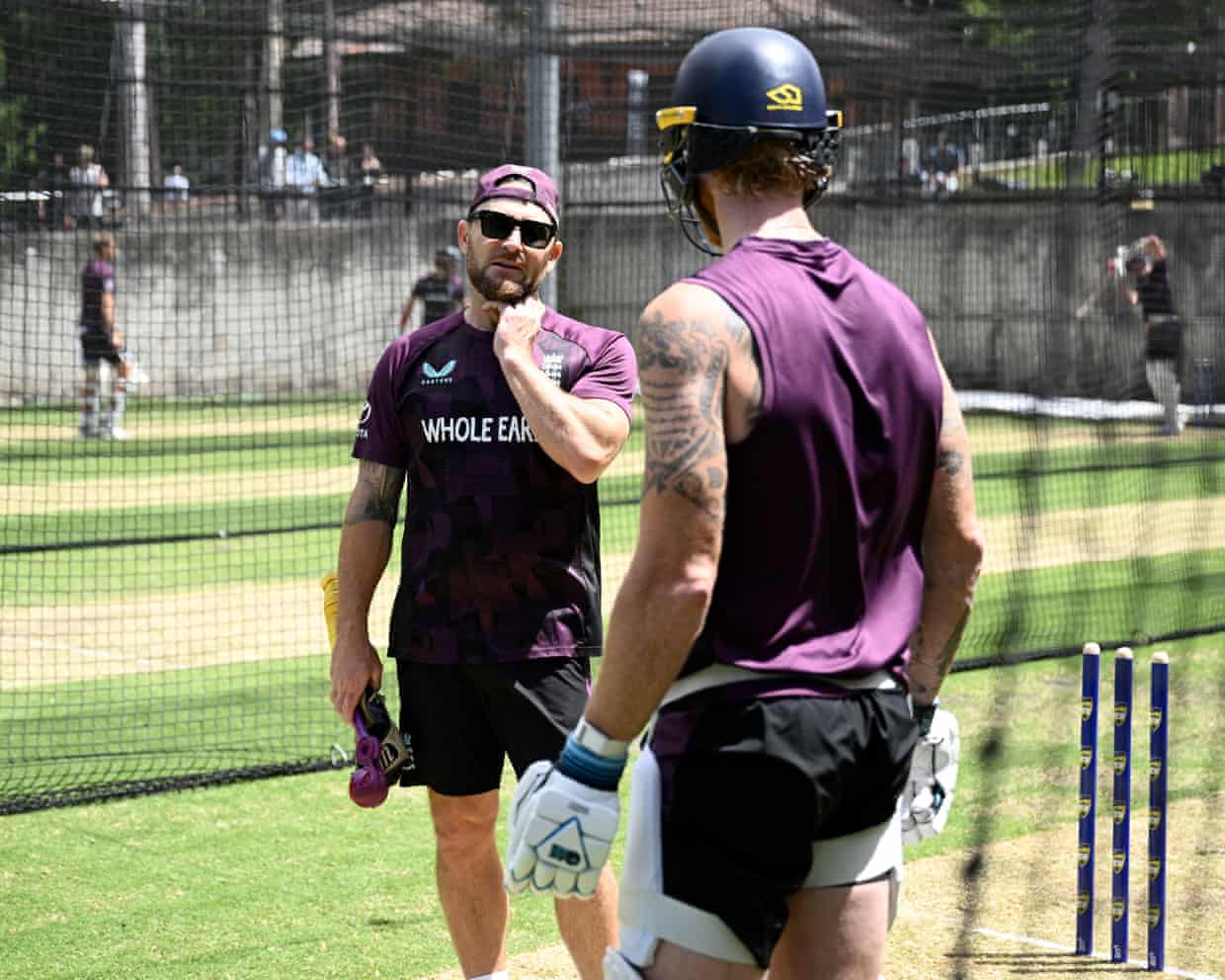
Ashes calamity has trashed McCullum’s credibility. It’s time to call on Alec Stewart | Mark Ramprakash

Jess Hull steers Australia to relay gold at world cross-country championships in US