Andy Whitelaw obituary

A chapter in Andy Whitelaw’s memoir is called “Brainwashing (literally)”.Flushing out blood clots from a newborn’s brain to prevent damage was just one technique evolved by the pioneering neonatologist, who has died aged 79.Among his other innovations was temporarily cooling oxygen-deprived newborns to prevent brain damage.In the 1970s, when Whitelaw began his career, he said the human brain was largely a mysterious “black box”.But improvements in scanning technology made it possible to discover (and therefore treat) conditions in babies that would otherwise have only been found at autopsy, after the baby had died.
Neonatology – the care of newborns and premature babies – rapidly evolved and Whitelaw was in the vanguard.He was a neonatology consultant at the Hammersmith hospital in London from 1981 to 1989, before spending eight years in Norway as professor of paediatrics at Aker University hospital in Oslo, having passed an exam in Norwegian to work there.He then moved back to the UK, and was professor of neonatal medicine at Bristol University from 1998 to 2011.A premature baby’s health can be on a knife-edge, and one issue that scanning could reveal was a bleed in the brain (intraventricular haemorrhage).It could result in tiny blood clots blocking drainage channels so that fluid builds up, risking irreversible brain damage.
To treat it, a shunt tube was inserted into the brain to drain the excess fluid,It was not ideal as the shunt had to remain there permanently and could become blocked,Whitelaw collaborated with others including his second wife, Marianne Thoresen, a professor of neonatal neuroscience, in years of preliminary research, and in 2003 his Drift trial (drainage, irrigation and fibrinolytic therapy) got under way,It attempted to flush the blood clots from the brain,A surgeon inserted a catheter at the front and back of the brain and ran fluid containing a clot-busting drug through it.
The staff were on tenterhooks.Whitelaw wrote: “I watched the first baby like a hawk, hardly daring to leave for the first 16 hours.”Whitelaw spent years teaching the exacting technique in centres across the world and was vindicated when a follow-up study, Drift10, showed that children at 10 years old who had been treated with it had improved IQ compared with those who had had the standard treatment.A second cause of brain damage in newborns is oxygen deprivation, which can result from a difficult birth or problems with the placenta.Whitelaw and Thoresen posited that cooling might prevent brain damage, and in 1999 Whitelaw began the CoolCap trial to see if reducing an oxygen-deprived baby’s temperature for 72 hours could preserve brain function.
Getting consent for what could seem a very strange procedure from parents was a delicate task that he did not think fair to leave to junior staff.So for the next 30 months Whitelaw had to be ready at a moment’s notice to drive to hospital to speak to new parents, often at night or the weekend.But it paid off: the trial was successful and he led a similar but larger trial in 2002, known as Toby (total body hypothermia trial), which instead of cooling just the baby’s head cooled the whole body.“Therapeutic cooling” is now standard for newborns with oxygen deprivation to prevent brain swelling and damage.Whitelaw was interested in any practice that could help premature babies, and in the 1980s skin-to-skin “kangaroo care” in Bogotá, Colombia, caught his eye.
It involves placing a premature baby against the parent’s chest, and originally arose out of expediency as there were insufficient incubators to treat premature babies in Colombia.On a visit there in 1984, Whitelaw was impressed at how well mothers and babies took to it.He returned to the Hammersmith to carry out a trial into its practice and advocated its use widely.Kangaroo care is now widely endorsed by the NHS.Whitelaw, an only child, was born in Derby.
His Scottish father, Robert, was an obstetrician, and his English mother, Cicily (nee Ballard), a radiographer and Liberal councillor.The family moved to Dunfermline, where Whitelaw, aged seven, said a girl with cerebral palsy and unable to walk made a lasting impression on him.He was educated at George Watson’s college in Edinburgh, where he played the bagpipes in the school band, before studying medicine at King’s College, Cambridge, in 1964, and then trained in paediatrics.A car crash in 1969 left him with a permanent injury to one eye, which, he said, combined with the stress of the job, led to “migraines that blighted all my clinical years as a neonatologist”.Whitelaw worked at Northwick Park hospital in London for much of the 70s, where he was inspired by the sight of an early ventilator and other technology saving the lives of premature babies.
He also gained vital experience working at Great Ormond Street children’s hospital in London and at the Hospital for Sick Children in Toronto, before becoming a consultant and senior lecturer in neonatology at the Hammersmith hospital in 1981.In 1969, Whitelaw married Sara Sparks, a nursery teacher, with whom he had three children: Nicola, Ben and Rebecca.They divorced in 1988.In 1990 he married his colleague Marianne, and they had a son, Thomas.In 1998 he and Marianne went to work in Bristol, and in 2006-09 he was president of the Neonatal Society.
After he retired in 2011, Whitelaw divided his time between Norway and the UK and enjoyed cross-country skiing and playing the guitar.He also played the bagpipes in a marching band in Bristol.Whitelaw is survived by Marianne, his four children, two stepchildren, eight grandchildren and six step-grandchildren.Andrew George Lindsay Whitelaw, neonatologist, born 31 August 1946; died 9 November 2025
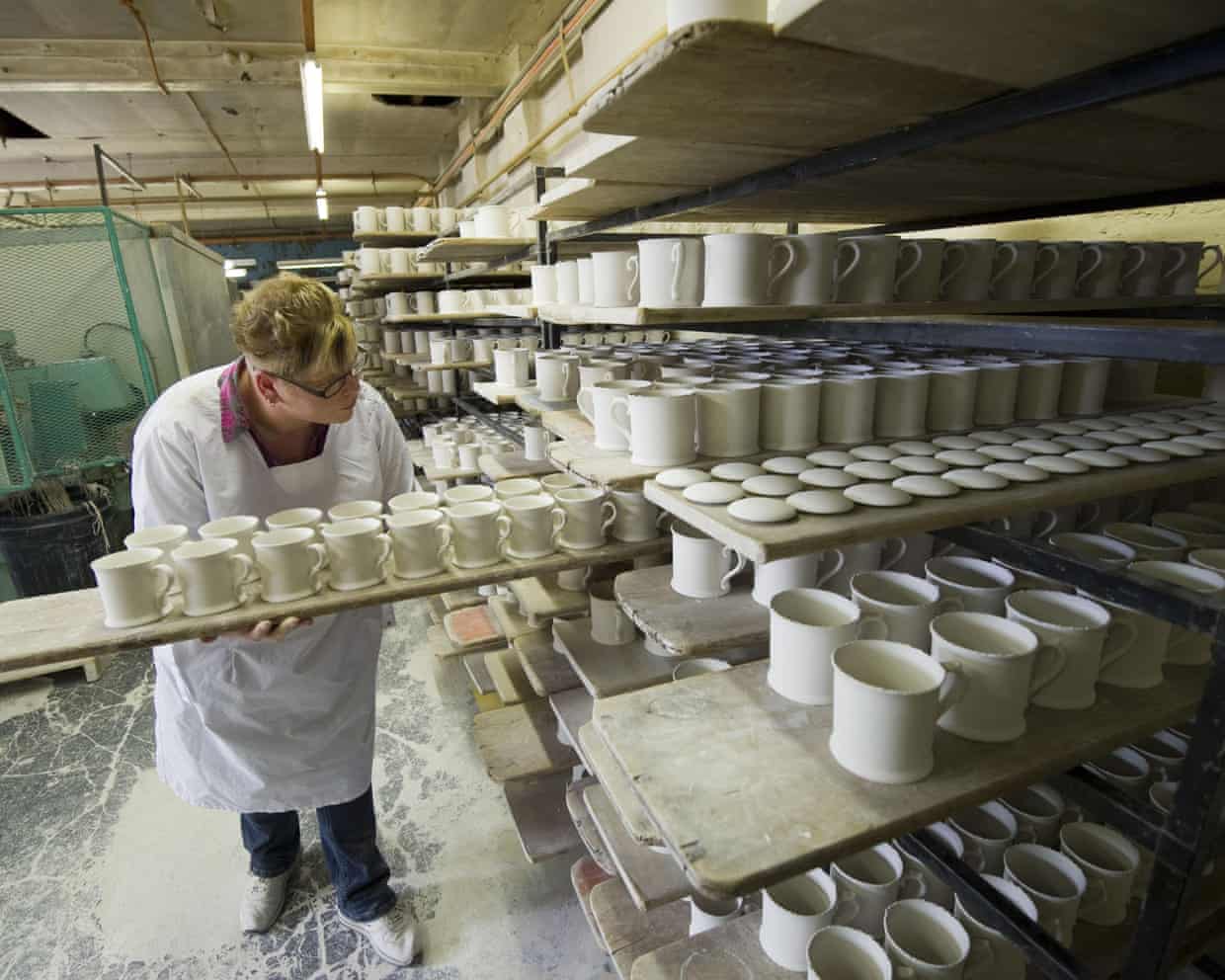
Help UK ceramics industry or ‘lose piece of national identity’, government told
Britain will lose a piece of its national identity if the country’s ceramics industry is allowed to descend further into crisis without state assistance, the government has been warned.Ceramics producers including the struggling potteries of Staffordshire have come under huge pressure owing to factors such as the UK’s sky-high energy costs, leading to job losses.In a report, unions and the Green Alliance thinktank urged the government to step in to support the centuries-old sector.“Tens of thousands of working-class jobs rely on the ceramics sector so we cannot afford to leave its future to chance. But so far we aren’t seeing enough action from a government grappling with the unique challenges the sector faces,” said Chris Hoofe of the GMB union
Elon Musk warns of impact of record silver prices before China limits exports
A surge in the price of silver to record highs this month has prompted a warning from Elon Musk that manufacturers could suffer the consequences.Silver has risen sharply during December, part of a precious metals rally that also pushed gold and platinum to record levels on Boxing Day.Analysts have attributed the jump in prices to expectations of US interest rate cuts by the Federal Reserve in 2026, leading to increased demand for hard assets that protect against inflation and currency debasement.New restrictions on silver exports from China, which begin on 1 January, have created supply fears while geopolitical worries have lifted demand for safe-haven assets.Silver hit $79 (£58) an ounce for the first time last Friday, a new peak, up from $56 at the start of December, and just $29 an ounce at the start of 2025

AI is coming for young people’s office jobs. That’s good news for the construction industry | Gene Marks
While standing on the sideline watching a high school soccer game, my friend, who owned a small and successful construction company, complained that his son – a senior – was starting at a respected local university that fall, which would cost roughly $200,000 over the next four years.“I could take the same money and set him up in a contracting business,” he said. “It would be a much better investment.”That was in 2010. The kid did go to that college and graduated four years later with a degree in history

The 2025 US economy – in charts: rising prices, hiring slowdown, rollercoaster growth
The US economy is thriving, according to Donald Trump: jobs are surging, prices are falling, wages are soaring. The government’s own official statistics paint a more complicated picture of 2025.“The Trump Economic Golden Age is FULL steam ahead,” the president claimed on social media, after growth data for the third quarter of the year – covering July, August and September – was unexpectedly strong.But other key indicators have been far less robust in 2025. If Trump is right, and an unprecedented economic boom is about to take hold, the foundations appear fragile

Labour must learn lessons from history as automation hits jobs market | Richard Partington
Walk through a supermarket and the technology is everywhere. Self-service checkouts, electronic shelf labels, handheld barcode scanners and the video screens showing you – caught by AI facial recognition cameras – leaving the shop.In an economy struggling for growth, the encroachment of these machines in our everyday lives could be an early sign of a new dawn – a tech-driven renaissance in activity after years of flatlining growth in productivity and stalled business investment. No bad thing.On the other hand, it could be the glimpse of a dystopian future that is already beginning to take shape
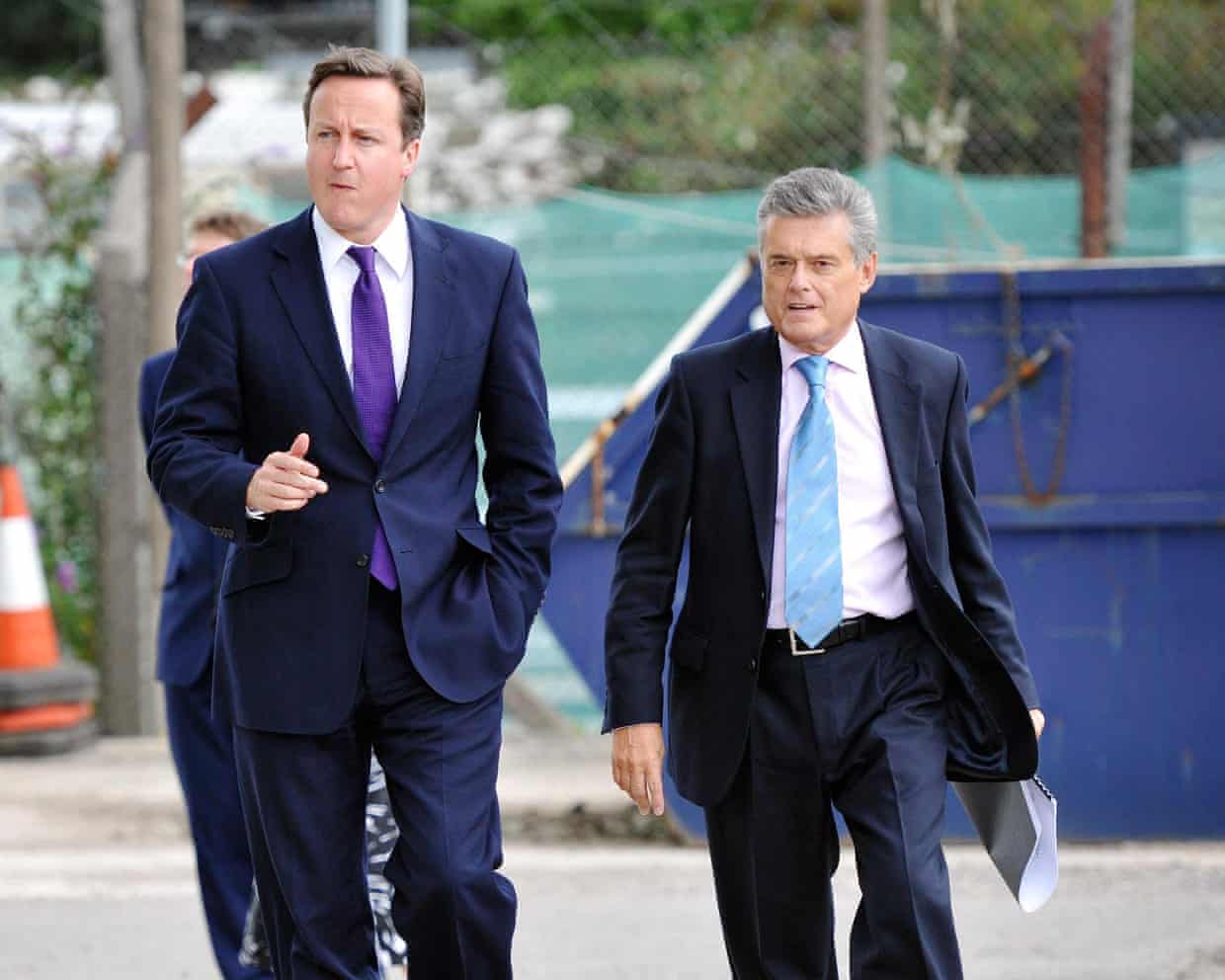
Former Wessex Water boss received £170,000 bonus despite ban on performance pay
The former chief executive of Wessex Water received a £170,000 bonus from its parent company last year despite a ban on performance-related pay after criminal pollution failures on his watch.Colin Skellett received a total of £693,000 in pay from the water company’s Malaysian-owned parent company, YTL Utilities (UK), including the bonus, according to its accounts up to June 2025.The bonus prompted strong criticism from the Liberal Democrats, which said it showed that the government’s bonus ban was “nowhere near strong enough”.Wessex was banned from paying bonuses for the year after it was criminally convicted in November 2024 for a sewage pumping station failure six years earlier, which killed more than 2,000 fish and resulted in the company paying a fine of £500,000. In June the government banned bonuses covering the 2024-25 financial year for the chief executives and finance bosses of Wessex and five other companies

DIY chains enjoy bumper year as UK property market slows
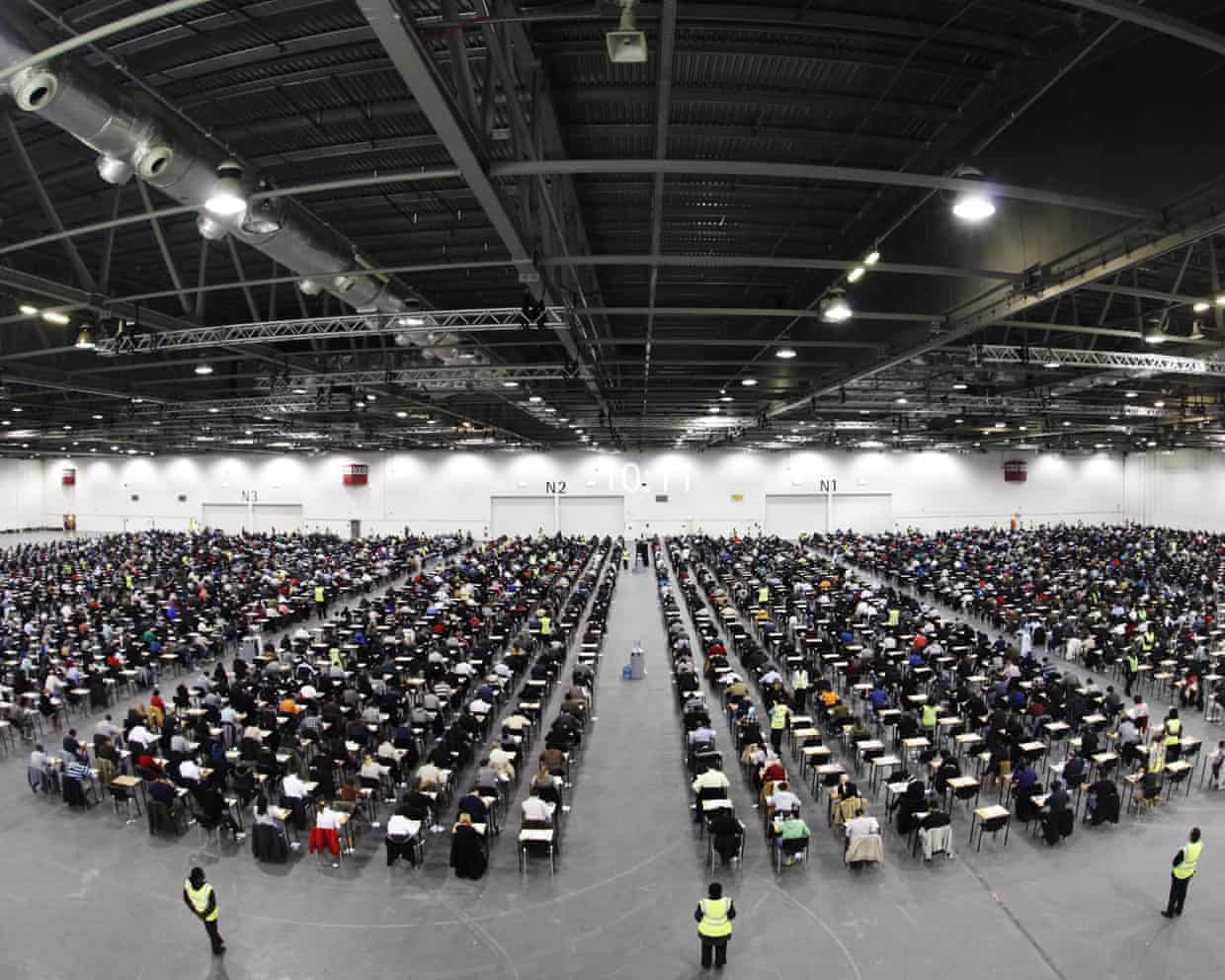
UK accounting body to halt remote exams amid AI cheating

From shrimp Jesus to erotic tractors: how viral AI slop took over the internet

More than 20% of videos shown to new YouTube users are ‘AI slop’, study finds

Matthew Potts poised to play in fifth Ashes Test after England rule out Gus Atkinson

Patriots clinch AFC East as Eagles edge Bills while Browns shatter Steelers: NFL week 17 – as it happened